Are Gorillas Friendly to Humans? Behaviour, Facts and Safety Guide 2026
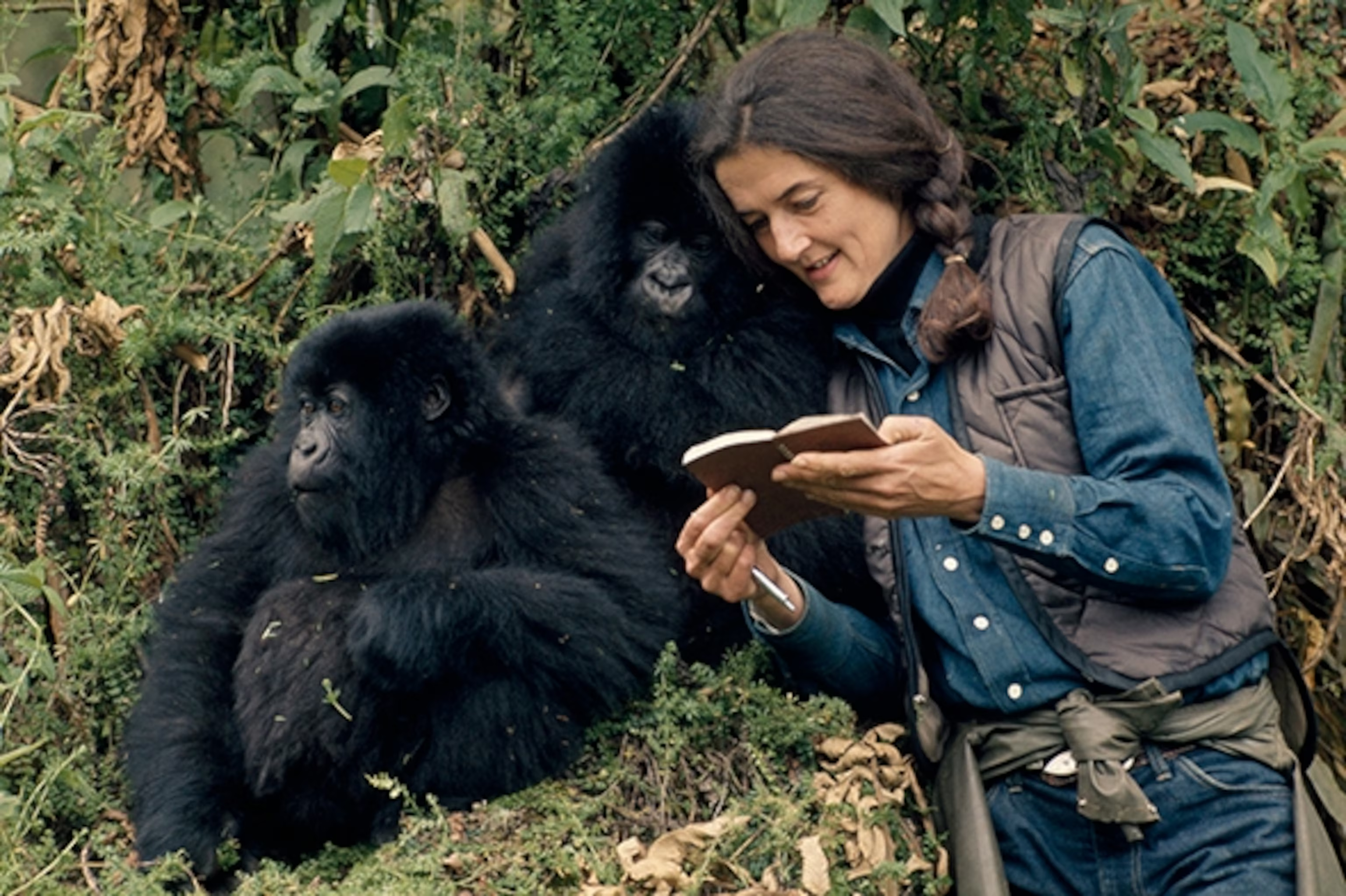
Are gorillas friendly to humans? The direct answer is nuanced: mountain gorillas can be remarkably calm and tolerant around humans, but they are wild animals, not domesticated pets.
Their behaviour varies significantly depending on the circumstances, their individual personalities, and their level of gorilla habituation.
It is crucial for travellers to understand the distinction between genuine friendliness, passive tolerance, natural curiosity, and defensive aggression.
While a gorilla may sit mere metres away, seemingly relaxed, this does not equate to a desire for human contact.
This comprehensive guide explores the complex social dynamics of gorilla troops, the pivotal role of the silverback gorilla, the science behind gorilla habituation, and the strict safety protocols that govern gorilla trekking in Uganda and gorilla trekking in Rwanda.
By understanding these wild primates, you can ensure a safe, respectful, and unforgettable wildlife encounter.
Are gorillas friendly to humans?
Gorillas can be calm and tolerant around humans, especially when habituated to authorised observers. However, gorillas are wild animals, not pets, and their behaviour varies depending on the situation.
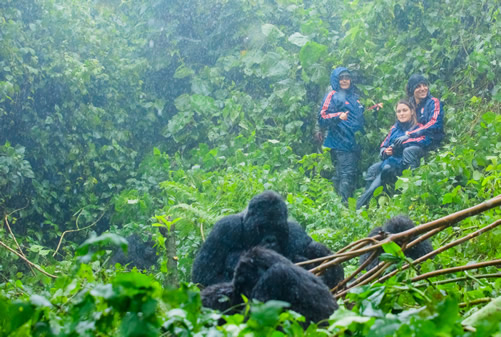
They may ignore visitors, retreat, or display defensive aggression if they feel threatened. During gorilla trekking in Uganda or Rwanda, visitors must strictly follow their guides’ instructions, maintain the required distance (usually 7 metres or 22 feet), and never attempt to touch or feed gorillas.
Are Gorillas Naturally Friendly to Humans?
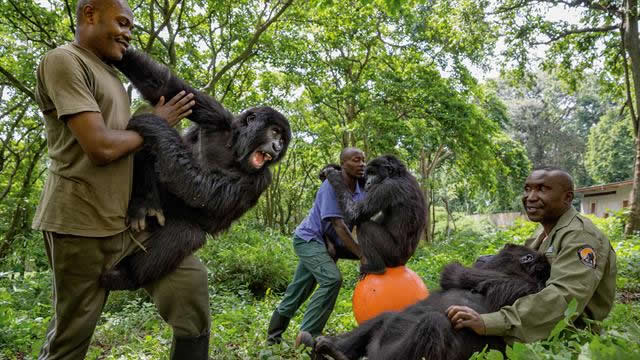
To understand whether gorillas are naturally friendly to humans, we must first look at their evolutionary and social nature. Gorillas are highly intelligent, deeply social primates with strong family bonds and complex communication systems.
In the wild, their relationship with humans is historically non-predatory; gorillas are primarily herbivorous and do not view humans as prey.
However, “non-predatory” does not mean “friendly” in the human sense. A gorilla appearing relaxed while foraging or resting near a trekking group is demonstrating tolerance, not affection.
This tolerance is a learned behaviour, carefully cultivated over years through the gorilla habituation process. In their natural state, wild, unhabituated gorillas are naturally wary of humans and will typically retreat or hide when they detect human presence.
It is a common misconception to project human emotions onto these magnificent creatures. A gorilla’s calm demeanour should never be interpreted as an invitation for interaction.
They remain powerful, unpredictable wild animals whose primary instinct is the protection of their troop. Respecting this boundary is the foundation of all ethical gorilla safari experiences.
Related Read | Discover Mountain Gorilla Behaviour Guide | Silverback Gorilla Behaviour Guide | Do Gorillas Play? | Do Gorillas Clim Trees in the Wild
Why Do Gorillas Live in Close Family Groups?
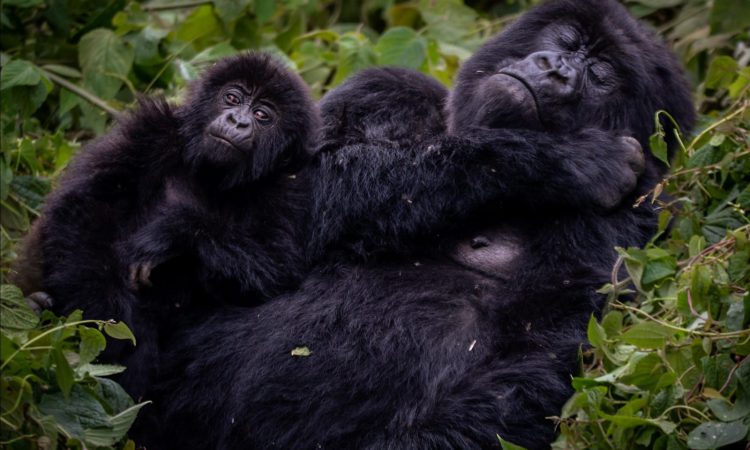
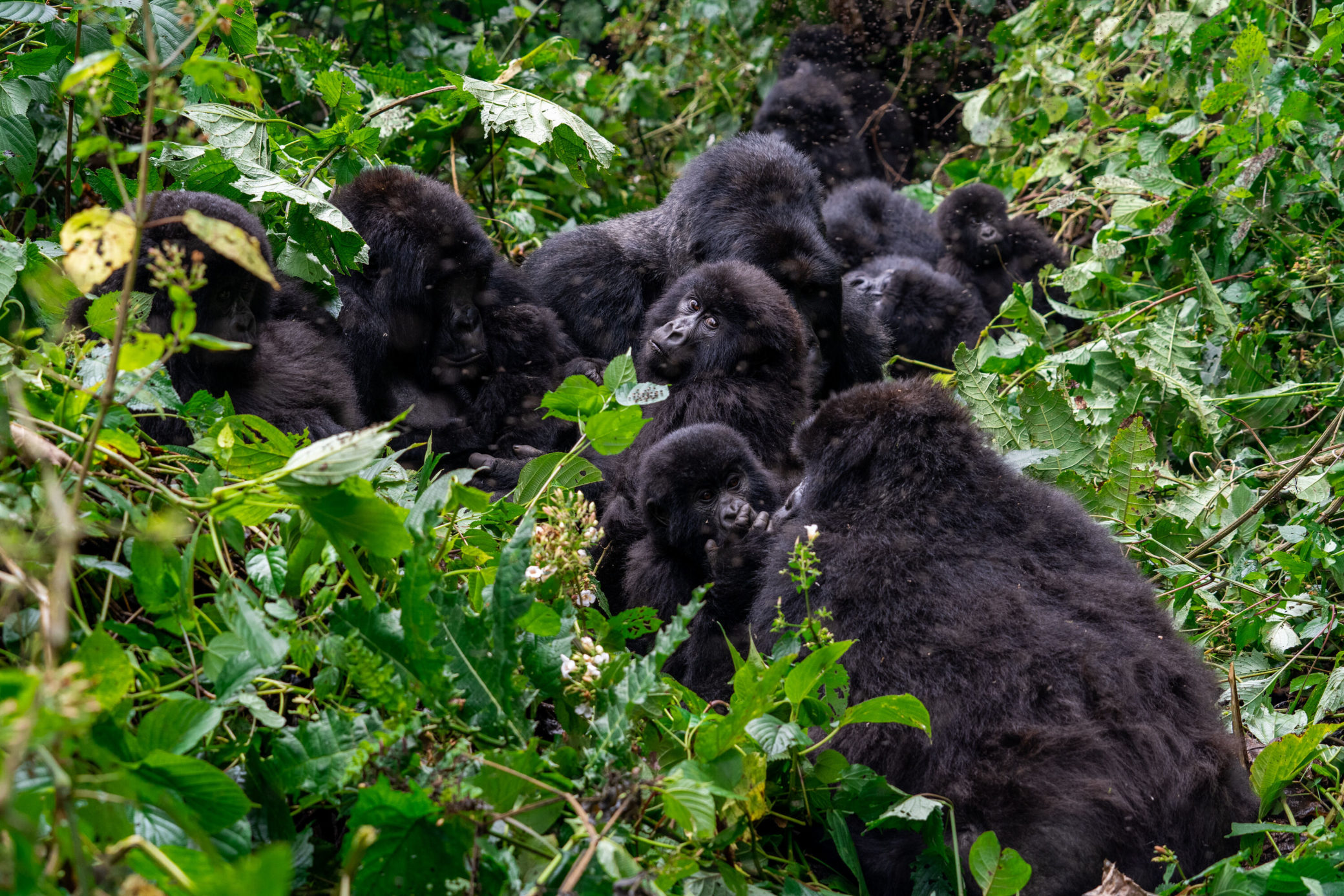
Mountain gorillas live in highly structured, cohesive family groups known as troops, typically ranging from 5 to 30 individuals. Understanding this social structure is key to appreciating their behaviour during a trek.
At the heart of every troop is the dominant silverback, a mature male who makes all the major decisions: where the group feeds, when they rest, and how they respond to perceived threats.
Surrounding the silverback are adult females, who often form strong, lifelong bonds with him, along with their infants, juveniles, and sometimes subordinate adult males.
The daily life of a gorilla troop revolves around feeding, resting, and intricate social interactions such as mutual grooming and play.
Juveniles are particularly playful, often wrestling and tumbling through the dense undergrowth, providing some of the most endearing sights for trekkers.
These tight-knit family dynamics are precisely what make observing mountain gorillas in the wild so emotionally compelling.
Witnessing a mother gently cradle her infant or a silverback peacefully watching over his family offers a profound glimpse into a society that mirrors our own in surprising ways.
However, it is vital to remember that these are wild social structures governed by survival instincts, not human social concepts.
Related Read | Discover the Features of a Mountain Gorilla | Where to See Mountain Gorillas in Africa | Mountain Gorilla Food Web
Are Silverback Gorillas Friendly to Humans?
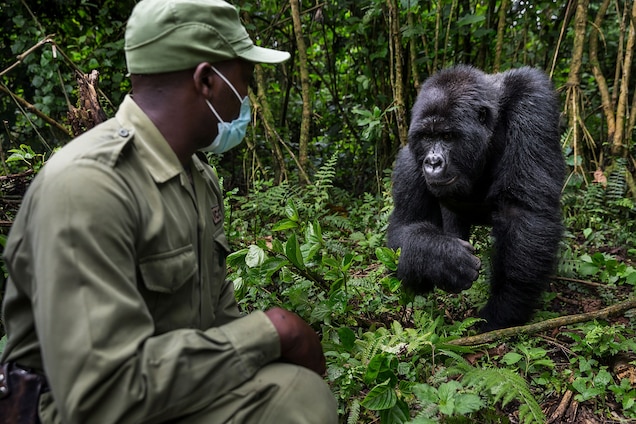
The silverback gorilla is the undisputed leader and protector of his troop. When travellers ask if silverbacks are friendly, the answer requires a deep understanding of their protective instincts.
A habituated silverback will often tolerate the presence of authorised human observers, sometimes ignoring them entirely as he focuses on feeding or supervising his family.
However, this tolerance has strict limits. If a silverback perceives a threat to his group—such as a tourist stepping too close, making sudden movements, or displaying aggressive body language—he will not hesitate to defend his family.
Silverback defensive displays are spectacular and intimidating by design. They may include intense staring, hooting, tearing up vegetation, slapping the ground, and the iconic chest-beating.
In extreme cases, a silverback may execute a bluff charge, rushing toward the perceived threat at high speed before stopping abruptly.
While these displays are primarily warnings intended to intimidate rather than injure, a silverback gorilla is immensely powerful and can be highly dangerous if provoked, cornered, or startled.
Visitors must always show submissive, non-threatening behaviour during such encounters, relying entirely on the expertise of their trained guide.
Related Read | Discover Why Silverbacks Beat Their Chest Guide | Silverback Gorilla Intelligence | Endangered Silverback Gorillas Guide | How Big are Silverback Gorillas | How Strong is a Silver Gorilla
Do Gorillas Like Humans or Enjoy Human Company?
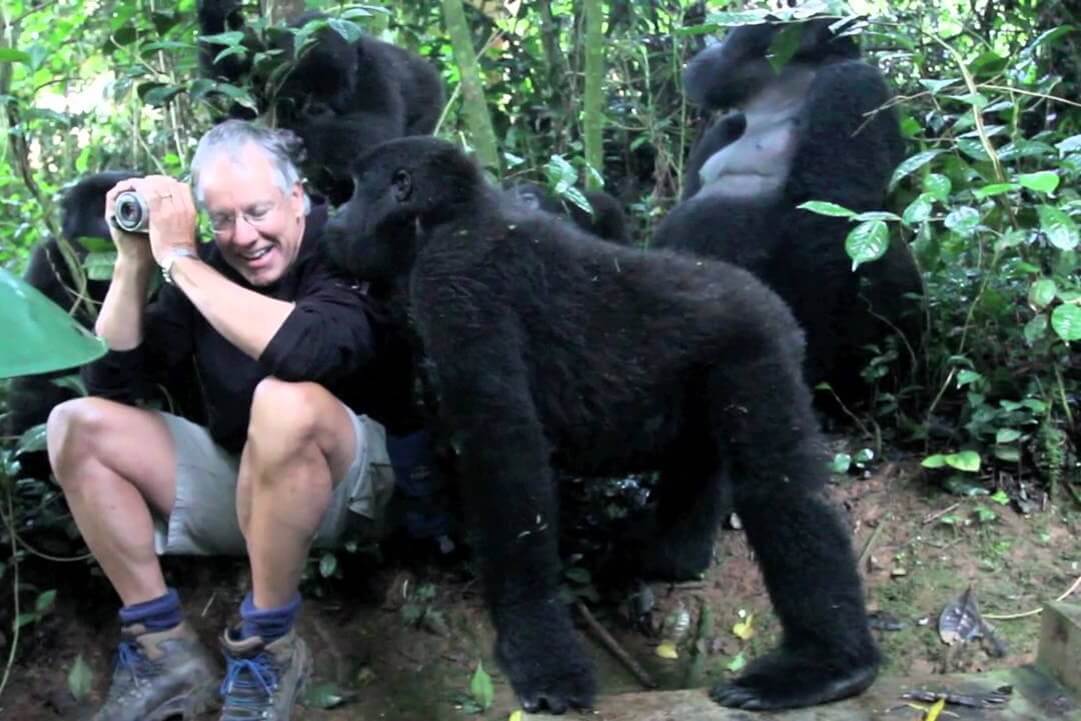
Do gorillas actually like humans or seek out our company? The short answer is no. Gorillas do not possess an innate desire for human companionship.
When habituated gorillas continue feeding, grooming, or resting while tourists are present, this behaviour reflects learned tolerance, not affection or enjoyment of human company.
The habituation process teaches gorillas that the presence of quiet, predictable humans does not pose a danger to their survival. Over time, the energy expended on fleeing or displaying aggression is deemed unnecessary, allowing them to resume their natural daily routines.
It is easy for observers to misinterpret a gorilla’s curious glance or a juvenile’s playful approach as a sign of friendship. In reality, these actions are often just investigations of a novel element in their environment.
Distinguishing genuine social bonding within the gorilla group from human projections of emotion is critical. We are privileged guests in their forest home, and their tolerance is a privilege we must never abuse by attempting to bridge the wild divide.
Related Read | Discover Human Gorilla Conflict Guide | Do Gorillas Eat Humans? | Things you should never do around Gorillas
What Is Gorilla Habituation and Why Does It Matter?
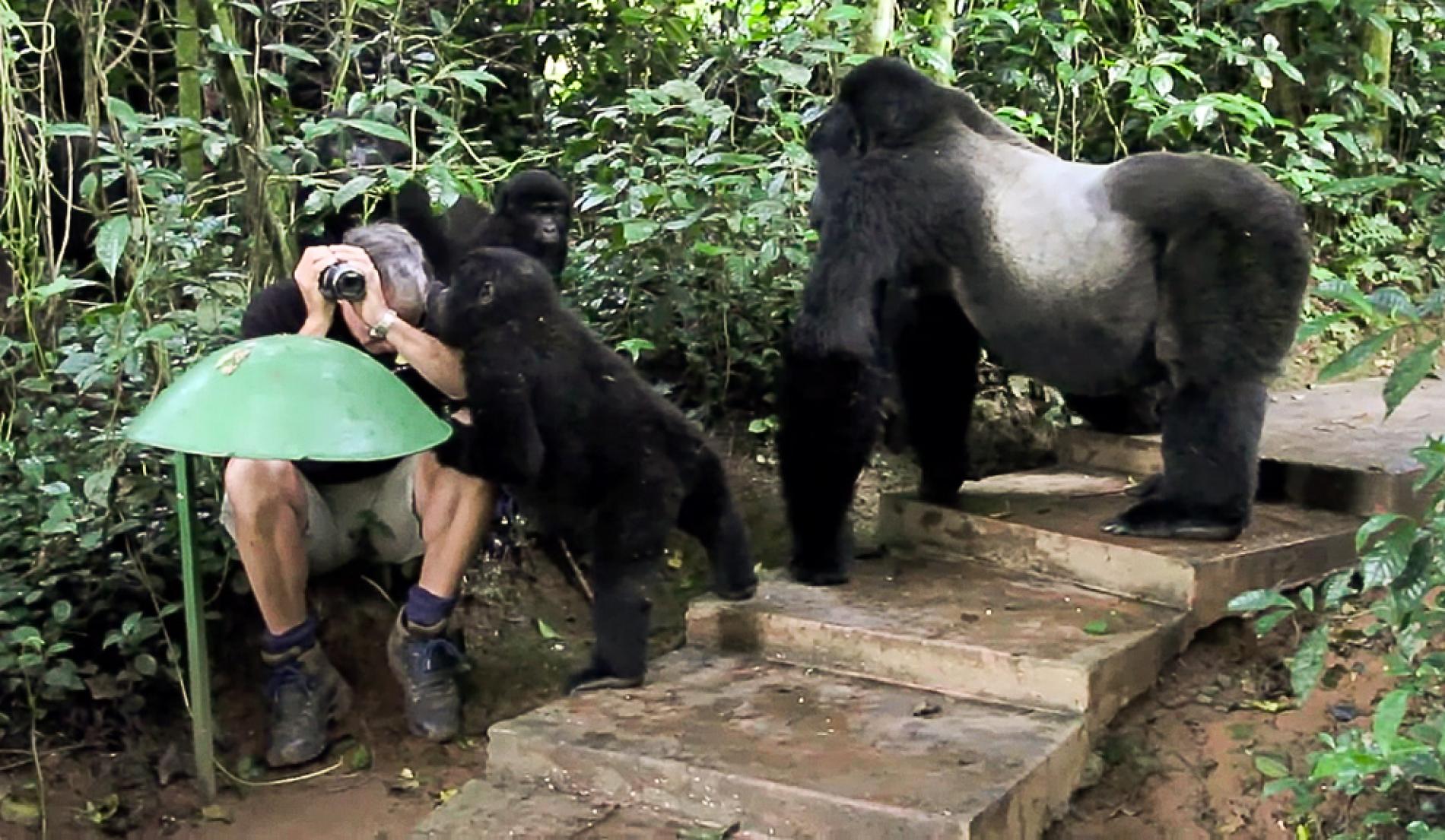
Gorilla habituation is a meticulous, multi-year process through which selected wild gorilla groups are gradually accustomed to the presence of authorised human observers.
This process is not about taming the animals; rather, it is about reducing their flight response so that researchers, conservationists, and regulated tourists can observe them at close range without causing the gorillas undue stress.
Habituation is typically led by experienced trackers, veterinarians, and behavioural experts who spend hours each day slowly closing the distance between themselves and the gorilla troop.
This process can take anywhere from two to three years. Its primary purposes are scientific research, health monitoring, and enabling regulated eco-tourism.
It is absolutely critical to understand that habituated gorillas remain entirely wild. They forage for their own food, build their own nests, and operate under the leadership of their silverback.
Furthermore, habituation makes gorillas more vulnerable to human-borne diseases, which is why strict disease-prevention measures—such as wearing masks, maintaining distance, and prohibiting visits when ill—are non-negotiable components of any gorilla trekking permit.
Related Read | Gorilla Habituation Experience
Are Gorillas Dangerous or Aggressive Towards Humans?
Gorillas are immensely powerful wild animals, and while unprovoked attacks on humans are exceedingly rare, they are certainly capable of being dangerous or aggressive if they feel threatened.
Aggression in gorillas is almost always defensive, triggered by a perceived threat to themselves, their infants, or their dominant silverback.
Common triggers for defensive aggression include:
- Sudden movements or loud, high-pitched noises.
- Closing the distance beyond the mandated 7-metre (22-foot) rule.
- Direct, prolonged eye contact, which is interpreted as a challenge.
- Attempting to touch, feed, or photograph a gorilla from an intrusive angle.
- Visiting while sick, which poses a severe biological threat to the troop.
It is vital to distinguish between a warning display (like a bluff charge or chest-beating) and an actual physical attack. Warning displays are communication tools designed to make the threat go away.
Physical attacks are a last resort. Visitors must never provoke a gorilla to obtain a better photograph or video; the risk to human safety and gorilla welfare is far too great.
Although gorillas can appear calm around humans, they remain powerful wild animals. Discover whether gorillas are aggressive towards humans, what triggers defensive behaviour, and how to stay safe during a mountain gorilla trekking experience in Uganda or Rwanda. Discover Tips for First Time Gorilla Trekking
How Do Gorillas React When They See Humans?
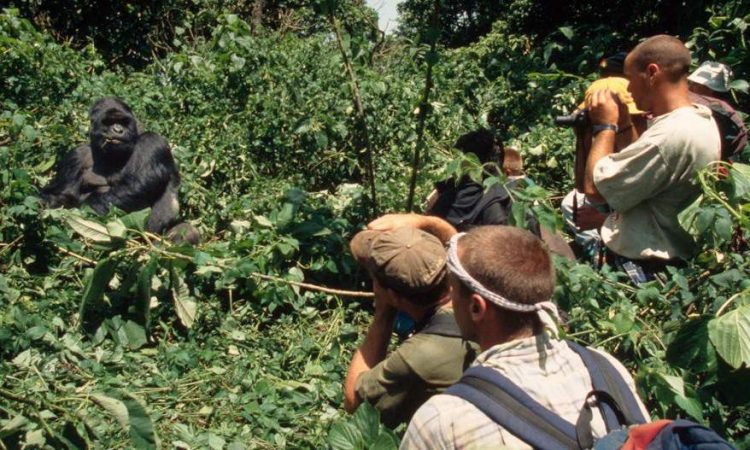
A gorilla’s reaction to seeing humans is highly variable and depends on several factors: the troop’s level of habituation, the individual gorilla’s personality, past experiences, and the immediate context of the encounter.
- Indifference: Highly habituated gorillas, especially those focused on feeding or caring for infants, may barely acknowledge the presence of humans, treating them as part of the background scenery.
- Curiosity: Juveniles or younger females may pause to watch visitors with mild curiosity, observing their strange clothing and behaviour before losing interest.
- Caution or Retreat: Unhabituated or less comfortable gorillas may choose to move deeper into the dense vegetation to avoid the encounter entirely.
- Defensive Posturing: If a human breaches the safe zone or acts unpredictably, a gorilla may respond with vocalisations, staring, or a bluff charge to re-establish boundaries.
Tourists must never interpret curiosity or a calm appearance as permission to approach or touch. The boundary between a peaceful observation and a dangerous escalation can be crossed in a fraction of a second by a single misplaced step.
Related Read | Discover Do Gorillas Eat Humans
How to Behave Around Gorillas During a Trek
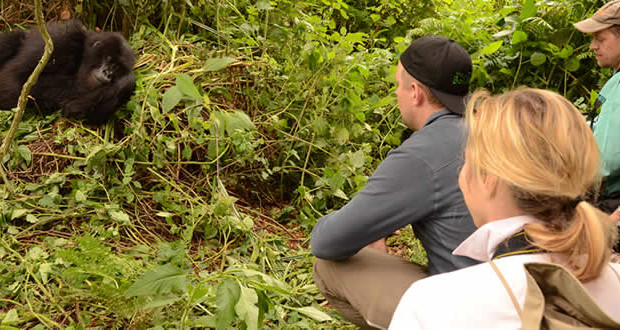
Your safety and the well-being of the gorillas depend entirely on strict adherence to park regulations. When you embark on a gorilla trekking safari, you are entering their home.
Follow these essential safety guidelines:
- Follow Ranger Instructions: Your guide is highly trained in gorilla behaviour. Listen to them implicitly and follow their instructions without hesitation.
- Maintain Strict Distance: Always keep a minimum distance of 7 metres (22 feet) from the gorillas. This protects both you and them from disease transmission and reduces stress.
- Never Touch Gorillas: Physical contact is strictly prohibited. If a gorilla approaches you, remain still and let the guide manage the situation.
- Keep Voices Low: Speak in hushed, calm tones. Sudden loud noises can startle the troop and trigger a defensive response.
- No Flash Photography: Flash can agitate gorillas. Ensure your camera’s flash is disabled before the encounter begins.
- Do Not Trek If Ill: If you have a cold, flu, or any contagious illness, you must inform your guide. Human respiratory diseases can be fatal to mountain gorillas.
- Respond Calmly to Charges: If a gorilla displays aggressive behaviour or charges, do not run. Running triggers a chase instinct. Instead, crouch down slowly, make yourself look smaller, avert your gaze, and follow your guide’s specific instructions.
Want to see mountain gorillas in their natural habitat?
Discover guided gorilla trekking experiences in Uganda and Rwanda with GoSilverback Safaris. Explore our available safari packages and learn how to plan a responsible, life-changing encounter with these remarkable wild primates.
[Explore Gorilla Safari Packages] | Discover What Happens During Gorilla Trekking?
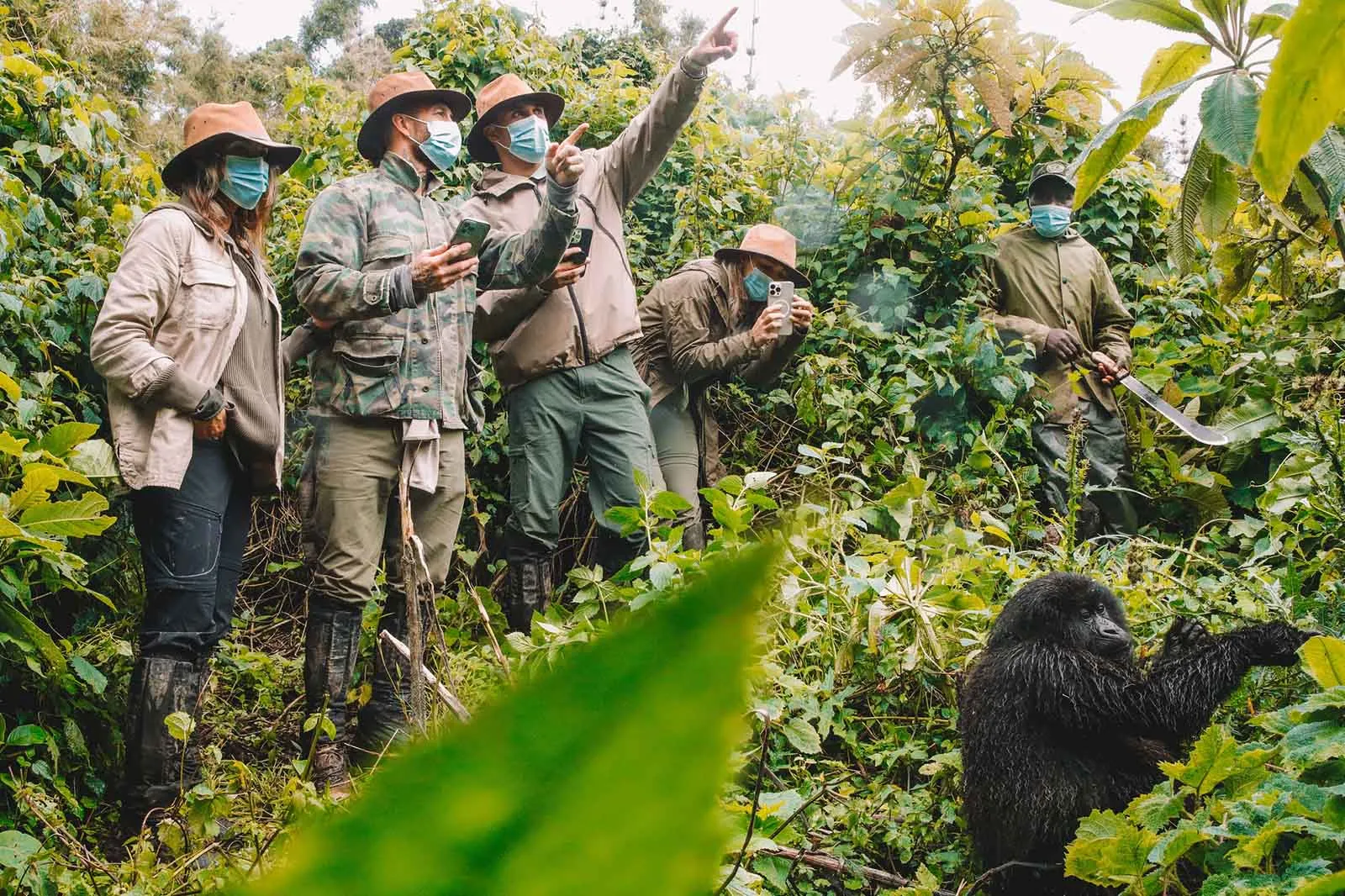
Can You Safely See Friendly Mountain Gorillas in Uganda and Rwanda?
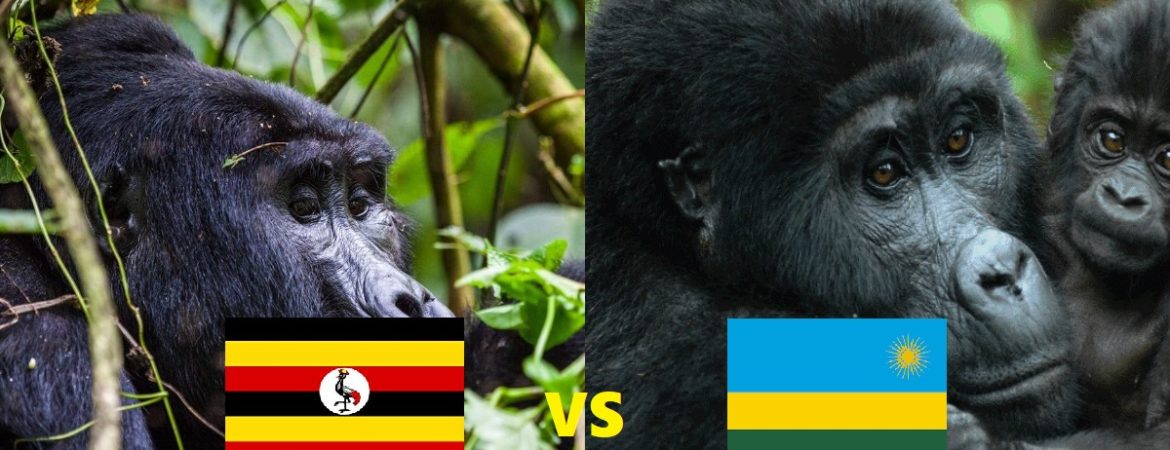
Yes, you can safely observe mountain gorillas in their natural habitat, provided you book through authorised channels and adhere to all safety protocols. The two premier destinations for this experience are Uganda and Rwanda.
In Uganda, trekkers can visit Bwindi Impenetrable National Park, a UNESCO World Heritage Site renowned for its dense, misty forests and roughly half of the world’s remaining mountain gorilla population. Alternatively, Mgahinga Gorilla National Park offers a slightly more rugged, high-altitude trekking experience.
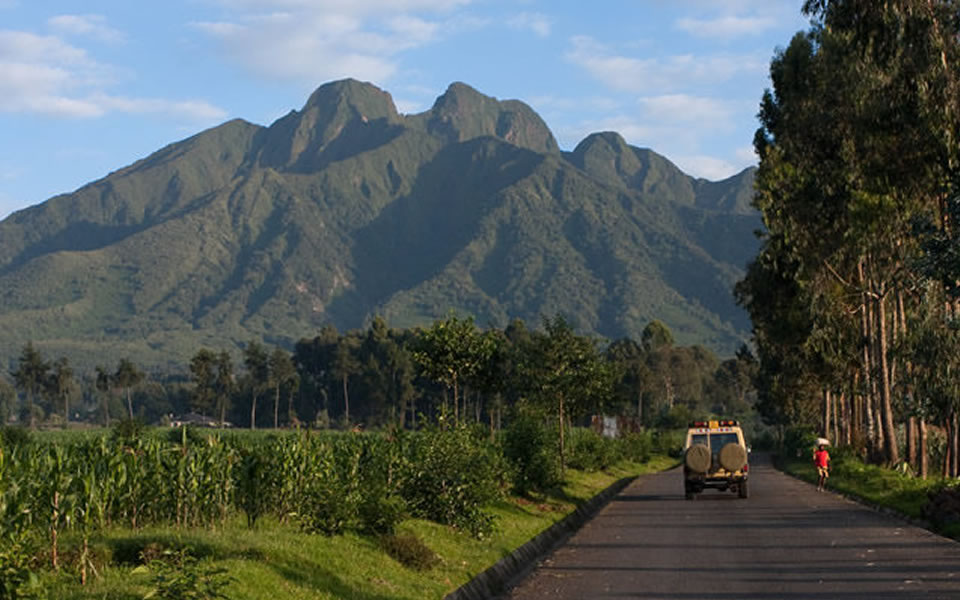
In Rwanda, Volcanoes National Park provides a highly organised, accessible, and luxurious gorilla trekking experience, with shorter hiking distances to the gorilla families on the slopes of the Virunga volcanoes.
In both countries, the trekking process is strictly regulated. You will be assigned to a specific gorilla family based on your fitness level, and you will be accompanied by an armed park ranger and an expert tracker.
While no operator can guarantee a specific gorilla behaviour—since they are wild animals—the structured, guided nature of these encounters ensures a profoundly safe and awe-inspiring experience.
Discover our Uganda Gorilla Safari Packages and Rwanda Gorilla Trekking Tours
How Gorilla Tourism Supports Conservation
Regulated gorilla tourism is a cornerstone of modern conservation efforts in East Africa. The revenue generated from gorilla trekking permits (which cost $800 in Uganda and $1,500 in Rwanda) is directly reinvested into wildlife protection.
These funds finance:
- Anti-poaching patrols and veterinary care for injured or sick gorillas.
- Habitat protection and the expansion of protected forest boundaries.
- Local community development, including schools, clinics, and clean water projects, which fosters local support for conservation over poaching or deforestation.
By choosing to trek with responsible operators like GoSilverback Safaris, you are directly contributing to the survival of an endangered species.
Strict visitor limits (typically 8 tourists per gorilla family per day) and rigorous health protocols ensure that tourism remains a sustainable, positive force for mountain gorilla conservation.
Related Read | Discover Gorilla Poaching Prevention | Mountain Gorilla Conservation
Frequently Asked Questions About Gorillas and Humans
Are gorillas friendly to humans?
Gorillas are tolerant of humans when habituated, but they are wild animals, not pets. They do not seek human friendship, and their behaviour can change instantly if they feel threatened.
Are mountain gorillas friendly to tourists?
Habituated mountain gorillas tolerate tourists calmly, but this is a learned behaviour for coexistence, not friendliness. Tourists must always maintain a 7-metre distance.
Do gorillas like humans?
No, gorillas do not possess an innate desire for human company. They tolerate human presence because they have learned it does not pose an immediate threat to their survival.
Can gorillas bond with humans?
While gorillas in captivity (like the famous Koko) have shown the capacity for cross-species bonding, wild mountain gorillas do not form social bonds with human trekkers.
Are silverback gorillas friendly?
Silverbacks are protective leaders. While they may ignore tourists, they will aggressively defend their troop if they perceive a threat. They are not “friendly” in a domestic sense.
Are gorillas dangerous to humans?
Gorillas are immensely powerful and can be dangerous if provoked, cornered, or if their personal space is violated. However, unprovoked attacks on compliant tourists are extremely rare.
Do gorillas attack humans in the wild?
Physical attacks are a last resort. Gorillas prefer to use warning displays (chest-beating, bluff charges) to scare threats away before resorting to physical contact.
Why do silverback gorillas beat their chests?
Chest-beating is a form of communication and a warning display. It is used to assert dominance, intimidate rivals, or warn perceived threats (including humans) to back away.
What happens if a gorilla approaches you?
Remain calm, do not run, crouch down to appear smaller, avert your eyes, and follow your guide’s instructions. Running will trigger a chase response.
Can you touch a gorilla during gorilla trekking?
No. Touching gorillas is strictly prohibited by all park authorities (UWA, RDB) to prevent the transmission of deadly human respiratory diseases to the gorillas.
Are habituated gorillas still wild?
Yes, absolutely. Habituation only means they are accustomed to human presence. They still forage, nest, and behave as entirely wild, independent animals.
Is gorilla trekking safe in Uganda?
Yes, gorilla trekking in Uganda (Bwindi and Mgahinga) is highly safe when you follow the strict guidelines provided by the Uganda Wildlife Authority and your professional guide.
Is gorilla trekking safe in Rwanda?
Yes, gorilla trekking in Rwanda (Volcanoes National Park) is exceptionally safe, well-regulated, and closely monitored by the Rwanda Development Board and expert rangers.
Why must tourists keep their distance from gorillas?
The 7-metre (22-foot) rule is enforced to minimise stress on the gorillas and to prevent the transmission of human-borne diseases, to which gorillas have no immunity.
Can gorillas catch human diseases?
Yes. Gorillas share 98% of human DNA, making them highly susceptible to human respiratory illnesses like the common cold, flu, and pneumonia, which can be fatal to them.
Plan Your Gorilla Trekking Safari with GoSilverback Safaris
Understanding gorilla behaviour is the first step toward a responsible and unforgettable wildlife encounter. Whether you dream of tracking through the misty, emerald slopes of Bwindi Impenetrable National Park or the volcanic terrain of Volcanoes National Park, expert planning is essential.
Let GoSilverback Gorilla Safaris handle the complexities of your journey. We specialise in organising seamless, ethically responsible gorilla trekking safaris tailored to your budget, travel dates, and fitness level.
From securing highly sought-after gorilla permits to arranging premium lodge accommodation, private 4×4 transport, and expert local guides, we ensure every detail is perfected.
Ready to plan your gorilla trekking adventure?
Do not leave your primate encounter to chance. Contact GoSilverback Gorilla Safaris today to request a personalised Uganda or Rwanda gorilla safari quotation, check real-time permit availability, and secure your life-changing journey into the heart of the African wilderness.
[Book Your Gorilla Permit with GoSilverback Gorilla Safaris Today]