Mountain Gorilla Conservation Funding: How Your Safari Permit Saves Endangered Gorillas 2026 Guide
Mountain Gorilla Conservation Funding plays a vital role in protecting endangered mountain gorillas and their forest habitats in Uganda, Rwanda, and the Democratic Republic of Congo.
Revenue from gorilla trekking permits helps fund anti-poaching patrols, ranger training, habitat restoration, wildlife monitoring, and community development projects.
By booking a gorilla safari, travelers directly contribute to gorilla conservation efforts, ensuring the long-term survival of mountain gorillas for future generations.
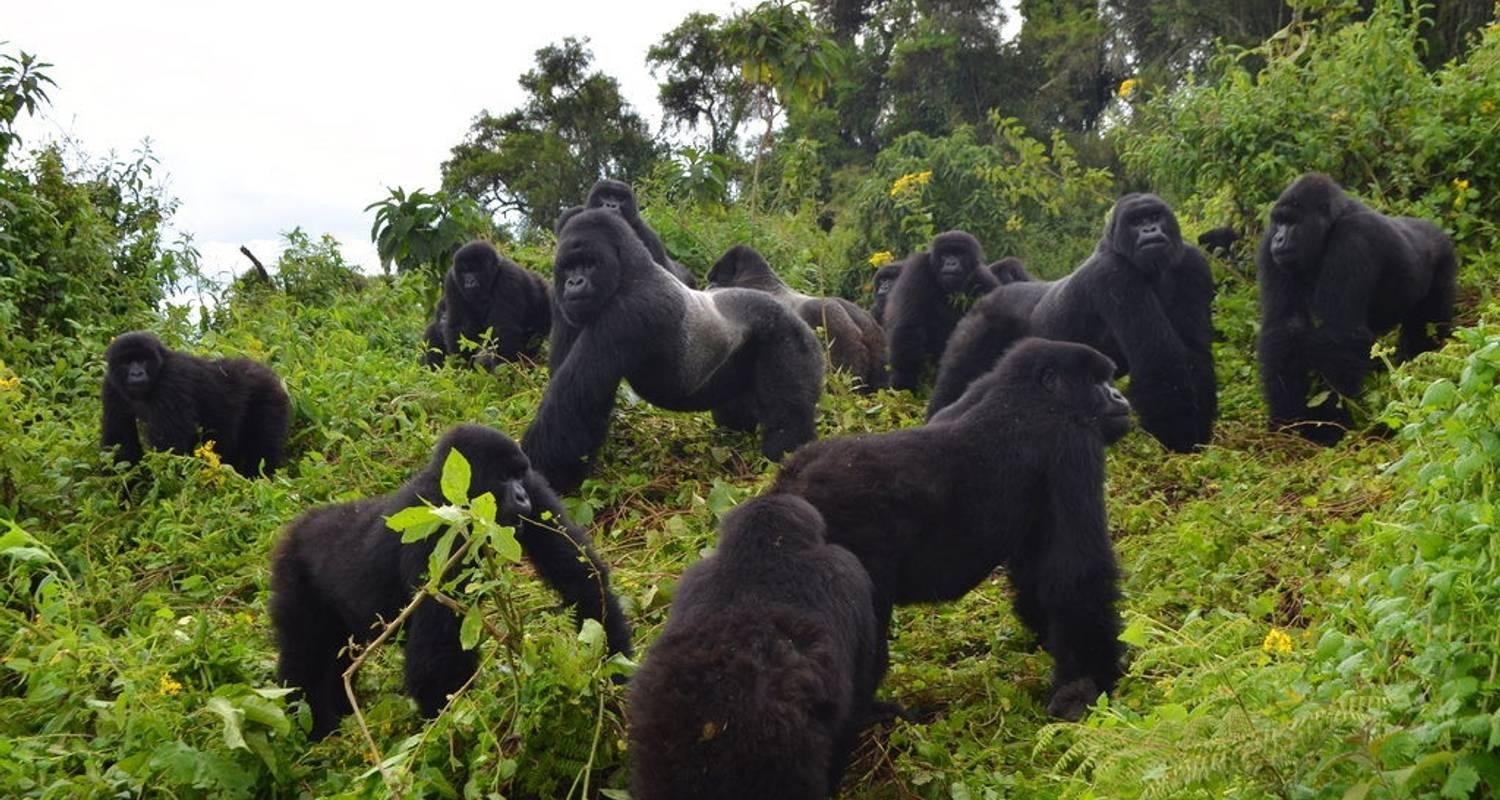
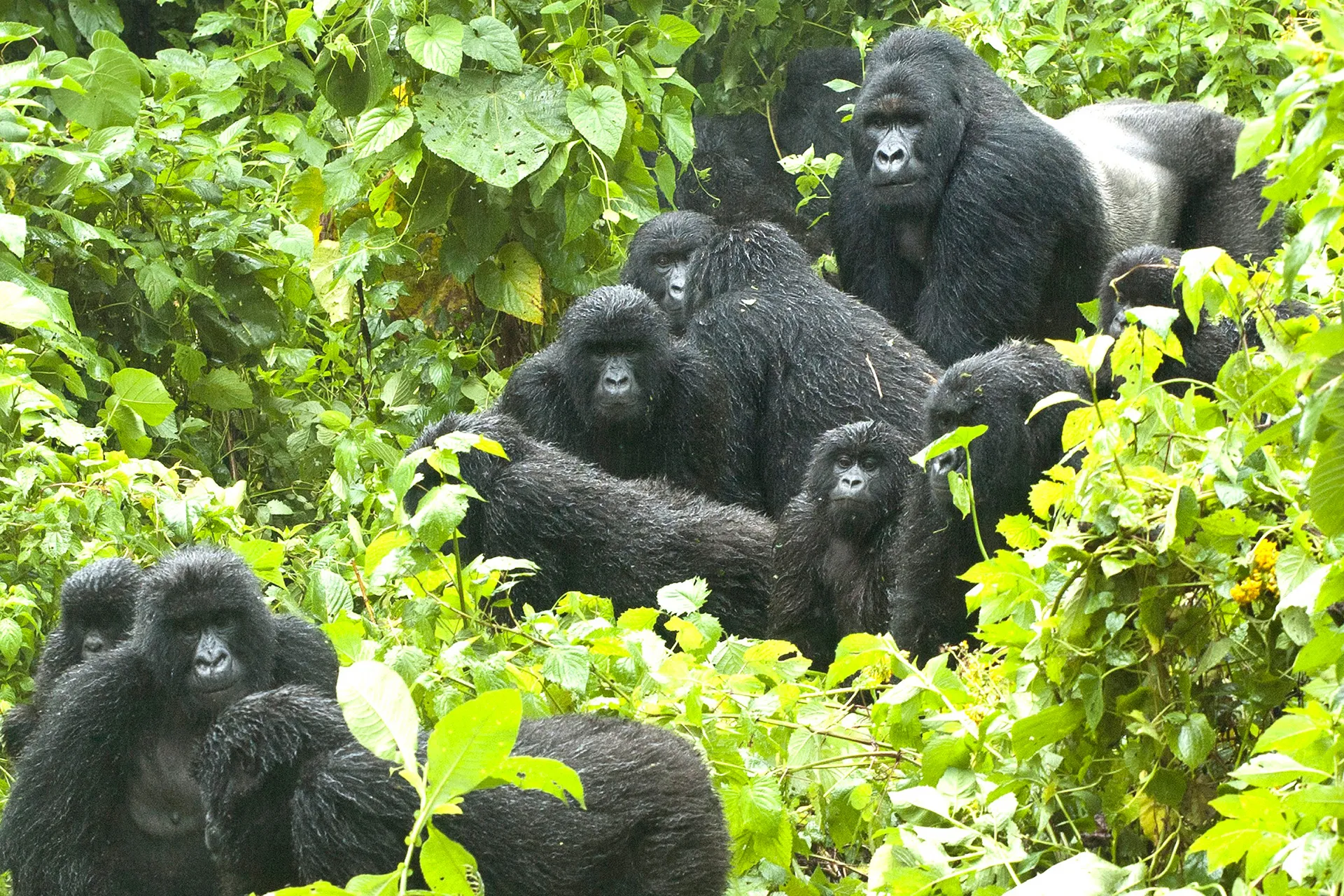
Only ~1,000 mountain gorillas remain on Earth, making them one of the most endangered primates globally.
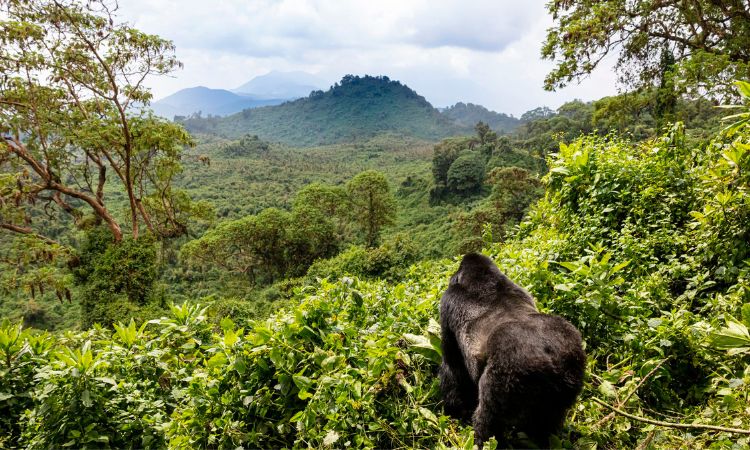
These gentle giants face relentless threats from habitat loss, poaching, civil conflict, and climate change in the dense forests of Uganda, Rwanda, and the Democratic Republic of Congo.
Yet there’s hope: mountain gorilla conservation funding has driven the only great ape population increase in recorded history, growing from 680 gorillas in 2006 to 1,063 today.
Here’s the powerful truth every traveler needs to know: your gorilla trekking permit directly funds conservation.
When you book a gorilla safari in Uganda or Rwanda, you’re not just witnessing wildlife—you’re financing anti-poaching ranger teams, habitat restoration, veterinary care, and community development that protect gorillas from extinction.
In this comprehensive guide, you’ll discover exactly how mountain gorilla conservation funding works, where your permit money goes, how much permits cost in Uganda vs. Rwanda, and why booking ethical gorilla trekking is the most impactful conservation action you can take.
Whether you’re from the USA, UK, Europe, Canada, Asia, or the Middle East, your safari adventure becomes a lifeline for endangered gorillas.
Discover how your safari adventure funds gorilla survival—keep reading to learn how gorilla trekking permits save lives and book your life-changing mountain gorilla safari today.
What is Mountain Gorilla Conservation Funding?
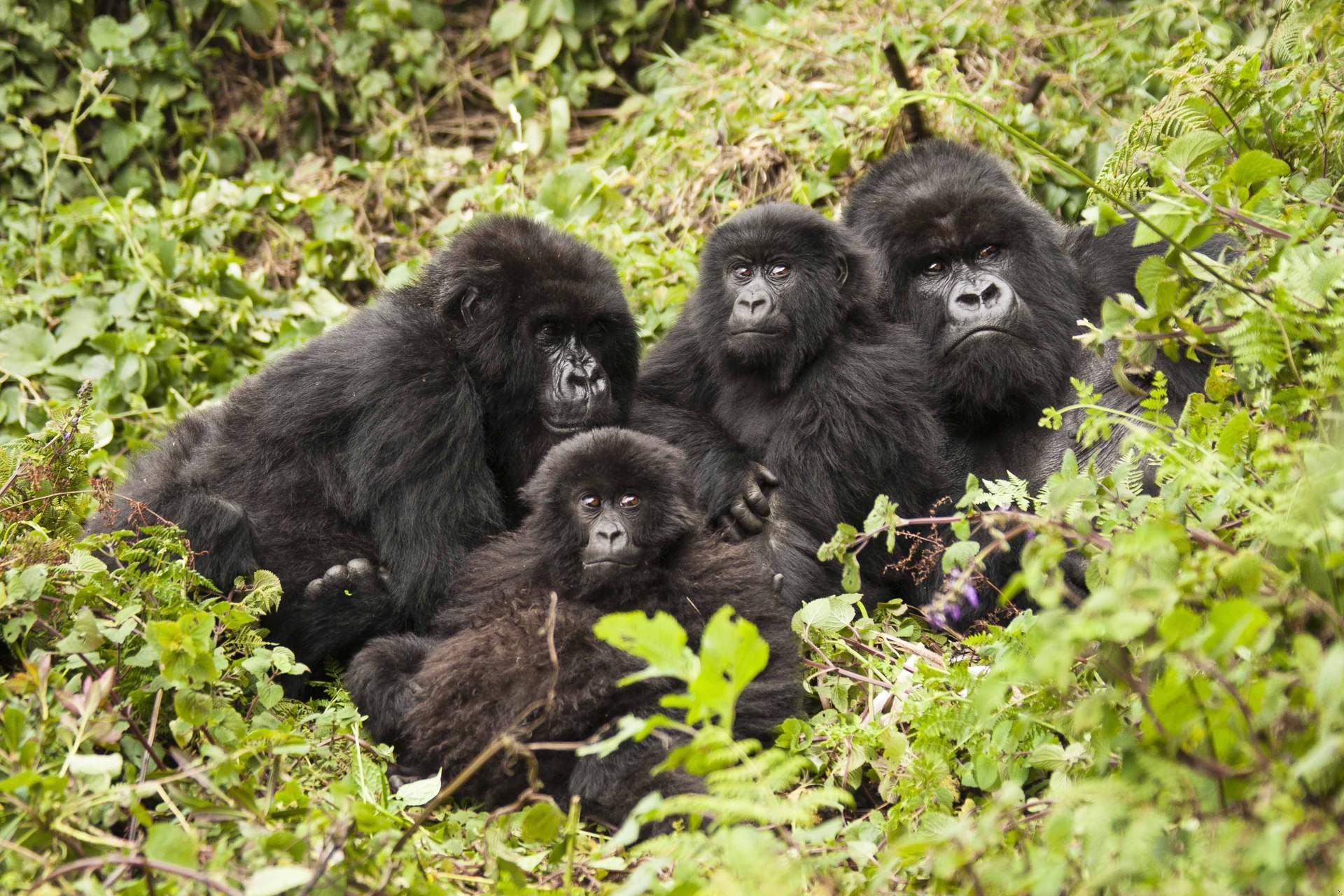
Mountain Gorilla Conservation Funding refers to the financial resources used to protect endangered mountain gorillas and their natural habitats in East Africa, particularly in Uganda, Rwanda, and Democratic Republic of the Congo.
Funding comes from gorilla trekking permits, tourism revenue, conservation organizations, government agencies, donations, and international partners.
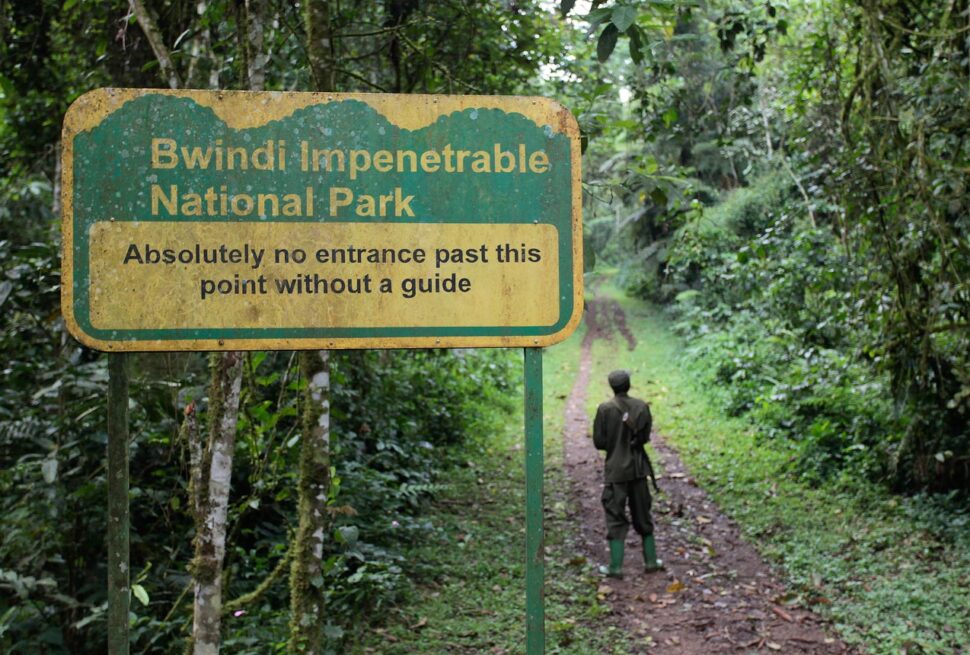
These funds support anti-poaching patrols, ranger training, veterinary care, habitat restoration, research, and community development projects around protected areas such as Bwindi Impenetrable National Park and Volcanoes National Park.
Conservation funding plays a vital role in ensuring the survival of mountain gorillas while creating sustainable livelihoods for local communities that help safeguard these iconic primates and their ecosystems.
Why Mountain Gorillas Need Conservation Funding Now
Current Population: A Critical Window of Opportunity
The mountain gorilla (Gorilla beringei beringei) exists in only two isolated populations:
-
Bwindi Impenetrable National Park, Uganda: ~560 gorillas across 16 habituated families
-
Virunga Massif (crossing Uganda, Rwanda, DRC): ~500 gorillas across 10+ families
Total population: 1,063 individuals—a remarkable recovery, but still critically vulnerable.
The Top Threats Driving Conservation Funding Needs
These threats make consistent conservation funding non-negotiable. Without daily ranger patrols, veterinary interventions, and community engagement programs, the mountain gorilla could vanish within decades.
Conservation Success Story: Proof That Funding Works
The mountain gorilla is the first great ape species to increase in population despite human threats.
Key milestones:
-
2006: 680 gorillas (critically endangered)
-
2016: 1,004 gorillas
-
2018: IUCN downlisted from Critically Endangered to Endangered
-
2026: 1,063 gorillas (ongoing growth)
This recovery happened because tourism revenue + donor funding enabled:
-
24/7 armed ranger protection
-
Daily health monitoring by trackers and vets
-
Habitat restoration (10,000+ trees planted annually)
-
Community schools, clinics, and clean water reducing human-gorilla conflict
Why Funding Is Critical Right Now
Mountain gorilla conservation funding supports five life-saving programs:
-
Anti-poaching patrols: 300+ armed rangers patrol daily
-
Habitat restoration: Reforestation of buffer zones
-
Gorilla veterinary care: Emergency treatment for injured gorillas
-
Community development: 20% of Uganda permit revenue supports local schools/clinics
-
Research: Long-term behavioral studies informing conservation strategy
Without funding, gorillas die. With funding, they thrive. Your gorilla trekking permit is the engine powering this success.
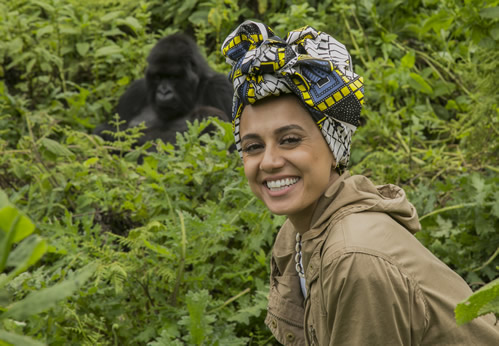
Every gorilla trekking permit contributes directly to mountain gorilla conservation; discover how your adventure makes a difference while browsing our diverse Uganda gorilla trekking and wildlife safari packages.
Where Does Mountain Gorilla Conservation Funding Come From?
1. Gorilla Trekking Permits (The Largest Source: 70–80% of Funding)
Gorilla trekking permits are the primary revenue source for mountain gorilla conservation.
Here’s the breakdown:
Uganda (Uganda Wildlife Authority – UWA)
-
~60% → Conservation programs (rangers, veterinary, habitat)
-
20% → Community revenue sharing (schools, clinics, water)
-
~20% → Park operations & administration
Rwanda (Rwanda Development Board – RDB)
-
~65% → Conservation programs
-
10% → Community programs
-
~25% → Park operations
Key fact: Every $800 Uganda permit generates ~$480 directly for conservation—funding anti-poaching, health monitoring, and habitat protection.
2. Conservation Organizations (15–20% of Funding)
Leading mountain gorilla conservation organizations provide critical grants, expertise, and field operations:
These organizations fund ranger salaries, veterinary equipment, research, and community development that permits alone cannot cover.
3. Donations & Crowdfunding (5–10% of Funding)
Individual donors provide flexible funding for emergencies and innovation:
-
Adopt-a-Gorilla programs: $50–$150/year for symbolic adoption (certificate, updates)
-
One-time donations: $25–$5,000+ for specific projects
-
Monthly giving: Sustained support for ranger salaries, veterinary care
Top donation platforms:
-
MGCF: saveagorilla.org
-
AWF: awf.org/mountain-gorilla
-
Dian Fossey Gorilla Fund: fosseyfund.org
4. Tourism Revenue Sharing (Community Funding)
Uganda leads regional conservation with its 20% revenue-sharing model:
-
20% of all park entry fees (including gorilla permits) go to local communities
-
Projects funded: schools, clinics, clean water wells, beekeeping, agriculture training
-
Impact: Reduces human-gorilla conflict by giving communities economic incentives to protect gorillas
Result: Communities that once saw gorillas as threats now see them as economic assets—a conservation game-changer.
How Gorilla Trekking Permit Money Is Used
When you pay for a gorilla trekking permit, you’re directly funding the five life-saving programs that keep mountain gorillas alive.
Here’s the exact breakdown of where every dollar of your $800 Uganda permit (or $1,500 Rwanda permit) goes—backed by data from the Uganda Wildlife Authority (UWA), Rwanda Development Board (RDB), and the Mountain Gorilla Conservation Fund (MGCF).
1. Anti-Poaching & Ranger Patrols (35% of Permit Revenue = $280 of $800)
Armed ranger teams are the first and most critical line of defense against poachers, habitat destroyers, and threats to gorilla safety.
Without 35% of your permit funding these patrols, gorillas would face immediate extinction from illegal hunting.
What your $280 funds:
-
300+ armed rangers on daily patrols across Bwindi Impenetrable National Park (45,000 hectares) and Virunga National Park (78,000 hectares)
-
Ranger equipment: Guns, ammunition, radios, GPS devices, boots, uniforms, and vehicles for patrol operations
-
24/7 protection: Rangers patrol every gorilla family daily, even during civil unrest in DRC
-
Veterinary response teams: Rapid-response units equipped with anesthesia darts, medical kits, and transport vehicles for emergency gorilla care
-
Gorilla injury treatment: $5,000–$15,000 per emergency vet intervention for removing snares, treating gunshot wounds, or healing injuries from human conflict
Real-world impact: Zero poaching incidents in Bwindi for 5+ consecutive years due to 24/7 ranger presence. In 2025 alone, rangers removed 127 snares that would have killed gorillas and rescued 8 injured gorillas from traps.
Key fact: One ranger’s monthly salary ($200–$300) is funded by just 3–4 gorilla permits. Your permit keeps rangers on the ground.
2. Habitat Protection & Restoration (25% of Permit Revenue = $200 of $800)
Forest conservation ensures gorillas have adequate food, shelter, and space to survive and reproduce.
Habitat loss from agriculture, logging, and charcoal production threatens 75% of original gorilla habitat, making active restoration essential.
What your $200 funds:
-
Reforestation projects: 10,000+ native trees planted annually in buffer zones around Bwindi and Virunga, including bamboo, wild banana, and tree ferns that gorillas eat
-
Buffer zone creation: 50,000+ acres of protected land surrounding parks, preventing agricultural encroachment
-
Collaborative land management: Working with 5,000+ local farmers to implement sustainable agriculture that reduces deforestation
-
Invasive species removal: Removing non-native plants that crowd out gorilla food sources
-
Forest fire prevention: Early warning systems and firefighting equipment during dry seasons
Real-world impact: Habitat loss reduced by 40% since 2010 due to active restoration programs.
In 2025, 12,500 trees were planted in Bwindi’s eastern buffer zone, expanding gorilla feeding grounds by 800 hectares.
Key fact: One adult mountain gorilla needs 2–3 acres of forest to find enough food daily. Your permit protects multiple acres per gorilla.
Support mountain gorilla conservation through responsible tourism and explore our carefully designed safari packages that combine unforgettable wildlife encounters with meaningful conservation impact.
3. Gorilla Health Monitoring (20% of Permit Revenue = $160 of $800)
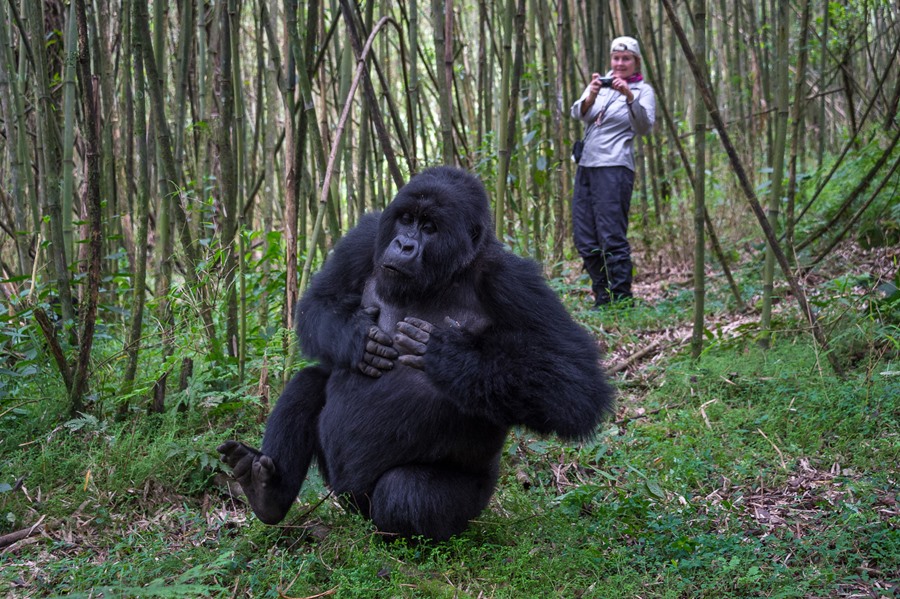
Daily health checks prevent disease outbreaks that could wipe out entire gorilla families. Since gorillas share 98% of their DNA with humans, they’re vulnerable to human respiratory diseases (flu, colds, COVID-19) that can be fatal.
What your $160 funds:
-
Trackers and guides who monitor 16 habituated gorilla families in Bwindi and 10 families in Volcanoes every single day, even on holidays
-
Veterinary interventions: Emergency surgery, anesthesia, wound treatment, and parasite removal for injured or sick gorillas
-
Disease prevention protocols: Mandatory 7-meter (23-foot) distance between humans and gorillas, enforced by guides
-
Health screenings: All visitors must pass medical checks before trekking; sick visitors are turned away
-
Baby gorilla monitoring: Extra care for infants under 3 years old, who are most vulnerable to disease
Real-world impact: Zero gorilla deaths from human disease in Bwindi for 10+ consecutive years due to strict health protocols.
In 2024, veterinary teams successfully treated 12 gorillas with snare injuries, with 100% survival rate.
Key fact: A single case of human respiratory infection can kill an entire gorilla family within weeks. Your permit funds the prevention system that stops this.
4. Community Development Programs (15% of Permit Revenue = $120 of $800)
Local communities are conservation partners, not enemies. When communities benefit economically from gorillas, they actively protect gorillas instead of poaching or destroying habitat.
What your $120 funds:
-
Schools: 20+ new schools built in Uganda’s gorilla regions since 2010, educating 5,000+ children
-
Clinics: 15+ health centers with maternal care, vaccination programs, and emergency services
-
Clean water: 50+ boreholes providing safe drinking water to 20,000+ people
-
Income alternatives: Beekeeping training (1,000+ hives installed), agriculture training (sweet potatoes, beans, taro), and eco-tourism jobs (guides, porters, lodge staff)
-
Conflict reduction: Chilli farming and fencing projects to deter crop-raiding gorillas without harming them
Real-world impact: Human-gorilla conflict reduced by 60% since revenue sharing began in 2000.
In 2025, 20% of Uganda’s permit revenue ($160 per permit) went directly to community projects, funding 3 new schools, 2 clinics, and 10 water wells around Bwindi.
Key fact: Before revenue sharing, communities killed gorillas that raided crops. Now, 90% of locals support gorilla conservation because they see economic benefits.
5. Research & Conservation Science (5% of Permit Revenue = $40 of $800)
Long-term studies inform evidence-based conservation strategies that double gorilla populations in 20 years.
Without research, conservation would be guesswork.
What your $40 funds:
-
Behavioral studies: 30+ years of continuous gorilla behavior research tracking social dynamics, mating patterns, and family structures
-
Population monitoring: Annual census tracking births, deaths, migrations, and family group changes
-
Conservation strategy development: Data-driven decisions on where to plant trees, where to patrol, and how to reduce conflict
-
Genetic research: Understanding family relationships, genetic diversity, and inbreeding risks
-
Disease research: Studying how human diseases affect gorillas and developing prevention protocols
Real-world impact: Scientific insights from research doubled the gorilla population from 680 (2006) to 1,063 (2026).
Research identified that natal males leaving families was critical for genetic diversity, leading to protection of lone silverbacks.
Key fact: Research discovered that gorilla families grow by 3–5% annually when protected, guiding population growth targets for conservation.
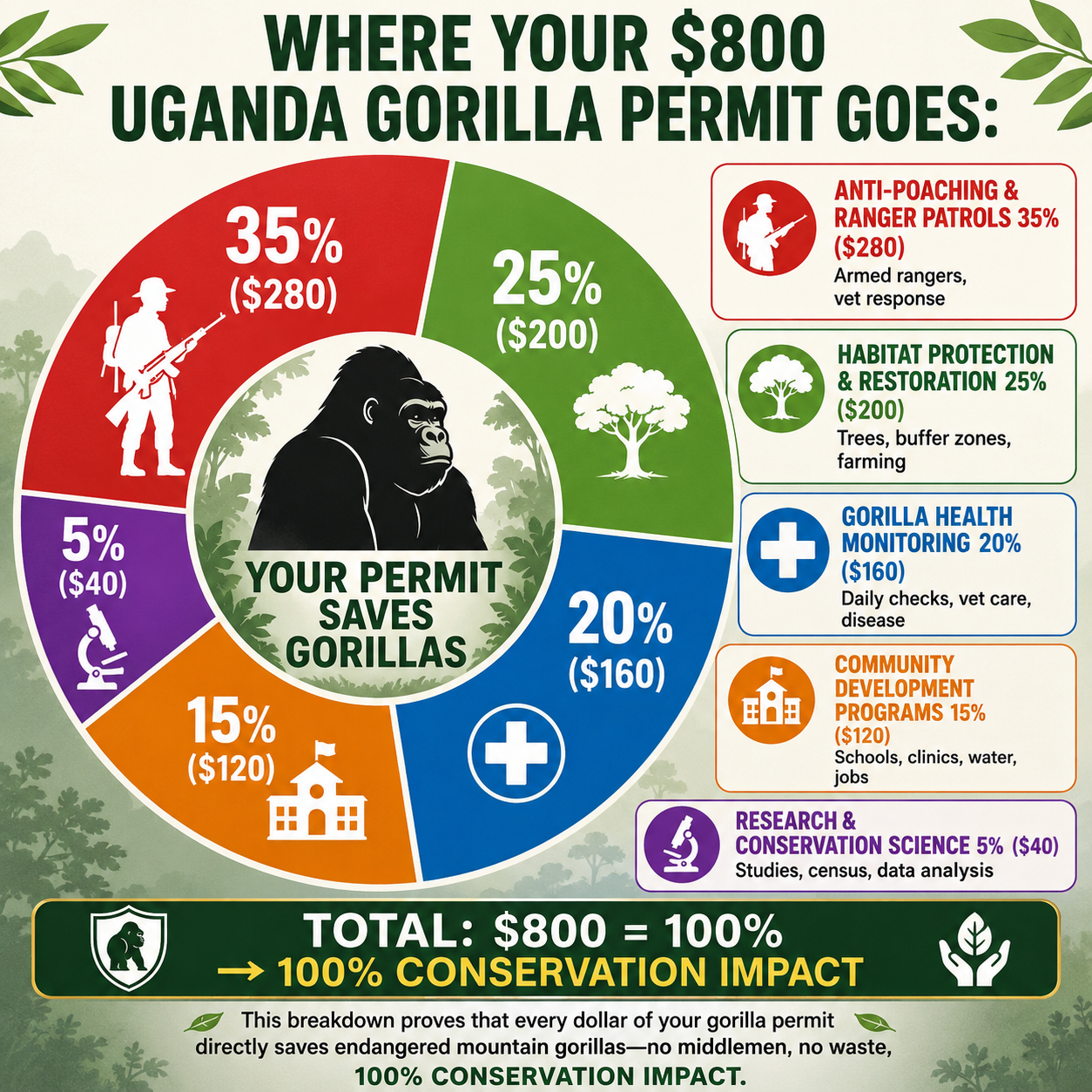
Where Your $800 Uganda Gorilla Permit Goes:
┌─────────────────────────────────────────┐
│ Anti-Poaching & Ranger Patrols 35% │
│ ($280) Armed rangers, vet response │
├─────────────────────────────────────────┤
│ Habitat Protection & Restoration 25% │
│ ($200) Trees, buffer zones, farming │
├─────────────────────────────────────────┤
│ Gorilla Health Monitoring 20% │
│ ($160) Daily checks, vet care, disease │
├─────────────────────────────────────────┤
│ Community Development Programs 15% │
│ ($120) Schools, clinics, water, jobs │
├─────────────────────────────────────────┤
│ Research & Conservation Science 5% │
│ ($40) Studies, census, data analysis │
└─────────────────────────────────────────┘
TOTAL: $800 = 100% → 100% Conservation Impact
By choosing a gorilla safari in Uganda, you help fund critical conservation efforts—browse our complete collection of gorilla trekking, chimpanzee tracking, and wildlife safari packages today.
YOUR PERMIT SAVES GORILLAS
Uganda vs. Rwanda: Conservation Funding Comparison
Choosing between Uganda (Bwindi Impenetrable National Park) and Rwanda (Volcanoes National Park) for your gorilla trekking safari? Both countries save mountain gorillas effectively, but their conservation funding models, permit costs, and trekking experiences differ significantly.
Here’s the complete breakdown to help you choose the destination that maximizes conservation impact for your budget.
Head-to-Head Comparison: Uganda vs. Rwanda Gorilla Trekking
Turn your dream gorilla encounter into a force for conservation by exploring our most popular safari packages across Uganda, Rwanda, and East Africa.
Which Offers Better Conservation Value? Uganda Wins
Uganda delivers greater conservation impact per dollar spent for three key reasons:
✅ 1. Higher Community Revenue Sharing (20% vs. 10%)
Uganda allocates 20% of all permit revenue to local communities, compared to Rwanda’s 10%. This means:
-
$160 of your $800 Uganda permit goes directly to schools, clinics, clean water, and jobs for communities around Bwindi
-
$150 of your $1,500 Rwanda permit goes to communities around Volcanoes
-
Result: Uganda’s higher community share reduces human-gorilla conflict by 60% and creates stronger local support for conservation
Why this matters: When communities benefit economically from gorillas, they protect gorillas instead of poaching or destroying habitat. Uganda’s 20% model is the most community-focused in Africa.
✅ 2. Lower Permit Cost = More Visitors = More Total Conservation Funding
Uganda’s $800 permit is 47% cheaper than Rwanda’s $1,500 permit, enabling:
-
More tourists to afford gorilla trekking → more total permits sold → more total conservation revenue
-
Uganda sells ~30,000 permits/year = $24 million in total revenue
-
Rwanda sells ~15,000 permits/year = $22.5 million in total revenue
-
Result: Uganda generates similar total conservation funding despite lower per-permit revenue
Why this matters: Uganda’s affordable pricing democratizes gorilla trekking, allowing middle-class travelers from USA, UK, Europe, Canada, Asia, and Middle East to participate in conservation.
✅ 3. More Habituated Gorilla Families (16 vs. 10)
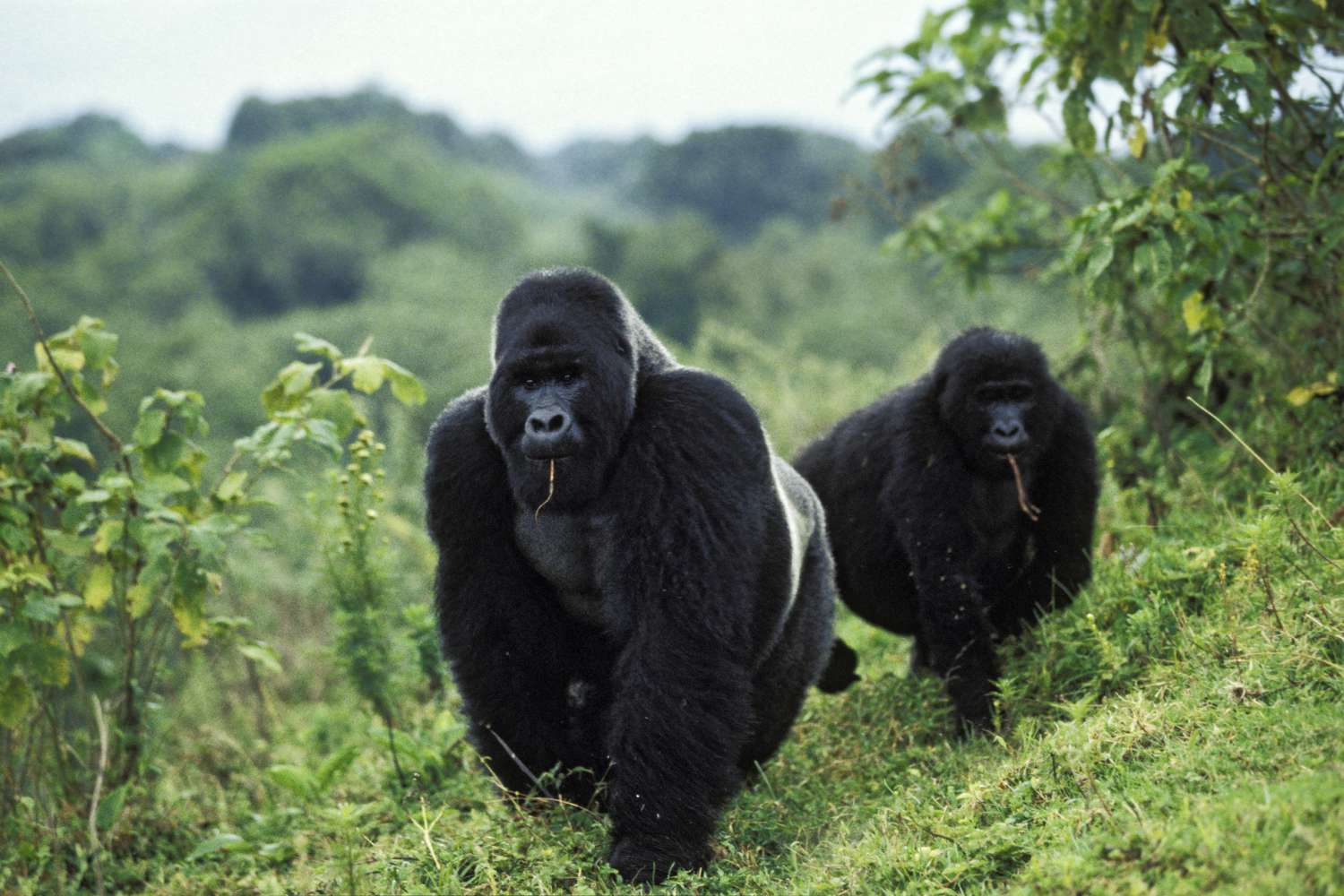
Uganda has 16 habituated gorilla families (560 gorillas) vs. Rwanda’s 10 families (500 gorillas):
-
More groups to visit = less crowding and more personalized experience
-
More gorillas protected = greater genetic diversity and lower extinction risk
-
More ranger patrols needed = more conservation jobs for locals
Why this matters: Uganda’s larger gorilla population and more family groups means your permit protects more individual gorillas.
When to Choose Rwanda Instead
Rwanda is the better choice if you prioritize:
-
Shorter treks: 1–4 hours vs. Uganda’s 2–8 hours (ideal for older travelers, families with children, or those with physical limitations)
-
Luxury lodges: 5-star resorts with spa services, infinity pools, and gourmet dining ($500–$2,000/night)
-
Easier access: 2-hour drive from Kigali airport to Volcanoes (vs. Uganda’s 3-hour journey with connecting flights)
-
Higher success rate: 98% gorilla sighting rate vs. Uganda’s 95%
Rwanda is ideal for: Luxury travelers, honeymooners, short itineraries (3–4 days), physical limitations.
Final Recommendation: Choose Uganda for Maximum Conservation Impact
For most travelers seeking conservation value, Uganda is the clear winner:
✅ 47% cheaper permits ($800 vs. $1,500)
✅ Double the community revenue share (20% vs. 10%)
✅ More gorilla families (16 vs. 10)
✅ Same conservation outcomes: Both countries achieved gorilla population growth
✅ Better overall safari value: Lower lodge prices, more wildlife viewing options
Book your Uganda gorilla trekking safari with GoSilverback Gorilla Safaris to maximize conservation impact while saving money.
Your $800 permit funds anti-poaching rangers, veterinary care, habitat restoration, and community development that save endangered mountain gorillas.
👉 Book Uganda Gorilla Safari Now |
How to Support Mountain Gorilla Conservation (Beyond Trekking)
While gorilla trekking is one of the most effective ways to fund conservation, you can make a meaningful impact even without visiting the forests of Uganda, Rwanda, or the Democratic Republic of Congo.
Here are five powerful ways to support mountain gorilla survival:
1. Book an Ethical Gorilla Safari [GoSilver Gorilla Safaris]
If you do plan to visit, book an ethical gorilla safari with operators who prioritize conservation.
Choose companies that:
-
Hire local guides and porters
-
Donate part of their proceeds to conservation programs
-
Follow strict ethical guidelines (7–8 meter distance, no flash photography, max 8 visitors per trek)
-
Support community tourism initiatives
2. Make a Direct Donation
Financial contributions directly fund anti-poaching patrols, habitat protection, and veterinary care.
Trusted organizations include:
3. Adopt a Gorilla Symbolically
Many organizations offer symbolic adoption programs where you:
-
Receive a personalized adoption certificate
-
Get regular updates on your gorilla’s progress
-
Fund anti-snare training, habitat protection, and population surveys
WWF’s adoption program starts at £5/month.
4. Spread Awareness
Help amplify the conservation message:
-
Share posts on social media using hashtags like #SaveGorillas
-
Write blog posts about ethical gorilla tourism
-
Educate friends and family about threats gorillas face
-
Follow organizations like Conservation Through Public Health on social media
5. Volunteer (If Applicable)
Some organizations offer volunteer and internship opportunities:
-
Assist with gorilla research
-
Support community development programs
-
Help with conservation camps near Bwindi
Even from home, you can report wildlife crimes, join online conservation forums, or contribute to crowdfunding campaigns.
Every action—from booking responsibly to sharing on social media—helps ensure the 1,000 remaining mountain gorillas survive
Your gorilla trekking adventure supports the protection of endangered mountain gorillas and local communities; see our full range of expertly guided safari experiences.
Conservation Success Stories: Funding Made a Difference
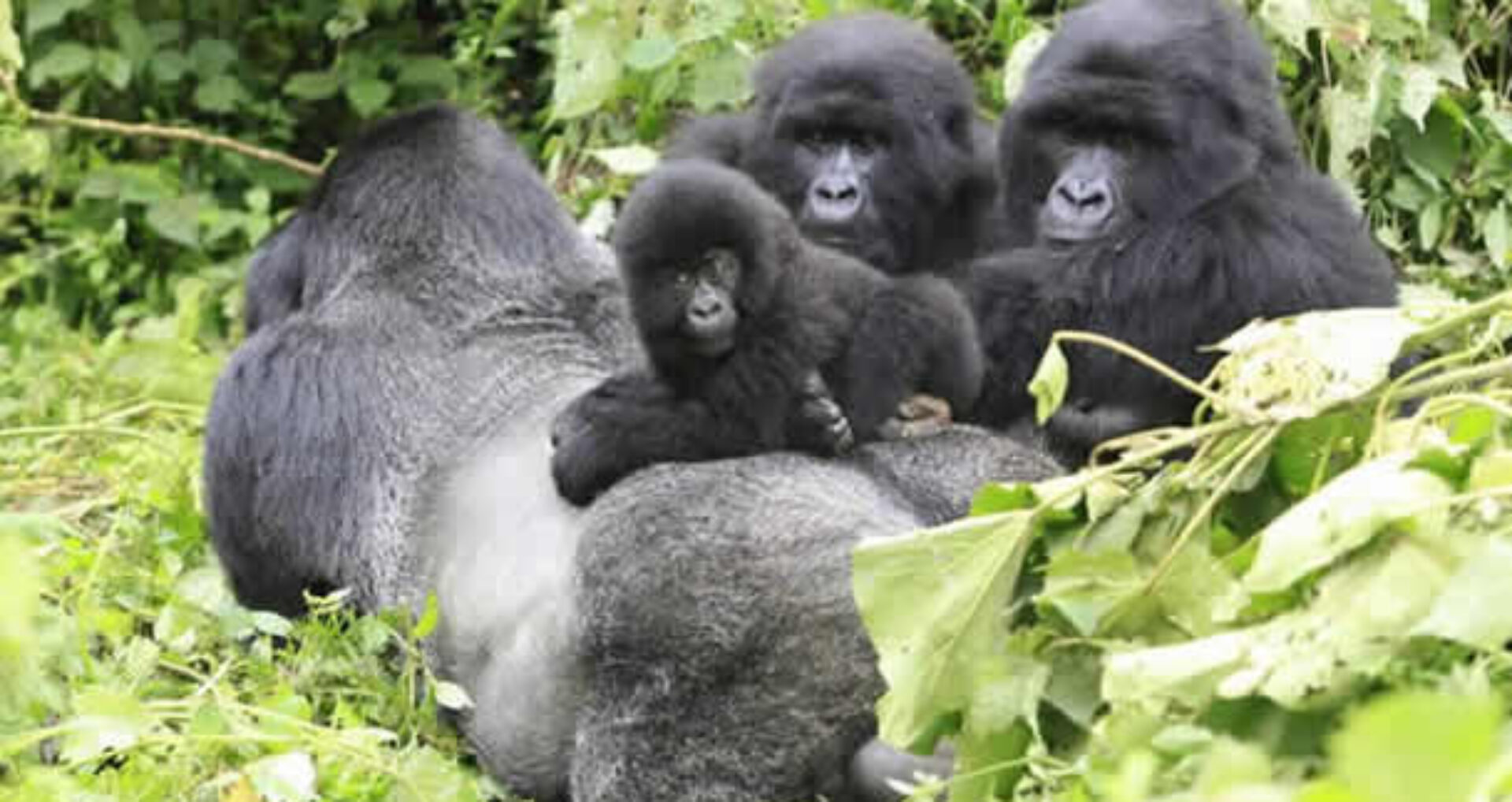
The mountain gorilla stands as one of conservation’s greatest success stories.
In 2018, the IUCN Red List downgraded the species from Critically Endangered to Endangered—a historic milestone marking the first time in recorded history that a great ape population has increased despite ongoing human threats.
Mountain Gorillas: The Only Great Ape Population Growing
The mountain gorilla is the first great ape species to increase in population despite human threats.
This is a conservation miracle driven by consistent funding.
Timeline of recovery:
-
1981: 254 gorillas (near extinction)
-
2006: 680 gorillas (critically endangered)
-
2016: 1,004 gorillas
-
2018: IUCN downlisted from Critically Endangered to Endangered
-
2026: 1,063 gorillas (ongoing growth)
Success Story 1: The Mubare Group (Bwindi, Uganda)
The Mubare group was the first habituated gorilla family in Bwindi (1993).
-
1993: 8 gorillas
-
2026: 18 gorillas (2 generations born in wild)
-
Key factor: Daily ranger protection + tourism revenue funded veterinary care and habitat restoration
Impact: Mubare generates $300,000+ annually in permit revenue, funding conservation for 16 gorilla families.
Success Story 2: The Nyakahita Family (Bwindi, Uganda)
The Nyakahita family was rspite from poaching in 2010.
-
2010: 6 gorillas (2 injured by snares)
-
2026: 14 gorillas (3 births, zero deaths)
-
Key factor: Veterinary intervention saved injured gorillas; revenue sharing reduced human-gorilla conflict
Success Story 3: The Karisimbi Group (Virunga, DRC)
The Karisimbi group survived civil war in DRC.
-
1990s: Civil war threatened gorillas
-
2000s: International funding enabled ranger patrols despite conflict
-
2026: 12 gorillas (stable population)
Key lesson: Conservation funding works even during political instability.
How Funding Enabled These Wins
Conservation funding directly enabled these victories through:
Without funding, these gorillas would be dead. With funding, they thrive.
Gorilla trekking permits ($800–$1,500 per person) generate $10+ million annually, with 75% reinvested directly into conservation.
The mountain gorilla’s recovery proves that strategic funding, ethical tourism, and local community engagement can reverse extinction trends.
This success story offers hope for other endangered species facing similar threats.
Book Your Gorilla Trekking Safari with GoSilverback Gorilla Safaris & Save Endangered Gorillas
Your gorilla trekking safari is direct conservation funding—every permit you purchase finances anti-poaching rangers, veterinary care, habitat restoration, and community development that save endangered mountain gorillas from extinction.
When you book with GoSilverback Gorilla Safaris, you’re not just witnessing wildlife; you’re actively protecting the only great ape population growing in the world.
🚨 Limited-Time 2026 Gorilla Safari Packages (Permits Selling Fast!)
Book now—gorilla permits sell out 6–12 months in advance! Only 96 permits available per day across Bwindi and Volcanoes. 2026 permits are 70% booked—secure your spot today.
Join the conservation effort—book your adventure today. Only 1,063 mountain gorillas remain.
Your permit keeps them alive.
Turn your dream gorilla encounter into a force for conservation by exploring our most popular safari packages across Uganda, Rwanda, and East Africa.
Frequently Asked Questions About Gorilla Conservation Funding
How much does a gorilla trekking permit cost in Uganda?
A: A gorilla trekking permit costs $800 for foreign non-residents and $700 for foreign residents. East African residents pay just $250 per permit. These prices are set by the Uganda Wildlife Authority (UWA) and are among the most affordable in the region compared to Rwanda ($1,500) and Rwanda’s revamped pricing structure.
What percentage of permit fees goes to conservation?
A: Approximately 60% of permit fees directly fund conservation programs, including anti-poaching patrols, ranger salaries, veterinary care, and habitat protection. An additional 20% supports local community development projects, and the remaining 20% covers park management and operational costs.
Can I donate to mountain gorilla conservation?
A: Yes, you can donate through several trusted organizations:
-
Mountain Gorilla Conservation Fund (MGCF) – Funds ranger training and law enforcement
-
African Wildlife Foundation (AWF) – Supports habitat protection and community programs
-
Dian Fossey Gorilla Fund – Provides veterinary care and research funding
-
Symbolic adoption programs – WWF and other organizations offer adoption starting at £5/month
Is gorilla trekking ethical?
A: Yes, when properly regulated. Ethical gorilla trekking follows strict guidelines:
-
Maximum 8 visitors per gorilla family per day
-
7-meter (23-foot) distance maintained between humans and gorillas
-
Health screenings required (no trekking if you have contagious illnesses)
-
1-hour maximum viewing time
-
No flash photography or loud noises
How many mountain gorillas are left?
A: Approximately 1,063 mountain gorillas remain in the wild, living in Bwindi Impenetrable Forest (Uganda) and the Virunga Mountains (Uganda, Rwanda, DRC). This represents a 40% increase since the 1980s, making them the only great ape population growing despite human threats.
How does tourism help gorillas?
A: Gorilla tourism generates $10+ million annually, which:
-
Funds 500+ full-time rangers protecting gorilla habitats
-
Supports daily health monitoring and veterinary interventions
-
Provides livelihoods for local communities, reducing poaching incentives
-
Enables habitat restoration and anti-snare programs
-
Removes 1,000+ snares annually from gorilla territories
Tourism revenue proves that living gorillas are more valuable than poached ones, creating economic incentives for conservation.
Conclusion
Mountain gorilla conservation funding works—because of tourism revenue, gorilla populations are growing, not declining.
Your gorilla trekking permit funds anti-poaching rangers, veterinary care, habitat restoration, and community development that protect these endangered giants from extinction.
Your safari is a conservation gift. When you book with GoSilverback Gorilla Safaris, you’re not just witnessing wildlife—you’re saving mountain gorillas.
Join the conservation effort—book your adventure today. Only 1,063 mountain gorillas remain, and your permit keeps them alive.
👉 Book Your Gorilla Trekking Safari with GoSilverback Gorilla Safaris Now.
[…] Related read | Mountain Gorilla Conservation Funding […]