Tips for First Time Gorilla Trekking: The Ultimate Beginner’s Guide 2026
Tips for First Time Gorilla Trekking helps you prepare for one of Africa’s most unforgettable wildlife experiences.
Book your gorilla trekking permit early, wear sturdy hiking boots and long-sleeved clothing, carry rain gear and plenty of water, and follow your ranger’s instructions at all times.
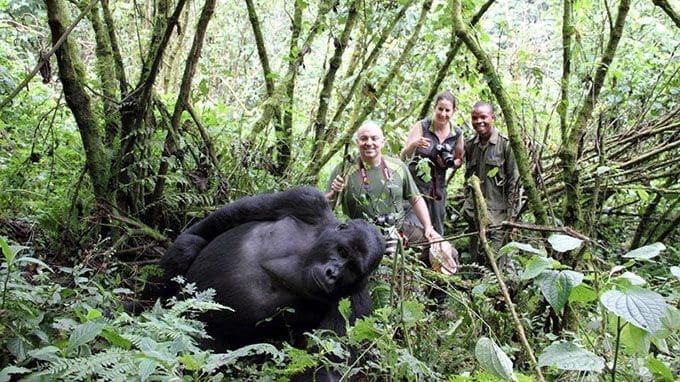
Improve your fitness before traveling, hire a local porter for added support, and maintain the required 7-meter distance from the gorillas to protect their health.
Whether trekking in Uganda or Rwanda, proper preparation ensures a safe, comfortable, and rewarding adventure while supporting mountain gorilla conservation and local communities.
Gorilla trekking is not a wildlife encounter. It is a pilgrimage.
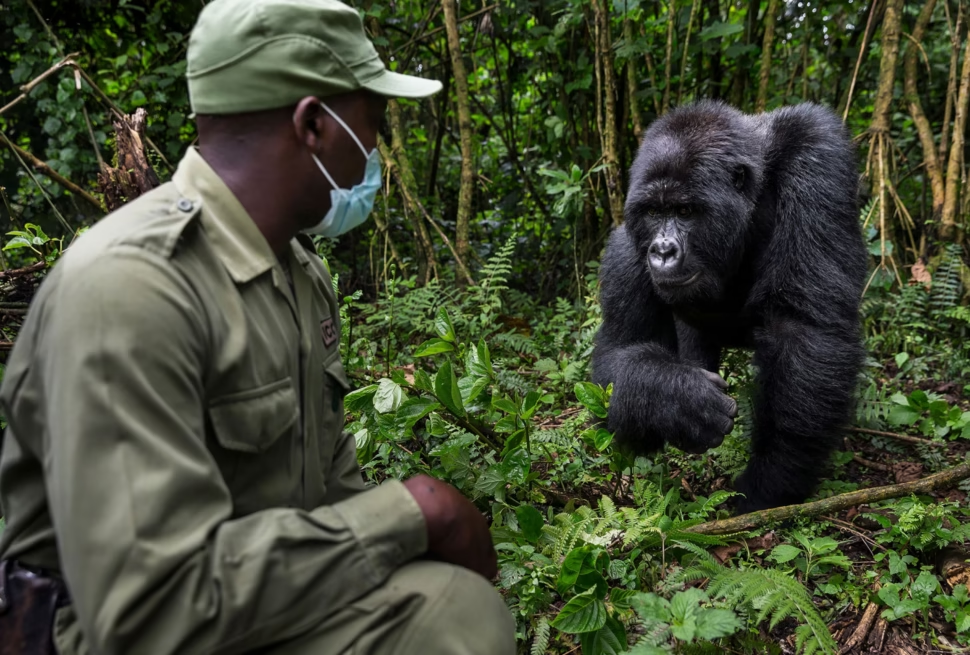
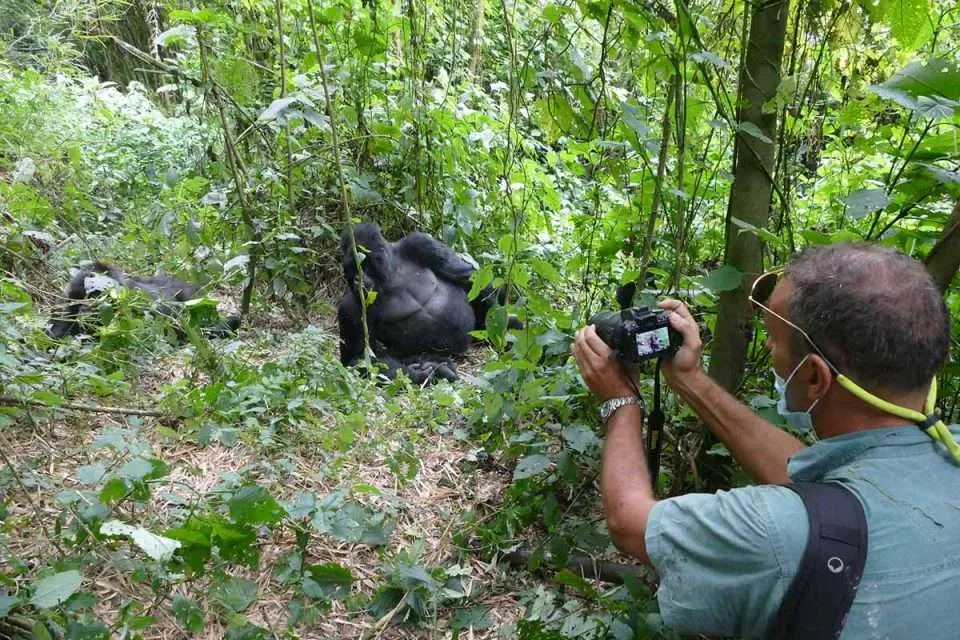
You will rise before dawn in the mist-shrouded mountains of Uganda or Rwanda, hike through ancient rainforest where no road has ever been cut, and stand 7 meters from a 200-kilogram silverback gorilla — the largest primate on Earth — as he eats thistles with the delicacy of a surgeon.
Your heart will race. Your camera battery will die. You will forget to breathe.
But first-time gorilla trekkers from New York, London, São Paulo, Sydney, Tokyo, Dubai, and Toronto arrive with the same questions: How do I book a permit? How fit do I need to be? What do I pack? Is it safe? Is it worth $800–$1,500?
This guide answers everything. No fluff. No generic travel advice. Just clear, numbered steps from professional safari operators who have guided thousands of first-timers through Bwindi Impenetrable National Park and Volcanoes National Park.
Quick Answer: Gorilla trekking involves hiking 1–8 hours through dense montane rainforest to locate a habituated mountain gorilla family, then observing them for 1 hour from 7–10 meters distance.
Permits cost $800 in Uganda and $1,500 in Rwanda. You must be 15 or older, reasonably fit, and prepared for steep, muddy terrain at 2,400–4,000 meters elevation.
The experience is 100% safe when following ranger guidelines and universally described as life-changing.
Whether you are a solo backpacker from the USA, North America, Latin America, the UK, Europe, Canada, Asia, China, Oceania or the Middle East or a honeymoon couple from Singapore.
A photography enthusiast from Los Angeles or a retiree from Vancouver checking off your ultimate bucket-list item, these 17 expert tips will prepare you for the best wildlife experience on Earth.
Ready to book your first gorilla trek? GoSilverback Gorilla Safaris secures permits, arranges transfers, and customizes every detail for first-timers worldwide. Get your free beginner’s itinerary →
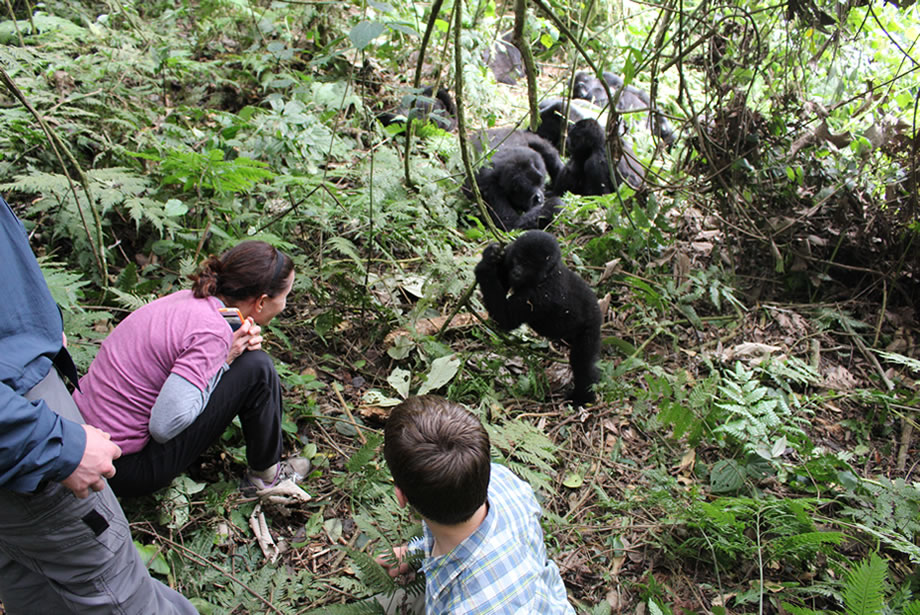
What Is Gorilla Trekking? Understanding the Experience
Gorilla trekking is the regulated, guided hiking experience that brings you face-to-face with wild mountain gorillas in their natural habitat.
Unlike a safari drive where animals come to you, gorilla trekking requires active effort — you hike to the gorillas, they do not hike to you.
What Makes Gorilla Trekking Unique
- Only 1,063 mountain gorillas remain — fewer than the number of seats in a Broadway theater.
- No cages, no fences, no guarantees — these are wild animals in ancient rainforest.
- Maximum 8 visitors per gorilla family daily — exclusive, intimate, never crowded.
- 1 hour maximum with the family — short, precious, unforgettable.
- 98.3% human DNA — the eye contact feels like recognition, not observation.
Where Gorilla Trekking Happens
Table
|
Destination |
Park |
Permit Cost |
Families |
Best For |
|
Uganda |
Bwindi Impenetrable National Park |
$800 |
18+ |
Value, diversity, adventure |
|
Uganda |
Mgahinga Gorilla National Park |
$700 |
1 |
Golden monkey combo |
|
Rwanda |
Volcanoes National Park |
$1,500 |
12 |
Luxury, accessibility, short trips |
|
DR Congo |
Virunga National Park |
$400 |
8 |
Adventure travelers only |
Every trek is different. Yesterday’s group found their gorillas in 45 minutes. Today’s group may hike 6 hours through torrential rain.
The gorillas move. The forest changes. That unpredictability is exactly what makes it authentic.
First-timer tip: Book through GoSilverback Gorilla Safaris and we match your fitness level to the easiest sector. Tell us your fitness level →
Where Can You Go Gorilla Trekking? Uganda vs Rwanda vs Congo
Uganda — Best Value for First-Timers
Bwindi Impenetrable National Park
- 18 habituated gorilla families — highest density globally
- 4 trekking sectors: Buhoma (easiest), Ruhija, Rushaga, Nkuringo (steepest)
- Permit: $800 — best conservation value
- Combine with: Queen Elizabeth National Park (tree-climbing lions), Murchison Falls, Kibale chimpanzee trekking
- Flight access: Entebbe International Airport — direct from Amsterdam, Brussels, Dubai, Doha, Istanbul
Mgahinga Gorilla National Park
- Nyakagezi group — 3 silverbacks, rare multi-male dynamics
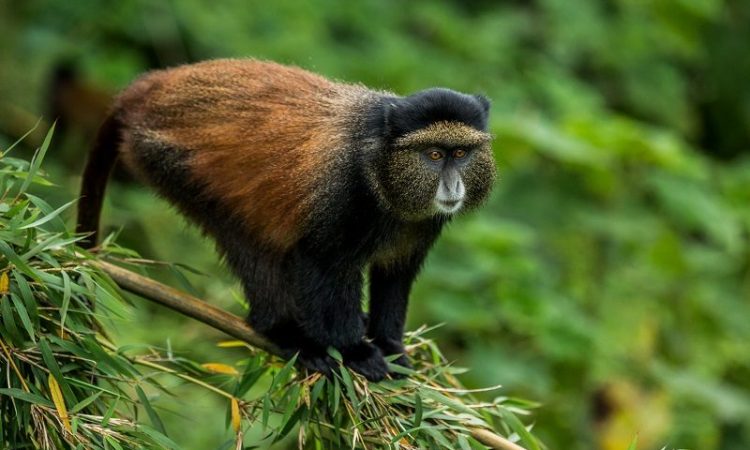
- Combine with: Golden monkey trekking, Volcano hiking (Mount Sabyinyo)
Rwanda — Luxury & Easiest Access
- 12 habituated families — including Susa (largest group, 28+ individuals)
- Permit: $1,500 — premium positioning
- Transfer time: 2.5 hours from Kigali Airport — easiest logistics
- Luxury lodges: Singita Kwitonda Lodge, One&Only Gorilla’s Nest, Bisate Lodge
- Best for: Short vacations, honeymooners, luxury travelers from USA, UK, Europe, and the Middle East
DR Congo — Adventure with Caveats
Virunga National Park
- Permit: $400 — cheapest option
- Security: Active conflict zone — check current travel advisories
- Recommendation: Experienced adventure travelers only
First-timer verdict: Uganda for value and wildlife diversity. Rwanda for luxury and ease. Avoid DR Congo unless you are an experienced Africa hand.
Still deciding? GoSilverback Gorilla Safaris offers free consultations to match first-timers with their perfect destination. Speak to a safari specialist →
Book Your Gorilla Permit Early — This Is Non-Negotiable
Only 8 permits are issued per gorilla family per day. With 18 families in Bwindi and 12 in Volcanoes, that means:
- Uganda: ~144 permits daily across all sectors
- Rwanda: ~96 permits daily
- Peak season (June–September, December–February): Sold out 6–12 months in advance
How Far in Advance to Book
Table
|
Season |
Book By |
Availability Risk |
|
Peak (Jun–Sep, Dec–Feb) |
9–12 months ahead |
High — permits sell out |
|
Shoulder (Mar–May, Oct–Nov) |
3–6 months ahead |
Moderate — some flexibility |
|
Last-minute |
1–4 weeks ahead |
Low — only if cancellations occur |
Why Book Through a Reputable Tour Operator (GoSilverback Gorilla Safaris)?
- Permit procurement — We secure permits even when UWA/RDB websites show sold out
- Sector optimization — Match your fitness level to the right Bwindi sector
- Transfer coordination — Entebbe to Bwindi is 8–10 hours by road or 1-hour flight — logistics matter
- Contingency planning — If gorillas move across borders, we adapt
- Package bundling — Combine permits with lodging, transfers, and additional safaris for better value
Don’t risk your once-in-a-lifetime trip on DIY permit booking. GoSilverback Gorilla Safaris guarantees permits and handles every logistical detail. Secure your 2026 permit now →
Choose the Best Time for Gorilla Trekking
Dry Season (June–September, December–February)
Advantages:
- Easier hiking — trails less muddy, less slippery
- Better photography — clearer light, less condensation on lenses
- Higher success rates — gorillas stay at predictable elevations
- Best for: First-timers, photographers, older travelers
Disadvantages:
- Higher prices — peak demand
- Advance booking essential — permits sell out 9–12 months ahead
- More crowded — but “crowded” means 8 people, not 800
Rainy Season (March–May, October–November)
Advantages:
- Lush, green forests — most photogenic
- Fewer crowds — more intimate encounters
- Potential discounts — some lodges offer 20–30% off
- Gorillas at lower elevations — sometimes shorter treks
Disadvantages:
- Muddy, slippery trails — trekking poles essential
- Leeches in Bwindi — gaiters mandatory
- Rain gear failure risk — cheap ponchos won’t survive
Monthly Overview
Table
|
Month |
Season |
Conditions |
Recommendation |
|
January |
Dry |
Excellent |
Book early |
|
February |
Dry |
Excellent |
Book early |
|
March |
Wet |
Muddy, lush |
Good for budget travelers |
|
April |
Wet |
Heaviest rains |
Lowest prices, toughest trekking |
|
May |
Wet |
Rains tapering |
Good value |
|
June |
Dry |
Peak season begins |
Best overall |
|
July |
Dry |
Peak |
Best weather, highest prices |
|
August |
Dry |
Peak |
Best weather, highest prices |
|
September |
Dry |
Excellent |
Slightly less crowded |
|
October |
Wet |
Rains return |
Good value |
|
November |
Wet |
Short rains |
Moderate conditions |
|
December |
Dry |
Peak season |
Holiday crowds, book 12 months ahead |
First-timer recommendation: June–September for easiest trekking. March–May for budget savings. GoSilverback Gorilla Safaris advises on optimal timing for your fitness and budget. Get seasonal pricing →
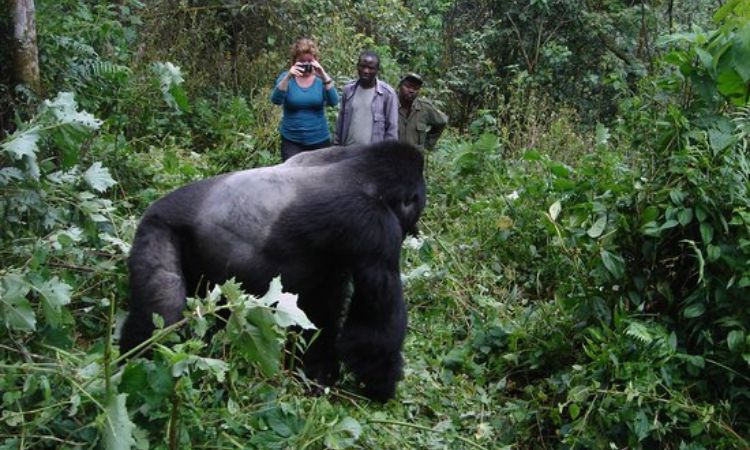
Prepare Your Fitness Level — The Trek Will Test You
Gorilla trekking is not a nature walk. It is hiking through untamed rainforest at 2,400–4,000 meters elevation where no trail exists — only what rangers cut with machetes that morning.
What to Expect
Table
|
Factor |
Range |
Reality Check |
|
Trek duration |
1–8 hours |
Average: 3–5 hours total (hike in + 1 hour with gorillas + hike out) |
|
Elevation gain |
200–800 meters |
Equivalent to 30–100 flights of stairs |
|
Terrain |
Steep, muddy, uneven |
No handrails, no paved paths, no rest stops |
|
Altitude |
2,400–4,000 m |
Bwindi: 1,160–2,607 m; Volcanoes: 2,400–4,507 m |
|
Weather |
Unpredictable |
Rain possible any day; temperature 10–25°C |
Pre-Trek Fitness Plan (Start 4–6 Weeks Before)
- Walking practice — Hike 5–10 km on hilly terrain with a daypack at least twice weekly
- Cardio training — 30 minutes of running, cycling, or swimming — 3x weekly minimum
- Stair climbing — 10+ flights daily to simulate Bwindi’s steep slopes
- Balance work — Practice walking on uneven surfaces; ankle strength prevents falls
- Mental preparation — Accept discomfort. The gorillas are worth every blister
Older travelers: Porters are essential (see Tip 11). Many 65+ trekkers complete the hike successfully with porter assistance and slower pacing. GoSilverback Gorilla Safaris books easier sectors for senior travelers.
Worried about fitness? GoSilverback Gorilla Safaris assesses your level and books the easiest sector with porter support included. Fitness assessment form →
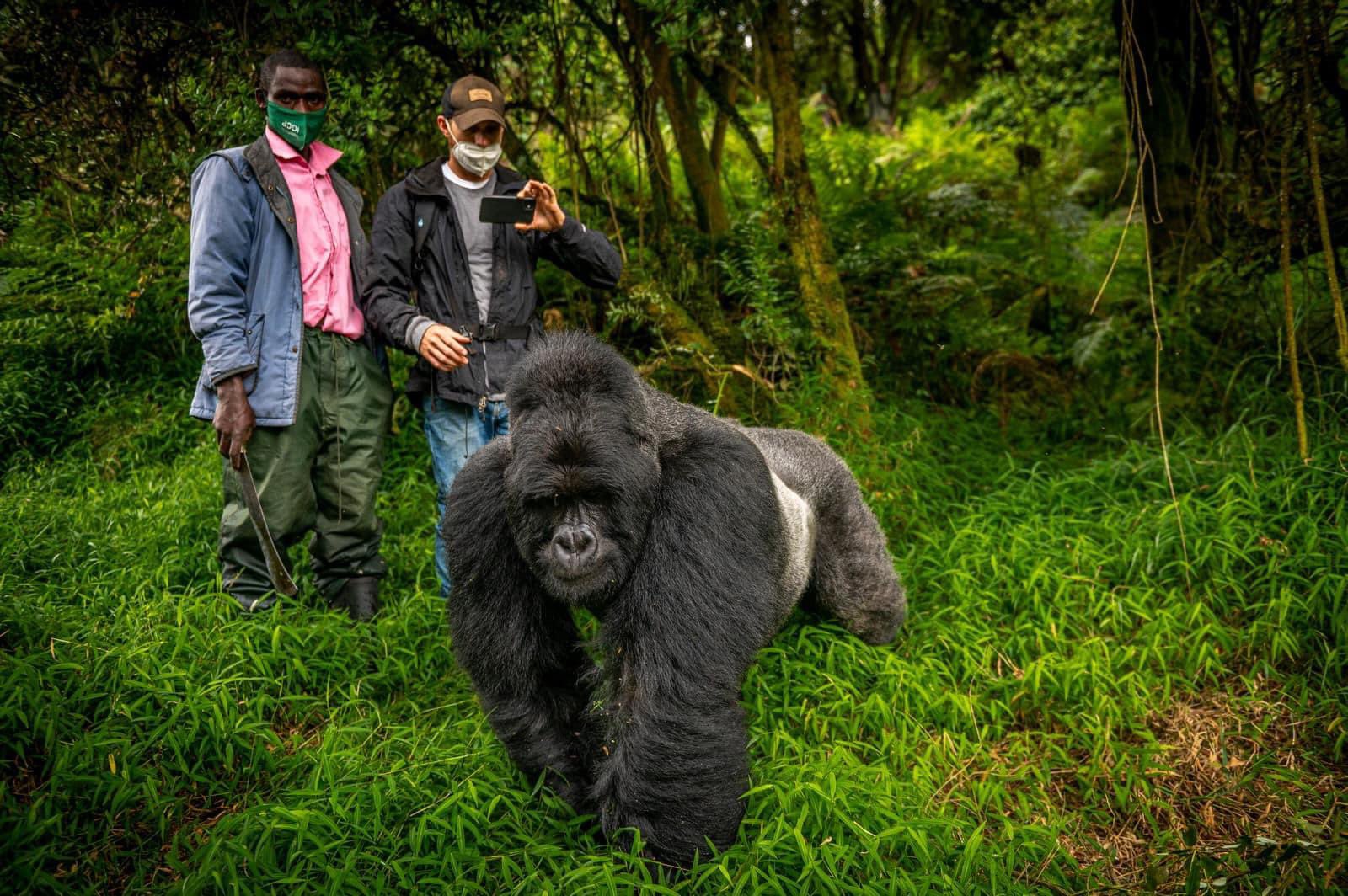
Wear the Right Clothing — Your Comfort Depends on It
Table
|
Item |
Why It Matters |
First-Timer Tip |
|
Long-sleeved shirt |
Protects against stinging nettles, thorns, insect bites |
Moisture-wicking fabric — cotton stays wet |
|
Long trousers |
Same protection; prevents leech attachment |
Convertible zip-offs for temperature changes |
|
Waterproof hiking boots |
Ankle support on uneven ground; grip on mud |
Break in 2+ weeks before — blisters ruin treks |
|
Gaiters |
Seal gap between boot and trouser — stops leeches, mud, water |
Essential in Bwindi during rains |
|
Gardening gloves |
Protect hands when grabbing vegetation for balance |
Cheap work gloves — $5 at any hardware store |
|
Waterproof jacket |
Rain falls without warning in tropical rainforest |
Breathable Gore-Tex — cheap ponchos tear |
|
Wide-brim hat |
Sun and rain protection |
Chin strap — wind gusts on ridges |
|
Moisture-wicking socks |
Prevents blisters on long hikes |
Merino wool — dries fast, resists odor |
|
Neutral colors |
Greens, browns, tans — blend with forest; bright colors disturb wildlife |
Avoid white — shows dirt, attracts insects |
What NOT to wear:
- Jeans — heavy when wet, chafe when sweaty
- Sandals or sneakers — zero ankle support, zero grip
- Cotton t-shirts — stay wet for hours and cause hypothermia
- Perfume or scented deodorant — attracts insects, disturbs gorillas
Need a complete packing list? GoSilverback Gorilla Safaris sends every client a destination-specific gear checklist. Request your free packing guide →
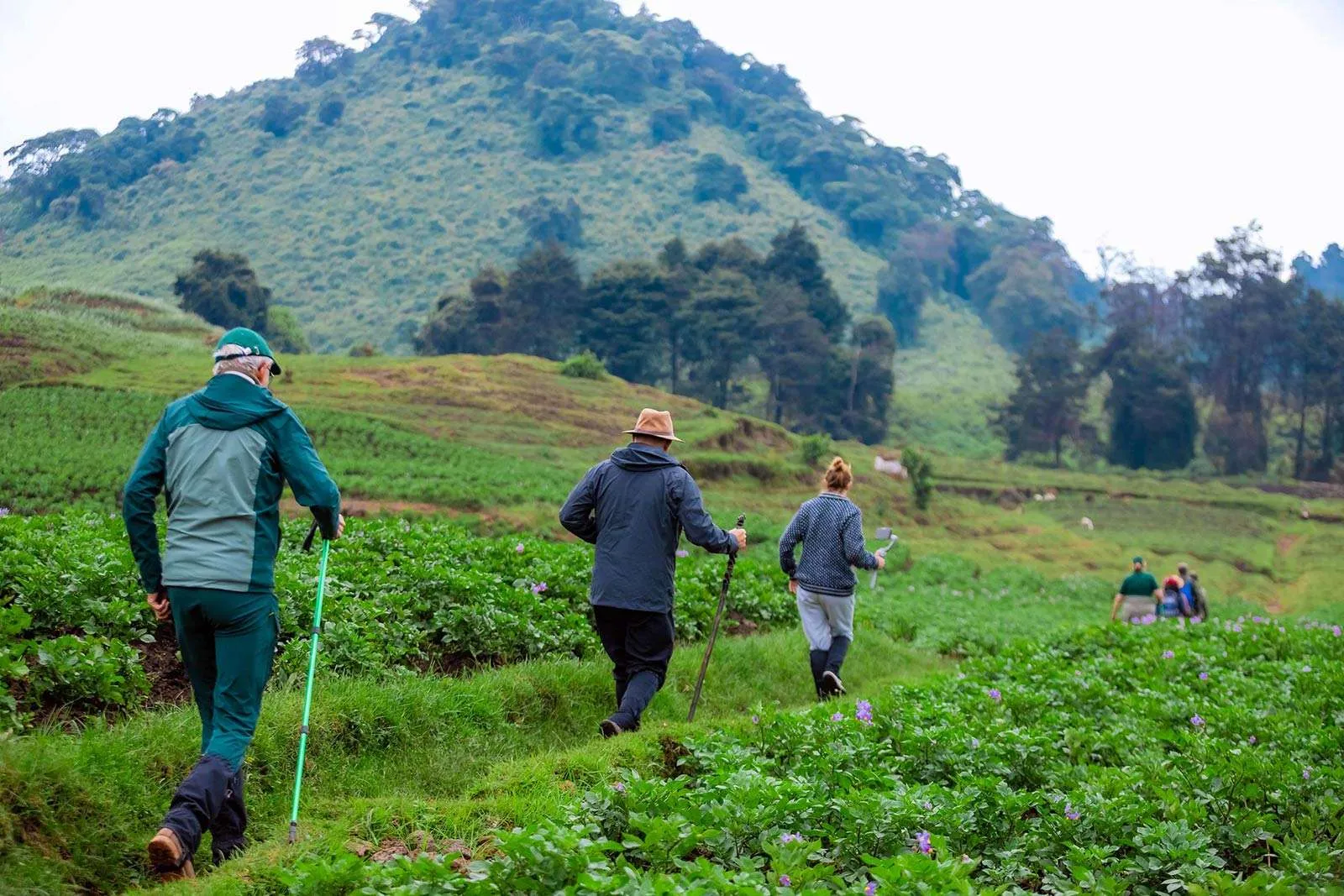
Essential Gorilla Trekking Packing List for First-Timers
Documents & Permits
- Passport — must match permit name exactly
- Gorilla permit confirmation — printed or digital
- Travel insurance documents — medical evacuation coverage essential
- Yellow fever certificate — mandatory for Uganda and Rwanda entry
Gear & Equipment
- Daypack (20–30L) — waterproof or with rain cover
- Reusable water bottle (2L minimum) — hydration critical at altitude
- High-energy snacks — nuts, energy bars, dried fruit (no strong-smelling food)
- Camera with extra batteries — cold drains batteries faster; no flash
- Binoculars — optional; gorillas are close, but birds and monkeys are not
- Power bank — solar if possible; electricity unreliable in remote lodges
- Sunscreen (SPF 50+) — UV penetrates forest canopy
- Insect repellent (DEET 30%+) — malaria prevention
- Rain cover for daypack — even “waterproof” packs leak in tropical downpours
- Walking stick — provided at briefing, or bring your own trekking poles
- Extra clothing layer — temperature drops at higher elevations
Health & Safety
- Personal first-aid kit — blister plasters, antihistamines, painkillers, anti-diarrheal
- Hand sanitizer — mandatory before and after gorilla encounter
- Face masks — mandatory when near gorillas since COVID-19
- Prescription medications — in original packaging with doctor’s note
First-timer panic: “Did I forget something?” GoSilverback Gorilla Safaris provides a pre-departure checklist and 24/7 support. Download our complete packing checklist →
Understand Gorilla Trekking Rules — They Protect You AND the Gorillas
These are not suggestions. They are enforced regulations with real consequences:
Table
|
Rule |
Why It Exists |
Penalty for Violation |
|
Maintain 7–10 meter distance |
Prevents disease transmission (gorillas share 98.3% human DNA) |
Immediate removal from encounter |
|
No flash photography |
Disturbs behavior, stresses silverbacks |
Camera confiscation for duration |
|
Stay with your guide |
Guides position themselves between you and silverbacks for safety |
Removal from park |
|
Keep voices low |
Loud noises agitate gorillas, disrupt feeding |
Verbal warning, then removal |
|
Do not touch gorillas |
Disease risk to gorillas; bite risk to you |
Permit forfeiture, potential ban |
|
No littering |
Gorillas ingest plastic, leading to death |
Heavy fine, legal action |
|
Maximum 1 hour with gorillas |
Limits stress and disease exposure |
Enforced by guide timer |
|
Minimum age 15 |
Younger children lack impulse control, higher disease risk |
Denied entry, no refund |
|
No trekking if ill |
Respiratory viruses kill gorillas |
Denied entry, no refund |
Critical first-timer insight: These rules exist because gorilla tourism saved the species. In 1981, fewer than 250 mountain gorillas survived.
Today, 1,063 exist because habituation and regulated tourism funded anti-poaching patrols and veterinary care. Break the rules, and you threaten 43 years of conservation success.
GoSilverback Gorilla Safaris briefs every client on rules before departure and provides on-ground reminders. Book with conservation-compliant operators →
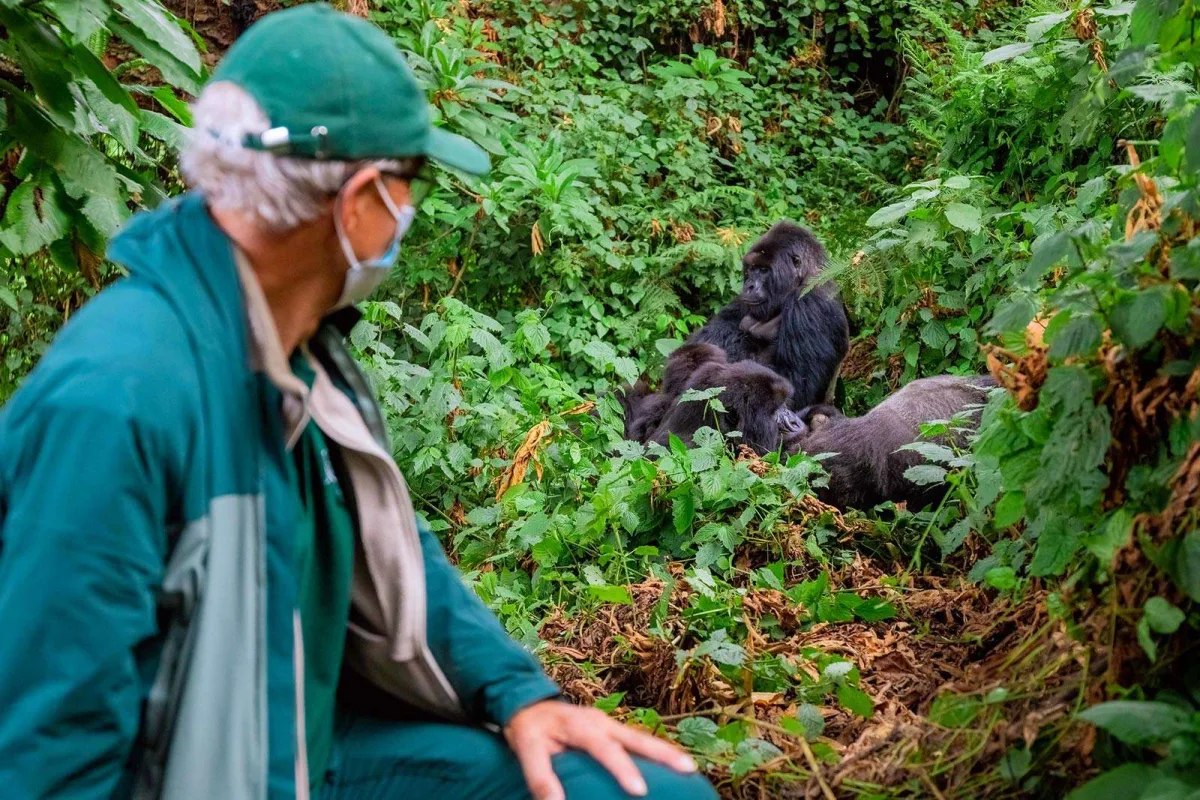
What Happens on Trekking Day? A Minute-by-Minute Breakdown
06:00 — Rise Before Dawn
Your lodge serves an early breakfast (coffee, eggs, toast). Nerves and excitement mix. Eat lightly — heavy meals + altitude + exertion = nausea.
07:00 — Park Registration
Arrive at park headquarters (Buhoma, Ruhija, Rushaga, Nkuringo, or Kinigi). Passport check. Permit verification. Health screening (temperature, symptom questionnaire).
07:30 — Ranger Briefing
Head ranger explains:
- Today’s gorilla family allocation — based on your fitness level and family location
- Safety protocols — what to do if a silverback charges (crouch, look down, stay still)
- Trek expectations — estimated difficulty, duration, terrain
08:00 — Enter the Forest
Rangers lead with machetes, cutting a fresh trail. Trackers have been following your assigned family since 05:00. They radio coordinates. You hike.
08:00–11:00 — The Trek
Terrain varies:
- Bamboo forests — relatively open, good visibility (Rwanda’s Volcanoes)
- Dense rainforest — thick undergrowth, low light (Bwindi’s interior)
- Steep ridges — mud, roots, scrambling on hands and knees
- Stream crossings — slippery rocks, cold water
Porters carry your pack. Rangers set the pace. You focus on breathing.
11:00 — The Encounter
Ranger stops. Whispers. Points. Through leaves, you see black fur. Then movement. Then — a silverback, 2 meters tall, 200 kg, 5 meters away, eating leaves.
Your hour begins.
11:00–12:00 — The Magic Hour
What you will witness:
- Silverback — resting, eating, occasionally chest-beating
- Females — nursing infants, grooming juveniles
- Juveniles — playing, somersaulting, testing social boundaries
- Infants — clinging to mothers, staring at you with curiosity
Guides whisper translations: “That vocalization means contentment.” “That posture is submissive.” “That charge was a bluff — he is establishing dominance.”
12:00 — The Return
Hike out — usually faster, always bittersweet. At headquarters, you receive a certificate of completion.
You are changed.
Want this exact experience? GoSilverback Gorilla Safaris handles every detail from airport pickup to certificate presentation. Build your first-timer itinerary →
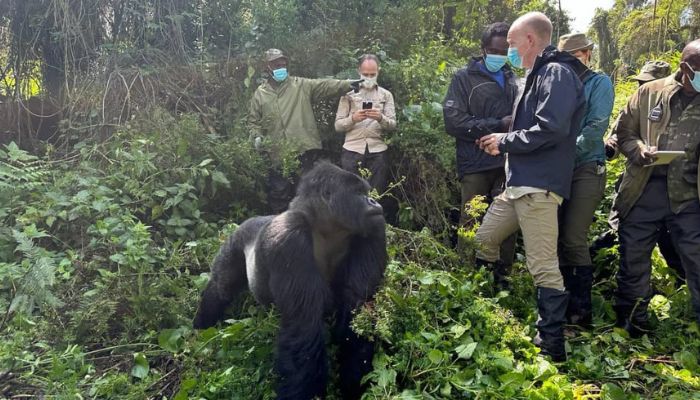
How Difficult Is Gorilla Trekking? Honest Assessment
Table
|
Difficulty Factor |
Beginner-Friendly? |
Mitigation Strategy |
|
Terrain |
Moderate–Hard |
Porter + walking stick + correct boots |
|
Altitude |
Moderate |
Acclimatize 1 day before trek; stay hydrated |
|
Weather |
Unpredictable |
Quality rain gear; embrace the mud |
|
Duration |
Variable |
Book easier sector; request shorter trek |
|
Fitness requirement |
Moderate |
Pre-trek training; porter assistance |
Honest truth: Gorilla trekking is not Everest. A reasonably fit 60-year-old with porter support completes the trek successfully 95% of the time.
A sedentary 30-year-old who skips training and refuses a porter struggles.
GoSilverback Gorilla Safaris matches first-timers to appropriate sectors:
- Easiest: Buhoma sector, Bwindi — gentler slopes, older forest
- Moderate: Ruhija or Volcanoes National Park — standard terrain
- Challenging: Rushaga, Nkuringo — steep, long hikes for fit adventurers
Nervous about difficulty? GoSilverback Gorilla Safaris offers a pre-booking fitness consultation and sector recommendation. Assess your trekking readiness →
Hire a Porter — It’s Worth Every Dollar
Porter cost: $15–20 in Uganda | $20–25 in Rwanda
What Porters Do
- Carry your daypack — you hike unburdened, saving 30% energy
- Assist on steep sections — handholds, balance support, occasional push from behind
- Navigate muddy terrain — they know which roots hold and which rocks slip
- Provide moral support — encouragement in local dialect, smiles when you struggle
Why Hiring a Porter Is Ethical
- Direct employment for local community members — many are former poachers now protecting gorillas
- Fair wages — $15–20/day is 2x average local income
- Conservation incentive — when communities benefit from tourism, they protect gorillas
First-timer rule: Hire a porter even if you think you don’t need one. The $20 investment transforms your experience from an endurance test to an enjoyable adventure. Plus, you fund conservation.
GoSilverback Gorilla Safaris includes porter fees in most packages — no surprise costs, maximum comfort. Book porter-inclusive packages →
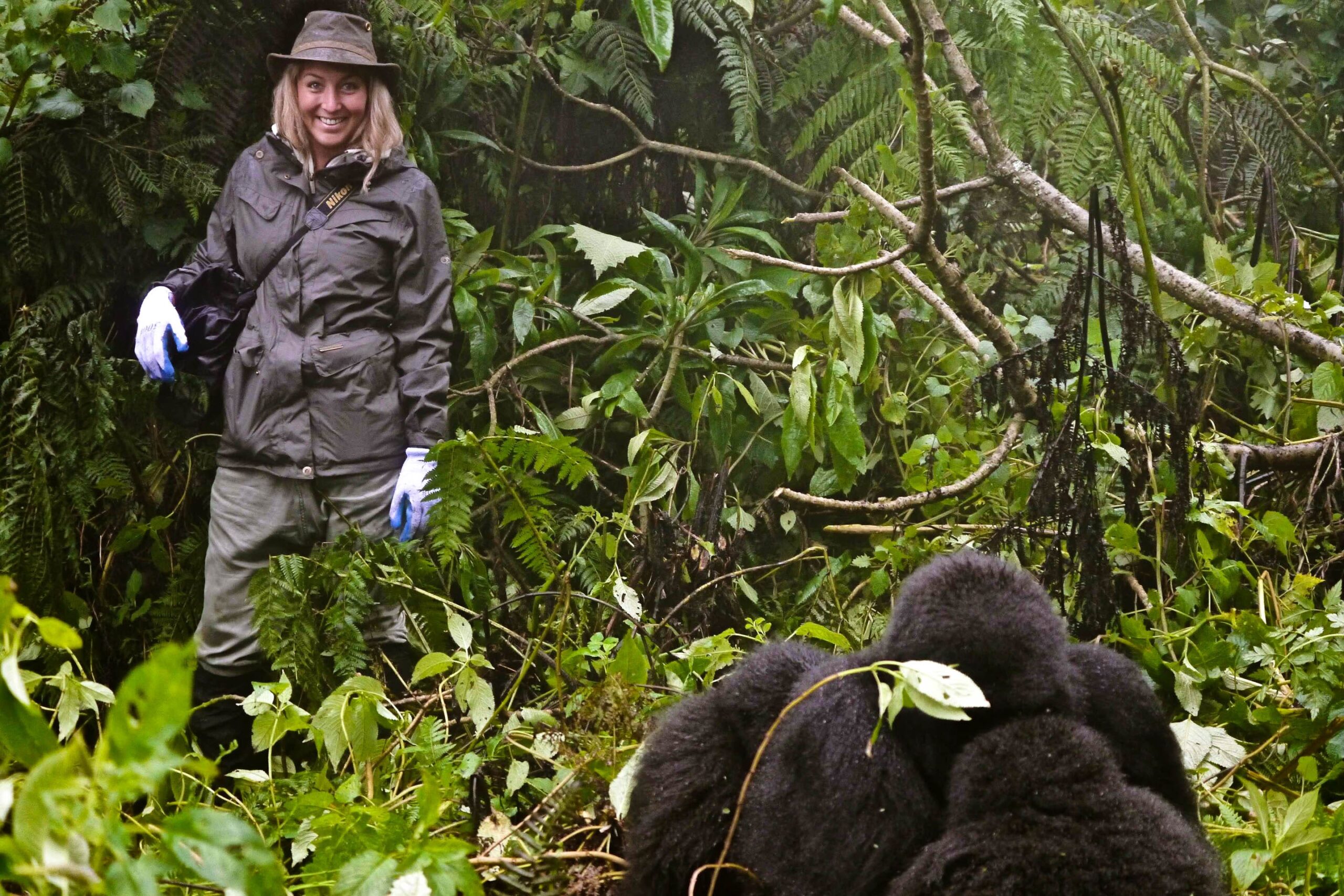
Photography Tips for First-Time Gorilla Trekkers
Camera Settings for Dense Forest
Table
|
Setting |
Recommendation |
Why |
|
ISO |
800–3200 |
Low light under canopy; modern cameras handle noise well |
|
Aperture |
f/2.8–f/5.6 |
Shallow depth isolates gorillas from busy background |
|
Shutter speed |
1/250s minimum |
Gorillas move; juveniles play unpredictably |
|
Focus mode |
Continuous AF (AI Servo) |
Tracks moving subjects |
|
File format |
RAW |
Essential for post-processing in challenging light |
Lens Recommendations
- 70–200mm f/2.8 — Ideal for 7-meter distance, versatile, fast
- 100–400mm — Excellent for tight portraits, heavier
- 24–70mm — Usable for environmental shots, group photos
- Smartphone — Surprisingly capable; iPhone 15 Pro and Samsung Galaxy S24 Ultra produce publishable images at 7 meters
Composition Tips
- Eye-level shots — Crouch or sit for intimate perspective
- Environmental portraits — Include bamboo, moss, mist for context
- Behavioral moments — Nursing, grooming, play tell stories
- Silverback detail — Focus on silver saddle, expressive eyes, massive hands
- No flash — Ever. Use higher ISO instead
Smartphone Photography
- Use portrait mode for shallow depth of field simulation
- Shoot in Pro/RAW mode if available
- Stabilize against trees or use mini tripod
- Clean lens constantly — humidity fogs glass in rainforest
Photographers: GoSilverback Gorilla Safaris offers dedicated photography treks with extended time and prime family assignments. Book your photography safari →

Gorilla Trekking Safety Tips — What First-Timers Must Know
Safety Rule #1: Listen to Your Guide
Your guide has 10+ years of experience. They have tracked thousands of treks. They know every silverback’s temperament. Their instructions are law.
Safety Rule #2: Stay Calm If a Gorilla Approaches
Scenario: A juvenile wanders within 2 meters.
What do you do?
- Do not move — sudden motion triggers chase response
- Crouch down — reduces perceived threat
- Look down and to the side — avoid direct eye contact with silverbacks (interpreted as challenge)
- Let the guide intervene — they will position themselves between you and the gorilla
- Breathe — no habituated gorilla has ever seriously harmed a tourist in 30+ years
Safety Rule #3: Avoid Sudden Movements
Quick gestures, loud noises, and running are perceived as threats. Move slowly and deliberately at all times.
Safety Rule #4: Respect Gorilla Behavior
- Chest-beating — Display of dominance, not aggression toward you
- Vocalizations — Hoots, barks, roars communicate mood; guides interpret
- Charging — Usually bluff; silverback stops 2–3 meters away, then retreats
Safety Rule #5: Emergency Procedures
- Injury on trail — Porters carry basic first aid; serious cases evacuated by stretcher or helicopter
- Gorilla aggression — Extremely rare; guides carry no firearms — verbal deterrence and positioning suffice
- Lost from group — Stay put, blow whistle (provided), and the ranger will find you
Bottom line: Gorilla trekking is statistically safer than driving to the trailhead. In 30+ years of regulated tourism, zero tourists have been killed by habituated gorillas.
Safety is our priority at GoSilverback Gorilla Safaris. Every trek includes two rangers, first-aid kits, and radio communication with park headquarters. Trek with confidence — book now →
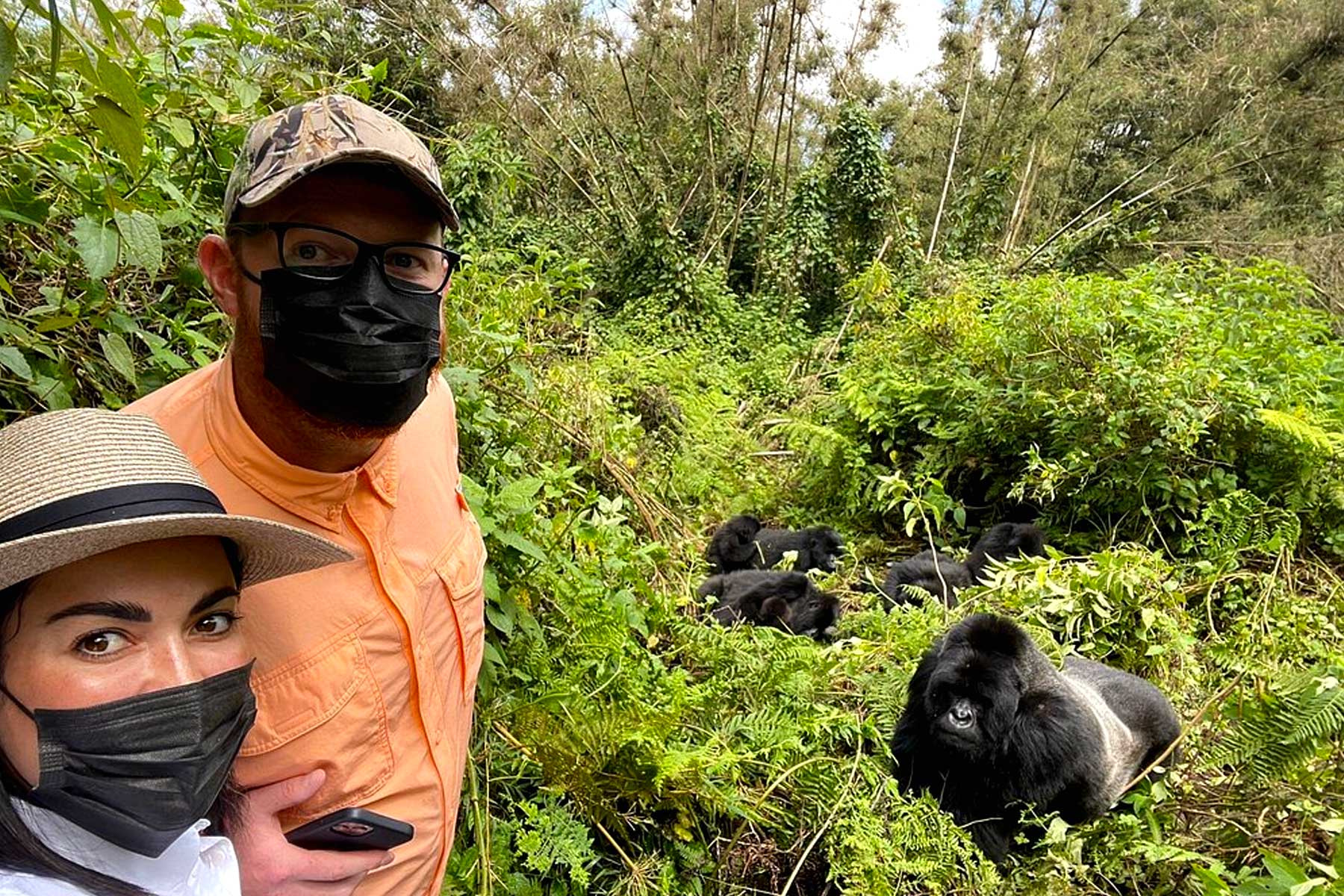
Gorilla Trekking Etiquette — Be a Responsible First-Timer
Respect Wildlife
- Never feed gorillas — disease risk, behavioral disruption
- Never attempt to touch — illegal, dangerous, unethical
- Never use drone — banned in all gorilla parks; disturbs wildlife
Respect Fellow Trekkers
- Stay in your allocated position — 8 tourists maximum, assigned spots
- Share viewing angles — rotate positions so everyone gets front-row moments
- Keep whispered commentary brief — others want forest silence
Leave No Trace
- Pack out all trash — including organic waste (fruit peels attract wildlife)
- Stay on designated paths — even when cutting fresh trail, rangers minimize impact
- No souvenirs — leaves, feathers, stones stay in the forest
Support Conservation
- Tip rangers and porters — $10–20 total per trekker, pooled
- Buy local crafts — Batwa pygmy baskets and woodcarvings support communities
- Share your story — social media awareness builds global constituency for gorilla protection
GoSilverback Gorilla Safaris includes responsible tourism training in every pre-trek briefing. Travel ethically with us →
Common Mistakes First-Time Trekkers Make (And How to Avoid Them)
Table
|
Mistake |
Consequence |
Solution |
|
Booking permits too late |
Missed trek — permits sell out 6–12 months ahead |
Book 9+ months ahead for peak season |
|
Wearing inappropriate clothing |
Blisters, leeches, hypothermia |
Follow our packing list exactly |
|
Underestimating the hike |
Exhaustion, inability to complete trek |
Train 4–6 weeks ahead; hire porter |
|
Forgetting rain gear |
Soaked, miserable, camera destroyed |
Quality waterproof jacket + pack cover |
|
Bringing too much luggage |
Porter overloaded; you fatigued |
Daypack only; leave rest at lodge |
|
Ignoring fitness preparation |
Struggle, embarrassment, reduced enjoyment |
Pre-trek walking program |
|
Standing too close to gorillas |
Removal from encounter; permit forfeiture |
Listen to guide; trust the 7-meter rule |
|
Using flash photography |
Camera confiscated; gorilla stressed |
Learn manual camera settings before trek |
|
Skipping travel insurance |
$50,000+ medical evacuation bill |
Mandatory comprehensive coverage |
|
Not hiring a porter |
Unnecessary suffering; missed photo opportunities |
$20 for transformative comfort |
Avoid every mistake on this list. GoSilverback Gorilla Safaris provides a pre-departure briefing and 24/7 support to ensure your first trek is flawless. Get expert first-timer guidance →
Gorilla Trekking Conservation — Your Permit Is Protection
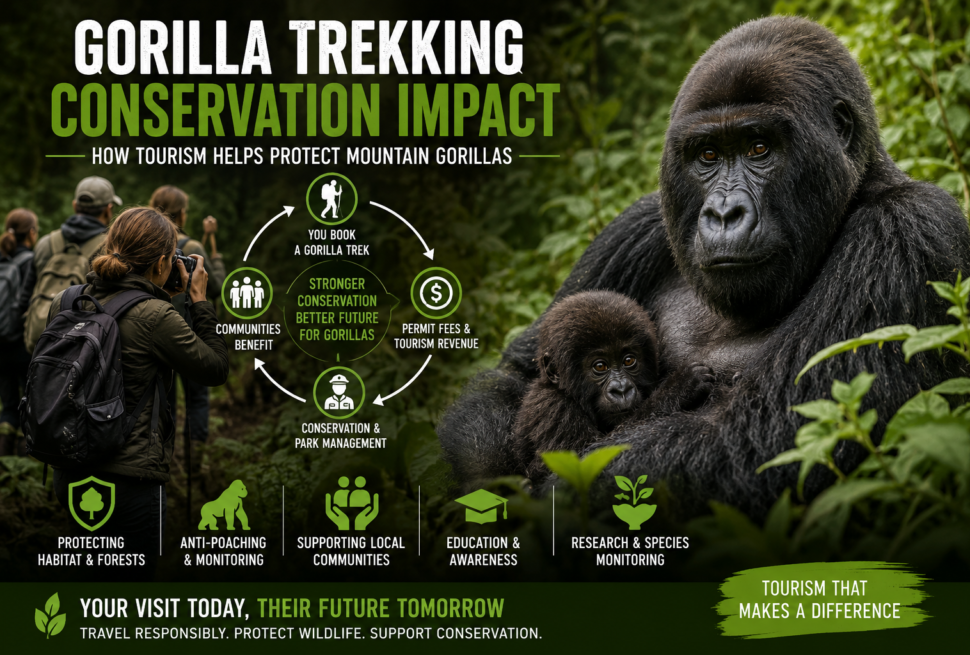
Every $800 Uganda permit and $1,500 Rwanda permit is not a fee — it is conservation currency.
Here’s exactly where your money goes:
Table
|
Conservation Activity |
Percentage of Permit |
Impact |
|
Ranger salaries & patrols |
60% |
Daily protection, snare removal, anti-poaching |
|
Community revenue sharing |
20% |
Schools, clinics, roads — turning poachers into protectors |
|
Gorilla Doctors veterinary care |
10% |
Snare removal, respiratory treatment, orphan rescue |
|
Park infrastructure & research |
10% |
Trails, monitoring, census funding |
The math: A single silverback generates approximately $1 million in tourism revenue over his 35–40 year lifetime. Alive, he is worth infinitely more than dead.
Your first trek is not tourism. It is conservation activism disguised as adventure.
Make your first trek count. GoSilverback Gorilla Safaris donates a portion of every booking to ranger welfare programs. Book your conservation safari
Continue Planning Your Gorilla Trekking Adventure
Planning a gorilla trekking safari involves more than choosing a destination. Explore our expert guides below to learn everything you need to know before booking your unforgettable encounter with Africa’s endangered mountain gorillas.
- What Is Gorilla Trekking? – Discover how gorilla trekking works, what happens during the experience, and what to expect when meeting mountain gorillas in their natural rainforest habitat.
- Is Gorilla Trekking Safe? – Learn about park safety regulations, experienced ranger guides, gorilla conservation protocols, and practical tips for a safe and rewarding trekking adventure.
- Best Time for Gorilla Trekking in Uganda – Find out the best months to visit for favorable weather, easier hiking conditions, excellent wildlife viewing, and greater permit availability.
- Uganda vs Rwanda Gorilla Trekking – Compare permit prices, trekking experiences, accessibility, accommodation options, and overall value to choose the destination that best suits your travel style and budget.
- How Difficult Is Gorilla Trekking? – Understand the physical demands of gorilla trekking, including hiking terrain, altitude, trek duration, and fitness tips to help you prepare with confidence.
- What to Pack for Gorilla Trekking – Use our complete packing checklist featuring essential clothing, waterproof hiking boots, rain gear, gloves, cameras, and other must-have items for a comfortable trek.
- How Much Does Gorilla Trekking Cost? – Explore gorilla trekking permit fees, accommodation, transportation, meals, park services, and budget, mid-range, and luxury safari packages in Uganda and Rwanda.
- How to Get Gorilla Permits – Learn how to secure your gorilla trekking permit, when to book, permit availability, payment options, and why booking through a trusted tour operator ensures a smooth experience.
- Where to See Mountain Gorillas in Africa – Explore the best destinations to see endangered mountain gorillas, including Bwindi Impenetrable National Park, Mgahinga Gorilla National Park in Uganda, Volcanoes National Park in Rwanda, and Virunga National Park in the Democratic Republic of Congo.
- Gorilla Trekking Age Limit – Understand the minimum age requirement for gorilla trekking, why the age restriction exists, and important guidelines for families planning a gorilla safari.
- How Big Are Silverback Gorillas? – Discover the impressive size, weight, height, strength, and physical characteristics of dominant silverback gorillas, and learn how they protect and lead their family groups.
- How Many Gorillas Are Left in the World? – Learn about the latest global gorilla population estimates, the different gorilla subspecies, ongoing conservation efforts, and how responsible tourism helps protect these endangered primates.
- Gorilla Trekking Rules and Regulations – Understand the essential guidelines for responsible wildlife viewing, including maintaining a safe distance, limiting viewing time, avoiding flash photography, and helping protect the health and habitat of mountain gorillas.
- Gorilla Conservation and Responsible Tourism – Discover how gorilla trekking permits support anti-poaching patrols, habitat conservation, veterinary care, scientific research, and local community development, ensuring the long-term survival of Africa’s mountain gorillas.
Frequently Asked Questions for First-Time Gorilla Trekkers
Is gorilla trekking safe?
Yes — 100% safe when following ranger guidelines. In 30+ years of regulated tourism, zero tourists have been killed by habituated gorillas. GoSilverback Gorilla Safaris maintains 100% safety record across thousands of treks.
How much does gorilla trekking cost?
- Uganda permit: $800
- Rwanda permit: $1,500
- Full safari package: $1,200–$5,500 depending on accommodation and duration
How long does a trek take?
Total time: 4–8 hours (briefing + hike + 1 hour with gorillas + return). Actual gorilla encounter: 1 hour maximum (enforced).
Can children go gorilla trekking?
No — minimum age is 15 in Uganda and Rwanda. GoSilverback offers family safaris with child-friendly activities for non-trekking days.
What happens if it rains?
You trek anyway. Rain is normal in tropical rainforest. Quality gear keeps you comfortable. Some of the best photos happen in mist and drizzle.
Is gorilla trekking difficult?
Moderate for most first-timers. Porter support, correct sector selection, and basic fitness preparation make it achievable for anyone under 70 with no mobility issues.
Can I use my phone for photos?
Yes — modern smartphones (iPhone 15 Pro, Samsung Galaxy S24 Ultra) produce excellent results at 7 meters. No flash — ever.
What if I don’t find gorillas?
Extremely rare — 99% success rate for habituated families. If you genuinely fail (not due to turning back), Uganda Wildlife Authority (UWA) offers a partial refund or second attempt (policy varies).
Do I need travel insurance?
Mandatory. Must include medical evacuation coverage (helicopter from Bwindi costs $15,000+). We recommend World Nomads or IMG Patriot.
Should I hire a porter?
Absolutely yes. $15–20 for transformative comfort, local employment, and conservation support. Even fit trekkers benefit.
Can seniors go gorilla trekking?
Yes — many 65+ travelers complete successfully with porter support, easier sectors, and slower pacing. GoSilverback Gorilla Safaris specializes in senior-friendly itineraries.
Is gorilla trekking worth the money?
Unanimously yes. In post-trek surveys, 97% of first-timers rate it “the best wildlife experience of my life” — above Serengeti migrations, Great Barrier Reef diving, and Antarctic expeditions.
Still have questions? GoSilverback Gorilla Safaris offers free video consultations for first-time trekkers worldwide. Schedule your consultation →
Why Book Your First Gorilla Trekking Safari With GoSilverback Gorilla Safaris?
What Sets Us Apart
Table
|
Feature |
GoSilverback Advantage |
|
Guaranteed permit assistance |
We secure permits even when UWA/RDB websites show sold out |
|
Tailor-made itineraries |
Customized for your fitness, budget, and travel style |
|
Experienced local guides |
10+ years tracking in Bwindi and Volcanoes National Park |
|
Competitive pricing |
No hidden fees — transparent quotes from $1,300 budget to $5,500 luxury |
|
Luxury, mid-range, budget options |
Sanctuary Gorilla Forest Camp to community guesthouses |
|
Airport transfers |
Entebbe/Kigali pickup to park gate — seamless logistics |
|
Comfortable accommodations |
Hand-picked lodges with hot showers, good food, gorilla views |
|
24/7 travel support |
Emergency line, real-time updates, on-ground problem solving |
|
Trusted African safari specialists |
5,000+ clients from USA, UK, Europe, Canada, Asia, Latin America, Oceania, Middle East |
|
Responsible tourism commitment |
Conservation-aligned, community-supporting, ethically operated |
Our First-Timer Promise
- We handle permits — you focus on excitement
- We match your fitness to the right sector
- We include porters — no surprise costs
- We brief you thoroughly — rules, safety, photography
- We support you 24/7 — from booking to boarding pass
Your first gorilla trek should be perfect. Let GoSilverback Gorilla Safaris make it happen.
[Request Your Free First-Timer Quotation]
✅ Free, no-obligation itinerary — tell us your dates, budget, and dreams
✅ Permit availability check — real-time 2026 calendar
✅ Fitness assessment — we recommend the right sector
✅ Packing list & pre-departure briefing — zero surprises
✅ 24/7 support — from New York, London, São Paulo, Sydney, Tokyo, or Dubai
[Contact GoSilverback Gorilla Safaris Now] — 1,063 mountain gorillas are waiting. Only 8 visitors meet them each day. Will you be one of them?