Best Time for Gorilla Trekking Uganda: Complete Month-by-Month Ultimate Guide 2026
What Is the Best Time for Gorilla Trekking Uganda?
The best time for gorilla trekking in Uganda is during the dry seasons from June to September and December to February.
These months offer easier hiking conditions, less rainfall, better photography opportunities, and comfortable forest walks.
Dry Season Benefits
- Firmer trails: Less mud, better footing, reduced slip risk
- Clearer skies: Optimal light for photography, better visibility
- Easier logistics: Roads remain passable; domestic flights operate reliably
- Comfortable temperatures: 15–25°C (59–77°F) with low humidity
Rainy Season Advantages
- Lower prices: Accommodation discounts of 20–40% during low season
- Fewer tourists: More intimate gorilla encounters; easier permit availability
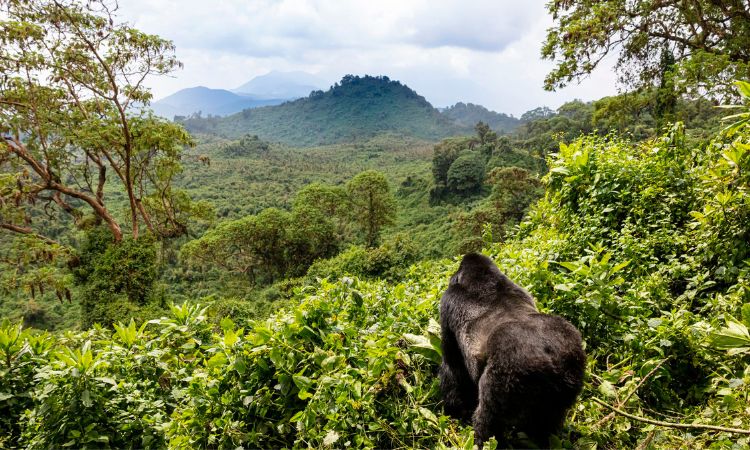
- Lush landscapes: Rainforests at peak vibrancy; dramatic skies for photography
- Birding excellence: Migratory species arrive; birding is exceptional
Budget Traveler Options
March–May and October–November are the budget trekker’s secret weapon. Yes, trails are muddier. Yes, rain is frequent. But gorilla permits remain $800 year-round — and lodge rates drop significantly.
If you pack waterproof gear and embrace the adventure, low season delivers exceptional value.
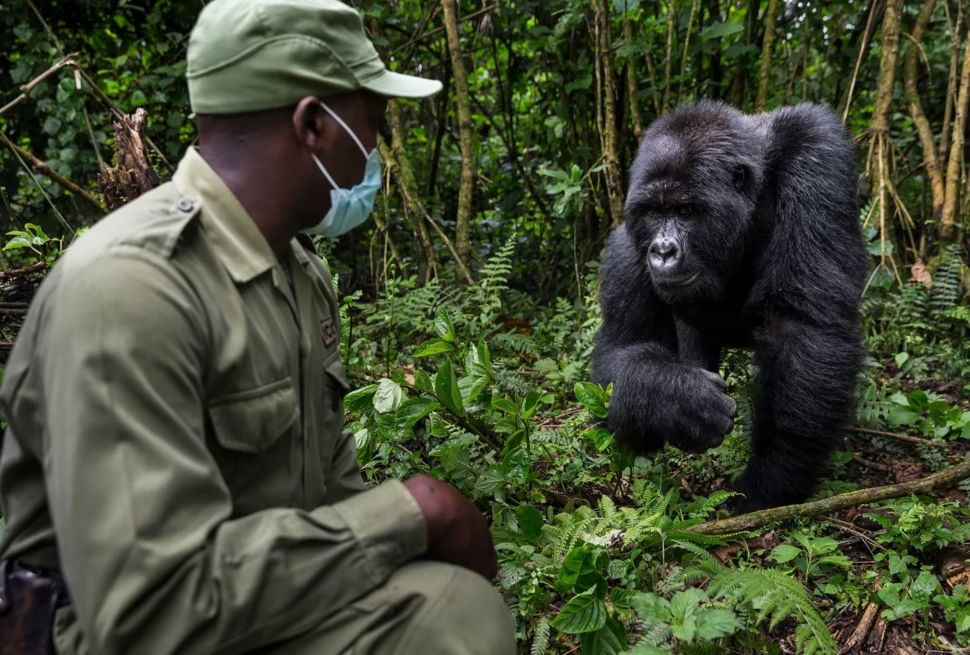
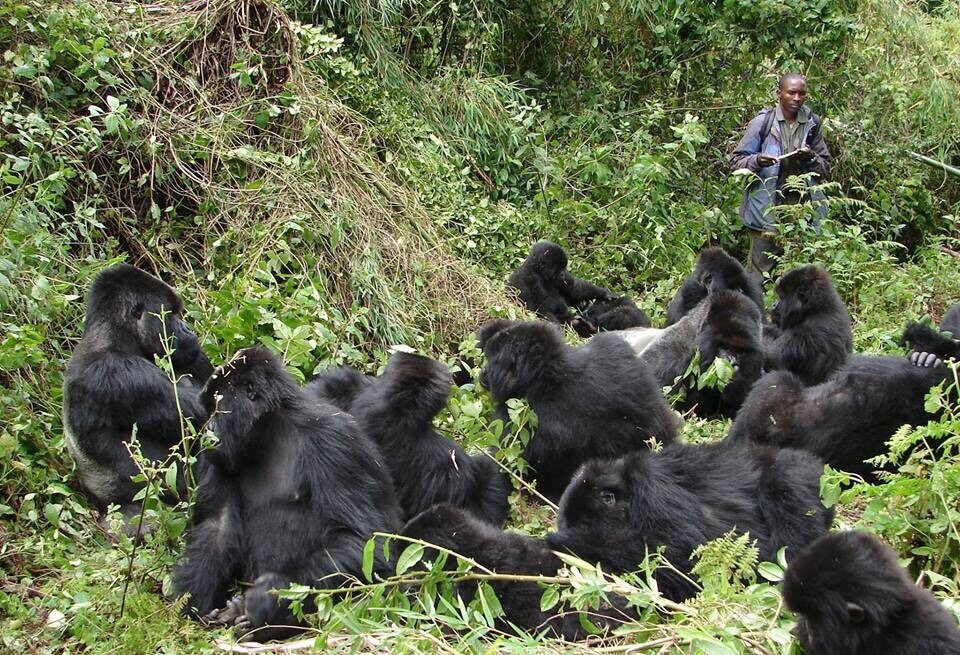
Uganda is one of Africa’s top destinations for mountain gorilla encounters. Home to over 600 mountain gorillas — roughly half the global population — the country’s Bwindi Impenetrable National Park and Mgahinga Gorilla National Park deliver wildlife experiences that redefine what “unforgettable” means.
But timing matters. The difference between trekking in June and trekking in April is the difference between a life-changing encounter and a mud-soaked ordeal.
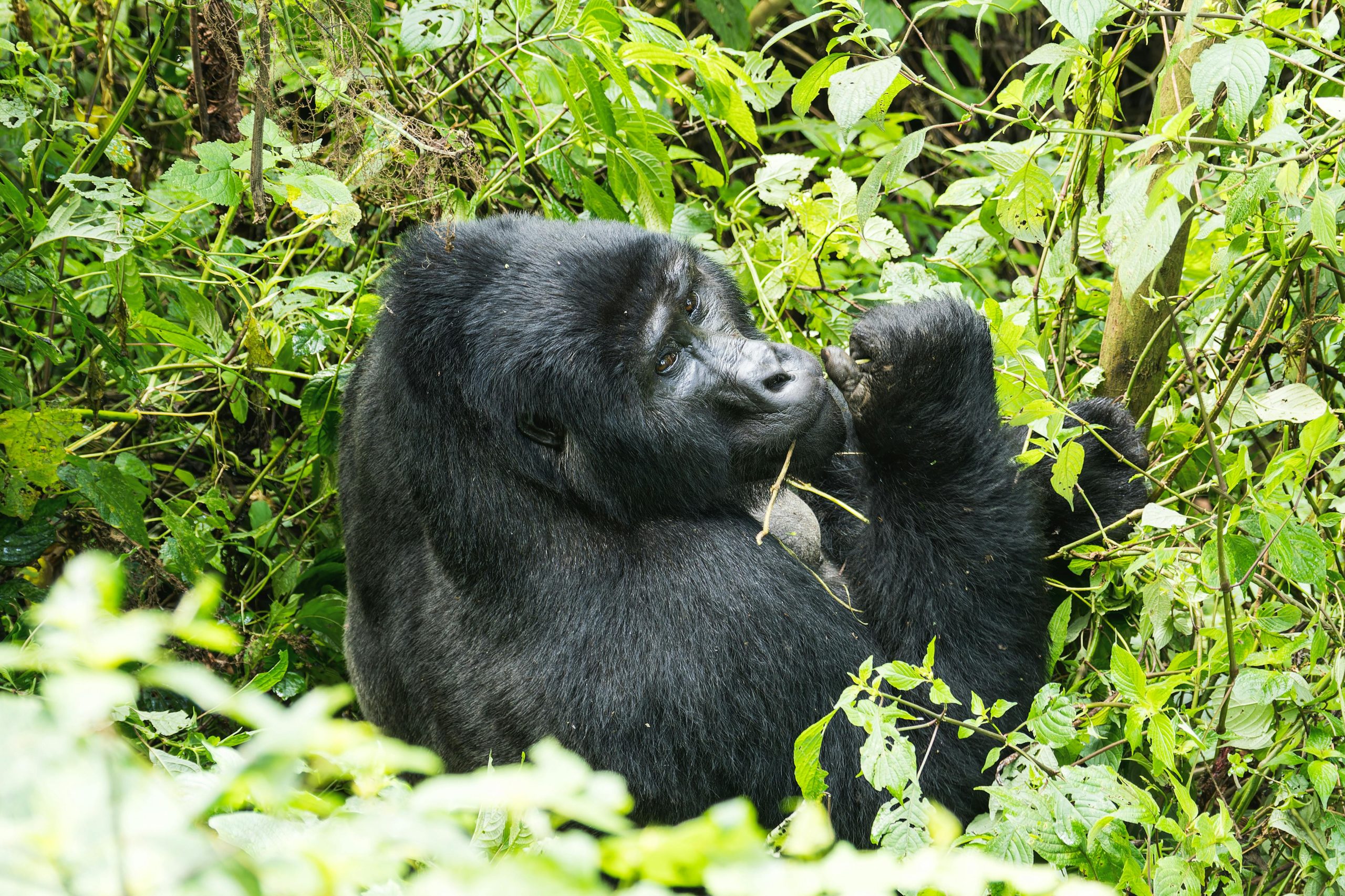
While gorilla trekking in Uganda is possible all year round, the best months are generally June to September and December to February because of drier trails and easier hiking conditions.
These dry seasons deliver firmer footing, clearer photography, and more predictable logistics. Yet the rainy months hold their own rewards: lower prices, fewer crowds, and rainforests at their most vibrant.
For travelers from the USA, UK, Europe, Canada, Asia, and the Middle East, this guide answers the single most important planning question: when should you go? We break down every month, every season, and every factor that shapes your gorilla trekking experience.
By the end, you’ll know exactly when to book — and why.
Explore our Uganda gorilla trekking packages designed for unforgettable wildlife experiences.
Uganda Gorilla Trekking Seasons Explained
Uganda’s equatorial climate creates two distinct dry seasons and two rainy seasons. Understanding them is the foundation of smart planning.
1. Dry Season Gorilla Trekking Uganda (June–September)
The peak trekking window. June through September is when Uganda receives the least rainfall, the skies are clearest, and the trails are at their most manageable.
Why travelers prefer this season:
- Less rainfall: Average monthly precipitation drops to 50–100mm vs. 150–250mm in rainy months
- Drier forest trails: Mud is minimal; steep sections remain passable without extreme effort
- Better hiking conditions: Reduced humidity means less physical exhaustion
- Clearer photography: Bright, diffused light filters through the canopy; gorillas are easier to photograph
- Easier access to Bwindi and Mgahinga: Rural roads remain passable; domestic flights operate on schedule
Important caveat: Mountain weather is unpredictable. Even during dry seasons, Bwindi can receive rainfall because it is a rainforest ecosystem.
Morning mist is common year-round. Pack waterproof gear regardless of your travel month.
Bold fact: July and August are Uganda’s driest months, with average rainfall below 80mm. These are also the most popular — permits sell out 6–12 months in advance.
2. Short Dry Season (December–February)
The holiday trekking window. December through February offers a second dry season with its own distinct character.
Why December and January are popular:
- Holiday travel season: Christmas and New Year safaris are popular with international travelers from the USA, UK, and Europe
- Comfortable temperatures: Slightly warmer than June–September; mornings are less cold
- Less muddy trails: Post-rainy season drying means firmer ground than March–May
- Excellent safari combination opportunities: Combine gorilla trekking with:
- Queen Elizabeth National Park: Tree-climbing lions, Kazinga Channel boat cruise, elephant herds
- Murchison Falls National Park: Nile River boat safari, waterfall hike, savannah game drives
- Kibale National Park: Chimpanzee trekking with 95% success rate
Bold insight: December–February is ideal for travelers who want gorilla trekking plus classic African wildlife safaris in one trip. The weather supports both rainforest and savannah activities.

Gorilla Trekking Uganda During Rainy Season (March–May & October–November)
Many travelers avoid rainy months. That is a mistake — if you know what you’re getting into.
Benefits of Rainy Season Trekking
Table
|
Advantage |
Detail |
|
Lower safari prices |
Lodges discount 20–40%; package deals are more negotiable |
|
Fewer tourists |
Intimate encounters; no crowds at park headquarters |
|
More permit availability |
Last-minute bookings possible; popular sectors less competitive |
|
Beautiful green forests |
Rainforests at peak vibrancy; moss, ferns, and orchids thrive |
|
Great photography |
Dramatic skies, misty atmosphere, saturated colors |
|
Birding peak |
Migratory species arrive; 1,000+ bird species active |
Challenges of Rainy Season Trekking
Table
|
Challenge |
Detail |
|
Muddy trails |
Steep sections become slippery; leeches are more active |
|
Longer hiking times |
Slower progress through wet vegetation adds 1–2 hours |
|
Rain showers |
Frequent, sometimes heavy; waterproof gear is essential |
|
Slippery terrain |
Roots and rocks become hazardous; falls are more common |
|
Road conditions |
Some rural roads wash out; transfers may take longer |
Bold reality: Rainy season trekking is not for everyone. But for prepared travelers with waterproof gear, physical fitness, and flexible attitudes, it delivers Uganda’s most authentic rainforest experience — and the best value.
Best Month-by-Month Time to Trek Gorillas in Uganda
Table
|
Month |
Season |
Trekking Conditions |
Recommendation |
Key Considerations |
|
January |
Dry |
Excellent |
Highly recommended |
Post-holiday calm; great light; moderate crowds |
|
February |
Dry |
Excellent |
Best time |
Ideal weather; pre-rainy season clarity; good availability |
|
March |
Wet |
Moderate |
Budget travelers |
First rains begin; lodge discounts start; trails manageable |
|
April |
Wet |
Challenging |
Less crowded |
Peak rainfall; heaviest mud; lowest prices; fewest tourists |
|
May |
Wet |
Moderate |
Good deals |
Rains taper; landscapes lush; prices remain low |
|
June |
Dry |
Excellent |
Peak season begins |
Trails dry; skies clear; permits sell fast |
|
July |
Dry |
Excellent |
Most popular |
Driest month; best photography; book 12 months ahead |
|
August |
Dry |
Excellent |
Peak season |
Continued dry conditions; family travel peak |
|
September |
Dry |
Excellent |
Ideal trekking |
Shoulder month; great weather; slightly fewer crowds |
|
October |
Wet |
Moderate |
Fewer visitors |
Short rains begin; good deals return; trails still passable |
|
November |
Wet |
Moderate |
Budget option |
Consistent rain; lowest lodge rates; permit availability |
|
December |
Dry |
Excellent |
Holiday season |
Festive atmosphere; great weather; premium pricing |
Bold fact: July is Uganda’s driest and most popular gorilla trekking month. If you want to trek in July, book your permit before January — they sell out 6–12 months in advance.

Once you’ve chosen the perfect season, make sure you’re fully prepared. Read our detailed What to Pack for Gorilla Trekking guide for the essential clothing, gear, and travel items you’ll need.
Best Time for Gorilla Trekking in Bwindi Impenetrable Forest
Bwindi Impenetrable National Park is Uganda’s primary gorilla trekking destination. Its four trekking sectors each have seasonal characteristics that affect your experience.
1. Buhoma Sector (North)
The original gorilla trekking area. Buhoma was where commercial trekking began in 1993.
- Best time: June–September and December–February
- Trail difficulty: Easiest of Bwindi’s four sectors; gentler slopes
- Access: Most accessible from Kampala/Entebbe; good road conditions year-round
- Accommodation: Widest range – from budget campsites to Sanctuary Gorilla Forest Camp
- Rainy season note: Buhoma’s trails remain more manageable than southern sectors during heavy rain
2. Ruhija Sector (East)
The birdwatcher’s paradise. Ruhija sits at a higher altitude with stunning ridge views.
- Best time: June–September (clearest views); December–February (warmer mornings)
- Trail difficulty: Moderate; steeper than Buhoma but less demanding than Nkuringo
- Specialty: Excellent birding; frequent monkey sightings; fewer tourists than Buhoma
- Rainy season note: Higher altitude means colder, wetter conditions; pack extra layers
3. Rushaga Sector (South)
The habituation hub. Rushaga has the most habituated gorilla families and offers the 4-hour gorilla habituation experience.
- Best time: June–September (driest trails); February (post-rain clarity)
- Trail difficulty: Moderate to challenging; steep sections
- Specialty: Gorilla habituation experience; multiple family options; best for photographers
- Rainy season note: Southern Bwindi receives more rainfall than northern sectors; trails become very muddy
4. Nkuringo Sector (Southwest)
The dramatic viewpoint. Nkuringo offers the most challenging treks with the most rewarding panoramas.
- Best time: June–September (firmest trails); January–February (clearest views)
- Trail difficulty: Most challenging; steep ascents and descents; highest altitude
- Specialty: Panoramic views of the Virunga volcanoes; intimate family encounters
- Rainy season note: Not recommended for rainy season unless you have excellent fitness and waterproof gear
Bold insight: Your choice of Bwindi sector matters as much as your choice of month. A local operator like GoSilverback Gorilla Safaris matches your fitness, budget, and travel dates to the optimal sector — maximizing your experience regardless of season.
Best Time for Gorilla Photography in Uganda
Photographers have specific needs that go beyond general trekking conditions.
Best Photography Conditions
Table
|
Factor |
June–September |
December–February |
|
Light quality |
Bright, diffused; good contrast |
Warm, golden; softer shadows |
|
Canopy cover |
Slightly thinner; more light penetration |
Similar; occasional haze |
|
Gorilla visibility |
Excellent; less fog |
Excellent; clearer atmosphere |
|
Background clarity |
Sharp; vibrant greens |
Warm tones; misty atmosphere |
|
Rain interference |
Minimal |
Minimal |
Photography Tips for All Seasons
- Morning trekking starts: Gorilla encounters happen 9:00 AM–1:00 PM; morning light is optimal
- Carry waterproof camera protection: Rain is possible even in dry season; protect your gear
- Use proper lenses: 70–200mm ideal; 24–70mm for environmental shots; no flash allowed
- Respect distance rules: 7-meter minimum; zoom compensates for distance
- Shoot in RAW: Rainforest light is variable; RAW files allow post-processing flexibility
Bold fact: Professional wildlife photographers consistently rank September as Uganda’s best gorilla photography month — clear skies, moderate crowds, and gorilla families still at lower altitudes before the dry season migration upward.
Best Time for Gorilla Trekking Uganda Based on Budget
Your budget shapes your optimal timing as much as the weather does.
1. Luxury Travelers
Recommended months: June–September and December
Why these months:
- Best weather: Dry trails, clear skies, comfortable temperatures
- Premium lodges at full price: Sanctuary Gorilla Forest Camp, Clouds Mountain Gorilla Lodge, Mahogany Springs — these properties don’t discount significantly in low season
- Smooth logistics: Domestic flights operate reliably; road transfers are predictable
- Exclusive experiences: Private treks, helicopter transfers, and after-hours access are easier to arrange
Budget expectation: Approx. $5,000–$10,000+ per person for 5–7 days
2. Budget Travelers
Recommended months: March–May and October–November
Why these months:
- Lower accommodation costs: 20–40% discounts on midrange lodges; budget campsites drop even further
- Less crowded trails: No need to book premium lodges for exclusivity — the forest is already empty
- Negotiable packages: Operators are more willing to customize and discount during low season
- Same gorillas: The mountain gorillas don’t care about rain. Your encounter is identical.
Budget expectation: $1,500–$2,500 per person for 3–4 days
Bold stat: A 3-day Uganda gorilla safari in April costs 30–40% less than the same itinerary in July — with the same gorilla encounter, the same guides, and the same rainforest.
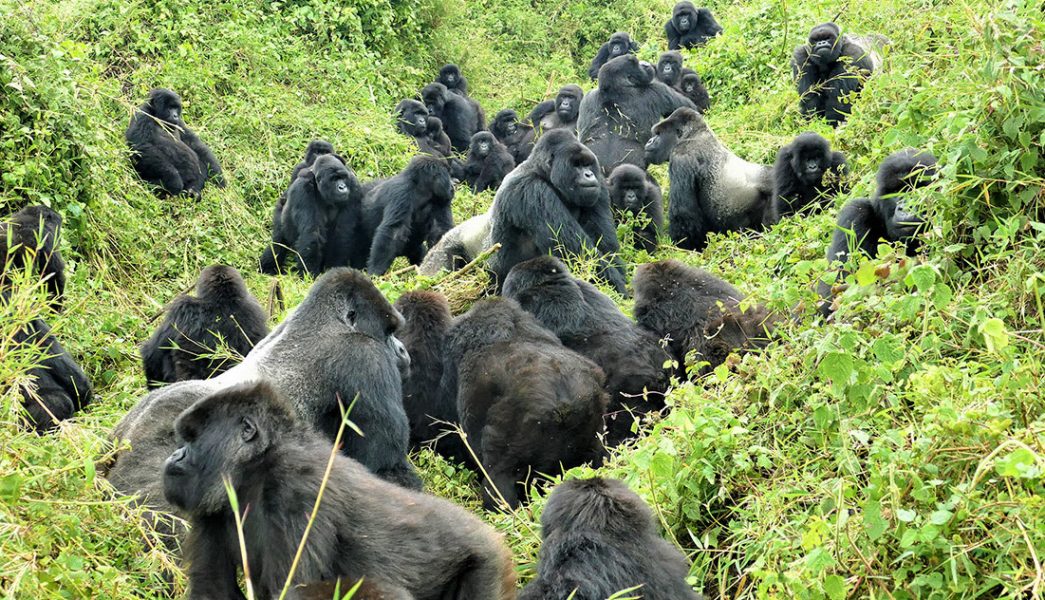
Trail conditions vary throughout the year and can affect the difficulty of your hike. Learn more in our expert guide on How Difficult Is Gorilla Trekking?
Uganda Gorilla Permit Availability and Best Booking Time
Gorilla permits are the bottleneck of every Uganda safari. Understanding availability saves your trip.
Permit Basics
- Cost: $800 per person — fixed year-round, no seasonal discounts
- Daily availability: 160+ permits across Bwindi’s four sectors and Mgahinga
- Non-refundable: Once purchased, no refunds for cancellation
- Non-transferable: Linked to your passport; cannot be resold
Booking Timeline
Table
|
Travel Month |
Recommended Booking Window |
Availability Risk |
|
June–September |
6–12 months ahead |
High — sells out fast |
|
December–February |
6–9 months ahead |
High — holiday demand |
|
March–May |
3–6 months ahead |
Moderate — more flexibility |
|
October–November |
3–6 months ahead |
Moderate — last-minute possible |
Bold warning: Uganda gorilla permits sell out. There is no standby list, no waiting room, and no last-minute miracle. Book through a certified operator like GoSilverback Gorilla Safaris as early as possible.
Permit Booking Tips
- Book before flights: Secure your permit before booking international airfare
- Be flexible with dates: +/- 2–3 days dramatically improves availability
- Consider all sectors: Buhoma sells out first; Rushaga and Nkuringo often have last-minute space
- Use a local operator: GoSilverback Gorilla Safaris has direct UWA partnerships and real-time permit access
What Is the Weather Like During Gorilla Trekking Uganda?
Uganda’s climate defies simple categorization.
Here’s what to actually expect.
1. Uganda’s Climate Overview
- Tropical rainforest conditions: Bwindi sits at 1,160–2,607 meters altitude in a tropical rainforest ecosystem
- Temperatures: 15–25°C (59–77°F) year-round; mornings are cold, afternoons warm
- Rain patterns: Two rainy seasons (March–May, October–November) and two dry seasons (June–September, December–February)
- Humidity: 80–90% year-round; rain or shine, the forest is moist
2. Bwindi-Specific Weather
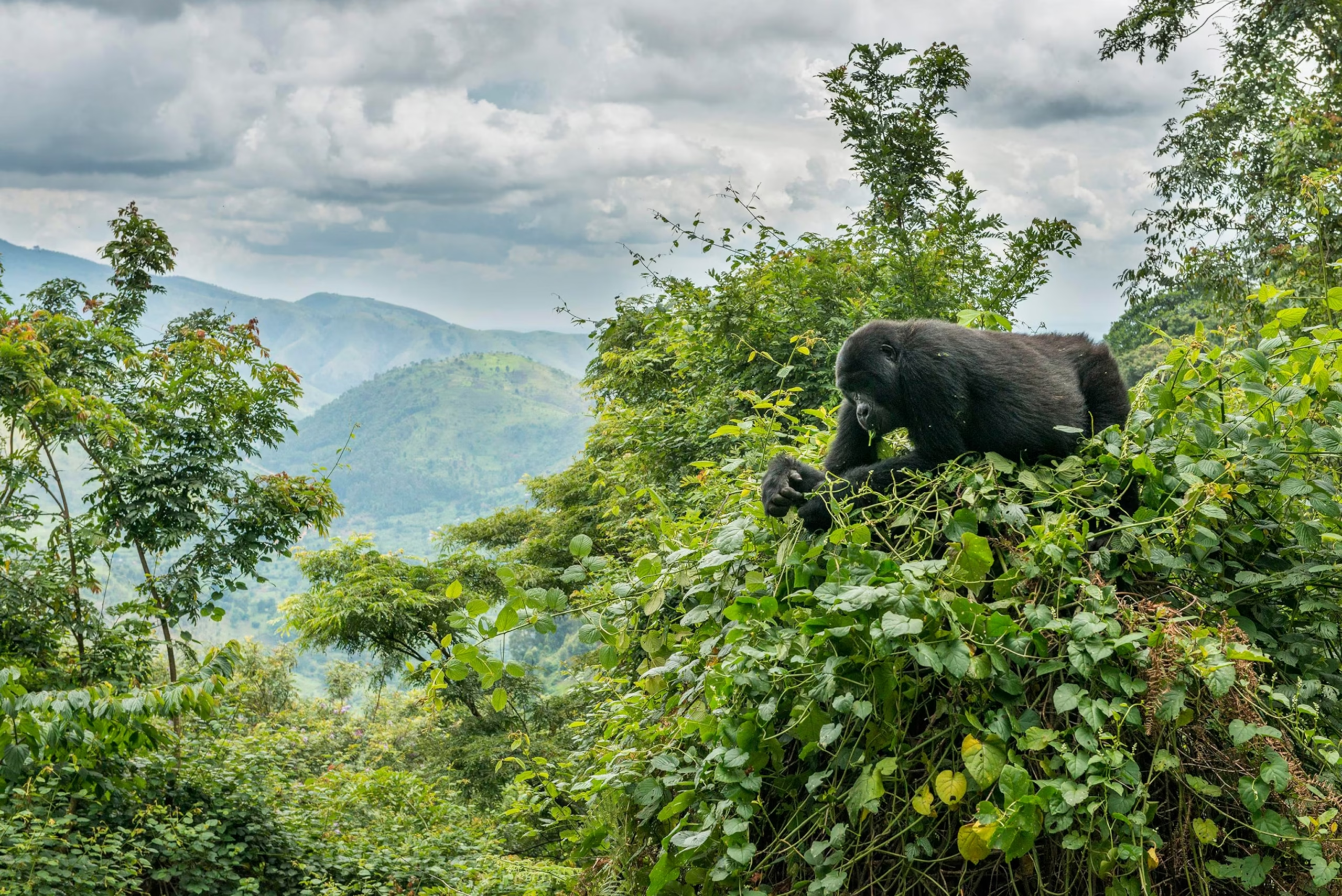
Even during dry seasons, Bwindi can receive rainfall because it is a rainforest ecosystem. Morning mist is common year-round. Afternoon thunderstorms can occur without warning.
The forest creates its own microclimate that defies regional forecasts.
What this means for trekkers:
- Pack waterproof gear regardless of season
- Layer clothing — mornings are cold, afternoons warm
- Expect mud even in July — the name “Impenetrable” refers to vegetation, but the mud earns it too
- Check sector-specific weather — southern Bwindi is wetter than northern Buhoma
Best Time for Gorilla Trekking Uganda Compared to Rwanda
Understanding how Uganda’s seasons compare to Rwanda’s helps you choose — or combine.
Table
|
Feature |
Uganda |
Rwanda |
|
Gorilla habitat |
Bwindi Impenetrable Forest & Mgahinga |
Volcanoes National Park |
|
Permit cost |
$800 — more affordable |
$1,500 — premium pricing |
|
Trekking difficulty |
More challenging — dense rainforest, steeper terrain |
Easier — open bamboo forests, gentler slopes |
|
Best dry months |
June–September, December–February |
Same — both countries share the equatorial climate |
|
Rainy season impact |
Higher — denser vegetation traps moisture |
Moderate — bamboo forests drain better |
|
Photography |
Excellent — ancient rainforest atmosphere |
Excellent — volcanic backdrop, open light |
|
Safari combinations |
Excellent — Queen Elizabeth, Kibale, Murchison Falls |
Good — Akagera, Nyungwe |
|
Experience focus |
Adventure, wilderness, value |
Luxury, accessibility, efficiency |
Bold insight: Uganda is ideal for travelers seeking value, adventure, and combining gorillas with classic safaris. Rwanda is ideal for luxury travelers prioritizing ease and premium lodges. The best time is the same in both countries — but the experience differs dramatically.
What to Pack for Gorilla Trekking Uganda
Packing right eliminates weather-related discomfort regardless of your travel month.
Essential Gear Checklist
Table
|
Item |
Specification |
Why It Matters |
|
Hiking boots |
Waterproof, ankle-supporting, broken-in |
Mud is inevitable; ankle injuries ruin treks |
|
Waterproof jacket |
Lightweight, breathable |
Rain is possible year-round |
|
Long trousers |
Quick-dry, sturdy fabric |
Protection from vegetation, insects, and mud |
|
Long-sleeved shirt |
Moisture-wicking, neutral colors |
Layering essential; mornings are cold |
|
Gardening gloves |
Sturdy, grip-enhancing |
Grabbing vegetation on steep, muddy trails |
|
Camera |
DSLR/mirrorless, 70–200mm lens |
No flash allowed; zoom essential |
|
Binoculars |
8×42 recommended |
Birding and wildlife spotting |
|
Daypack |
20–30 liters |
Water, snacks, rain gear, camera |
|
Insect repellent |
DEET 30–50% |
Malaria is endemic; insects are relentless |
|
Water bottle |
2 liters minimum |
Dehydration at altitude is real |
|
Power bank |
10,000+ mAh |
Electricity unreliable in remote lodges |
|
Sunscreen & hat |
SPF 30+, wide-brimmed |
UV intensity high at altitude |
Season-Specific Additions
Dry season (June–September, December–February):
- Extra memory cards — you’ll take more photos in clear conditions
- Dust mask — dry-season roads can be dusty
- Light layers — mornings cold, afternoons warm
Rainy season (March–May, October–November):
- Extra waterproof bags — protect electronics and documents
- Gaiters — keep mud out of boots
- Quick-dry underwear and socks — you’ll need changes
- Trekking poles — stability on slippery terrain
Bold tip: Pack two complete trekking outfits. After a muddy Bwindi trek, dry clothes are the difference between comfort and misery.
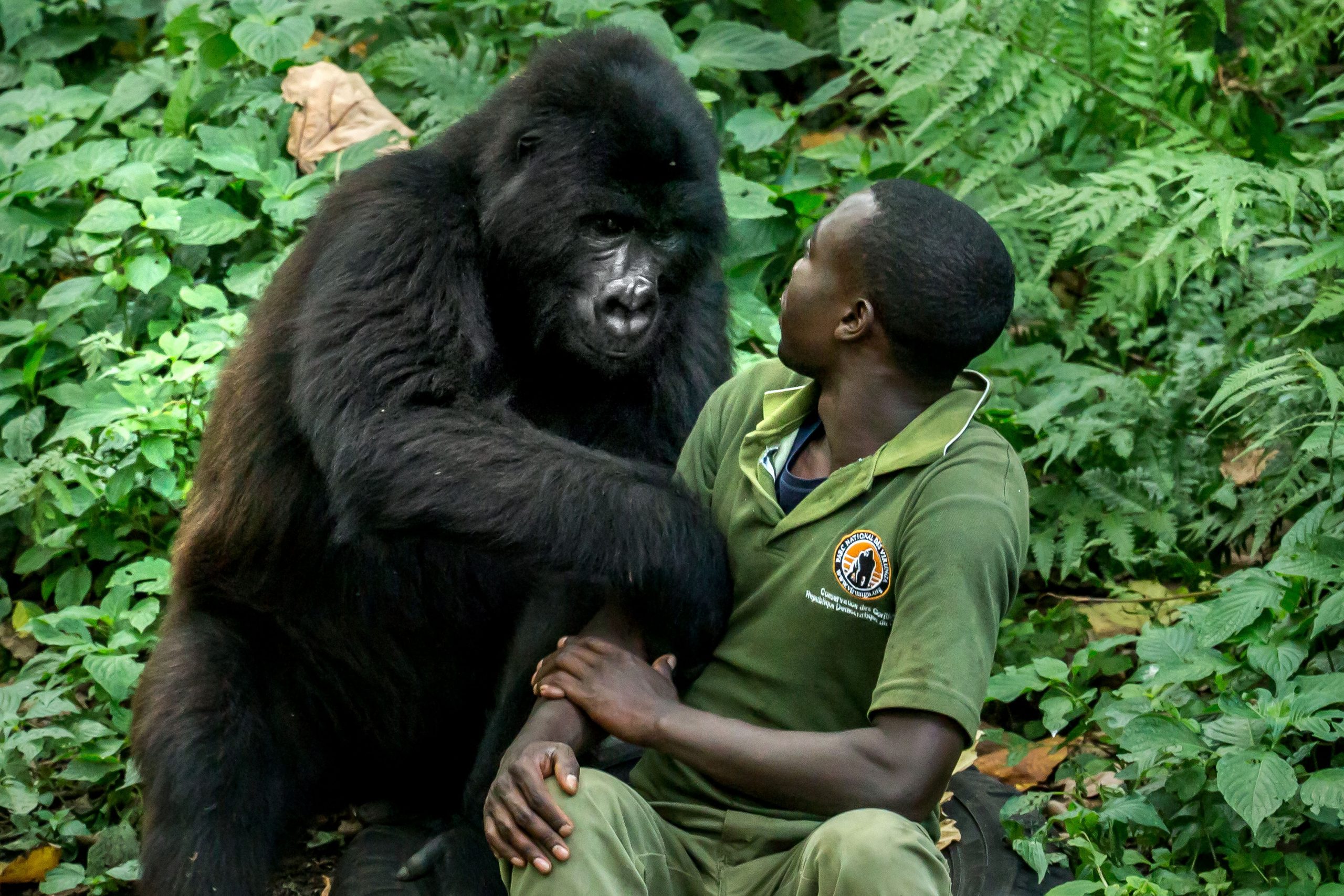
Not sure whether Uganda or Rwanda offers the best trekking experience during your travel dates? Compare permits, seasons, accessibility, and wildlife encounters in our Uganda vs Rwanda Gorilla Trekking guide.
Tips for Choosing the Best Gorilla Safari Dates
Follow these 5 steps to lock in your optimal trekking dates:
- Consider weather — June–September and December–February for easiest conditions; March–May and October–November for best value
- Book permits early — 6–12 months ahead for peak season; 3–6 months for low season
- Choose accommodation near your trekking sector — Bwindi’s four sectors are not connected by direct roads; your lodge location determines transfer times
- Allow travel time — From Entebbe to Bwindi is 8–10 hours by road or 1.5 hours by domestic flight + road transfer. Don’t schedule your trek for your arrival day.
- Combine with wildlife safari — If you’re traveling in dry season, add Queen Elizabeth or Murchison Falls for a complete East African experience
Planning your gorilla trekking adventure? Explore our expert guides on What to Pack for Gorilla Trekking, How Difficult Is Gorilla Trekking?, Uganda vs Rwanda Gorilla Trekking, and the Best Time for Gorilla Trekking Uganda to plan with confidence. When you’re ready, browse our carefully crafted gorilla trekking packages and let our experienced safari specialists handle every detail of your unforgettable journey.
Frequently Asked Questions
What month is best for gorilla trekking in Uganda?
June to September and December to February are the best months for gorilla trekking in Uganda. These dry seasons offer firmer trails, clearer skies, better photography, and more comfortable hiking conditions. July is the driest and most popular month.
Is gorilla trekking possible during the rainy season?
Yes. Gorilla trekking operates all year in Uganda. The rainy seasons (March–May and October–November) offer lower prices, fewer crowds, and lush rainforest scenery. The main challenges are muddy trails and occasional heavy rain — both manageable with proper gear and fitness.
How difficult is gorilla trekking in Uganda?
Moderately to highly demanding. Difficulty depends on gorilla family location (2–8 hours of hiking), sector terrain (Buhoma is easiest; Nkuringo most challenging), your fitness level, and weather conditions. Porters ($20) and physical preparation (8–12 weeks of training) dramatically improve your experience.
How many days do you need for Uganda gorilla trekking?
3–4 days minimum for a focused gorilla trek. 5–7 days recommended if combining with Queen Elizabeth National Park or Kibale chimp trekking. 10+ days for a comprehensive Uganda wildlife safari including Murchison Falls and multiple parks.
Is Uganda cheaper than Rwanda for gorilla trekking?
Yes. Uganda gorilla permits cost $800 vs. Rwanda’s $1,500 — a 53% saving. Uganda accommodation ranges from $30 budget campsites to $1,500 luxury lodges, while Rwanda’s options start at $300. Overall, a Uganda gorilla safari costs 40–60% less than an equivalent Rwanda experience.
When should I book my Uganda gorilla permit?
6–12 months before travel for June–September and December–February. 3–6 months before for March–May and October–November. Last-minute bookings are possible in low season but risky in peak season. Book through GoSilverback Gorilla Safaris for guaranteed availability.
What is the weather like in Bwindi during gorilla trekking?
Tropical rainforest conditions year-round. Temperatures range 15–25°C (59–77°F). Morning mist is common. Rain is possible even in dry season. Humidity stays at 80–90%. Southern sectors (Rushaga, Nkuringo) are wetter than northern Buhoma.
Can I combine Uganda gorilla trekking with other safaris?
Absolutely. Uganda offers the best wildlife combinations in East Africa. Add Queen Elizabeth National Park (Big Five, tree-climbing lions, boat cruises), Kibale National Park (chimpanzee trekking), or Murchison Falls National Park (Nile safaris, waterfall hikes). Dry season (June–September, December–February) is optimal for multi-park itineraries.
Conclusion: Choose Your Perfect Uganda Gorilla Trekking Time
Choosing the best time for gorilla trekking Uganda depends on your travel style, budget, and tolerance for adventure.
For the easiest trekking conditions, June to September and December to February offer dry trails, clear skies, and comfortable temperatures. These months demand advance planning and higher budgets — but they deliver the most predictable experience.
For the best value and most authentic rainforest immersion, March to May and October to November offer lower prices, fewer crowds, and landscapes at their most vibrant. The mud is real. The rain is frequent. But the gorillas are the same — and the forest is yours.
Whether you are planning a luxury gorilla safari, budget adventure, or combined Uganda wildlife tour, our expert safari team can help you create the perfect itinerary.
Book Your Uganda Gorilla Trekking Safari Today
Timing is everything — and the best time to book is now.
GoSilverback Gorilla Safaris doesn’t just secure permits. We match your travel dates, budget, and fitness level to the optimal Bwindi sector, the best available lodges, and the most rewarding gorilla family assignments.
Our local expertise turns seasonal challenges into unforgettable advantages.
What You Get When You Book With Us:
✅ Permit secured — 6–12 months ahead, all Bwindi sectors, optimal family matching
✅ Season-smart itinerary design — dry season efficiency or rainy season value, your choice
✅ Sector-specific lodge selection — Buhoma, Ruhija, Rushaga, or Nkuringo matched to your fitness and dates
✅ Expert local guides — UWA-certified, born in these forests, trained in all weather conditions
✅ Transparent pricing — no hidden costs, full seasonal breakdown before you pay
✅ 24/7 support — weather updates, contingency planning, emergency protocols
✅ Conservation commitment — every booking supports gorilla protection and community development
Our Uganda Gorilla Safari Packages:
- 3 Days Bwindi Gorilla Trekking — from $1,200 per person
- 4 Days Gorilla & Queen Elizabeth Safari — from $2,000 per person
- 5 Days Gorilla, Chimps & Wildlife Safari — from $2,800 per person
- 7 Days Uganda Primate & Big Five Safari — from $4,000 per person
- Luxury Gorilla Safaris — Clouds, Sanctuary, Mahogany Springs from $5,000+
- Budget Gorilla Packages — affordable treks without compromising safety from $1,200
- Rainy Season Specials — 20–30% discounts March–May and October–November
- Peak Season Premium — June–September and December–February with guaranteed permits
- Photography Safaris — optimal lighting sectors, extended time, specialist guides
- Family Safaris — child-friendly options (minimum trekking age 15) and flexible pacing
- Honeymoon Packages — private treks, romantic lodges, exclusive experiences
- Tailor-Made Itineraries — designed around your dates, fitness, budget, and weather preferences
Ready to Choose Your Perfect Gorilla Trekking Month?
The mountain gorillas of Bwindi are waiting. The only question is when you’ll meet them.
📧 Email: info@gosilverbackgorillasafaris.com
🌐 Website: www.gosilverbackgorillasafaris.com
📞 Call/WhatsApp: +256-773-801934
[Request Your Uganda Gorilla Safari Quote →]
[Check Gorilla Permit Availability →]
Don’t let permit scarcity steal your dream. Whether you choose the dry season’s clarity or the rainy season’s wild beauty, GoSilverback Gorilla Safaris ensures your Uganda gorilla trekking experience is perfectly timed, professionally managed, and absolutely unforgettable.
About GoSilverback Gorilla Safaris:
A locally owned and operated East African safari company specializing in gorilla trekking across Uganda, Rwanda, and Congo. With over a decade of experience, certified UWA guides, and direct conservation partnerships, we transform gorilla dreams into reality — in every season. Licensed by Uganda Tourism Board and Rwanda Development Board.