How Many Gorillas Are Left in the World? Global Population & Conservation Guide 2026
How Many Gorillas Are Left in the World?
There are an estimated 300,000+ gorillas left in the world, but their numbers vary significantly by species and subspecies.
Western lowland gorillas make up the largest population, while mountain gorillas number just over 1,000 individuals living in Uganda, Rwanda, and the Democratic Republic of the Congo.
The Cross River gorilla is the rarest, with fewer than 300 remaining in the wild. Although conservation efforts and responsible gorilla trekking have helped some populations recover, gorillas remain threatened by habitat loss, poaching, disease, and climate change, making continued conservation essential for their long-term survival.
Gorillas are the world’s largest primates and one of the most powerful symbols of Africa’s remaining wilderness.
Standing up to 1.8 meters tall and weighing as much as 200 kilograms, a silverback mountain gorilla commands respect from every creature in the forest — including humans.
Yet these magnificent great apes are fighting for survival.
If you’re planning a gorilla trekking safari in Uganda or Rwanda, you’ve likely asked: how many gorillas are left in the world? The answer is both alarming and hopeful.
While some populations are rebounding thanks to decades of conservation success, others remain on the brink of extinction.
Quick Answer: There are an estimated 300,000+ gorillas remaining worldwide across all species. However, numbers vary dramatically by subspecies.
Mountain gorillas number just over 1,000 individuals — up from fewer than 680 in 2008. Cross River gorillas, the world’s rarest great ape, survive with fewer than 300 individuals in isolated pockets of Nigeria and Cameroon.
Western lowland gorillas represent the largest population at 300,000+, yet they remain Critically Endangered due to Ebola outbreaks and habitat destruction.
This guide breaks down gorilla population data by subspecies, explains where gorillas live, examines why they remain endangered, and reveals how responsible gorilla trekking directly funds the rangers, veterinarians, and communities protecting these animals.
Whether you’re a wildlife photographer from California, a honeymoon couple from London, or a family from Dubai planning your first African safari, understanding gorilla conservation deepens your trek — and helps you choose ethical operators like GoSilverback Gorilla Safaris.
Ready to see gorillas in the wild? Book your gorilla permit with GoSilverback Gorilla Safaris today — we secure permits even during peak season and customize every itinerary for travelers from the USA, UK, Europe, Canada, Asia, and the Middle East.
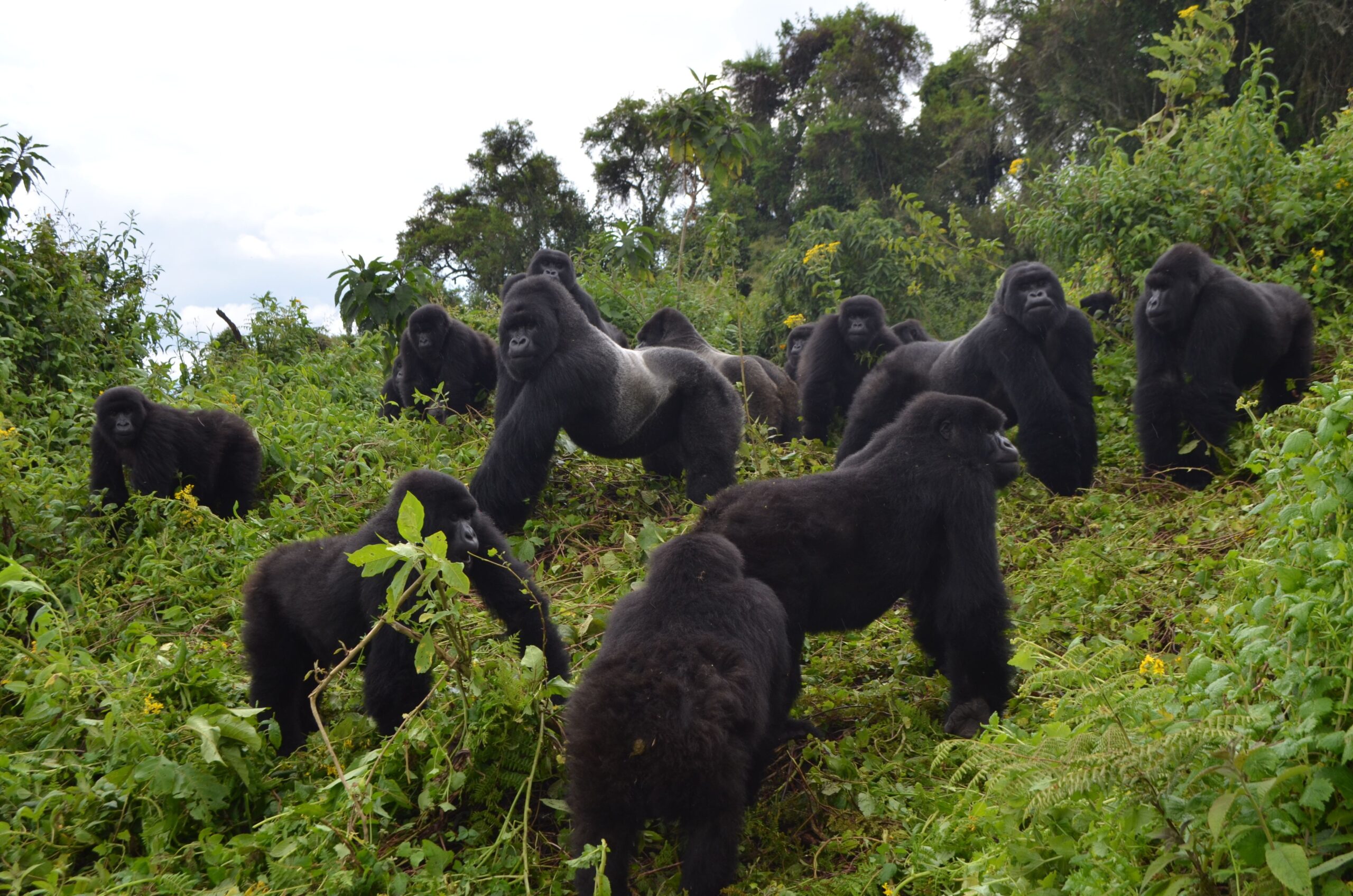
Gorilla Species Found in the World
Gorillas belong to the genus Gorilla and are divided into two species, four subspecies, and one proposed subspecies. Here’s the complete taxonomy every gorilla trekking traveler should understand:
1. Western Gorilla (Gorilla gorilla)
Western Lowland Gorilla (Gorilla gorilla gorilla)
- Distribution: Gabon, Republic of the Congo, Cameroon, Central African Republic, Equatorial Guinea
- Population: 300,000+ (largest gorilla population)
- Status: Critically Endangered
- Trekking access: Limited — primarily research tourism in Central African Republic and Gabon
Cross River Gorilla (Gorilla gorilla diehli)
- Distribution: Nigeria-Cameroon border region
- Population: Fewer than 300
- Status: Critically Endangered
- Trekking access: None — too rare and isolated
2. Eastern Gorilla (Gorilla beringei)
Mountain Gorilla (Gorilla beringei beringei)
- Distribution: Bwindi Impenetrable National Park (Uganda), Virunga Massif (Uganda, Rwanda, DR Congo)
- Population: 1,063 individuals (2024 census)
- Status: Endangered — upgraded from Critically Endangered in 2018
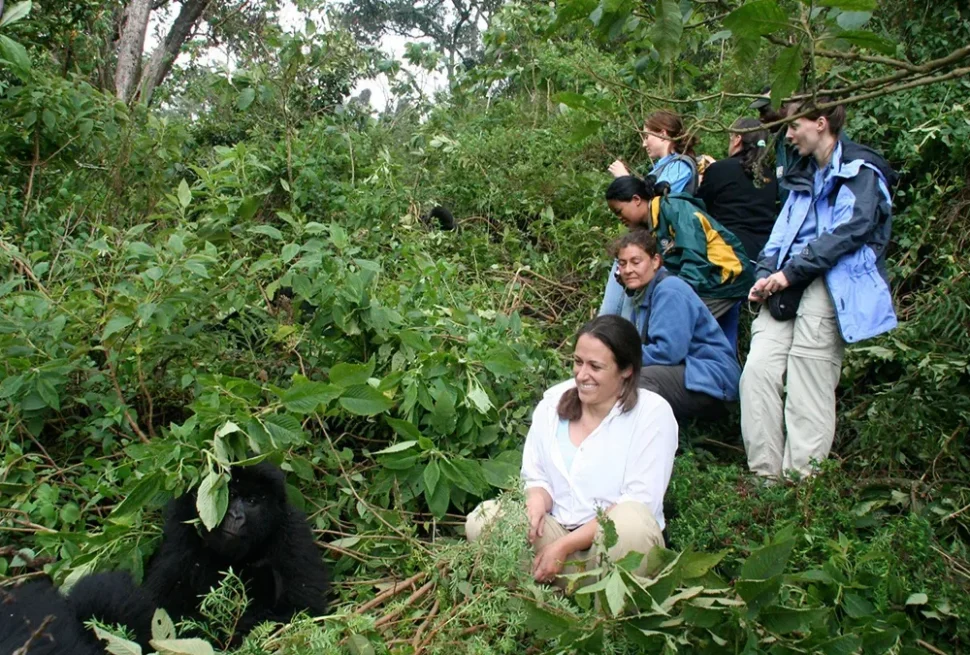
- Trekking access: Uganda and Rwanda — the world’s premier gorilla safari destinations
Grauer’s Gorilla (Gorilla beringei graueri) — Eastern Lowland Gorilla
- Distribution: Eastern DR Congo
- Population: Several thousand (declining rapidly)
- Status: Critically Endangered
- Trekking access: Kahuzi-Biega National Park, DR Congo
Want to see mountain gorillas — the only subspecies with stable population growth? Contact GoSilverback Gorilla Safaris for Uganda and Rwanda permit availability.
How Many Gorillas Are Left by Species?
Table
|
Gorilla Subspecies |
Estimated Population |
Conservation Status |
Countries |
Trekking Available? |
|
Western Lowland Gorilla |
300,000+ |
Critically Endangered |
Gabon, Republic of the Congo, Cameroon, CAR, Equatorial Guinea |
Limited |
|
Mountain Gorilla |
1,063 |
Endangered |
Uganda, Rwanda, DR Congo |
Yes — Premier Destination |
|
Grauer’s Gorilla |
3,800–5,000 (declining) |
Critically Endangered |
DR Congo |
Limited (Kahuzi-Biega) |
|
Cross River Gorilla |
Fewer than 300 |
Critically Endangered |
Nigeria, Cameroon |
No |
Important note: These figures are estimates derived from periodic field surveys, nest counts, and genetic analysis.
Mountain gorilla numbers are the most accurate because habituated groups are monitored daily by rangers and veterinarians.
Western lowland gorilla populations are harder to census due to dense, remote forest habitat.
The critical takeaway: Only mountain gorillas are experiencing confirmed population growth. Every gorilla trekking permit you purchase in Uganda or Rwanda directly funds this success story.
Secure your spot with the world’s most successful gorilla conservation program. Book your Uganda or Rwanda gorilla safari with GoSilverback.
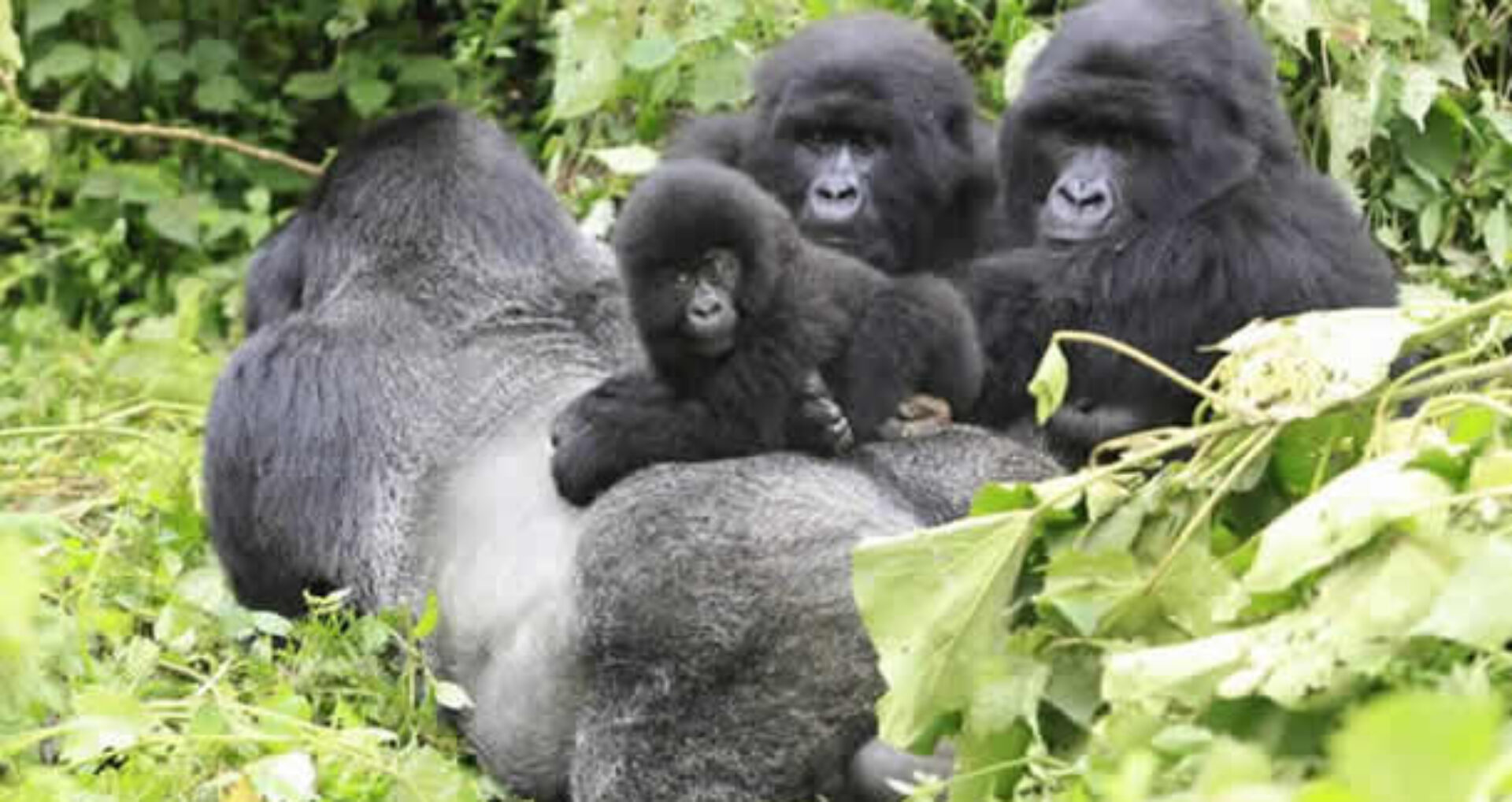
Where Do Gorillas Live?
Gorillas inhabit a narrow band of Central and East African forest stretching from Nigeria to western Uganda. Each subspecies occupies distinct habitat types:
Uganda
- Bwindi Impenetrable National Park — 459 mountain gorillas (nearly half the global population)
- Mgahinga Gorilla National Park — Nyakagezi family and transboundary movement with Rwanda
- Habitat: Afromontane rainforest, dense vegetation, altitudes of 1,160–2,607 meters
Rwanda
- Volcanoes National Park — 12 habituated gorilla families for trekking
- Habitat: Bamboo forest, montane meadows, volcanic slopes at 2,400–4,507 meters
DR Congo
- Virunga National Park — Mountain gorillas on the Virunga Massif
- Kahuzi-Biega National Park — Grauer’s gorilla trekking
- Habitat: Active volcanoes, tropical rainforest, highland forests
West and Central Africa
- Gabon, Republic of the Congo, Cameroon — Western lowland gorillas in lowland tropical rainforest
- Nigeria-Cameroon border — Cross River gorillas in submontane forest above 1,500 meters
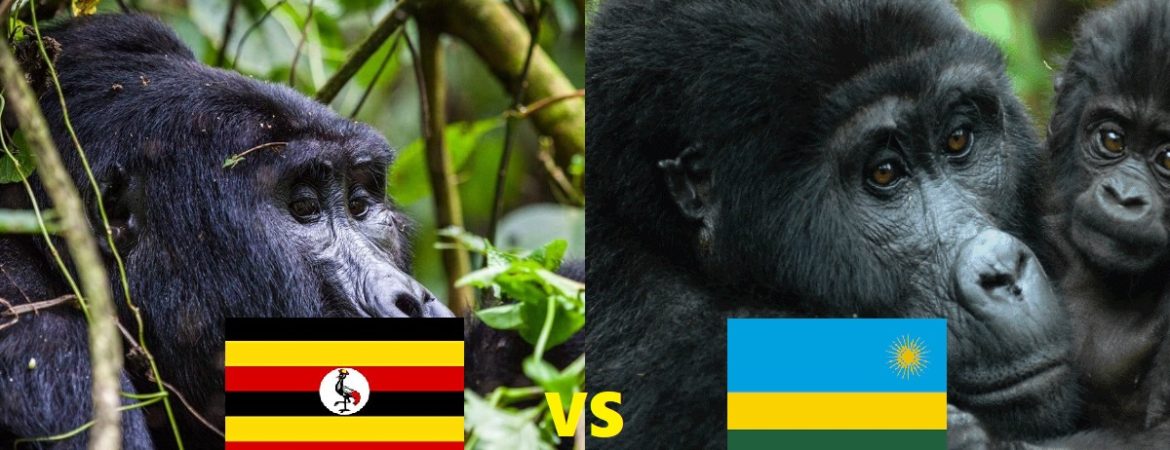
For international travelers, Uganda and Rwanda offer the only safe, accessible, and well-regulated gorilla trekking experiences with professional guides, luxury lodges, and direct flight connections from Europe, the Middle East, and major African hubs.
Flying from London, New York, or Dubai?GoSilverback Gorilla Safaris arranges seamless transfers from Entebbe or Kigali to your gorilla trek.
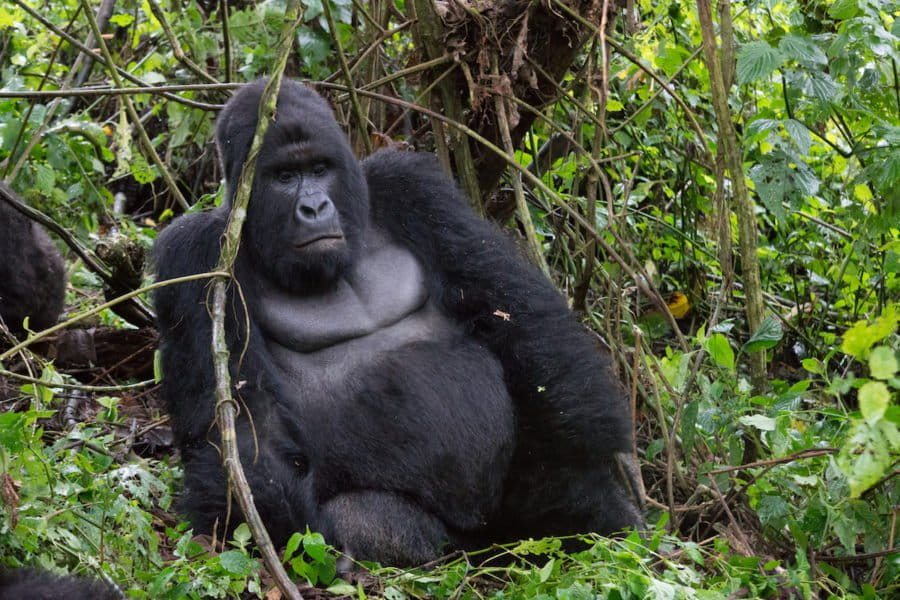
Mountain Gorilla Population — The Greatest Conservation Success Story
No great ape recovery matches the mountain gorilla comeback. In 1981, primatologist Dian Fossey estimated fewer than 250 mountain gorillas survived in the Virunga Massif.
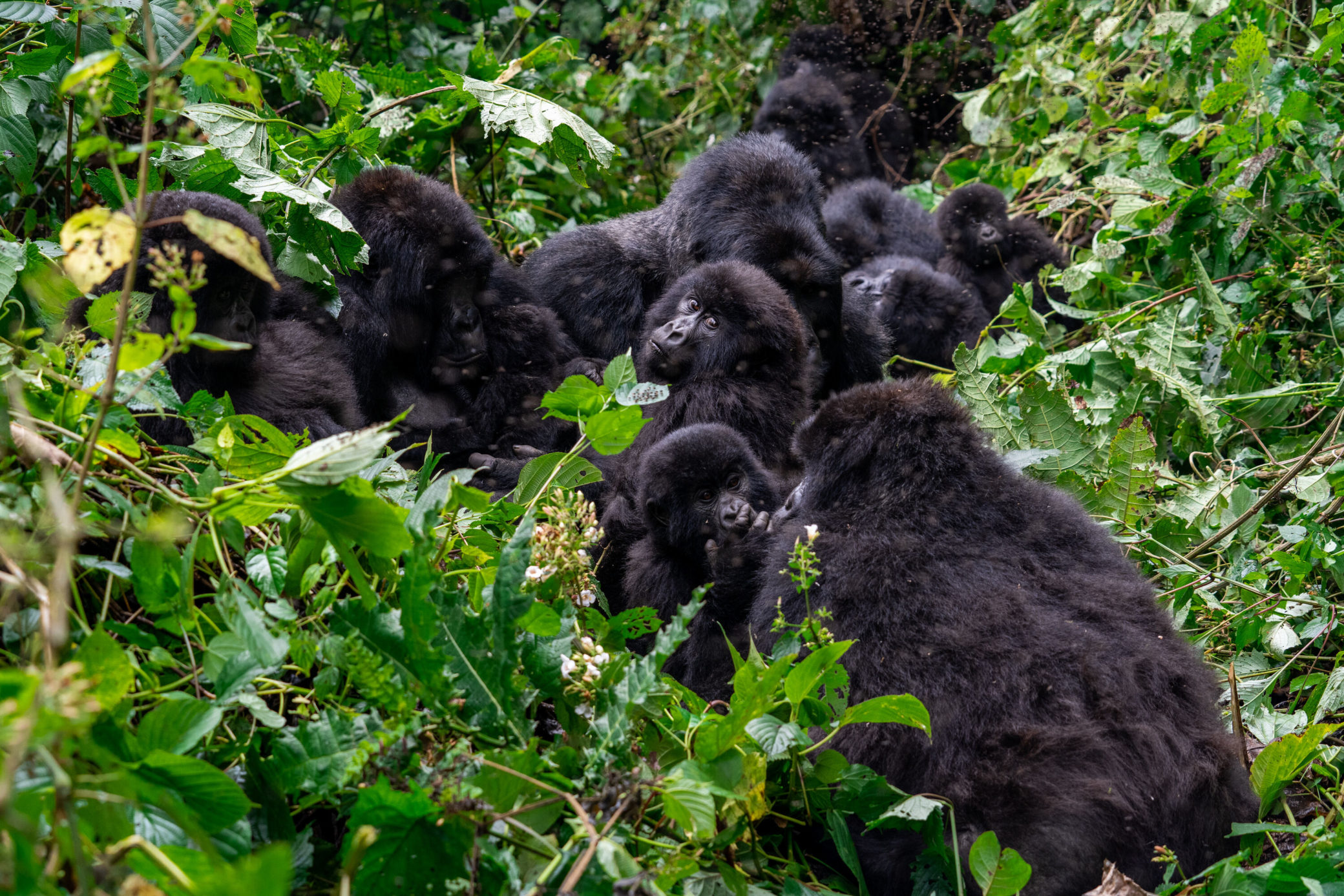
By 2024, the population reached 1,063 individuals — a fourfold increase in four decades.
How Scientists Count Mountain Gorillas
- Complete census every 5 years — Rangers sweep every sector of Bwindi Impenetrable National Park and the Virunga Massif simultaneously
- Nest counts and DNA analysis — Fecal samples identify individual gorillas and track genetic diversity
- Daily monitoring of habituated groups — Each family is followed from dawn to dusk by Uganda Wildlife Authority (UWA) and Rwanda Development Board trackers
Bwindi vs Virunga Numbers (2024)
Table
|
Region |
Population |
Trend |
|
Bwindi Impenetrable National Park (Uganda) |
459 |
Increasing |
|
Virunga Massif (Uganda/Rwanda/DR Congo) |
604 |
Increasing |
|
Total Mountain Gorillas |
1,063 |
+4% since 2018 |
Why numbers are increasing:
- Anti-poaching patrols funded by gorilla permit fees ($800 in Uganda, $1,500 in Rwanda)
- Veterinary interventions by Gorilla Doctors — treating respiratory infections and snare wounds
- Community tourism revenue — 20% of permit fees fund local schools, health clinics, and roads
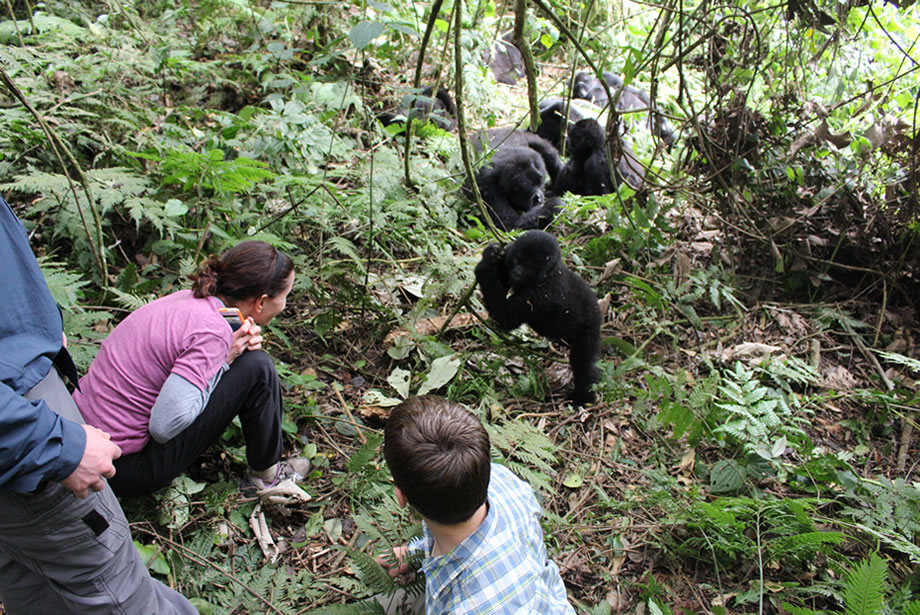
- Strict trekking rules — 7–10 meter viewing distance, 8 visitors per group daily, 1-hour maximum exposure
Want to witness this conservation miracle firsthand? GoSilverback Gorilla Safaris books permits for all Bwindi sectors and Volcanoes National Park.
Western Lowland Gorilla Population — The Hidden Crisis
With 300,000+ individuals, western lowland gorillas are the most numerous subspecies.
Yet they are Critically Endangered — a status more severe than mountain gorillas’ “Endangered” ranking.
Why the Disconnect?
- Ebola virus killed an estimated one-third of the population between 1992–2003. A single outbreak can wipe out entire regions.
- Commercial bushmeat hunting supplies urban markets in Brazzaville, Libreville, and Yaoundé
- Industrial logging opens previously inaccessible forest to poachers
- No habituation program — unlike mountain gorillas, western lowland gorillas flee from humans, making ecotourism impossible and protection harder
The bottom line: You cannot trek with western lowland gorillas safely or ethically. For travelers seeking guaranteed gorilla encounters, Uganda and Rwanda’s mountain gorillas are the only responsible choice.
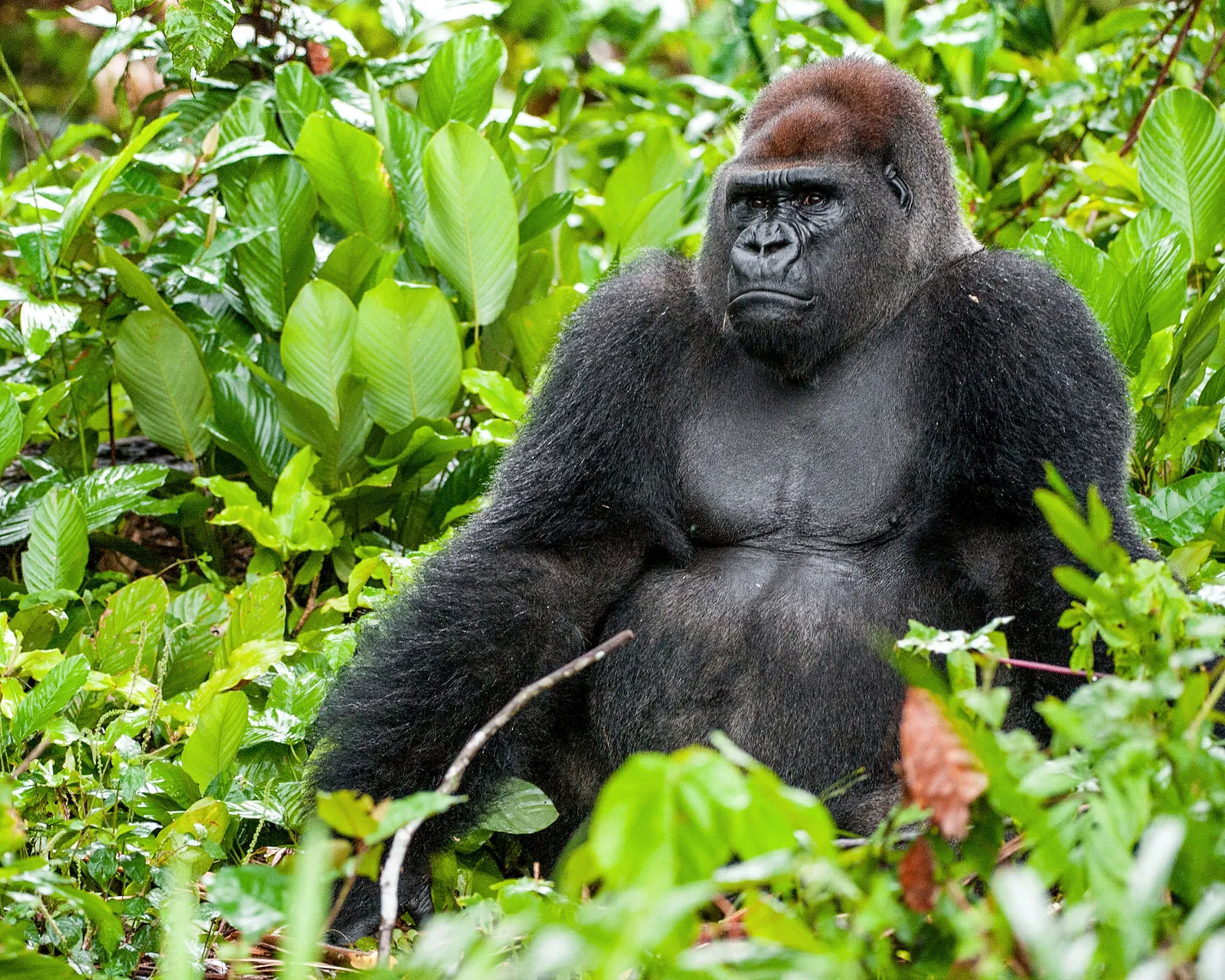
Grauer’s Gorilla Population — Collapse in Eastern DR Congo
Grauer’s gorillas — the largest gorilla subspecies — have suffered catastrophic decline. From an estimated 16,900 in 1994, numbers crashed to roughly 3,800–5,000 today.
Drivers of Decline
- Illegal mining for coltan, gold, and tin — armed militias control mining areas inside gorilla habitat
- Habitat fragmentation — forests cleared for agriculture and charcoal production
- Bushmeat hunting — miners and militias hunt gorillas for protein
- Civil conflict — insecurity prevents effective conservation
Limited trekking access: Kahuzi-Biega National Park offers Grauer’s gorilla trekking, but security concerns make it suitable only for experienced adventure travelers with specialized operators.
For first-time visitors from the USA, UK, or Europe, Uganda and Rwanda remain the safest, most reliable options.
Prioritizing safety and conservation impact? GoSilverback Gorilla Safaris specializes in secure Uganda and Rwanda itineraries.
Cross River Gorilla Population — The World’s Rarest Great Ape
With fewer than 300 individuals scattered across 11 isolated subpopulations on the Nigeria-Cameroon border, Cross River gorillas are the rarest great ape on Earth.
Conservation Challenges
- Tiny, fragmented groups — no single population exceeds 50 individuals
- Genetic isolation — limited gene flow threatens long-term survival
- No tourism — too rare, too shy, too threatened for human contact
- Community-based protection — local forest guardians monitor groups without habituation
Cross River gorillas represent what mountain gorillas could have become without the ecotourism funding model pioneered in Uganda and Rwanda.
Every gorilla permit purchased in East Africa helps prove that wildlife tourism saves species.
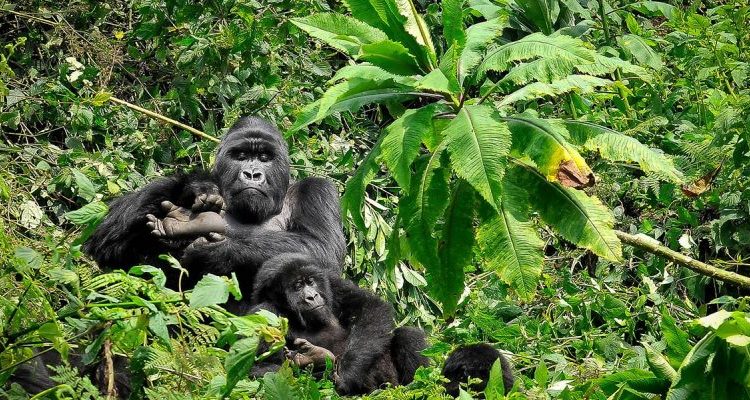
Why Are Gorillas Endangered?
Despite conservation gains, all four gorilla subspecies face existential threats. Understanding these pressures clarifies why responsible gorilla trekking matters:
1. Habitat Loss
Agricultural expansion, charcoal production, and human settlement fragment forests.
In Uganda, Bwindi Impenetrable National Park is an island of forest surrounded by some of Africa’s densest rural populations.
2. Poaching and Bushmeat Trade
While mountain gorillas are rarely targeted directly (due to strong community support), snares set for antelope injure gorillas.
In West Africa, gorillas are hunted for bushmeat commercially.
3. Disease
Gorillas share 98% of human DNA, making them vulnerable to human respiratory viruses, Ebola, and COVID-19. The 7–10 meter trekking rule exists primarily to prevent disease transmission.
4. Climate Change
Shifting rainfall patterns alter bamboo flowering cycles — a critical food source for mountain gorillas in Volcanoes National Park.
5. Civil Conflict and Mining
Eastern DR Congo remains unstable. Virunga National Park rangers face armed militias protecting illegal mining operations.
6. Human Population Growth
East Africa’s human population doubles approximately every 25 years. More people means more pressure on finite forest resources.
The antidote: Sustainable ecotourism transforms gorillas from bushmeat targets into economic assets. A single mountain gorilla generates roughly $1 million in tourism revenue over its lifetime.
Your permit is conservation currency.Book through GoSilverback Gorilla Safaris and ensure 100% ethical, community-supporting tourism.
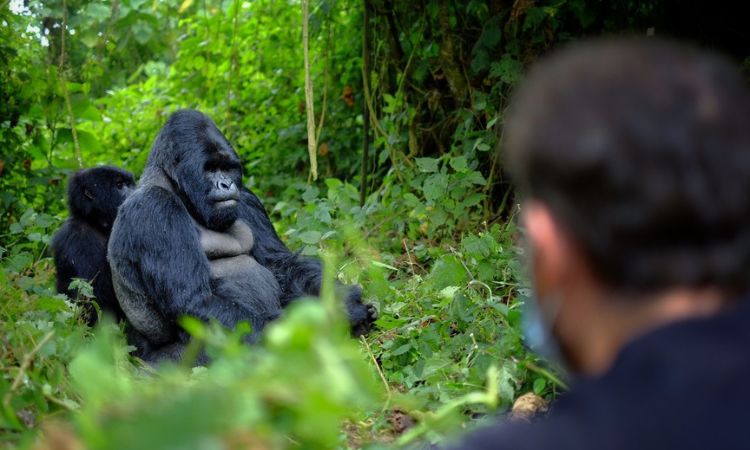
Gorilla Conservation Success Stories — Where Tourism Saved a Species
Uganda: Bwindi’s Miracle
In 1991, Bwindi Impenetrable National Park was gazetted and Batwa pygmy communities were relocated — a controversial but necessary step.
Today:
- 20% of permit revenue funds community projects
- Gorilla numbers grew from 320 (1997) to 459 (2024)
- Local employment — over 500 guides, porters, and lodge staff come from surrounding communities
Rwanda: The Luxury Conservation Model
Rwanda doubled permit prices from $750 to $1,500 in 2017.
The strategy worked:
- Revenue increased despite fewer visitors
- Luxury lodges like Singita Kwitonda Lodge and One&Only Gorilla’s Nest created high-value, low-impact tourism
- Community funds built schools, health centers, and water systems
Virunga National Park, DR Congo
Despite conflict, Virunga maintains anti-poaching patrols and gorilla monitoring. The documentary Virunga (2014) raised global awareness and funding.
The Role of Gorilla Doctors
This veterinary team performs over 100 medical interventions annually — removing snares, treating respiratory infections, and conducting post-mortem exams to understand mortality causes.
Key insight: Mountain gorillas are the only great ape with increasing numbers. This success is directly attributable to habituation and tourism revenue.
Your visit is not exploitation — it is essential conservation funding.
Be part of the success story.GoSilverback Gorilla Safaris donates a portion of every booking to ranger welfare programs.
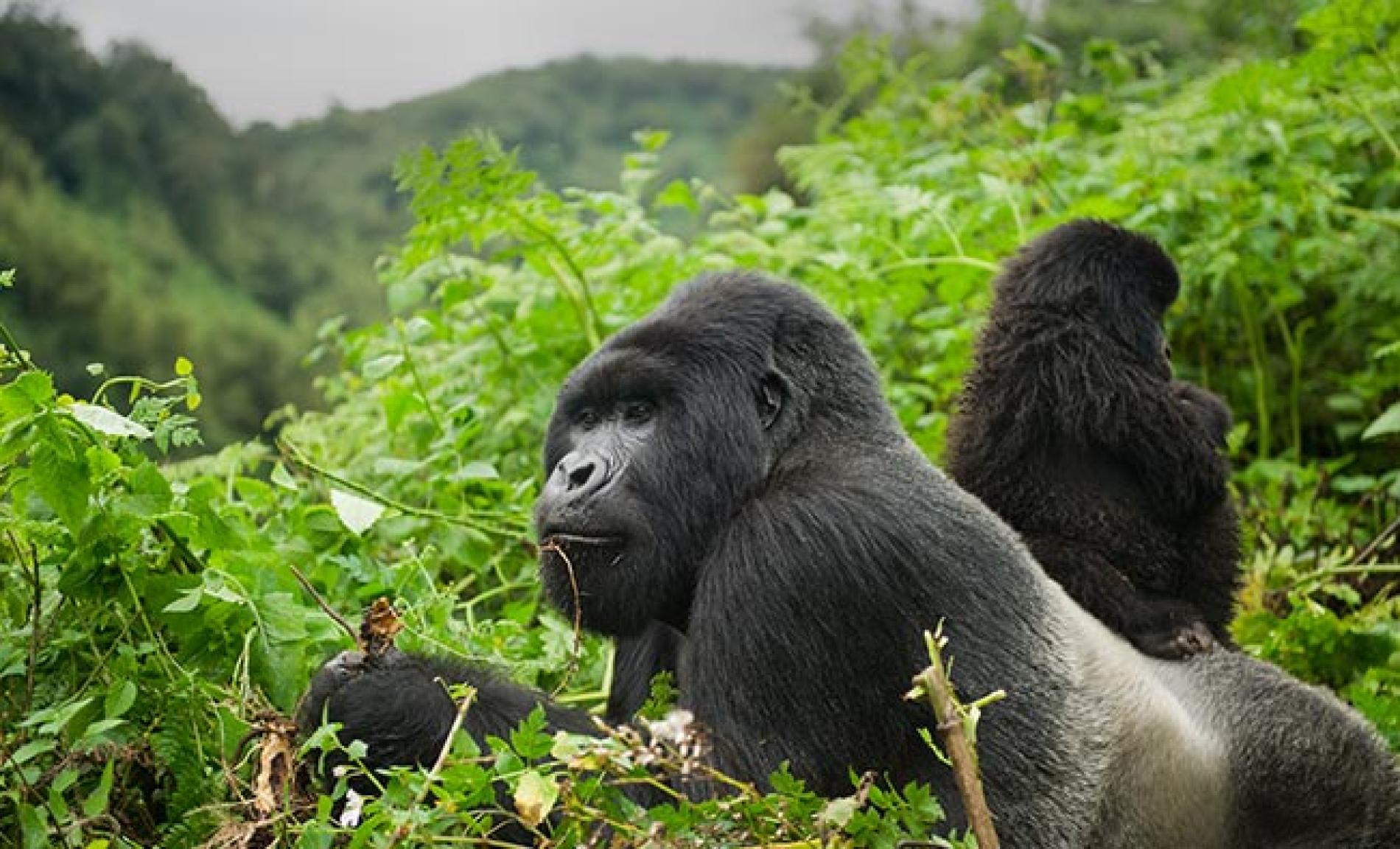
How Gorilla Trekking Helps Protect Gorillas
Every $800 Uganda permit and $1,500 Rwanda permit is not a fee — it is an investment in survival.
Here’s exactly where your money goes:
Table
|
Conservation Activity |
Funded By Permit Revenue |
Impact |
|
Ranger salaries & patrols |
60% of park budgets |
Daily protection, anti-poaching |
|
Veterinary care |
Gorilla Doctors operations |
Snare removal, disease treatment |
|
Gorilla monitoring |
Tracker salaries, equipment |
Daily health and behavior data |
|
Community development |
20% revenue share |
Schools, clinics, roads |
|
Habitat restoration |
Reforestation programs |
Buffer zone planting |
|
Research |
Census funding, genetics |
Population science |
The math is simple: Without gorilla trekking tourism, Uganda Wildlife Authority and Rwanda Development Board could not afford ranger patrols.
Without rangers, poaching would return. Without protection, mountain gorillas would follow Cross River gorillas toward extinction.
Make your travel meaningful. GoSilverback Gorilla Safaris ensures every dollar supports verified conservation programs.
Which Countries Offer Gorilla Trekking?
For international travelers, three countries offer regulated, safe gorilla trekking:
Uganda — Best Value & Diversity
- Bwindi Impenetrable National Park — 4 trekking sectors (Buhoma, Ruhija, Rushaga, Nkuringo)
- Mgahinga Gorilla National Park — Nyakagezi group and golden monkey tracking
- Permit cost: $800 (best value globally)
- Combine with: Queen Elizabeth National Park (tree-climbing lions), Murchison Falls, Kibale chimpanzee trekking
Rwanda — Luxury & Accessibility
- Volcanoes National Park — 12 habituated families
- Permit cost: $1,500 (premium positioning)
- Travel time: 2.5 hours from Kigali Airport — easiest access
- Luxury lodges: Singita Kwitonda Lodge, One&Only Gorilla’s Nest, Bisate Lodge
DR Congo — Adventure & Grauer’s Gorillas
- Virunga National Park — Mountain gorillas (security-dependent)
- Kahuzi-Biega National Park — Eastern lowland gorilla trekking
- Permit cost: $400 (lowest cost, highest risk)
Recommendation for first-time visitors from the USA, UK, Europe, Canada, Asia, or the Middle East: Uganda or Rwanda.
Both offer professional guiding, luxury accommodation, direct flight access, and proven safety records.
Unsure which country fits your budget and travel style?GoSilverback Gorilla Safaris provides free, personalized consultations for every traveler.
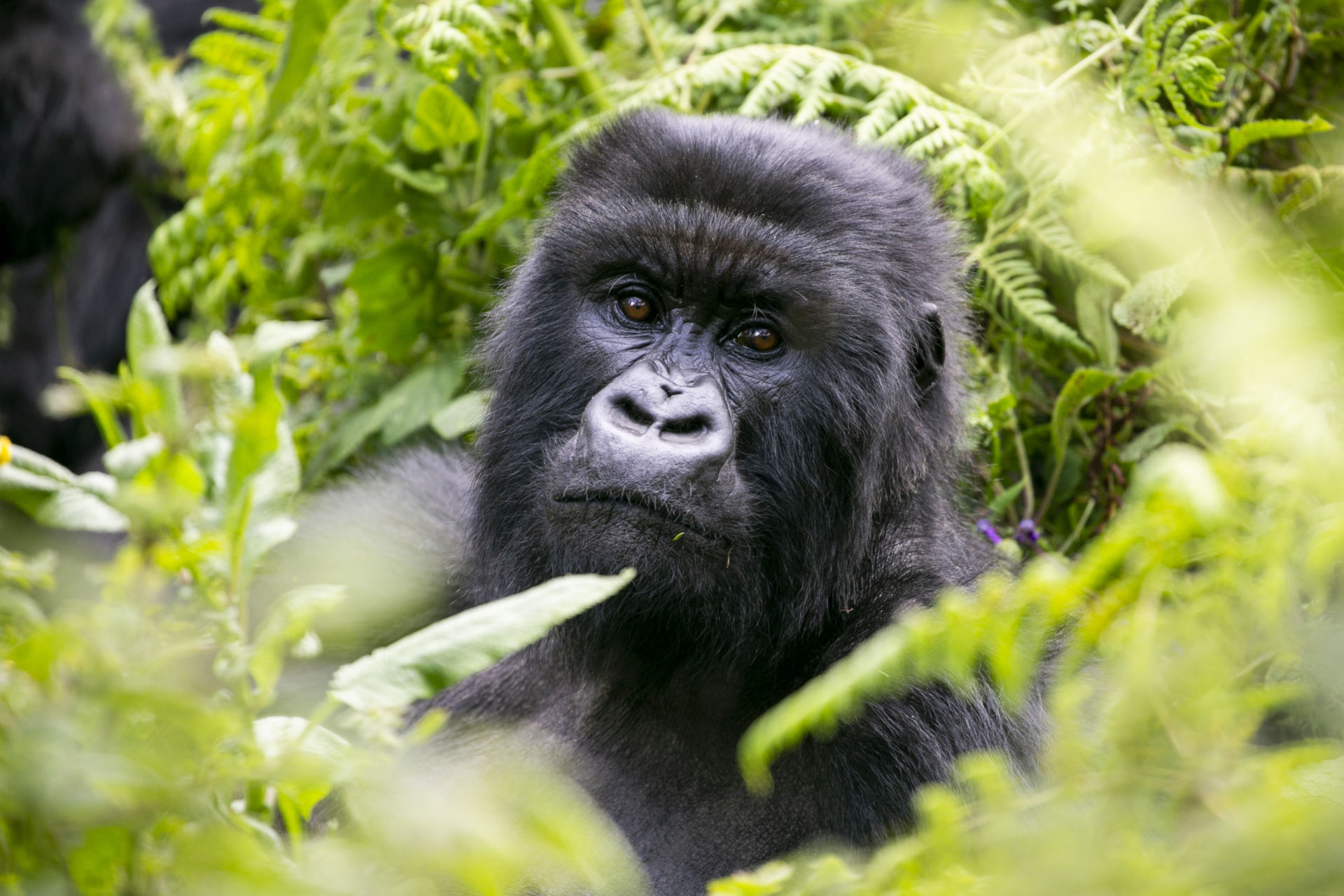
Can Gorilla Populations Recover?
Yes — mountain gorillas prove it. But recovery requires five pillars:
- Protected Areas with Enforcement — Bwindi and Volcanoes National Park have 24/7 ranger patrols, electronic monitoring, and legal prosecution of poachers
- Scientific Monitoring — Census data drives policy. Daily health checks catch disease outbreaks early
- International Cooperation — The Greater Virunga Transboundary Collaboration coordinates Uganda, Rwanda, and DR Congo across borders gorillas don’t recognize
- Community Engagement — Former poachers become park guides. Former farmland becomes community forests. Tourism revenue buys local support
- Sustainable Tourism — Limited daily permits (maximum 8 visitors per gorilla family) prevent overcrowding and stress
The mountain gorilla model is replicable. If applied to Grauer’s and Cross River gorillas, those populations could stabilize. But without tourism revenue, funding remains elusive.
Your visit is not just a holiday. It is a conservation action.
Interesting Gorilla Facts Every Trekker Should Know
Table
|
Fact |
Detail |
|
Largest primate |
Male mountain gorillas weigh 140–200 kg; eastern lowland gorillas are heaviest |
|
DNA similarity |
98.4% shared with humans — closer than chimpanzees by some measures |
|
Family structure |
Harem-style groups led by one dominant silverback (mature male) |
|
Silverback leadership |
Leads 5–30 individuals, decides movement, mediates conflict, protects from predators |
|
Lifespan |
35–40 years in the wild; 50+ years in captivity |
|
Diet |
Herbivorous — leaves, shoots, fruit, bark; mountain gorillas eat 142+ plant species |
|
Communication |
25+ distinct vocalizations, chest-beating, body postures, facial expressions |
|
Intelligence |
Use tools in captivity; wild gorillas have demonstrated problem-solving and grief |
Why this matters for trekkers: Understanding gorilla behavior enriches your 1-hour encounter. When you recognize a submissive grin or a playful chest-beat, you read the forest like a local.
Want guides who explain gorilla behavior in real-time? GoSilverback Gorilla Safaris employs the most experienced rangers in Bwindi and Volcanoes National Park.
Frequently Asked Questions (Section)
How many mountain gorillas are left?
1,063 individuals as of the 2024 census — up from 680 in 2008. All live in Uganda, Rwanda, and DR Congo.
Which gorilla is the rarest?
The Cross River gorilla — fewer than 300 remain in Nigeria and Cameroon.
Are gorillas going extinct?
Not if conservation continues. Mountain gorillas are increasing. Western lowland and Grauer’s gorillas face severe threats.
Why are gorillas endangered?
Habitat loss, poaching, disease, and climate change. Human activity is the root cause of all four.
Which country has the most gorillas?
Uganda — Bwindi Impenetrable National Park holds 459 mountain gorillas, nearly half the global population.
Can tourists help protect gorillas?
Absolutely. Gorilla permit fees fund rangers, veterinarians, and community projects. Your visit is active conservation.
How many gorillas are born each year?
Approximately 50–60 mountain gorilla births annually across all populations. Infant mortality is low in habituated groups due to veterinary care.
Are gorilla numbers increasing?
Mountain gorillas: yes — +4% since 2018. All other subspecies: declining.
How much does a gorilla permit cost?
- Uganda: $800
- Rwanda: $1,500
- DR Congo: $400 (security-dependent)
Can you see gorillas in the wild?
Yes — Uganda and Rwanda offer safe, regulated gorilla trekking with 99% success rates for finding habituated families.
What is the difference between eastern and western gorillas?
Eastern gorillas are larger, darker, and live in montane forests (Uganda, Rwanda, DR Congo). Western gorillas are smaller, lighter, and inhabit lowland rainforests (West and Central Africa). Only eastern gorillas offer trekking tourism.
How close can visitors get to gorillas?
7 meters in Uganda; 7–10 meters in Rwanda. Guides enforce this strictly to prevent disease transmission.
Is gorilla trekking ethical?
Yes — when booked with responsible operators. GoSilverback Gorilla Safaris follows Uganda Wildlife Authority and Rwanda Development Board guidelines, supports community projects, and limits group sizes.
What happens if gorillas disappear?
Forest ecosystems collapse. Gorillas are keystone seed dispersers. Their extinction would trigger cascading biodiversity loss and destroy livelihoods for millions dependent on ecotourism.
Still have questions? GoSilverback Gorilla Safaris offers free video consultations for travelers worldwide.
Conclusion — Your Visit Saves Gorillas
The numbers tell a divided story. Mountain gorillas — the subspecies you can visit in Uganda and Rwanda — have climbed from near-extinction to 1,063 individuals and counting.
Western lowland, Grauer’s, and Cross River gorillas continue to slide toward oblivion, crippled by Ebola, conflict, and lack of tourism infrastructure.
The difference is you.
When you purchase a gorilla trekking permit, you don’t buy a wildlife encounter. You fund a ranger’s salary, pay for a veterinarian’s fuel, build a community school, and prove that living gorillas are worth more than dead ones.
The $800 or $1,500 you spend is not an expense — it is a conservation investment with a guaranteed return: 60 minutes face-to-face with a wild mountain gorilla, knowing your presence keeps its family alive.
Gorilla trekking is not perfect. It requires strict rules, limited daily permits, and responsible operators who prioritize animal welfare over profit.
But after four decades of mountain gorilla recovery, the evidence is undeniable: Ecotourism works. Tourism saves species. Your safari matters.
Don’t just read about gorilla conservation. Be part of it.
Book Your Gorilla Permit with GoSilverback Gorilla Safaris Today
✅ Guaranteed permit availability — even for 2026 peak season (June–September, December–February) ✅ Tailor-made itineraries for USA, UK, Europe, Canada, Asia, and Middle East travelers ✅ Luxury and budget packages — from $1,300 budget treks to $5,000+ luxury safaris ✅ Family safaris, honeymoon packages, and photography-focused tours ✅ Expert guides with 10+ years experience in Bwindi Impenetrable National Park and Volcanoes National Park ✅ Free, no-obligation consultation — tell us your dream, we build the itinerary
Contact GoSilverback Gorilla Safaris Now — Your mountain gorilla is waiting. The forest is calling. And the clock ticks for every gorilla not yet protected by a permit with your name on it.