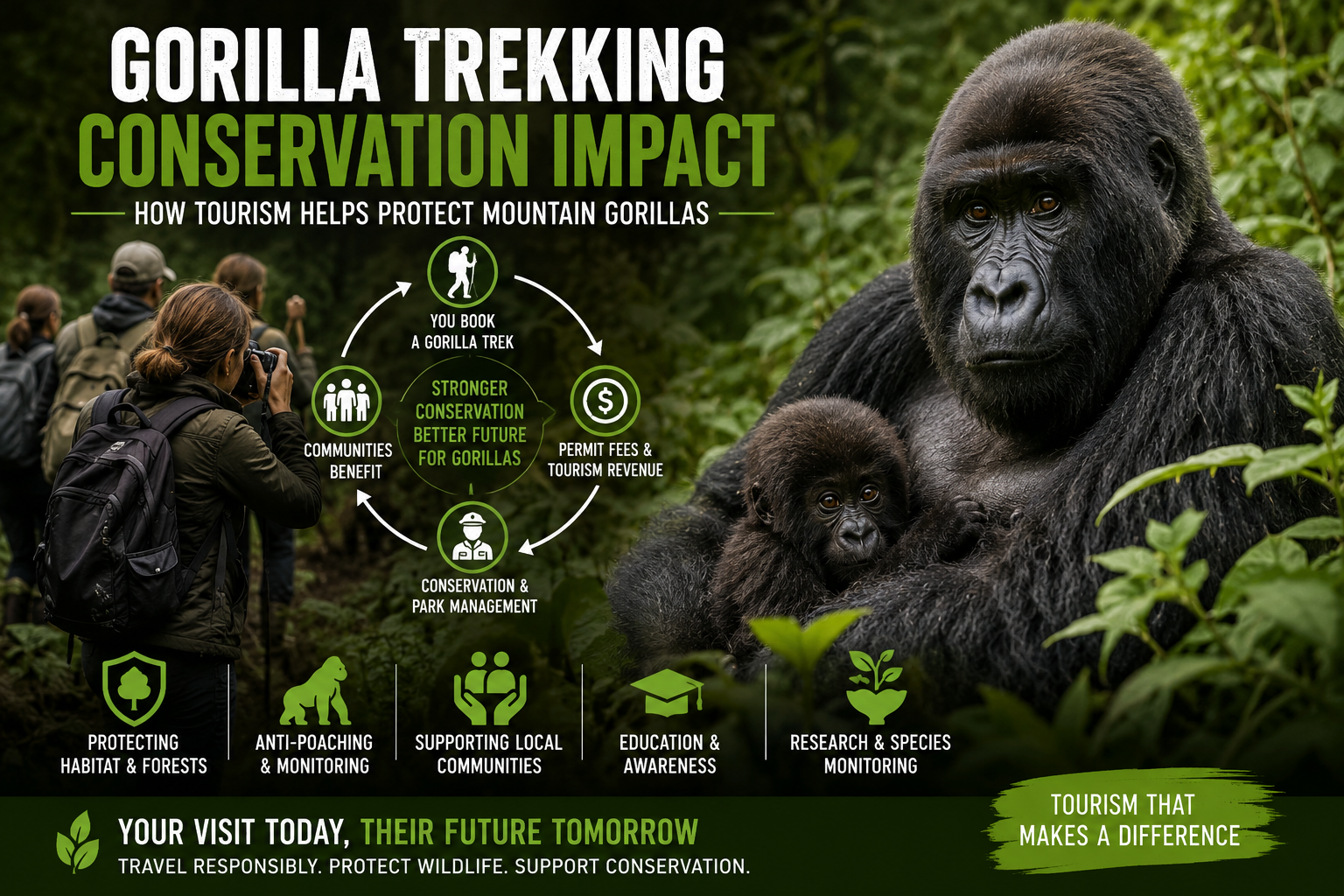
Gorilla Trekking Conservation Impact: How Tourism Helps Protect Mountain Gorillas 2026 Guide
Discover how gorilla trekking conservation impact helps tourism, from habitat protection and community benefits to responsible tourism. Plan your Uganda safari today.
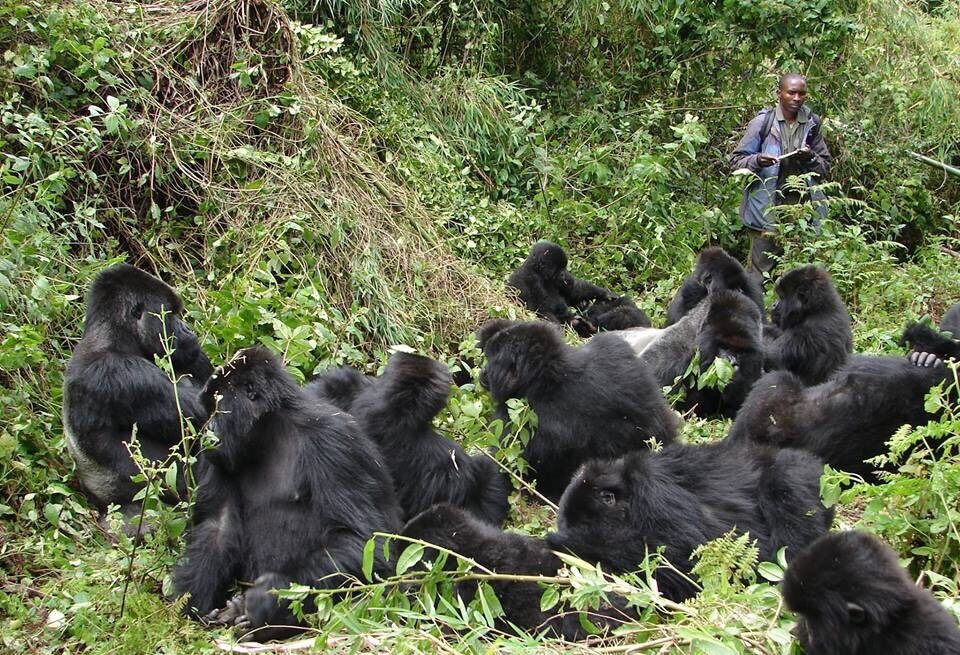
Gorilla trekking conservation impact is significant because carefully managed tourism creates powerful economic incentives to protect mountain gorillas, their rainforest habitat, and surrounding communities.
In Uganda and Rwanda, gorilla tourism directly contributes to conservation financing and community development while allowing travellers to experience these endangered primates responsibly in their natural habitat.
When gorilla tourism is properly managed, a traveller’s permit becomes more than just an entry ticket—it becomes a vital component of a broader conservation economy.
This system funds protected-area management, empowers local communities, supports scientific monitoring, and drives wildlife protection across East Africa.

How Does Gorilla Trekking Help Conservation?
The conservation chain of gorilla trekking is a proven, self-reinforcing cycle: Traveller books permit → Tourism generates revenue → Protected-area management receives funding → Communities receive tangible benefits → Habitat becomes economically valuable → Incentives for conservation increase.
The Uganda Wildlife Authority (UWA) mandates that it shares 20% of annual park revenue with communities surrounding national parks and wildlife reserves.
At Bwindi, UWA also operates a specific gorilla-tracking revenue-sharing mechanism.
Therefore, the conservation impact of gorilla trekking extends far beyond protecting an individual animal.
It actively funds:
- Habitat protection and forest corridor preservation
- Ranger operations and anti-poaching patrols
- Wildlife monitoring and veterinary health initiatives
- Community projects (schools, clinics, clean water)
- Conservation education and local research
- Tourism employment for thousands of locals
- Reduction of human-wildlife conflict through alternative livelihoods

Where Does Gorilla Trekking Money Go?
Understanding where gorilla permit money goes is crucial for responsible travellers.
While we do not invent arbitrary percentage breakdowns for every dollar, verified mechanisms clearly show how tourism revenue supports the ecosystem:
- Protected-Area Management: Funds daily park operations, including ranger patrols, trail maintenance, infrastructure development, and management logistics.
- Community Development: UWA revenue-sharing funds directly support local projects, including building schools, health centres, roads, water tanks, and funding livelihood activities like tree planting and beekeeping.
- Conservation and Research: Tourism generates the financial resources and international partnerships necessary for monitoring endangered species, tracking gorilla health, and studying habitat dynamics.
- Tourism Employment: Creates direct jobs for guides, trackers, porters, lodge employees, drivers, community guides, and local craftspeople.
💡 Pro Tip: Permit revenue is distinct from general park entry fees and operator service fees, but all flow into the broader sustainable tourism economy that keeps the forest standing.
Related read | Mountain Gorilla Conservation Funding
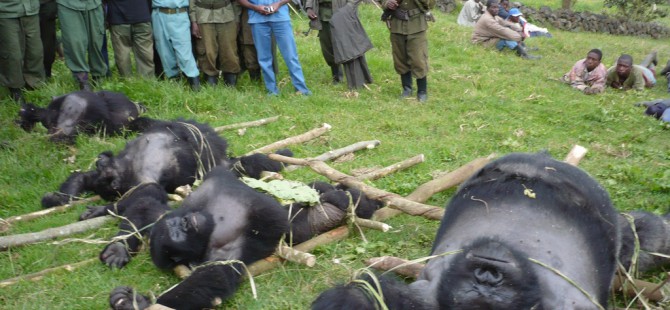
How Gorilla Tourism Supports Mountain Gorilla Conservation
Mountain gorillas are both ecologically and economically invaluable, but they face unique vulnerabilities:
- Limited geographic range: Found only in the Virunga Massif and Bwindi.
- Small population: Highly susceptible to genetic bottlenecks.
- Habitat dependence: Require dense, intact rainforest to survive.
- Disease risks: Share 98% of human DNA, making them vulnerable to human respiratory illnesses.
- Human-wildlife interactions: Require strict management to prevent conflict.
📊 Latest Mountain Gorilla Population Data: Uganda’s 2026 State of Wildlife Resources report identifies mountain gorillas among the country’s globally significant wildlife, reporting 459 mountain gorillas in Uganda’s latest assessment. (Note: Population figures can vary slightly depending on the specific census area, methodology, and cross-border movement).
Gorilla Trekking and Habitat Protection
Protecting gorillas inherently means protecting the entire forest ecosystem they inhabit. Gorilla trekking destinations like Bwindi Impenetrable National Park and Mgahinga Gorilla National Park are biodiversity hotspots.
Tourism revenue helps safeguard:
- Critical forest corridors that allow wildlife movement.
- Vital water systems and watersheds that supply surrounding regions.
- Immense biodiversity, including hundreds of plant species, other primates, birds, and insects.
- Global carbon storage capabilities of the ancient rainforest.
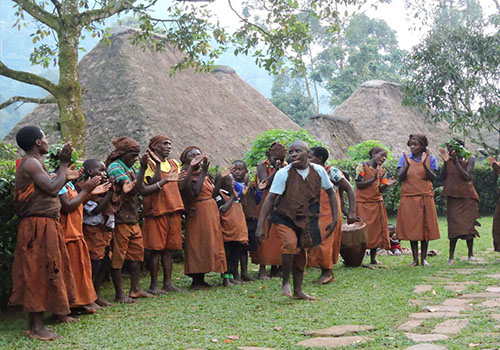
How Gorilla Trekking Helps Local Communities
Conservation succeeds only when people living around protected areas see tangible, daily benefits from wildlife.
Gorilla trekking community benefits are multi-faceted:
- Direct Employment: Locals are hired as guides, trackers, porters, drivers, lodge staff, and cultural performers.
- Community Projects: As documented by UWA, revenue-sharing has funded rural schools, health facilities, clean water projects, and agricultural training.
- Local Business Growth: Travellers spend money on local accommodation, restaurants, transport, cultural experiences, and authentic handicrafts.
- Reducing Conservation Conflict: By providing alternative livelihoods (like beekeeping or eco-tourism), communities are incentivized to protect wildlife rather than view it as a threat to crops or safety.
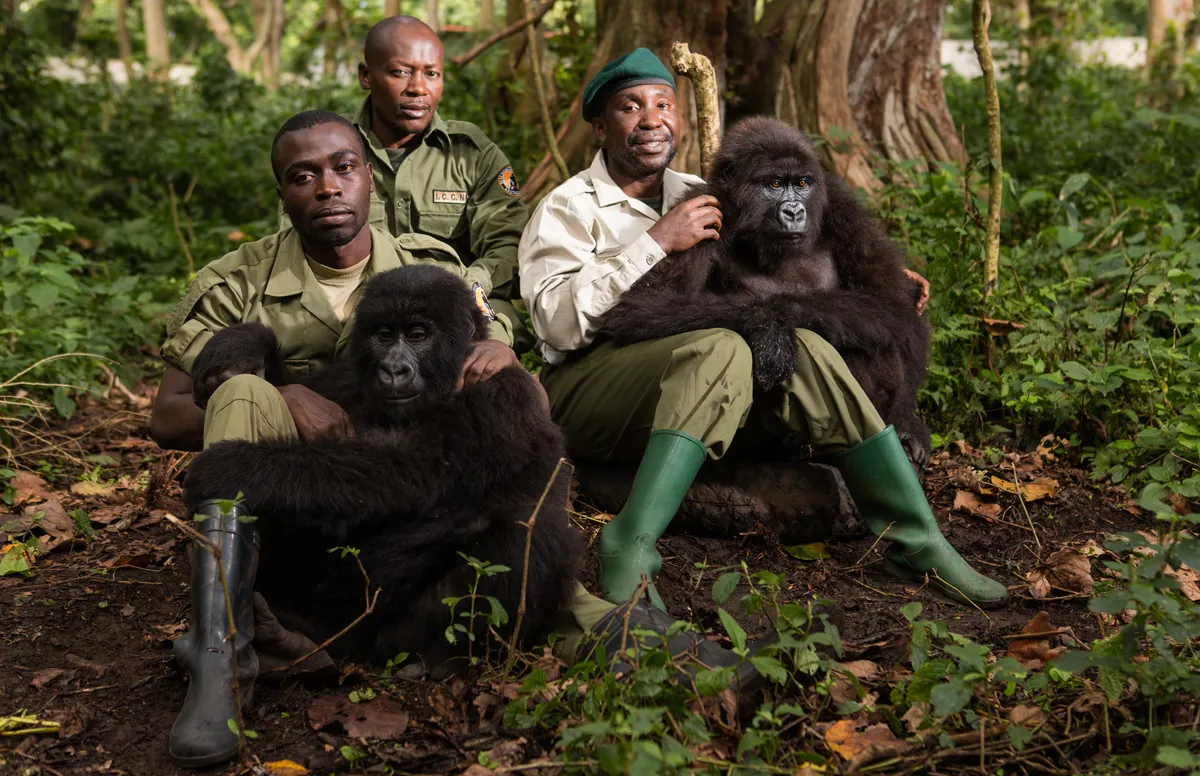
Gorilla Trekking and Anti-Poaching
There is a direct, proven relationship between tourism and protected-area management.
The presence of tourists and the revenue they generate fund robust anti-poaching efforts, including:
- Daily ranger patrols and intelligence gathering.
- Advanced wildlife monitoring and tracking technology.
- Deterrence of illegal hunting and habitat encroachment.
- Strict visitor monitoring to ensure no illicit activities occur on the trails.
Note: While not every single dollar of a permit is earmarked exclusively for anti-poaching, the overall protected-area financing model makes these critical security operations possible.
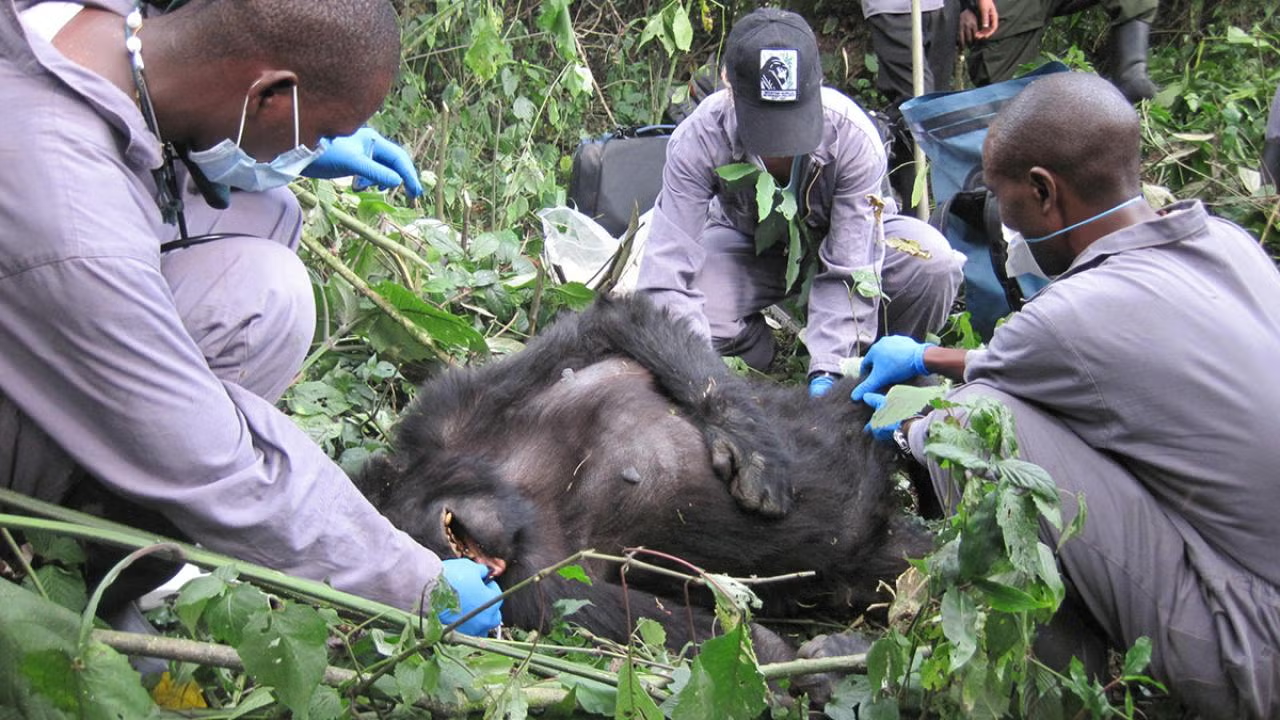
Gorilla Health and Disease Prevention
Mountain gorillas are highly susceptible to human respiratory illnesses, making strict gorilla trekking health protocols a cornerstone of conservation.
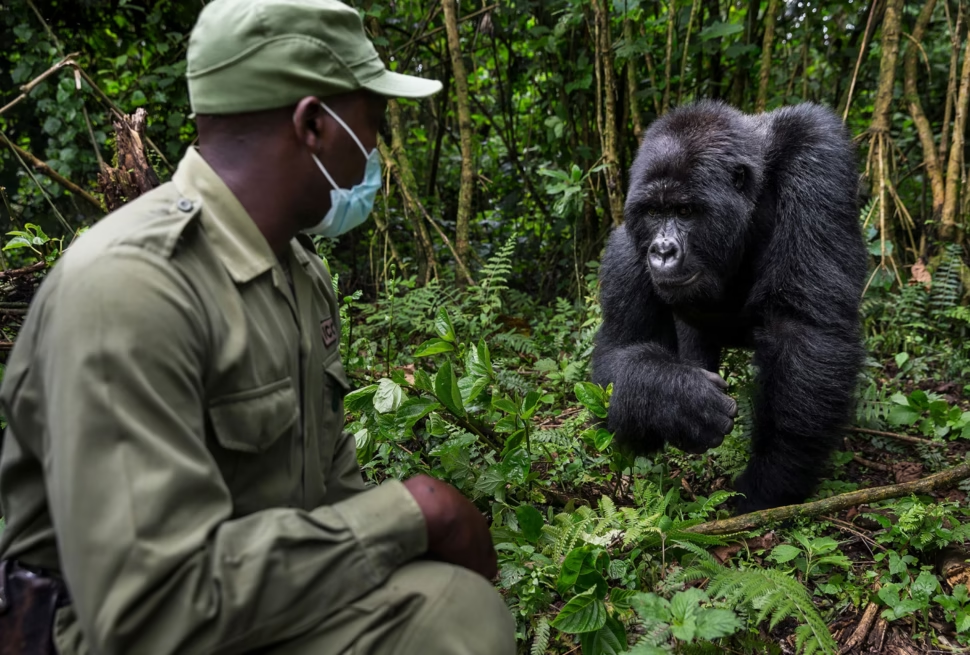
To prevent disease transmission, UWA enforces rigid rules:
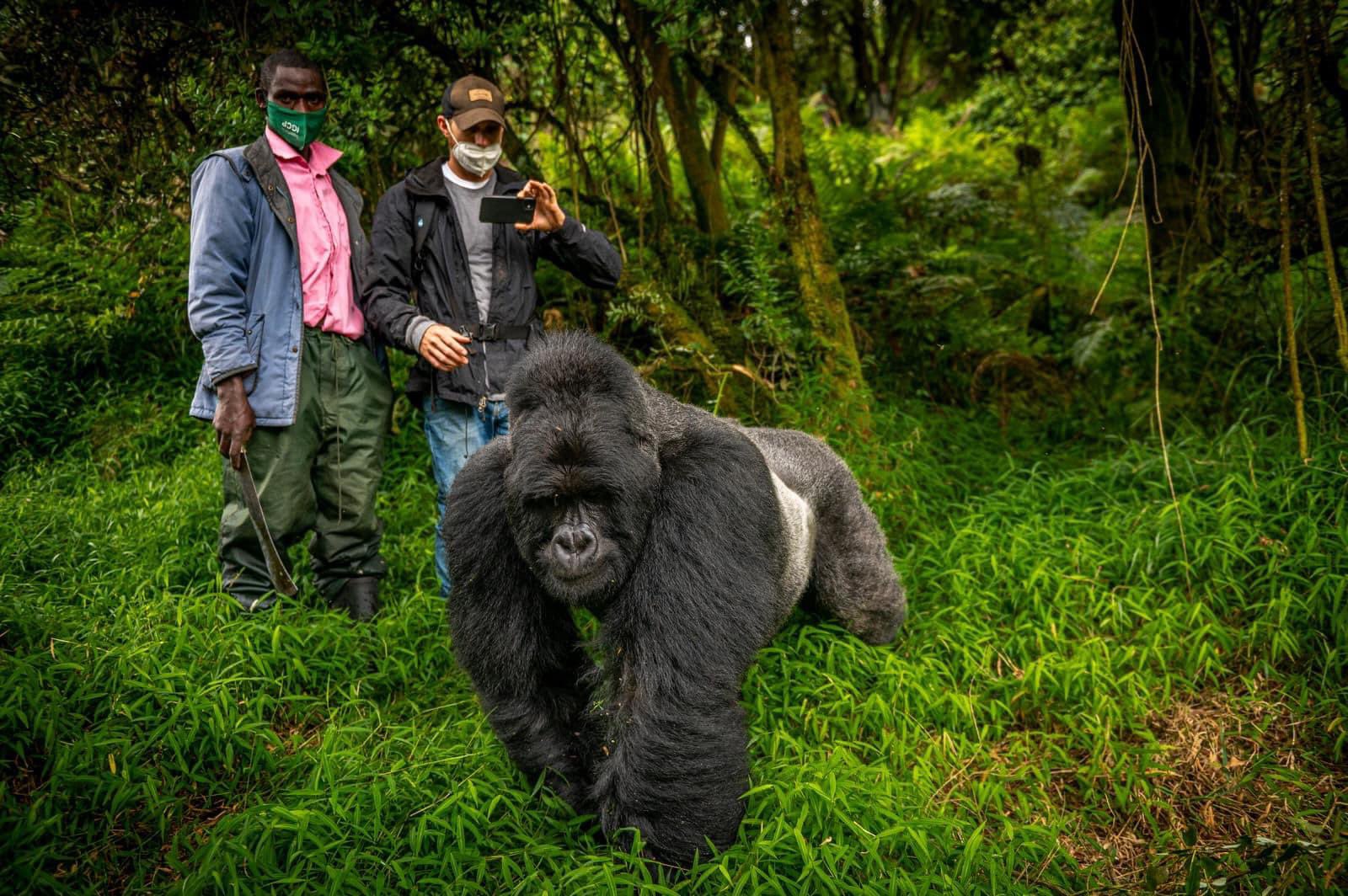
- Maintain a minimum 7-meter distance from the gorillas.
- Undergo mandatory health screening before the trek.
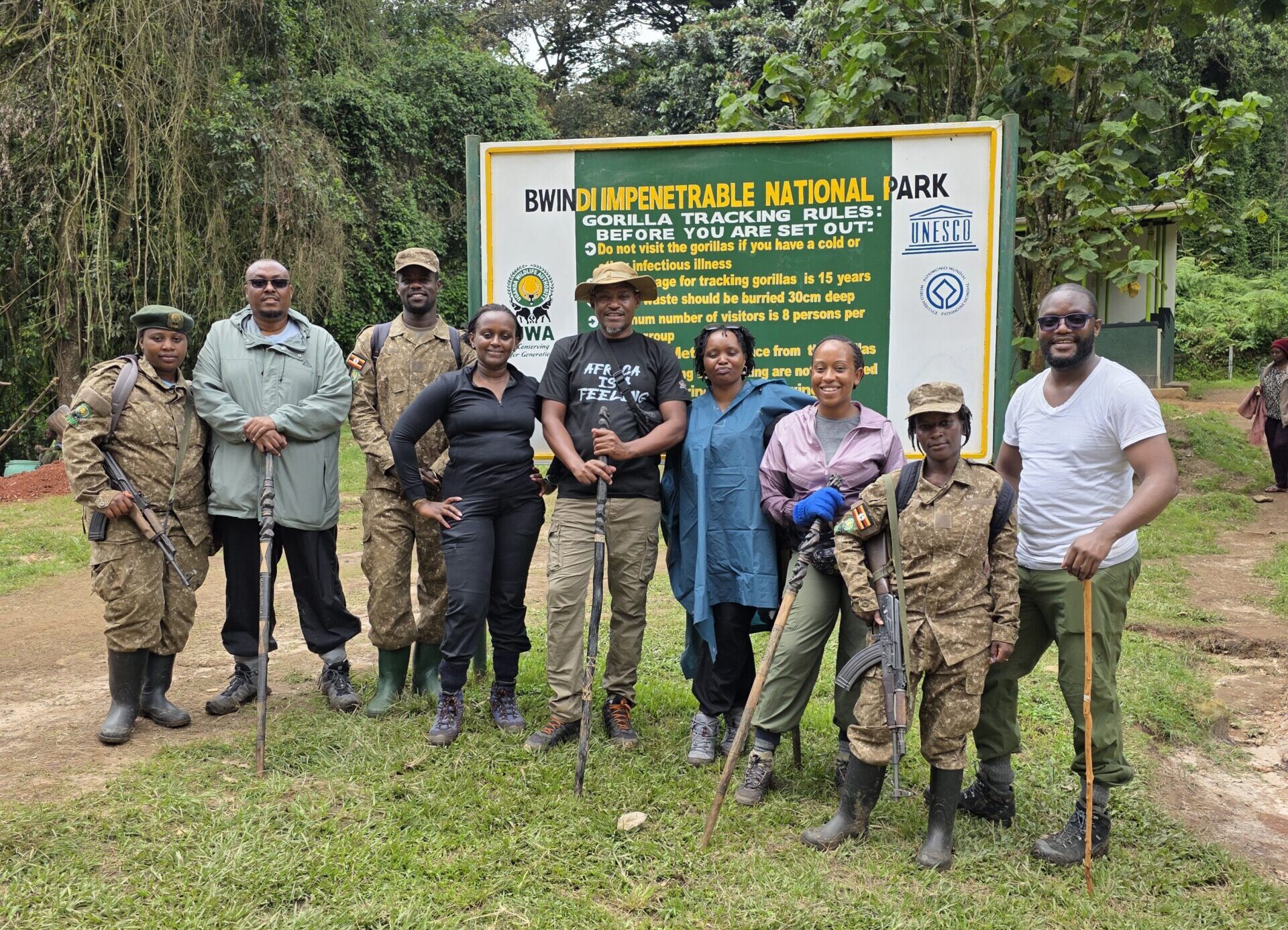
- No visiting when sick with a cold, flu, or infectious illness.
- No touching the gorillas under any circumstances.
- No eating or drinking in the vicinity of the gorillas.
- No flash photography to avoid startling the animals.
- Constant ranger supervision during the entire one-hour observation period.
Why Gorilla Trekking Rules Matter for Conservation
Following the rules is not just about compliance; it is an active act of conservation.
For quick reference, here are the 8 Golden Rules of Gorilla Trekking:
- Maintain the required distance (at least 7 meters) at all times.
- Follow ranger instructions immediately and without question.
- Do not visit when sick; disclose any symptoms during screening.
- Never feed or touch the gorillas.
- Avoid flash photography and keep camera shutters quiet.
- Do not leave rubbish or waste in the forest.
- Keep noise to a minimum to avoid stressing the primates.
- Respect the maximum visitor limits (strictly 8 people per group).
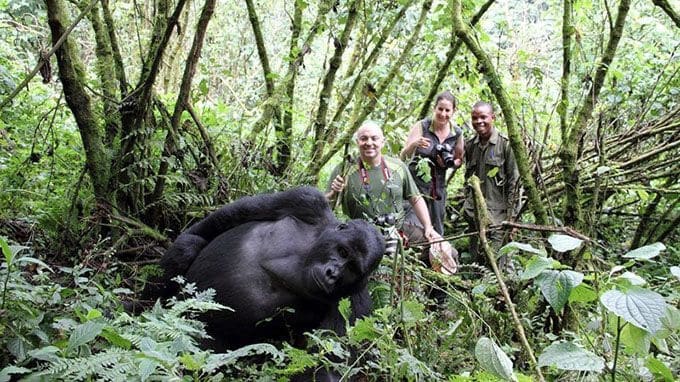
Gorilla Trekking Limits and Visitor Regulations
To ensure sustainability, Uganda gorilla trekking regulations are strictly enforced by the UWA:
- Minimum age: 15 years old.
- Maximum visitors: 8 people per gorilla group per day.
- Observation time: Strictly limited to one hour with the gorilla group.
- Health restriction: Visitors must not trek if they have a cold or infectious illness.
- Trek duration: Generally takes 2–7 hours, depending on the gorillas’ location, but the observation period remains exactly one hour.
Gorilla Trekking Conservation Impact in Bwindi
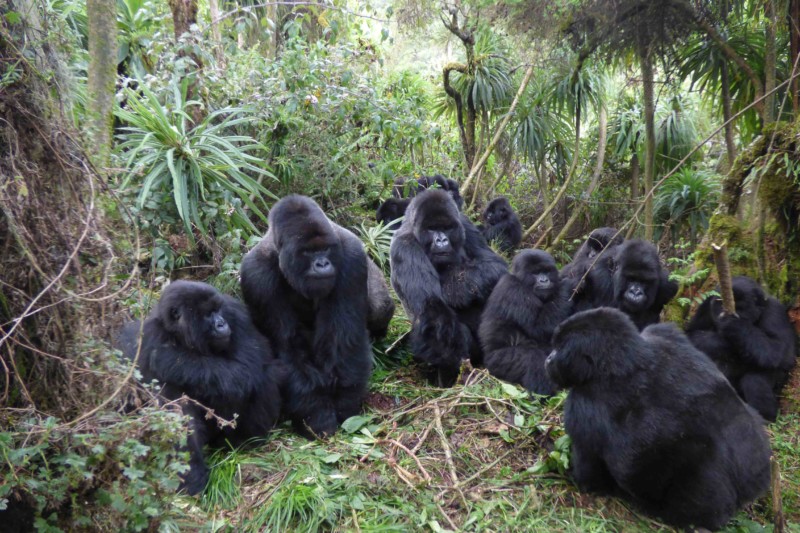
Bwindi Impenetrable National Park is the crown jewel of Uganda’s gorilla tourism. The park’s conservation model is a global benchmark for sustainable tourism, integrating:
- Extensive conservation employment for the Batwa and local Bakiga communities.
- Transparent revenue sharing that funds local development.
- World-class research and ranger protection programs.
📈 Verified Impact Data: In a landmark June 2025 announcement, UWA disclosed that UGX 2.197 billion was disbursed to communities around the Bwindi-Mgahinga Conservation Area through revenue-sharing funds. This money, generated from park entry fees and the gorilla permit levy, was explicitly designated to support local development and foster community participation in conservation.
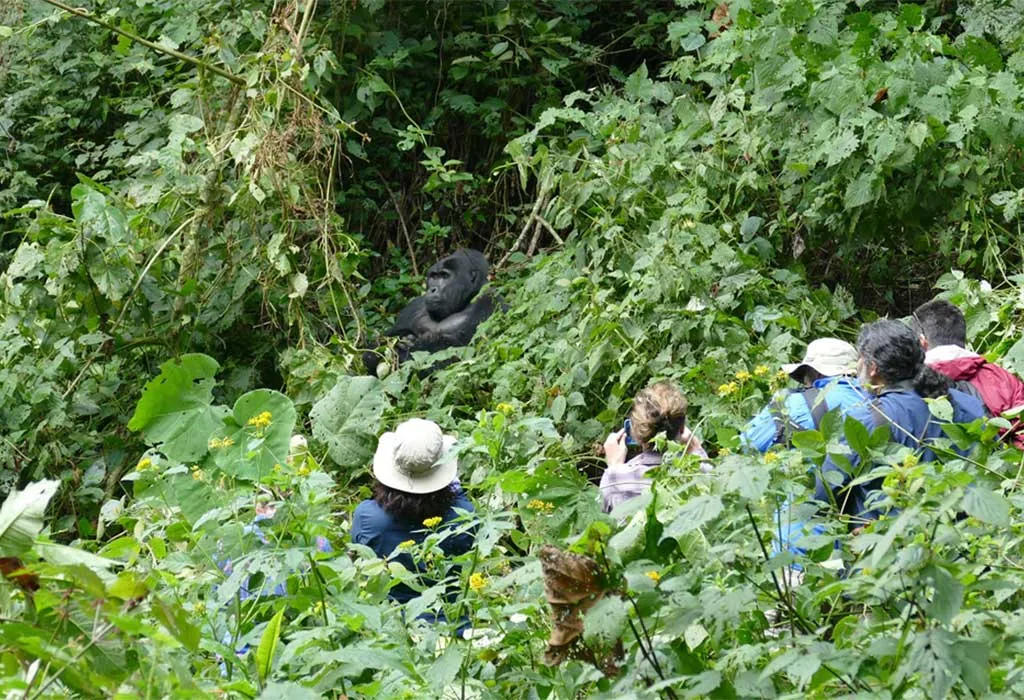
Gorilla Trekking Conservation Impact in Mgahinga
Mgahinga Gorilla National Park, part of the greater Virunga landscape, offers a smaller-scale, highly exclusive gorilla trekking experience.
Its conservation impact focuses on:
- Transboundary conservation, as the gorilla groups here roam freely between Uganda, Rwanda, and the DRC.
- Intensive gorilla monitoring and habitat protection.
- High-impact, low-volume community participation, ensuring that the limited daily trekking capacity yields maximum benefit for local residents.
Gorilla Conservation Requires International Cooperation
Mountain gorilla conservation transcends national borders. The Virunga population moves fluidly across landscapes associated with Uganda, Rwanda, and the Democratic Republic of the Congo.
Effective protection requires seamless cooperation among:
- Uganda Wildlife Authority (UWA)
- Rwanda Development Board (RDB)
- Greater Virunga Transboundary Collaboration (GVTC)
- Leading conservation organizations (e.g., Jane Goodall Institute, WWF Uganda)
- Specialized veterinary teams like Gorilla Doctors
This collaborative approach was perfectly illustrated in the 2025 Bwindi-Sarambwe census announcement, which featured joint efforts from all the above entities to ensure accurate, cross-border population tracking.
Related read | Mountain Gorilla Conservation Success | Gorilla Conservation Organization
Gorilla Trekking vs Other Wildlife Tourism
Why does gorilla trekking require such meticulous management compared to other safaris?
|
Factor |
Gorilla Trekking |
Traditional Game Drive |
|
Habitat |
Dense Rainforest |
Savannah / Woodland |
|
Main Species |
Mountain Gorillas (Endangered) |
Multiple Wildlife Species |
|
Experience |
Guided, on-foot trek |
Vehicle-based safari |
|
Visitor Limits |
Highly restricted (Max 8/day/group) |
Generally larger capacity |
|
Conservation Model |
High-value, permit-based financing |
General park/tourism fees |
|
Human-Wildlife Interaction |
Highly regulated, close proximity |
Observation from a safe distance |
Is Gorilla Trekking Sustainable?
Short answer: Yes, gorilla trekking is sustainable and a powerful conservation tool when visitor numbers, health protocols, habitat protection, community benefits, and tourism revenue are strictly and properly managed.
However, it is not a perfect solution.
Potential risks include:
- Disease transmission from humans.
- Tourism pressure and habitat disturbance.
- Overcrowding at trailheads or lodges.
- Poor visitor behavior.
- Commercial exploitation or unequal distribution of tourism benefits.
How regulations mitigate these risks: By capping visitor numbers, enforcing strict health screenings, mandating revenue sharing, and employing highly trained rangers, the conservation model actively neutralizes these threats, ensuring long-term sustainability.
How Travellers Can Increase Their Positive Conservation Impact
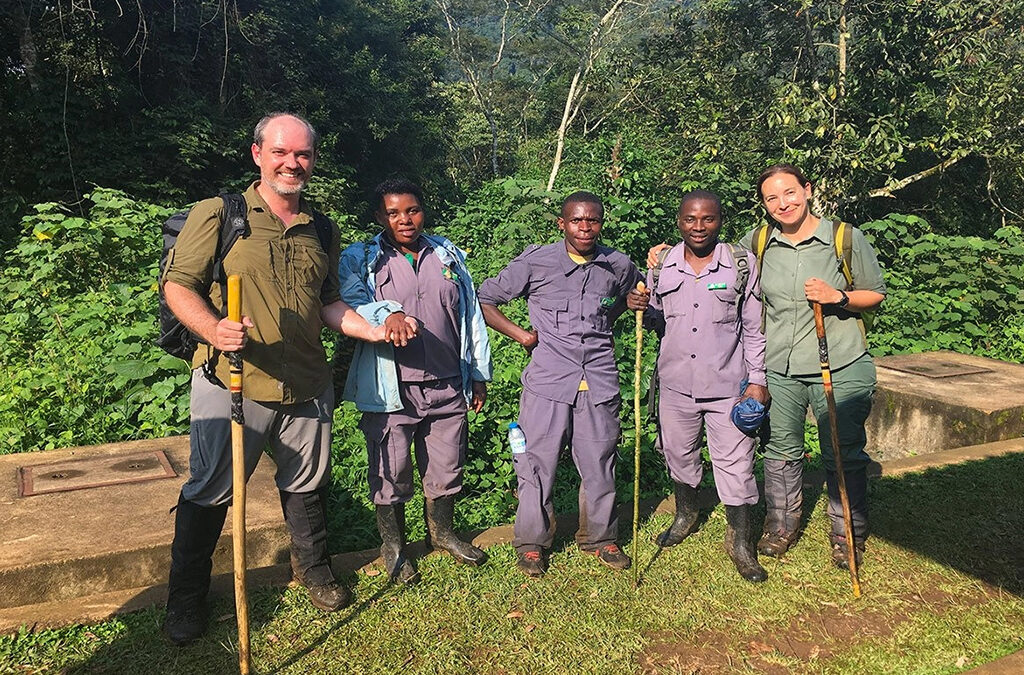
You can actively amplify your positive conservation impact by making mindful choices:
- Before Booking: Choose a reputable, properly licensed operator. UWA guidance states that foreign non-resident gorilla permits must be purchased through tour operators licensed by the Uganda Tourism Board (UTB).
- During the Trek: Follow all ranger instructions meticulously.
- Hire a Porter: This directly supports a local community member, provides them with a fair wage, and makes your trek safer and more enjoyable.
- Stay Locally: Choose locally owned or community-integrated accommodation and cultural experiences.
- Buy Local: Purchase authentic, locally made crafts rather than imported souvenirs.
- Respect Conservation Rules: Remember that responsible behavior is, in itself, a direct act of conservation.
Does My Gorilla Trekking Permit Really Help Conservation?
Yes. Gorilla tourism undeniably contributes to the conservation economy. However, responsible travellers should understand that permit revenue is part of a broader protected-area financing and community-benefit system.
It is not simply handed directly to the gorillas; rather, it funds the rangers, the clinics, the schools, and the research that collectively ensure the gorillas’ survival. This nuanced, transparent reality is what makes the model genuinely trustworthy and effective.
How to Book a Responsible Gorilla Trekking Safari
Turn your conservation intentions into action with these clear, numbered steps:
- Choose Uganda or Rwanda: Compare destinations based on permit pricing ($800 vs. $1,500), accessibility, accommodation styles, and desired safari extensions.
- Choose Your Trekking Date: Availability is strictly limited to 8 permits per gorilla family per day. Book 6–12 months in advance for peak seasons.
- Reserve Your Permit: Always secure your gorilla permit first before finalizing flights or the rest of your itinerary.
- Select Accommodation: Choose luxury, mid-range, or budget lodges that align with your specific trekking sector (e.g., Buhoma, Ruhija, Rushaga, or Nkuringo in Bwindi).
- Build Your Safari: Maximize your trip by adding extensions to Queen Elizabeth National Park, Kibale National Park (chimpanzees), Murchison Falls, Lake Bunyonyi, Lake Mburo, or Kidepo Valley.
- Prepare Responsibly: Ensure you have the correct fitness level, broken-in hiking boots, neutral-colored clothing, and necessary health preparations (e.g., malaria prophylaxis).
Best Gorilla Conservation Safari Packages
Ready to experience the impact firsthand? Explore our expertly curated, conservation-focused itineraries:
- 2 Days Uganda Gorilla Trekking Safari – Perfect for time-sensitive travellers.
- 3 Days Uganda Gorilla Trekking Safari – A concise, impactful primate encounter.
- 4 Days Gorilla Trekking & Lake Bunyonyi – Balance adventure with relaxation.
- 7 Days Uganda Gorilla & Wildlife Safari – Combine primates with classic savannah game drives.
- 10 Days Uganda Gorilla Safari – The ultimate comprehensive primate and wildlife experience.
- 12 Days Uganda Rwanda Gorilla Safari – A premium cross-border dual-permit adventure.
- 15 Days Uganda Rwanda Safari – The definitive East African conservation expedition.
- Gorilla Habituation Experience – Spend 4 hours with researchers and semi-habituated gorillas.
Uganda Gorilla Trekking Packages – Browse our full range of customizable options.
Frequently Asked Questions (FAQs)
How does gorilla trekking help conservation?
It generates vital revenue for protected-area management, funds community development projects, and creates economic incentives for locals to protect the forest and its wildlife.
Where does gorilla permit money go?
It funds park operations, ranger patrols, wildlife research, and a mandated 20% revenue share that goes directly to communities surrounding the national parks.
Does gorilla tourism protect mountain gorillas?
Yes. By making living gorillas more economically valuable than poached wildlife, tourism creates a sustainable financial shield around their habitat.
How does gorilla trekking benefit local communities?
Through direct employment (porters, guides), revenue-sharing projects (schools, clinics), and increased business for local vendors and lodges.
Is gorilla trekking sustainable?
Yes, when strictly managed with visitor caps, health protocols, and equitable community benefit-sharing.
How much of a gorilla permit supports conservation?
While exact dollar breakdowns vary, the entire permit fee enters the national conservation financing system, directly funding park management and the 20% community revenue share.
Does gorilla trekking fund anti-poaching?
Indirectly, yes. Permit revenue funds the overall protected-area budget, which pays for the ranger patrols and intelligence networks that prevent poaching.
How does tourism protect Bwindi Forest?
Tourism revenue justifies the continued protection of Bwindi as a National Park, preventing deforestation for agriculture and funding forest patrols.
Why are gorilla trekking permits expensive?
The high cost reflects a “high-value, low-volume” conservation model designed to limit environmental impact while maximizing revenue for protection and communities.
How many people can trek a gorilla family?
Strictly a maximum of 8 visitors per gorilla group per day.
How long can you stay with gorillas?
Exactly one hour of observation time, once the group is located.
What happens if I am sick before gorilla trekking?
You will not be allowed to trek. This strict rule protects the gorillas from human respiratory diseases.
Can children go gorilla trekking?
No. The minimum age is strictly 15 years old in both Uganda and Rwanda.
Why are gorilla trekking numbers limited?
To minimize habitat disturbance, reduce disease transmission risks, and ensure a high-quality, low-impact experience.
How can tourists support gorilla conservation?
By booking with licensed operators, hiring local porters, respecting all trekking rules, and supporting community-owned businesses.
Is hiring a porter part of responsible gorilla tourism?
Absolutely. It provides direct, fair-wage employment to local community members and enhances your safety on the trail.
Which is better for conservation: Uganda or Rwanda?
Both are highly effective. Uganda offers a broader revenue-sharing model across multiple sectors, while Rwanda’s higher permit price generates significant conservation revenue with lower visitor volume. Both are vital to the species’ survival.
Ready to Make a Difference? Book Your Gorilla Trekking Safari Today
Your journey into the misty forests of East Africa is more than a vacation—it is a direct investment in the survival of one of the world’s most magnificent species.
At GoSilverback Gorilla Safaris, we specialize in crafting responsible, conservation-focused gorilla trekking experiences for travellers from the USA, UK, Europe, Canada, Asia, Oceania, and beyond.
We handle the complex logistics: securing your limited gorilla permits, matching you with sector-specific, eco-friendly lodges, and ensuring every dollar you spend empowers local communities and protects the rainforest.
Don’t leave your family’s once-in-a-lifetime adventure to chance. Join the conservation economy today.
👉 [Get Your Custom, Conservation-Focused Safari Quote Now]
👉 [Speak Directly with a GoSilverback Gorilla Safari Expert on WhatsApp]
Book your gorilla permit through GoSilverback Gorilla Safaris today, and step into the forest knowing your journey is protecting it for generations to come.