Things You Should Never Do Around Gorillas: 15 Essential Rules on Safari Guide
Discover things you should never do around gorillas? Learn essential gorilla trekking rules, safety tips, photography etiquette & responsible ways to protect gorillas
Things you should never do around gorillas? Never approach, touch, feed, chase, or provoke gorillas; never use flash photography; never ignore your ranger’s instructions; and never trek when sick. Maintain the required distance, remain calm, avoid eating or drinking, and respect their space. These rules protect both travelers and endangered mountain gorillas.
Gorilla trekking in Uganda and Rwanda is a once-in-a-lifetime wildlife experience, but responsible behavior is absolutely essential.
The Uganda Wildlife Authority (UWA) currently describes Uganda gorilla trekking as a 2–7-hour activity culminating in one hour of observation of a habituated gorilla family.
Planning your gorilla trek? Talk to GoSilverback Gorilla Safaris about permits, accommodation, transport, and a professionally organized Uganda gorilla safari.
Why Are There So Many Rules Around Gorillas?
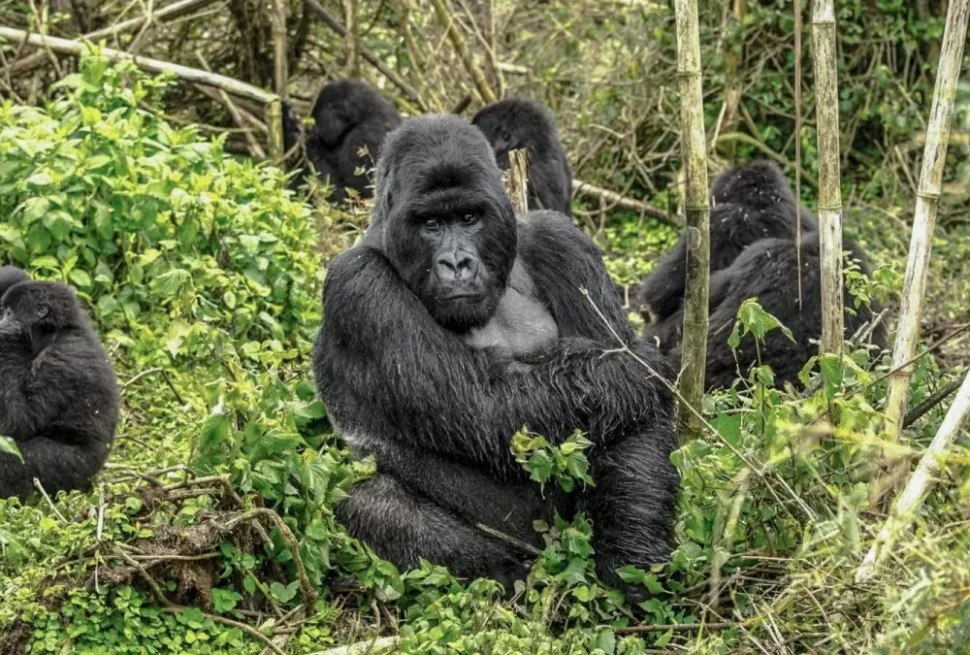
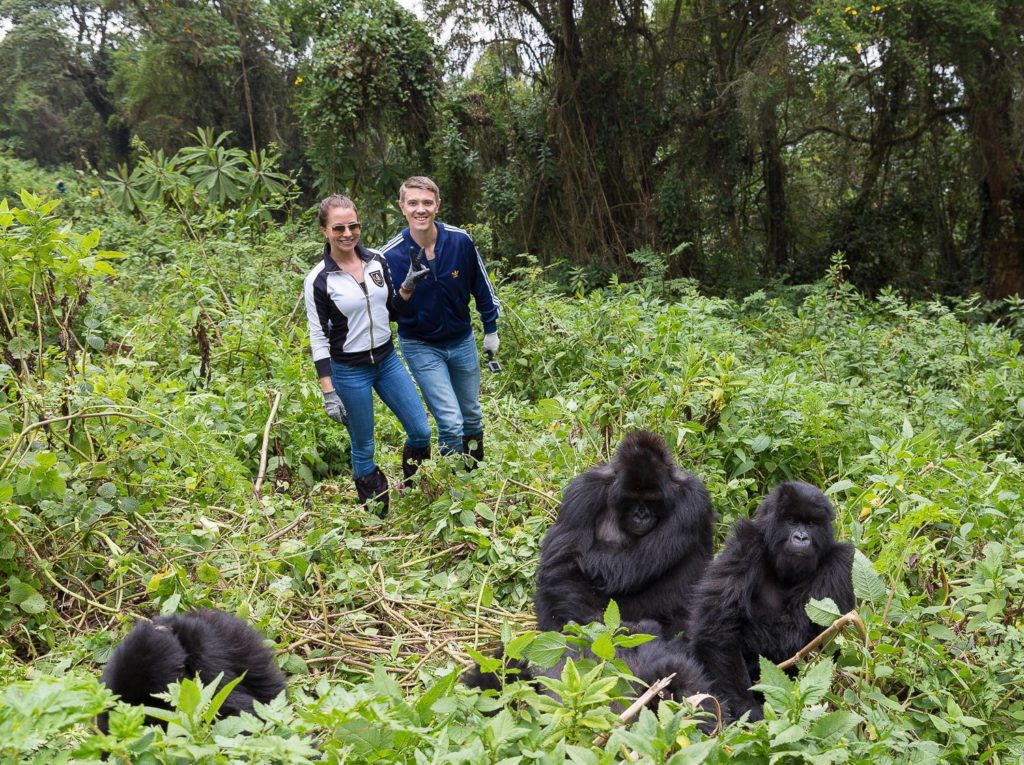
Before exploring what not to do, it is crucial to understand the “why” behind these strict regulations. Mountain gorillas are wild animals, not domesticated pets.
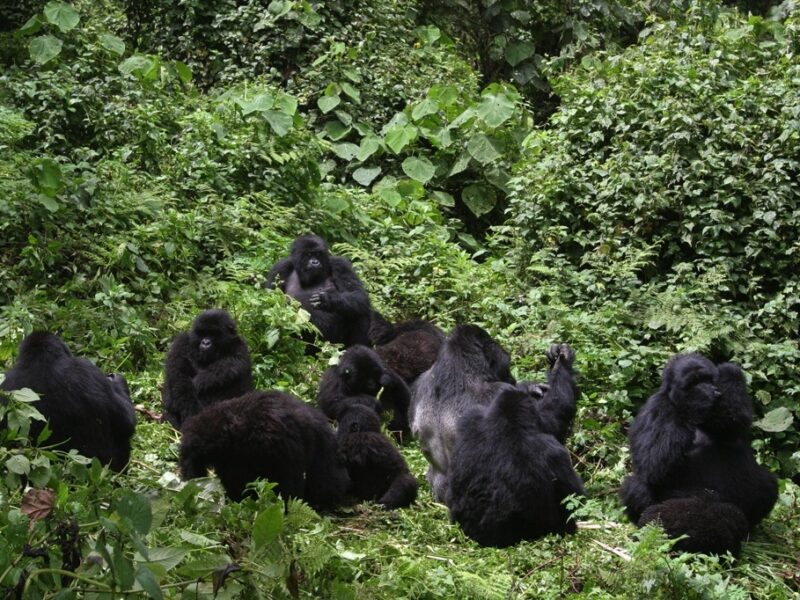
Despite undergoing a years-long habituation process to tolerate human presence, they remain incredibly powerful and unpredictable.
Because humans and great apes share roughly 98% of the same DNA, human respiratory diseases can be fatal to gorillas. Furthermore, excessive human disturbance can alter their natural foraging and social behaviors.
The primary goal of tourism is to minimize stress and disruption. Ultimately, these rules protect visitors from injury and gorillas from harm.
UWA’s recent conservation reporting highlights how strict disease surveillance, gorilla health monitoring, community participation, and protected habitat management are the pillars of successful mountain-gorilla conservation. Responsible tourism directly funds these life-saving efforts.
15 Things You Should Never Do Around Gorillas
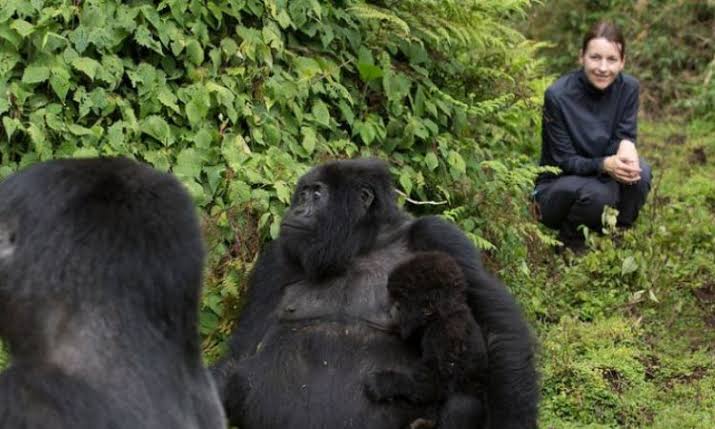
1. Never Approach Gorillas on Your Own
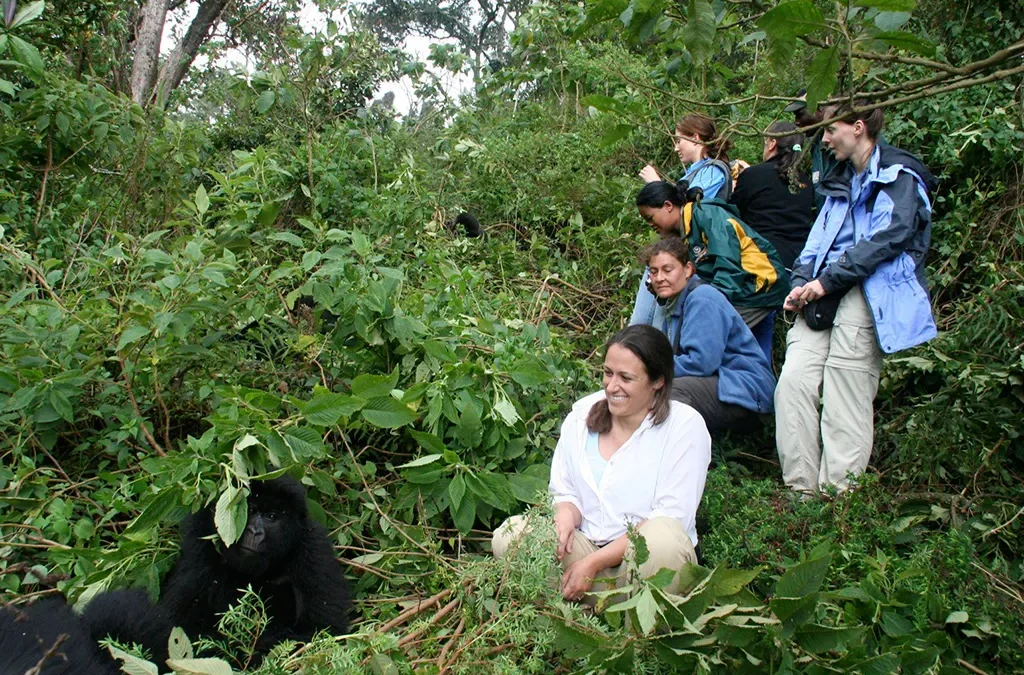
Visitors must remain with the authorized trekking group and follow the lead ranger or guide at all times. UWA requires all gorilla tracking clients to be accompanied by authorized guides and trackers.
Can you approach a gorilla during trekking? No. Never deliberately approach a gorilla. Maintain the required distance and follow the ranger’s instructions.
2. Never Touch a Gorilla
Touching a gorilla is strictly prohibited, even if a curious juvenile approaches you. Can you touch gorillas during gorilla trekking? No.
Travelers should never attempt to touch a gorilla. If a gorilla approaches you, remain calm, stay where instructed, and allow the animal to move away naturally.
3. Never Feed Gorillas
Never offer food, throw food toward the gorillas, or leave food scraps behind. Human food can severely alter wildlife behavior, cause health issues, and create dangerous dependency.
4. Never Chase, Follow or Block a Gorilla
Never pursue a gorilla to obtain a better photograph. Do not block its path, follow it after it moves away, surround it, move toward a silverback, or attempt to force a gorilla to look at your camera. Let the gorillas dictate the flow of the encounter.
5. Never Use Flash Photography
UWA’s published gorilla-tracking rules explicitly prohibit flash photography. Can you use flash when photographing gorillas? No. Flash photography should not be used around gorillas.
Turn off your camera or smartphone flash before approaching the family. Instead, use natural light, increase your ISO, use silent shooting modes, and avoid excessive movement. Don’t let photography distract you from the encounter.
6. Never Ignore the Required Gorilla Viewing Distance
For Uganda, the current UWA published rules state a minimum distance of 10 metres (32.8 feet). However, gorilla trekking distance can vary according to applicable park regulations and specific circumstances.
Always follow the current instructions given by your ranger, as they may ask you to step back further if the gorillas become agitated.
7. Never Trek Gorillas When You Are Sick
Respiratory and infectious illnesses pose severe risks to gorillas. UWA explicitly states that visitors should not visit gorillas if they have a cold, flu, fever, or any contagious illness.
Can I go gorilla trekking if I have a cold? No. If you are sick, you must inform your operator and ranger before trekking. You will be denied entry to protect the gorillas.
8. Never Eat, Drink or Smoke During the Gorilla Encounter
UWA’s rules prohibit smoking, eating, and drinking in the presence of the gorillas. This prevents littering, avoids attracting other wildlife, stops the spread of diseases via saliva or food particles, and maintains a calm, natural environment.
9. Never Make Sudden Movements or Aggressive Gestures
If a gorilla approaches, remain calm, listen to the ranger, and avoid sudden movements. Do not scream, stare aggressively, or attempt to intimidate the animal. Remember, gorillas are wild apes, not zoo animals; sudden gestures can be interpreted as a threat.
10. Never Shout, Tease or Try to Get a Reaction
Never shout at gorillas, imitate their vocalizations, throw objects, clap, or whistle. Do not provoke a reaction just to capture it on video. The best gorilla photograph is not worth disturbing the animal to get it.
11. Never Leave Litter in the Forest
Practice responsible trekking by carrying out everything you bring in. Keep wrappers in your backpack, never throw tissues on trails, and never abandon food packaging or batteries. This protects the delicate ecosystem of Bwindi Impenetrable National Park and surrounding forests.
12. Never Wander Away From Your Trekking Group
The forest terrain is dense, navigation is complex, and wildlife behavior is unpredictable. Wandering away compromises your personal safety, disrupts group cohesion, and violates conservation protocols. Stay with your guide at all times.
13: Never Sit, Stand or Move Wherever You Want
The ranger controls your positioning. Do not create a circle around the gorillas, move behind them without permission, block their trails, or separate from your group. Do not move closer just because another visitor has stepped forward.
14. Never Try to Attract a Gorilla for Social Media
With the rise of TikTok, Instagram Reels, and YouTube, the temptation to stage encounters is high. Never use treats, noises, or movements to attract a gorilla for a selfie or staged photograph. Responsible wildlife photography must never manipulate animal behavior.
15. Never Forget That Gorillas Are Wild Animals
This is the most critical principle. A habituated gorilla is merely accustomed to the controlled presence of humans; it is not domesticated. Habituated does not equal tame. They are incredibly strong wild animals capable of severe injury if they feel threatened.
Ready to experience these gentle giants safely and responsibly? Contact GoSilverback Gorilla Safaris to secure your permits and plan your trek.
Related Read | Are Gorillas Aggressive Towards Humans? | How Long Is Gorilla Trekking | Gorillas In The Wild
What Should You Do When a Gorilla Approaches You?
If a gorilla closes the distance, follow these steps to ensure a safe and respectful encounter:
- Stay calm: Control your breathing and keep your body relaxed.
- Do not run: Running triggers a predatory or defensive chase instinct.
- Do not reach toward the gorilla: Keep your hands visible and close to your body.
- Follow the ranger’s instructions: Listen carefully to your guide’s specific commands.
- Remain at the position instructed: Do not shift your weight or step backward unless told to do so.
- Avoid sudden movements: Move slowly and deliberately if you must adjust your position.
- Allow the gorilla to move naturally: Let the animal investigate and leave on its own terms.
Related Read | Gorilla Trekking Rules and Regulations Guide
What Should You Do If a Gorilla Charges?
A silverback may perform a “bluff charge” to warn off perceived threats. This display of aggression—which may include roaring, chest-beating, and charging—does not automatically mean an attack is imminent.
If a gorilla charges, remain completely calm and avoid running. Crouch down slowly, look at the ground (avoid direct eye contact), and follow the ranger’s instructions.
Maintain your instructed position and avoid sudden gestures. In almost all cases, the silverback will stop or veer away once he realizes you are not a threat.
Related Read | Silverback Gorilla Behaviour | Why Silverbacks Beat Their Chest
Gorilla Photography Etiquette: What Not to Do
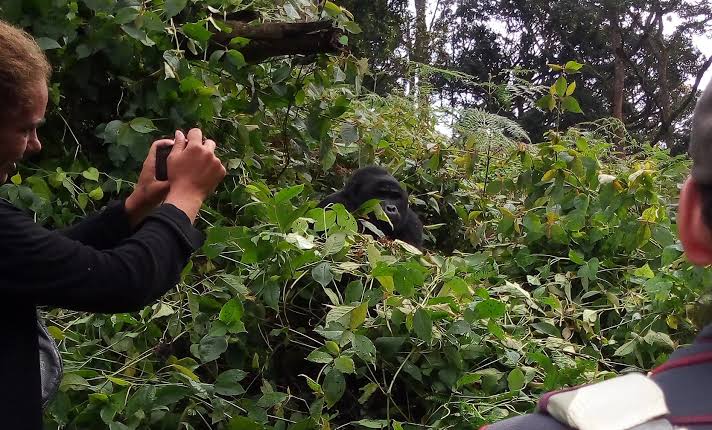
To ensure a respectful experience, adhere to this photography mini-guide:
- Never use flash.
- Never push ahead of other visitors to get a better angle.
- Never block someone’s view.
- Never move closer for a photograph.
- Never use loud camera shutter sounds (use silent mode).
- Never chase a gorilla for a shot.
- Never spend the entire one-hour encounter looking through your screen.
Watch first. Photograph second. Put the camera down for a few minutes to truly absorb the magic of the moment.
(Read more in our guide: [Gorilla Trekking Photography Tips])
Gorilla Trekking Rules in Uganda vs Rwanda
Rules can vary slightly depending on your destination. Always check current park regulations before you travel.
|
Rule |
Uganda (UWA) |
Rwanda (RDB) |
|
Guided trekking |
Required |
Required |
|
Visitor limit |
Follow current park regulations (Max 8 per group) |
8 tracking permits per troop/day |
|
Encounter time |
Maximum 1 hour |
Maximum 1 hour |
|
Illness |
Do not trek when infectious |
Follow current park health protocols |
|
Flash photography |
Not permitted |
Not permitted |
|
Viewing distance |
10 metres (32.8 feet) |
7 to 10 metres (Follow ranger instructions) |
|
Minimum age |
15 years old |
15 years old |
Note: Park rules are subject to change. Always verify with your tour operator prior to departure.
Why Gorilla Trekking Rules Matter for Conservation
These rules extend far beyond tourist etiquette; they are vital conservation tools. Strict adherence prevents disease transmission, protects the fragile montane habitat, and reduces wildlife stress.
Furthermore, responsible tourism ensures that ranger protection remains funded. UWA reports that tourism and community participation are critical components of Uganda’s conservation model, including revenue-sharing with communities surrounding protected areas.
When you book a responsible gorilla safari, your visit becomes part of a wider conservation economy supporting protected forests, tourism workers, and local communities.
Related Read | Gorilla Trekking Rules and Regulations | Gorilla Trekking Conservation Impact
What to Wear and Carry for Responsible Gorilla Trekking
Every item you carry should serve a purpose in the forest:
- Waterproof hiking boots: Essential for steep, muddy, and slippery terrain.
- Long trousers & long-sleeved shirt: Protects against stinging nettles, thorns, and insects.
- Rain jacket: The montane forest weather is highly unpredictable.
- Gardening gloves: Helps you grasp vegetation for support without getting scratched.
- Backpack & reusable water bottle: Keeps your hands free and prevents plastic litter.
- Camera & extra batteries: Capture the moment without flash.
- Insect repellent & walking stick: For comfort and stability.
- Porter services: Hire a local porter to carry your bag and support the local economy.
(For a detailed breakdown, read our guides: [What to Wear for Gorilla Trekking] and [Gorilla Trekking Packing List])
Can Children Go Gorilla Trekking?
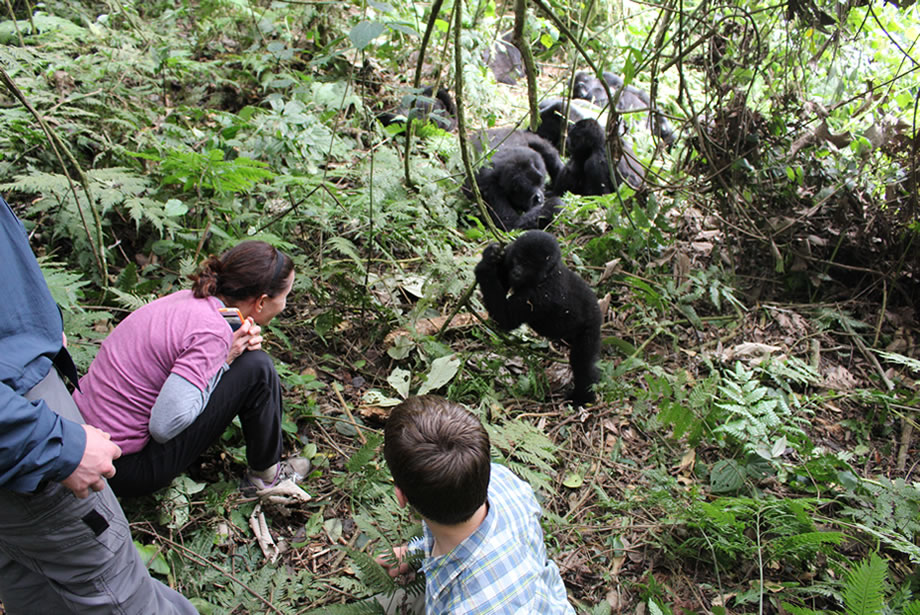
Uganda’s current published minimum age for gorilla tracking is strictly 15 years old. This rule is enforced to protect children from potential physical harm and to prevent them from accidentally reacting poorly to a gorilla charge.
Families traveling with younger children should consider alternative wildlife safaris, cultural experiences, and nature walks in the region.
Related Read | Gorilla Trekking Age Limit | Can Senior Do Gorilla Trekking
What Happens If You Break Gorilla Trekking Rules?
Visitors are legally expected to comply with ranger instructions and park regulations. If you break the rules, consequences may include immediate removal from the encounter without a refund.
Repeated or severe violations can lead to safety consequences for you and the gorillas, negative conservation impacts, and potential regulatory action or banning under applicable park rules.
Related Read | What happens During Gorilla Trekking | Gorilla trekking for Families
Gorilla Trekking Dos and Don’ts — Quick Checklist
|
DO |
DON’T |
|
Follow your ranger |
Don’t approach gorillas |
|
Keep the required distance |
Don’t touch gorillas |
|
Stay calm |
Don’t run |
|
Use natural light |
Don’t use flash |
|
Keep quiet |
Don’t shout |
|
Protect your belongings |
Don’t litter |
|
Tell your operator if sick |
Don’t trek while infectious |
|
Respect the forest |
Don’t damage vegetation |
|
Listen to instructions |
Don’t wander away |
|
Enjoy the moment |
Don’t provoke wildlife |
Frequently Asked Questions About What Not to Do Around Gorillas
Can you touch a gorilla?
No, you should never touch a gorilla during trekking. Even if a gorilla approaches you, keep your hands to yourself. Touching can transmit deadly human diseases to the apes and may trigger a defensive reaction. Always remain still and let the gorilla move away naturally.
Can you take selfies with gorillas?
No, taking selfies with gorillas is strictly prohibited. You must maintain a minimum distance of 7 to 10 meters from the animals at all times. Selfies require you to break this rule, hold the camera too close, and potentially make sudden movements that could agitate the gorillas.
Can you use flash photography around gorillas?
No, flash photography is strictly forbidden during gorilla trekking. The sudden burst of light can startle, blind, or agitate the gorillas, potentially triggering a defensive charge. Always turn off your flash and rely on natural light or increase your camera’s ISO settings instead.
How close can you get to a gorilla?
You must maintain a minimum distance of 10 metres (32.8 feet) in Uganda, and 7 to 10 metres in Rwanda. However, if a gorilla approaches you, do not back away suddenly. Stay calm, follow your ranger’s instructions, and allow the animal to dictate the distance.
Can I go gorilla trekking if I have a cold?
No, you cannot go gorilla trekking if you have a cold, flu, or any contagious illness. Because gorillas share 98% of human DNA, they are highly susceptible to human respiratory diseases, which can be fatal to them. You will be denied entry to the park to protect the family.
What happens if a gorilla approaches you?
If a gorilla approaches you, stay completely calm, do not run, and do not reach out. Follow your ranger’s instructions carefully, avoid sudden movements, and remain in your instructed position. Allow the gorilla to investigate and move away naturally on its own terms.
Should you run if a gorilla charges?
No, you should never run if a gorilla charges. Running can trigger a predatory or defensive chase instinct. Instead, remain calm, crouch down slowly, avoid direct eye contact, and follow your ranger’s instructions until the silverback stops his bluff charge.
Can you eat while gorilla trekking?
No, you should not eat while in the presence of the gorillas. Eating can alter their natural foraging behavior, attract other wildlife, and increase the risk of transmitting human diseases through food particles or saliva. Wait until you have left the gorillas’ vicinity to eat.
Can you drink water near gorillas?
No, drinking water is not permitted during the one-hour gorilla encounter. Similar to eating, drinking can pose a disease transmission risk and disrupt the natural behavior of the family. Keep your water bottle securely stored in your backpack until you are away from the gorillas.
Can you talk to gorillas?
You should not speak directly to gorillas or attempt to communicate with them. While in their presence, keep your voice down to a soft whisper if you must speak to your group. Never imitate gorilla vocalizations, as this can be perceived as a challenge or cause confusion.
Can you make noises around gorillas?
You should avoid making loud noises, sudden sounds, or artificial noises around gorillas. Keep conversations to a quiet whisper. Never clap, whistle, or shout to get their attention, as sudden noises can startle them and provoke a defensive reaction from the silverback.
Can children trek gorillas?
Children under the age of 15 are not permitted to trek gorillas in Uganda or Rwanda. This strict age limit is enforced to protect children from potential physical harm and to ensure they have the maturity to follow strict safety and silence rules in the forest.
How long can you stay with gorillas?
Visitors are allowed a maximum of one hour with a habituated gorilla family once they are found. This strict time limit is designed to minimize stress on the animals, reduce the risk of disease transmission, and prevent excessive disruption to their natural daily routines.
Why can’t you touch mountain gorillas?
You cannot touch mountain gorillas because they are wild animals susceptible to human diseases, and physical contact can trigger a defensive attack. Even a gentle touch from a human can transmit respiratory viruses that are highly lethal to great apes.
Why is gorilla trekking distance important?
Maintaining the required distance is critical to prevent the transmission of human diseases to the gorillas and to avoid making them feel threatened. It also ensures that the gorillas do not become overly habituated to humans, preserving their wild nature and natural behaviors.
What happens if you break gorilla trekking rules?
If you break gorilla trekking rules, rangers will immediately remove you from the encounter without a refund. Severe violations, such as touching a gorilla or trekking while sick, can result in being banned from the park and facing legal penalties under national wildlife conservation laws.
What should you wear for gorilla trekking?
You should wear sturdy waterproof hiking boots, long trousers, and a long-sleeved shirt to protect against thorns and stinging nettles. Bring a rain jacket, gardening gloves, and earth-toned clothing. Avoid bright colors, which can disturb the wildlife in the forest.
Are gorillas dangerous?
Gorillas are generally peaceful and gentle, but they are wild animals capable of inflicting severe injury if they feel threatened. A silverback may perform a bluff charge to protect his family. Following ranger instructions and respecting their space ensures you remain safe.
Is gorilla trekking safe?
Yes, gorilla trekking is highly safe when conducted with authorized guides and when visitors strictly follow park rules. Millions of tourists have safely trekked gorillas in Uganda and Rwanda. Safety relies entirely on respecting the animals’ space and listening to your expert rangers.
What are the most important gorilla trekking rules?
The most important rules are: never trek if you are sick, maintain the required viewing distance, never use flash photography, never touch or feed the gorillas, and always follow your ranger’s instructions. These rules protect both the endangered gorillas and the visitors.
Plan a Responsible Gorilla Trekking Safari With GoSilverback Safaris
The safest and most rewarding gorilla trekking experience starts long before you enter the forest.
A professional safari operator is essential to help arrange your gorilla permit, luxury accommodation, seamless transfers, park logistics, and trekking itinerary while ensuring that your trip strictly follows all applicable conservation and park regulations.
Whether you are looking for comprehensive Uganda gorilla trekking tours, exclusive Bwindi gorilla trekking packages, or all-inclusive Uganda gorilla safari packages, expert planning is the key to success.
We also specialize in Rwanda gorilla trekking tours, securing hard-to-find gorilla permits, and organizing seamless logistics for gorilla trekking from Kigali or gorilla trekking from Entebbe.
When you book a responsible gorilla safari, your visit becomes part of a wider conservation economy supporting protected forests, tourism workers, and local communities.
Ready to trek with confidence? Contact GoSilverback Gorilla Safaris today to plan your Uganda or Rwanda gorilla trekking safari, secure your permit, and build the perfect itinerary for your travel dates.