Gorillas in the Wild: Expert Guide to Seeing Gorillas and Their Behavior, Habitat & Conservation 2026
Gorillas in the wild offer one of Africa’s most powerful and unforgettable wildlife experiences.
These endangered primates thrive in dense tropical forests such as Bwindi Impenetrable National Park and Volcanoes National Park, where they live in close-knit family groups led by a dominant silverback.
The Mountain Gorilla is known for its intelligence, emotional depth, and gentle social behavior.
Each day, they spend time feeding, resting, and interacting, giving visitors a rare and moving insight into their natural world. With fewer than 1,100 individuals remaining in the wild, conservation and responsible tourism play a vital role in their survival.
Gorilla trekking through misty rainforest terrain delivers a once-in-a-lifetime safari adventure that combines raw wilderness, education, and conservation impact.
At GoSilverback Safaris, we specialize in expertly guided gorilla trekking tours in Uganda and Rwanda, bringing travelers closer to these incredible primates in their natural habitat.
Discover the story of these great apes—their behavior, habitats, and conservation—and experience a life-changing journey into the heart of Africa’s wilderness.
What Are Gorillas in the Wild?
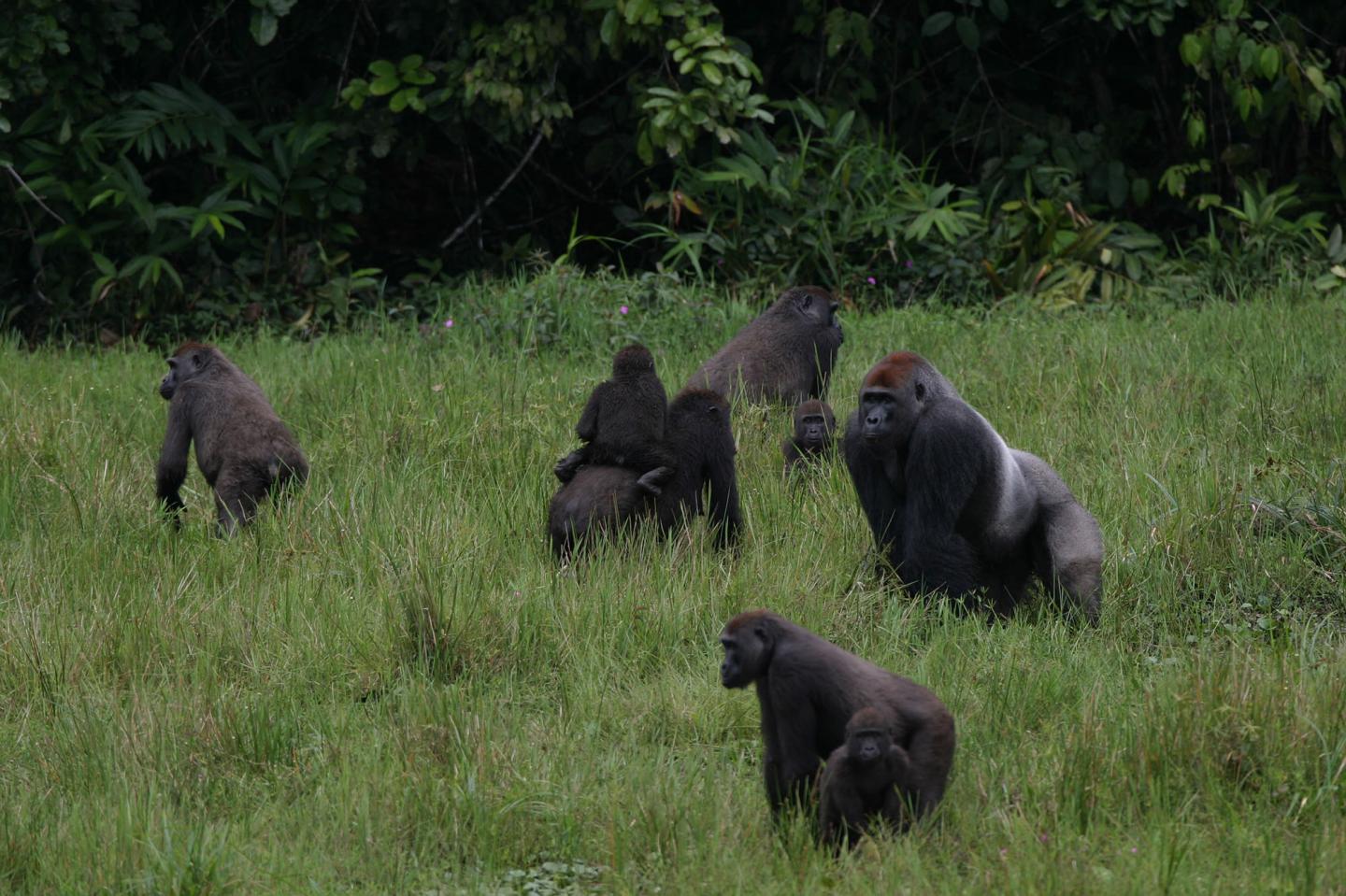
Gorillas in the wild are the world’s largest living primates — ancient, intelligent, and profoundly endangered great apes who inhabit the equatorial rainforests and montane jungles of central and eastern Africa. To encounter one in its natural habitat is to touch something elemental about life on this planet.
There are two recognised species of wild gorilla: the Eastern Gorilla (Gorilla beringei) and the Western Gorilla (Gorilla gorilla), each divided into two subspecies.
Together, they represent the closest living relatives of modern humans — sharing 98.3% of our DNA — yet they remain among the most mysterious and threatened animals on Earth.
The story of gorillas in the wild is one of extraordinary resilience against extraordinary odds. Habitat destruction, poaching, disease, and human conflict have pushed every gorilla subspecies onto the IUCN Red List as either Critically Endangered or Endangered.
The mountain gorilla (Gorilla beringei beringei) — the subspecies that lives highest in altitude and the one travellers encounter on gorilla treks — represents one of conservation’s most celebrated recoveries.
From fewer than 620 individuals in 1989, the mountain gorilla population has climbed to approximately 1,063 today. That recovery is not accidental.
It is the direct result of ranger programmes, veterinary care, community partnerships, and critically, the revenue generated by gorilla trekking tourism.
This guide covers everything: the biology and behaviour of wild gorillas, where they live, what they eat, why they matter to their ecosystems, and how you can stand in their presence on a professionally guided gorilla safari in Africa through GoSilverback Safaris.
Experience these incredible primates up close—Explore All Our Gorilla Trekking Packages to find expertly crafted adventures in Uganda and Rwanda.
Types of Wild Gorillas: Subspecies Explained
Wild gorillas are divided into four recognised subspecies, each occupying a distinct geographic range and facing its own particular set of survival pressures.
Understanding the differences between them is essential context for any serious gorilla conservation discussion — and for deciding where to plan your gorilla safari.
1. Mountain Gorilla — Gorilla beringei beringei
The mountain gorilla is the most famous and the most studied. Found exclusively in two isolated populations — the Virunga Massif (shared by Uganda, Rwanda, and the DRC) and Bwindi Impenetrable National Park in Uganda — approximately 1,063 individuals survive in the wild.
They are the only great ape whose global population is currently increasing, and the only one that cannot survive in captivity. Their thick, dark fur, broader chest, and shorter arms distinguish them physically from their lowland cousins.
This is the subspecies you encounter on a gorilla trekking safari.
2. Eastern Lowland Gorilla (Grauer’s) — Gorilla beringei graueri
The largest gorilla subspecies, Grauer’s gorilla inhabits the tropical forests of eastern DRC. Once numbering over 17,000, the population has collapsed to an estimated 3,800 individuals due to civil conflict, artisanal mining, and poaching.
Listed as Critically Endangered by the IUCN, Grauer’s gorilla is in urgent need of expanded protection across its range.
3. Western Lowland Gorilla — Gorilla gorilla gorilla
The most numerous subspecies, the western lowland gorilla ranges across six central African countries.
With an estimated 100,000+ individuals, the population appears large but is classified as Critically Endangered due to ongoing habitat loss, bushmeat hunting, and Ebola outbreaks.
These are the gorillas most commonly seen in zoos worldwide, though their wild populations face severe pressure.
4. Cross River Gorilla — Gorilla gorilla diehli
The rarest of all four subspecies, the Cross River gorilla clings to survival in the highland forests along the Nigeria–Cameroon border. Fewer than 250 individuals remain — scattered across 11 isolated community forest areas — making this the most critically endangered great ape population on Earth.
| Subspecies | Est. Population | IUCN Status | Range | Trek Access |
|---|---|---|---|---|
| Mountain gorilla | ~1,063 | Endangered | Virunga, Bwindi | ✓ Yes |
| Eastern Lowland (Grauer’s) | ~3,800 | Critically Endangered | Eastern DRC | Limited |
| Western Lowland | 100,000+ | Critically Endangered | 6 central African countries | No |
| Cross River | <250 | Critically Endangered | Nigeria / Cameroon | No |
Where Do Gorillas Live in the Wild?
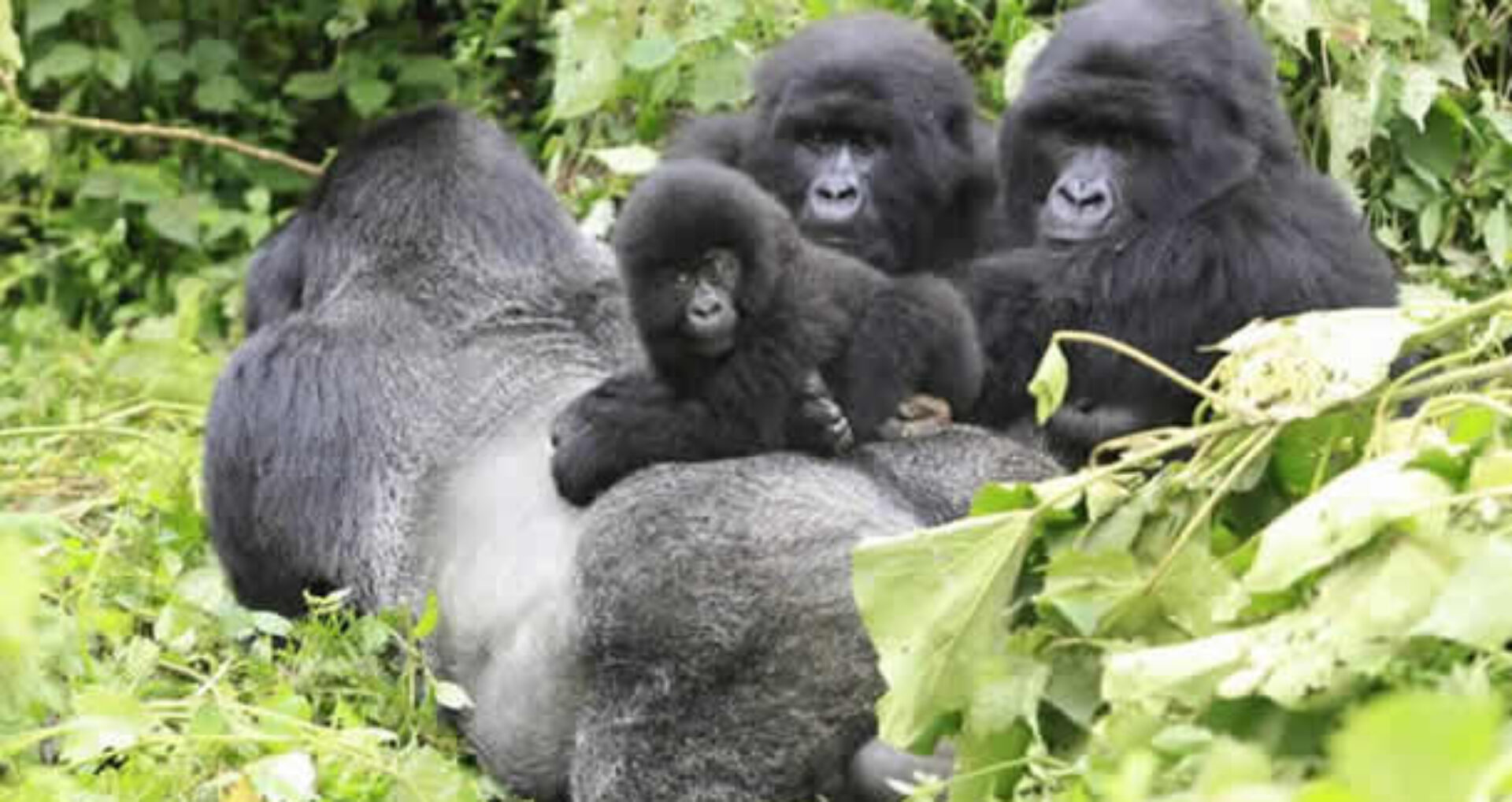
The gorilla’s natural habitat is one of the most biodiverse and biologically ancient environments on Earth.
Bwindi Impenetrable National Park alone is estimated to be over 350 million years old — a UNESCO World Heritage Site that survived the last Ice Age as a refugium for equatorial life, and now harbours over 120 mammal species, 350 bird species, and more than half the world’s remaining mountain gorilla population.
Its name is literal: the forest floor is a dense weave of roots, vines, nettles, and bamboo that makes unaided navigation genuinely impossible.
The Virunga Massif spans approximately 450 square kilometres across three national parks: Mgahinga Gorilla National Park (Uganda), Volcanoes National Park (Rwanda), and Virunga National Park (DRC).
The Virungas are volcanic mountains, and gorillas here navigate a dramatic altitudinal range — from dense tropical forest at lower elevations through bamboo zones, hagenia woodlands, and open moorland near the volcanic summits.
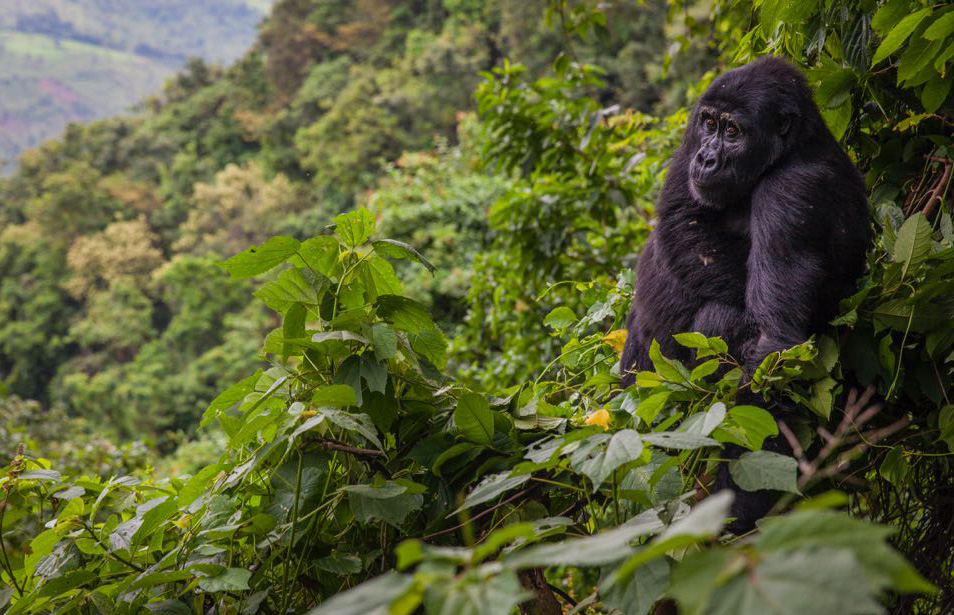
Mountain gorillas are uniquely adapted to these cold, high-altitude conditions — their thick, long fur is one of the adaptations that distinguishes them from their lowland relatives.
Western lowland gorillas occupy a fundamentally different habitat: the lowland tropical and subtropical forests of central and west Africa, across Cameroon, the Central African Republic, the Republic of Congo, Equatorial Guinea, Gabon, and Angola.
Their range is vastly larger but increasingly fragmented by deforestation and agricultural expansion. Cross River gorillas occupy a tiny, critical niche of highland forest across the Nigeria–Cameroon border — a landscape under severe pressure from one of Africa’s fastest-growing human populations.
Understanding where gorillas live is also understanding the conservation challenge: their habitats are not just geographically remote — they are politically complex, economically pressured, and climatically vulnerable to the ongoing effects of global warming on equatorial Africa’s rainfall patterns.
Experience these incredible primates up close—Explore All Our Gorilla Trekking Packages to find expertly crafted adventures in Uganda and Rwanda.
Gorilla Behaviour in the Wild: Family, Social Structure & Communication
Of all the things that make gorillas in the wild so compelling to observe, it is their behaviour that stays with trekkers longest. Watch a gorilla family for an hour and you will see something unmistakable: the textures of their social lives — the hierarchies, the affections, the playfulness — map almost perfectly onto our own.
1. The Silverback: Family Patriarch
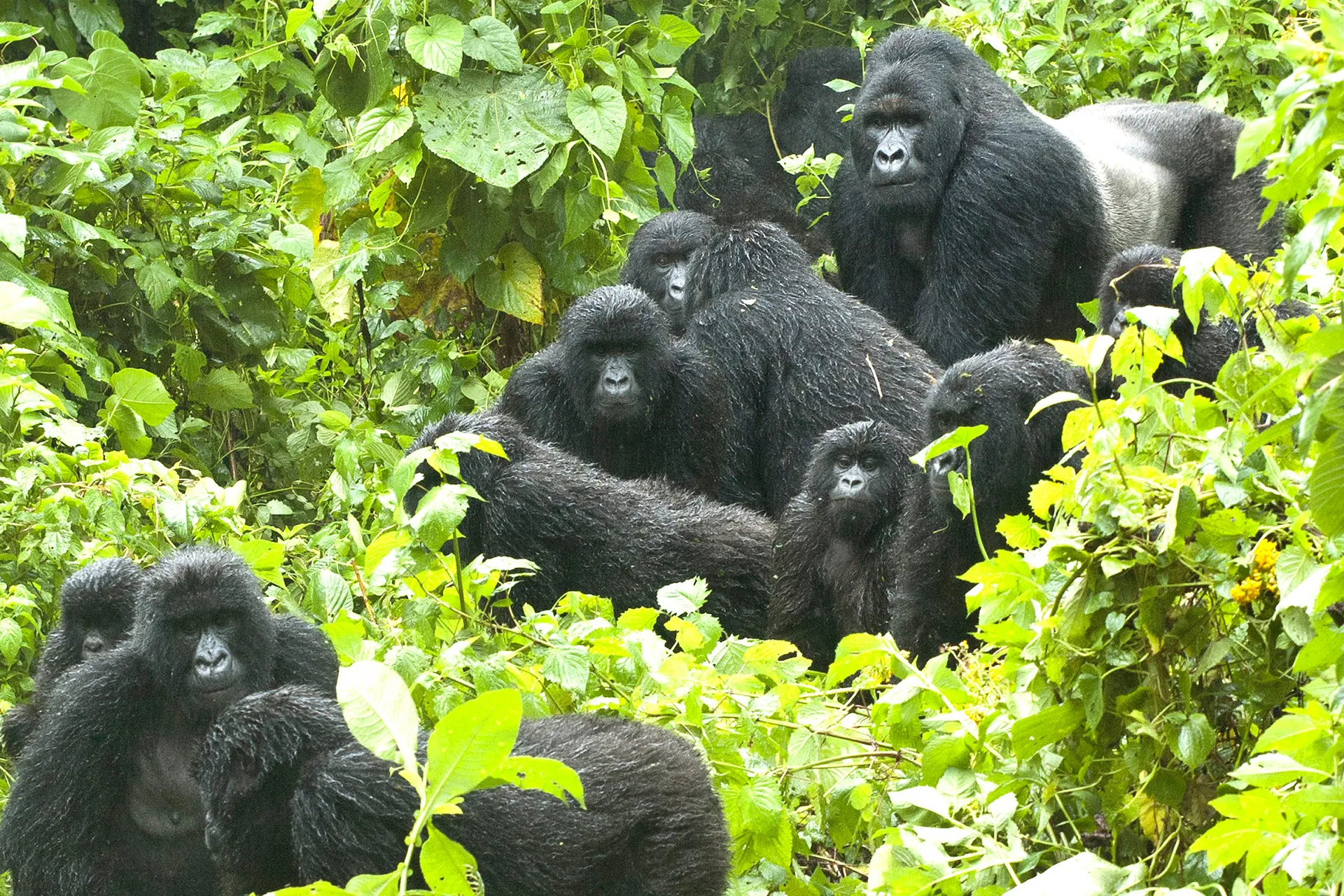
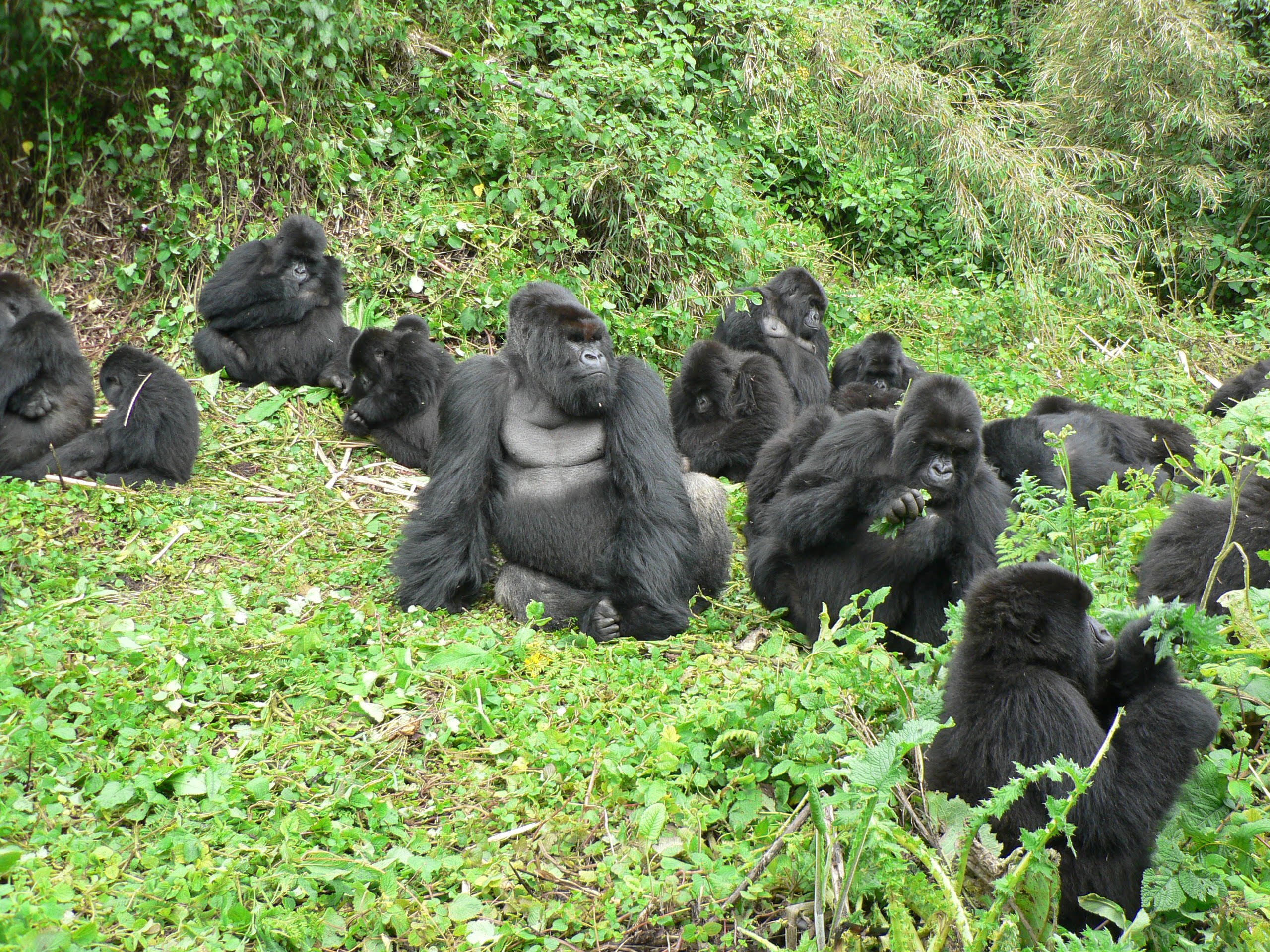
Every wild gorilla family is led by a silverback — a mature male whose back saddle has turned silver-grey, typically from around twelve years of age.
The silverback is not merely a figurehead; he is the decision-maker, protector, conflict resolver, and navigational leader for his entire family group.
His authority is largely respected without contest within stable groups. When he moves, the family moves. When he feeds, the family feeds. When he charges — displaying the famous chest-beating display — the family retreats and observes.
A silverback’s chest-beat is not aggression; it is a precisely calibrated communication tool, asserting dominance to rival males or expressing excitement, and can be heard over a kilometre away.
2. Gorilla Family Structure
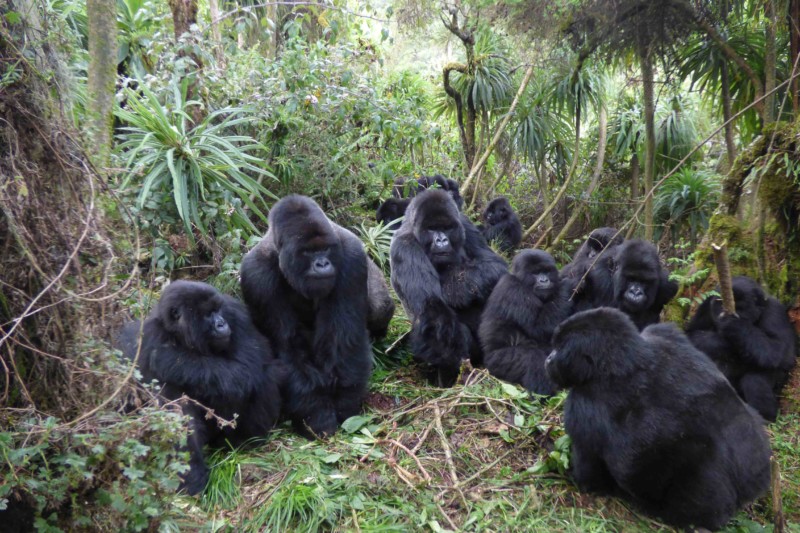
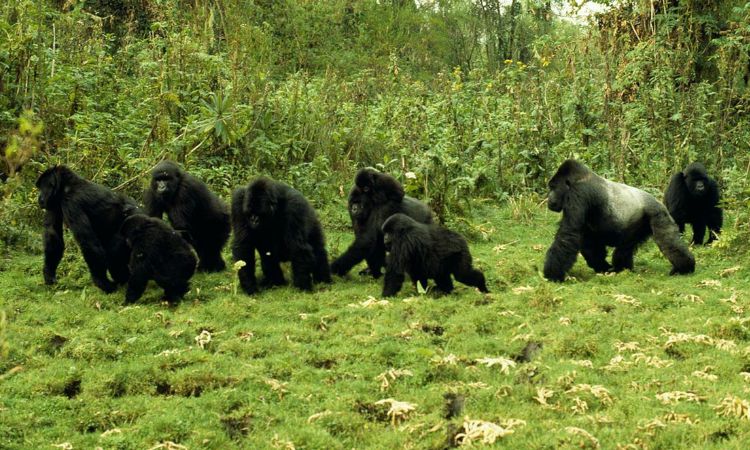
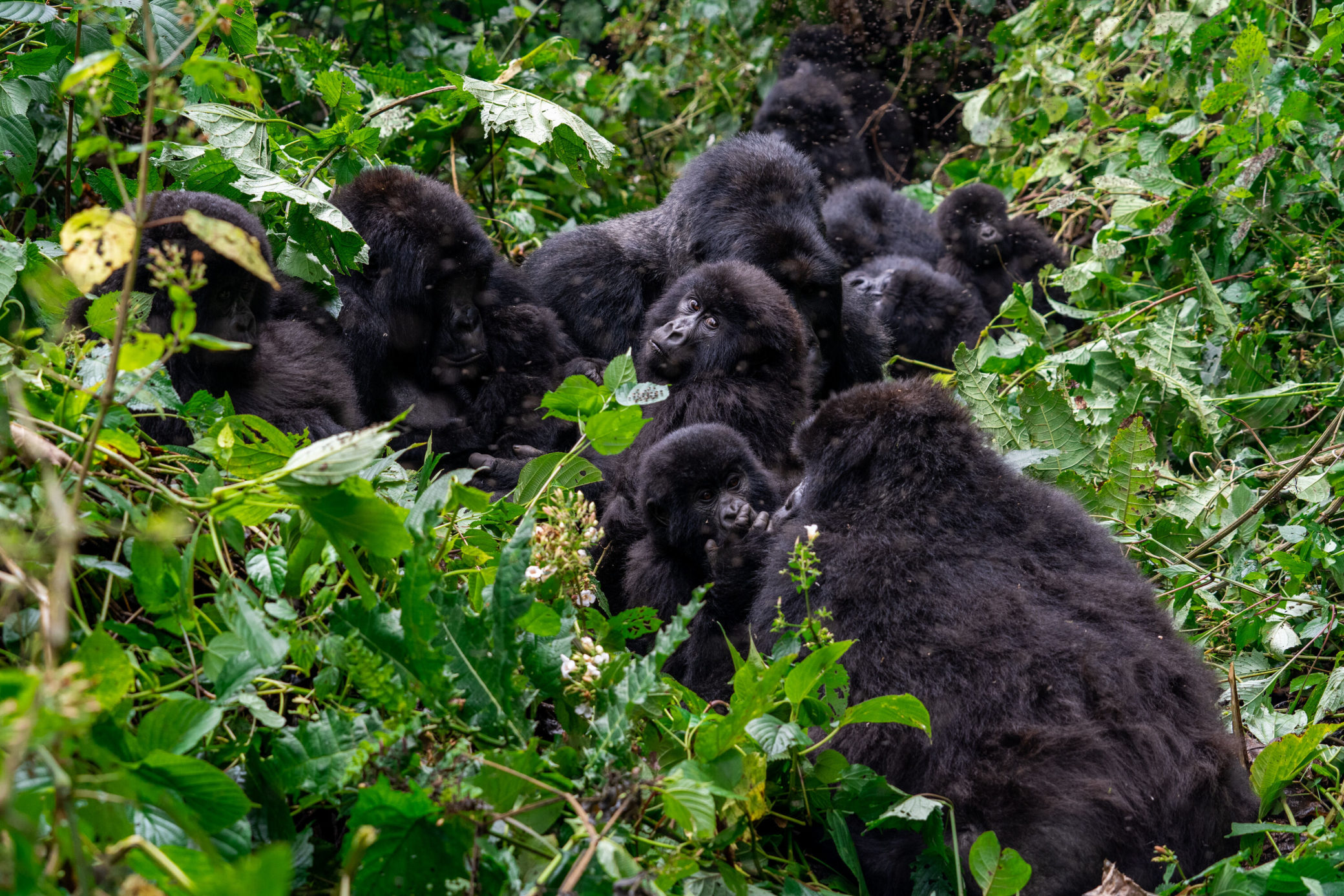
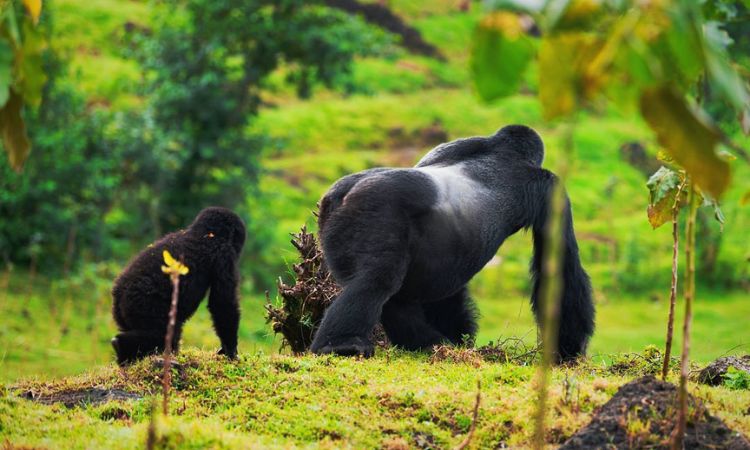
A typical wild gorilla family group numbers between 5 and 30 individuals, comprising the silverback, often one or more subordinate adult males (called blackbacks), multiple adult females, juveniles, and infants.
Females form the reproductive core of the group and typically transfer to new groups when they reach sexual maturity. Juveniles — between three and six years — are the most energetic members of any family, spending enormous portions of each day in vigorous play that serves as essential physical and social development.
3. How Gorillas Communicate
Researchers have catalogued at least 25 distinct vocalisations in mountain gorillas, ranging from deep rumbling belches (contentment), screams and roars (alarm), and the iconic chest-beat (dominance display), to soft hums observed during group feeding.
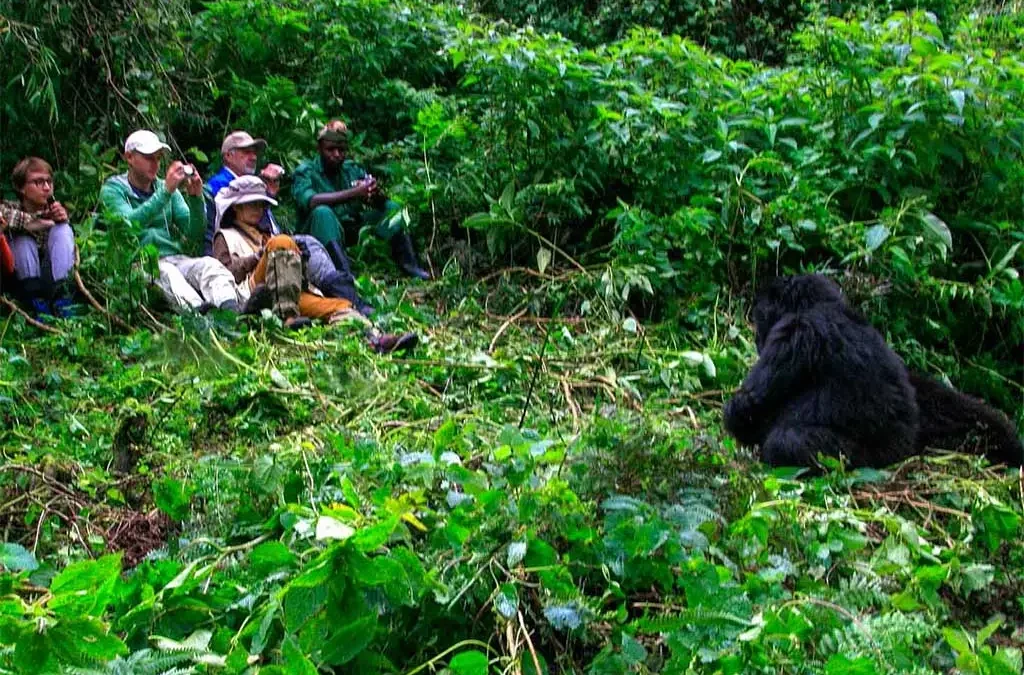
Beyond vocalisations, wild gorillas communicate extensively through body posture, facial expression, and direct gaze. Direct eye contact from a silverback is a dominance signal — trekkers are specifically instructed to avert their gaze when a silverback looks directly at them, not out of danger, but out of respect for their social protocol.
4. Daily Routine in the Wild
A mountain gorilla’s day follows a rhythm shaped by energy needs and thermoregulation. Mornings are spent in intensive foraging.
Mid-morning to early afternoon — typically the warmest part of the day — involves extended rest periods, during which adults groom each other and infants play close to their mothers.
Late afternoon brings another foraging period before the family settles to build sleeping nests — freshly constructed each evening from bent branches and leaves — either on the ground or in low trees. Gorillas are entirely terrestrial by day and almost entirely ground-nesting by night.
What Do Gorillas Eat? Diet and Foraging in the Wild
The gorilla diet is shaped almost entirely by what is available at altitude, and it changes with the seasons.
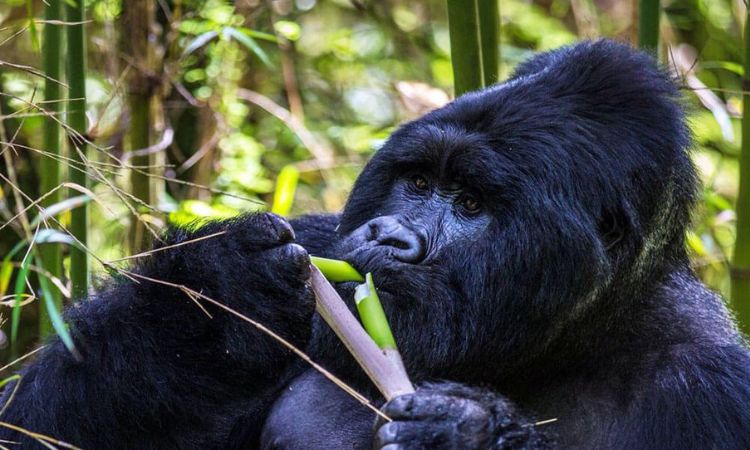
In Bwindi and the Virungas, the primary food sources include wild celery (Peucedanum linderi), giant nettles (Laportea alatipes), bamboo shoots (highly prized and consumed in large quantities during the brief bamboo-shoot season), thistles, blackberries, and the leaves, stems, and bark of dozens of tree species.
Mountain gorillas consume far less fruit than their lowland relatives, owing to the comparative scarcity of fruiting trees at high altitude — a key dietary difference that reflects their ecological adaptation.
Despite the apparent roughness of their diet, wild gorillas are extraordinarily efficient foragers.
A family group ranges over a home range of 3–15 square kilometres, rarely revisiting the same feeding patch within a short period — a natural form of rotational grazing that protects their food sources and facilitates forest regeneration.
Gorillas are not wasteful eaters; they are selective, extracting specific parts of plants — the inner pith of stalks, the youngest leaves at branch tips — and leaving the structural parts intact, which aids plant recovery.
It is worth noting that western lowland gorillas have a markedly more fruit-heavy diet — sometimes up to 25% of daily intake — and have been documented consuming aquatic vegetation in forest clearings called bais, where they wade into shallow swamps to access mineral-rich sedge grasses.
This dietary flexibility reflects the ecological diversity of their lowland forest range and is one of the features that makes gorilla biology so endlessly fascinating to researchers.
1. Primary Foods
Wild celery, bamboo shoots, nettles, thistles, bark, roots, fruit (seasonal), ferns, and leaves of 100+ plant species.
2. Daily Intake
18–40 lbs of vegetation per day. Males consume significantly more than females due to greater body mass.
3. Foraging Range
3–15 sq km home range. Groups rarely revisit the same patch within 2 weeks — a natural rotational grazing pattern.
How Many Gorillas Are Left in the Wild?
The mountain gorilla population is the conservation world’s most-watched number. In 1981, when Dian Fossey published the results of her census work in the Virungas, the count stood at approximately 240 individuals — a figure so low it prompted some researchers to describe extinction within decades as inevitable.
By 1989, improved survey methodology raised that estimate to around 620. Today, following three decades of intensive conservation effort, the count stands at 1,063, spread across the Virunga Massif and Bwindi Impenetrable Forest. The mountain gorilla is the only great ape whose population is currently trending upward.
The primary threats to wild gorilla populations across all subspecies are well-documented and deeply interconnected.
- Habitat destruction — driven by agricultural expansion, charcoal production, illegal logging, and infrastructure development — is the single largest long-term threat, progressively fragmenting the forest corridors that gorilla families depend on for genetic exchange and food security.
- Poaching, primarily for the bushmeat trade and the illegal pet trade (infant gorillas are sometimes captured by killing the silverback and adult females), remains a persistent threat despite anti-poaching efforts.
- Disease poses an existential risk given gorillas’ susceptibility to human respiratory illnesses — a single outbreak of COVID-19, Ebola, or respiratory syncytial virus in a small isolated population could be catastrophic.
- Civil conflict in the DRC has repeatedly disrupted ranger operations and conservation infrastructure in Virunga National Park.
The good news — and it is genuine, hard-won, evidence-based good news — is that the mountain gorilla’s recovery demonstrates that gorilla conservation works when properly funded.
Gorilla trekking tourism has been the financial engine of that success. In Uganda, 20% of gorilla permit revenue is redistributed directly to communities adjacent to Bwindi and Mgahinga.
In Rwanda, 10% of Volcanoes National Park revenue funds community development programmes. This model transforms local communities from potential adversaries of conservation into its most committed advocates.
Are Gorillas Dangerous? Understanding Wild Gorilla Behaviour
Direct answer: Gorillas are not naturally aggressive toward humans and gorilla attacks are extremely rare when trekking guidelines are followed.
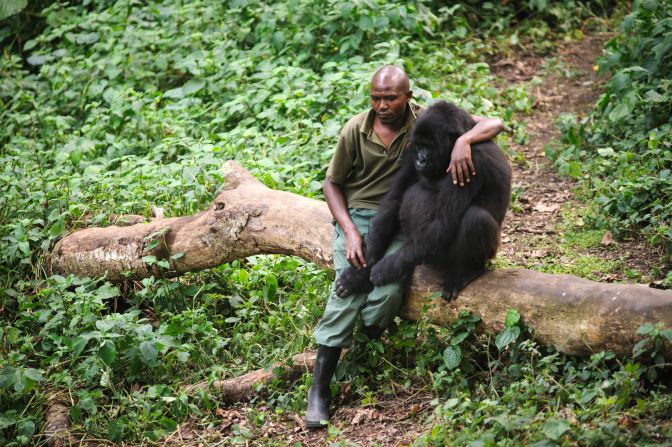
The gorilla’s fearsome reputation is largely a product of myth and misrepresentation. In reality, habituated wild gorillas are calm, curious, and remarkably tolerant of human presence when visitors behave correctly.
The gorilla charge — the fearsome display in which a silverback rises bipedally, beats his chest, screams, and rushes toward an intruder — is in the overwhelming majority of cases a bluff display.
It is a precisely calibrated threat assessment, not a prelude to genuine attack. A charging silverback who is bluffing will typically stop short, hold his ground, or deflect sideways at the last moment.
The correct human response — crouching, averting your gaze, remaining still, and making gentle submission sounds as directed by your guide — almost invariably diffuses the situation entirely.
This is not a technique you need to memorise anxiously; your GoSilverback guide will brief you thoroughly and will manage the situation if it arises.
The 7-metre minimum distance rule during gorilla treks exists not primarily because of danger to humans, but because of the danger of disease transmission to gorillas.
Mountain gorillas share 98.3% of our DNA and are as susceptible to human respiratory diseases as we are — potentially more so, because they have no acquired immunity to human pathogens.
A common cold in a trekker can become a life-threatening respiratory infection in a gorilla family. This is why trekkers with colds, flu, or any signs of illness are required to stay behind, and why the 7-metre rule is enforced even for habituated families who may come significantly closer of their own accord.
In over a decade of operation and thousands of guided gorilla treks, GoSilverback Safaris has never had a serious gorilla-related incident. The guidelines exist.
They work. Follow them, trust your guide, and the experience will be one of the most profound of your life — not one of the most frightening.
Gorilla Intelligence and Cognitive Abilities
Direct answer: Gorillas are among the most cognitively advanced animals on Earth — demonstrating tool use, self-recognition, emotional complexity, memory, sign language acquisition, and theory of mind in documented research.
Their intelligence is not analogous to human intelligence; it is a distinct form of primate cognition shaped by millions of years of forest life.
The intellectual lives of wild gorillas were dramatically underestimated for most of the twentieth century. Early naturalists, encountering silverback chest-beats and displays, categorised gorillas as belligerent and simple.
Decades of field research — most notably by Dian Fossey in the Virungas and subsequent researchers at Bwindi — have completely overturned that characterisation.
What researchers documented instead was a species of considerable emotional complexity, sophisticated social intelligence, and remarkable problem-solving capacity.
Tool use has been documented in western lowland gorillas in the wild: individuals have been observed using sticks to gauge water depth before wading into swamps, and using detached branches as bridges across muddy terrain.
Self-recognition in mirrors — a classic measure of self-awareness — has been confirmed in captive gorilla studies, placing them in the small group of animals (alongside chimpanzees, orangutans, elephants, dolphins, and some corvids) that pass this test.
Koko, a western lowland gorilla who learned over 1,000 signs of modified American Sign Language in a decades-long research programme, demonstrated not just vocabulary acquisition but the ability to combine signs in novel ways, express emotional states, and engage in conversational exchanges — a degree of symbolic communication that continues to generate scientific debate about the nature of language itself.
In the wild, gorilla intelligence manifests most powerfully in the social domain. Silverbacks navigate complex multi-year relationships, mediate conflicts, remember individual histories, and make strategic decisions about group movement and food access.
Gorilla grief behaviour — groups remaining with deceased members, particularly infants, for extended periods — has been documented in both mountain and western lowland gorillas, and is interpreted as evidence of emotional awareness and social bonding that extends beyond immediate utility.
Gorilla Conservation Efforts: How Wild Gorillas Are Being Protected
The recovery of the mountain gorilla from the brink of extinction represents one of conservation biology’s most instructive case studies — a demonstration that targeted, well-funded, community-integrated conservation programmes can reverse the trajectory of a critically endangered species even in politically unstable and economically pressured environments.
The primary coordinating body is the International Gorilla Conservation Programme (IGCP), a coalition of WWF, Fauna & Flora International, and African Wildlife Foundation, which coordinates anti-poaching operations, trans-boundary collaboration, and conservation policy across Uganda, Rwanda, and the DRC.
The Dian Fossey Gorilla Fund, established in honour of the primatologist murdered in 1985, operates the Karisoke Research Center in Rwanda and conducts daily monitoring of Virunga gorilla families.
The Mountain Gorilla Veterinary Project (MGVP), now operating as Gorilla Doctors, provides veterinary care to wild mountain gorillas — treating snare injuries, respiratory infections, and wounds that would otherwise prove fatal in a small isolated population where every individual matters to the species’ survival.
The gorilla habituation process — the 2–3 year programme through which ranger teams spend daily time with a new gorilla family until the animals accept human proximity without stress — is the foundation of the trekking tourism model.
Only fully habituated families are opened to tourism, and even then, strict protocols (the 1-hour limit, 7-metre distance, maximum 8 trekkers per group per day) protect their behavioural integrity and health.
In Uganda, where GoSilverback Safaris operates most extensively, the Uganda Wildlife Authority currently manages over 22 habituated gorilla families in Bwindi — the largest concentration of accessible wild gorilla families anywhere on Earth.
Community-based conservation has been arguably the most transformative element of the mountain gorilla recovery. Former poachers, retrained as rangers and community guides, are now among the most effective and committed defenders of gorilla habitat.
GoSilverback Safaris directly supports ranger salary programmes and partners with community conservancies adjacent to Bwindi, ensuring that the economic value of living gorillas reaches the people whose daily choices most directly determine their survival.
IGCP Coordination
Tri-national anti-poaching, trans-boundary patrols, and conservation policy across Uganda, Rwanda, and DRC.
Gorilla Doctors
Veterinary intervention for snare injuries, respiratory disease, and health monitoring of all habituated families.
Community Revenue-Sharing
20% of Uganda permit revenue goes directly to communities. Economic stake transforms local attitudes to conservation.
Where to See Gorillas in the Wild: Best Destinations
Gorilla trekking is only possible in three countries: Uganda, Rwanda, and the Democratic Republic of Congo. Each destination offers a distinctly different experience in terms of cost, accessibility, landscape intensity, and atmosphere.
Choosing between them depends on your budget, your time, your adventure threshold, and what you want your gorilla encounter to be surrounded by.
1. Uganda — Bwindi Impenetrable National Park
Bwindi Impenetrable National Park is the world’s premier gorilla trekking destination, protecting over half of all remaining mountain gorillas across four sectors: Buhoma, Ruhija, Rushaga, and Nkuringo.
With over 22 habituated gorilla families, Uganda offers more gorilla encounters than any other country and at $800 per permit, the most affordable access to this experience on Earth.
Bwindi is also a biodiversity hotspot of extraordinary richness — a UNESCO World Heritage Site that rewards nature lovers with exceptional birdwatching, primate diversity (chimpanzees, colobus monkeys, L’Hoest’s monkeys), and one of Africa’s most atmospheric forest environments.
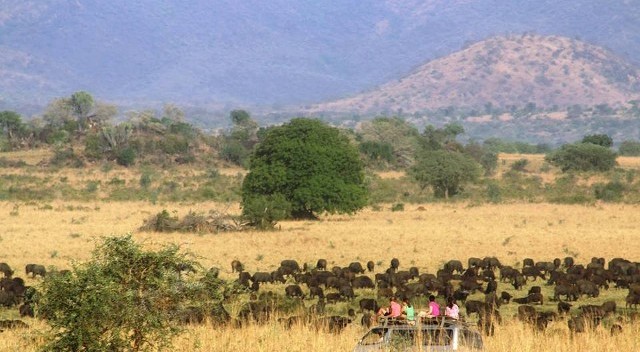
For travellers combining a gorilla safari with wildlife drives in Queen Elizabeth National Park or chimpanzee tracking in Kibale, Uganda is unambiguously the best-value destination in East Africa.
2. Rwanda — Volcanoes National Park
Volcanoes National Park in northwestern Rwanda is the most prestigious gorilla trekking destination and the most polished.
Made globally famous by Dian Fossey and the 1988 film Gorillas in the Mist, the park sits among the dramatic Virunga volcanoes and hosts 12 habituated gorilla families.
Rwanda positions itself as a luxury gorilla safari destination — permits cost $1,500 per person — but the short transfer from Kigali International Airport (approximately 2.5 hours), world-class lodge infrastructure, and consistently high-quality trek logistics make it extremely popular with time-limited travellers from the USA, UK, Europe, and the Middle East.
A Rwanda gorilla safari pairs naturally with a golden monkey trek or a visit to the Dian Fossey Tomb at Karisoke.
3. DR Congo — Virunga National Park
Africa’s oldest national park and a UNESCO World Heritage Site, Virunga National Park offers the most affordable and most adventurous gorilla trekking option at approximately $400 per permit.
Trekking here — primarily from the Bukima ranger post — is an experience of frontier-Africa intensity that Uganda and Rwanda cannot replicate.
GoSilverback Safaris monitors the security situation continuously and provides clients with current, transparent assessments before recommending DRC as a destination.
| Country | Park | Permit Cost | Families | Best For |
|---|---|---|---|---|
| Uganda | Bwindi / Mgahinga | $800 | 22+ | Value, extended safaris, all budgets |
| Rwanda | Volcanoes NP | $1,500 | 12 | Luxury travel, short itineraries, US/EU/ME |
| DR Congo | Virunga NP | ~$400 | 8+ | Adventure travellers, budget-conscious |
Experience these incredible primates up close—Explore All Our Gorilla Trekking Packages to find expertly crafted adventures in Uganda and Rwanda.
How to Plan Your Wild Gorilla Encounter: Trekking Tips
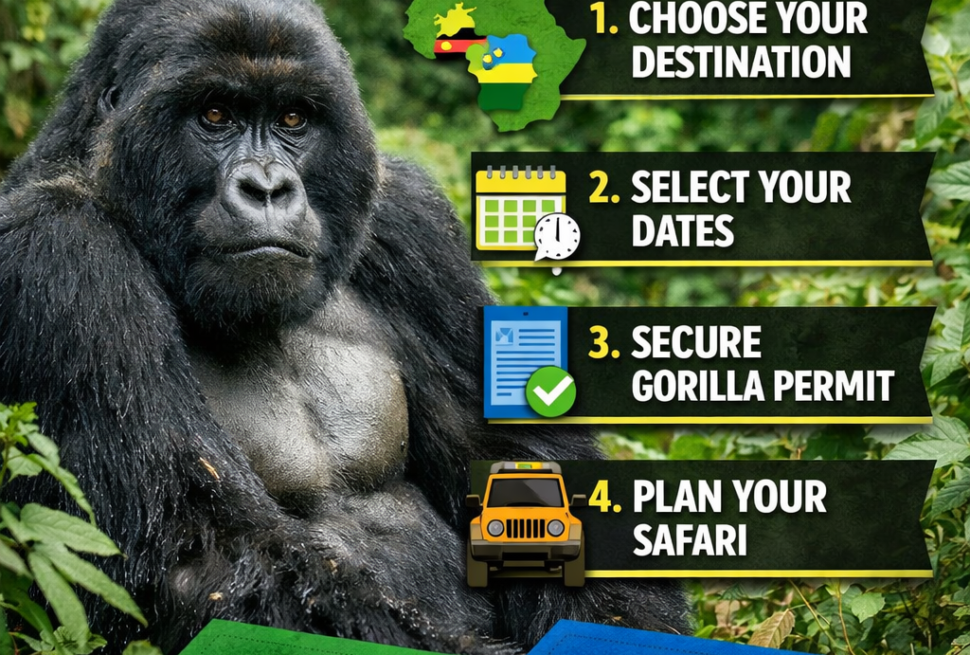
Planning a successful gorilla trekking experience requires attention to four essentials: your permit, your timing, your fitness preparation, and your gear.
Get these right and the encounter itself — the part that cannot be planned — will take care of everything else.
1. Booking Your Gorilla Permit
Gorilla trekking permits are the single most critical logistical element of your safari. They are issued in strictly limited numbers — only 8 trekkers per gorilla family group per day — and for peak-season dates (June–September and December–February), sell out up to 12 months in advance.
Uganda permits cost $800, Rwanda $1,500. While permits can technically be purchased directly from the Uganda Wildlife Authority (UWA) or Rwanda Development Board (RDB), booking through GoSilverback Safaris gives you access to pre-allocated quota permits, expert date and sector advice, and seamless full-trip logistics.
2. Best Time to See Gorillas in the Wild
The best time for gorilla trekking is during the two dry seasons: June to September (long dry season) and December to February (short dry season).
Trails are firmer, skies clearer, and photography conditions superior during these periods. The rainy seasons (March–May and October–November) offer lush, atmospheric forest and fewer crowds, with easier permit availability and occasional lodge discounts — though muddy terrain and persistent rain require robust waterproof gear.
Best Season
A. June – September
Long dry season. Firm trails, clear skies, peak photography. Book permits 6–12 months ahead.
Best Season
B. December – February
Short dry season. Excellent conditions, less competition for permits. Ideal for festive-season travellers.
Good Season
C. March – May
Long rains. Lush forest, lower prices, fewer tourists. Waterproof gear essential throughout.
Good Season
D. October – November
Short rains. Quieter, affordable, and still very hikeable with proper preparation.
3. Fitness & What to Pack
Most reasonably healthy adults can complete a gorilla trek. Trek duration ranges from 1 to 8 hours round-trip depending on the gorilla family’s location on the day.
Essential gear includes sturdy waterproof hiking boots with ankle support, long-sleeved shirts and trousers (nettles are a genuine Bwindi hazard), a lightweight rain jacket, trekking poles, insect repellent, and a 20–30 litre daypack.
Hiring a local community porter ($15–20) at the briefing point is warmly recommended — they carry your bag, assist on difficult terrain, and the fee goes directly to a community member adjacent to the park.
The Role of Wild Gorillas in Their Ecosystem
Wild gorillas are not merely passengers in their forest ecosystems — they are active architects of them. Understanding the ecological role of gorillas in the wild reveals why their conservation is not just about saving a charismatic species, but about maintaining the integrity of one of Earth’s most important biomes.
The most critical ecological service that gorillas provide is seed dispersal. Western lowland gorillas, who consume significant quantities of fruit, deposit seeds throughout their range in nutrient-rich dung — often far from the parent tree and in forest gaps where germination conditions are optimal.
Studies in central African forests have demonstrated that gorillas disperse seeds for dozens of tree species, including many large-canopy trees that are keystone species for carbon storage and forest structure. A decline in gorilla populations translates directly into a decline in forest regeneration capacity.
Beyond seed dispersal, gorilla ranging and foraging activity creates and maintains forest clearings and disturbance patches that benefit dozens of other species — from smaller primates and forest duikers that feed on the fresh growth exposed by gorilla feeding, to specialist birds that forage in gorilla dung for insects.
The trails that gorilla families create through dense forest vegetation become movement corridors for elephants, buffaloes, and smaller mammals.
Gorillas function as a keystone species in the technical ecological sense: their removal from the ecosystem would trigger cascading losses in biodiversity that extend far beyond the species itself.
This is why the mountain gorilla is described as an umbrella species — protecting gorillas and their habitat means protecting thousands of other species that share that habitat.
This ecological reality adds a dimension of urgency to gorilla conservation that goes beyond sentiment. When you visit a wild gorilla family on a GoSilverback trek, you are participating in the protection of an entire ancient ecosystem — not just a single magnificent animal.
Frequently Asked Questions About Wild Gorillas
What are gorillas in the wild?
Gorillas in the wild are large, endangered primates living in Africa’s tropical forests, especially in Bwindi Impenetrable National Park and Volcanoes National Park. They live in family groups led by a silverback and spend their days feeding, resting, and socializing in dense natural habitats.
Are there any gorillas in the wild?
Yes, gorillas still exist in the wild. There are approximately 1,063 mountain gorillas remaining in the wild, living in Bwindi Impenetrable National Park (Uganda) and the Virunga Volcanoes (Rwanda and DRC). Eastern and western lowland gorillas also live in the forests of Central Africa, though all gorilla subspecies are endangered. (60 words)
Has a wild gorilla ever attacked a human?
Wild gorillas rarely attack humans. There are almost no recorded cases of unprovoked attacks by wild gorillas. Most defensive behaviors are bluff charges or displays meant to intimidate. Serious incidents are extremely rare and usually occur only when gorillas feel threatened or when tourists ignore strict trekking rules and get too close. (60 words)
Is it safe to go see gorillas in Uganda?
Yes, it is very safe to see gorillas in Uganda. Bwindi Impenetrable National Park has an excellent safety record over 30 years of gorilla trekking. Strict rules, experienced rangers, and habituated gorillas make encounters peaceful. Serious incidents are extremely rare when visitors follow guidelines. Uganda is considered one of the safest gorilla destinations in Africa. (60 words)
Which country in Africa has the most gorillas?
Uganda currently has the most gorillas in Africa. Bwindi Impenetrable National Park alone is home to over 400 mountain gorillas — nearly half the world’s total population of 1,063. Rwanda’s Volcanoes National Park has around 350, while the Democratic Republic of Congo also hosts significant numbers in Virunga National Park. (60 words)
How many gorillas are left in the wild?
There are just over 1,000 Mountain Gorilla remaining in the wild. Conservation efforts in Uganda and Rwanda have helped increase their population, but they remain endangered due to habitat loss, disease, and human-related threats.
Where can you see gorillas in the wild?
You can see gorillas in protected parks like Bwindi Impenetrable National Park, Mgahinga Gorilla National Park, and Volcanoes National Park. These destinations offer guided gorilla trekking experiences led by trained rangers for safe and responsible wildlife encounters.
What do gorillas eat in the wild?
Gorillas are primarily herbivores, feeding on leaves, stems, fruits, and bamboo. Wild gorillas spend most of their day foraging in forests, consuming large quantities of vegetation to maintain their size and energy levels in their natural environment.
Are gorillas dangerous in the wild?
Gorillas are generally gentle and non-aggressive when left undisturbed. They may display defensive behavior if threatened, especially silverbacks protecting their group. Following trekking guidelines and keeping a safe distance ensures a peaceful and safe gorilla encounter.
How do gorillas live in the wild?
Gorillas live in structured family groups led by a dominant silverback. These groups include females and young offspring. They communicate through sounds, gestures, and body language, forming strong social bonds essential for survival in the wild.
What threats do gorillas face in the wild?
Gorillas face threats such as habitat destruction, poaching, diseases, and human-wildlife conflict. These challenges continue to impact their population, making conservation efforts and responsible tourism essential for their survival in protected areas.
What is gorilla trekking in the wild?
Gorilla trekking is a guided experience where visitors hike through forests to observe gorillas in their natural habitat. It is conducted in small groups with strict rules to protect gorillas while offering a unique wildlife encounter.
When is the best time to see gorillas in the wild?
The best time to see gorillas is during the dry seasons, from June to September and December to February. During these months, forest trails are easier to navigate, making trekking more comfortable and increasing chances of clear wildlife viewing.
Why is gorilla conservation important?
Gorilla conservation is vital to protect endangered populations and maintain forest ecosystems. Gorillas play a key role in seed dispersal and biodiversity. Supporting conservation through responsible tourism helps ensure their survival for future generations.
Why Seeing Gorillas in the Wild Matters — and How to Do It
There is a moment, somewhere in the undergrowth of Bwindi or the volcanic forests of Volcanoes National Park, when the vegetation parts and a mountain gorilla family comes into view — unhurried, unafraid, utterly themselves.
A silverback meets your gaze for a fraction of a second. An infant peeks from behind its mother. The world outside the forest ceases to matter entirely.
That moment is rare, and it is under threat. With fewer than 1,063 mountain gorillas remaining in the wild, every responsible, well-guided encounter with a habituated gorilla family is simultaneously a privilege and a contribution — your permit fee funding the rangers, the vets, and the community programmes that keep these animals alive.
At GoSilverback Safaris, we have been placing travellers in the presence of wild gorillas for over a decade. We know which families offer the most consistent encounters.
We know which sectors of Bwindi are best in which season. And we handle every permit, every transfer, and every logistical detail so that your only responsibility is to show up, breathe, and remember. Gorilla permits are finite, and peak-season dates fill months in advance. The right time to book is now.