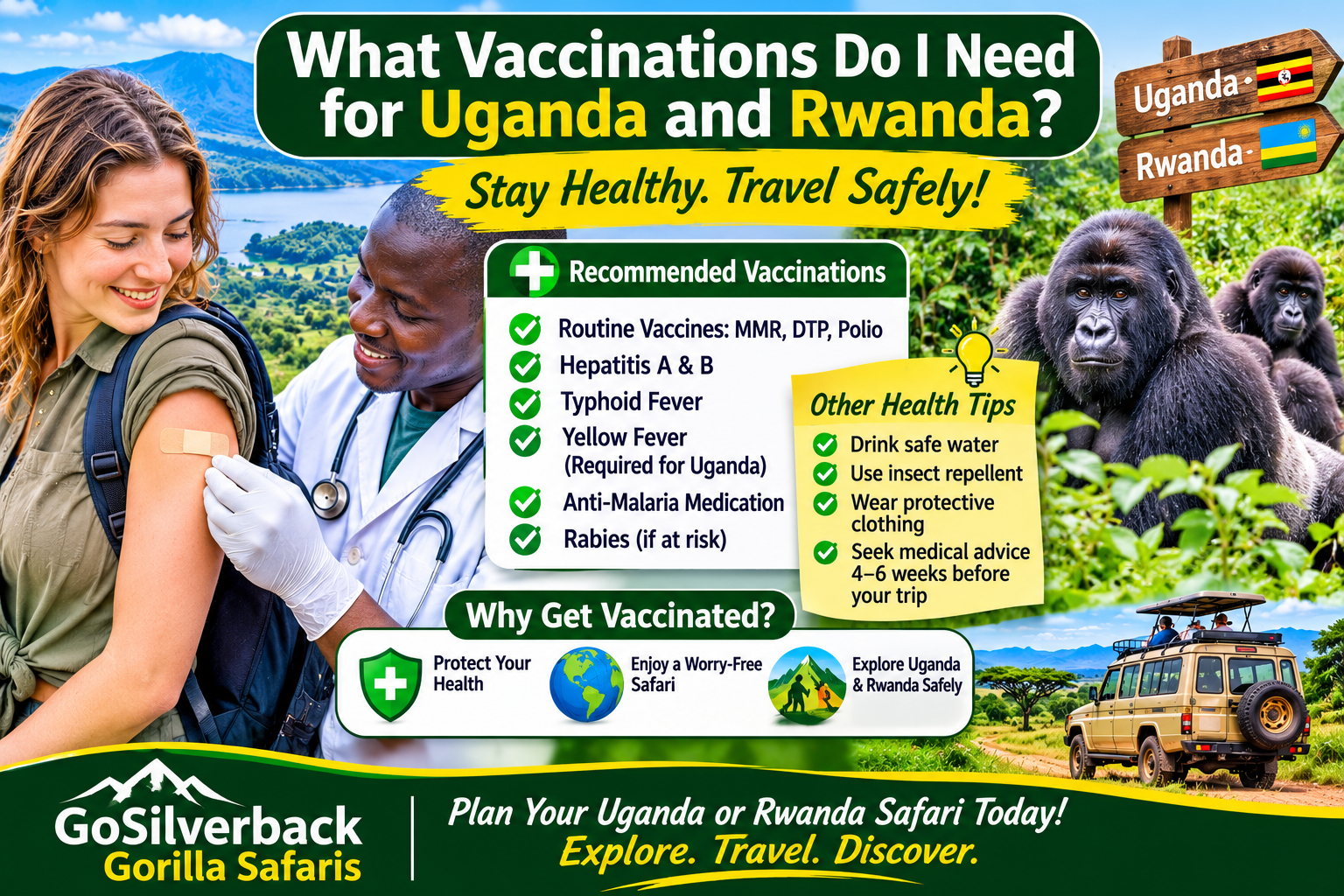
What Vaccinations Do I Need for Uganda and Rwanda? Complete Guide
What Vaccinations Do I Need for Uganda and Rwanda? Travelers visiting Uganda and Rwanda should consider vaccinations against yellow fever, hepatitis A, hepatitis B, typhoid, tetanus, diphtheria and polio, depending on their medical history and travel plans.
The yellow fever vaccine is particularly important because Uganda and Rwanda may require an International Certificate of Vaccination from travelers arriving from yellow fever-risk countries.
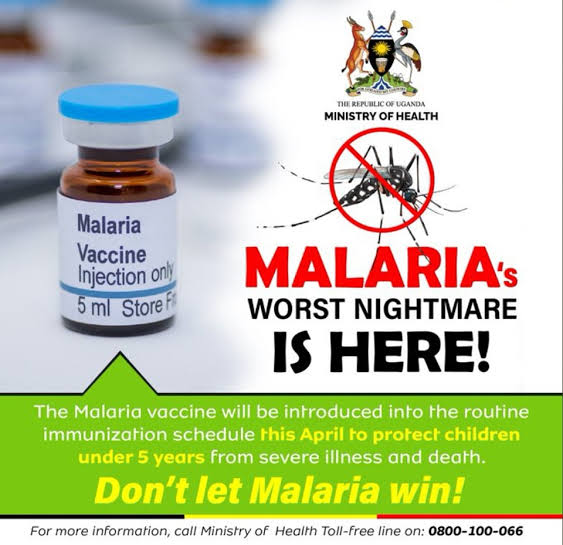
Malaria prevention is also recommended, although there is no routine malaria vaccine for adult travelers. Consult a travel health clinic at least 4–6 weeks before departure for personalized vaccination advice, entry requirements and recommended precautions.
Caution: Yellow fever entry rules can change. Uganda announced a change to its certificate requirement in October 2026, while Rwanda requires certificates from certain yellow-fever-risk countries. Check official requirements before departure
Planning a Uganda and Rwanda safari, gorilla trek, or multi-country East Africa itinerary? The short answer is: you should be up to date on routine vaccines, consider hepatitis A, hepatitis B, typhoid, and rabies, use prescription malaria prevention, and check yellow-fever rules carefully—especially if you are travelling from Uganda into Rwanda.
Vaccination requirements and health advice can change. This guide explains what is required, what is recommended, and what to arrange before departure, so you can travel confidently from Entebbe to Bwindi, Kigali to Volcanoes National Park, and beyond.
Important: This article is general travel-health information, not personal medical advice. Book a travel-health clinician or travel clinic at least 4–6 weeks before departure—earlier if you are pregnant, immunocompromised, travelling with children, or planning a long safari.
Uganda and Rwanda vaccinations
For most international travellers, the essential preparation for Uganda and Rwanda vaccinations includes:
-
Routine vaccinations: Ensure MMR, tetanus, diphtheria, pertussis, polio, varicella, and seasonal flu protection are current.
-
Hepatitis A and typhoid: Commonly recommended for travellers to both countries because they can spread through contaminated food and water.
-
Hepatitis B and rabies: Worth discussing with a travel-health specialist, particularly for longer stays, rural travel, animal exposure, volunteering, or gorilla trekking.
-
Malaria prevention: CDC recommends prescription malaria medicine for travellers to both Uganda and Rwanda; malaria risk is countrywide.
-
Yellow fever: CDC recommends yellow-fever vaccination for travellers to Uganda aged 9 months and older. For Rwanda, yellow fever vaccination is generally not recommended for direct arrivals from non-risk countries, but a valid certificate is required for arrivals from yellow fever-risk countries
Uganda and Rwanda vaccination checklist
| Health need | Uganda | Rwanda |
|---|---|---|
| Yellow-fever vaccine | CDC recommends it for travellers aged 9 months and older; Uganda Immigration says the certificate is no longer mandatory for entry. | Usually not recommended for direct travel from a non-risk country; a certificate is mandatory for arrivals from yellow-fever-risk countries. |
| Malaria prevention | Prescription antimalarial medicine recommended; risk occurs throughout Uganda. | Prescription antimalarial medicine recommended; risk occurs throughout Rwanda. |
| Hepatitis A | Recommended for unvaccinated travellers aged 1+. | Recommended for unvaccinated travellers aged 1+ |
| Hepatitis B | Recommended for unvaccinated travellers under 60; older travellers may also be vaccinated. | Recommended for unvaccinated travellers under 60; older travellers may also be vaccinated. |
| Typhoid | Recommended for most travellers. | Recommended for most travellers. |
| Rabies | Consider pre-exposure vaccination based on activities and access to medical care. | Consider pre-exposure vaccination based on activities and access to medical care. |
| COVID-19 | CDC advises eligible travellers to be up to date. | CDC advises eligible travellers to be up to date. |
Book your travel-health appointment early. Some vaccines require multiple doses, and malaria medication may need to begin before you leave home.
Planning gorilla trekking in Uganda or Rwanda? Secure your permit early, then arrange your vaccinations, malaria prescription, and travel insurance well before departure.
Book your Uganda or Rwanda gorilla permit with GoSilverback Gorilla Safaris today.
Do I need a yellow-fever certificate for Uganda?
This is one of the most searched questions about Uganda travel vaccinations—and the answer has changed.
Uganda no longer requires a yellow-fever vaccination certificate for entry. Uganda’s immigration authority announced in October 2026 that a Yellow Fever Vaccination Certificate is no longer a mandatory entry requirement for travellers to Uganda.
However, that does not mean yellow-fever vaccination is unnecessary.
Yellow fever: entry rule versus health advice
There is an important difference between:
-
Border entry rules: What immigration officials require when you arrive.
-
Travel-health recommendations: What a clinician recommends to protect you from disease.
Although Uganda no longer requires the certificate at the border, the CDC recommends yellow-fever vaccination for all travellers to Uganda aged 9 months and older because yellow fever remains a health risk in the country.
Who should consider yellow-fever vaccination for Uganda?
Discuss yellow-fever vaccination with a travel-health clinician if you are:
-
Travelling to Uganda for a safari, gorilla trek, volunteering placement, or extended stay.
-
Visiting rural areas, national parks, or regions with greater exposure to mosquitoes.
-
Continuing from Uganda to Rwanda, Kenya, Tanzania, or another African country.
-
Unsure whether your onward destination requires proof of vaccination.
A travel-health professional can assess your age, medical history, pregnancy status, immune status, and itinerary before recommending the vaccine.
Yellow-fever certificate validity
If you do receive the yellow-fever vaccine, remember that the International Certificate of Vaccination or Prophylaxis—often called the yellow card—becomes valid 10 days after vaccination.
That timing matters if you are travelling onwards to Rwanda or another country that requires proof of vaccination.
Travel alert: Entry rules, outbreak situations, and airline policies can change. Confirm requirements with your airline, destination authority, and travel-health clinic before departure.
Not sure whether your Uganda itinerary needs a yellow-fever certificate? Speak to a travel-health professional before booking flights or crossing borders.
Do I need a yellow-fever certificate for Rwanda?
For many travellers, the key question is not simply “Do I need yellow fever for Rwanda?” It is: “Where am I arriving from?”
Rwanda’s rules depend on your recent travel history.
When Rwanda does not require yellow fever
According to the Rwanda Biomedical Centre, travellers arriving from yellow-fever non-endemic countries with no active yellow-fever outbreak do not need a yellow-fever vaccination certificate to enter Rwanda.
For example, a traveller flying directly from London, New York, Toronto, Dubai, or another non-endemic departure point to Kigali would normally not need a yellow-fever certificate solely for Rwandan entry.
When Rwanda requires yellow fever
A valid yellow-fever certificate is mandatory for travellers arriving in Rwanda from:
-
Yellow-fever endemic countries.
-
Countries with active yellow-fever transmission.
-
Countries recently visited within 24 days that have active yellow-fever transmission.
Uganda is listed by Rwanda as a yellow-fever-risk country. Therefore, if you travel Uganda to Rwanda, you should expect to need a valid yellow fever certificate on arrival in Rwanda.
What if my certificate is less than 10 days old?
Rwanda’s guidance states that a traveller with a certificate issued less than 10 days after vaccination may be quarantined until the certificate becomes valid.
That can disrupt a tightly scheduled gorilla-trekking itinerary, so do not leave yellow-fever vaccination until the last minute.
Can Rwanda vaccinate travellers on arrival?
Yes—but do not rely on it. Rwanda may vaccinate travellers arriving from an active yellow-fever transmission country or yellow-fever endemic country who do not have a valid certificate.
Travellers who do not consent to preventive measures may be denied entry, and the traveller may be responsible for quarantine or vaccination costs.
Mini FAQ: Flying London to Kigali
Question: I am flying London to Kigali. Do I need yellow fever?
Answer: Normally, no certificate is required for a direct arrival from a non-endemic country with no active outbreak. However, if your journey includes Uganda, Kenya, another yellow-fever-risk country, or a country with active transmission, the requirement can apply.
Travelling Uganda to Rwanda for gorilla trekking? Confirm your yellow-fever status before you fly.
Reserve your Rwanda gorilla permit through GoSilverback Gorilla Safaris.
Do I Need Malaria Tablets for Uganda and Rwanda
Malaria is a serious, preventable risk in both Uganda and Rwanda. CDC recommends prescription malaria prophylaxis for travellers going to either country, and notes that malaria transmission occurs throughout both destinations.
This applies whether you are staying in Kampala, Entebbe, Kigali, a luxury safari lodge, or a remote forest camp.
Malaria tablets are not vaccines.
Malaria prevention medication is different from a vaccine. It is a prescription medicine, and the right option depends on:
-
Your exact itinerary and length of stay.
-
Your age and weight.
-
Pregnancy or breastfeeding status.
-
Existing medical conditions.
-
Other medicines you take.
-
Your access to medical care during the trip.
Do not buy malaria tablets online or borrow someone else’s prescription. A travel-health clinician should prescribe the appropriate option for you.
Malaria medication options
CDC lists several malaria-prevention medicines for Uganda and Rwanda:
-
Atovaquone-proguanil.
-
Doxycycline.
-
Mefloquine.
-
Tafenoquine
Each has different dosing schedules, side-effect profiles, and suitability. Some must be started before travel and continued after you return, so obtain the complete course before departure.
How to avoid mosquito bites
Malaria tablets are important, but bite avoidance adds another layer of protection:
-
Use an EPA-registered repellent containing DEET 20% or higher or picaridin.
-
Wear long sleeves and long trousers during dawn and dusk, when mosquitoes are often more active.
-
Treat clothing, boots, and gear with permethrin where appropriate.
-
Sleep in screened, air-conditioned rooms or under a treated bed net where needed.
-
Avoid unnecessary outdoor exposure after sunset, particularly around standing water.
Fever after travel: act quickly
If you develop a fever during your trip—or within a year after returning—seek urgent medical care and tell the clinician you have recently visited Uganda or Rwanda.
Malaria can become serious quickly. Do not wait to “see if it passes.”
Need help planning malaria prevention for a safari or gorilla trek? Book a travel-health consultation before departure.
Start planning your Uganda and Rwanda safari with GoSilverback Gorilla Safaris.

Recommended travel vaccines for Uganda and Rwanda
Beyond yellow fever and malaria, several vaccines are commonly recommended for Uganda and Rwanda travel. The right combination depends on your itinerary, previous immunisations, and personal risk factors.
1. Hepatitis A
Hepatitis A vaccination is recommended for unvaccinated travellers aged one year or older visiting Uganda or Rwanda.
Hepatitis A can spread through contaminated food, water, ice, and close contact. Even travellers staying in high-end lodges should consider vaccination, because exposure can occur through food handling, day trips, markets, or local dining.
2. Hepatitis B
Hepatitis B vaccination is recommended for unvaccinated travellers under 60; travellers aged 60 and over may also be vaccinated after a risk assessment.
Consider hepatitis B vaccination if your trip may involve:
-
Medical or dental treatment.
-
Tattoos or piercings.
-
Sexual contact.
-
Potential exposure to blood or body fluids.
-
Volunteering, healthcare work, or long-term travel.
3. Typhoid
Typhoid vaccination is recommended for most travellers to Uganda and Rwanda.
Typhoid spreads through contaminated food and water. Vaccination reduces risk, but it does not replace safe eating and drinking habits.
Practical precautions include:
-
Drink sealed bottled water or properly treated water.
-
Avoid ice unless you know it is made from safe water.
-
Choose freshly cooked, hot food.
-
Be cautious with raw fruit and vegetables unless you can peel them yourself.
-
Wash hands frequently, especially before eating.
4. Rabies
Rabies is present in dogs and some wildlife in both Uganda and Rwanda.
Pre-exposure rabies vaccination may be worth considering if you are:
-
Trekking in remote areas.
-
Volunteering or working with animals.
-
Travelling with children.
-
Cycling, running, caving, or spending extended time outdoors.
-
Visiting areas far from reliable post-exposure treatment.
If you are bitten or scratched by an animal, immediately wash the wound thoroughly with soap and running water and seek urgent medical assessment.
5. Routine vaccines and MMR
Before travelling, ensure your routine immunisations are current, including:
-
MMR (measles, mumps, rubella).
-
Tetanus, diphtheria, and pertussis.
-
Polio.
-
Varicella.
-
Seasonal influenza.
-
Shingles vaccine, where appropriate.
Measles deserves particular attention. CDC notes rising global measles cases and recommends that international travellers be fully protected against measles before departure.
6. COVID-19
CDC advises eligible travellers to be up to date with COVID-19 vaccination.
COVID-19 vaccination is not presented here as an entry requirement for Uganda or Rwanda, but it remains a sensible part of pre-travel health planning.
7. Cholera and meningococcal vaccine
Cholera vaccination may be considered for travellers visiting areas with active cholera transmission. CDC identifies limited localised areas of cholera transmission in both Uganda and Rwanda.
Meningococcal vaccination may be relevant for Uganda travellers visiting parts of the meningitis belt during the dry season, roughly December to June.
Uganda-only vaccine considerations
Uganda has a few destination-specific considerations that deserve extra attention.
A. Yellow fever in Uganda
CDC recommends yellow-fever vaccination for travellers to Uganda aged 9 months and older.
Although Uganda Immigration says the certificate is no longer mandatory for entry, many travellers still choose vaccination because of the health risk and because onward travel may require proof.
B. Meningitis belt exposure
Parts of Uganda fall within the African meningitis belt. Meningococcal vaccination may be relevant for travellers visiting these areas during the dry season, approximately December to June.
C. Rabies and gorilla trekking
Gorilla trekking in Bwindi Impenetrable National Park or Mgahinga Gorilla National Park is an extraordinary experience, but it often involves forest trails, remote locations, and limited immediate access to advanced medical care.
For these reasons, discuss rabies pre-exposure vaccination with a travel-health clinician—especially if you are trekking, volunteering, working with animals, or travelling with children.
D. Freshwater exposure and schistosomiasis
Avoid swimming, wading, or bathing in untreated freshwater lakes, rivers, and ponds in Uganda. CDC warns that freshwater exposure can transmit schistosomiasis.
This is particularly relevant around Lake Victoria, the Nile, and rural waterways.
E. Ebola-related precautions
CDC advises enhanced precautions for travel to Uganda and notes an outbreak context involving the Democratic Republic of the Congo and Uganda.
Check current official guidance shortly before departure, particularly if your itinerary includes border regions or cross-border travel.
Rwanda-only vaccine considerations
Rwanda is often combined with Uganda for gorilla trekking, wildlife viewing, and cultural travel. Its health risks overlap with Uganda’s, but there are important differences.
1. Yellow fever for Rwanda
For direct arrivals from non-endemic countries, Rwanda does not require a yellow-fever certificate. However, travellers arriving from yellow-fever endemic countries or countries with active transmission must present a valid certificate.
This makes the Uganda-to-Rwanda route especially important for safari travellers.
2. Malaria prevention in Rwanda
CDC recommends malaria prevention for travellers to Rwanda because transmission occurs throughout the country.
Do not assume that Kigali, high-altitude areas, or short stays eliminate the need for malaria prevention. Your clinician should assess your exact itinerary.
3. Rabies and food safety
Rabies remains relevant in Rwanda, particularly for travellers spending time outdoors or in rural communities.
Food and water precautions also remain important, even for travellers staying in well-reviewed hotels or lodges.
4. Freshwater risks
Avoid freshwater exposure in Rwanda, including swimming or wading in untreated lakes, rivers, and ponds, because of the risk of schistosomiasis.
5. Rift Valley Fever
Rwanda is reporting suspected cases of Rift Valley Fever. CDC notes that the disease spreads mainly through direct contact with the blood, body fluids, or tissues of infected animals, and prevention focuses on mosquito avoidance and avoiding contact with livestock or unsafe animal products.
Vaccination timeline: 8 weeks to departure
The best way to avoid last-minute problems is to follow a clear Uganda and Rwanda vaccination timeline.
| When | What to do |
|---|---|
| 8+ weeks before departure | Book a travel-health appointment. Review your itinerary, vaccination history, medical conditions, pregnancy plans, allergies, and current medicines. |
| 4–6 weeks before departure | Receive routine catch-up vaccines, hepatitis A, hepatitis B, typhoid, and rabies if appropriate. |
| At least 10 days before a yellow-fever requirement | Receive yellow-fever vaccination if indicated. The certificate becomes valid 10 days after vaccination. |
| Before departure | Fill your malaria prescription and understand exactly when to start, how often to take it, and when to finish. |
| During travel | Use insect repellent, protective clothing, bed nets, and safe food-and-water practices. |
| After return | Complete antimalarial medication as prescribed. Seek urgent care for fever and mention your recent travel history. |
Booking a gorilla permit? Build health preparation into your safari timeline—not the week before departure. [Book your Uganda or Rwanda gorilla permit with GoSilverback Gorilla Safaris.]
Who needs extra precautions?
Some travellers need a more detailed pre-travel health plan.
1. Pregnant travellers
Pregnant travellers should seek specialist advice before travelling to Uganda or Rwanda. Malaria prevention, yellow-fever vaccination, Zika considerations, and other vaccines require individual assessment.
Do not assume that a vaccine or malaria tablet is unsafe—or safe—without professional advice.
2. Children
Children may need age-specific vaccine schedules and carefully selected malaria prevention. Bring their immunisation records to the travel-health appointment.
3. Immunocompromised travellers
Travellers with weakened immune systems may need specialist advice before receiving live vaccines, including yellow fever. Planning ahead is especially important.
4. Older travellers
Older travellers should review vaccine suitability, chronic conditions, medication interactions, mobility, and access to medical care during the trip.
Gorilla trekkers and safari travellers
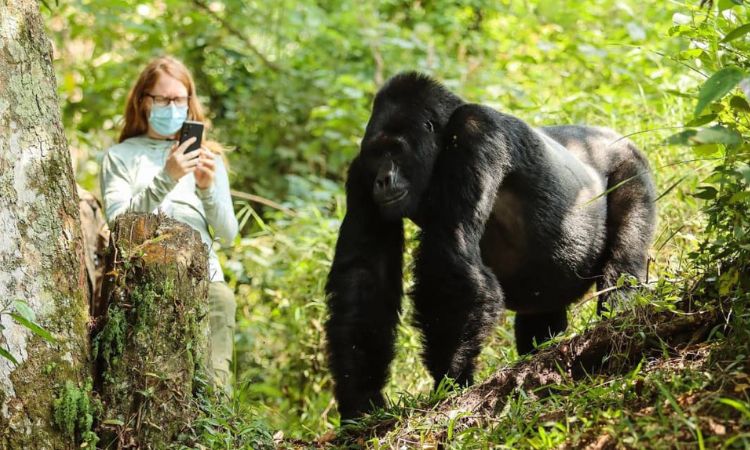
Gorilla trekking and safari travel often involve early mornings, forest trails, remote lodges, and limited medical access.
Consider:
-
Rabies risk assessment.
-
Malaria prevention.
-
Insect protection.
-
Physical preparation.
-
Comprehensive travel insurance with medical evacuation.
Long-stay volunteers and workers
Volunteers, expatriates, and long-term visitors should allow more time for vaccinations and boosters. Rabies, hepatitis B, and a clear plan for accessing medical care become more important on longer trips.
Travel-health checklist for Uganda and Rwanda
Use this checklist before you leave home:
-
Passport valid for at least six months beyond your travel dates.
-
Visa or e-visa confirmation, where applicable.
-
Vaccination record and International Certificate of Vaccination or Prophylaxis, if applicable.
-
Yellow-fever certificate, if required for your route.
-
Malaria prescription, with enough tablets for the full trip and post-travel period.
-
Insect repellent containing DEET 20%+ or picaridin.
-
Long-sleeved clothing and permethrin-treated gear.
-
Basic first-aid kit.
-
Oral rehydration salts.
-
Sunscreen and lip protection.
-
Regular prescription medicines in original packaging.
-
Travel insurance with medical evacuation cover.
-
Contact details for local medical facilities and your nearest embassy.
Get your free pre-travel safari health checklist from GoSilverback Gorilla Safaris.
FAQs: Uganda and Rwanda vaccinations
Do I need a yellow-fever vaccine for Uganda?
CDC recommends yellow-fever vaccination for travellers to Uganda aged 9 months and older. Uganda Immigration says the certificate is no longer mandatory for entry, but vaccination may still be strongly recommended for health protection and onward travel.
Do I need a yellow-fever vaccine for Rwanda?
Usually not for direct travel from a non-risk country. However, a valid certificate is required if you arrive from a yellow-fever-risk country or a country with active yellow-fever transmission.
Do I need malaria tablets for Uganda and Rwanda?
Yes. CDC recommends prescription malaria prevention for travellers to both countries, as malaria transmission occurs throughout Uganda and Rwanda.
Can I get vaccinated on arrival in Rwanda?
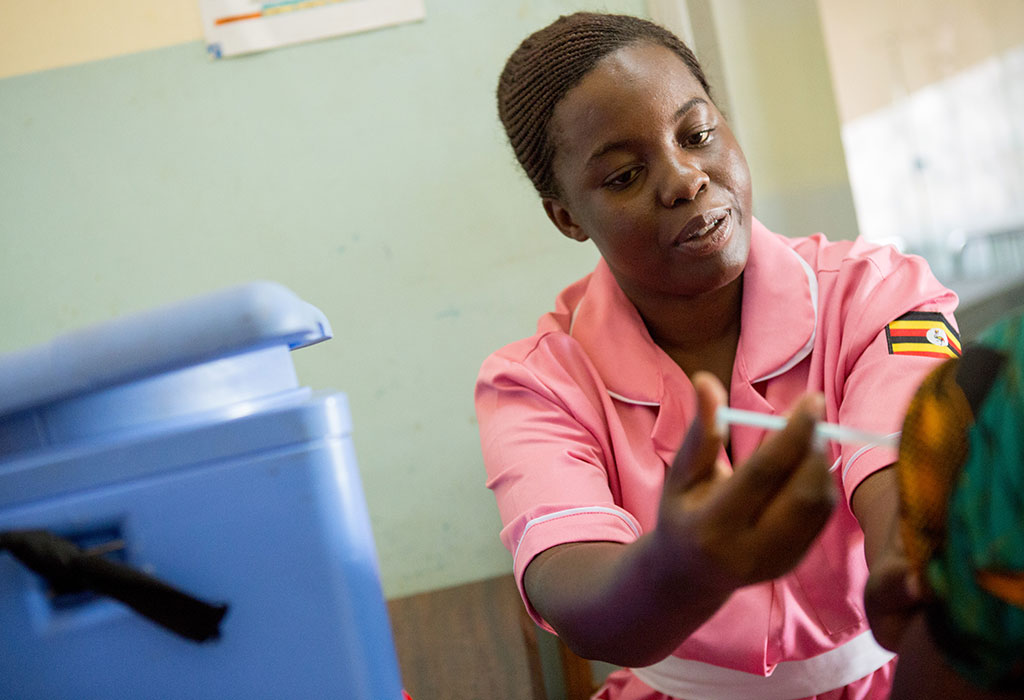
Rwanda may vaccinate certain travellers who arrive without a required certificate, but this should not be relied upon. A certificate less than 10 days old may result in quarantine until it becomes valid.
How soon before travel should I get vaccinated?
Book a travel-health appointment at least 4–6 weeks before departure. Some vaccines require multiple doses, and malaria medicines may need to begin before travel.
Do I need vaccinations if I am only visiting Kigali or Entebbe?
Yes. Routine vaccines, malaria prevention, and destination-specific recommendations still apply. An urban arrival does not remove health risks.
Is yellow fever required for Uganda to Rwanda travel?
Yes. Travellers arriving in Rwanda from Uganda should expect to need a valid yellow-fever certificate because Uganda is listed as a yellow-fever-risk country.
Do I need a yellow-fever certificate if I am only transiting through Uganda?
It depends on your full itinerary, transit arrangements, and the countries you have recently visited. Confirm directly with your airline and a travel-health professional before departure.
Final advice and medical disclaimer
The best time to prepare for Uganda and Rwanda vaccinations is not the week before your flight. It is 8 weeks or more before departure, when there is enough time to complete vaccine schedules, obtain malaria medication, and confirm yellow-fever requirements for your exact route.
Before booking gorilla permits, flights, or safari lodges, book a travel-health consultation. Bring your itinerary, vaccination history, medication list, and details of any planned rural or animal-contact activities.
This article provides general travel-health information and does not replace personalised advice from a qualified travel-health clinician. Entry rules, outbreak situations, and vaccine recommendations can change.
Book your Uganda or Rwanda gorilla permit
Uganda and Rwanda offer two of the world’s most unforgettable wildlife experiences: trekking to see endangered mountain gorillas in Bwindi, Mgahinga, and Volcanoes National Park.
But the best safari begins with smart preparation—vaccinations, malaria prevention, insurance, permits, and a well-planned itinerary.
Ready to secure your place in the forest? Book your Uganda or Rwanda gorilla permit through GoSilverback Gorilla Safaris today.
Our team can help you plan a seamless gorilla-trekking safari, combine Uganda and Rwanda in one itinerary, and prepare for the journey with confidence.
Book your gorilla permit with GoSilverback Gorilla Safaris now.