
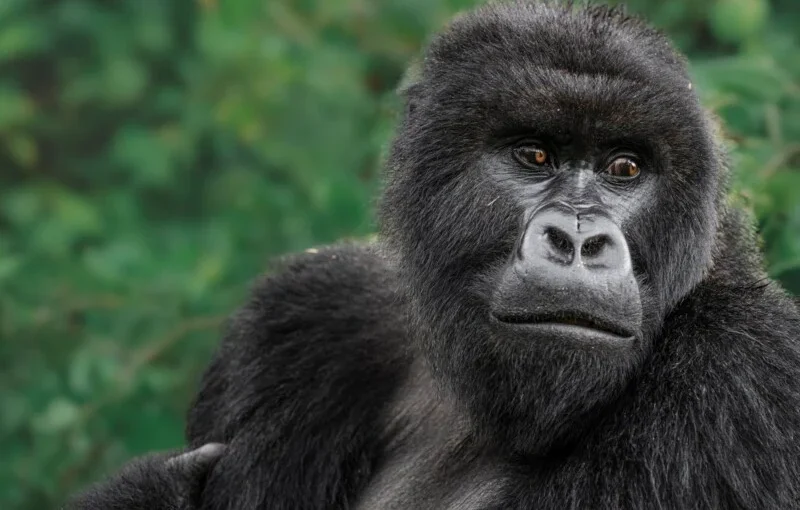
Saving Gorillas – Conservation Efforts, Threats & How Tourism Protects Mountain Gorillas 2026
What is Saving Gorillas?
Saving Gorillas is the coordinated, science-driven global effort to protect and grow the world’s last remaining mountain gorilla populations.
It combines intensive daily monitoring by trained rangers, anti-poaching patrols, veterinary interventions, habitat restoration, community development programs, and responsibly managed gorilla tourism that funnels permit revenue straight into conservation.
Unlike broader wildlife initiatives, saving gorillas focuses on two tiny, isolated habitats: the Virunga Massif (shared by Rwanda, Uganda, and the Democratic Republic of Congo) and Bwindi Impenetrable National Park in Uganda.
These forests shelter the entire wild population of mountain gorillas, a subspecies of Eastern gorilla that shares 98.3% of our DNA.
The movement’s success is remarkable. In the 1980s, fewer than 400 mountain gorillas remained. Decades of collaborative action have increased the population to 1,063 individuals as of the latest confirmed census data, making mountain gorillas the only great ape whose numbers are rising.
This turnaround is no accident — it is the direct result of sustained investment in protection and the economic power of silverback gorilla safaris.
Every gorilla permit purchased plays a tangible role. In Rwanda, a $1,500 permit funds ranger salaries, veterinary care, and community projects. In Uganda, the $800 permit does the same while supporting over 25 habituated groups across Bwindi.
Travelers from the USA, UK, Europe, Canada, Asia, and the Middle East who join a silverback gorilla safari become active partners in this story.
Your visit helps maintain habituated families, deters poachers through constant human presence, and provides local communities with income that replaces the need to clear forest for farmland.
Saving gorillas is a model of integrated conservation. The International Gorilla Conservation Programme (IGCP), Dian Fossey Gorilla Fund, WWF, and national park authorities work across borders under the Greater Virunga Transboundary Collaboration. Rangers track every group daily.
Veterinarians treat snare injuries and respiratory illnesses. Communities receive direct revenue shares for schools, health clinics, and clean water.
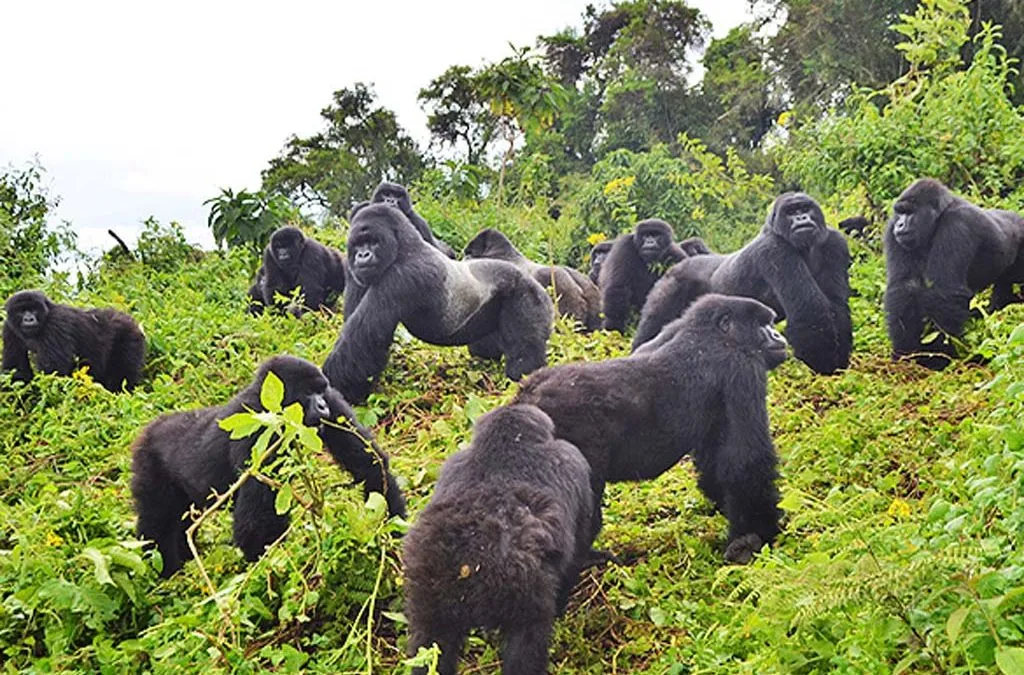
At GoSilverback Gorilla Safaris, we see saving gorillas as more than a slogan — it is the foundation of every itinerary we design. We operate with former park rangers as guides, contribute a fixed conservation levy from every booking, and ensure guests understand the direct link between their safari and the gorillas’ survival.
For international and local travelers alike, choosing a responsible gorilla safari means you are not simply observing wildlife. You are helping write the next chapter of one of conservation’s greatest success stories.
Gorillas are Critically Endangered great apes threatened by habitat destruction, poaching, disease, and armed conflict.
Saving gorillas requires a multi-pronged strategy involving protected areas, anti-poaching patrols, community engagement, and responsible gorilla trekking tourism.
With fewer than 1,000 mountain gorillas remaining in the wild and around 316,000 western lowland gorillas declining rapidly, the window to act is narrowing.
Gorilla trekking safaris — when booked through responsible operators like GoSilverback Gorilla Safaris — generate millions of dollars in conservation funding that directly protects gorillas and their forest homes across Uganda, Rwanda, and the Democratic Republic of Congo.
Every year, thousands of travelers from the USA, UK, Europe, Canada, and beyond make the pilgrimage into the misty Virunga Massif or the ancient forests of Bwindi Impenetrable National Park to sit face-to-face with one of our closest living relatives.
That single hour of connection — profound, humbling, and unforgettable — is more than a bucket-list experience. It is an act of conservation.
This guide explores everything you need to know about the threats facing gorillas, the extraordinary efforts being made to save them, and precisely how your safari dollar can make a meaningful difference.
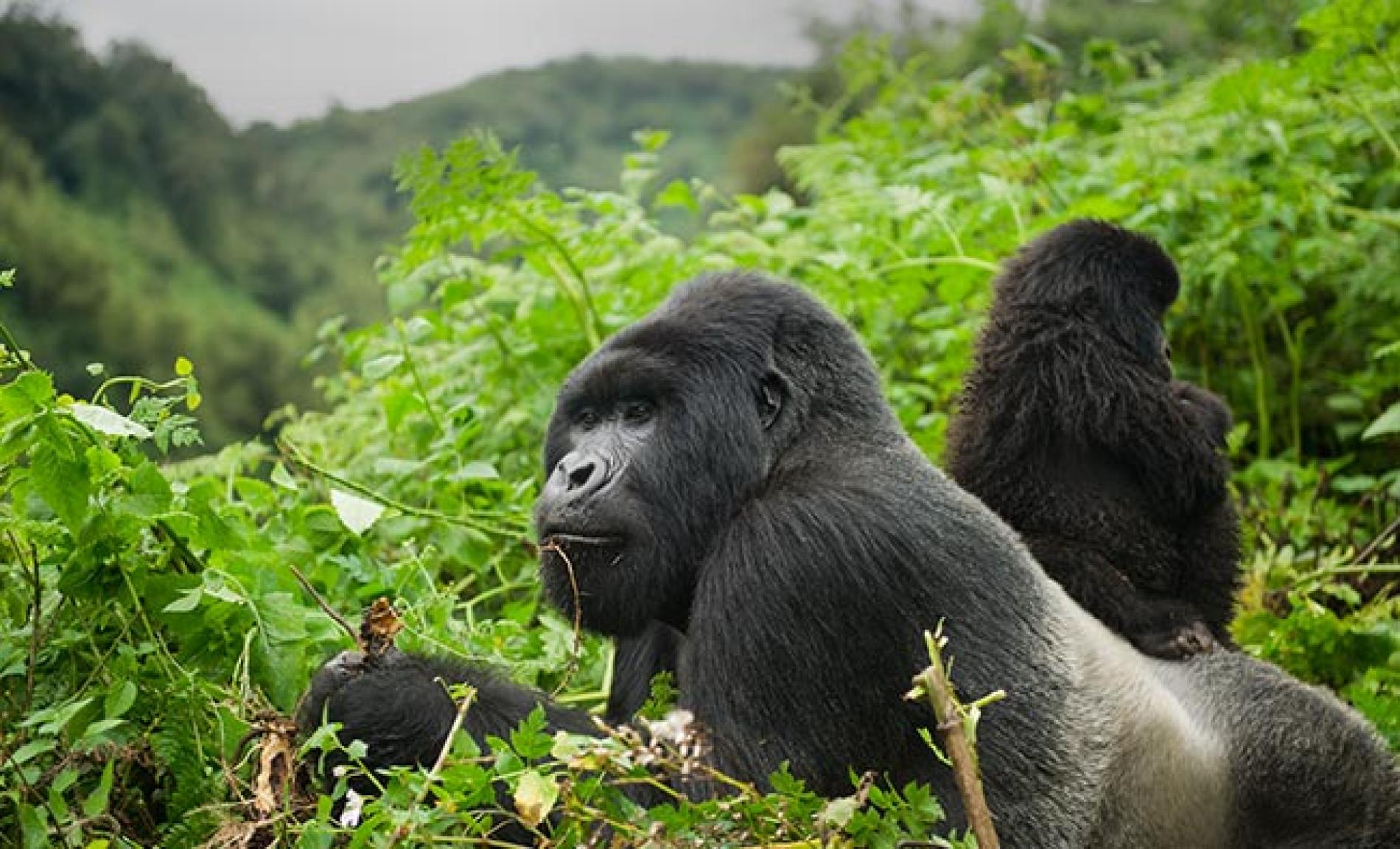
Why Saving Gorillas Matters to the World
Gorillas are more than magnificent animals. They are keystone species — ecological architects whose daily behavior shapes the very forests they inhabit.
As the world’s largest primates, gorillas disperse seeds across vast ranges through their foraging and defecation patterns, regenerating forest cover and supporting biodiversity at every level of the food chain. A forest without gorillas is a forest on its way to ecological collapse.
From a biological perspective, gorillas share 98.3% of their DNA with humans, making them our second-closest relatives after chimpanzees.
Studying gorilla behavior, cognition, immune responses, and social structure has yielded invaluable insights into human evolution, medicine, and psychology. Diseases that emerge in gorilla populations often mirror emerging human pathogens — their health is a proxy for our own.
Economically, gorilla conservation generates billions across Central and East Africa. In Uganda alone, gorilla trekking contributes over USD $35 million annually to the national economy, supporting hotels, guides, rangers, and rural communities.
In Rwanda, gorilla permits priced at USD $1,500 per person have transformed Volcanoes National Park into one of Africa’s most lucrative conservation success stories. When gorillas thrive, entire regional economies grow.
Culturally, gorillas hold deep significance for the communities living adjacent to their forests. For the Batwa people of Uganda and the Baka of Central Africa, the great apes of the jungle have been companions of legend and livelihood for millennia.
Saving gorillas is therefore not only an ecological imperative — it is a matter of cultural heritage, indigenous rights, and intergenerational justice. The loss of gorillas would impoverish the world’s scientific, economic, and cultural fabric in ways we are only beginning to understand.
“Be part of the mission of saving gorillas by choosing our responsible gorilla safari packages designed to support conservation.”
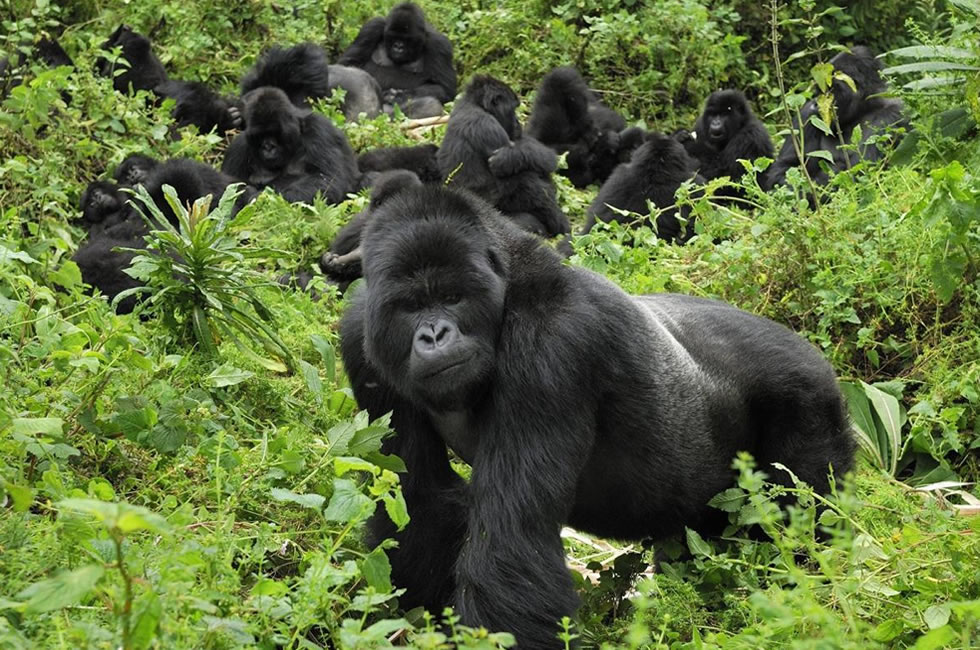
Types of Gorillas and Their Conservation Status
There are two species of gorillas: the Eastern Gorilla and the Western Gorilla. Each species is divided into two subspecies, and each faces a distinct conservation crisis shaped by geography, politics, and human pressure.
1. Mountain Gorillas (Gorilla beringei beringei)
IUCN Status: Endangered | Population: Approximately 1,063 individuals
Mountain gorillas are the most celebrated and most monitored gorilla subspecies in the world. Found exclusively in three locations — Bwindi Impenetrable National Park in Uganda, the Virunga Mountains straddling Uganda, Rwanda, and the DRC — they represent one of conservation’s greatest success stories.
Population numbers have risen from a low of around 620 individuals in the 1980s to over 1,000 today, the only great ape subspecies to show population growth. This is a direct result of sustained conservation investment, gorilla trekking revenue, and rigorous veterinary care.
2. Eastern Lowland Gorillas / Grauer’s Gorillas (Gorilla beringei graueri)
IUCN Status: Critically Endangered | Population: Approximately 3,800 individuals
Found exclusively in the DRC, Grauer’s gorillas are the world’s largest gorilla subspecies.
They have suffered a catastrophic 80% population decline since the 1990s, driven almost entirely by armed conflict in eastern DRC, artisanal mining encroachments, and the collapse of protective park authority infrastructure.
Their forests — the Kahuzi-Biega National Park and the Itombwe Plateau — remain among Africa’s most dangerous and inaccessible conservation zones.
3. Western Lowland Gorillas (Gorilla gorilla gorilla)
IUCN Status: Critically Endangered | Population: Approximately 316,000 individuals
Despite having the largest population, western lowland gorillas face a relentless combination of habitat destruction, the bushmeat trade, and the Ebola virus — which has wiped out up to one-third of the population in parts of Gabon and Republic of Congo.
Found across equatorial West Africa, they range through Cameroon, the Central African Republic, Equatorial Guinea, Gabon, Angola, and the Republic of Congo.
4. Cross River Gorillas (Gorilla gorilla diehli)
IUCN Status: Critically Endangered | Population: Approximately 200–300 individuals
The rarest of all gorilla subspecies, Cross River gorillas survive in tiny, fragmented forest patches along the Nigeria-Cameroon border. Fewer than 300 individuals remain, making every single animal critical.
They are extraordinarily shy — rarely photographed, almost impossible to habituate — and live in terrain defined by steep hills, scattered forest fragments, and encircling human settlements.
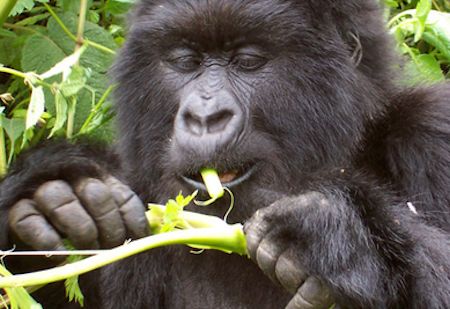
Major Threats to Gorillas
Understanding the threats facing gorillas is essential to designing effective conservation strategies.
The crisis is not caused by any single factor but by a complex web of interconnected pressures — economic, political, ecological, and epidemiological — that vary by subspecies, geography, and time.
1. Habitat Destruction and Deforestation
Across Central and West Africa, tropical rainforest is disappearing at an alarming rate. Agricultural expansion — particularly for palm oil, cassava, and cocoa — logging concessions, and charcoal production are the primary drivers.
Charcoal production is especially damaging in the Virunga Mountains, where forests adjacent to gorilla habitat are harvested to fuel urban demand in Goma and Bukavu.
The result is fragmented habitat that isolates gorilla groups, restricts genetic diversity, and pushes animals into dangerous proximity with human settlements.
2. Poaching and the Illegal Wildlife Trade
Although gorillas are rarely hunted for bushmeat in East Africa due to cultural taboos and the strong presence of wildlife rangers, poaching remains a critical threat in West and Central Africa.
Gorillas are killed for bushmeat in markets across Cameroon, Gabon, and the DRC. Infants are captured alive for the exotic pet trade — each infant taken typically results in the deaths of five to ten adults who die defending the family group. One live infant can fetch up to USD $40,000 on the black market.
3. Disease Transmission
Because of their close genetic relationship to humans, gorillas are susceptible to virtually every respiratory illness that circulates among humans. COVID-19, scabies, respiratory syncytial virus (RSV), and Ebola have all proven deadly to gorilla populations.
In the Virungas, strict health protocols — mandatory masks within 10 metres of gorillas, mandatory distance rules, health screenings for sick rangers and tourists — have become standard.
The Ebola virus disease alone is estimated to have killed more than 33% of the western lowland gorilla population between 1990 and 2015.
4. Armed Conflict and Political Instability
Eastern DRC has experienced near-continuous armed conflict for over three decades. Virunga National Park — Africa’s oldest national park — has lost more than 200 rangers to armed groups since 1996, making it one of the world’s most dangerous conservation frontlines.
When government authority collapses, forests are logged, rangers are killed, and gorillas are poached with impunity. The Grauer’s gorilla has paid the steepest price — losing over 80% of its population as a direct consequence of conflict-driven instability.
5. Climate Change
Gorilla habitat is acutely sensitive to climate variability. Shifting rainfall patterns, rising temperatures, and increasing frequency of extreme weather events affect the distribution of the plants gorillas depend on for food and the hydrology of the rivers that define their range boundaries.
Mountain gorillas, living at altitudes between 2,200 and 4,300 metres, are especially vulnerable to climate-driven vegetation shifts that shrink their already limited habitat zone.
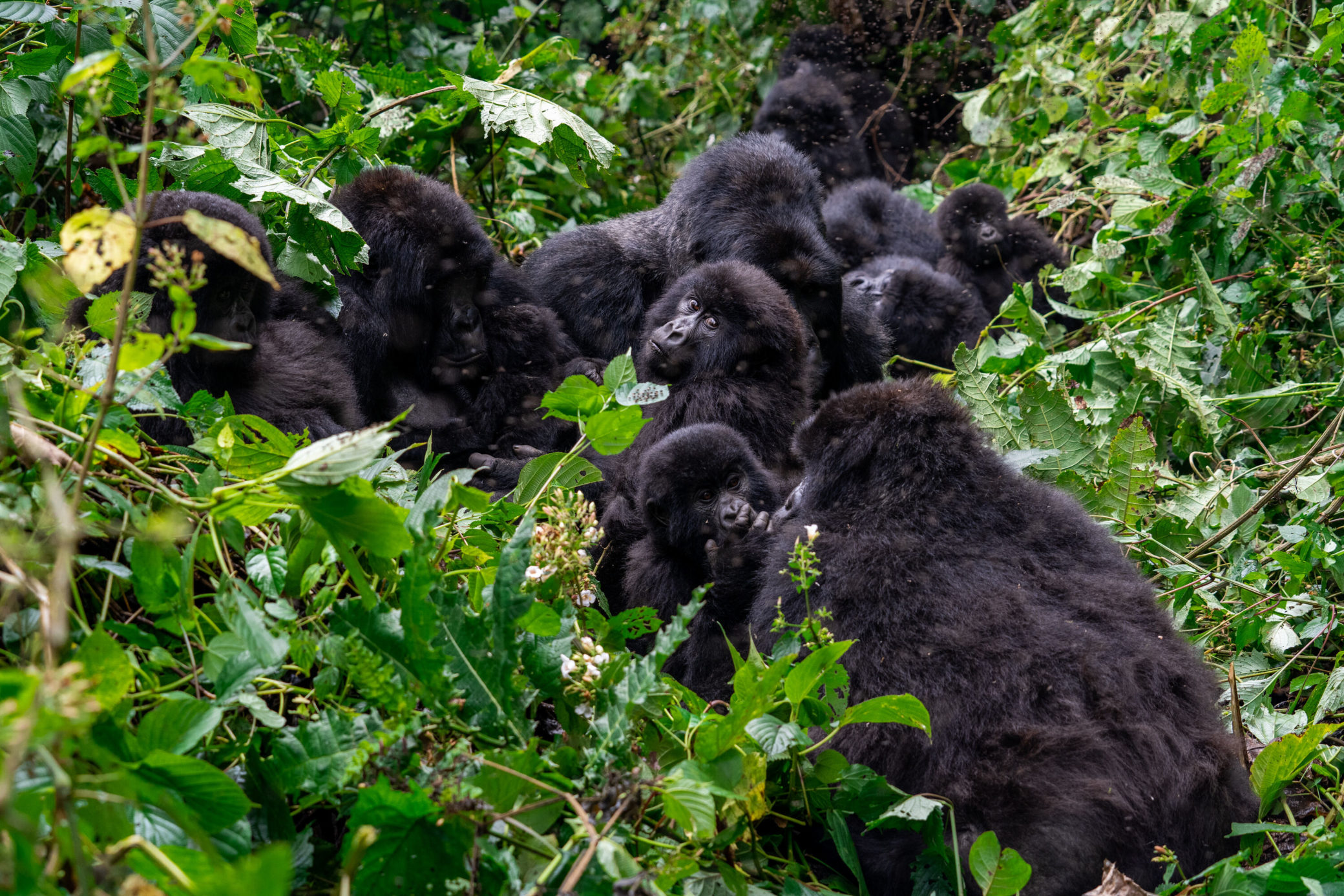
Conservation Efforts Saving Gorillas
The story of gorilla conservation is — against considerable odds — one of the most inspiring in modern wildlife protection.
Decades of dedicated effort by governments, international NGOs, local communities, and responsible tourism operators have produced measurable, tangible results.
Here is an in-depth look at the strategies that are working:
1. Anti-Poaching Ranger Networks
The backbone of gorilla protection across Uganda, Rwanda, and DRC is a network of highly trained, well-equipped wildlife rangers who patrol forest boundaries daily, dismantle snares, and confront poachers.
Uganda Wildlife Authority (UWA), Rwanda Development Board (RDB), and the Institut Congolais pour la Conservation de la Nature (ICCN) collectively employ thousands of rangers.
Ranger welfare programs — providing competitive salaries, health insurance, protective gear, and trauma support — are increasingly recognized as critical to reducing attrition and corruption. Well-paid rangers are the single most cost-effective conservation intervention available.
2. Gorilla Habituation and Research Programs
The process of gorilla habituation — gradually acclimatizing wild gorilla groups to the presence of humans — takes between two and five years of daily contact by skilled trackers and researchers.
It is expensive, painstaking, and sometimes dangerous. But habituated gorillas can be monitored daily, their health assessed, and problems detected early.
The Mountain Gorilla Veterinary Project (MGVP), now part of Gorilla Doctors, provides medical intervention for injured and sick gorillas — treating snare wounds, respiratory infections, and injuries sustained during inter-group conflicts. These interventions have saved dozens of individual animals who might otherwise have died.
3. Community Conservation and Benefit Sharing
Perhaps the most transformative shift in gorilla conservation over the past two decades has been the integration of local communities as stakeholders rather than obstacles.
Uganda’s Revenue Sharing Program distributes 20% of all gorilla permit revenue directly to communities adjacent to Bwindi Impenetrable and Mgahinga Gorilla National Parks.
This funding supports school construction, health clinics, road improvements, and clean water projects. Rwanda’s Iby’Iwacu Cultural Village employs reformed poachers as cultural guides — giving them an economic alternative far more valuable than bushmeat.
4. Gorilla Sanctuaries and Orphan Rehabilitation
For orphaned gorillas confiscated from the illegal pet trade or rescued after their mothers were poached, sanctuaries like GRACE in eastern DRC and Gorilla Rehabilitation and Conservation Education (GRACE) provide refuge, socialization, and eventual release preparation.
These centers are expensive to operate but vital for rescuing individual animals and building political will against the illegal wildlife trade by keeping gorillas in public view.
5. International Policy and Funding Frameworks
Organizations including the Wildlife Conservation Society (WCS), WWF, the Dian Fossey Gorilla Fund, African Wildlife Foundation (AWF), and the Great Apes Survival Partnership (GRASP) coordinate international funding, research, and policy advocacy.
The UN Great Apes Survival Plan provides a framework for multi-government coordination. The Convention on International Trade in Endangered Species (CITES) Appendix I listing prohibits all commercial trade in gorillas or their parts, providing a critical legal backstop against exploitation.
6. Veterinary Intervention and Disease Prevention
The Gorilla Doctors program embeds veterinarians within mountain gorilla range countries, providing free-ranging clinical care that has extended and saved numerous lives.
Their protocols for identifying and treating respiratory infections — the leading cause of gorilla death in habituated groups — have become a global model for great ape medicine.
Health monitoring of ranger staff and strict visitor health protocols are equally critical, preventing disease transmission from humans to gorillas.

“Support gorilla conservation while experiencing Africa’s wilderness—explore our premium gorilla safari packages now.”
How Gorilla Trekking Helps Save Gorillas
Here is a truth that every responsible safari operator knows but that is not always communicated clearly to travelers: gorilla trekking is not just a wildlife experience — it is a conservation intervention.
When you purchase a gorilla permit and trek responsibly into the forest under the guidance of a professional operator like GoSilverback Gorilla Safaris, you are funding the very systems that keep gorillas alive.
1. Direct Revenue Funding Conservation
Gorilla permits in Uganda cost USD $800 per person, and in Rwanda USD $1,500 per person.
These fees flow directly to Uganda Wildlife Authority and Rwanda Development Board — government agencies responsible for park management, ranger salaries, infrastructure, and wildlife monitoring. In Uganda, this generates tens of millions of dollars annually.
Without permit revenue, the financial model of gorilla protection collapses. There is no viable alternative funding mechanism at the required scale. Gorilla trekking tourism is not supplementary to conservation — it IS the conservation business model.
2. Community Revenue Sharing
As noted, 20% of Uganda gorilla permit revenue is returned directly to communities surrounding Bwindi and Mgahinga. These funds have built schools, maternity wards, water pipelines, and community centers.
Critically, they create an economic argument for conservation that rural farmers can see, touch, and benefit from. When communities profit from live gorillas, the incentive to poach or encroach on forest habitat diminishes dramatically. This is the genius of revenue-sharing conservation: it aligns economic self-interest with wildlife protection.
3. Employment and Economic Transformation
A single gorilla trekking operation supports a broad economic ecosystem: park rangers, gorilla trackers, community guides, porters, lodge staff, drivers, mechanics, farmers supplying food, artisans selling crafts, and more.
In the communities surrounding Bwindi Impenetrable National Park, gorilla tourism is the single largest employer and the primary engine of economic transformation.
Families who once depended on poaching or forest clearing for survival now run guest houses, work as porters earning tips that exceed their previous monthly income, and send children to school on gorilla-generated wages.
4. Political Will and Institutional Investment
When gorillas generate national income, they gain political champions. Rwanda has invested heavily in Volcanoes National Park infrastructure — including luxury lodges, expert guides, and premium visitor experiences — precisely because gorilla tourism generates substantial foreign exchange.
Uganda’s government consistently defends Bwindi from encroachment because it understands the economic value of the gorilla tourism industry.
Tourism revenue turns gorillas into national assets worth protecting at the highest levels of government.
5. Global Awareness and Behavioral Change
Travelers who trek gorillas return home fundamentally changed.
They become ambassadors for gorilla conservation — sharing their experiences on social media, donating to conservation organizations, advocating for forest protection policies, and educating their networks. The ripple effect of a single gorilla trek can reach thousands of people.
GoSilverback Gorilla Safaris ensures every guest receives a thorough briefing on conservation challenges and opportunities, transforming travelers into lifelong conservation advocates.
6. Supporting Responsible Tourism Standards
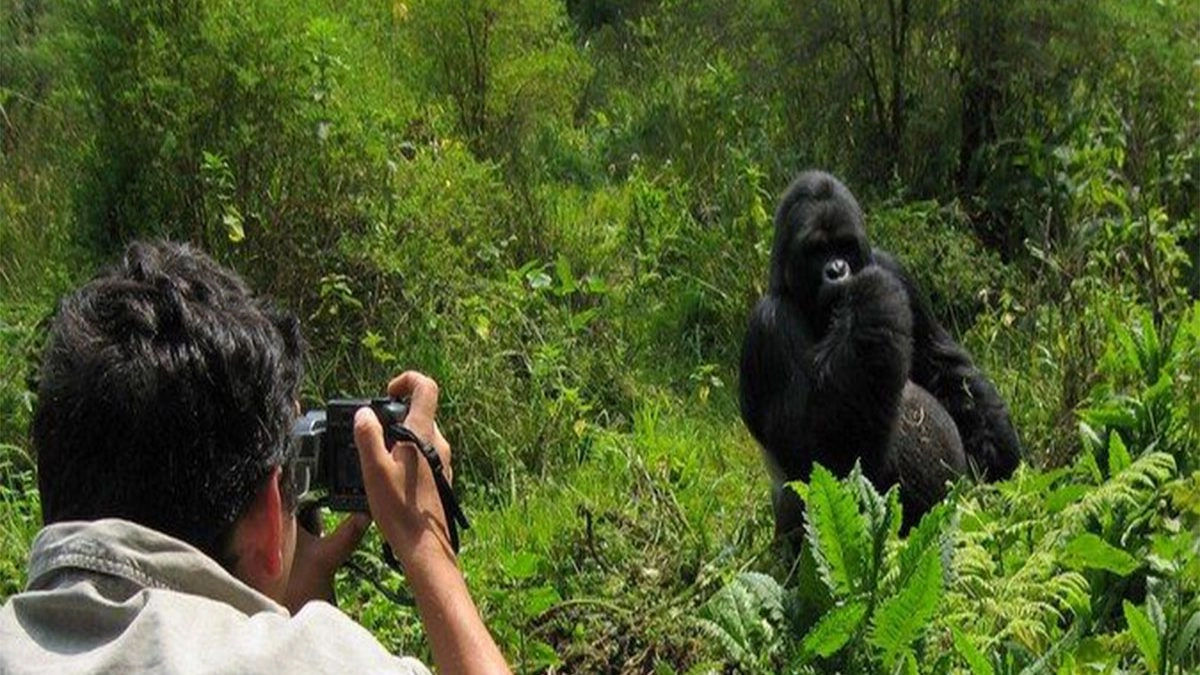
Not all gorilla trekking is created equal. Responsible operators like GoSilverback enforce strict protocols: maintaining the 7-metre minimum distance from gorilla groups, limiting visits to one hour per gorilla family per day, capping trekking groups at eight visitors per family, mandatory health screenings, and no-flash photography rules.
These protocols, developed by researchers and veterinarians over decades, protect gorillas from disease, stress, and behavioral disruption. Choosing a responsible operator is therefore not merely an ethical preference — it is a measurable conservation act.
Best Places to See Gorillas in Africa
Gorillas can be tracked in four countries across East and Central Africa. Each destination offers a distinct trekking experience, ecological setting, and conservation context.
1. Bwindi Impenetrable National Park, Uganda
Bwindi is home to approximately half the world’s remaining mountain gorillas — over 500 individuals across more than 50 habituated and partially habituated groups.
A UNESCO World Heritage Site, Bwindi offers trekking experiences across four sectors: Buhoma, Rushaga, Ruhija, and Nkuringo. The terrain is genuinely impenetrable — steep, muddy, and magnificently wild — making encounters feel completely authentic.
Gorilla permit prices in Uganda (USD $800 per person) make it the most affordable option for international visitors, and the surrounding communities, lodges, and cultural experiences are exceptional.
2. Mgahinga Gorilla National Park, Uganda
Mgahinga forms part of the Virunga Conservation Area and protects a single habituated mountain gorilla family — the Nyakagezi group.
The park also offers golden monkey trekking and stunning volcanic scenery. Smaller and more intimate than Bwindi, Mgahinga is ideal for travelers seeking a quieter, less crowded trekking experience.
Gorilla permits cost USD $800, identical to Bwindi.
3. Volcanoes National Park, Rwanda
Rwanda’s Volcanoes National Park is the original gorilla trekking destination — the park where Dian Fossey conducted her pioneering research. Today, it offers trekking to twelve habituated gorilla families through some of Africa’s most dramatic volcanic scenery.
At USD $1,500 per permit, Rwanda positions itself as a premium experience, combining world-class conservation infrastructure with luxurious lodges. The park is compact, trekking times are relatively short, and the surrounding landscape is breathtakingly beautiful.
4. Virunga National Park, Democratic Republic of Congo
For the adventurous traveler willing to navigate DRC’s complex logistics and security landscape, Virunga National Park offers gorilla trekking at USD $400 per permit — the most affordable in Africa.
The park’s rangers have made extraordinary sacrifices to protect both the gorillas and the visitor experience, and the park itself is one of the continent’s most biodiverse ecosystems. Visit during periods of relative stability and always consult your tour operator for current security advisories.
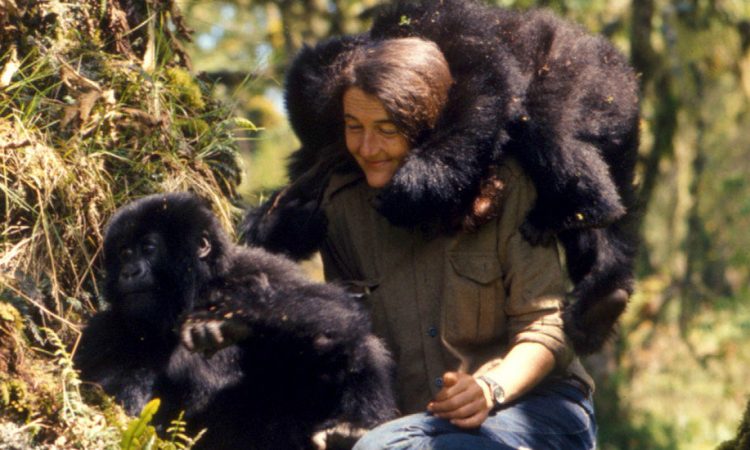
“Experience the magic of gorillas in the wild in Uganda and rwanda, while contributing to their survival—explore our trusted gorilla safari packages.”
How You Can Help Save Gorillas
Conservation is not exclusively the work of scientists, rangers, and NGOs. As a traveler, consumer, and global citizen, you have significant power to contribute to gorilla survival.
Here are the most impactful actions you can take:
- Book a Responsible Gorilla Safari: Purchasing a gorilla permit through a certified, conservation-aligned operator like GoSilverback Gorilla Safaris is the single highest-impact action available to most travelers. Your permit fee directly funds rangers, park management, and community programs.
- Donate to Reputable Conservation Organizations: The Dian Fossey Gorilla Fund, Wildlife Conservation Society, Gorilla Doctors, WWF, and the African Wildlife Foundation all work directly on gorilla conservation with documented, audited results.
- Avoid Products Linked to Deforestation: Palm oil and unsustainably sourced timber are primary drivers of gorilla habitat loss. Choose products certified by the Roundtable on Sustainable Palm Oil (RSPO) and avoid single-use wood products sourced from tropical regions.
- Reduce Your Coltan Consumption: Coltan — a mineral used in mobile phones and electronics — is mined extensively in gorilla habitat in eastern DRC. Extending the life of your electronics and recycling old devices reduces demand for coltan extraction that directly threatens gorilla forests.
- Spread the Word: Share conservation content, support wildlife legislation, and vote for politicians committed to international conservation funding and climate action. Public awareness campaigns have repeatedly been shown to shift wildlife trade behavior in consumer markets.
“Discover how your journey can help protect endangered gorillas—explore our tailored gorilla safari packages today.”
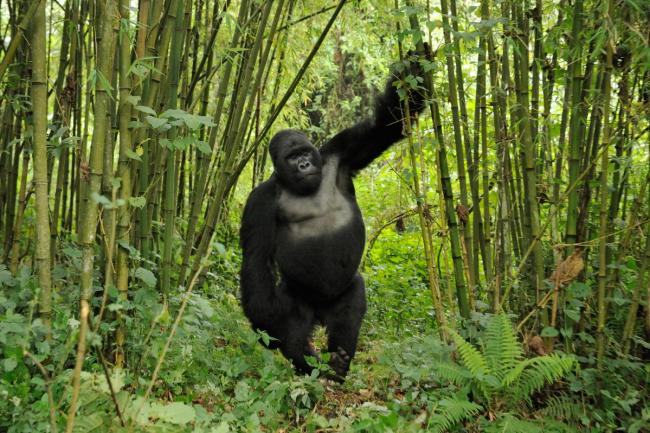
Challenges Facing Gorilla Conservation Today
Despite measurable progress, gorilla conservation in 2025 and beyond faces a set of complex, evolving challenges that threaten to undermine decades of hard-won gains.
1. Funding Gaps and Donor Fatigue
Gorilla conservation is expensive. Rangers need salaries, vehicles need fuel, veterinarians need equipment, and community programs need sustained investment.
International donor funding is often unpredictable, project-based rather than institutional, and subject to political shifts in donor countries.
Tourism revenue provides the most stable and scalable funding mechanism, but the COVID-19 pandemic demonstrated how catastrophically dependent conservation systems can be on visitor numbers — permit revenues collapsed to zero overnight.
2. Human-Wildlife Conflict
As human populations around gorilla parks grow, crop raiding by gorillas becomes an increasingly explosive source of conflict. A single gorilla can destroy a season’s harvest in an afternoon.
Without effective mitigation measures — including electrified buffer zones, rapid response teams, and crop compensation schemes — communities turn hostile toward conservation, and retaliatory killings increase.
Managing this interface humanely and sustainably requires resources and political will that are frequently in short supply.
3. Climate-Driven Habitat Shifts
Mountain gorilla habitat is squeezed between the lower forest boundary — encroached upon by agriculture — and the upper alpine zone, which is shifting upward as temperatures rise.
The viable habitat band is narrowing, and the food plants gorillas depend on are shifting in distribution, phenology, and nutritional quality. This is a slow-moving threat but one with potentially irreversible long-term consequences.
Future of Gorillas – Can They Be Saved?
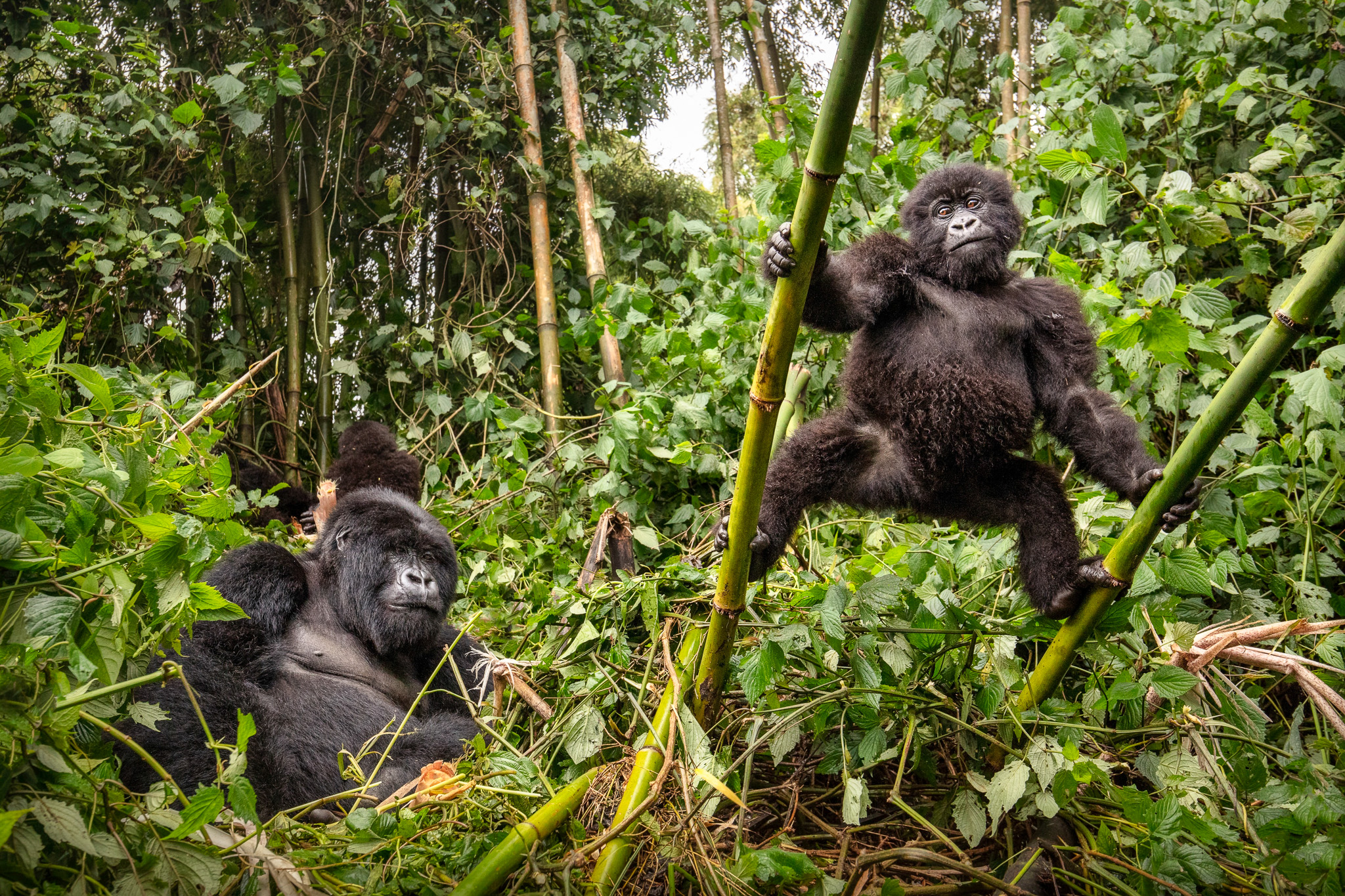
The honest answer is: yes — but only with sustained, coordinated, adequately funded action. The mountain gorilla’s recovery from the brink of extinction to a population of over 1,000 is proof that conservation works when implemented rigorously and funded consistently.
The question is whether that model can be replicated at scale for the other subspecies facing far greater threats across far less stable political environments.
Western lowland gorillas require landscape-level conservation across six countries — a diplomatic and logistical challenge of enormous complexity.
Eastern lowland gorillas need peace in eastern DRC — a geopolitical challenge beyond the direct control of conservationists. Cross River gorillas need transboundary cooperation between Nigeria and Cameroon — two countries with limited conservation resources and significant development pressures.
What gives grounds for optimism is the proven power of the gorilla trekking model. When tourism revenue aligns economic incentives with conservation outcomes, governments protect forests, communities support rangers, and gorilla populations stabilize or grow.
The challenge for the next decade is to extend this model to the subspecies and regions currently left behind, and to build funding resilience that can survive political shocks, pandemics, and climate disruption.
The future of gorillas is not written. But it is being written now — by every permit purchased, every dollar donated, and every traveler who chooses to spend their safari budget where it matters most.
Why Choose GoSilverback Gorilla Safaris
GoSilverback Gorilla Safaris is your trusted partner for conservation-minded gorilla trekking experiences across Uganda, Rwanda, and the DRC.
Here is what sets us apart:
- Conservation First Philosophy: We operate in strict compliance with all gorilla trekking protocols established by Uganda Wildlife Authority and Rwanda Development Board.
- Expert Local Guides: Our guides are trained naturalists and community members who know these forests intimately and whose livelihoods depend on gorilla survival.
- Permit Procurement Specialists: We handle all gorilla permit procurement, logistics, and park coordination — ensuring your trek happens seamlessly.
- Community Investment: We partner with community-run lodges, cultural programs, and craft cooperatives that return safari revenue to the people who share their land with gorillas.
- Custom Itineraries: Whether you are seeking a three-day gorilla focus trip or a 14-day multi-country East African safari, we design experiences tailored to your timeline, budget, and interests.
- Transparent Pricing: We clearly itemize permit fees, conservation levies, and our operational costs — so you know exactly where your money goes.
- 24/7 In-Country Support: Our operations team is reachable around the clock from your arrival to your departure.
When you trek with GoSilverback Safaris, you are not just a traveler. You are a gorilla conservation partner.
Sample Gorilla Trekking Itinerary
7-Day Uganda Gorilla & Wildlife Safari
- Day 1 – Arrival in Entebbe: Welcome to Uganda. Transfer to your lakeside hotel on the shores of Lake Victoria. Evening briefing on gorilla trekking protocols, conservation context, and safari itinerary.
- Day 2 – Entebbe to Bwindi: Depart by road (or optional chartered flight) through Uganda’s spectacular landscapes toward Bwindi Impenetrable National Park. Afternoon arrival, check-in to your forest lodge.
- Day 3 – Gorilla Trekking, Buhoma Sector: Early morning briefing at UWA headquarters. Trek into the forest with your guide and ranger team. Spend one hour with a habituated gorilla family — an experience that will recalibrate your relationship with the natural world.
- Day 4 – Batwa Cultural Experience & Forest Walk: Spend the morning with the Batwa community — Uganda’s original forest people — learning their history, traditional medicine, and relationship with the great apes. Afternoon nature walk with a forest guide.
- Day 5 – Bwindi to Queen Elizabeth National Park: Transfer through the Kigezi Highlands to Queen Elizabeth National Park. Evening game drive in search of elephants, buffalo, Uganda kob, and hippos.
- Day 6 – Kazinga Channel Boat Safari & Big Cat Tracking: Morning boat safari on the Kazinga Channel — one of Africa’s finest hippo and water bird experiences. Afternoon game drive in the Ishasha sector, famous for tree-climbing lions.
- Day 7 – Departure: Transfer to Entebbe or Kampala for your international flight. Depart having contributed directly to gorilla conservation and carrying memories that will last a lifetime.
This itinerary is fully customizable. GoSilverback Gorilla Safaris offers 3-day to 21-day gorilla safari packages for individuals, couples, families, and groups. Contact us for a tailored quote.
“Turn your passion for saving gorillas into action—explore our expertly guided gorilla safari packages and make a real conservation impact.”
Frequently Asked Questios About Saving Gorillas
What can be done to save gorillas?
Saving gorillas requires protecting forests, enforcing anti-poaching laws, supporting community conservation, and funding veterinary care. Responsible gorilla trekking tourism in Uganda and Rwanda generates revenue for conservation. Travelers can help by booking ethical safaris, donating to conservation groups, and spreading awareness about endangered gorillas globally.
How much is a gorilla tour in Uganda?
A gorilla tour in Uganda typically costs $1,500 to $3,500 per person for 3–4 days, including accommodation, transport, and guiding. The gorilla trekking permit alone costs $800. Luxury tours can exceed $5,000, while budget options start around $1,200 depending on services.
Did Dian Fossey ever marry?
Dian Fossey never married and dedicated her life to studying and protecting mountain gorillas. She lived in Rwanda’s forests for nearly two decades, founding the Karisoke Research Center. Her work greatly advanced gorilla conservation before her tragic death in 1985.
Are gorillas protected in Uganda?
Yes, gorillas in Uganda are strictly protected by law within national parks like Bwindi Impenetrable National Park. The government, alongside conservation organizations, enforces anti-poaching measures and regulates tourism to ensure the survival of endangered mountain gorillas.
How many gorillas are left in the world?
There are approximately 1,063 mountain gorillas, around 3,800 eastern lowland (Grauer’s) gorillas, roughly 316,000 western lowland gorillas, and fewer than 300 Cross River gorillas remaining in the wild. Mountain gorillas are the only subspecies whose numbers are increasing — a direct result of sustained conservation investment and gorilla trekking revenue.
What is the biggest threat to gorilla survival?
The biggest threats are habitat destruction through deforestation and agricultural expansion, poaching and the illegal wildlife trade, disease transmission from humans (particularly respiratory illnesses and Ebola), and armed conflict in eastern DRC. These threats operate simultaneously and reinforce each other, requiring multi-pronged conservation responses.
Does gorilla trekking actually help conservation?
Yes — absolutely and demonstrably. Gorilla permit fees provide the primary funding stream for park management, ranger salaries, veterinary programs, and community benefit-sharing across Uganda, Rwanda, and DRC. Without trekking revenue, the financial model that sustains gorilla protection collapses. Responsible gorilla trekking is the most scalable conservation finance mechanism available.
How much does a gorilla permit cost?
Gorilla permits currently cost USD $800 per person in Uganda, USD $1,500 per person in Rwanda, and USD $400 per person in the DRC (subject to change). GoSilverback Gorilla Safaris handles permit procurement and logistics for all three countries, ensuring availability and compliance with booking regulations.
How long does a gorilla trek take?
Trek duration varies depending on where the gorilla family is located on any given day. Treks can take anywhere from 30 minutes to 8 hours of hiking. Once you locate the gorilla family, you are permitted exactly one hour with them — a time-limit designed to minimize stress and disease risk to the animals.
Is gorilla trekking safe?
Gorilla trekking is generally very safe when conducted through licensed operators and within designated national parks. Gorillas that have been properly habituated to human presence are calm and non-aggressive. Armed escorts are provided in areas with any security considerations. GoSilverback monitors all security situations and adjusts itineraries based on current conditions.
What is the best time to trek gorillas?
Gorillas can be tracked year-round, but the best conditions occur during the dry seasons: June to September and December to February. The forest is less muddy, trails are more accessible, and photography conditions are superior. However, gorilla trekking in the rainy season has its own beauty — lush green forests, fewer crowds, and often lower lodge rates.
What should I bring on a gorilla trek?
Essential gear includes sturdy waterproof hiking boots, long-sleeved clothing (for protection from nettles and insects), gardening gloves, a quality rain jacket, a daypack, insect repellent, sunscreen, and a camera without flash. GoSilverback provides a comprehensive pre-departure packing list to all guests.
Can children go gorilla trekking?
Most national parks require trekkers to be a minimum of 15 years old. This age restriction is enforced to minimize disease risk to gorilla groups (children carry more contagious pathogens) and to ensure the physical capability to complete the trek. GoSilverback can suggest family-friendly itinerary alternatives that include other primate experiences for younger travelers.
How can I donate to gorilla conservation?
Reputable organizations accepting donations include the Dian Fossey Gorilla Fund, Gorilla Doctors, Wildlife Conservation Society, WWF Great Apes Program, and the African Wildlife Foundation. When booking with GoSilverback Gorilla Safaris, you can also opt to make an additional conservation contribution that is directed to specific ranger welfare or community programs.
Are mountain gorillas really recovering?
Yes — mountain gorillas are the only great ape subspecies showing a population increase. Numbers have grown from a low of approximately 620 individuals in the 1980s to over 1,063 today. This remarkable recovery is attributed to consistent anti-poaching enforcement, habitat protection, veterinary intervention, and the sustainable funding provided by gorilla trekking tourism.
What organizations are most effective at saving gorillas?
The most impactful organizations include the Dian Fossey Gorilla Fund International, Wildlife Conservation Society (WCS), WWF, Gorilla Doctors (Mountain Gorilla Veterinary Project), the African Wildlife Foundation (AWF), and the Great Apes Survival Partnership (GRASP). Each focuses on different aspects — from veterinary care to policy advocacy — and collectively form a conservation ecosystem that is greater than the sum of its parts.
Conclusion – Be Part of Saving Gorillas
Gorillas are not just another endangered species on a long list. They are our evolutionary kin — living proof of the ancient continuum of life on Earth, and irreplaceable threads in the ecological and cultural fabric of Africa.
The mountain gorilla’s recovery proves that conservation works. With the right resources, the right policies, and the right community engagement, even the most imperiled species can step back from the brink.
But conservation requires consistent commitment — financial, political, and personal. Every gorilla permit purchased is a vote for the forest. Every responsible safari dollar spent is a ranger’s salary paid, a child’s school fees funded, and a gorilla family protected for another day.
Every traveler who chooses to trek responsibly becomes part of a global network of people who have looked into a gorilla’s eyes and understood — instinctively and profoundly — that their survival is inseparable from our own.
Ready to be part of saving gorillas?
Book your gorilla permit today through GoSilverback Gorilla Safaris — Africa’s most trusted conservation-minded gorilla trekking specialist. Our expert team is ready to help you plan the safari of a lifetime while making a real, measurable difference for gorillas and the communities that protect them.
Contact GoSilverback Gorilla Safaris Today — Permits Are Limited.
www.gosilverbacksafaris.com | info@gosilverbacksafaris.com