Silverback Gorilla Safari: Best Uganda & Rwanda Tours, Cost & Permit Guide 2026
What is a Silverback Gorilla Safari?
A silverback gorilla safari is a once-in-a-lifetime wildlife experience that brings you face-to-face with the majestic mountain gorillas of East Africa.
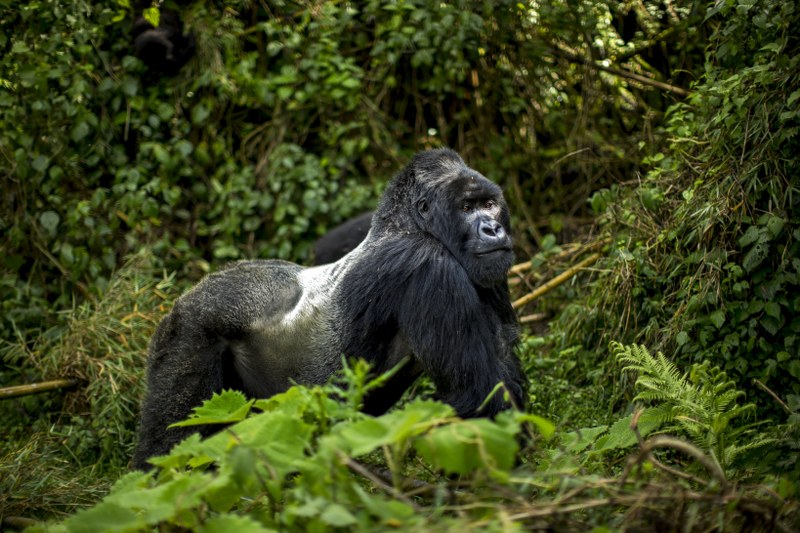
At the heart of every trek stands the silverback — the dominant adult male whose silver-grey saddle distinguishes him as the troop’s protector, leader, and decision-maker.
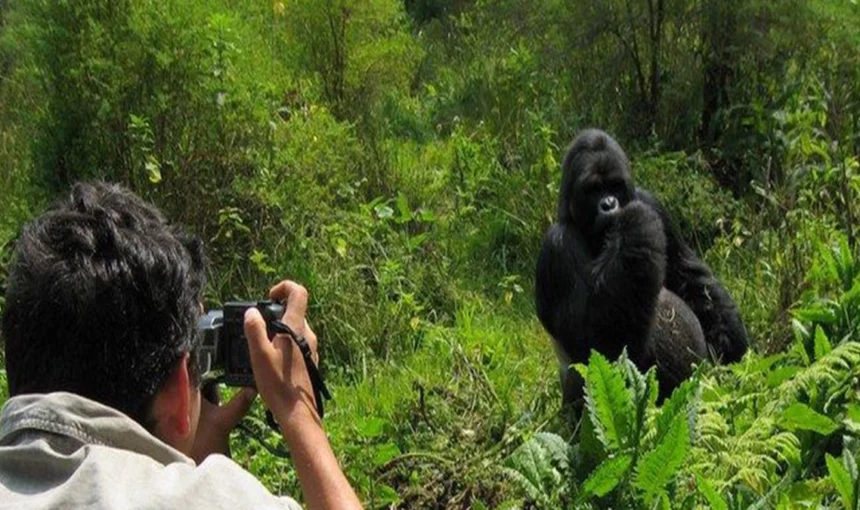
Unlike traditional game drives, a silverback gorilla safari involves a guided hike through dense montane forests to observe habituated gorilla families in their natural habitat for a strictly limited one-hour encounter.
This intimate encounter is more than tourism; it is a profound conservation story. Every silverback gorilla safari directly funds anti-poaching patrols, habitat protection, and community development programs that have helped mountain gorilla numbers rise from fewer than 400 in the 1980s to 1,063 individuals today.
Travelers from the USA, UK, Europe, Canada, Asia, and the Middle East choose a silverback gorilla safari for its raw authenticity. You will witness powerful silverbacks chest-beating, mothers cradling infants, and playful juveniles swinging through bamboo — all while maintaining a respectful 7–10 meter distance.
Permits are strictly limited to eight visitors per gorilla group per day, ensuring minimal disturbance and maximum impact.
Whether you join a silverback gorilla safari in Uganda’s Bwindi Impenetrable National Park or Rwanda’s Volcanoes National Park, the experience combines physical challenge, emotional connection, and meaningful contribution to one of Africa’s greatest conservation successes.
GoSilverback Gorilla Safaris curates these safaris with expert guides, seamless logistics, and a deep commitment to responsible tourism, making your silverback gorilla safari both unforgettable and sustainable.
What Makes a Silverback Gorilla Unique?
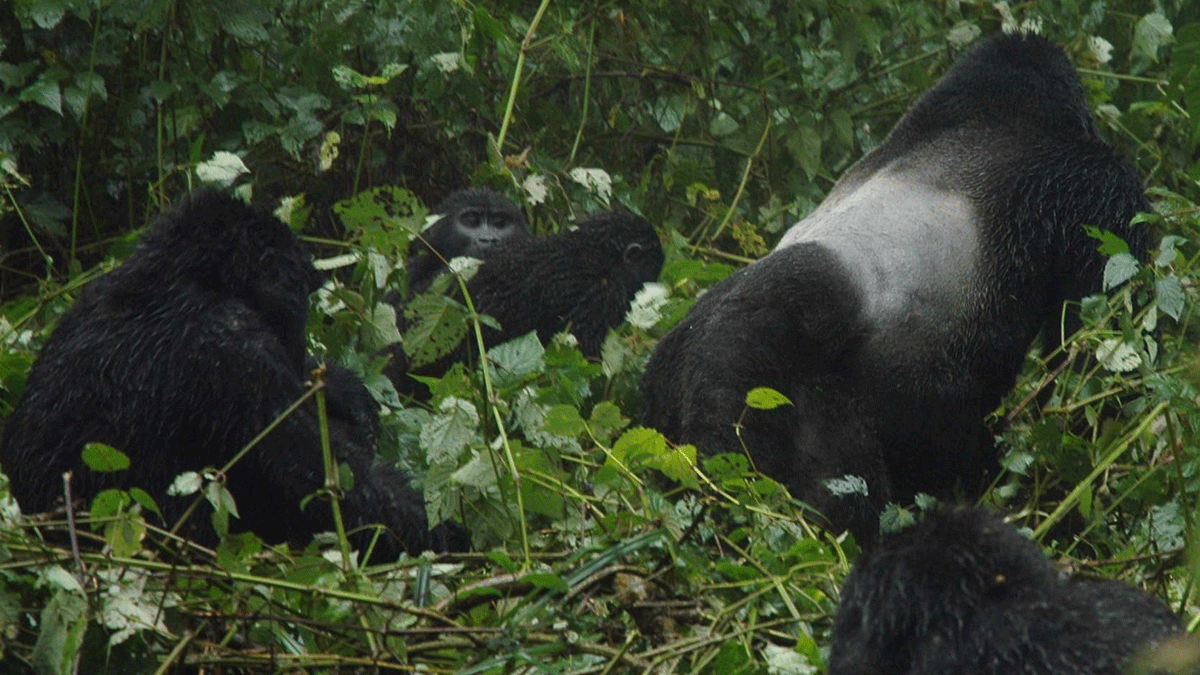
The silverback gorilla is the undisputed king of the African rainforest — a 400–485 lb (180–220 kg) powerhouse whose presence commands instant respect.
His name comes from the distinctive silver-white saddle of hair that develops across his back at around 12–15 years of age, signaling sexual maturity and leadership status. Only one silverback typically leads each family group of 5–30 individuals.
What sets silverbacks apart is their complex social intelligence. They mediate disputes, protect the troop from leopards and poachers, and make daily decisions on where to feed and nest.
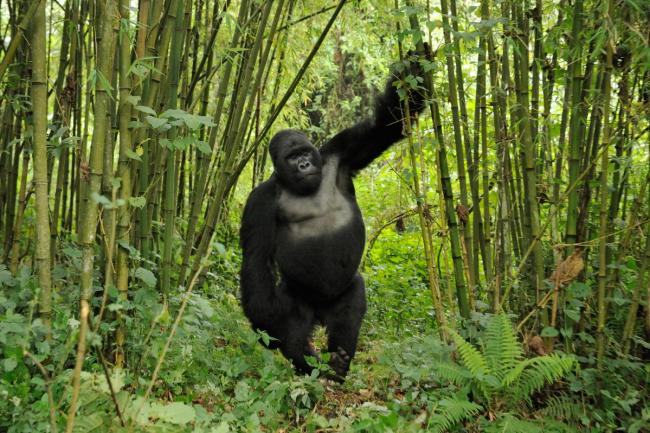
A silverback’s chest-beating display — accompanied by hoots, barks, and ground-thumping — is not aggression but communication, often used to intimidate rivals or reassure his family.
Despite their immense strength (up to 10 times that of a human), silverbacks are gentle vegetarians, consuming up to 50 pounds of leaves, stems, fruit, and bark daily.
Genetically, mountain gorillas share 98.3% of our DNA, yet their thick black fur, elongated arms, and broad chests are perfectly adapted to high-altitude forests between 2,200–4,300 meters.
Unlike lowland gorillas, mountain gorillas have longer hair and larger jaws to process fibrous vegetation in cooler climates.
Observing a silverback up close during a silverback gorilla safari reveals nuanced behaviors: the tender way he grooms infants, the calm authority with which he leads the group, and the occasional playful wrestling with younger males. These moments forge an emotional bond that travelers describe as life-changing.
GoSilverback Gorilla Safaris emphasizes ethical viewing so you witness these unique traits without disturbance, ensuring the silverback remains wild and free.
“Plan your unforgettable silverback gorilla safari today and explore all our expertly crafted gorilla trekking packages designed for every budget and travel style.”
Where to See Silverback Gorillas in Africa
Silverback gorillas can only be seen in three countries: Uganda, Rwanda, and the Democratic Republic of Congo (DRC).
These critically protected populations inhabit two isolated mountain ranges — the Virunga Massif and Bwindi Impenetrable Forest — offering distinct trekking experiences tailored to every traveler’s fitness, budget, and preference.
Uganda remains the most popular and accessible destination for a silverback gorilla safari.
1. Bwindi Impenetrable National Park,
a UNESCO World Heritage Site, is home to roughly 459 mountain gorillas — nearly half the world’s population. With over 25 habituated groups, Bwindi offers multiple daily trekking options from four main trailheads: Buhoma (north), Ruhija (east), Rushaga (south), and Nkuringo (southwest).
The forest’s misty, tangled terrain delivers dramatic encounters amid thick vegetation and cascading waterfalls. Nearby Mgahinga Gorilla National Park provides a more intimate experience with just one habituated group on the Virunga slopes.
2. Rwanda’s Volcanoes National Park
delivers the most luxurious and reliable silverback gorilla safari experience. Straddling the Virunga volcanoes, the park hosts approximately 604 mountain gorillas across 12 habituated families.
Treks begin from a single, well-organized visitors’ center in Kinigi, with groups assigned according to fitness levels.
The bamboo forests and open volcanic slopes often provide clearer views and shorter hikes than Bwindi, making Rwanda ideal for first-time visitors or those seeking comfort. Luxury lodges such as Bisate Lodge and Singita Kwitonda sit right on the park boundary.
3. The DRC’s Virunga National Park
offers the most affordable permits but carries notable security considerations. While the experience is raw and authentic, we recommend Uganda or Rwanda for most international travelers due to stability and infrastructure.
GoSilverback Gorilla Safaris operates seamlessly across all three countries, handling cross-border logistics, private transfers, and premium accommodations so you can focus entirely on your silverback gorilla safari.
Gorilla Trekking Experience Step-by-Step
A silverback gorilla safari follows a carefully orchestrated, unforgettable sequence designed for safety, conservation, and maximum enjoyment.
Step 1: Pre-Trek Briefing (30–45 minutes)
At the park headquarters, experienced rangers deliver a detailed orientation covering gorilla behavior, trekking rules, safety protocols, and what to expect. You receive a walking stick, learn emergency signals, and meet your dedicated guide, armed ranger, and trackers.
Step 2: Assignment to Gorilla Group
Rangers assign you to one of the habituated families based on your fitness level and group size (maximum eight trekkers). Each group is visited only once per day.
Step 3: The Hike (1–6 hours)
You enter the forest with trackers who have located the gorillas via overnight nesting signs. The terrain varies — muddy trails, steep climbs, bamboo thickets, and stinging nettles — but porters are available to carry your daypack for a small tip. The physical challenge heightens anticipation.
Step 4: The Golden Hour Encounter
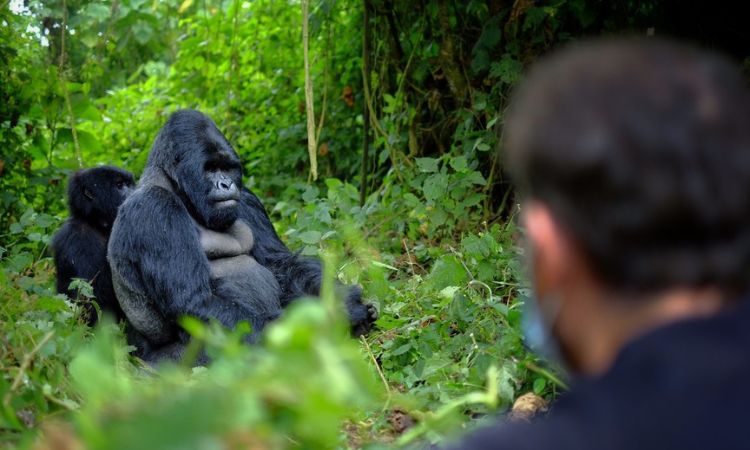
When the gorillas are located, your guide signals a quiet approach. You maintain a 7–10 meter distance and observe in silence. For exactly 60 minutes you watch the silverback feed, the family interact, and infants play. Cameras with quiet shutters capture the moment; no flash or sudden movements are allowed.
Step 5: Return and Debrief
After the encounter, you trek back to the starting point. Many lodges offer a celebratory drink and certificate upon return. Evening reflections often turn into lifelong memories shared around the fireplace.
GoSilverback Gorilla Safaris enhances every step with private vehicles, expert English-speaking guides, and contingency plans for weather or fitness. Whether your trek lasts two hours or six, the experience is structured to deliver profound connection while protecting the gorillas.
“Plan your unforgettable silverback gorilla safari today and explore all our expertly crafted gorilla trekking packages designed for every budget and travel style.”
Best Time for a Silverback Gorilla Safari
The best time for a silverback gorilla safari aligns with the two dry seasons when trails are firmer, visibility is clearer, and trekking is more comfortable.
1. June to September (Long Dry Season)
offers the optimal window. Rainfall is minimal, vegetation is less dense, and temperatures hover between 15–22°C (59–72°F).
This is peak season across Uganda and Rwanda, with excellent photography conditions and reliable gorilla sightings. Book 6–12 months in advance as permits sell out quickly.
2. December to February (Short Dry Season)
provides a second excellent window. Trails remain accessible, and the forests are lush after the short rains. January and February are particularly popular with North American and European travelers escaping winter.
3. Shoulder months
(March, May, October, November) offer lower rates and fewer crowds. Uganda sometimes discounts permits to $600 during April, May, and November, making these attractive for budget-conscious travelers. While light rain is possible, the experience remains rewarding and more affordable.
Rwanda experiences less seasonal variation than Uganda, but dry months still provide the easiest hikes. GoSilverback Gorilla Safaris monitors weather patterns daily and can adjust itineraries to secure the best possible trekking conditions year-round. Avoid the long rainy season (March–May) unless you prioritize solitude and don’t mind mud.
What to Expect on the Day of Your Gorilla Trek
A gorilla trekking day is the pinnacle of any silverback gorilla safari — a structured, immersive adventure that blends early-morning anticipation, physical challenge, and an unforgettable hour with one of Africa’s most iconic wildlife families.
Whether in Uganda’s Bwindi Impenetrable National Park or Rwanda’s Volcanoes National Park, the experience follows a well-organized routine designed for safety, minimal disturbance, and maximum wonder.
Expect a full-day commitment that typically spans 4 to 8 hours from briefing to return, though some lucky trekkers finish in as little as 2–3 hours while others may spend up to 8 hours on the trail.
The exact duration depends on where the gorilla family nested overnight, weather conditions, and terrain. Here’s a detailed, step-by-step look at what to expect on gorilla trek day, optimized for travelers planning their silverback gorilla safari.
“Plan your unforgettable silverback gorilla safari today and explore all our expertly crafted gorilla trekking packages designed for every budget and travel style.”
Pre-Trek Briefing at the Park Headquarters (6:00–7:00am)
Your gorilla trekking experience begins early. Most visitors rise before dawn to reach the park headquarters by 6:30–7:00am.
In Bwindi, briefings occur at sector-specific centers (Buhoma, Rushaga, Ruhija, or Nkuringo). In Rwanda’s Volcanoes National Park, everyone gathers at the centralized Kinigi headquarters.
During the 30–45 minute briefing, experienced rangers and guides cover essential information:
- Gorilla behavior and family dynamics
- Strict rules of engagement
- Safety protocols
- What to do in case of a close encounter
You will be assigned to one of the habituated gorilla groups (maximum 8 trekkers per group) based on your fitness level and the day’s conditions.
Rangers distribute walking sticks, review your permit, and introduce your professional guide, armed ranger, and trackers.
This session builds excitement while reinforcing conservation ethics. GoSilverback Gorilla Safaris clients receive additional private orientation the evening before for extra confidence.

The Trek Itself — Terrain, Duration, Guides & Trackers
After briefing, you drive a short distance to the trailhead and begin the hike, usually around 8:00am. The gorilla trekking duration varies widely — from 30 minutes one way to as long as 6–8 hours round trip.
Trackers who followed the gorillas from their night nests use fresh signs (bent vegetation, dung, and nests) to locate the family efficiently.
Terrain is demanding and exhilarating. In Bwindi, expect steep muddy slopes, tangled vines, thick bamboo, and stinging nettles in a dense, misty rainforest.
In Volcanoes National Park, hikes often cross more open volcanic slopes and bamboo zones, though altitude (2,500–3,500m) can make breathing harder. Porters are available for a modest tip to carry your daypack, allowing you to focus on the journey.
Your team includes highly skilled guides and trackers — many are former poachers turned conservation heroes. They cut paths with machetes when needed, point out forest birds, monkeys, and butterflies, and ensure everyone stays safe and together. The physical effort — sweaty, muddy boots and occasional nettle stings — heightens the sense of adventure.
How long does gorilla trekking take? The full outing, including return, commonly lasts 4–8 hours, but the reward makes every step worthwhile.
“Plan your unforgettable silverback gorilla safari today and explore all our expertly crafted gorilla trekking packages designed for every budget and travel style.”
The 1-Hour Golden Rule with the Gorilla Family — Rules of Engagement
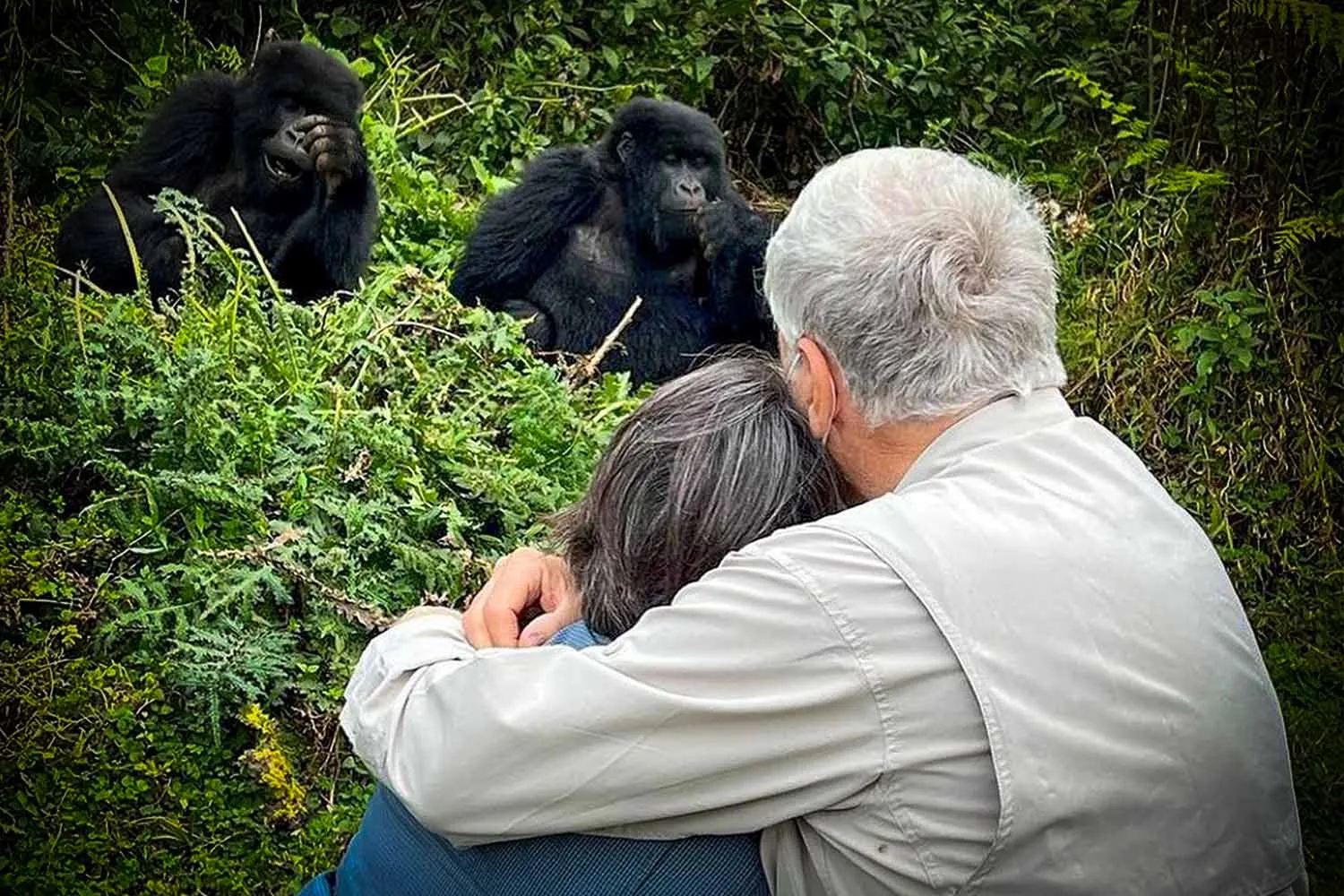
The magical moment arrives when trackers signal the gorillas are near. Your guide quietly positions the group, and the one-hour encounter — known as the golden rule — begins the instant you have clear views.
During this strictly timed 60 minutes:
- Maintain a minimum 7-meter (23-foot) distance at all times.
- Speak in whispers or remain silent.
- No eating, drinking, or smoking near the gorillas.
- If you need to cough or sneeze, turn away and cover your mouth (gorillas are highly susceptible to human respiratory illnesses).
- Never run or make sudden movements.
If a curious juvenile or even the silverback approaches closer, stay calm, avoid direct eye contact, and follow your guide’s instructions.
The hour passes quickly as you observe natural behaviors without intrusion. Rangers enforce these rules rigorously to protect the critically endangered mountain gorillas.
Silverback Behaviour to Look Out For: Chest-Beating, Bluff Charges, Family Dynamics
The silverback is the unmistakable leader — a massive male with a distinctive silver saddle, weighing up to 485 lbs (220 kg). Watch for classic behaviors that reveal his role:
- Chest-beating — A resonant series of quick beats followed by hoots and ground-thumping. This is usually a display of dominance or communication rather than true aggression.
- Bluff charges — Short, intimidating rushes toward the group, often stopping short. Remain still and calm; running can escalate the situation.
- Family dynamics — Observe the silverback gently grooming infants, mediating squabbles among blackbacks (younger males), or leading the troop to new feeding areas. Mothers cradle tiny babies (infants under 3 years), while playful juveniles tumble and swing through vegetation.
These moments showcase the gentle, intelligent, and highly social nature of mountain gorillas, sharing 98.3% of our DNA. Your guide will quietly narrate behaviors, deepening your understanding.
Photography Tips — Camera Settings, No Flash Rule, Distance (7m)
Photography is encouraged but must respect the gorillas.
No flash is allowed — it can startle the animals and provoke a charge.
Recommended settings and tips:
- Use a zoom lens (70–200mm or 100–400mm) for safe framing from the 7-meter minimum distance.
- Shoot in burst mode for fast action like chest-beating or play.
- Prioritize lower shutter speeds in shaded forest light; increase ISO if needed while keeping noise low.
- Get low to the ground for eye-level shots that convey intimacy.
- Spend at least 20 minutes simply observing without the camera — many travelers say this creates the strongest memories.
Capture the silverback in his authoritative pose, tender family interactions, and the lush forest backdrop. GoSilverback Gorilla Safaris guides often share pro tips on-site for the best angles.
The trek back to headquarters feels lighter, filled with shared stories and a sense of accomplishment. Many lodges offer a celebratory drink and official certificate upon return. By late afternoon, you’ll be relaxing with unforgettable images and emotions that last a lifetime.
This gorilla trekking experience combines challenge, awe, and profound connection. With GoSilverback Gorilla Safaris, every detail — from seamless transport to expert guiding — ensures your day unfolds safely and memorably. Prepare well, stay present, and embrace one of Africa’s greatest wildlife adventures.
“Plan your unforgettable silverback gorilla safari today and explore all our expertly crafted gorilla trekking packages designed for every budget and travel style.”
Gorilla Safari Cost Breakdown
Understanding the silverback gorilla safari cost helps international travelers budget accurately. The largest single expense is the gorilla permit itself.
Permit Fees (2026 rates):
• Uganda: $800 per person (foreign non-residents); habituation experience $1,500.
• Rwanda: $1,500 per person.
• Low-season discounts in Uganda may reduce this to $600 in select months.
Full Gorilla Safari Cost Breakdown (per person, sharing):
• 3-day Uganda Gorilla Trek (Bwindi): $1,590–$1,800 including permit, lodge, meals, transfers, and guide.
• 4-day Rwanda Gorilla Trek (Volcanoes): $3,000–$3,500 reflecting higher permit and luxury lodge rates.
• 7–10 day Uganda + Rwanda Combo: $5,200–$6,500 combining two treks and additional wildlife experiences.
Additional Costs to Budget:
• International flights: $800–$1,800 return.
• Visas and yellow fever certificate: $50–$100.
• Porter tips: $10–$15 per day.
• Travel insurance: $100–$200.
• Optional activities (golden monkey trek, community visits): $100–$300.
GoSilverback Gorilla Safaris offers transparent, all-inclusive packages with no hidden fees. Our prices include private 4×4 transport, English-speaking guides, bottled water, park fees, and 24/7 support.
Payment plans and group discounts are available for families and friends traveling together. Every dollar spent contributes directly to gorilla conservation through permit revenue and our community projects.
Best Silverback Gorilla Safari Packages
GoSilverback Safaris has curated the finest silverback gorilla safari packages for 2026, designed for every budget and travel style while guaranteeing unforgettable encounters.
Signature 3-Day Uganda Gorilla Trek – $1,590 pp (sharing) Fly into Entebbe, transfer to Bwindi, enjoy a full-day trek in Buhoma or Rushaga sector, and return with memories and a certificate. Ideal for short-haul travelers from Europe or the Middle East.
Premium 4-Day Rwanda Gorilla & Golden Monkey Adventure – $4,500 pp Includes two gorilla treks in Volcanoes National Park plus golden monkey tracking. Luxury lodges and private guiding make this the gold standard for discerning travelers from the USA and Canada.
Ultimate 8-Day Uganda Gorilla & Big Game Safari – $3,950 pp Combine two gorilla treks in Bwindi with Queen Elizabeth National Park game drives and chimpanzee tracking in Kibale. Perfect for families seeking variety.
Luxury 10-Day Rwanda–Uganda Cross-Border Gorilla Safari – $5,800 pp Trek gorillas on both sides of the Virunga Mountains, stay in ultra-luxury properties, and enjoy private helicopter transfers. Designed for high-end clients from Asia and the UK.
All packages include gorilla permits, accommodation, meals, transfers, English-speaking guides, and conservation contributions.
Custom itineraries for solo travelers, honeymooners, or multi-generational groups are available on request. GoSilverback Gorilla Safaris guarantees the earliest available permits and flexible rebooking policies should weather or health affect your trek.
“Plan your unforgettable silverback gorilla safari today and explore all our expertly crafted gorilla trekking packages designed for every budget and travel style.”
What to Pack for Gorilla Trekking
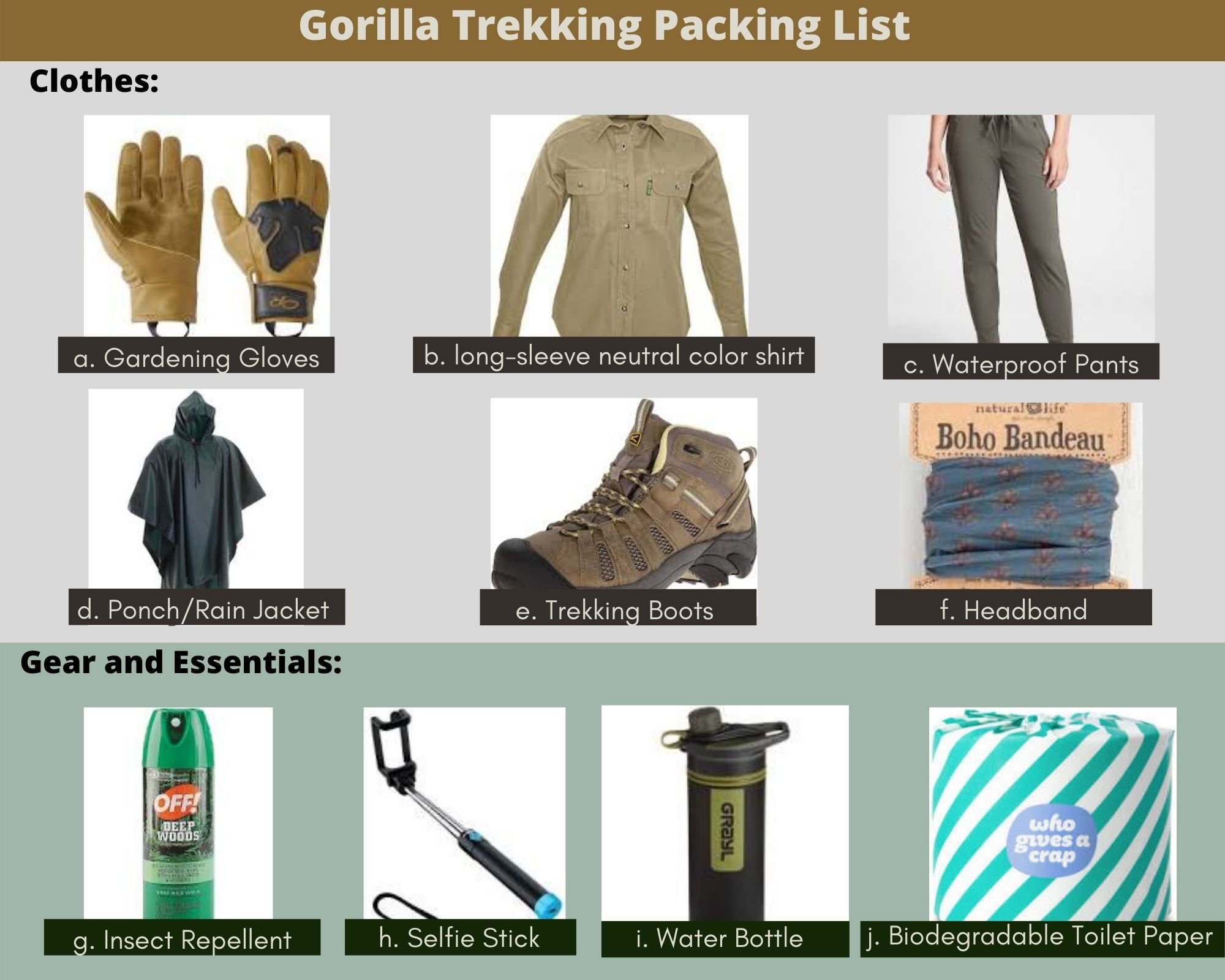
Pack light but smart for your silverback gorilla safari. Focus on comfort, protection, and practicality.
Essential Clothing: Long-sleeved shirts and trousers in neutral greens, browns, or khakis (avoid camouflage). Lightweight, quick-dry fabrics. A fleece or light jacket for early mornings and a waterproof rain jacket/poncho.
Footwear: Sturdy, waterproof hiking boots with good ankle support. Gaiters protect against mud and insects. Two pairs of moisture-wicking socks.
Gear: Daypack (20–30L), binoculars, camera with zoom lens and spare batteries, headlamp or flashlight, reusable water bottle, sunscreen, insect repellent, and a wide-brimmed hat.
Health & Hygiene: Hand sanitizer, basic first-aid kit, any personal medications, and a face mask (if required by park rules). A small towel and wet wipes are useful.
GoSilverback Gorila Safaris provides walking sticks and rain ponchos when needed. Pack in a soft duffel bag for easy transfer. Leave valuables at the lodge.
Rules & Safety Guidelines
Strict rules protect both you and the gorillas during every silverback gorilla safari:
- Minimum age is 15 years.
- Maximum eight visitors per gorilla group per day.
- Maintain 7–10 meters distance at all times.
- No eating, drinking, or smoking near gorillas.
- Turn away and cover your mouth if coughing or sneezing.
- Do not trek if you feel unwell — gorillas are highly susceptible to human respiratory diseases.
- Follow your guide’s instructions exactly; never run or make sudden movements.
Rangers and armed escorts ensure safety. GoSilverback Gorilla Safaris conducts thorough health screenings and provides comprehensive travel insurance options. These rules have kept both humans and gorillas safe for decades.
Conservation & Why Gorillas Are Protected
Mountain gorillas remain Endangered on the IUCN Red List, yet their story is one of remarkable recovery. Thanks to tourism-funded conservation, the population has grown to 1,063 individuals across the Virunga and Bwindi ecosystems.
GoSilverback Gorilla Safaris contributes directly: 20% of every booking supports local schools, anti-poaching patrols, and habitat restoration.
Gorilla tourism generates millions annually for Rwanda and Uganda, creating economic incentives for communities to protect the forests rather than clear them for agriculture.
Without protection, poaching, disease, and habitat loss would drive these gentle giants to extinction. Your silverback gorilla safari is therefore an act of conservation itself.
Why Choose GoSilverback Gorilla Safaris
GoSilverback Gorilla Safaris stands apart as Uganda’s premier operator for authentic, responsible silverback gorilla safaris. Founded in Kampala and operating across Uganda, Rwanda, and Congo, we combine local expertise with international standards of service.
Our guides are former park rangers with decades of experience. We secure permits months in advance, offer 24/7 support, and maintain an unmatched safety record.
Every itinerary includes meaningful community visits and direct conservation contributions. Travelers from the USA, UK, Europe, Canada, Asia, and the Middle East consistently rate us 5 stars for personalization, transparency, and unforgettable memories.
“Plan your unforgettable silverback gorilla safari today and explore all our expertly crafted gorilla trekking packages designed for every budget and travel style.”
Frequently Asked Questions About Silverback Gorilla Safari
How much does a gorilla safari cost?
A gorilla safari in Uganda costs from $1,390 per person, including the $800 gorilla permit, 3 nights’ accommodation, meals, transfers, and guiding. In Rwanda, expect $2,800–$3,500 due to the higher $1,500 permit. Prices vary by season, lodge level, and group size. GoSilverback Gorilla Safaris offers transparent all-inclusive packages with no hidden fees.
Are there silverback gorillas in Uganda?
Yes, Uganda is one of the best places to see silverback gorillas. Bwindi Impenetrable National Park is home to over 459 mountain gorillas, including many impressive silverbacks. Mgahinga Gorilla National Park also offers silverback encounters. Uganda provides more affordable permits ($800) and over 25 habituated groups, making it ideal for silverback gorilla safari experiences.
What is safer, Uganda or Rwanda?
Both Uganda and Rwanda are safe for gorilla safaris. Rwanda is often perceived as slightly safer due to its excellent infrastructure, strict security around Volcanoes National Park, and lower crime rates. Uganda is also very safe in gorilla trekking areas with professional rangers and armed escorts. GoSilverback Gorilla Safaris maintains top safety standards in both countries.
Which is better for gorillas, Uganda or Rwanda?
Uganda is better for a wild, authentic gorilla experience, with denser rainforest and more affordable permits ($800). Rwanda offers a more comfortable and luxurious gorilla safari with easier terrain, clearer views, and higher-end lodges. Rwanda suits first-timers; Uganda delivers better value and variety. Both support conservation equally. Choose based on your budget and fitness.
How much does a silverback gorilla safari cost in 2026?
A standard 3-day Uganda trek starts at $1,390 including the $800 permit. Rwanda packages begin around $3,200. Prices include accommodation, meals, and transfers.
How far in advance should I book my gorilla permit?
Book 6–12 months ahead for peak dry season (June–September). Last-minute availability is rare. GoSilverback Safaris secures permits early.
Is gorilla trekking physically demanding?
Treks range from 1–6 hours. Moderate fitness is sufficient; porters are available. We match groups to your fitness level.
Can children join a silverback gorilla safari?
No. The minimum age is 15 years across Uganda and Rwanda to protect gorilla health.
What is the best country for a first-time gorilla safari?
Rwanda offers easier terrain and luxury lodges. Uganda provides more affordable permits and wilder forest experiences.
Are gorilla safaris safe?
Extremely safe when following rules. Professional guides and rangers ensure your security at all times.
Do I need a yellow fever vaccine?
Yes for Uganda and Congo. Rwanda does not require it if arriving directly.
How long do I spend with the gorillas?
Exactly one hour per visit, strictly enforced to minimize stress on the family.
Can I take photos during the trek?
Yes — flash is prohibited. Quiet shutters and zoom lenses produce excellent images.
Does my safari support conservation?
100%. Permit revenue and GoSilverback Safaris contributions fund anti-poaching and community projects.
What if it rains on trek day?
Treks proceed in light rain. We provide ponchos; dry season offers the best conditions.
How do I book with GoSilverback Safaris?
Contact us via website or WhatsApp for a personalized quote and instant permit availability check.
Conclusion
Your silverback gorilla safari awaits — an experience that will redefine your understanding of wilderness, connection, and conservation.
Whether you choose the misty forests of Bwindi or the volcanic slopes of the Virungas, you will return home forever changed, having stood in the presence of one of Earth’s most magnificent creatures.
GoSilverback Gorilla Safaris is ready to craft your perfect journey. With expert local knowledge, guaranteed permits, and a genuine passion for responsible tourism, we turn dreams into reality for travelers worldwide.
Don’t wait — gorilla permits are limited and book out months in advance.
Secure your silverback gorilla safari today. Visit gosilverbacksafaris.com, email info@gosilverbacksafaris.com, or WhatsApp +256 773801934 for an instant quote and availability.
Your adventure with the silverbacks begins the moment you choose GoSilverback Gorilla Safaris. We look forward to welcoming you to the heart of Africa.