
Diseases That Affect Gorillas Guide: Causes, Risks & Protection in 2026
Learn common diseases that affect gorillas, risks from humans & prevention tips. Discover how responsible tourism helps protect endangered gorillas in Africa 2026.
What illnesses do gorillas suffer from?
Gorillas suffer from several illnesses, mainly respiratory infections, viral diseases, and parasites. Common conditions include flu, pneumonia, and infections caused by human contact.
Deadly outbreaks like Ebola Virus Disease have also severely affected populations. Because gorillas share about 98% of human DNA, they are highly vulnerable to human-borne diseases.
Other illnesses include gastrointestinal infections and skin diseases, which weaken their immune systems and can become life-threatening without intervention.
Diseases that affect gorillas pose one of the greatest threats to the survival of mountain gorillas (Gorilla beringei beringei), the world’s most endangered great ape subspecies. With only 1,063 individuals remaining as of the 2025 census, even a single outbreak can devastate entire family groups.
At GoSilverback Safaris, we work daily alongside veterinarians and conservation teams in Bwindi Impenetrable National Park and the Virunga Massif, witnessing both the fragility and resilience of these magnificent primates.
Mountain gorilla diseases range from routine respiratory infections to catastrophic viruses like Ebola. Because gorillas share 98% of their DNA with humans, they are highly susceptible to our pathogens—a risk amplified by habituation for tourism and research.
Yet the same close monitoring that enables safe gorilla trekking also allows rapid veterinary intervention, saving lives that would otherwise be lost.
This authoritative guide details every aspect of diseases that affect gorillas: where risks are highest, why gorillas are vulnerable, the major diseases involved, real outbreaks, and—most importantly—how responsible tourism and strict rules protect these animals.
Written for travelers from the USA, UK, Europe, Canada, Asia, and the Middle East planning ethical gorilla safaris, this article equips you with the knowledge to appreciate the science behind every safe, life-changing encounter.
Where Do Gorilla Disease Risks Occur?
Gorilla disease risks concentrate in the two remaining mountain gorilla strongholds: the Virunga Massif and Bwindi Impenetrable National Park.
The Virunga Volcanoes span three countries—Rwanda (Volcanoes National Park), Uganda (Mgahinga Gorilla National Park), and the Democratic Republic of Congo (Virunga National Park).
Here, habituated groups live in close proximity to dense human populations exceeding 700 people per km² along park boundaries. Daily ranger patrols, tourism, and community farms create constant interfaces where pathogens can spill over.
In Uganda’s Bwindi Impenetrable National Park, home to roughly half the global population, risks are equally acute. The park’s steep, misty slopes border subsistence farmland where families grow crops that gorillas raid seasonally.
Over 36,000 tourists visited Bwindi in peak years pre-2020, and ranger teams conduct daily health monitoring. Even unhabituated groups face indirect risks from snares set for bushmeat and contaminated water sources.
Disease transmission is not limited to national park boundaries. Gorillas occasionally range outside protected areas during bamboo shoots or crop raids, encountering livestock, domestic animals, and untreated human waste.
Emerging threats like dengue and Zika—currently under study in Uganda—could expand with climate-driven mosquito range shifts to higher altitudes.
The combination of small, isolated populations and high human contact makes these specific locations the epicenters of mountain gorilla diseases.
Every trekker and conservation partner must understand this geography to support targeted protection.
Why Gorillas Are Vulnerable to Diseases
Mountain gorillas evolved in isolated forest islands with limited prior exposure to human pathogens, leaving them with weak natural immunity. Their 98% genetic similarity to humans means our viruses and bacteria recognize gorilla cells almost as easily as our own.
Small population size compounds vulnerability. With just 1,063 individuals split between two forests, any outbreak spreads rapidly within tight-knit family groups.
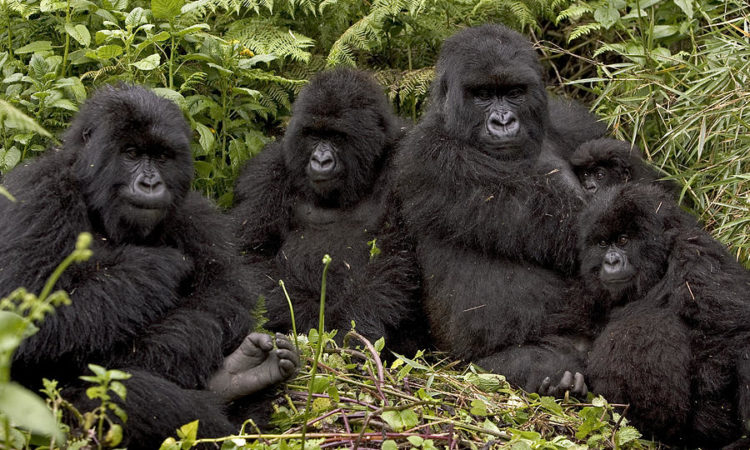
Gorillas live in stable social units of 5–30 members; one infected silverback or infant can transmit disease to the entire group within days.

Habitation for tourism and research—essential for monitoring and funding conservation—brings humans within 7 meters of gorillas daily.
Trackers, rangers, and visitors introduce novel germs through breath, sneezes, or contaminated boots. Respiratory illnesses, once rare, now rank as the second-leading cause of death after trauma.
Stress weakens immunity. Crop raiding, snare injuries, inter-group fighting, and climate-induced food shortages elevate cortisol levels, making gorillas more susceptible. Parasite loads rise when gorillas spend more time on farmland edges.
Climate change alters disease dynamics. Shifting rainfall changes insect vectors and plant phenology, while warmer temperatures allow mosquitoes carrying dengue or malaria to reach higher elevations.
Deforestation around parks brings gorillas into closer contact with livestock carrying new pathogens.
These factors create a perfect storm. Without intervention, even a mild human cold can escalate into fatal pneumonia. The good news? Intensive veterinary care and tourism-funded health programs have helped the population quadruple since the 1980s.
Major Diseases That Affect Gorillas
Diseases that affect gorillas fall into several categories, each with distinct impacts and treatment challenges.
Respiratory Illnesses The most frequent and serious threat. Human viruses including Human Metapneumovirus (HMPV), Human Respiratory Syncytial Virus (HRSV), and common cold strains cause coughing, lethargy, and secondary bacterial pneumonia.
In December 2025, the Kwitonda group in Volcanoes National Park suffered a major outbreak affecting 16 of 19 gorillas. Gorilla Doctors treated multiple individuals with antibiotics and supportive care; all recovered.
Respiratory disease accounts for 24% of mountain gorilla deaths and spreads rapidly within groups (basic reproduction number up to 9.42).

1. Viral Hemorrhagic Fevers
Ebola Ebola remains the most catastrophic risk. Mortality in great apes reaches up to 98%. Modeling from 2023 predicts that a single introduction into the Virunga population could kill over 80% within 100 days without intervention.
While no major mountain gorilla Ebola outbreak has occurred, western lowland gorillas lost one-third of their population to Ebola in the early 2000s. Humans and gorillas share antibodies indicating past exposure in the region.
2. Parasitic and Gastrointestinal Diseases
New 2025 research reveals shifting parasite communities, including gastric nematodes causing fatal stomach pathology. Helminth loads are rising in habituated groups, linked to increased human contact and habitat changes.
Giardia, Cryptosporidium, and other enteric parasites spread via contaminated water or fecal-oral routes near farms.
3. Bacterial Infections
Secondary infections from wounds (snares, fights) or respiratory complications include pneumonia and septicemia. Scabies outbreaks traced to human origins have occurred in Bwindi.
4. Emerging Threats
Dengue and Zika viruses are under active One Health investigation in Uganda (2025–2030 project). Toxoplasma gondii and other protozoa also appear in health checks.
5. Trauma-Related Infections
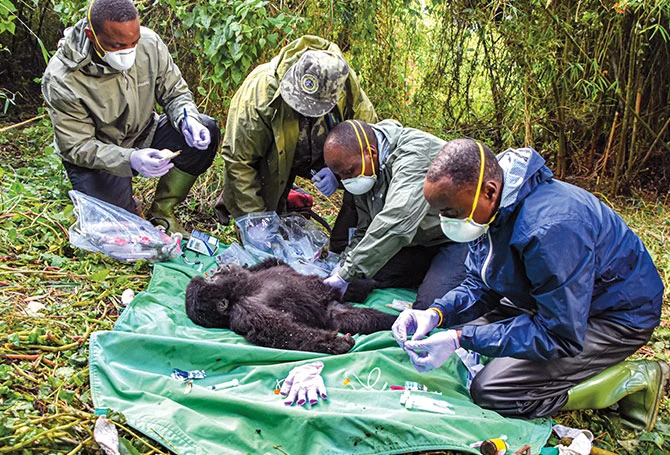
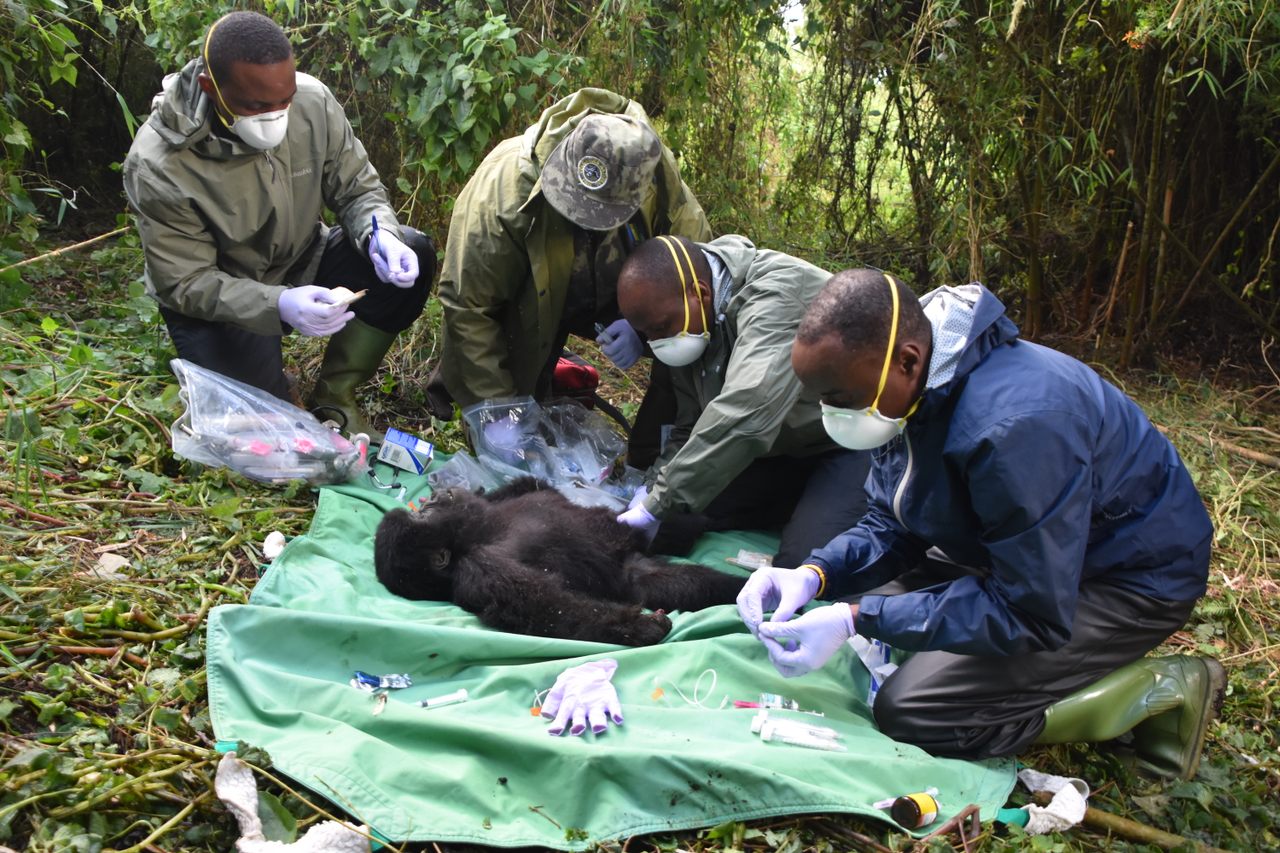
Snares cause deep wounds that quickly become infected without rapid veterinary response. Gorilla Doctors performed 80+ clinical interventions and 8 snare rescues in 2025 alone.
These major diseases that affect gorillas are manageable through early detection and treatment—capabilities made possible by tourism revenue and dedicated veterinary teams.
Zoonotic Diseases: Human-to-Gorilla Transmission
Zoonotic diseases in gorillas are overwhelmingly human-to-gorilla (zooanthroponotic). Respiratory viruses top the list: HMPV caused confirmed deaths in 2009 when two gorillas in a habituated group died after a human-linked outbreak. The virus spread to nearly the entire group, killing an adult female and infant via secondary pneumonia.
Parasites follow closely. Studies show higher helminth egg counts in habituated versus unhabituated groups. Human-origin scabies and enteric pathogens like Cryptosporidium and Giardia appear in gorilla fecal samples near communities.
Bacterial pathogens including Shigella and E. coli strains circulate at the human–gorilla–livestock interface. Even seemingly minor illnesses—colds, flu, or measles—can prove fatal because gorillas lack prior immunity.
The risk intensifies during tourism. Trackers and visitors carry pathogens; one sneeze at close range can transmit virus particles. COVID-19 precautions (2020–2022) dramatically reduced respiratory outbreaks—from 5.4 to 1.6 per year—proving human behavior directly controls transmission.
Reverse zoonosis (gorilla-to-human) also occurs but is rarer; gorillas have been implicated in Ebola spillovers to humans. This bidirectional threat demands strict One Health protocols protecting both species.
Real Case Studies in Gorilla Health
Kwitonda Group Respiratory Outbreak (December 2025–January 2026) On December 25, 2025, trackers noticed lethargy in Kwitonda group, Volcanoes National Park. Within days, 16 of 19 gorillas showed respiratory signs.
Gorilla Doctors deployed immediately, administering antibiotics and monitoring. Silverback Karevuro and others received critical care. All survived thanks to rapid intervention—highlighting the value of habituation and daily monitoring.
2009 Human Metapneumovirus Outbreak In Rwanda’s Volcanoes National Park, a habituated group experienced coughing and nasal discharge. An adult female and newborn died.
Tissue samples confirmed HMPV—the first documented link between a human virus and wild gorilla deaths. This case triggered mandatory mask policies and stricter health screening.
Parasite Research Shift (2025) International collaboration between Gorilla Doctors, Dian Fossey Gorilla Fund, and Czech Academy of Sciences revealed rising gastric nematode infections. Necropsies showed pathological changes explaining increased gastrointestinal deaths. The study links habitat edge use and human proximity to changing parasite communities.
Ebola Modeling (2023) Scientific Reports modeled an Ebola introduction: without vaccination, survival drops below 20% after 100 days. Preemptive vaccination of 50% of habituated gorillas could raise survival to 50%+. This informs preparedness plans across Rwanda, Uganda, and DRC.
Snare-Related Infections (2025) Multiple rescues, including infant Intare in Hirwa group (January 2025), showed severe wounds and secondary infections.
Veterinary teams cleaned, sutured, and treated with antibiotics; all returned to families. These cases underscore trauma as a gateway for bacterial disease.
Each case demonstrates that gorilla health is actively managed—not left to chance.
Role of Conservation Organizations
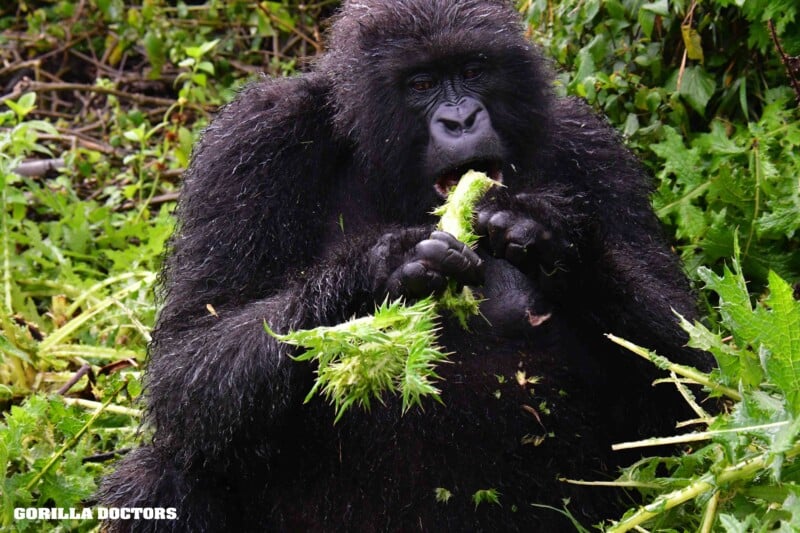
Gorilla Doctors leads the charge. This partnership between UC Davis and regional wildlife authorities provides the only full-time veterinary care for wild great apes.
In 2025 alone, they conducted 350+ health checks, 80+ interventions, and responded to eight snare emergencies. Their One Health laboratory analyzes samples for viruses, parasites, and bacteria.
The Dian Fossey Gorilla Fund, International Gorilla Conservation Programme (IGCP), and national authorities (Uganda Wildlife Authority, Rwanda Development Board, ICCN) collaborate on monitoring, vaccination research, and community health programs.
These organizations train local veterinarians, fund rapid-response teams, and integrate tourism revenue into health infrastructure. Their work has directly contributed to the population rising from 250 in the 1980s to 1,063 today.
How Gorilla Trekking Tourism Impacts Health
Gorilla trekking tourism delivers a double-edged impact on gorilla health. Positively, each $700–$1,500 permit funds veterinary care, anti-poaching, and community projects that reduce habitat encroachment and snare setting.
Tourism revenue supports Gorilla Doctors’ entire operation and community health clinics that lower human disease reservoirs.
Negatively, increased human contact raises transmission risk. Habituated groups show altered gut microbiomes and higher parasite loads. However, strict rules and reduced visitor numbers during COVID dramatically cut respiratory outbreaks, proving regulation works.
Responsible operators like GoSilverback Safaris minimize risks through pre-trek health screening, mandatory masks, and 7-meter distancing. Tourism also funds research into emerging diseases like dengue and Zika.
Overall, well-managed gorilla trekking protects more gorillas than it endangers by generating the economic incentive for conservation.

Rules Tourists Must Follow to Protect Gorillas
Strict gorilla trekking rules exist specifically to prevent disease transmission. Rwanda and Uganda enforce them rigorously.
- Health Screening You must be symptom-free. Anyone with cough, cold, flu, fever, or diarrhea is turned away. This protects gorillas from even mild human illnesses.
- Minimum Distance Maintain 7 meters (23 feet) at all times. This buffer reduces airborne and droplet transmission while giving gorillas space.
- Face Masks Wear surgical or higher-grade masks throughout the encounter. Cover mouth and nose when coughing or sneezing; turn away from gorillas.
- No Eating or Drinking Consume nothing near gorillas to avoid contaminating the environment.
- Hand Washing Wash hands before and after the trek. Use provided sanitizer.
- Group Size and Time Limit Maximum 8 visitors per gorilla family. Visits last exactly 60 minutes to limit exposure.
- Age Restriction Minimum age 15 years. Children carry more childhood illnesses.
- No Flash Photography Use natural light and avoid sudden movements that stress animals.
- Follow Guide Instructions Rangers may end the visit early if gorillas show stress or illness signs.
- Vaccination Compliance Yellow fever vaccination is mandatory for entry; follow all recommended travel health advice.
These rules, developed after outbreaks like the 2009 HMPV case, have proven effective. Violations result in immediate removal and potential permit revocation.
Following them ensures your trek actively safeguards gorilla health.

Prevention & Protection Measures
Prevention combines veterinary medicine, policy, and community engagement.
Veterinary Interventions Gorilla Doctors maintain 24/7 readiness for darting, treatment, and monitoring. They administer antibiotics, antiparasitics, and supportive care directly in the forest. Research into gorilla-specific vaccines (especially Ebola) continues.
Tourism Controls Daily health checks of visitors, mandatory masks, and reduced group sizes limit introduction of new pathogens. COVID-era protocols remain in place for respiratory protection.
Community Health Programs Clinics around parks treat human illnesses proactively. Alternative livelihoods reduce bushmeat hunting and snare use.
Habitat Management Buffer zones and reforestation decrease edge contact. Water source protection prevents fecal contamination.
Monitoring and Research Daily ranger reports, fecal sampling, and advanced lab analysis detect outbreaks early. One Health projects track dengue, Zika, and emerging viruses.
Emergency Preparedness Ebola response plans include rapid vaccination if an outbreak is detected. These layered measures keep diseases that affect gorillas under control.
Future of Gorilla Health & Conservation
The future of gorilla health looks promising yet demands vigilance. With the population at 1,063 and growing, space constraints may increase stress and disease pressure. However, advances in genomics, AI monitoring, and vaccine development offer new tools.
Experts project that proactive vaccination of habituated groups could neutralize Ebola risk. Climate-smart habitat corridors and expanded buffers will reduce human–gorilla interfaces. Continued revenue sharing ensures communities benefit, lowering indirect threats.
By 2030, integrated One Health approaches—linking human, gorilla, and ecosystem health—could make mountain gorillas the first great ape subspecies to achieve secure status. Responsible tourism remains the financial engine driving this progress.
What are common diseases in gorillas?
Common diseases in gorillas include respiratory infections, gastrointestinal disorders, and parasitic infections. Respiratory illnesses like colds and pneumonia are the most frequent and dangerous. Gorillas are also affected by parasites such as worms and bacteria from contaminated food or water. Viral diseases like Ebola Virus Disease have caused major population losses. These diseases are often linked to human interaction, making conservation and strict tourism rules essential for protecting gorilla health.
What are the three biggest threats to gorillas?
The three biggest threats to gorillas are disease, habitat loss, and poaching. Diseases—especially those transmitted by humans—are the leading threat to gorilla survival. Habitat loss occurs due to deforestation, agriculture, and human settlement. Poaching, including accidental snaring, also causes injury and death. These threats are most evident in regions like Bwindi Impenetrable National Park. Conservation efforts focus on reducing these risks through protection, education, and responsible tourism practices.
How do you say “hi” in gorilla?
Gorillas do not have a spoken language like humans, so there is no direct word for “hi.” Instead, gorillas communicate through body language, vocalizations, and facial expressions. A relaxed posture, soft grunts, or eye contact can signal friendly intent. In the wild, especially in places like Volcanoes National Park, guides interpret these behaviors for visitors. Respectful silence and calm behavior are the best ways humans can “greet” gorillas safely.
What are the health issues with gorillas?
Health issues affecting gorillas include respiratory infections, parasites, injuries, and viral diseases. Respiratory illnesses are the most serious, often transmitted by humans. Parasites and gastrointestinal infections arise from contaminated environments. Injuries from snares or conflicts can lead to infections. Diseases like Ebola Virus Disease remain a major concern. These health challenges highlight the importance of conservation, veterinary care, and strict gorilla trekking rules to protect their survival.
Frequently Asked Questions
What are the main diseases that affect gorillas?
Respiratory illnesses from human viruses like HMPV and HRSV are most common, followed by parasites, secondary bacterial infections, and the threat of Ebola. Respiratory disease causes 24% of deaths.
Can humans transmit diseases to mountain gorillas?
Yes. Gorillas share 98% DNA with humans, making them susceptible to our colds, flu, and more serious viruses. Strict rules exist to prevent this.
Has Ebola ever killed mountain gorillas?
No major outbreak in mountain gorillas yet, but models predict up to 98% mortality if introduced. Western lowland gorillas lost one-third of their population to Ebola.
What happened in the 2025 Kwitonda group outbreak?
A respiratory illness affected 16 of 19 gorillas in December 2025. Gorilla Doctors provided treatment; all recovered thanks to rapid response.
Do gorilla trekking tourists spread diseases?
Risk exists but is minimized by rules: 7-meter distance, masks, health screening, and 1-hour limit. Responsible tourism actually funds health protection.
Why are mountain gorillas so vulnerable to human diseases?
Small population, genetic similarity to humans, and habituation for tourism increase exposure. They lack immunity to many human pathogens.
What organizations treat sick gorillas?
Gorilla Doctors provides the only full-time wild great ape veterinary care, performing hundreds of interventions annually across Rwanda, Uganda, and DRC.
Can tourists visit gorillas if they have a cold?
No. Rangers will not allow anyone with respiratory symptoms to trek. This rule protects gorillas from potentially fatal infections.
Are there vaccines for gorillas?
Research into Ebola and other vaccines is ongoing. Current protection relies on human behavior, early detection, and targeted veterinary treatment.
How does climate change affect gorilla diseases?
Warmer temperatures expand mosquito ranges, potentially introducing dengue and Zika. Altered rainfall also changes parasite cycles and food availability.
What should I do to protect gorillas on my trek?
Follow all rules: stay 7 meters away, wear a mask, wash hands, and only trek if completely healthy. Choose ethical operators who support conservation.
Is gorilla trekking safe for both people and gorillas?
Yes, when done responsibly. Strict protocols protect gorillas while giving visitors an unforgettable, low-risk experience that funds their survival.
Conclusion
Diseases that affect gorillas remain a serious but manageable threat to the 1,063 mountain gorillas left on Earth. From the 2025 Kwitonda respiratory outbreak to the ever-present Ebola shadow, the challenges are real—yet so are the solutions.
Decades of dedicated veterinary care, strict tourism rules, and community partnerships have turned vulnerability into a remarkable recovery story.
Your choice to trek responsibly directly strengthens this defense. Every permit purchased funds the very teams that treat sick gorillas, monitor outbreaks, and protect habitat.
The misty slopes of Bwindi and the Virungas await. Secure your gorilla permit today through GoSilverback Safaris and join us in ensuring the next chapter of gorilla health is one of continued survival and thriving families.
Contact GoSilverback Safaris now to book your private gorilla trekking safari. Limited permits sell out months in advance—let our experts handle every detail while you contribute meaningfully to the future of these extraordinary apes. The gorillas are waiting. Will you help protect them?.