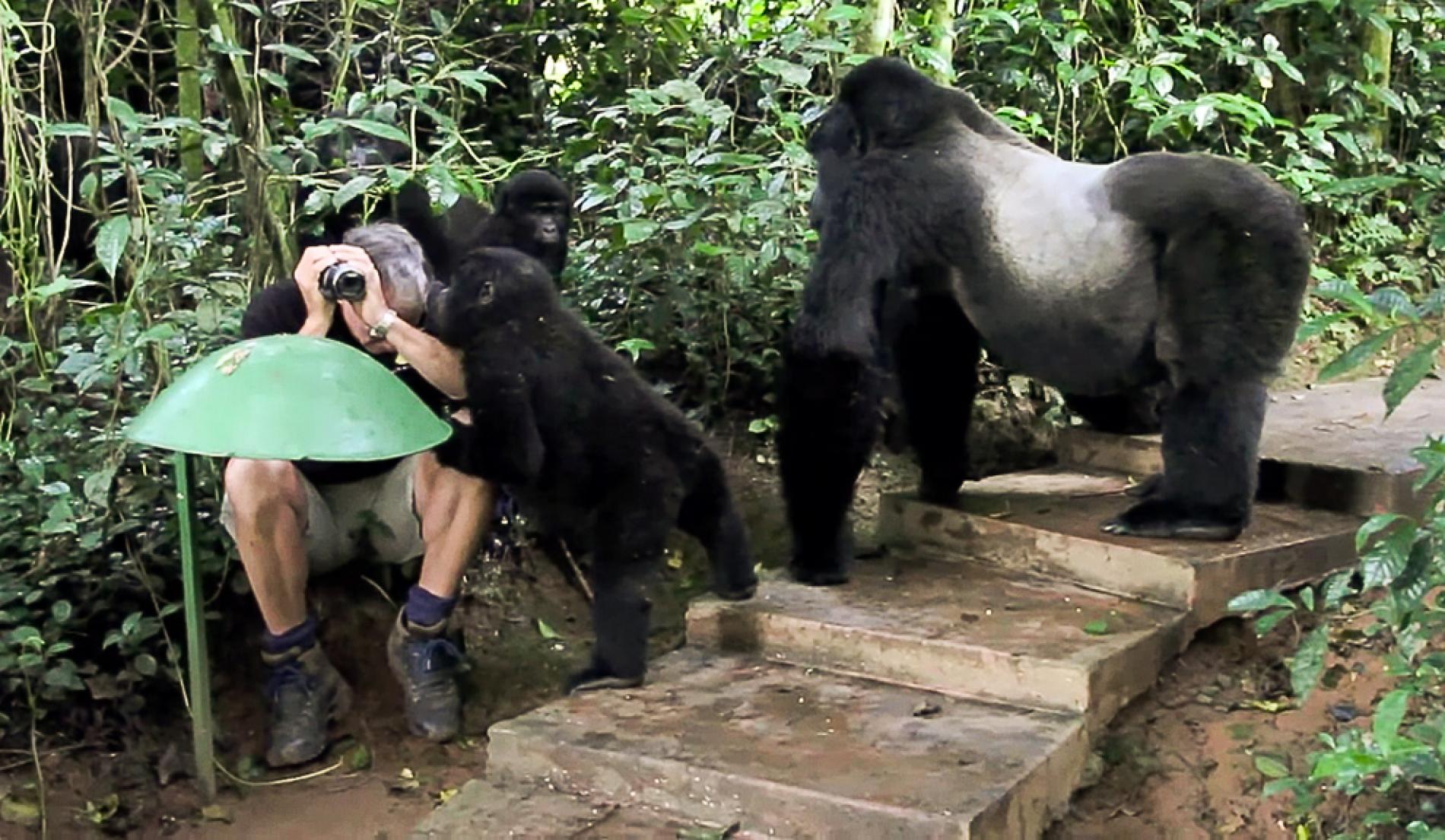
What Is the Difference Between Gorilla Trekking and Gorilla Habituation?
What is the difference between gorilla trekking and gorilla habituation? The difference between gorilla trekking and gorilla habituation is that Gorilla trekking involves visiting a fully habituated family for one hour and is available in Uganda, Rwanda, and the DRC, with groups of up to eight visitors.
It suits first-timers and those on tight schedules, while Gorilla habituation, exclusive to Bwindi Impenetrable National Park in Uganda, allows up to four hours with a semi-habituated family alongside researchers, limited to four visitors.
It is ideal for photographers, wildlife enthusiasts, and repeat travelers seeking a deeper, immersive conservation experience.
Gorilla trekking and gorilla habituation both offer unforgettable encounters with endangered mountain gorillas, but they differ significantly.
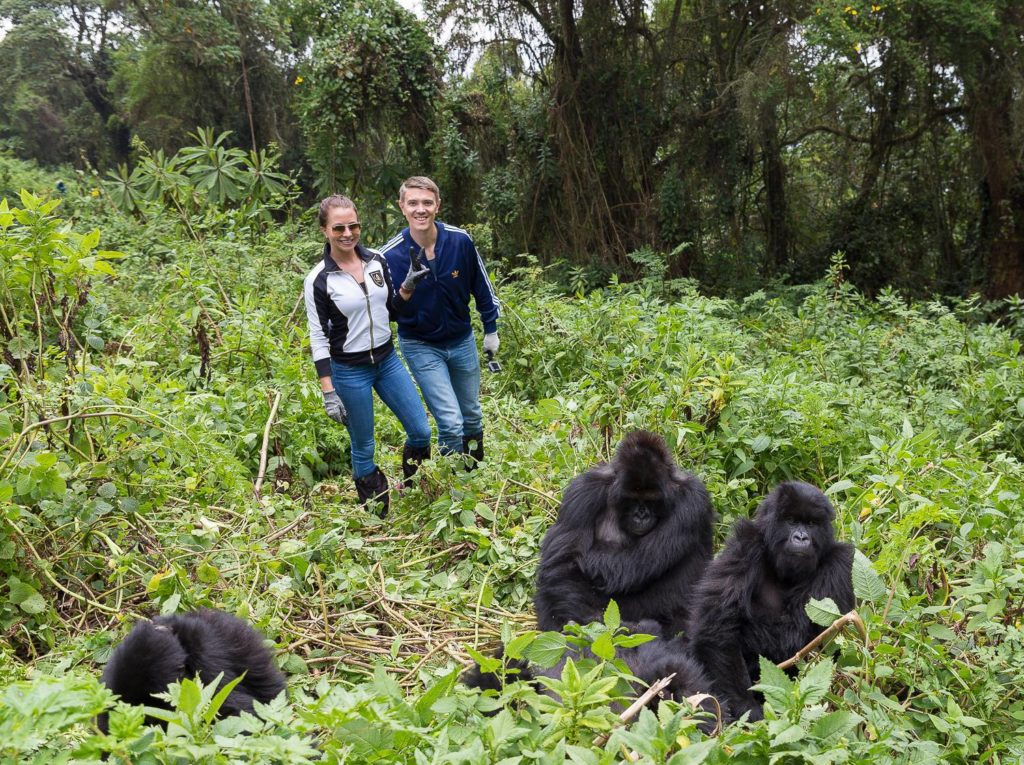
Gorilla Trekking vs Gorilla Habituation
When planning an African wildlife safari, understanding the distinction between gorilla trekking and the gorilla habituation experience (GHE) is crucial for setting the right expectations.
Both offer life-changing moments with our closest genetic relatives, but the logistics, exclusivity, and depth of the experience vary greatly.
Standard gorilla trekking is a highly regulated, classic wildlife encounter. You hike to find a fully habituated family, spend a strict one hour observing them, and return.
It is available across multiple countries and parks. In contrast, the gorilla habituation experience is an immersive, research-led activity. You join trackers and researchers to help a wild gorilla family gradually accept human presence.
This grants you up to four hours with the gorillas, but it is strictly limited to specific sectors of Bwindi Impenetrable National Park in Uganda.
|
Feature |
Gorilla Trekking |
Gorilla Habituation Experience |
|
Main purpose |
Observe a fully habituated gorilla family |
Join researchers helping a family become accustomed to humans |
|
Time with gorillas |
Usually 1 hour |
Up to 4 hours |
|
Where available |
Uganda, Rwanda, and DRC |
Bwindi Impenetrable National Park, Uganda (mainly Rushaga) |
|
Group size |
Usually up to 8 visitors |
Usually up to 4 visitors |
|
Experience style |
Guided wildlife encounter |
Longer, immersive, research-led experience |
|
Physical demand |
Moderate to strenuous |
Moderate to strenuous, often longer |
|
Best for |
First-time visitors, tighter schedules |
Photographers, wildlife enthusiasts, repeat visitors |
|
Conservation role |
Supports gorilla protection and tourism revenue |
Supports habituation, research, and conservation monitoring |
Note: Standard Uganda trekking takes place in Bwindi and Mgahinga and includes one hour with a habituated family; Rwanda’s Volcanoes National Park similarly allocates one hour per troop per day and issues eight permits per troop.
Ready to secure your mountain gorilla permits? Contact our expert team today to check availability for your dream travel dates.
What Is Gorilla Trekking?
Gorilla trekking is a guided hike through dense, ancient forests to locate a fully habituated mountain gorilla family, followed by a tightly controlled, one-hour viewing period.
The term “habituated” means these gorillas have gradually learned to tolerate supervised human presence without altering their natural behaviors. This careful process, which takes years, ensures the safety of both the gorillas and the visitors.
How Gorilla Trekking Works
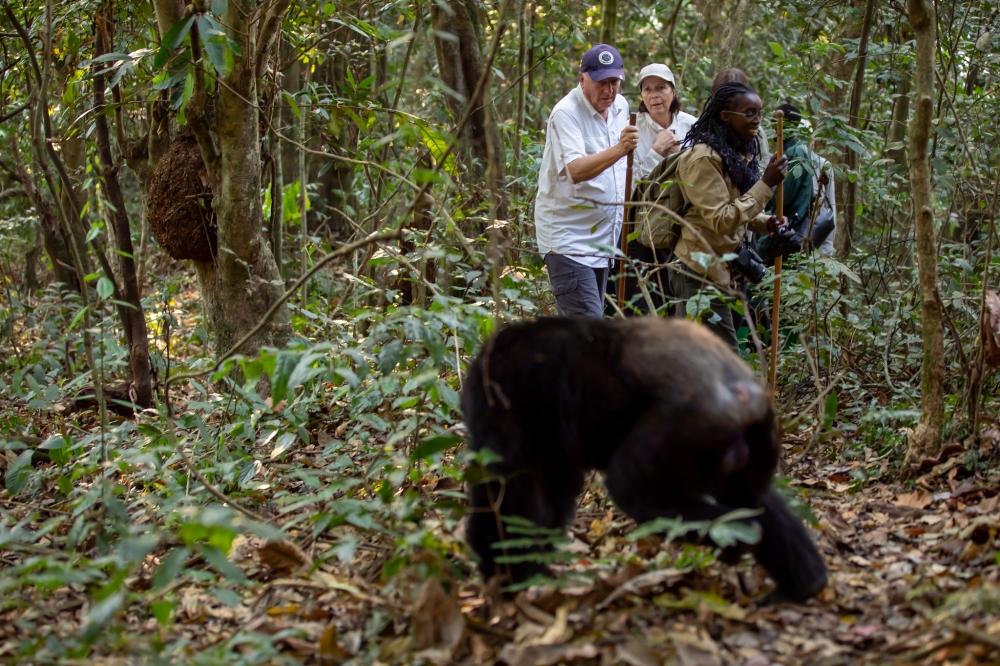
Your day begins early with a briefing at the park headquarters. You are allocated to a specific gorilla family based on your fitness level and preferences.
Armed with walking sticks and accompanied by armed rangers for security, you trek into the forest. Once the gorillas are located, the clock starts.
You have exactly 60 minutes to observe, photograph, and absorb the experience before moving out to minimize stress on the animals.
Where You Can Go Gorilla Trekking
This experience is available in three primary destinations:
- Uganda: Bwindi Impenetrable National Park and Mgahinga Gorilla National Park.
- Rwanda: Volcanoes National Park.
- DRC: Virunga National Park.
What Happens During the One-Hour Encounter
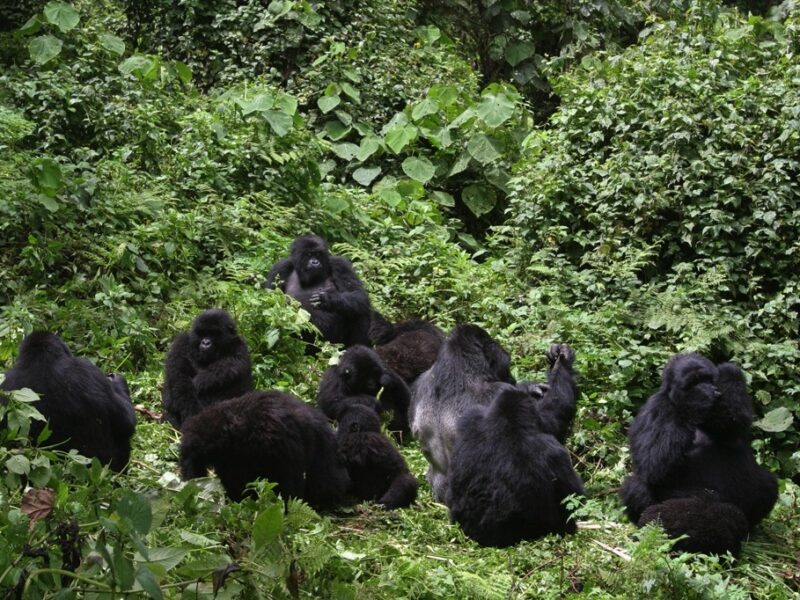
During your one-hour encounter, you will watch the family interact. You might see the dominant silverback resting, mothers grooming infants, or juveniles playfully wrestling.
The Uganda Wildlife Authority (UWA) notes that treks may last anywhere from 2 to 7 hours, depending on where the gorillas foraged the previous night.
In Rwanda, Volcanoes National Park hikes can range from 30 minutes to more than four hours, reaching altitudes of 2,500 to 4,000 meters.
Related Read Guide | Habituated Mountain Gorilla Family | Gorilla Families and Group | Gorilla Family Hierarchy Explained
What Is Gorilla Habituation?
The gorilla habituation experience is the gradual, carefully managed process of helping wild gorillas tolerate human observers without changing their natural behavior.
Unlike standard trekking, where visitors simply arrive for a scheduled viewing, habituation involves accompanying researchers, trackers, and rangers as they actively work with a semi-habituated family.
Why Habituation Matters
Habituation is critical for conservation, scientific research, and the expansion of safe eco-tourism. By allowing a small group of visitors to join the research team, the process generates vital funding while collecting behavioral data.
Exclusivity and Location
This experience is highly exclusive. Groups are strictly limited to four visitors to prevent overwhelming the gorillas.
Currently, the gorilla habituation experience is only available in selected parts of Bwindi Impenetrable National Park, particularly the Rushaga sector in southwestern Uganda.
What Visitors May Observe
Because you spend up to four hours with the family, you witness a much broader spectrum of behavior.
You will observe feeding, resting, grooming, play, movement, and complex social interactions. You also get a behind-the-scenes look at researcher fieldwork, learning how experts track movements and monitor health.
Unpredictability and Reality
It is vital to understand that “habituation” does not mean the gorillas are tame or pets. They are wild animals gradually accustomed to controlled, respectful human observation.
Because the family is still adapting, the experience can feel less predictable. The gorillas may move frequently, and the silverback might occasionally display mock charges to test the visitors’ calm behavior. This raw, unscripted reality is exactly what makes it so thrilling.
Related Read | What is Gorilla Trekking | What to Wear for Gorilla Trekking | What to Pack for Gorilla Trekking
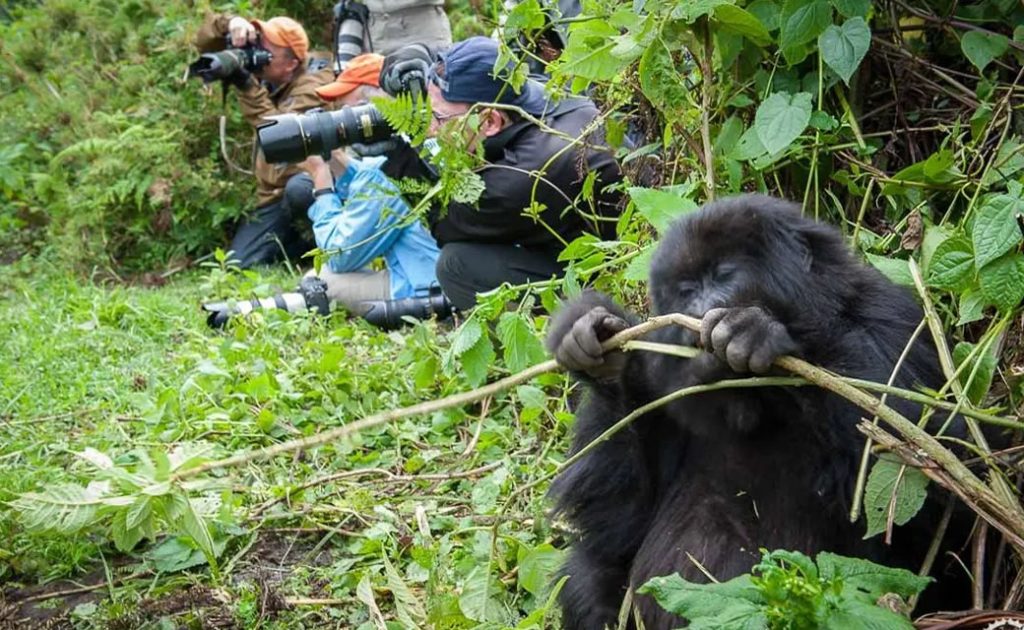
Gorilla Trekking vs Habituation: 9 Key Differences
To help you decide which experience aligns with your travel goals, here are the nine most critical differences between gorilla trekking and gorilla habituation.
1. Purpose of the experience
Gorilla trekking is primarily an observation-focused wildlife encounter. Gorilla habituation is an active participation in a conservation and research process, offering an educational deep dive into primatology.
2. Time spent with gorillas
Standard gorilla trekking gives you a strict one hour with the family. The gorilla habituation experience allows up to four hours, providing ample time to capture the full rhythm of the gorillas’ daily activities.
3. Location and availability
Gorilla trekking is widely available in Uganda, Rwanda, and the DRC. Gorilla habituation is a specialized, exclusive product only available in Uganda’s Bwindi Impenetrable National Park.
4. Group size and exclusivity
Standard trekking permits commonly allow up to eight visitors per group. The GHE is strictly limited to four visitors, ensuring a highly intimate and exclusive experience.
5. Cost and permit value
Prices fluctuate, so always verify current official tariffs. Rwanda lists its standard permit at US$1,500 per person.
Recent Uganda Wildlife Authority tariff reporting places the GHE at US$1,500, rising to US$1,800 from January 1, 2027. Standard Uganda trekking permits are currently US$800 for foreign non-residents.
6. Physical difficulty and trekking time
Both require good fitness, waterproof gear, and a willingness to hike steep, muddy terrain. However, because the GHE group moves at the pace of researchers tracking a semi-habituated family, the hiking duration can be longer and more physically demanding than a standard trek.
7. Photography opportunities
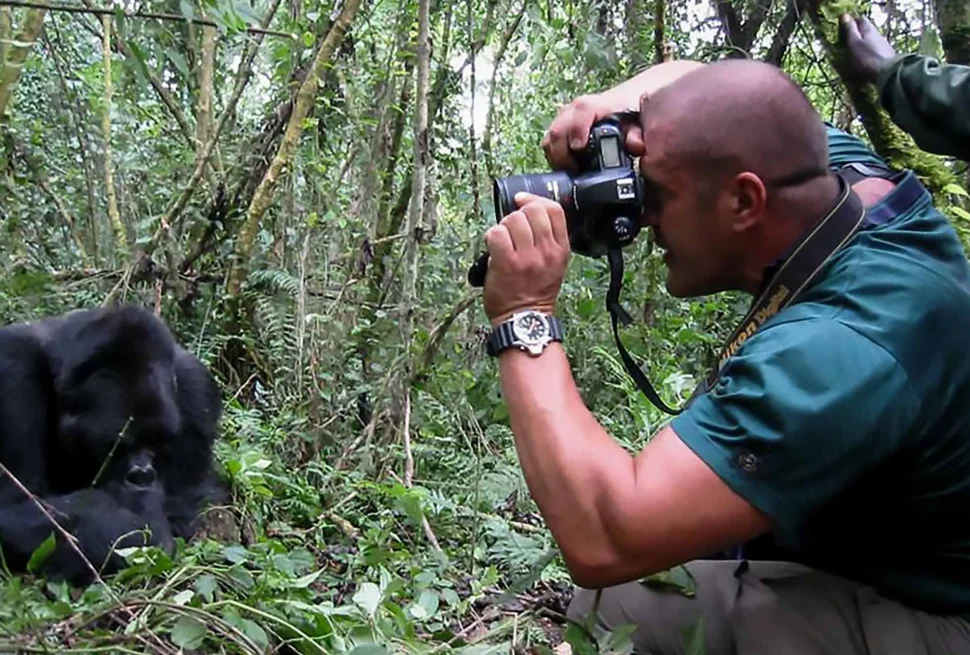
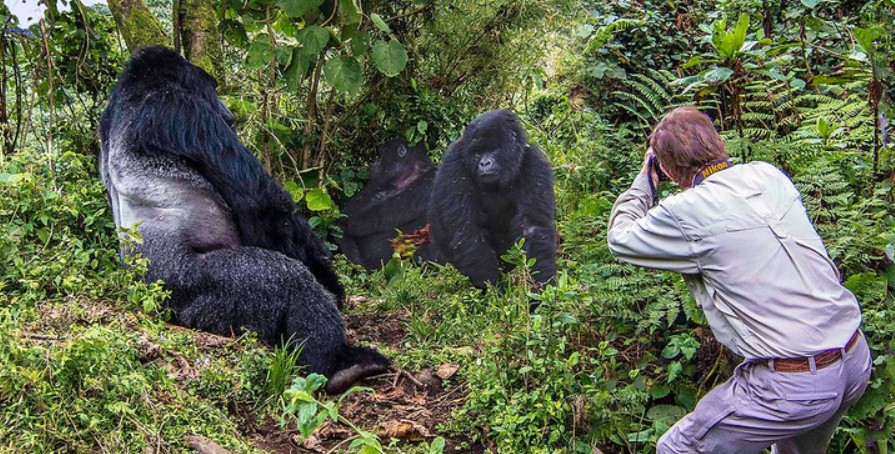
Habituation offers vastly superior photography opportunities. The extended four-hour window and varied behaviors allow for rich storytelling and diverse lighting conditions, though strict flash and distance rules still apply.
8. Conservation impact
Both experiences fund vital protection and local community projects. Notably, Rwanda mandates that 10% of permit revenue goes directly to community projects surrounding Volcanoes National Park, building schools and clinics.
9. Best traveller profile
Trekking suits first-time visitors, families (where age-appropriate), and those on tighter itineraries. Habituation suits serious wildlife lovers, professional photographers, and travelers seeking a profound, immersive connection with conservation.
Want to experience the ultimate 4-hour gorilla encounter? Let us help you secure a highly sought-after Gorilla Habituation permit in Bwindi.
Related Read Guide | Gorilla Trekking for Solo Travelers | What Happens During Gorilla Trekking | How Difficult is Gorilla Trekking
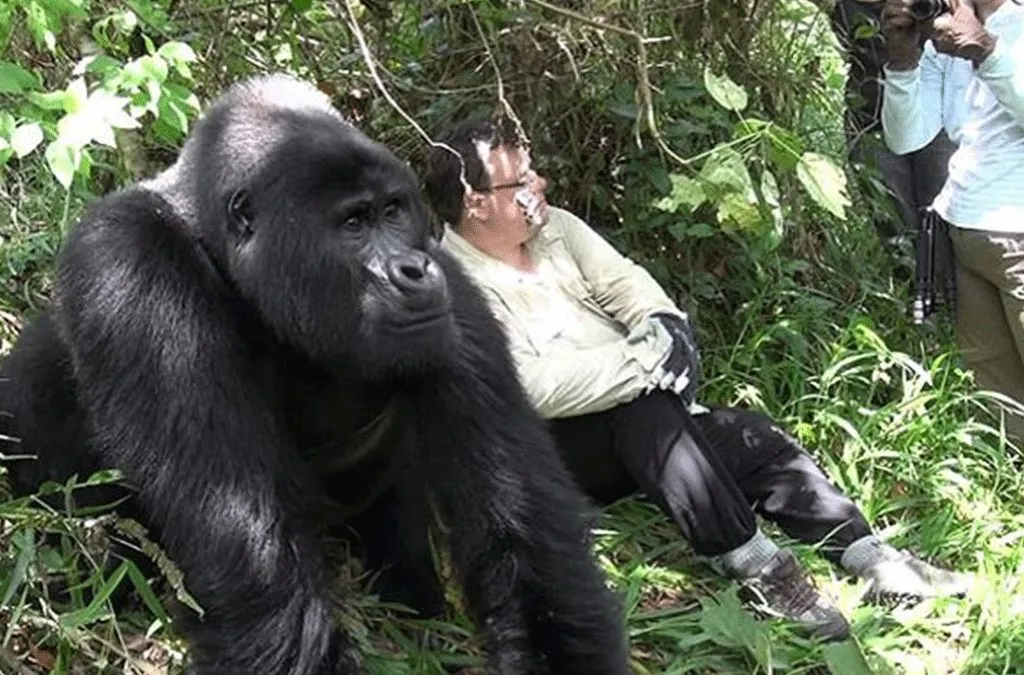
Cost Comparison: Trekking Permits and Habituation Permits
Understanding the financial investment is key to planning your safari. Permit prices are set by national park authorities and are subject to change. Always verify current rates before booking.
|
Experience |
Location |
Published/Current Rate |
Time with Gorillas |
|
Standard gorilla trekking |
Rwanda, Volcanoes NP |
US$1,500 per person per day |
1 hour |
|
Standard gorilla trekking |
Uganda, Bwindi or Mgahinga |
US$800 (Foreign Non-Residents) |
1 hour |
|
Gorilla Habituation Experience |
Uganda, Bwindi/Rushaga |
US$1,500 (rising to US$1,800 in 2027) |
Up to 4 hours |
What Permits Include and Exclude:
Your permit fee generally covers park entry, the services of expert rangers and trackers, armed security, and the gorilla encounter itself.
It does not include international flights, accommodation, meals, transport to the park, porter fees, tips, visas, or travel insurance. Budget accordingly for these essential extras.
Related Read | Rwanda Gorilla Permit | Uganda Gorilla Permit | Gorilla Trekking Permit Explained | How to Get Gorilla Permits | How to Book Gorilla Permit | How Much Does Gorilla Trekking Cost
Where to Do Each Experience
Choosing the right destination depends on your itinerary, budget, and desired experience.
1. Uganda — Bwindi Impenetrable National Park
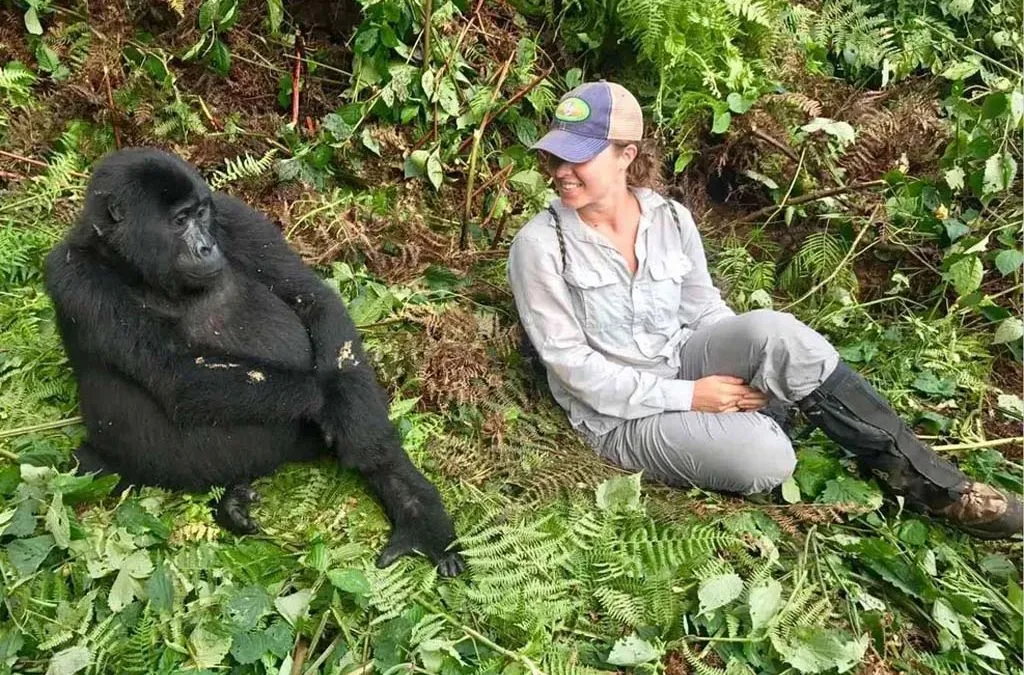
Bwindi is the ultimate destination for primate enthusiasts. It is the best park for both standard trekking and the Gorilla Habituation Experience.
The Uganda Wildlife Authority identifies Buhoma, Ruhija, Rushaga, and Nkuringo as its main trekking sectors. Rushaga is the specific hub for habituation.
Bwindi offers diverse terrain, from steep ridges to deep valleys, hosting nearly half of the world’s remaining mountain gorillas.
2. Uganda — Mgahinga Gorilla National Park
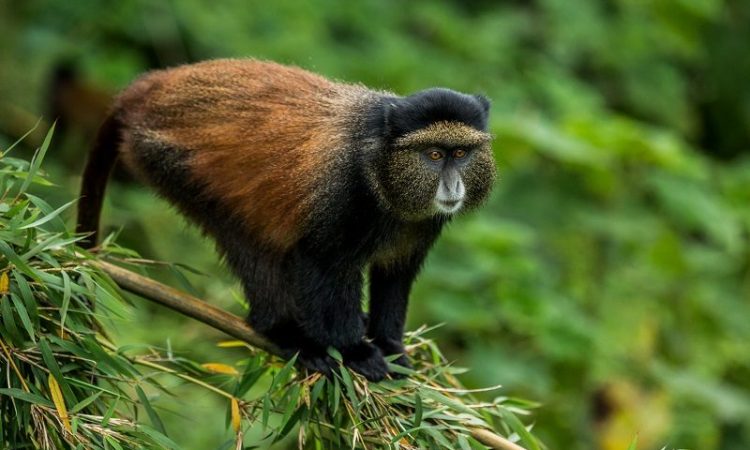
Part of the larger Virunga conservation area, Mgahinga is a lower-volume, highly scenic alternative. It is home to the Nyakagezi family. The UWA notes roughly eight permits are available per day here, making it an excellent choice for travelers combining gorilla trekking with golden monkey tracking.
3. Rwanda — Volcanoes National Park
Volcanoes National Park is best for travelers seeking a shorter, high-end, and highly accessible trek from Kigali (just a 2-hour drive). Visit Rwanda lists 12 fully habituated tourist families and issues 96 daily permits. The park features stunning bamboo forests and volcanic peaks, offering a luxurious, streamlined safari experience.
4. DRC — Virunga National Park
Virunga offers a raw, adventurous experience at a lower permit cost. However, travelers must strictly check current security conditions, access routes, and official operator guidance before planning any trip to the DRC.
Related Read | Uganda vs Rwanda Gorilla Trekking | Bwindi vs Volcanoes National Park | Best Time to Visit Bwindi Imepenetrable Park
Rules and Regulations: How to Visit Gorillas Responsibly
Mountain gorillas are critically endangered, with only around 1,000 left in the wild. Responsible tourism is non-negotiable.
Follow these authoritative guidelines to ensure your visit is ethical and safe:
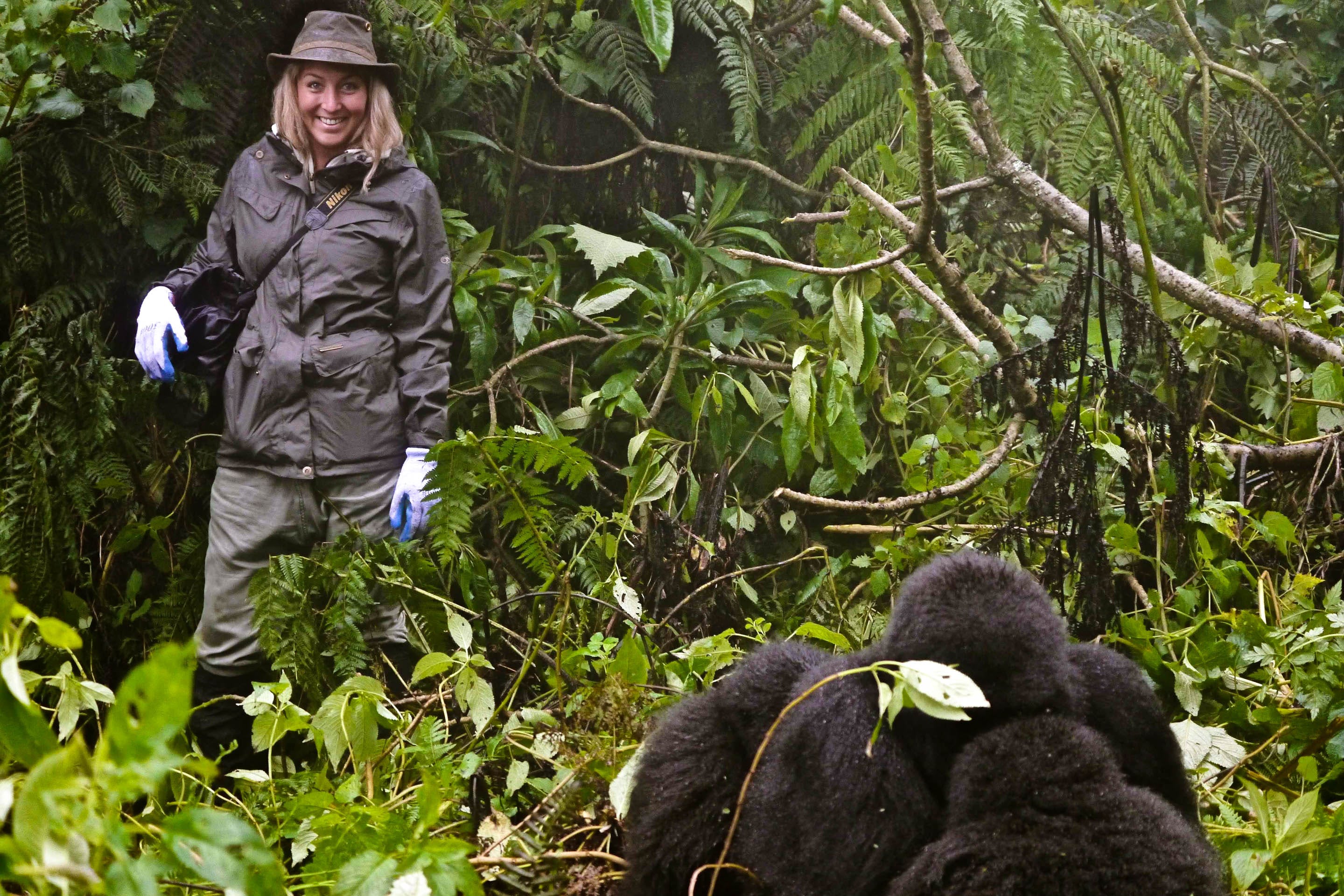
- Maintain Distance: Keep the required 7 meters (22 feet) distance from the gorillas at all times. Follow your ranger’s instructions implicitly.
- Health First: Do not trek if you are ill. Human respiratory infections can be fatal to gorillas. If you are sick, you will be denied entry.
- No Flash or Food: Do not use flash photography, surround the gorillas, eat, or smoke near them. Leave all rubbish in the forest.
- Behavioral Etiquette: Speak quietly, move slowly, and never attempt to touch a gorilla. If a gorilla approaches you, crouch down slowly and avoid direct eye contact.
- Hire Local: Always hire licensed guides and book through official channels. Consider hiring a porter: it supports local employment and makes steep, muddy trails significantly safer and more enjoyable.
- Proper Gear: Rwanda’s official guidance recommends sturdy waterproof walking shoes, gaiters, long protective clothing, gardening gloves, and a waterproof jacket.
Related Read | Are Mountain Gorillas Dangerous? | Are Gorillas Friendly to Humans? | Things You Should Never Do Around Gorillas | Are Gorillas Aggressive Towards Humans?
Gorilla Trekking and Gorilla Habituation: Which Should You Choose?
Deciding between gorilla trekking and gorilla habituation comes down to your travel style, budget, and time.
Use this decision framework:
Choose standard gorilla trekking if:
- You want the classic, highly regulated one-hour wildlife encounter.
- You are visiting Rwanda or prefer the logistical ease of Volcanoes National Park.
- You have a limited itinerary and need a predictable time commitment.
- You are booking your very first gorilla safari.
Choose gorilla habituation if:
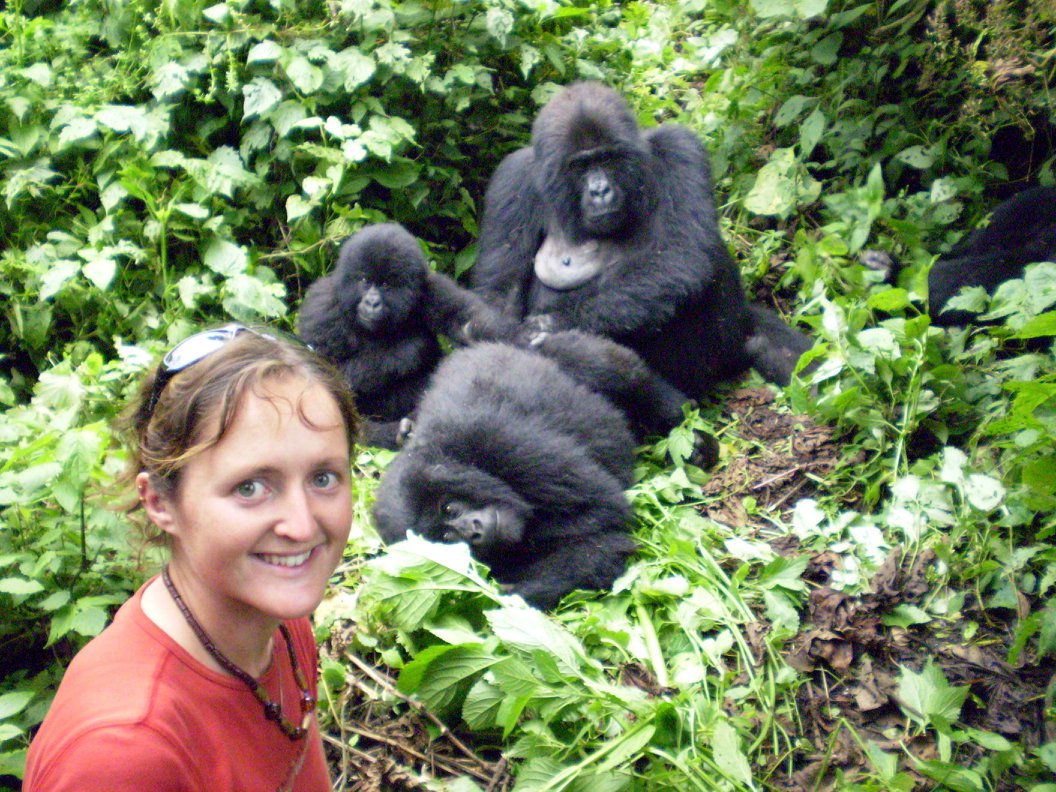
- You want maximum time (up to four hours) with the gorillas.
- You prefer a smaller, more exclusive group (max four people).
- You are specifically visiting Bwindi/Rushaga in Uganda.
- You are a photographer, a behavioral observer, or a repeat visitor seeking a deeper connection to conservation work.
How to Book Gorilla Trekking or Habituation
Securing your mountain gorilla permits requires advance planning, especially for peak seasons. Follow these numbered steps to book your experience:
- Choose Your Destination: Select Uganda or Rwanda based on your itinerary, budget, and preferred experience style.
- Select Your Activity: Decide between standard trekking and, if in Uganda, the Gorilla Habituation Experience.
- Pick Your Dates: Select travel dates well ahead. Permits sell out 6 to 12 months in advance, especially for June–September and December–February.
- Secure the Permit: Book through the relevant national authority (like the Uganda Wildlife Authority (UWA) or a licensed, reputable tour operator. Rwanda advises advance booking through its official Irembo platform or a licensed operator.
- Arrange Logistics: Book lodging near the correct park sector (e.g., Rushaga for habituation, Buhoma for standard Bwindi trekking).
- Prepare Physically: Begin fitness training, purchase proper gear, and secure comprehensive travel and medical insurance.
- Final Confirmation: Reconfirm current permit prices, health rules, and park regulations shortly before travel.
Don’t leave your permits to chance. Contact our specialists now to check real-time availability and secure your gorilla permits.
Frequently Asked Questions
Is gorilla habituation worth it?
Absolutely. For wildlife enthusiasts and photographers, the four-hour window and intimate group size make the gorilla habituation experience an unparalleled, deeply rewarding investment.
How long do you spend with gorillas during habituation?
You can spend up to four hours with the semi-habituated family, compared to the standard one hour on a regular trek.
Can you do gorilla habituation in Rwanda?
No. The gorilla habituation experience is currently exclusive to Bwindi Impenetrable National Park in Uganda. Rwanda only offers standard gorilla trekking.
Is gorilla trekking dangerous?
When conducted with licensed rangers and strict adherence to rules, gorilla trekking is very safe. The rangers are highly trained, and the gorillas are habituated to human presence.
What is the difference between a habituated and unhabituated gorilla family?
A habituated family is accustomed to human presence and can be visited safely. An unhabituated family is entirely wild, avoids humans, and cannot be visited for tourism.
How fit do you need to be for gorilla trekking?
You need a moderate to good level of fitness. Treks involve hiking at high altitudes over steep, uneven, and often muddy terrain for 2 to 7 hours.
Can children go gorilla trekking?
Age limits are strictly enforced to protect the gorillas and ensure safety. Rwanda sets a minimum tracking age of 15. Uganda generally requires children to be at least 15 years old as well.
What should I wear for gorilla trekking?
Wear long sleeves and pants, sturdy waterproof hiking boots, gaiters, and gloves. Bring a rain jacket, as forest weather is highly unpredictable.
Is gorilla trekking ethical?
Yes, when done responsibly. Permit fees directly fund anti-poaching patrols, veterinary care, and community development, making tourism a primary driver of gorilla conservation.
Which is better: Uganda or Rwanda for gorilla trekking?
Neither is objectively “better.” Rwanda offers easier logistics, shorter drives, and luxury lodges. Uganda offers more permit availability, diverse sectors, and the unique habituation experience.
Final Thoughts: Trekking or Habituation?
Both gorilla trekking and the gorilla habituation experience offer profound, life-altering encounters with mountain gorillas.
Standard trekking remains the best, most accessible introduction to these magnificent apes, perfect for first-timers and those seeking a classic safari highlight.
However, habituation is the premium choice for travelers who value extended time, exclusivity, and a closer, more intimate look at vital conservation work.
Whichever path you choose, your visit directly ensures the survival of the mountain gorilla.
Ready to embark on the adventure of a lifetime?
Explore our Uganda gorilla habituation safaris or compare Uganda and Rwanda gorilla trekking packages today. Book your gorilla permit through GoSilverback Gorilla Safaris and let our expert team craft your perfect, seamless primate adventure.