
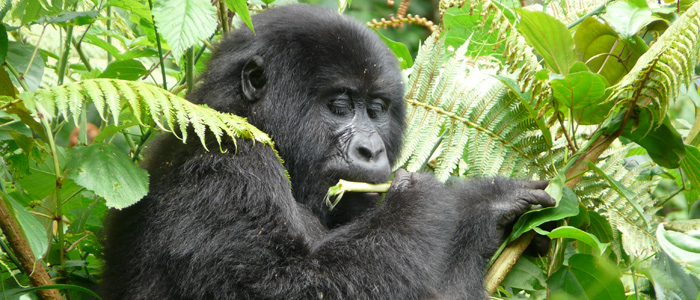
Mountain Gorilla Food: What Do Mountain Gorillas Eat in the Wild? (Diet, Foraging & Facts) 2026 Guide
Discover the mountain gorilla food — what these majestic apes eat daily in Uganda’s Bwindi and Mgahinga forests. From leaves and bamboo shoots to stems and insects, explore their foraging habits, daily intake, and conservation importance
What is Mountain Gorilla Food?
Mountain gorilla food consists primarily of a vast array of vegetation that sustains these endangered giants in the high-altitude forests of Uganda, Rwanda, and the Democratic Republic of Congo.
As folivorous herbivores, mountain gorillas thrive on a plant-based diet dominated by leaves, stems, pith, shoots, and bamboo.
Bold key fact: Over 86% of their diet comprises leaves, stems, and shoots from more than 140–142 recorded plant species. Edible roots make up about 7%, flowers 3%, fruits around 2%, with occasional insects like ants, termites, and grubs contributing a small percentage.
Unlike their lowland relatives, who consume significantly more fruit, mountain gorillas have adapted to cooler, higher-elevation environments (2,200–4,300 meters) where fibrous vegetation is more abundant and reliable year-round.
This diet supports their impressive size — adult silverbacks can weigh up to 220 kg — while requiring them to forage extensively.
As experienced safari operators at GoSilverback Gorilla Safaris, we frequently witness these feeding behaviors during treks in Bwindi Impenetrable National Park and Mgahinga Gorilla National Park in Uganda.
Understanding mountain gorilla diet not only enriches your gorilla trekking experience but also highlights the critical link between habitat health and gorilla survival.
This comprehensive guide explores every aspect of what mountain gorillas eat, their foraging routines, seasonal influences, and how this knowledge enhances responsible gorilla safaris for travelers from the USA, UK, Europe, Canada, Asia, and the Middle East.
Whether planning your first Uganda gorilla trek or deepening your conservation knowledge, the mountain gorilla’s food sources reveal the delicate balance of their ecosystem.
Understanding the Mountain Gorilla Diet Basics
Mountain gorillas are classified as herbivores with a highly specialized digestive system suited for processing large volumes of fibrous, low-energy plant material.
Their enlarged gut and slow digestion allow efficient extraction of nutrients from tough vegetation, similar to a ruminant but without rumination. The diet varies slightly by subspecies and habitat but remains consistently vegetation-heavy.
Mountain gorillas consume far less fruit (often under 3–25% depending on availability and study) compared to western lowland gorillas, whose diet can be 50%+ fruit in season. This adaptation stems from the montane forests’ limited fruiting trees at higher altitudes.
Key nutritional drivers include high fiber for gut health, moderate protein from young leaves and shoots, and hydration from succulent plants. Gorillas rarely drink standing water, obtaining most moisture from dew-covered foliage and juicy stems.
Their selective foraging targets plants rich in protein and sugars while minimizing high-fiber low-nutrient options. They use powerful jaws, large canines (for display more than feeding), and dexterous lips and hands to strip leaves, peel stems, and select preferred parts.
This diet directly influences their ranging behavior, social structure, and vulnerability to habitat changes. In Uganda’s Bwindi forest, greater plant diversity supports more varied feeding compared to the Virunga Volcanoes.
As conservation-focused operators, we emphasize that protecting these food sources is essential for the species’ recovery — mountain gorilla numbers have grown from under 300 in the 1980s to over 1,000 today, thanks to tourism-funded protection and anti-poaching.
Understanding these basics prepares trekkers to appreciate the subtle feeding signs: discarded stems, bent vegetation, and silverbacks methodically working through dense undergrowth.
Primary Foods in the Mountain Gorilla Diet
The mountain gorilla diet features a rich selection of herbaceous plants, vines, and woody species.
Here is a detailed breakdown of primary foods:
1. Leaves, Stems, Pith & Shoots (Dominant ~86%) These form the cornerstone. Favorite plants include:
- Wild celery (Peucedanum spp.)
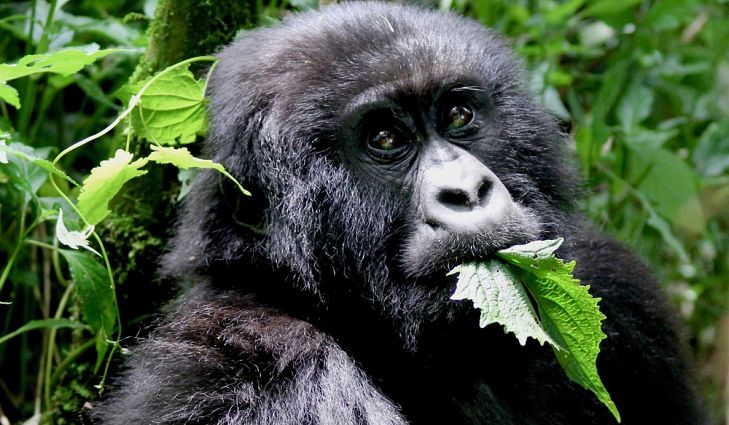
- Stinging nettles (Urtica spp.) — protein-rich and abundant
- Galium vines (bedstraw)
- Thistles and various herbs
- Young shoots and pith from giant lobelia and other succulents
Gorillas carefully strip leaves or suck out nutritious pith, discarding tougher fibers.
2. Bamboo Shoots
A highly prized seasonal delicacy, especially in Bwindi and Virunga. Silverbacks use their strength to break bamboo culms and feast on tender shoots.
3. Fruits (2–25% depending on season and location)
Limited but relished when available. In Bwindi, species like Rubus (wild blackberries), Ficus, Morus, and Syzygium provide sweet treats. Gorillas climb trees of all ages to access them.
4. Roots, Bark & Flowers (~7–10%)
Edible roots provide minerals; bark and flowers add variety, particularly in drier periods.
5. Insects & Invertebrates (Trace amounts)
Occasional ants, termites, grubs, snails, and caterpillars. Gorillas may break open termite nests for larvae, adding protein and fats.
Regional Favorites Table (Summary):
- Bwindi (Uganda): Greater fruit diversity, more tree leaves, wild berries, and varied herbs.
- Virunga: More reliance on nettles, thistles, galium, celery, and bamboo.
Gorillas demonstrate clear preferences, choosing leaves with higher protein-to-fiber ratios and sweeter pith.
They consume over 140 species but focus on a core set of 10–20 that provide the bulk of calories. This selectivity, combined with their role as seed dispersers (for fruits), makes them vital ecosystem engineers.
How Much Do Mountain Gorillas Eat Daily?
Adult silverback mountain gorillas consume an impressive 18–34 kg (40–75 lbs) of vegetation per day, while adult females eat around 18 kg. Juveniles consume proportionally less.
This volume is necessary because their food is low in caloric density. A silverback may spend 4–8 hours daily feeding to meet energy needs for maintaining massive muscle mass, patrolling territory, and supporting group dynamics.
Why so much?
- Fibrous diet requires bulk for fermentation in the hindgut.
- Succulent plants provide hydration (they rarely drink water).
- Soil ingested with roots aids digestion (acting like grit or minerals).
Daily intake varies with season, individual size, activity, and food quality. In times of abundance, they may eat more selectively; during scarcity, they increase volume and range.
These figures underscore the immense pressure on habitats. One habituated group can influence vegetation dynamics across several square kilometers. As tour operators, we design treks that minimize disturbance to these critical feeding areas.
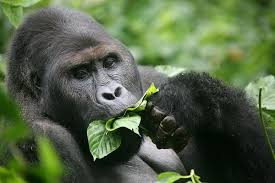
Discover what mountain gorillas eat in the wild and explore our safari packages to experience these incredible primates in their natural habitat.
Foraging Behavior and Daily Routine
Mountain gorillas follow a predictable yet flexible daily rhythm centered on feeding:
- Early Morning: Leave night nests shortly after sunrise and begin foraging.
- Mid-Morning to Midday: Intensive feeding followed by rest (social grooming, playing, or sleeping).
- Afternoon: Another feeding session before building new nests in late afternoon.
They spend roughly half their day eating, one-third resting, and the rest traveling or socializing. Groups move 500m to several kilometers daily, covering home ranges of 3–15 km².
Foraging techniques: Silverbacks lead and demonstrate; younger members learn by observation. They use hands to pull vegetation, lips for delicate selection, and strength for tough stems. Feeding is mostly terrestrial but includes tree-climbing for fruit.
Group dynamics influence foraging: Dominant silverbacks eat first or claim prime spots, but ample food usually prevents serious competition. This peaceful coexistence is a hallmark of mountain gorilla society.
Mountain Gorilla Food by Habitat: Bwindi vs. Virunga
Bwindi Impenetrable National Park (Uganda) offers richer dietary diversity due to lower average altitude and varied microhabitats. Gorillas here eat more fruit, tree leaves, and a broader range of species.
Bamboo remains popular, alongside berries and figs. This variety supports larger or more stable groups and enhances trekking sightings of natural behaviors.
Virunga Volcanoes (spanning Uganda, Rwanda, DRC) feature harsher conditions with more reliance on herbaceous vegetation like nettles, thistles, galium, and celery. Fruit is scarcer, leading to more consistent but less varied diets. Bamboo zones are critical seasonal resources.
These differences affect ranging patterns and group sizes. Bwindi’s diversity often translates to more dynamic trekking experiences, which is why many international visitors choose Uganda for multi-day gorilla safaris.
Role of Diet in Gorilla Health, Strength & Conservation
The fibrous mountain gorilla diet builds powerful physiques while supporting reproduction and immunity. Protein from young foliage aids muscle maintenance; minerals from varied plants bolster bone strength.
Diet quality directly impacts health. Habitat degradation reduces food availability, increasing stress and disease vulnerability. Climate change alters plant phenology, potentially disrupting seasonal food peaks.
Conservation success stories, including population growth, stem from protecting these food-rich forests through tourism revenue. Every gorilla permit contributes to ranger patrols and community development.
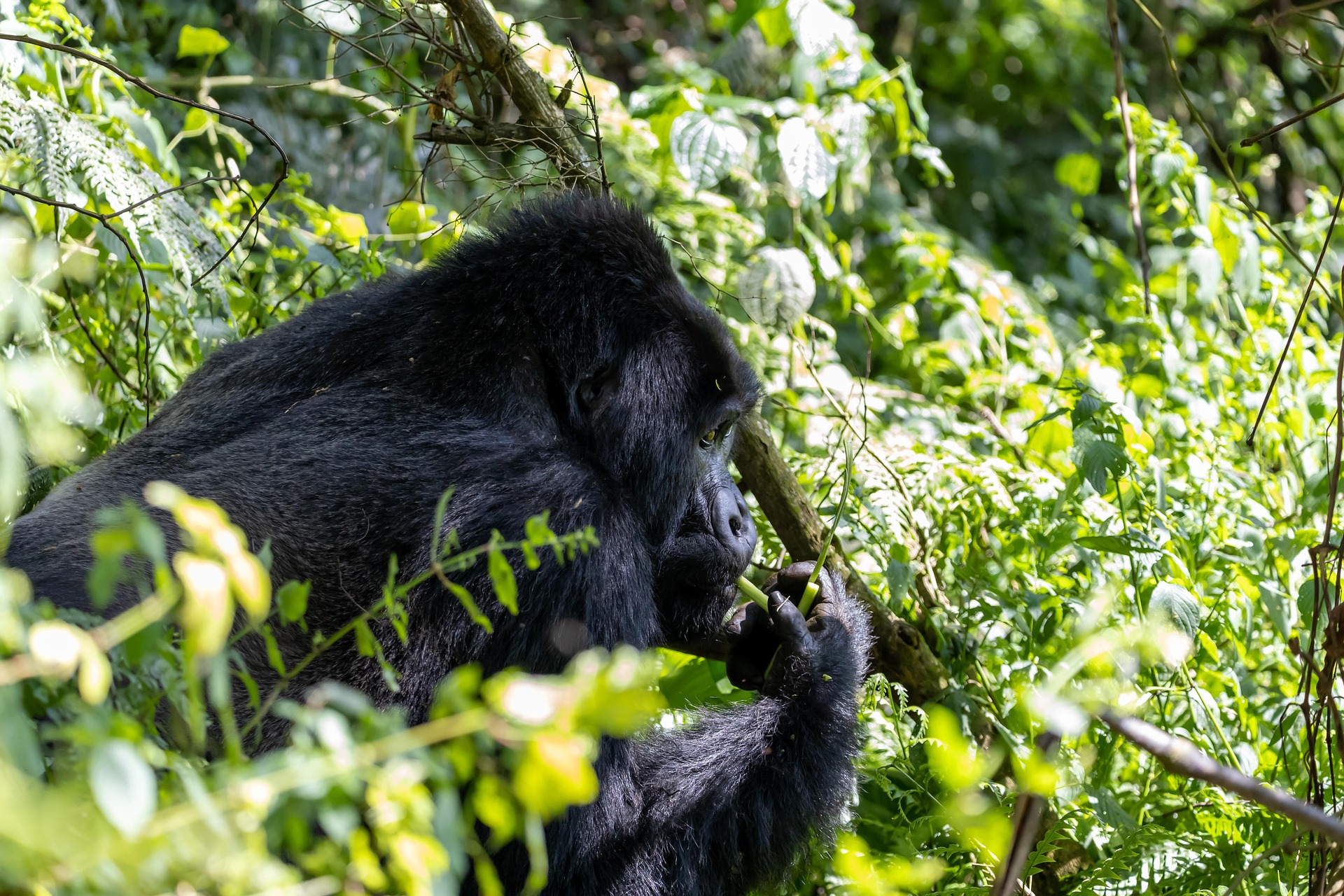
After understanding the diet of Mountain Gorillas, explore our tailored gorilla safari packages for a once-in-a-lifetime trekking experience.
Interesting Facts About Mountain Gorilla Feeding
- Gorillas obtain most water from food and dew.
- They exhibit “food traditions” passed culturally within groups.
- Silverbacks’ silver backs develop with age and strength, partly fueled by consistent high-volume feeding.
- Young gorillas learn preferences by watching mothers.
- They play a role in forest regeneration through selective feeding and seed dispersal.
What Influences Mountain Gorilla Food Availability?
Mountain gorilla food availability is shaped by a complex interplay of natural seasonal cycles, rainfall patterns, climate change, and human-related pressures.
These factors determine not only what mountain gorillas eat on a daily basis but also influence their ranging behavior, group dynamics, and overall health in Bwindi Impenetrable National Park and the Virunga Massif.
1. Seasonality and Rainfall Patterns
Uganda’s equatorial climate features two wet seasons (March–May and September–November) and two drier periods (June–September and December–February).
Wet seasons trigger lush regrowth of key herbaceous plants such as wild celery, nettles, galium vines, and thistles, boosting the availability of high-protein young leaves and shoots that dominate the mountain gorilla diet.
In contrast, dry seasons can limit succulent vegetation, prompting gorillas to shift toward more fibrous stems, pith, or seasonally available bamboo shoots and fruits in Bwindi.
Rainfall directly affects plant phenology — the timing of leaf flush, flowering, and fruiting — which explains why gorillas adjust their foraging routes and sometimes increase daily travel distance when preferred foods become scarce.
2. Climate Change Impacts
Rising temperatures (a documented 2.1°C increase over the past 50 years in the Virunga-Bwindi landscape) and increasingly erratic rainfall are already altering food sources.
Prolonged droughts reduce vegetation biomass, while unseasonal heavy rains cause soil erosion and flooding that damage understory plants.
Fruiting success has declined in some areas, with young fruits withering before maturity, affecting the small but nutritionally important fruit component of the diet.
Higher temperatures also increase the frequency with which gorillas seek standing water — something they traditionally obtain almost entirely from their food. These shifts add physiological stress and may force groups into marginal habitats.
3. Human Pressures
Habitat encroachment, illegal resource extraction (such as charcoal production), and agricultural expansion around park boundaries reduce the total area of food-rich forest.
Even inside protected zones, historical disturbances like past logging or snare poaching have long-term effects on plant diversity and regeneration rates.
4. Link to Best Trekking Seasons
These influences have direct implications for your gorilla trekking experience in Uganda.
The dry seasons (especially June to September and December to February) generally offer the best combination of reliable food availability at predictable locations, firmer trails, and more comfortable trekking conditions.
Gorillas tend to be more active and visible while foraging, and trekkers benefit from clearer paths through the dense vegetation.
As expert operators at GoSilverback Gorilla Safaris, we carefully monitor these patterns to design itineraries that maximize sightings of natural feeding behaviors while minimizing disruption to the gorillas’ critical food resources.
Protecting the delicate balance of mountain gorilla food availability remains central to long-term conservation success and memorable, responsible safaris.
How Gorilla Diet Affects Your Trekking Experience
Understanding the mountain gorilla diet transforms your gorilla trekking experience from a simple wildlife sighting into a profound, educational encounter with one of nature’s most fascinating animals.
As professional guides at GoSilverback Gorilla Safaris, we consistently observe that informed trekkers gain deeper appreciation and longer, more meaningful viewing moments in Bwindi Impenetrable National Park and Mgahinga Gorilla National Park.
What You’ll Observe on a Trek
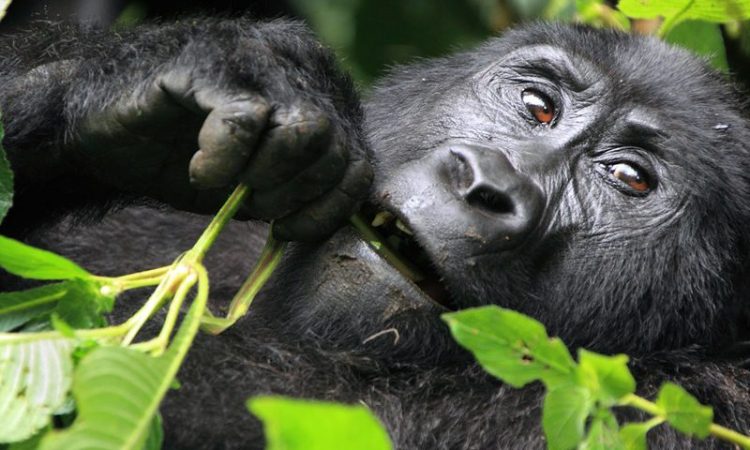
During your permitted one-hour visit, you are highly likely to witness natural feeding behavior. You may see a massive silverback methodically stripping leaves from wild celery or nettles, using his powerful hands and dexterous lips with surprising delicacy.
Females and juveniles often forage together, with mothers teaching young ones which plants to select. You might hear the distinctive crunch of bamboo shoots being broken or the rustle of galium vines being pulled.
Fresh signs of mountain gorilla food — discarded fibrous stems, bent undergrowth, and characteristic “food wads” (chewed pith with fiber spat out) — often guide your trackers to the group.
In Bwindi, lucky trekkers sometimes observe gorillas climbing trees for wild fruits like blackberries or figs, showcasing their adaptability.
Photography Tips for Feeding Gorillas
- Shoot during active feeding in the early morning or late afternoon when gorillas are most focused on food and less disturbed by your presence.
- Use a 70-200mm or 100-400mm lens for close-up details of hands, lips, and facial expressions while maintaining the required 7-meter distance.
- Capture environmental context: a silverback surrounded by lush vegetation tells a richer story about their dependence on the forest.
- Focus on behavior rather than perfect portraits — images of a gorilla selecting and eating specific plants perform exceptionally well and support conservation storytelling.
Why Understanding the Diet Deepens the Encounter
Knowing that a silverback consumes up to 34 kg of vegetation daily helps you interpret their calm, deliberate movements as efficient energy management rather than laziness.
It fosters respect for the fragile link between forest health and gorilla survival. This knowledge elevates your trek from a “bucket list photo” to a genuine connection with a critically endangered species and the ecosystem that sustains them.
Travelers from the USA, UK, Europe, Canada, Asia, and the Middle East who study the mountain gorilla diet before their trip report higher satisfaction and stronger emotional connection.
It also makes you a better steward during the trek — staying quiet, moving slowly, and appreciating subtle behaviors.
At GoSilverback Gorilla Safaris, we brief every client on gorilla feeding ecology so your experience is both unforgettable and responsible.
Explore the fascinating feeding habits of Mountain Gorillas and discover our expertly guided gorilla safari packages for your next African adventure.
Conservation of Mountain Gorilla Food Sources
Protecting mountain gorilla food sources is fundamental to the long-term survival of this critically endangered species.
The lush vegetation of Bwindi Impenetrable National Park and the Virunga Massif forms the foundation of their diet — leaves, stems, bamboo shoots, nettles, and wild fruits. Without healthy, intact forests, even the most nutritious plants cannot sustain growing gorilla populations.
1. Habitat Protection
Effective conservation begins with safeguarding the forests that supply over 140 plant species gorillas rely upon. The Uganda Wildlife Authority, in partnership with international organisations, maintains strict habitat management programs.
These include regular vegetation monitoring, reforestation of buffer zones, and controlling invasive species that threaten native gorilla food plants.
Key fact: Mountain gorilla numbers have increased from approximately 250 in the mid-1980s to over 1,000 today, largely due to expanded and better-protected habitats.
2. Anti-Poaching and Security
Dedicated ranger patrols work around the clock to prevent snare poaching and illegal resource extraction that damages understory vegetation.
Snare removal directly benefits gorilla feeding grounds, while intelligence-led operations reduce broader threats to the ecosystem. In Bwindi and Mgahinga, these efforts ensure that prime foraging areas remain safe and productive year-round.
3. Community Benefits from Tourism
Sustainable gorilla tourism is one of the most successful conservation models in Africa. Revenue from gorilla permits funds park operations, community development projects, and alternative livelihoods for people living adjacent to the parks.
When local communities gain direct economic benefits — through employment, schools, health clinics, and tourism enterprises—they become active partners in protecting gorilla habitats and food sources.
At GoSilverback Gorilla Safaris, we are deeply committed to responsible and eco-friendly gorilla trekking.
We work exclusively with licensed trackers and guides, support community-based conservation initiatives, and ensure that a significant portion of every safari package contributes to habitat protection and local development.
Our operations follow strict international guidelines to minimize environmental impact while maximizing benefits to both gorillas and communities.
By choosing ethical operators, travellers from the USA, UK, Europe, Canada, Asia, and the Middle East directly help safeguard the delicate balance of mountain gorilla food sources.
Every trek becomes a meaningful contribution to conservation, ensuring future generations can witness these majestic apes thriving in their natural forest home.
Interested in Mountain Gorilla food and behavior? Explore our gorilla safari packages and encounter these gentle giants up close in the wild.
Sample Gorilla Trekking Itinerary – Witness Their Diet Firsthand
This carefully crafted 4-day Bwindi gorilla safari itinerary is designed for travelers who want to observe mountain gorilla food and natural feeding behaviors up close.
Operated by GoSilverback Gorilla Safaris, it balances gorilla trekking with comfort, conservation education, and memorable forest experiences in Bwindi Impenetrable National Park.
Day 1: Arrival in Bwindi – Orientation & Gorilla Briefing
Arrive at Kihihi Airstrip or drive from Entebbe/Kampala. Transfer to your luxury lodge overlooking the misty forests (e.g., Buhoma or Nkuringo sector).
In the afternoon, enjoy a private briefing with your guide on mountain gorilla diet, safety protocols, and what to expect. Learn key plants like wild celery, nettles, and bamboo shoots you may see the gorillas eating. Evening relaxation with forest sounds sets the tone for your adventure.
Day 2: First Gorilla Trek – Peak Feeding Activity
After an early breakfast, head to the park headquarters for your gorilla permit briefing. Trek into the dense rainforest (2–6 hours depending on the group). You will likely find the gorillas actively feeding in the morning.
Watch a dominant silverback consume up to 30+ kg of vegetation — stripping leaves with skilled hands, sucking nutritious pith from stems, and breaking fresh bamboo shoots.
Observe juveniles learning from mothers and the group’s peaceful foraging rhythm. This is one of the best times to witness natural mountain gorilla diet behaviors. Return to the lodge for lunch and afternoon relaxation or a community walk.
Day 3: Second Gorilla Trek – Deeper Insights
Visit a different habituated group for your second trek. Different gorilla families often favor different food sources, offering variety. In Bwindi’s richer habitat, you may see them climbing for wild fruits (blackberries or figs) or foraging on galium vines and thistles.
Your expert guide will explain seasonal food preferences and how diet influences group movement. Afternoon optional activities include a forest nature walk focusing on gorilla food plants or a cultural visit to the Batwa people.
Day 4: Optional Activity & Departure
Enjoy a relaxed morning with a birding walk or community craft visit. Those on 5-day extensions can add a trek in Mgahinga for bamboo forest feeding experiences.
Depart for Kihihi or back to Entebbe with unforgettable memories of wild gorillas feeding naturally in their ancient forest home.
This flexible Bwindi gorilla trekking itinerary maximizes your chances of observing authentic feeding behavior while supporting conservation. All treks are led by experienced, licensed guides who prioritize minimal impact on the gorillas and their food sources.
Ready to witness mountain gorillas feeding in the wild? Contact GoSilverback Gorilla Safaris today to customize this itinerary and secure your gorilla permits for your preferred dates.
Interested in Mountain Gorilla food and behavior? Explore our gorilla safari packages and encounter these gentle giants up close in the wild.
Conclusion
The intricate mountain gorilla food web reveals nature’s brilliance and fragility. These gentle giants depend on ancient forests for survival, and we depend on them for inspiration and economic hope in local communities.
By choosing ethical gorilla safaris, you directly support habitat protection and the delicate balance of their diet and ecosystem. Witness silverbacks foraging in mist-shrouded Bwindi or Mgahinga — an experience that changes perspectives forever.
Ready to see mountain gorilla feeding behavior up close? Book your gorilla permit and tailored safari with GoSilverback Gorilla Safaris today.
Our expert guides, conservation commitment, and personalized itineraries ensure a safe, memorable, and responsible adventure. Contact us now to secure your dates for an unforgettable Uganda gorilla trek. Your journey supports these magnificent apes and their forest home for generations to come.