What Is the Gorilla Trekking Fitness Level Required? : How Fit Do You Need to Be? 2026 Guide
Gorilla Trekking Fitness Level is an important factor to consider when planning a gorilla safari in Uganda or Rwanda.
Most travelers with an average level of fitness can successfully complete a gorilla trek, as hiking times vary from one to eight hours depending on the location of the gorilla family.
The terrain may include steep slopes, muddy trails, and dense rainforest, but experienced ranger guides, regular rest breaks, and optional porter assistance make the trek achievable for beginners, seniors, and families.
Preparing with regular walking, hiking, and proper gear will help you enjoy this unforgettable wildlife experience with confidence.
Gorilla trekking is one of Africa’s most rewarding wildlife experiences — but it’s also one of the most commonly misunderstood when it comes to physical difficulty.
Before booking, many travelers ask the same question: am I fit enough to trek to see mountain gorillas?
Here’s the reassuring truth: people of varying ages and fitness levels complete gorilla treks every single day. Some hikes wrap up in under an hour; others stretch across several hours of steep, muddy terrain.
The difference comes down to where the gorilla family happens to be on trekking day — something entirely outside your control, but something your ranger team plans around.
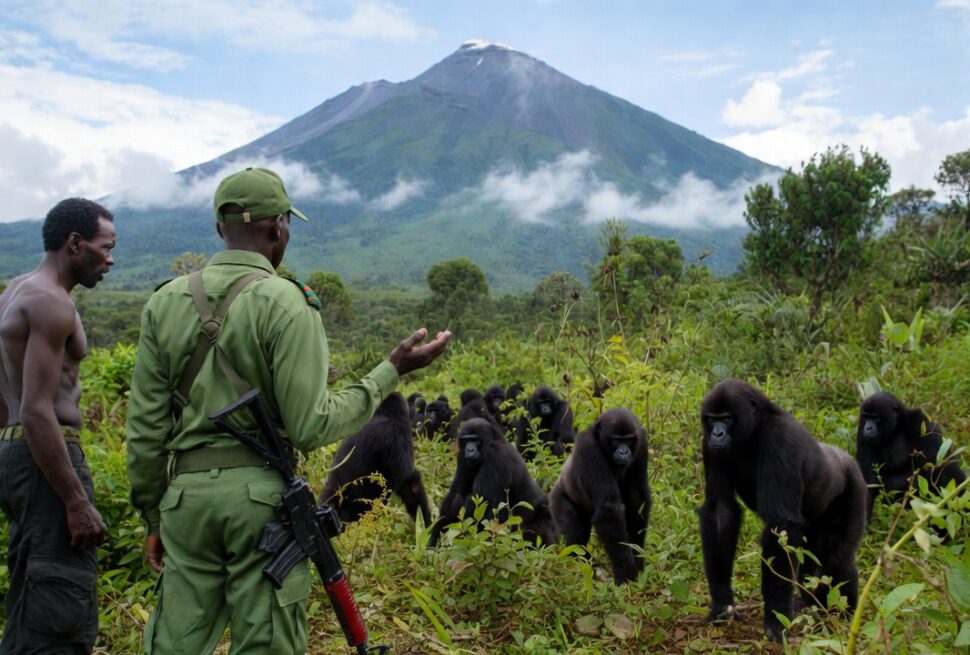
Where possible, rangers assign trekking groups to gorilla families based on visitors’ fitness levels, pairing less mobile guests with closer-ranging families whenever they can.
This guide breaks down exactly what to expect physically, how to prepare in the weeks before your trip, and how seniors, beginners, and travelers with health conditions can all set themselves up for a successful, enjoyable trek.
Quick Answer
Most people with average fitness can successfully complete a gorilla trek. Trekking may last from 1 to 8 hours over uneven forest terrain, but experienced ranger guides, porters, and route planning make the adventure achievable for most travelers — including many seniors.
What Is the Required Fitness Level for Gorilla Trekking?
Average, everyday fitness is usually sufficient for gorilla trekking. You don’t need to be an athlete, and you don’t need mountaineering experience.
- No mountaineering experience required — this is a guided forest walk, not a technical climb.
- Regular daily walking (even 30 minutes a day) meaningfully improves your comfort level on the trail.
- A positive attitude matters as much as physical conditioning — trekkers who pace themselves and stay patient tend to have the best experience regardless of fitness level.
A few important distinctions to keep in mind:
- Age versus fitness: Age alone doesn’t determine whether you can trek — a fit 70-year-old will often outpace an unfit 30-year-old. What matters is your actual mobility and stamina, not the number on your passport.
- Individual pace: Treks move at the pace of the slowest capable member, and guides are used to adjusting.
- Rest breaks are built into every trek and can be requested at any time.
- Ranger support: Guides and porters are trained to physically assist trekkers on steep or slippery sections.
How Difficult Is Gorilla Trekking?
Difficulty varies enormously from one trekking day to the next, and several factors determine how challenging your specific hike will be:
- Gorilla family location — the single biggest variable; some families stay near the park boundary, others range deep into the forest.
- Dense rainforest — thick vegetation slows progress and requires constant footing adjustments.
- Muddy trails — especially common after rainfall and a leading cause of slips.
- River crossings — some routes include stream or river crossings requiring careful footing.
- Elevation — trails can climb steadily, particularly in volcanic regions.
- Weather — rain can appear with little warning in tropical rainforest climates.
- Rainfall — recent rain significantly increases trail difficulty even on otherwise moderate routes.
- Vegetation — thick undergrowth in certain sectors requires trackers to cut a path with machetes.
Because gorilla families move daily, no two treks are the same — even repeat visitors to the same park can have completely different experiences year to year.
Gorilla Trekking Terrain Explained
Expect a mix of the following terrain types during a typical trek:
- Steep hills — common in both Uganda’s and Rwanda’s volcanic and forested regions.
- Valleys — trails often descend into valleys before climbing back out.
- Thick vegetation — dense undergrowth that trackers clear as you go.
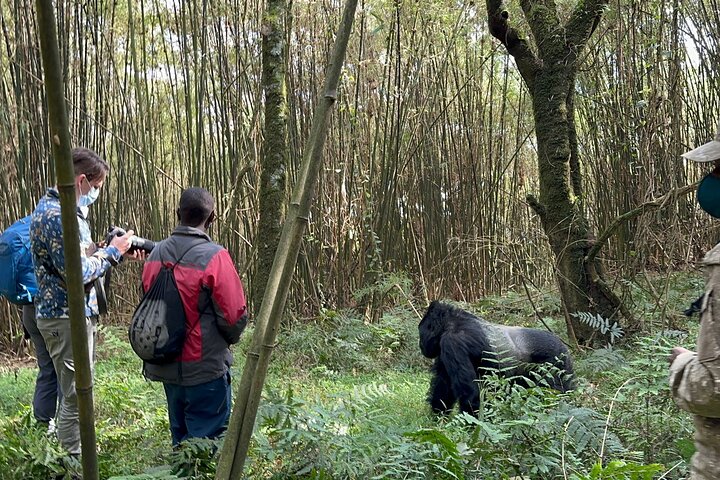
- Bamboo forest — a distinctive terrain type in Rwanda’s Volcanoes National Park.
- Mountain slopes — particularly steep in areas near the Virunga volcanoes.
- Forest paths — established trails through Bwindi’s “impenetrable” rainforest.
- Open clearings — occasional breaks in the canopy offering rest points.
- Slippery ground — a near-constant factor, especially after rain.
Realistic expectation: plan for uneven, often muddy ground throughout, and pack accordingly — proper footwear here isn’t optional, it’s essential.

How Long Does Gorilla Trekking Take?
Trekking time ranges from 30 minutes to 8 hours round trip, depending entirely on where the gorilla family is located that day.
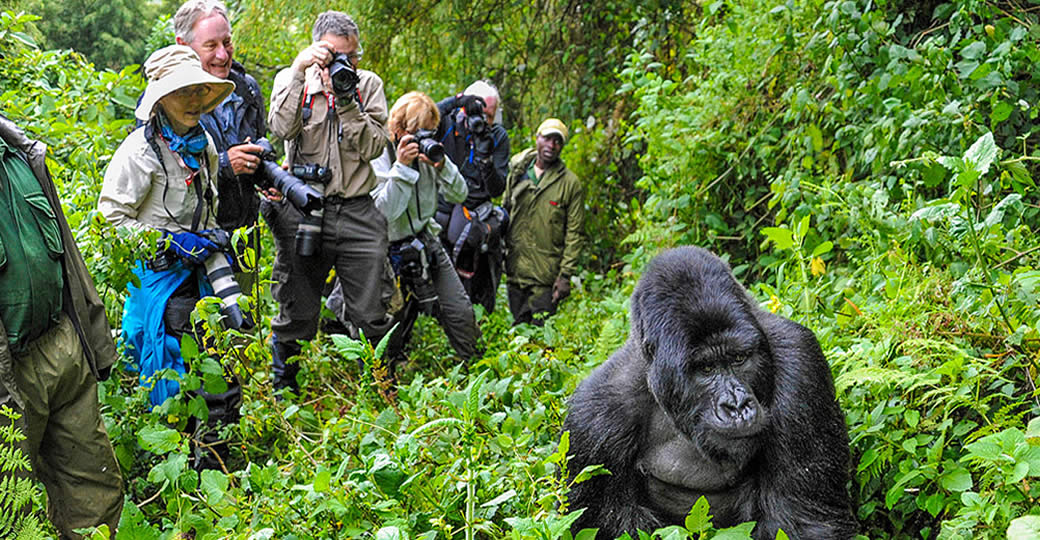
Once found, every group gets the same one-hour encounter with the gorillas, regardless of how long the hike in took.
Here’s a general breakdown:
| Difficulty | Typical Duration | What to Expect |
|---|---|---|
| Easy | 30 minutes – 2 hours | Family located near the trailhead; gentle terrain |
| Moderate | 2 – 5 hours | Mixed terrain, some elevation, occasional mud |
| Challenging | 5 – 8 hours | Deep forest tracking, steep climbs, dense vegetation |
Remember: the return hike takes roughly as long as the hike in, so an 8-hour trekking day is possible, though not typical.
Gorilla Trekking Altitude and Elevation
Altitude is a real factor in gorilla trekking, particularly in Rwanda and at Mgahinga.
- Bwindi Impenetrable National Park (Uganda): ranges roughly from 1,160 to 2,607 meters in elevation.
- Mgahinga Gorilla National Park (Uganda): sits higher, with trekking often above 2,200 meters.
- Volcanoes National Park (Rwanda): among the highest trekking elevations, often exceeding 2,500–3,000 meters on volcanic slopes.
- Altitude effects: shortness of breath, fatigue, and mild headaches are common for travelers not acclimatized to elevation.
- Hydration becomes more important at altitude — dehydration compounds altitude symptoms.
- Acclimatization: spending a night or two at moderate elevation before your trek helps your body adjust.
Can Beginners Do Gorilla Trekking?
Yes — gorilla trekking is genuinely beginner-friendly, provided you set realistic expectations and prepare in advance.
- First-time hikers complete gorilla treks successfully every day, especially with the support of a porter.
- Casual walkers — if you can comfortably walk for an hour or two on uneven ground, you can likely handle a moderate trek.
- Travelers with limited hiking experience benefit most from starting a light walking routine a few weeks before departure.
- Confidence-building tip: book with an operator who can request an easier, closer-ranging gorilla family for your group in advance.
Gorilla Trekking for Seniors
This is one of the most important questions we hear — and the answer is consistently encouraging.
- Age is not the biggest factor — mobility, stamina, and preparation matter far more than the number of years you’ve lived.
- Many trekkers in their 60s, 70s, and even 80s complete gorilla treks successfully every year, often with porter support.
- Hiring a porter is strongly recommended for senior travelers — porters help with balance, carry gear, and can offer a supporting arm on steep sections.
- Sedan chairs (a stretcher-style chair carried by a team of porters) are available in some trekking sectors for travelers unable to walk the full distance.
- Ranger assistance is available throughout — guides regularly slow the pace or offer physical support.
- Private tours allow senior travelers to set their own pace without needing to keep up with a larger group.
Gorilla Trekking for Families
Gorilla trekking can be a meaningful family experience, within clear limits.
- Minimum age is 15 years old — no exceptions, as set by park authorities in both Uganda and Rwanda.
- Teenagers aged 15 and up are welcome and often handle the physical demands well.
- Family preparation: build up walking stamina together in the weeks before travel.
- Safety: younger family members should be briefed on ranger instructions and distance rules just as thoroughly as adults.
Can Overweight Travelers Go Gorilla Trekking?
Yes — body size is not a disqualifier. What matters is your stamina and mobility, not your weight.
Practical strategies that make a real difference:
- Pace yourself — there’s no prize for reaching the gorillas fastest; slow and steady is the standard approach.
- Use walking sticks for balance on uneven or slippery terrain.
- Hire a porter to carry your daypack and offer physical support on climbs.
- Choose an easier gorilla family where your tour operator can request one in advance.
Being honest with your tour operator about your fitness level helps them match you with the most suitable trekking sector and gorilla family.
Health Conditions to Consider
Certain health conditions warrant extra planning — and in some cases, a conversation with your doctor before booking:
- Asthma — altitude and exertion can trigger symptoms; carry your inhaler.
- Heart conditions — the combination of altitude and physical exertion should be discussed with a physician beforehand.
- Knee problems — steep, uneven descents put significant strain on knees; trekking poles help substantially.
- Arthritis — cold, damp mornings and uneven terrain can aggravate joint pain.
- Recent surgery — recovery time and mobility restrictions should be cleared with your doctor first.
- High blood pressure — altitude and exertion can affect blood pressure; monitoring and medication timing may need adjustment.
Always consult a healthcare professional before your trip if you have an underlying health condition, and share relevant details with your tour operator so they can plan accordingly.
How to Prepare Physically for Gorilla Trekking
A simple 6-week preparation plan can make a meaningful difference in your comfort level on trek day:
Weeks 1–2: Walking Start with 20–30 minute walks, 3–4 times per week, gradually increasing duration.
Week 3: Stairs Add stair climbing to build leg strength and cardiovascular endurance.
Week 4: Hills Incorporate hill walks or an inclined treadmill to simulate uneven terrain.
Week 5: Long hikes Attempt a longer hike (2–3 hours) on natural terrain if possible, wearing the boots you plan to trek in.
Week 6: Stretching and endurance Focus on flexibility, light strength work, and one final moderate walk before travel to stay sharp without overtraining.
Best Exercises for Gorilla Trekking
Build a well-rounded routine with:
- Walking — the single best preparation for trek-day demands.
- Hiking — ideally on uneven or hilly terrain.
- Stair climbing — builds the leg strength needed for steep sections.
- Squats — strengthen the quads and glutes used on climbs.
- Lunges — improve balance and single-leg strength for uneven footing.
- Cycling — builds cardiovascular endurance with low joint impact.
- Swimming — a joint-friendly way to build overall stamina.
- Yoga — improves balance and flexibility, useful on slippery terrain.
- Core exercises — support stability when navigating steep or uneven ground.
Tips to Make Gorilla Trekking Easier
- Hire a porter — arguably the single best investment you can make for trek-day comfort.
- Use trekking poles for stability on mud and slopes.
- Wear proper boots — broken-in, waterproof, ankle-supporting hiking boots.
- Stay hydrated throughout the day, not just during the hike.
- Start slowly and let your body settle into a rhythm.
- Dress in layers — forest mornings are cool; midday can be humid.
- Listen to your guide — they know the terrain and your group’s pace better than anyone.
- Carry light luggage — let your porter handle the extra weight.
- Eat a good breakfast — you’ll need sustained energy for a long trekking day.
What Equipment Helps During the Trek?
- Hiking boots — waterproof, broken-in, with solid ankle support.
- Gloves — thick gardening-style gloves protect hands from stinging nettles and thorny vegetation.
- Rain jacket — lightweight and waterproof, given the unpredictable rainforest weather.
- Walking stick — often provided free at the trailhead.
- Backpack — small daypack for water, snacks, and camera gear.
- Gaiters — help keep mud and debris out of your boots.
- Water bottles — at least 2 liters per person recommended.
- Energy snacks — quick, portable calories for longer treks.
Common Mistakes Travelers Make
- Wearing brand-new boots on trek day instead of breaking them in beforehand.
- Overpacking the daypack, adding unnecessary weight to the climb.
- Poor hydration, especially in the days leading up to the trek.
- Ignoring fitness prep entirely and assuming rangers will “carry” the pace.
- Wearing jeans, which trap moisture and restrict movement on steep terrain.
- Skipping breakfast, leading to fatigue partway through a long trek.
- Underestimating rain — even in the “dry” season, rainforest weather is unpredictable.
Gorilla Trekking Fitness Frequently Asked Questions
How fit do I need to be?
Average, everyday fitness is generally sufficient — regular walkers typically manage well.
Is gorilla trekking suitable for seniors?
Yes. Many trekkers in their 60s, 70s, and beyond complete treks successfully, especially with a porter and a slower pace.
Can beginners do it?
Yes, gorilla trekking is beginner-friendly with basic preparation and a positive mindset.
Is it harder in Uganda or Rwanda?
Both can involve strenuous terrain; Rwanda’s Volcanoes National Park tends to involve higher altitude, while Uganda’s Bwindi involves denser, steeper rainforest.
Can I hire a porter?
Yes — porters are available at every trekking sector and are highly recommended for all fitness levels.
How long do treks last?
Anywhere from 30 minutes to 8 hours round trip, depending on the gorilla family’s location that day.
Is altitude a problem?
It can be, particularly in Rwanda and at Mgahinga; staying hydrated and acclimatizing helps.
What if I can’t finish?
Rangers can arrange a sedan chair or adjust the group’s plan; communicate limitations to your guide early.
Do rangers help?
Yes — rangers and porters routinely offer physical assistance on steep or slippery terrain.
Can overweight people trek?
Yes — stamina and mobility matter far more than body size.
Is training required?
Not required, but a 4–6 week walking-based preparation plan significantly improves comfort.
What should I wear?
Long sleeves, long trousers, waterproof hiking boots, and layers for changing forest weather.
Are walking sticks provided?
Yes, most trailheads provide free wooden walking sticks.
Can people with knee problems trek?
Yes, with trekking poles, a porter, and a request for a closer-ranging gorilla family where possible.
Is there an easier gorilla family?
Often, yes — experienced tour operators can request assignment to a family known to range closer to the trailhead.
Why Booking with an Experienced Tour Operator Matters
A knowledgeable safari operator does far more than book your permit — they shape the entire physical experience of your trek:
- Matching travelers with suitable trekking sectors based on fitness and mobility.
- Arranging accommodation close to the park to minimize early-morning travel fatigue.
- Organizing porter services in advance so support is guaranteed on trek day.
- Booking permits early, since gorilla permits are limited and sell out months ahead.
- Providing packing advice tailored to your specific trekking sector and season.
- Arranging private transfers to reduce travel stress before and after the trek.
- Recommending suitable itineraries that balance trekking with rest days.
- Supporting senior travelers and families with realistic expectations and extra planning.
Final Thoughts
Most people with reasonable mobility can complete a gorilla trek — this isn’t an experience reserved for elite hikers. Preparation improves comfort and confidence, but it isn’t a strict requirement for success.
Every trek is different, shaped by where the gorilla family happens to be that day, but experienced rangers and porters consistently tailor the pace and support to match each visitor’s ability.
The physical effort — whether it’s a gentle 30-minute walk or a demanding 8-hour trek — is a small price for the reward waiting at the end: one unforgettable hour face-to-face with mountain gorillas in their natural habitat.
Ready to plan your gorilla trek with confidence? Contact GoSilverback Safaris today for expert permit assistance, personalized itinerary planning, and gorilla trekking packages in Uganda and Rwanda tailored to your fitness level and travel goals.
Our team will match you with the right trekking sector, arrange porters and accommodation, and make sure you’re fully prepared for the adventure of a lifetime.