
Cross River Gorilla: Facts, Why Is It So Rare Today? Where they Live? Explore Their Habitat 2026 guide
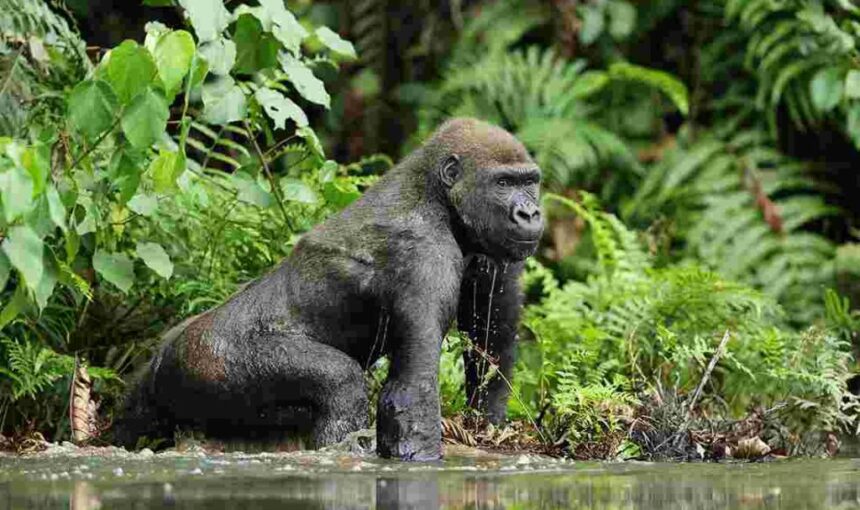
The Cross River gorilla stands as one of the world’s rarest and most elusive great apes, a critically endangered subspecies of the western gorilla clinging to survival in the rugged borderlands of Nigeria and Cameroon.
With an estimated population of just 200–300 individuals, these magnificent primates represent a living link to our shared evolutionary history and a powerful symbol of Africa’s biodiversity crisis.
As expert African safari tour operator and conservation writer, we at GoSilverback Gorilla Safaris highlight the Cross River gorilla not only for its biological uniqueness but also for the urgent call it issues to responsible travelers.
Unlike the more famous mountain gorillas of the Virunga region, Cross River gorillas inhabit fragmented highland forests at the headwaters of the Cross River.
Their shy nature and remote, often inaccessible terrain make direct sightings exceptionally rare, turning any potential encounter into a profound privilege for dedicated conservation-minded travelers.
Cross River gorillas differ subtly from their western lowland relatives in skull structure, with smaller jaws, narrower craniums, and slightly shorter hands and feet.
These adaptations reflect their life in steeper, more mountainous terrain compared to the lowland swamps favored by other western gorillas.
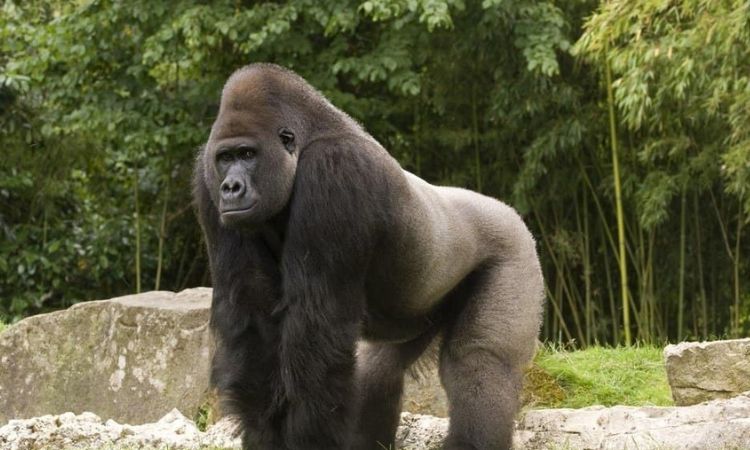
Adult males (silverbacks) can weigh up to 180–200 kg and stand nearly 1.75 meters tall when upright, while females are smaller at around 100 kg.
Their fur often appears redder or greyer than that of eastern gorillas, blending seamlessly with the dappled light of montane forests.
For international travelers from the USA, UK, Europe, Canada, Asia, and the Middle East seeking authentic African wildlife experiences, understanding the Cross River gorilla underscores the importance of ethical safari tourism.
Every responsible journey supports habitat protection and local communities, helping prevent this subspecies from slipping into extinction.
Their story blends hope through ongoing conservation with the harsh reality of human pressures on one of Africa’s last wilderness corridors. This long-form guide explores their biology, threats, and the role travelers can play in their future.
What is a Cross River Gorilla?
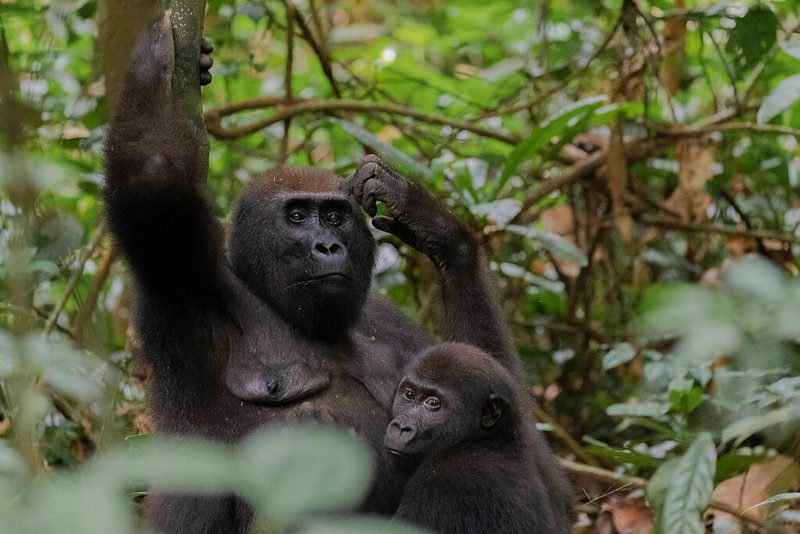
The Cross River gorilla is a distinct subspecies of the western gorilla (Gorilla gorilla), formally recognized as Gorilla gorilla diehli.
First described in 1904, it was long overlooked until renewed surveys in the 1980s and 2000s confirmed its survival after being presumed extinct in parts of its range following Nigeria’s civil war.
Taxonomically, it belongs to the Hominidae family alongside humans, chimpanzees, bonobos, and other gorillas. Genetic studies show it diverged from western lowland gorillas, with the two subspecies separated by roughly 300 km of unsuitable habitat.
Cross River gorillas exhibit morphological differences, including a smaller palate, shorter and narrower cranial vault, and more pronounced differences in dental structure. These traits likely evolved in response to their specialized highland diet and rugged environment.
Physically, they share the robust build of western gorillas but appear slightly more compact. Silverbacks display the characteristic silver saddle of mature males, while all individuals possess dark skin, expressive faces, and powerful limbs suited for both knuckle-walking and occasional bipedal movement.
Their intelligence rivals that of other great apes, with complex social interactions, tool use in some contexts, and deep emotional bonds within family groups.
Cross River gorillas play a vital ecological role as seed dispersers and forest engineers. By consuming fruits and traveling significant distances, they help maintain forest diversity in an ecosystem under heavy human pressure.
Their presence indicates healthy, connected habitats supporting countless other species, including the Nigeria-Cameroon chimpanzee, drills, and rare birds like the grey-necked rockfowl.
From a conservation perspective, their critically endangered status on the IUCN Red List places them among the world’s 25 most endangered primates.
Unlike mountain gorillas, whose populations have rebounded thanks to successful habituation and tourism, Cross River gorillas remain largely unhabituated and wary of humans due to historical hunting pressure.
This elusiveness complicates research but also offers a more pristine wilderness experience for those venturing into their range through community-led or research-supported visits.
As a safari operator committed to sustainable tourism, we emphasize that learning about this subspecies fosters deeper appreciation for Africa’s great ape diversity.
Their story highlights how even small, fragmented populations can persist with dedicated protection, offering lessons for global biodiversity efforts.
Understanding what makes the Cross River gorilla unique—its geography, morphology, and behavior—equips travelers to advocate effectively for its survival during African safaris or conservation-focused journeys.
Habitat and Geographic Range
Cross River gorillas occupy a highly restricted and fragmented range spanning the Nigeria-Cameroon border region, centered around the headwaters of the Cross River in southeastern Nigeria and southwestern Cameroon.
This area covers roughly 3,000 square miles (about 12,000 km²) of tropical and subtropical moist broadleaf forests, including lowland, submontane, and montane habitats at elevations from 40 m to over 1,500 m.
Key sites in Nigeria include:
- Afi Mountain Wildlife Sanctuary — home to an estimated 25–30 individuals.
- Mbe Mountains (proposed community sanctuary) — supporting another 25–30 gorillas.
- Okwangwo Division of Cross River National Park — holding 25–50 individuals.
In Cameroon, important areas encompass:
- Takamanda National Park — protecting the largest single subpopulation (45–65 individuals).
- Mone River Forest Reserve.
- Kagwene Gorilla Sanctuary and other fragments like Tofala Hill.
These sites form a patchwork of protected areas and community lands, often separated by agricultural fields, roads, and human settlements.
The terrain is rugged—steep hills, rocky outcrops, and dense vegetation—that provides natural refuge but also limits movement and gene flow between groups. Gorillas inhabit forests with a mix of fruiting trees, herbaceous understory, and bamboo zones at higher elevations.
The habitat faces seasonal variations: abundant fruits during wet periods and reliance on fallback foods like herbs, stems, and bark during drier months (August–September and November–January). This dietary flexibility allows survival in marginal highland areas unsuitable for western lowland gorillas.
Fragmentation poses a severe challenge. Historical forest connectivity has been severed by logging, farming expansion, and infrastructure, isolating small groups and increasing inbreeding risks.
The landscape sits at the edge of one of West Africa’s most densely populated rural zones, where growing human numbers intensify pressure on remaining forests.
For eco-travelers, this range offers dramatic scenery: misty montane forests, cascading rivers, and rich birdlife. However, accessing these areas requires careful planning.
As a tour operator, we recommend combining potential gorilla-focused visits with broader Nigerian or Cameroonian cultural and wildlife experiences, always prioritizing low-impact travel that bolsters local conservation economies.
The geographic isolation of Cross River gorillas—the most northern and western gorilla population—makes their habitat globally unique.
Protecting these corridors through transboundary efforts between Nigeria and Cameroon remains essential for long-term viability.
Travelers interested in authentic African safaris can contribute by supporting operators and lodges that fund ranger patrols and community alternatives to deforestation.
Population Status – How Many Are Left?
Current estimates place the total wild population of Cross River gorillas at approximately 200–300 individuals, with fewer than 250 mature adults. This makes them the world’s rarest great ape and one of Africa’s most critically endangered mammals.
Nigeria is thought to host around 100 individuals, primarily in Afi Mountain, Mbe Mountains, and Cross River National Park. Cameroon holds the remainder, roughly 125–185, concentrated in Takamanda and surrounding reserves.
These figures derive mainly from nest counts, camera traps, and indirect signs rather than direct sightings, given the gorillas’ extreme wariness.
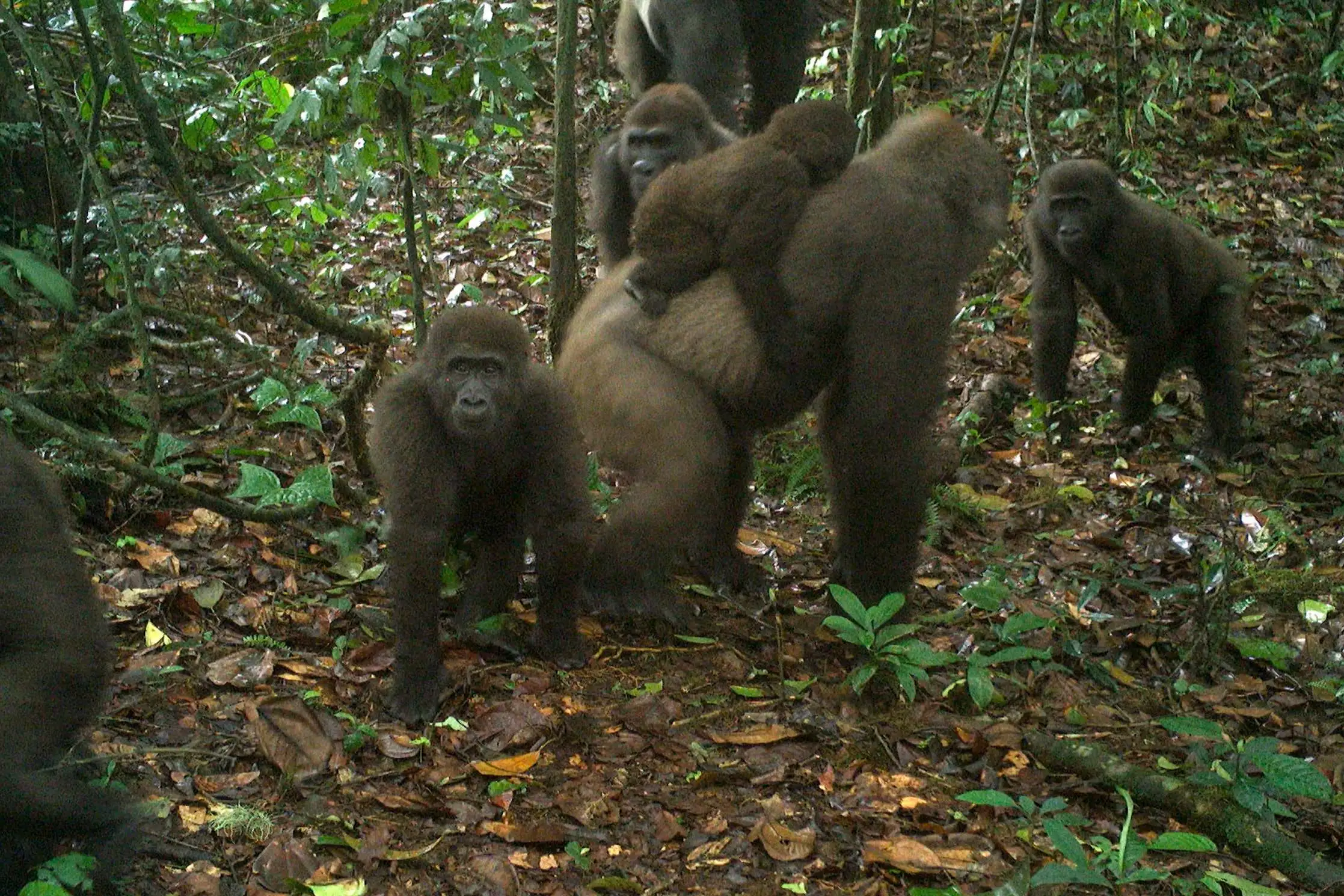
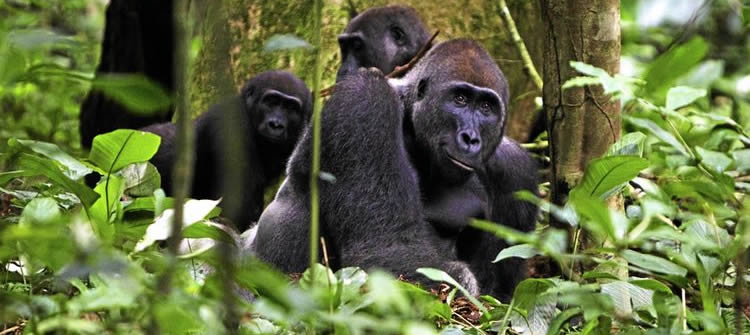
The population is fragmented across at least 11–14 small groups, with limited interchange between them. Group sizes average 4–7 individuals, smaller than those of mountain or western lowland gorillas.
This structure heightens vulnerability: the loss of even a single silverback or breeding female can destabilize a local subpopulation.
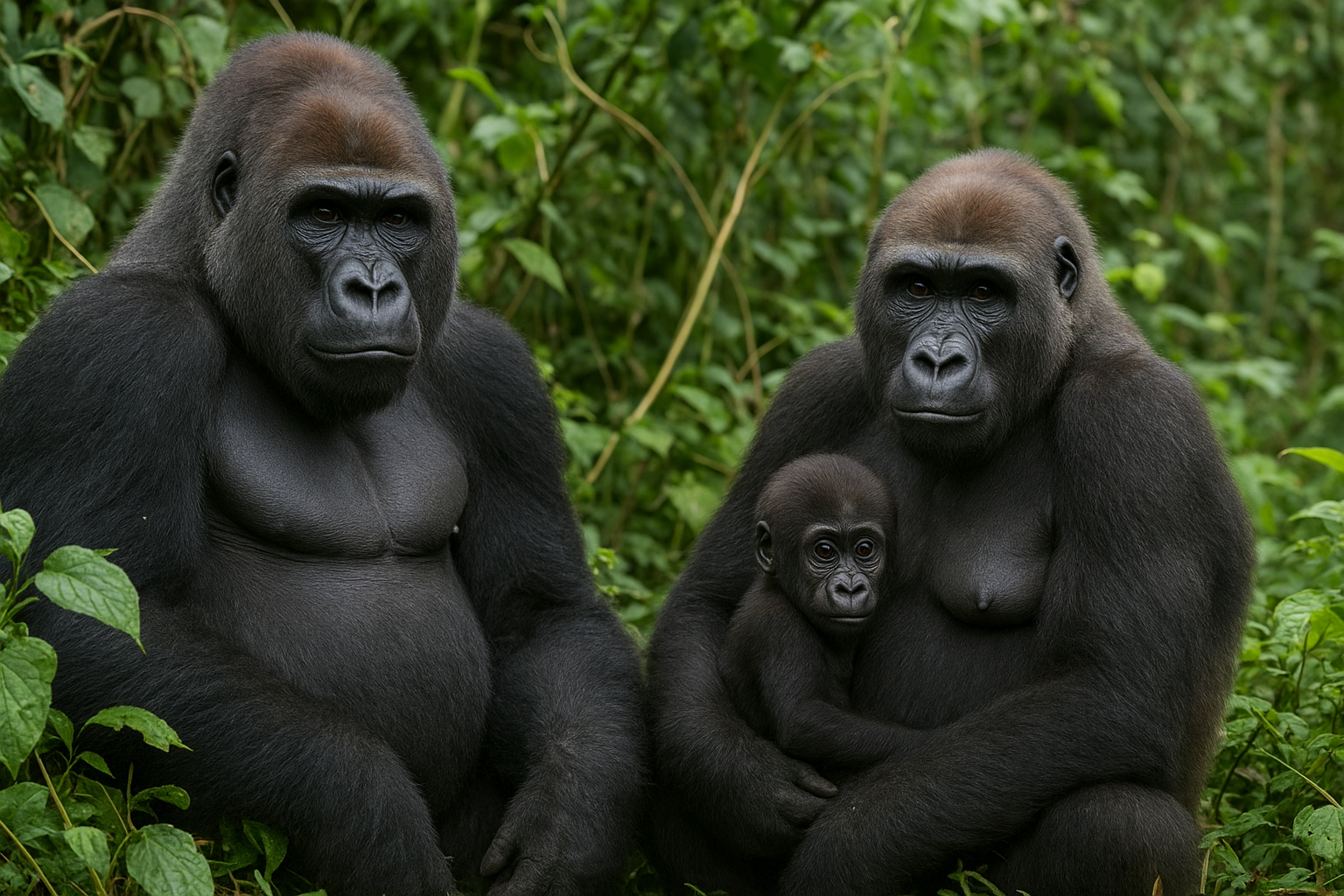
Recent camera-trap images from Afi Mountain and other sites provide rare visual confirmation of survival, including silverbacks and family units.
However, no comprehensive range-wide census exists recently, and numbers have likely remained stable or slightly declined despite conservation gains, due to ongoing threats.
Bold fact: With such a tiny population, the Cross River gorilla faces an extremely high extinction risk. Stochastic events like disease outbreaks or intensified poaching could prove catastrophic.
As a conservation-focused safari operator, we track these figures closely. Positive trends in some protected areas—reduced hunting through ranger patrols—offer cautious optimism, but connectivity remains the greatest challenge.
Travelers from the USA, UK, Europe, and beyond increasingly seek experiences that directly support such populations, whether through donations, volunteer programs, or responsible tourism revenue that funds protection.
Monitoring continues via organizations like the Wildlife Conservation Society (WCS), WWF, and local partners using SMART patrol systems and community guardians. Every birth counts in such a precarious population, underscoring the need for sustained international support.
Behavior, Habitat, Diet & Social Structure
Cross River gorillas live in cohesive, multi-female groups typically led by a dominant silverback male. Groups average 4–7 members, occasionally larger, and include adult females, their offspring, and sometimes subordinate males.
The silverback makes key decisions on movement, feeding, and protection, while also mediating conflicts and siring most offspring.
Social bonds are strong, reinforced through grooming, play, and vocalizations. Unlike more habituated gorillas elsewhere, Cross River gorillas exhibit heightened caution toward humans, sometimes throwing vegetation, sticks, or mud as a deterrent—an uncommon defensive behavior linked to frequent historical human encounters.
Daily activity follows a rhythm of foraging, resting, and nesting. They build new nests each night, often in trees at lower elevations or on the ground in safer or fruit-abundant periods. Day nests provide midday rest.
Their diet is predominantly herbivorous and highly seasonal. When available, fruits comprise the bulk, with gorillas traveling considerable distances to favored trees.
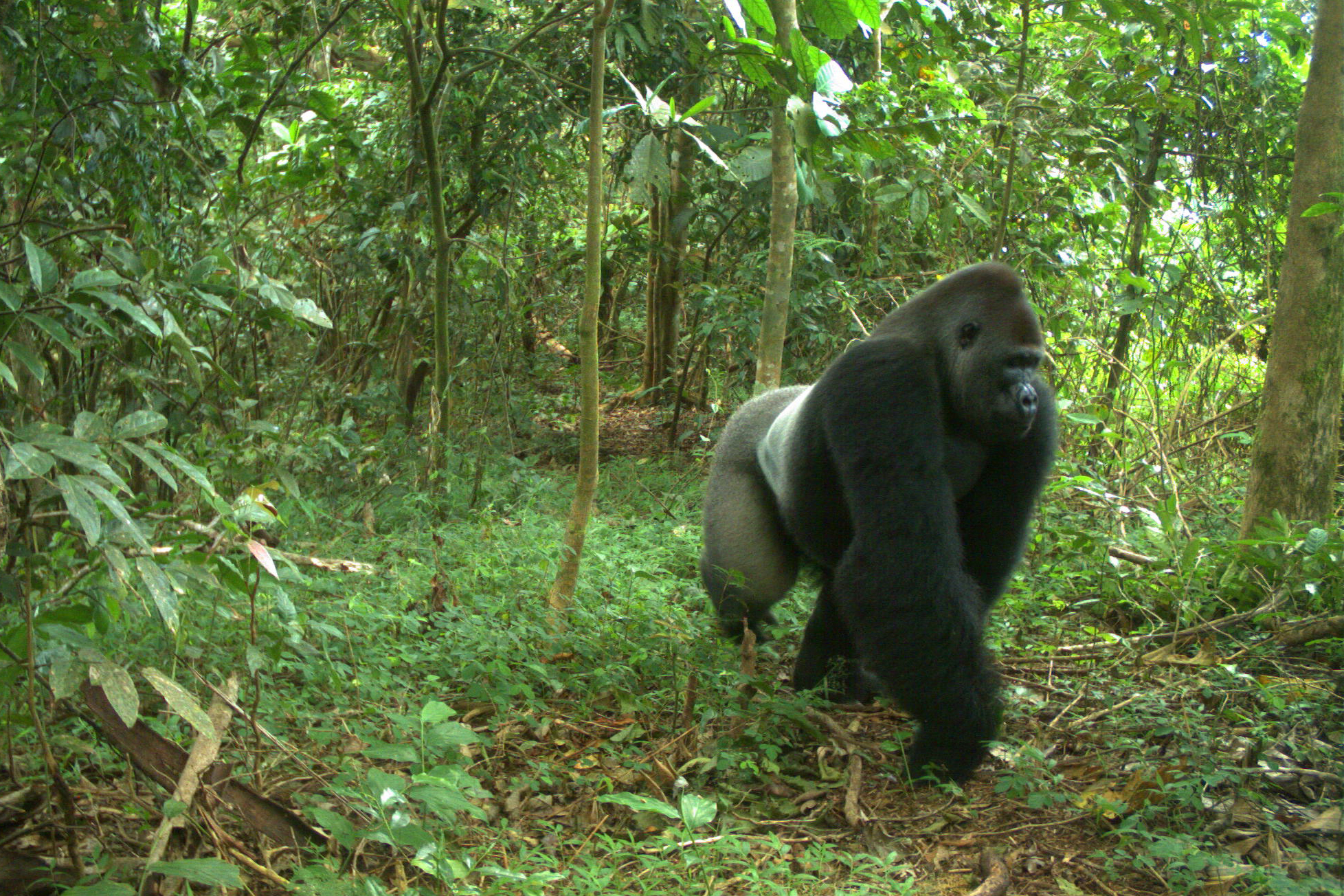
In fruit-scarce seasons, they shift to terrestrial herbs, leaves, shoots, stems (such as Aframomum ginger), nuts, berries, and tree bark. This flexibility aids survival but requires vast foraging ranges, exacerbating fragmentation issues.
As seed dispersers, they play a crucial role in forest regeneration. Their consumption of diverse plants helps maintain biodiversity in these ecosystems.
Behaviorally, they display typical great ape intelligence: problem-solving, social learning, and emotional expression. Mothers invest heavily in single offspring (twins are rare), with infants riding on their backs for years.
For travelers imagining a gorilla safari, understanding this behavior highlights why habituation has not progressed far here. Any future viewing would demand strict ethical protocols to avoid stressing these already wary animals.
Their social structure mirrors other gorillas but operates under greater survival pressure, making every observed interaction a window into resilience.
Why Are Cross River Gorillas Endangered?
The Cross River gorilla faces multiple interlocking threats that have driven its numbers to critically low levels. Habitat loss and fragmentation top the list.
Expanding agriculture, slash-and-burn farming, illegal logging, and human settlements have carved up once-contiguous forests into isolated patches.
This restricts movement, reduces food availability, and prevents gene flow, increasing inbreeding depression and vulnerability to local extinctions.
Poaching and bushmeat hunting remain significant despite legal protections. Although gorillas are rarely primary targets, opportunistic killings occur, and snares set for smaller game frequently injure or kill them.
In a population this small, the death of even a few adults has outsized impacts. Infants are sometimes captured for the illegal pet trade, often requiring the killing of protective adults.
Disease poses another grave risk. Great apes share susceptibility to human pathogens like Ebola, respiratory illnesses, and other viruses. With gorillas living near communities and occasional researcher or ranger contact, transmission risks persist without rigorous health protocols.
Additional pressures include:
- Weak law enforcement in remote areas.
- Mining and infrastructure development.
- Climate change altering fruiting patterns and forest composition.
- Cultural factors, such as use of gorilla parts in traditional medicine or fetishes.
The combination of small population size and fragmentation creates an “extinction vortex”—where declining numbers lead to reduced genetic diversity, lower reproductive success, and heightened stochastic risks.
Historical events, including civil unrest, accelerated declines. Today, ongoing human population growth in the region intensifies competition for land and resources.
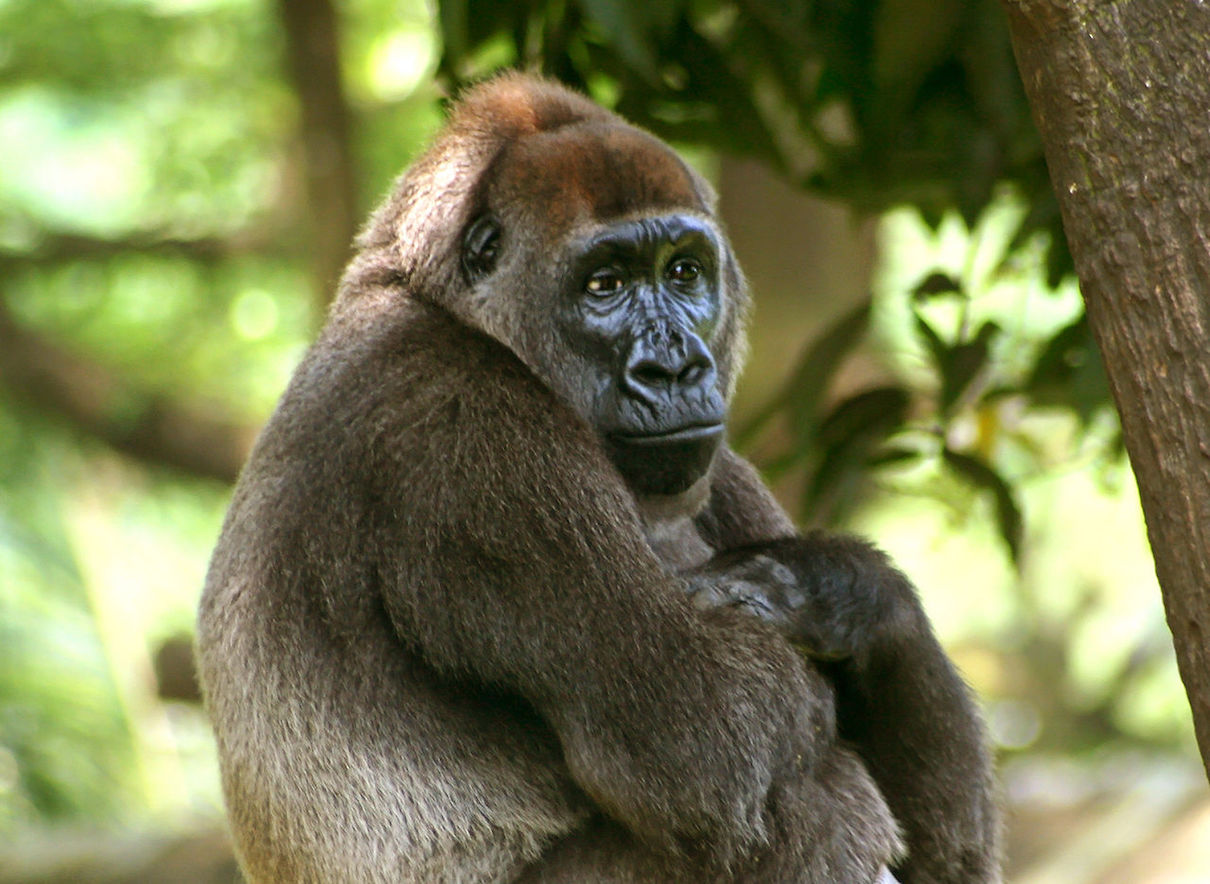
As a experienced safari operator, we witness how these threats mirror broader challenges across African conservation landscapes. Addressing them requires integrated solutions: strengthened protected area management, community incentives for forest stewardship, alternative livelihoods, and international funding.
Travelers can contribute meaningfully by choosing operators that channel revenue into these efforts and by advocating for policy support.
Without decisive action, the Cross River gorilla risks becoming a conservation tragedy. Yet targeted interventions in key sites have reduced hunting and stabilized some subpopulations, proving that recovery remains possible with sustained commitment.
Conservation Efforts and Protection Programs
Conservation of the Cross River gorilla involves a collaborative network of governments, NGOs, local communities, and international partners.
Key players include the Wildlife Conservation Society (WCS), WWF, Nigerian Conservation Foundation, and Cross River Gorilla Alliance, working alongside Nigeria’s Cross River State Forestry Commission and Cameroon’s Ministry of Forestry and Wildlife.
Major protected areas form the backbone of efforts. Takamanda National Park in Cameroon safeguards a substantial portion of the population, established with WCS support.
In Nigeria, Afi Mountain Wildlife Sanctuary and the Mbe Mountains community-managed area benefit from ranger patrols, SMART monitoring, and “gorilla guardian” networks—local eco-guards trained to deter poaching and monitor signs.
Transboundary initiatives aim to create ecological corridors linking fragmented sites across the Nigeria-Cameroon border. Community-based approaches prove vital: revenue-sharing from conservation, alternative income projects (beekeeping, sustainable agriculture), and education programs reduce reliance on illegal forest activities.
Research and monitoring have advanced through camera traps, genetic sampling, and nest surveys, providing better data for adaptive management. Scholarships and training for local scientists build long-term capacity, as seen in partnerships with the University of Calabar.
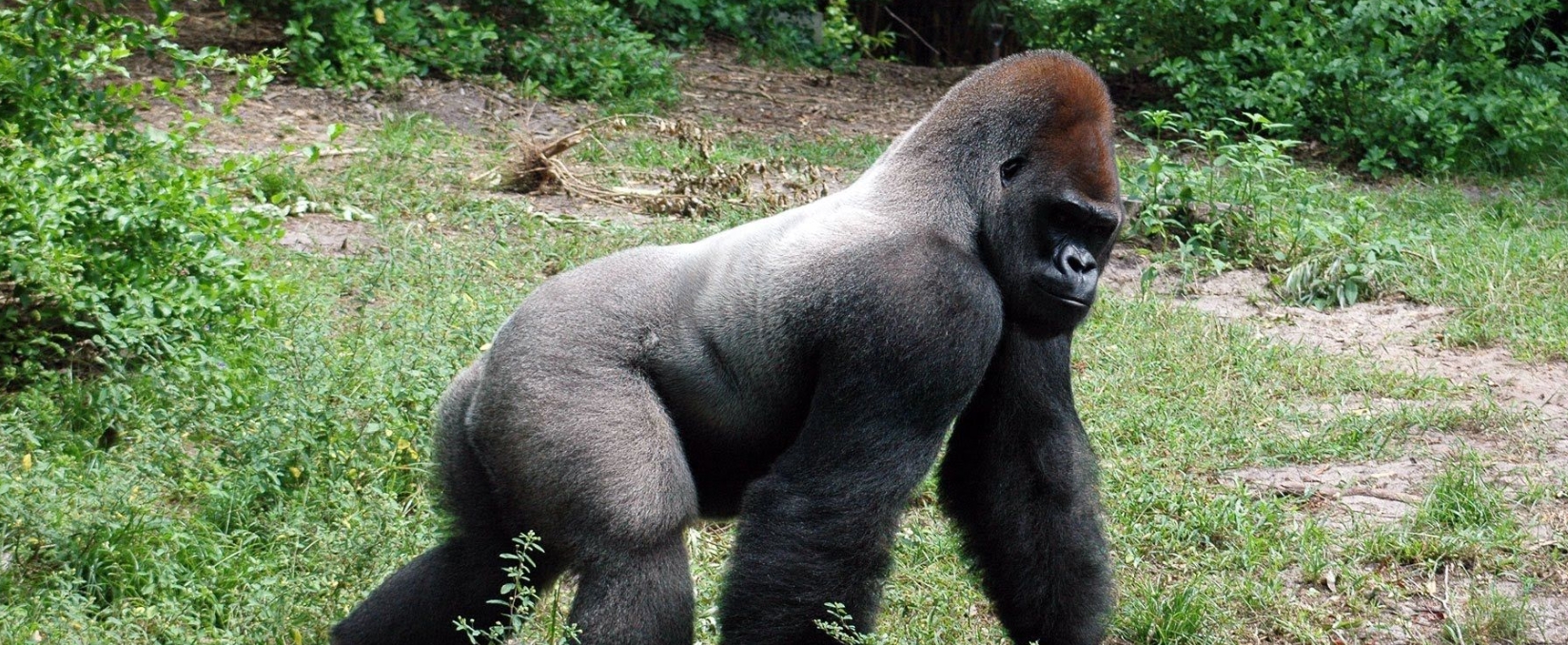
Anti-poaching efforts focus on snare removal, patrols, and law enforcement training. Community sensitization addresses bushmeat demand and promotes pride in gorilla presence as a national heritage.
International funding from bodies like the U.S. Fish and Wildlife Service and private donors supports these programs. Success stories include reduced hunting in Afi Mountain and rare camera-trap confirmations of breeding groups.
Challenges persist: funding gaps, sociopolitical issues in parts of Cameroon, and balancing development needs with conservation. Yet measurable progress—such as new sanctuaries and community reserves—demonstrates that targeted investment yields results.
For travelers, supporting these efforts through responsible tourism or direct contributions creates a virtuous cycle. GoSilverback Gorilla Safaris partners with verified conservation projects, ensuring safari revenue aids ground-level protection.
Can You See Cross River Gorillas in the Wild?
Seeing Cross River gorillas in the wild is exceptionally challenging and not currently offered as a standard habituated gorilla trekking experience like in Rwanda or Uganda.
Their extreme shyness, small fragmented populations, and rugged terrain mean no groups have undergone full habituation for tourism.
Limited opportunities exist for dedicated researchers, conservation volunteers, or small guided visits to sites like Afi Mountain Wildlife Sanctuary or Kagwene Gorilla Sanctuary, often involving tracking signs rather than guaranteed sightings. Camera-trap imagery provides the most reliable “views” for most visitors.
As a responsible tour operator, we advise against unregulated attempts that could disturb the gorillas or encourage negative human-wildlife interactions.
Any future tourism must prioritize strict protocols: small group sizes, health screenings, revenue sharing with communities, and minimal disturbance.
Travelers passionate about this subspecies can instead visit supporting conservation areas, participate in educational programs, or combine a broader West African itinerary with cultural experiences in Cross River State or Cameroon.
Supporting lodges and operators that fund protection offers indirect but meaningful engagement.
True appreciation often comes from understanding their plight rather than a fleeting glimpse. We guide clients toward experiences that contribute positively while delivering unforgettable African wildlife adventures elsewhere.
Best Places to See Gorillas in Africa
While Cross River gorillas remain largely off-limits for trekking, Africa offers world-class gorilla experiences that support broader conservation.
For travelers dreaming of close encounters, we recommend these premier destinations:
1. Bwindi Impenetrable National Park, Uganda — Home to nearly half the world’s mountain gorillas. Permits allow intimate one-hour visits with habituated groups amid misty rainforests. Combine with chimpanzee tracking and game drives in Queen Elizabeth National Park.
2. Volcanoes National Park, Rwanda — The iconic Virunga experience features stunning mountain gorilla treks, Dian Fossey’s legacy, and luxury lodges. Rwanda’s model generates significant revenue for protection and community development.
3. Virunga National Park, Democratic Republic of Congo — Adventurous travelers find mountain gorillas here alongside golden monkeys and stunning volcanic landscapes.
4. Dzanga-Sangha Special Reserve, Central African Republic — Offers western lowland gorilla viewing, often more immersive and less crowded.
5. Odzala-Kokoua National Park, Republic of Congo — Prime western lowland gorilla habitat with bai clearings ideal for observation.
These experiences deliver thrilling, ethical wildlife encounters while funding protection across subspecies. Mountain gorilla populations have increased thanks to tourism revenue, proving the conservation model works.
At GoSilverback Gorilla Safaris, we craft personalized itineraries combining gorilla trekking with big game safaris in Kenya, Tanzania, or South Africa, plus cultural extensions.
Our packages ensure permits, expert guides, and contributions to conservation projects—including indirect support for West African great apes.
Travelers from the USA, UK, Europe, Canada, Asia, and the Middle East consistently rate our gorilla safaris as life-changing. Booking through us means supporting ranger patrols, anti-poaching, and community benefits that mirror successes needed for Cross River gorillas.
Ready for your gorilla adventure? Contact us to design a tailor-made safari that aligns with your timeline and conservation values.
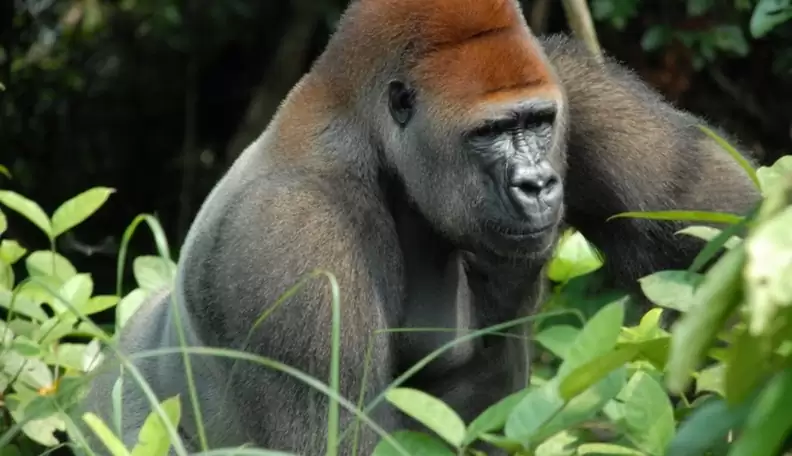
Cross River Gorilla vs Mountain Gorilla
Cross River gorillas and mountain gorillas represent the extremes of gorilla adaptation within Africa’s great ape family.
1. Geographic range:
Cross River gorillas inhabit low-to-mid elevation fragmented forests (up to 1,500m+) on the Nigeria-Cameroon border. Mountain gorillas live at higher altitudes (2,500–4,500m) in the Virunga Mountains and Bwindi, enduring cooler, wetter conditions.
2. Physical differences:
Mountain gorillas possess thicker, longer fur for insulation, larger bodies on average, and broader chests. Cross River gorillas have shorter hair, slightly smaller skulls, narrower craniums, and smaller jaws/hands/feet, reflecting dietary and locomotor differences in less extreme terrain.
3. Population and status:
Mountain gorillas number over 1,060 and have moved from critically endangered to endangered status thanks to intensive conservation and tourism. Cross River gorillas remain at 200–300 and critically endangered, with greater fragmentation risks.
4. Behavior and tourism:
Mountain gorillas are well-habituated, allowing safe, regulated trekking. Cross River gorillas stay wary and unhabituated due to historical pressures.
5. Diet and ecology:
Both are primarily herbivorous, but mountain gorillas rely more on foliage in their high-altitude bamboo and herbaceous zones, while Cross River gorillas emphasize seasonal fruits in diverse forests.
6. Conservation approach:
Mountain gorilla success relies on tourism revenue and strong transboundary cooperation (Rwanda, Uganda, DRC). Cross River efforts focus on anti-poaching, corridor creation, and community engagement without large-scale tourism.
Both subspecies underscore the value of great ape conservation, but their stories differ: one a proven recovery model, the other a urgent frontier requiring innovative protection.
Travelers can experience the mountain gorilla model today while advocating for similar breakthroughs for its western cousin
 .
.
Interesting Facts About Cross River Gorillas
- Rarest great ape: With only 200–300 left, they hold the title of the world’s rarest gorilla subspecies.
- Defensive throwing: They uniquely throw sticks, grass, or mud at perceived threats—behavior linked to frequent human proximity.
- Elusive nature: Most population data comes from nests and camera traps rather than direct observation; researchers may study them for years with minimal sightings.
- Seed dispersers: Their fruit-heavy diet makes them essential for forest regeneration across fragmented habitats.
- Smaller social units: Groups average fewer members than other gorillas, reflecting resource constraints in patchy forests.
- Highland specialists: They thrive in steeper, rockier terrain than western lowland gorillas, showing remarkable adaptability.
- Historical “rediscovery”: Presumed extinct in some areas post-civil war, they were confirmed in the 1980s through dedicated surveys.
- Genetic isolation: Limited contact between subpopulations raises concerns about long-term viability without corridor restoration.
These facts highlight both their vulnerability and resilience, inspiring global conservation action.
Future of Cross River Gorillas
The future of the Cross River gorilla hinges on scaling successful localized efforts into landscape-level protection.
Optimistic scenarios envision connected forest corridors allowing gene flow, reduced poaching through community stewardship, and sustainable economic alternatives that value living gorillas over bushmeat or timber.
Key priorities include:
- Establishing a transboundary protected area or heritage site.
- Expanding community conserved areas with equitable benefit-sharing.
- Investing in education and alternative livelihoods to lower human pressure.
- Leveraging technology like expanded camera traps, genetic monitoring, and drone surveillance.
- Securing consistent international funding and political will.
Climate change adaptation—protecting elevation gradients and water sources—will grow in importance. Ecotourism, if carefully developed with full habituation only where appropriate and ethical, could generate revenue similar to mountain gorilla sites, though this requires years of preparation.
Success stories from Afi Mountain and Takamanda show that ranger presence and community involvement reduce threats effectively. Broader adoption of these models, coupled with global awareness, can stabilize and eventually grow the population.
Travelers play a pivotal role. By choosing conservation-linked safaris, donating, or simply spreading knowledge, international visitors from diverse regions amplify impact. As a operator, we commit to transparent partnerships that channel support northward.
The Cross River gorilla‘s story need not end in tragedy. With collective action mirroring mountain gorilla achievements, these elusive apes can persist as ambassadors for West African forests. Their survival would represent a triumph of science, community, and responsible tourism working in harmony.
Frequently Asked Questions About Cross River Gorilla
How many Cross River gorillas are left in the world?
Fewer than 300 Cross River gorilla individuals remain in the wild, making them the rarest great ape on Earth. They live in small, fragmented groups along the Nigeria–Cameroon border. Classified as critically endangered, their population is slowly recovering thanks to conservation, but they remain at high risk of extinction.
What is the difference between a Cross River gorilla and a gorilla?
The Cross River gorilla is a subspecies of the Western gorilla, distinguished by a smaller skull, shorter hands and feet, and more isolated habitat. Unlike other gorillas, they live in highly fragmented forests and have minimal human contact, making them rarer, more elusive, and less studied than other gorilla populations.
How big is a Cross River gorilla?
An adult male Cross River gorilla (silverback) typically weighs between 140–200 kg and can stand about 1.7 meters tall when upright. Females are smaller, averaging 70–100 kg. Despite being slightly smaller than other gorilla subspecies, they remain powerful primates with strong limbs adapted for climbing and forest survival.
Are Cross River gorillas aggressive?
Cross River gorilla are generally shy and non-aggressive. They avoid humans and live in remote forests with little contact. Like all gorillas, they may display defensive behavior if threatened, especially silverbacks protecting their group. However, unprovoked attacks are extremely rare, and their natural instinct is to retreat rather than confront humans.
Where do Cross River gorillas live?
They inhabit fragmented highland and lowland forests along the Nigeria-Cameroon border, primarily in protected areas like Afi Mountain, Mbe Mountains, Cross River National Park, and Takamanda National Park.
Can tourists trek with Cross River gorillas?
Currently, no standard habituated trekking exists due to their wariness and conservation status. Limited research or community visits may be possible, but ethical gorilla tourism focuses on mountain gorillas elsewhere in Africa.
What is the main threat to Cross River gorillas?
Habitat loss and fragmentation from agriculture and logging, combined with poaching/snares and disease risks, pose the greatest dangers to this small population.
How do Cross River gorillas differ from mountain gorillas?
Cross River gorillas have shorter fur, live at lower elevations in fragmented forests, and number far fewer. Mountain gorillas have thicker fur for colder climates and benefit from successful tourism-funded conservation.
What do Cross River gorillas eat?
Primarily fruits when available, supplemented by herbs, leaves, stems, and bark during scarce seasons. They act as important seed dispersers.
Are there any Cross River gorillas in zoos?
No significant captive population exists; conservation focuses entirely on wild protection and habitat security.
How can I help save Cross River gorillas?
Support reputable conservation organizations, choose ethical safari operators contributing to African wildlife projects, raise awareness, and avoid products driving deforestation or illegal wildlife trade.
Why are Cross River gorillas important?
They maintain forest health through seed dispersal and serve as indicators of ecosystem integrity in a biodiversity hotspot shared by Nigeria and Cameroon.
Is there hope for the Cross River gorilla population?
Yes. Reduced hunting in key sites, new camera-trap evidence, and community programs show progress. Expanded corridors and sustained funding could secure their future.
What is the scientific name of the Cross River gorilla?
Gorilla gorilla diehli.
How does tourism help other gorilla subspecies?
In Rwanda, Uganda, and DRC, gorilla permit revenue funds patrols, community benefits, and research, driving population increases for mountain gorillas.
Conclusion
The Cross River gorilla embodies both the fragility and resilience of Africa’s natural heritage. With only 200–300 individuals remaining in fragmented border forests, their survival demands urgent, collaborative action from governments, communities, NGOs, and global citizens.
As professional African safari tour operator and conservation advocates, we have witnessed how informed, responsible travel can transform threats into opportunities for protection.
While direct trekking with Cross River gorillas remains limited, supporting their habitat through broader great ape experiences creates meaningful impact.
Their future depends on connected forests, reduced poaching, community empowerment, and international solidarity. Travelers like you—from the USA, UK, Europe, Canada, Asia, and the Middle East—hold power to accelerate positive change.
Ready to make a difference on your next African adventure? Book your gorilla safari permit and personalized itinerary with GoSilverback Gorilla Safaris today.
Experience mountain gorillas in Rwanda or Uganda while contributing to conservation models that can one day extend to the Cross River gorilla.
Our expert team crafts seamless journeys blending thrilling wildlife encounters, cultural immersion, and direct support for protection programs.
Contact us now to secure your permits and embark on a safari that protects Africa’s great apes for generations to come. Together, we can ensure the Cross River gorilla continues to roam its ancient forests.