
Bwindi Gorilla Trekking: Ultimate Guide to Gorilla Safaris in Uganda in 2026
What Is Bwindi Gorilla Trekking?
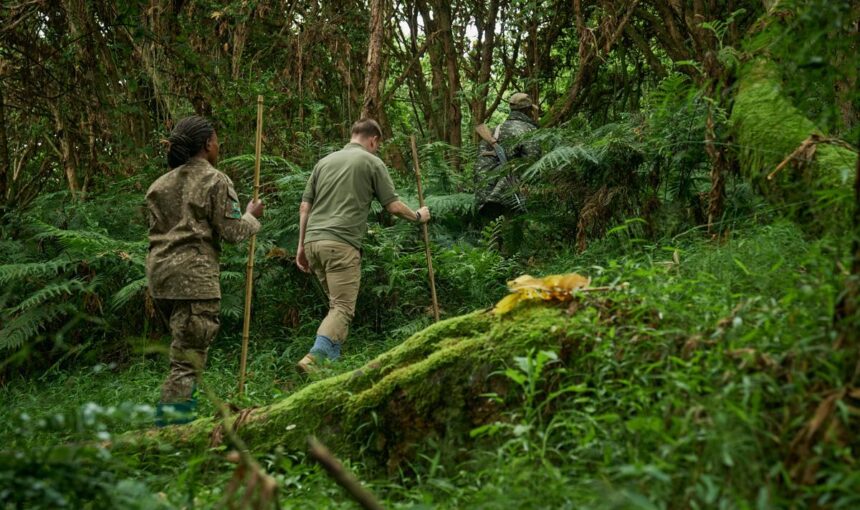
Bwindi Gorilla Trekking is a life-changing wildlife experience where visitors hike through the dense rainforests of Bwindi Impenetrable National Park in southwestern Uganda to spend one unforgettable hour with habituated mountain gorillas in their natural habitat.
This intimate encounter allows you to observe these gentle giants — silverbacks, females, and playful juveniles — as they forage, rest, groom, and interact.
Bwindi Impenetrable National Park protects nearly half of the world’s remaining mountain gorillas, making it the premier destination for gorilla trekking.
Key facts:
- Gorilla permit cost in 2026: USD $800 per person for foreign non-residents.
- Minimum age: 15 years.
- Group size: Maximum 8 visitors per gorilla family per day.
- Trek duration: 2 to 8+ hours depending on the group’s location.
Unlike zoo visits, Bwindi gorilla trekking immerses you in a pristine UNESCO World Heritage Site. You follow expert trackers and rangers who locate the gorillas early each morning using their overnight nests.
The experience combines physical adventure, conservation education, and profound emotional connection.
As seasoned operators at GoSilverback Gorilla Safaris, we have guided thousands of travelers from the USA, UK, Europe, Canada, Asia, and the Middle East on these treks. Many describe it as the highlight of their African safari.
The park’s rich biodiversity — over 120 mammal species, 350+ birds, and 200+ butterflies — adds layers of discovery beyond the gorillas themselves.
Bwindi’s name, meaning “impenetrable,” reflects its thick vegetation and rugged terrain, which historically protected the gorillas from human encroachment.
Today, responsible tourism funds their protection while supporting local communities. This guide covers everything you need to plan a successful Bwindi gorilla trekking safari, from sectors and families to permits, packing lists, and itineraries.
Where Is Bwindi Impenetrable National Park?
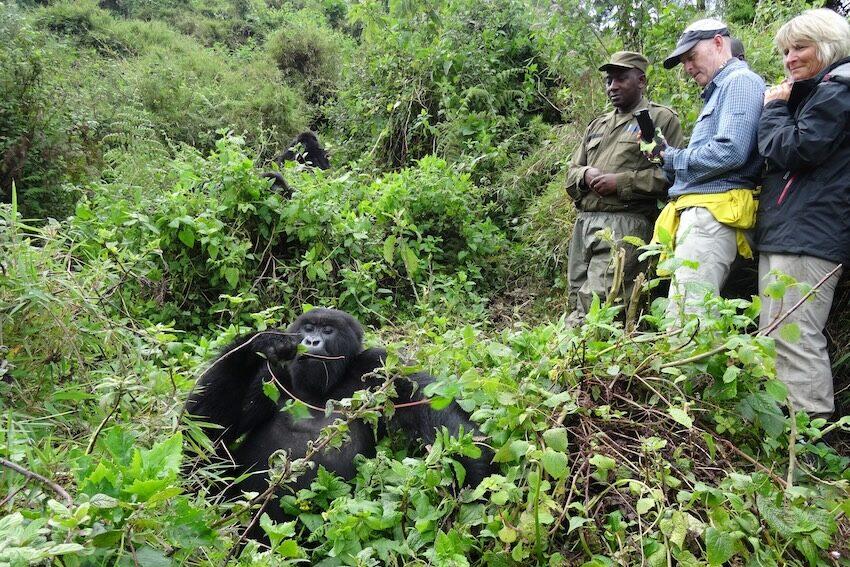
Bwindi Impenetrable National Park lies in southwestern Uganda, bordering the Democratic Republic of Congo. It covers 331 square kilometers of ancient montane and lowland rainforest at altitudes ranging from 1,160 to 2,607 meters above sea level.
The park sits approximately 8–10 hours’ drive from Entebbe International Airport or Kampala, with convenient airstrip access at Kihihi or Kisoro for shorter transfers.
Its location in the Albertine Rift Valley makes it part of one of Africa’s most biodiverse regions.
The park divides into four main gorilla trekking sectors:
- Buhoma (northwest) — most accessible and popular.
- Ruhija (east) — higher altitude with excellent birding.
- Rushaga (south) — largest number of habituated groups.
- Nkuringo (southwest) — remote with dramatic scenery.
These sectors are several hours apart by road, so choosing the right one is crucial for your itinerary. Bwindi forms a critical corridor for mountain gorillas and connects ecologically with nearby Mgahinga Gorilla National Park and the Virunga Massif.
The surrounding communities, primarily Bakiga and Batwa (indigenous forest people), add rich cultural dimensions to visits. The park’s misty forests, cascading waterfalls, and dense canopy create an almost prehistoric atmosphere that visitors remember forever.
Why Bwindi Gorilla Trekking Is So Famous
Bwindi gorilla trekking stands out globally because the park hosts the largest population of mountain gorillas on Earth.
With over 450–500 individuals in Bwindi (part of the global total exceeding 1,100 in 2026), it offers higher chances of successful encounters compared to smaller populations elsewhere.
The fame stems from several factors:
- Successful conservation story: Mountain gorilla numbers have rebounded dramatically thanks to tourism-funded protection.
- Habituated families: Over 20–24 habituated groups allow reliable, regulated viewing.
- Diverse experiences: Different sectors offer varying terrain, group sizes, and additional activities like birding and cultural visits.
- Authentic wilderness: Bwindi’s “impenetrable” forest delivers a raw, immersive jungle experience.
Travelers consistently rank it among the world’s top bucket-list adventures, often combining it with chimpanzee trekking in Kibale, game drives in Queen Elizabeth or Lake Mburo, and Murchison Falls safaris for a complete Uganda experience.
Gorilla Families in Bwindi
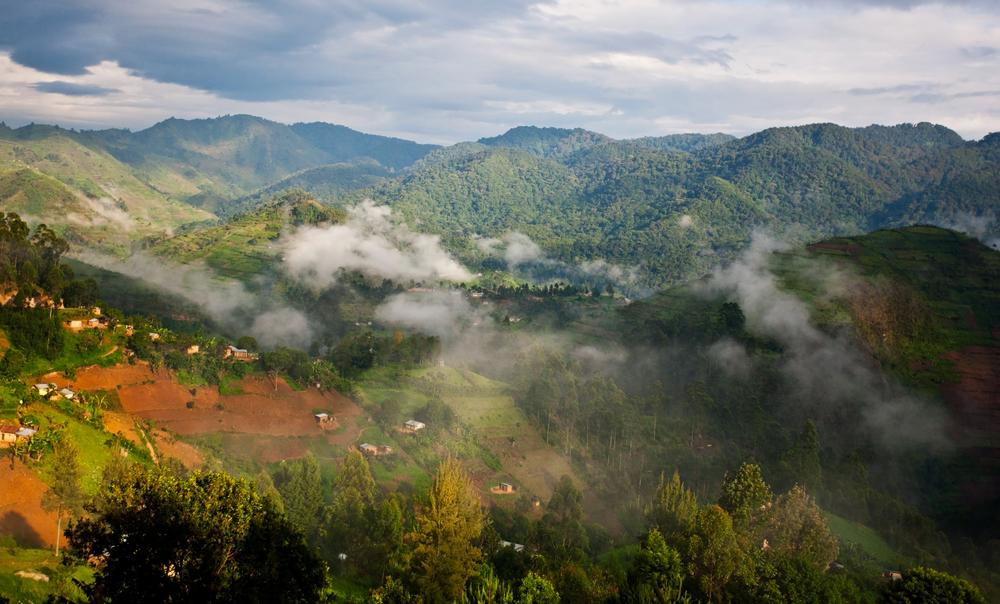
Bwindi Impenetrable National Park is home to the world’s largest population of mountain gorillas, with approximately 22 habituated gorilla families available for tourism as of 2026.
These families represent nearly half of the global mountain gorilla population, which now exceeds 1,100 individuals. Each habituated group can be visited by only one group of a maximum of 8 tourists per day for one precious hour, ensuring minimal stress on the animals.
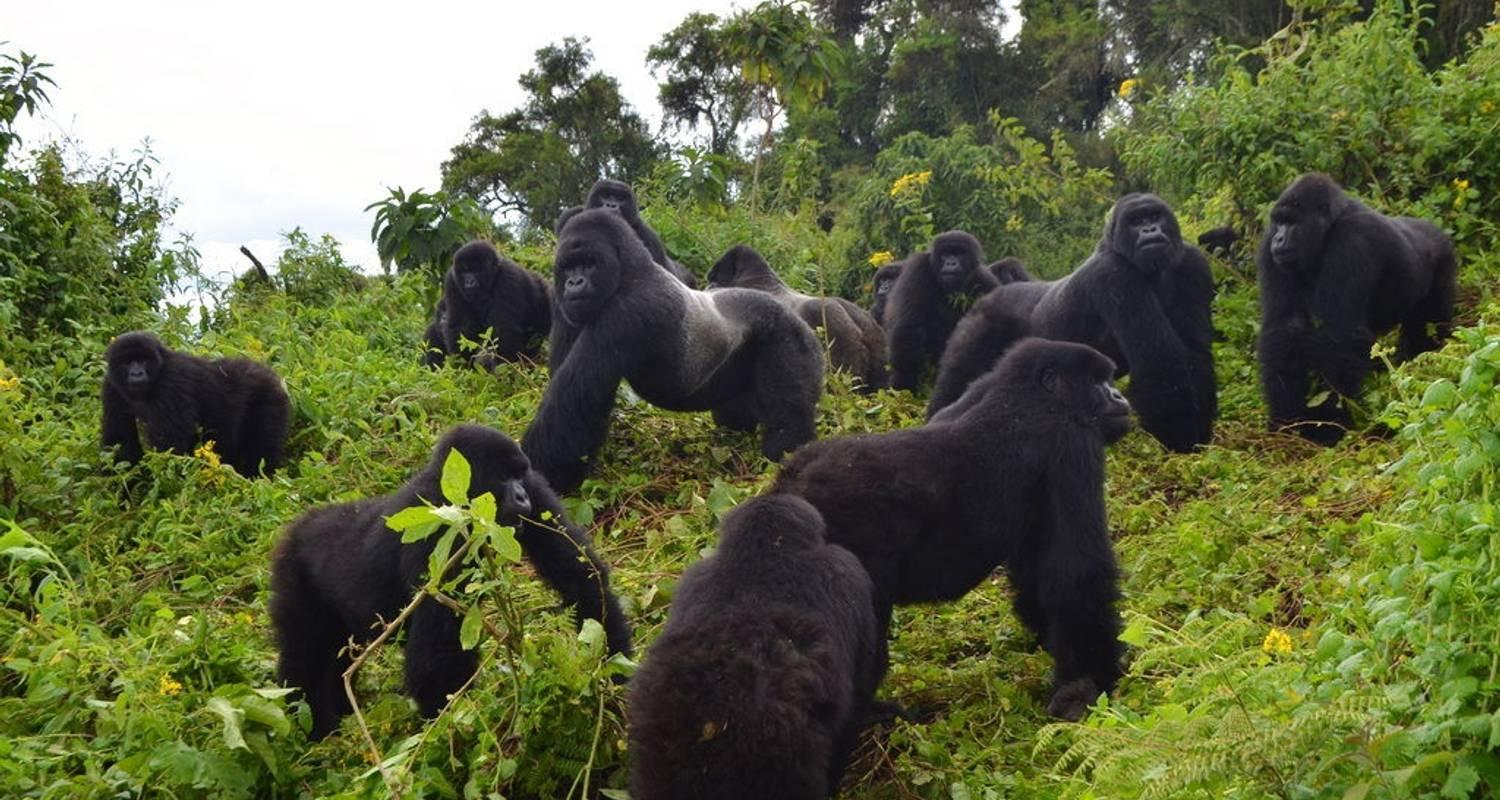
Gorilla families in Bwindi typically range from 8 to 30+ members, led by one or more dominant silverbacks. Group composition usually includes adult females, blackbacks (sub-adult males), juveniles, and infants.
The habituation process, which takes 2–3 years, allows the gorillas to accept human presence without altering their natural behaviors, such as foraging on leaves, stems, and bamboo shoots.
Gorilla Families by Sector
1. Buhoma Sector (Northwest) This sector offers some of the most accessible and well-known families, ideal for first-time trekkers.
- Mubare — The very first habituated group (1993), often calm and relatively easy to track.
- Habinyanja and Rushegura — Known for relaxed silverbacks and frequent playful interactions.
- Muyambi — A newer group that split from Mubare.
2. Ruhija Sector (East) Located at higher altitudes with excellent birding.
- Bitukura — One of the easiest and most photogenic families, with many juveniles.
- Oruzogo — A large group (around 20–25 members) known for strong silverback leadership.
- Kyaguliro — Features dynamic group behavior.
3. Rushaga Sector (South) Home to the highest number of habituated families, offering better permit availability.
- Nshongi — One of the largest families, with powerful silverbacks.
- Kahungye and Bweza — Popular for their size and active juveniles.
- Busingye and others provide excellent sighting opportunities.
4. Nkuringo Sector (Southwest) The most remote and dramatic area, offering a true wilderness feel.
- Nkuringo — One of the original groups, known for impressive silverbacks.
- Bushaho and others suit travelers seeking fewer crowds.
Each family possesses its own unique personality. Some are calm and stay close to trails, while others are more energetic and adventurous.
As expert operators at GoSilverback Gorilla Safaris, we carefully match clients with suitable families based on fitness level, photography interests, and desired experience.
Our experienced guides share fascinating insights into silverback dynamics, family relationships, and individual gorilla stories during every briefing.
Understanding these Bwindi gorilla families enhances your appreciation of their complex social structures and the success of Uganda’s conservation program.
Choosing the right family and sector significantly impacts the quality of your Bwindi gorilla trekking adventure.
Bwindi Gorilla Trekking Sectors Explained
Bwindi Impenetrable National Park is divided into four distinct gorilla trekking sectors — Buhoma, Ruhija, Rushaga, and Nkuringo.
Each sector operates independently with its own park headquarters, habituated gorilla families, guides, and accommodation options.
Understanding the differences helps you choose the sector that best matches your fitness level, interests, budget, and overall Uganda safari itinerary.
The four sectors are spread across the 331 km² park, and travel between them takes 2–4 hours by road. You must select your sector when booking your Bwindi gorilla permit, as transfers on the trekking day are not permitted.
1. Buhoma Sector (Northern Bwindi)
Buhoma is the oldest, most developed, and most accessible sector. Located near the main park entrance, it offers the easiest trekking conditions for first-time visitors.
- Habituated gorilla families: Approximately 7 groups (including Mubare, Habinyanja, Rushegura, and Katwe).
- Trek difficulty: Generally easy to moderate with gentler slopes and better-maintained trails.
- Advantages: Shorter trekking times (often 2–4 hours), excellent lodge options from luxury to budget, community activities (Batwa cultural performances), and reliable gorilla sightings.
- Best for: Beginners, families, photographers, and those seeking comfort after long travels.
Many travelers from the USA, UK, and Europe prefer Buhoma for its convenience and relaxing atmosphere beside the Munyaga River.
2. Ruhija Sector (Eastern Bwindi)
Ruhija sits at higher altitudes (around 2,300–2,500m), offering cooler temperatures and stunning montane forest scenery. It is known for excellent birding and primate viewing.
- Habituated gorilla families: Around 6 groups (including Bitukura, Oruzogo, and Kyaguliro).
- Trek difficulty: Moderate to strenuous due to steeper hills and denser vegetation.
- Advantages: Fewer crowds, high success rate, beautiful views, and rich biodiversity (easy to spot chimpanzees and many bird species).
- Best for: Birdwatchers, nature enthusiasts, and travelers wanting a more immersive forest experience.
Ruhija provides a quieter, more remote feel while remaining relatively accessible from Kabale town.
3. Rushaga Sector (Southern Bwindi)
Rushaga is the largest sector with the highest number of habituated gorilla families, making it one of the most popular choices in recent years.
- Habituated gorilla families: Around 9–10 groups (including Nshongi, Bweza, Mishaya, and others).
- Trek difficulty: Moderate to challenging, with varied terrain.
- Advantages: Highest permit availability, excellent chances of securing last-minute bookings, and the opportunity to join the Gorilla Habituation Experience (longer 4-hour visits with semi-habituated groups).
- Best for: Repeat visitors, large groups, and those seeking maximum flexibility.
Rushaga is also well-positioned for travelers combining Bwindi with other southern parks or crossing to Rwanda.
4. Nkuringo Sector (Southwestern Bwindi)
Nkuringo is the most remote and dramatic sector, offering breathtaking views over the Virunga Volcanoes and Congo border.
- Habituated gorilla families: 3–4 groups (including Nkuringo and Bushaho).
- Trek difficulty: Often the most challenging due to steep slopes and thick undergrowth.
- Advantages: Exclusive feel, dramatic landscapes, fewer visitors, and proximity to the Rwanda border (ideal for Kigali arrivals).
- Best for: Adventure seekers, photographers wanting unique backdrops, and travelers looking for a true wilderness experience.
How to Choose the Right Bwindi Gorilla Trekking Sector
| Sector | Difficulty | No. of Groups | Best For | Accessibility |
|---|---|---|---|---|
| Buhoma | Easy-Moderate | ~7 | First-timers, comfort | Excellent |
| Ruhija | Moderate-Strenuous | ~6 | Birding & scenery | Good |
| Rushaga | Moderate | ~10 | Availability & flexibility | Good |
| Nkuringo | Strenuous | 3–4 | Adventure & views | Moderate |
GoSilverback Gorilla Safaris recommends Buhoma for first-time trekkers and Rushaga for those wanting more options and habituation experiences.
Your choice should also consider overall itinerary flow — for example, combining with Queen Elizabeth National Park favors northern sectors, while Rwanda connections suit southern sectors.
Each sector delivers the same core rules: maximum 8 visitors per group, one-hour viewing time, and 7–10 meter distance. The difference lies in terrain, atmosphere, and logistics.
Our expert team helps clients select the perfect sector based on fitness, travel dates, and safari goals to ensure the best possible Bwindi gorilla trekking experience.
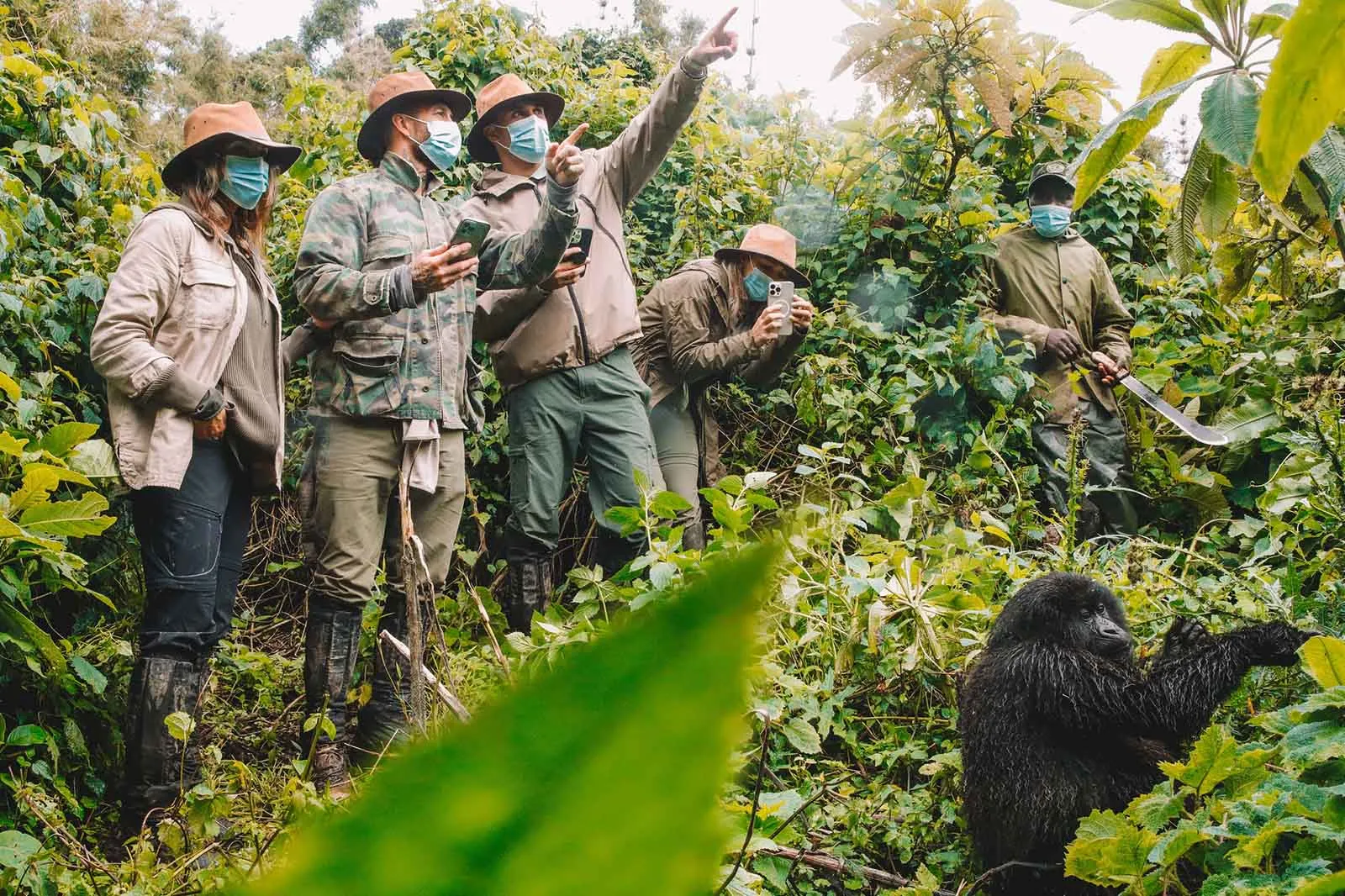
Gorilla Trekking Experience Step by Step
- Briefing at park headquarters.
- Hike with rangers and porters.
- Encounter (strict 1-hour limit).
- Return to lodge with memories and certificate.
Detailed safety rules and etiquette apply throughout.
Gorilla Trekking Permit Costs in Uganda
Understanding gorilla trekking permit costs in Uganda is essential for planning your Bwindi gorilla trekking adventure.
The Uganda Wildlife Authority (UWA) sets transparent, standardized fees that apply to both Bwindi Impenetrable National Park and Mgahinga Gorilla National Park.
These rates are valid through June 2026 and represent one of the most affordable premium gorilla experiences in the world.
Current Gorilla Permit Prices (2026)
- Foreign Non-Residents (most international visitors from USA, UK, Europe, Canada, Asia, and Middle East): USD $800 per person
- Foreign Residents (with valid Ugandan residency/work permit): USD $700 per person
- Rest of Africa (non-East African Community): USD $500 per person
- East African Community Citizens: UGX 300,000 (approximately USD $80–85) per person
Gorilla Habituation Experience (4-hour encounter instead of 1 hour):
- Foreign Non-Residents: USD $1,500 per person
- Foreign Residents: USD $1,000 per person
- East African Citizens: UGX 750,000
These prices include park entry fees for the trekking day, services of a professional ranger guide, trackers, and a contribution to community development projects.
What the Permit Fee Supports
Your Bwindi gorilla permit directly funds critical conservation work, including anti-poaching patrols, habitat protection, veterinary care for gorillas, and community initiatives around the park.
This sustainable tourism model has helped mountain gorilla numbers recover from fewer than 300 in the 1980s to over 1,100 globally today, with nearly half residing in Bwindi.
Booking Tips and Availability
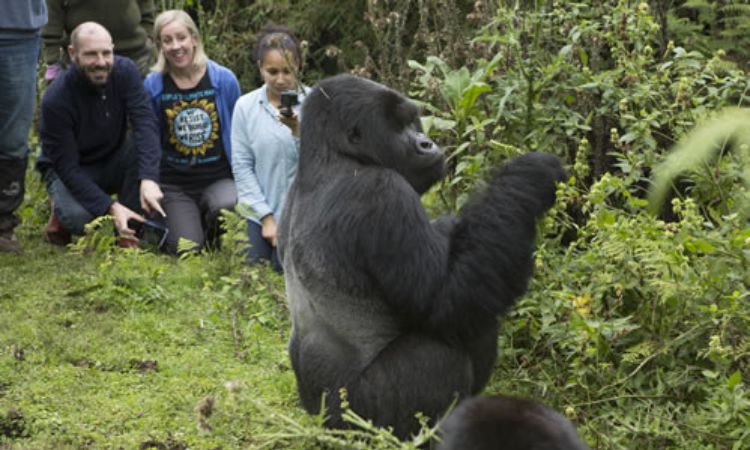
Gorilla permits are limited — only 8 visitors per gorilla group per day. With around 24 habituated groups in Bwindi, availability is better than in Rwanda, but popular dates (especially June–September and December–February) sell out months in advance.
GoSilverback Gorilla Safaris recommends booking your permits 6–12 months ahead for peak seasons. We handle all bookings on your behalf, ensuring you get the best available gorilla families matched to your preferred sector and fitness level.
Why Uganda Offers Excellent Value
Compared to Rwanda’s $1,500 permit, Uganda’s $800 gorilla trekking permit delivers outstanding value.
Many travelers combine multiple treks or pair their Bwindi experience with chimpanzee trekking, game drives in Queen Elizabeth or Lake Mburo, and cultural visits — creating a far more diverse safari at a lower total cost.
While the upfront cost may seem significant, the experience of sitting quietly just meters from a massive silverback as he forages, watching playful juveniles, and learning from expert guides makes it one of the most rewarding investments in any wildlife traveler’s lifetime.
At GoSilverback Gorilla Safaris, we offer transparent pricing with no hidden fees. Our packages bundle permits with accommodation, transfers, meals, and expert guiding, delivering exceptional quality and peace of mind for international guests.
How to Get to Bwindi
Getting to Bwindi Impenetrable National Park is straightforward and well-organized, with excellent road and air options that make it accessible for travelers from the USA, UK, Europe, Canada, Asia, and the Middle East.
Located in southwestern Uganda, the park is approximately 400–450 km from Entebbe International Airport and Kampala. Most visitors reach Bwindi in one to two travel days, often combining it with other Uganda safari destinations.
1. By Road from Kampala or Entebbe
The most popular route is by private 4×4 transfer. The journey takes 8 to 10 hours depending on your final sector and road conditions.
The route passes through beautiful countryside, including the equator crossing near Masaka and the rolling hills of western Uganda.
- Buhoma Sector: 9–10 hours from Entebbe
- Rushaga & Nkuringo Sectors: 10–11 hours
- Ruhija Sector: 8–9 hours
Roads are mostly tarmacked until the final stretch, where they become murram (dirt) roads. We strongly recommend using experienced drivers with well-maintained safari vehicles.
At GoSilverback Gorilla Safaris, all our transfers use late-model Toyota Land Cruisers with knowledgeable English-speaking drivers who can stop for photos, meals, and cultural experiences along the way.
2. By Air – Fastest Option
For travelers with limited time, flying is the most comfortable choice. Daily domestic flights operate from Entebbe International Airport to Kihihi Airstrip (best for Buhoma) or Kisoro Airstrip (best for Rushaga, Nkuringo, and Mgahinga).
- Flight duration: 1 hour 10 minutes
- Airlines: Aerolink Uganda, Uganda Airlines, and Fly Uganda
- Followed by a scenic 1.5 to 3-hour road transfer to your lodge
Flying saves time and offers stunning aerial views of Lake Victoria, the rolling hills, and the forests of Bwindi.
3. From Kigali (Rwanda) – Cross-Border Option
Many guests fly into Kigali International Airport and cross into Uganda. The drive from Kigali to Bwindi takes 4 to 6 hours depending on the sector.
This option is popular for combining Rwanda and Uganda gorilla trekking or for those seeking better flight connections.
Getting to Specific Bwindi Sectors
Each sector has its advantages:
- Buhoma: Easiest access via Kihihi Airstrip
- Rushaga: Good access from both Kihihi and Kisoro
- Nkuringo: More remote, dramatic scenery
- Ruhija: Central location, excellent for multi-day stays
We advise clients to choose their sector based on preferred gorilla families, accommodation, and fitness level rather than travel time alone.
Pro Tip: Arrive one day before your gorilla trekking permit date. This allows time to rest, attend the briefing, and enjoy an evening nature walk or community visit, reducing fatigue on trekking day.
At GoSilverback Gorilla Safaris, we handle all logistics — whether you need private transfers, scheduled group shuttles, or seamless multi-destination itineraries.
Our team ensures smooth, safe, and comfortable journeys so you can focus entirely on your Bwindi gorilla trekking experience.
Best Time for Bwindi Gorilla Trekking
Determining the best time for Bwindi gorilla trekking is one of the most important decisions when planning your Uganda safari.
While Bwindi Impenetrable National Park is open year-round, weather conditions significantly affect trekking difficulty, visibility, and overall experience.
1. Dry Seasons: The Most Popular Choice
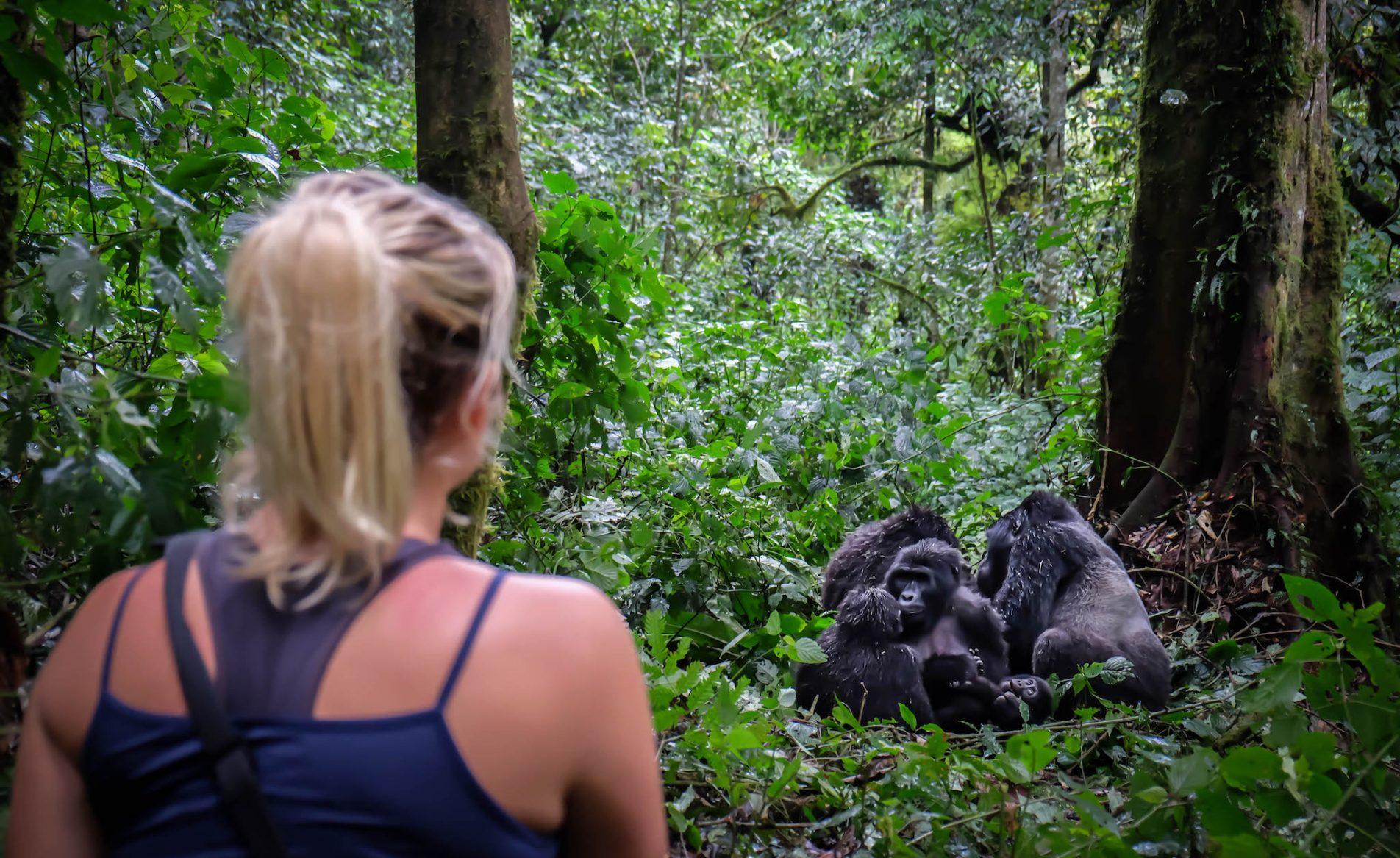
The best months for Bwindi gorilla trekking are the two dry seasons: June to September and December to February.
During these periods, rainfall is lower, making forest trails firmer and less slippery. This results in easier hikes, better footing on steep slopes, and higher chances of clear weather during your one-hour gorilla encounter.
Trails dry out faster, vegetation is slightly less dense, and visibility improves. Many travelers from the USA, UK, Europe, Canada, Asia, and the Middle East prefer these months because they offer more comfortable conditions and reliable sightings.
June to August is peak season. Permits sell out quickly, lodges are busier, and prices for accommodation are at their highest. December to February offers a great balance of good weather and slightly fewer crowds compared to the middle of the year.
2. Wet Seasons: Advantages for Some Travelers
The long rains (March to May) and short rains (October to November) bring lush, vibrant greenery and abundant fresh shoots — favorite foods in the mountain gorilla diet. Gorillas often stay at lower altitudes during wetter months, sometimes resulting in shorter treks.
Fewer visitors mean easier last-minute permit availability and a more exclusive, intimate experience with the gorillas. Birding is also outstanding during these months due to migratory species.
However, trails become muddy and slippery, treks can take longer, and you should be prepared for sudden downpours.
3. Expert Recommendation from GoSilverback Gorilla Safaris
For most international clients, we strongly recommend the dry seasons (especially July–September and December–January) for the best overall Bwindi gorilla trekking experience.
These months combine optimal trekking conditions with excellent opportunities to observe natural behaviors such as foraging and playing.
No matter when you choose to visit, proper preparation with quality rain gear is essential, as Bwindi is a rainforest and brief showers can occur even in the driest months.
At GoSilverback Gorilla Safaris, we help you select the ideal travel window based on your schedule, budget, fitness level, and desire for fewer crowds versus perfect weather.
We monitor conditions closely and adjust itineraries to maximize your chances of an unforgettable encounter.
How Difficult Is Bwindi Gorilla Trekking
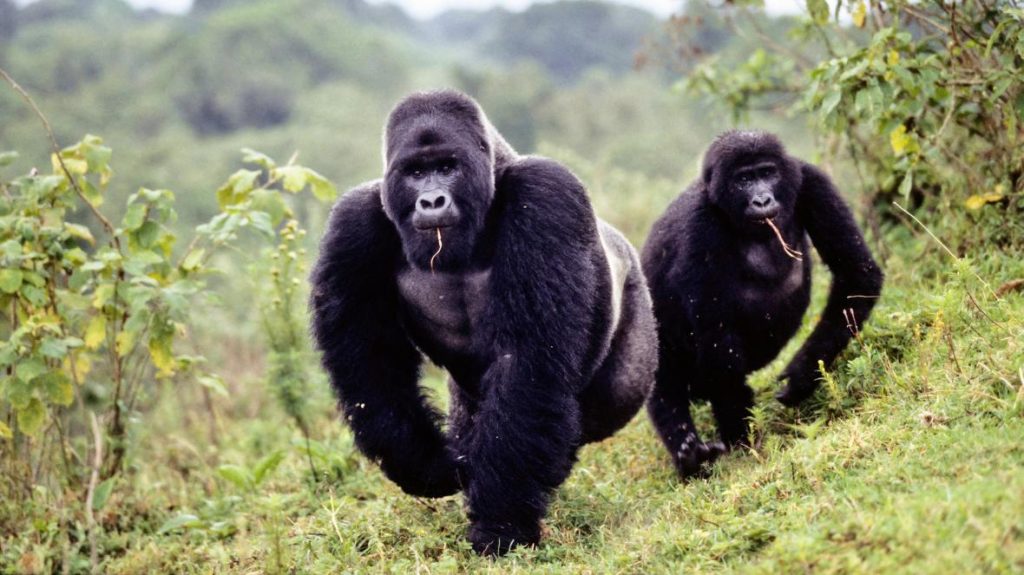
Fitness level varies by sector and daily gorilla location. Moderate to challenging — porters available.
What to Pack for Bwindi Gorilla Trekking
Rain jacket, sturdy boots, insect repellent, binoculars, etc.
Luxury, Midrange & Budget Gorilla Safaris
Options for every budget with recommendations from GoSilverback Gorilla Safaris.
Conservation and Community Impact
Tourism directly funds protection and community projects.
Combining Bwindi Gorilla Trekking with Other Safaris
Ideal add-on to Lake Mburo, Queen Elizabeth, or chimpanzee experiences.
Frequently Asked Questions
How much does Bwindi gorilla trekking cost?
Permit $800 + safari package costs.
Is gorilla trekking safe?
Yes, with strict protocols.
What is the age limit?
15 years and above.
How close do you get to gorillas?
Usually 7 meters or closer for photography.
Which Bwindi sector is best?
Depends on your priorities (see sector explanations).
How hard is gorilla trekking?
Varies from 2–8 hours; fitness recommended.
Can I trek gorillas from Kigali?
Yes, with cross-border options, though Uganda offers better value.
How many gorillas are left in the world?
Over 1,100 mountain gorillas as of 2026.
Is Uganda better than Rwanda for gorilla trekking?
Uganda offers more groups, lower permit cost, and diverse add-ons.
What should I wear for gorilla trekking?
Long sleeves, trousers, neutral colors, waterproof layers.
Conclusion
Bwindi gorilla trekking remains one of Africa’s most rewarding adventures — a perfect blend of wilderness, wildlife, and conservation success. Standing just meters from a silverback as he forages or watches over his family creates memories that last a lifetime.
At GoSilverback Gorilla Safaris, we specialize in crafting seamless, responsible, and unforgettable Bwindi gorilla trekking experiences tailored for international visitors.
Whether you seek luxury lodges, cultural immersion, or multi-park adventures, our expert team ensures every detail is perfect.
Don’t miss this opportunity. Secure your gorilla permit and book your dream Uganda safari with GoSilverback Gorilla Safaris today.
Contact us now to plan your 2026 or 2027 adventure. Your journey supports the future of these magnificent apes and the communities that protect them.