
Best Time to Visit Uganda: Insider Guide to Safaris & Gorilla Trekking 2026
What is the Best Time to Visit Uganda?
The best time to visit Uganda is during the two dry seasons from June to September and December to February. These months offer the most favorable conditions for gorilla trekking, wildlife safaris, and outdoor adventures, with minimal rainfall, clearer skies, and easier access to national parks.
During this period, trails in forests like Bwindi Impenetrable National Park are less muddy, making gorilla trekking more comfortable and rewarding. Wildlife viewing is also at its peak in savannah parks such as Murchison Falls National Park, as animals gather around water sources and vegetation is less dense
Peak dry months—July and August, plus January and February—stand out as ideal for international travelers from the USA, UK, Europe, Canada, Asia, and the Middle East seeking reliable weather and high chances of spotting mountain gorillas, chimpanzees, and savanna wildlife.
However, Uganda is a year-round destination, and each season offers unique advantages. The wet seasons (March–May and October–November) bring lush landscapes, fewer tourists, and lower prices—making them ideal for budget-conscious travelers and photographers seeking dramatic scenery.
Key takeaway:
- Best overall time: June–September
- Best for budget travel: March–May
- Best for bird watching: November–April
Uganda remains accessible year-round as the “Pearl of Africa,” but dry seasons minimize mud, reduce insect activity, and concentrate animals around water sources, making game drives more rewarding. Rainy seasons bring lush greenery and fewer crowds but can complicate access and trekking.
Best Time to Visit Uganda depends on your priorities: gorilla trekking favors drier forest paths, while birders may appreciate wetter months for migratory species. Plan ahead, as gorilla permits book up quickly in high season.
Uganda Climate Overview (Understanding the Seasons)
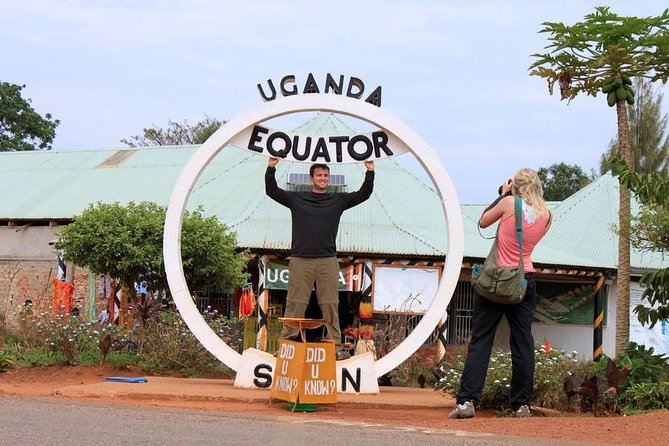
Uganda sits astride the equator, delivering a tropical climate with stable temperatures year-round but distinct bimodal rainfall patterns that shape travel conditions across its diverse landscapes—from misty highlands in the southwest to arid savannas in the northeast.
The country experiences two dry seasons and two wet seasons, influenced by the movement of the Inter-Tropical Convergence Zone (ITCZ).
Temperatures typically range from 16°C (61°F) in the mornings to 27-29°C (81-84°F) in the afternoons, with cooler conditions in higher-altitude areas like Bwindi Impenetrable National Park (around 1,500-2,500m elevation) and warmer, drier vibes in northern parks such as Kidepo Valley.
Dry Seasons dominate as the preferred window for most Uganda safaris:
1. June to September (long dry season):
This extended period features minimal rainfall, especially in July and August, which rank among the driest months in southern and western Uganda. Expect clear skies, lower humidity, and excellent visibility.
Daytime highs hover around 27°C, with cooler evenings ideal for evening game drives or stargazing. Roads and forest trails remain firm, reducing the risk of vehicle slippage or muddy hikes.
In savanna parks like Murchison Falls and Queen Elizabeth, vegetation thins, making it easier to spot lions, elephants, buffalo, and Uganda kob. Northern regions, including Kidepo, stay particularly dry and hot.
2. December to February (short dry season):
Warm and sunny, with January and February often the hottest and driest months. Temperatures can reach 28-30°C in lower areas, but mornings stay refreshing at 16°C.
Rainfall stays low, though occasional short showers may occur, especially near Lake Victoria. This season suits travelers escaping northern hemisphere winters, offering comfortable conditions for primate trekking and boat safaris on the Nile or Kazinga Channel.
Wet Seasons bring dramatic transformations:
1. March to May (long rains):
Heavy downpours peak in April, the wettest month with up to 150-200mm of rain in many areas. Roads—especially unpaved ones leading to Bwindi or Kibale—can become challenging, with mud and occasional flooding.
However, the landscape bursts into vibrant green, waterfalls swell, and bird activity surges with resident and early migratory species. Wildlife disperses but remains visible, and lodges often offer lower rates.
2. September to November (short rains):
Rains return but are generally shorter and less intense than the long wet season. October and November see increased precipitation, greening the plains and filling waterholes. This transitional period can still allow good wildlife viewing in some parks, though trekking trails grow slippery.
Altitude modifies these patterns significantly. Highland gorilla habitats in Bwindi and Mgahinga experience more frequent mist and showers even in “dry” months, requiring waterproof gear regardless of season.
Northern Uganda has a more unimodal pattern, with a pronounced dry spell from December to February and longer wet months from April to October. Lake Victoria influences the south-central region, leading to more year-round humidity and potential afternoon thunderstorms.
As a conservation-focused tour operator, we emphasize that Uganda’s equatorial position means no true “off” season exists—rain showers are often brief, and activities continue.
Yet understanding these patterns helps optimize your Uganda safari for comfort, photography, and wildlife encounters. Pack layers for temperature swings, quick-dry clothing, and sturdy boots for all scenarios.
Climate change has slightly shifted patterns in recent years, with occasional extended dry spells or heavier bursts, underscoring the importance of flexible itineraries with experienced operators like GoSilverback Gorilla Safaris.
Make the most of the best time to visit Uganda—👉 explore our Uganda safari deals and experience Africa’s wildlife at its peak.
Best Time to Visit Uganda (Quick Answer)
For most travelers prioritizing gorilla trekking, chimpanzee encounters, and wildlife safaris, the best time to visit Uganda is June to September or December to February. These dry windows deliver firmer trails, clearer skies, and concentrated animal sightings.
- June–August: Peak for combined gorilla and savanna safaris; minimal rain, high visibility.
- December–February: Excellent alternative, especially for those avoiding European summer crowds; warm, dry, and festive holiday timing.
Bird watchers may favor March–May or September–November for migratory influxes, while budget-conscious visitors appreciate shoulder/low seasons (March–May, October–November) for discounted lodges and easier permit availability.
No month is impossible, but dry seasons maximize comfort and success rates for demanding activities like mountain gorilla trekking in Bwindi Impenetrable National Park.
Best Time for Gorilla Trekking in Uganda
Gorilla trekking in Uganda ranks as one of Africa’s premier wildlife experiences, with over half the world’s remaining mountain gorillas residing in Bwindi Impenetrable National Park and a smaller population in Mgahinga Gorilla National Park.
The best time for gorilla trekking aligns closely with the dry seasons: June to September and December to February, when forest trails are less slippery and hiking conditions improve dramatically.
During these periods, rainfall decreases, reducing mud on steep, root-strewn paths that characterize Bwindi’s dense afro-montane forest.
Trekkers benefit from better footing, clearer visibility through the canopy, and shorter effective trekking times as rangers locate habituated groups more efficiently.
Mornings start cool and crisp, ideal for the pre-dawn briefing and transfer to the park gate, while afternoons allow relaxed viewing of silverbacks, females, and playful juveniles without constant downpours interrupting the one-hour encounter.
June to August stands out as the prime window. July and August offer the driest conditions in the southwest, with trails firm enough for all fitness levels (though the trek remains moderately strenuous, involving 2–7 hours of hiking depending on the group’s location).
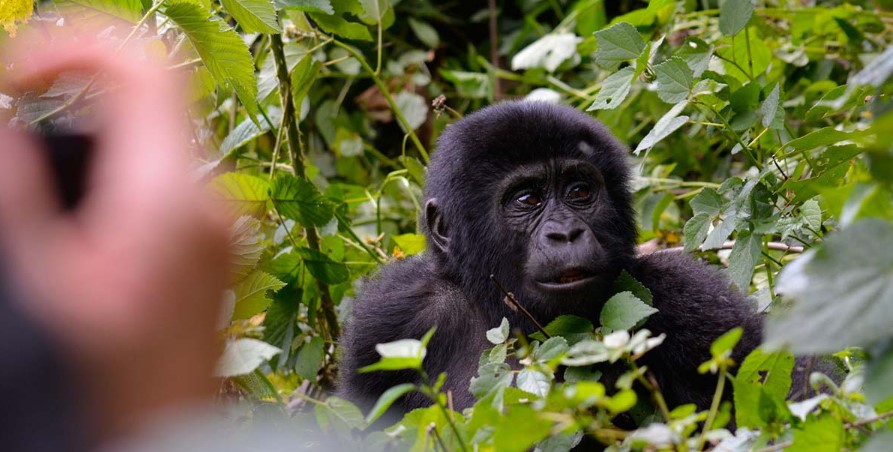
Vegetation is slightly less dense, aiding photography of these endangered primates in their natural habitat. This period coincides with high season, so gorilla permits (currently $800 per person for foreign non-residents) sell out months in advance—book 6–12 months ahead for guaranteed access to one of only 8 daily visitors per habituated group.
December to February provides a strong secondary option. January and February bring warm, sunny days with minimal rain, making the experience more comfortable for families or older travelers.
The forests remain lush from prior rains, enhancing the immersive “Impenetrable” feel while trails dry sufficiently. Fewer crowds than peak European summer months make this appealing for those seeking a more intimate encounter.
In the rainy seasons (March–May and September–November), gorilla trekking remains possible and sometimes offers advantages: fewer tourists mean a quieter forest, and abundant fruit may keep groups closer to accessible trails.
However, slippery slopes, heavy mud, and leeches increase physical demands and risk of delays. Permits stay at full price year-round in Uganda (unlike occasional discounts elsewhere), but lodge rates drop, making it attractive for budget safari packages.
Real-world considerations for international visitors: Altitude in Bwindi (up to 2,600m) brings cooler temperatures and potential altitude effects—acclimatize properly.
Fitness preparation is key regardless of season; porters are available for a modest fee. Mgahinga offers a different experience with volcanic landscapes and golden monkeys alongside gorillas, often with shorter hikes.
As conservation writers, we stress that responsible trekking supports habitat protection via Uganda Wildlife Authority (UWA) revenue. Limit group size, follow strict rules (no flash photography, maintain 7m distance), and choose operators committed to sustainable practices.
Whether in dry or wet season, a gorilla encounter leaves an indelible emotional impact—majestic silverbacks gazing calmly, infants tumbling playfully—reminding us why Uganda’s biodiversity demands protection.
Now that you know the best time to visit Uganda, it’s time to turn your plans into reality—👉 explore our Uganda safari packages designed for unforgettable gorilla trekking and wildlife experiences.
Best Time for Wildlife Safaris in Uganda
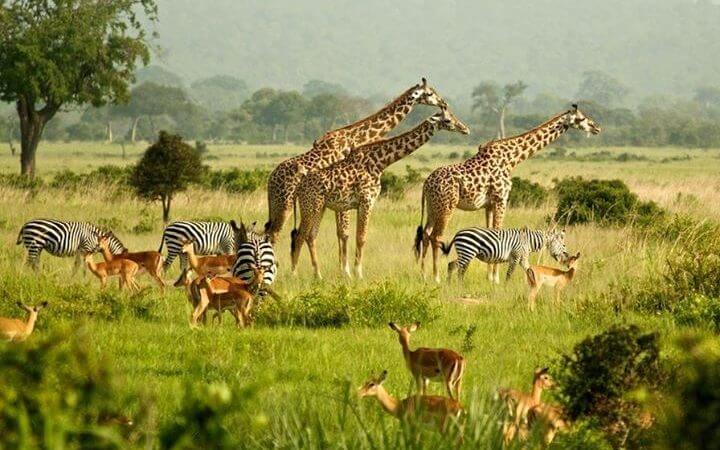
Wildlife safaris in Uganda showcase incredible diversity across savanna, wetland, and forest ecosystems in parks like Queen Elizabeth, Murchison Falls, and Kidepo Valley.
The best time for wildlife safaris is the end of the dry seasons—February–March and September–early October—when animals concentrate around remaining water sources, and shorter grass improves spotting.
However, the broader dry seasons (June–September and December–February) provide the most reliable conditions overall.
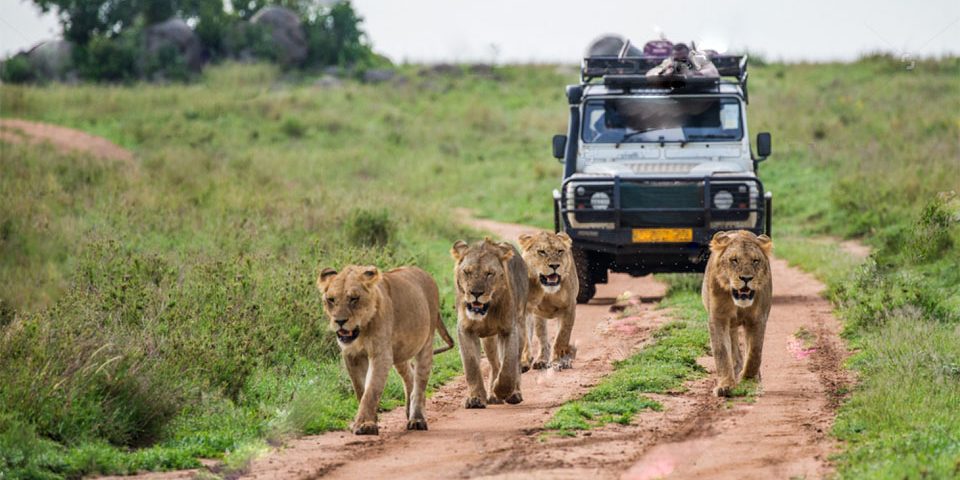
In dry seasons, vegetation thins in Queen Elizabeth National Park‘s Ishasha sector (famous for tree-climbing lions) and Murchison Falls’ grasslands, allowing clear views of large herds of Uganda kob, buffalo, elephants, and predators.
Game drives become highly productive as hippos, crocodiles, and waterbirds gather at the Nile or Kazinga Channel. Boat safaris excel with stable water levels and excellent photography light.
Northern Kidepo, with its semi-arid savanna, offers dramatic sightings of zebras, giraffes, and rare species like cheetahs during these months, with dust-free air enhancing binocular and camera use.
June to August combines perfectly with gorilla trekking for classic Uganda safari itineraries. Roads stay passable, tsetse flies decrease in some areas, and cooler temperatures make long game drives enjoyable. Early morning and late afternoon drives maximize activity when lions hunt or elephants move between waterholes.
December to February delivers hot, dry conditions ideal for spotting in open plains. February often marks peak concentration before rains arrive, with animals highly visible near permanent rivers and lakes. This season suits photographers seeking golden-hour light without haze.
Wet seasons transform the experience differently. March–May brings the long rains, greening the landscape and triggering calving seasons—young antelopes and birds nesting create vibrant scenes.
While animals disperse into thicker bush, birdlife explodes, and fewer visitors mean private game drives. Roads can challenge 4×4 vehicles, especially in remote areas, requiring experienced drivers. September–November offers a similar “shoulder” benefit with shorter rains.
Key parks by season:
- Queen Elizabeth: Dry seasons best for lions and elephants; wet for birding and lush scenery.
- Murchison Falls: December–March excellent for boat trips below the falls and game viewing; June–September for drier northern sectors.
- Kidepo Valley: December–February prime, as it avoids the longer northern wet period.
For travelers from afar, factor in flight schedules—direct or connecting routes via Entebbe work year-round. Combine safaris with primate trekking for a complete “Big Five plus primates” adventure.
Our expert guides use knowledge of animal behavior and seasonal movements to locate sightings efficiently, ensuring high success rates even in transitional months.
Uganda’s wildlife safaris emphasize ethical viewing—no off-road chasing—supporting conservation in a country where tourism funds anti-poaching and community projects.
Best Time for Chimpanzee Trekking
Chimpanzee trekking in Uganda offers an energetic, vocal primate encounter distinct from the more serene gorilla experience. Prime locations include Kibale National Park (home to over 1,500 chimps), Budongo Forest in Murchison Falls, Kalinzu, and Kyambura Gorge in Queen Elizabeth.
The best time for chimpanzee trekking mirrors gorilla trekking: dry seasons of June–September and December–February. Drier trails reduce slipping on forest floors, and clearer understory aids in tracking vocalizations and locating habituated communities.
In Kibale’s tropical rainforest, June–August provides firm paths and comfortable humidity levels for the 2–5 hour treks. Chimpanzees remain active, with easier viewing of grooming, feeding, and boundary patrols.
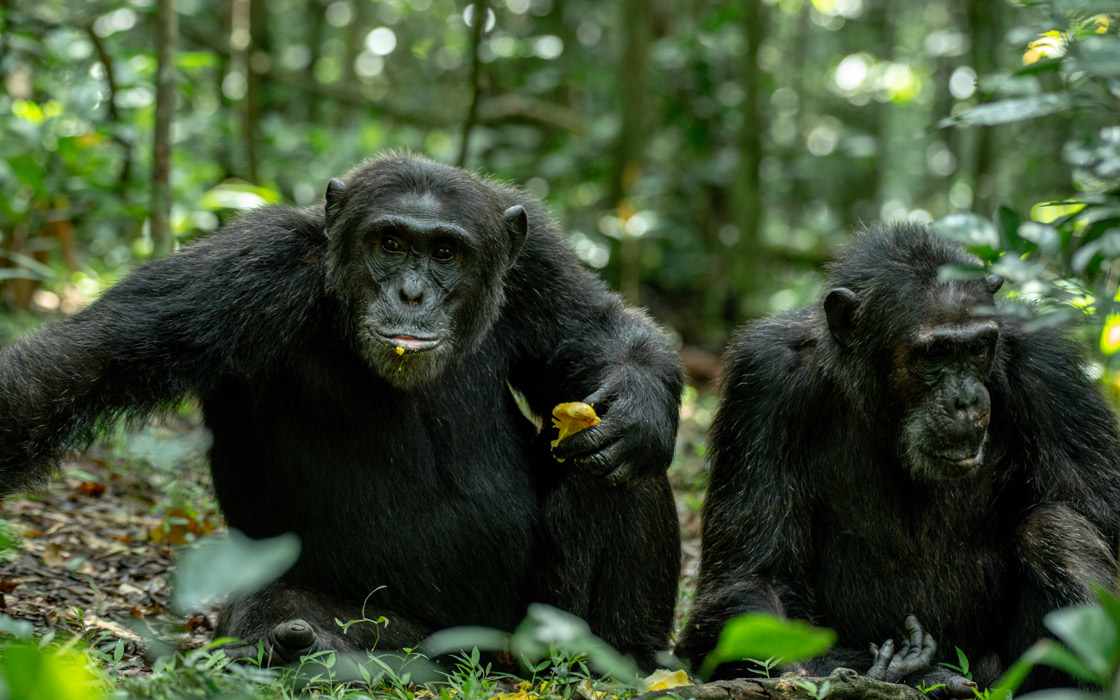
December–February brings similar advantages, with warmer conditions and potentially more fruiting trees keeping groups accessible. Habituation experiences (longer, more immersive sessions) also benefit from stable weather.
In wet seasons, chimps may forage more widely due to abundant food, but trails turn muddy, increasing effort and leech encounters. However, fewer crowds allow more flexible scheduling, and the forest resonates with calls amplified by moisture.
Chimp permits cost less than gorilla ones (around $200–250), making this activity more accessible year-round. Combine with nearby gorilla or safari options for multi-primate itineraries popular with UK, European, and North American travelers. Success rates remain high across seasons thanks to skilled trackers, but dry months optimize comfort and photography.
Best Time for Bird Watching in Uganda
Uganda boasts over 1,000 bird species, including endemics like Fox’s weaver and iconic ones such as the shoebill stork. The best time for bird watching spans dry seasons (June–September, December–February) for accessibility and resident species, but wet seasons (especially March–May and November) shine for migratory birds arriving from Europe and Asia.
Dry months offer clear trails in forests and wetlands, with concentrated activity around water. Kibale, Bwindi, and Mabamba Swamp excel then for forest and waterbirds. June–August provides optimal conditions with less rain interrupting guided walks.
Wet periods bring explosions of insect life, drawing migrants and triggering breeding displays. November can be particularly rewarding as short rains green habitats and shorebirds arrive. Lush vegetation hides some species but rewards patient observers with colorful activity.
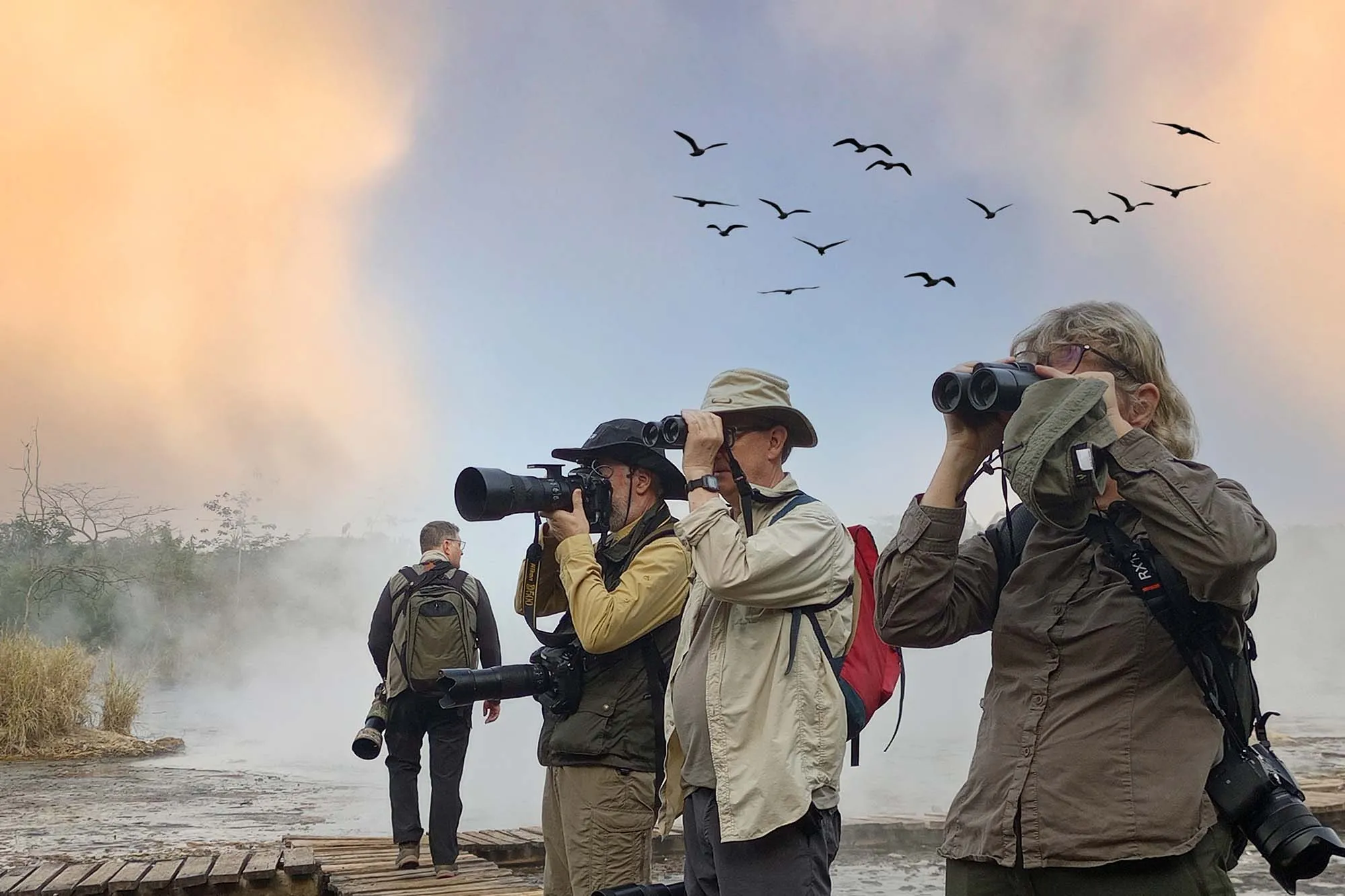
Year-round birding is viable, but dedicated birders from Asia and the Middle East often prefer dry seasons for logistics, while Europeans may time visits for peak migration. Expert guides enhance sightings with calls and knowledge of micro-habitats.
Uganda by Month (Detailed Travel Calendar)
January–February: Dry, warm; excellent for gorilla/chimp trekking and savanna game viewing. High season—book early.
March–May: Long rains begin; lush scenery, good birding, lower rates, but muddier trails. April wettest—some roads challenging.
June–August: Peak dry season; ideal for all activities. July–August driest—prime for trekking and safaris. Crowds higher; permits essential.
September: Transitional; still relatively dry early, greening later. Good shoulder value.
October–November: Short rains; greener parks, fewer visitors, migratory birds. November can be wet but rewarding for birders.
December: Dry season returns; festive timing, excellent wildlife concentration before year-end.
This calendar helps tailor itineraries—e.g., combine December gorilla trekking with Nile boat safaris.
Cheapest Time to Visit Uganda
The cheapest time to visit Uganda falls in the shoulder and low seasons: March–May and October–November. Lodge rates drop 20–40%, internal flights and ground transfers cost less, and gorilla permits remain available with shorter notice (though still full price).
Fewer international visitors mean more personalized service. Wildlife viewing stays rewarding despite greener bush, and birding peaks. Budget travelers from Canada or Asia appreciate these savings for extended trips.
Drawbacks include wetter conditions—plan flexible schedules and invest in quality rain gear. Avoid peak April/May for heaviest rains. Overall, low season delivers strong value for immersive, crowd-free experiences.
Planning around the best time to visit Uganda? 👉 Explore our Uganda safari tours and secure your dream gorilla trekking experience today.
When to Avoid Visiting Uganda (If Any)
Uganda welcomes visitors year-round with no absolute “avoid” months, but peak rainy periods in April–May and, to a lesser extent, October–November present challenges.
Heavy rains can make unpaved roads impassable, delay flights, or turn forest treks into strenuous mud battles. Some remote lodges reduce operations, and insect activity (mosquitoes, tsetse) may rise.
April often sees the most consistent downpours, potentially closing secondary tracks in Queen Elizabeth or Murchison. Travelers with mobility concerns or tight schedules may find these months frustrating.
That said, brief showers dominate rather than all-day rain, and dedicated operators adapt itineraries. Serious safety or health risks remain low with proper precautions (malaria prophylaxis, vaccinations).
For risk-averse visitors from the Middle East or Europe, stick to dry seasons. Otherwise, embrace the adventure—lush wet-season Uganda reveals a different, vibrant beauty.
When to Book Your Uganda Safari
Book your Uganda safari 6–12 months in advance for peak dry seasons (June–September, December–February), especially if including gorilla permits. High demand from USA/UK travelers fills slots quickly—permits are limited to protect gorilla families.
For low/shoulder seasons, 2–4 months suffices, with last-minute options sometimes available. Early booking secures preferred lodges, guides, and customized itineraries combining primates and safaris.
Factor in international flights, visas (many nationalities get e-visas easily), and vaccinations. Reputable operators like GoSilverback Safaris handle permits directly through UWA for seamless experiences.
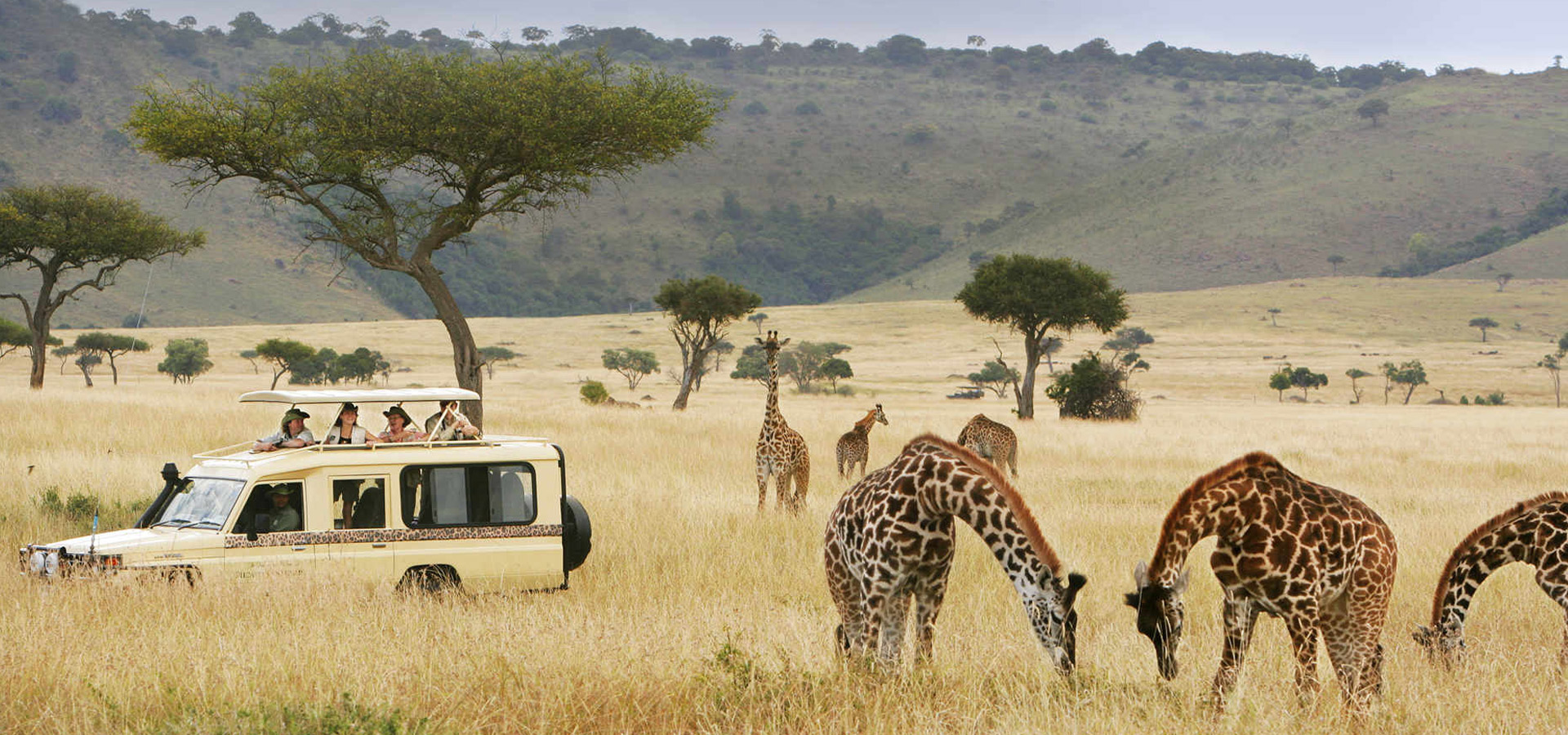
After discovering the best time to visit Uganda, take the next step—👉 explore our Uganda safari packages tailored for every traveler.
Uganda Travel Tips by Season
Dry Season Tips (June–Sept, Dec–Feb): Pack light layers, sunscreen, binoculars, and sturdy hiking boots. Book permits early. Enjoy extended game drives; carry reusable water bottles. Ideal for families and first-timers.
Wet Season Tips (Mar–May, Sept–Nov): Invest in high-quality rain jackets, quick-dry pants, and gaiters. Choose lodges with covered vehicles. Embrace birding opportunities and greener photography. Allow buffer days for weather delays. Mosquito repellent and long clothing essential.
General Tips: Use DEET-based repellents, drink bottled water, respect wildlife distances. Support community projects. For all seasons, travel with experienced operators for safety and insights. Altitude in highlands requires pacing; consult doctors for fitness.
Final Verdict – When Is the Best Time?
The best time to visit Uganda ultimately depends on balancing priorities, but for the majority of international and local travelers seeking a premium safari and gorilla trekking experience, June to September edges out as the top choice.
This long dry season delivers optimal trekking conditions in Bwindi and Mgahinga, superior wildlife visibility in Queen Elizabeth and Murchison Falls, and comfortable temperatures across the country.
July and August shine brightest—driest months with reliable sunshine, making them favorites for photographers and those combining Uganda with other East African destinations.
December to February serves as an outstanding alternative, particularly for holiday escapes or avoiding peak summer crowds, offering warm days and concentrated animal sightings.
Wet seasons provide value through lower costs and exclusive access but demand flexibility and preparation for mud and showers.
Uganda’s equatorial climate ensures rewarding travel anytime, with its biodiversity, warm hospitality, and conservation success stories (gorilla populations have increased thanks to tourism revenue) creating profound connections to nature.
As experts in African safaris and conservation, we recommend aligning your trip with dry seasons for maximum comfort and memories that last a lifetime.
Whether you’re a seasoned wildlife enthusiast from Europe or a first-time adventurer from Asia, Uganda delivers magic when timed thoughtfully.
Ready to travel at the best time to visit Uganda? 👉 Explore our Uganda safari adventures and book your once-in-a-lifetime journey.
Frequently Asked Questions
What is the best month to go to Uganda?
The best months to visit Uganda are June, July, and August, during the long dry season. These months offer ideal conditions for gorilla trekking in Bwindi Impenetrable National Park and wildlife safaris, with minimal rain, clear skies, and excellent animal visibility.
Which month is the rainy season in Uganda?
Uganda’s rainy seasons occur from March to May (long rains) and October to November (short rains). April is typically the wettest month. Rain usually comes in short, heavy bursts, leaving plenty of time for travel and activities across parks like Queen Elizabeth National Park.
What is the biggest cause of death in Uganda?
The leading causes of death in Uganda are communicable diseases, particularly malaria, followed by respiratory infections and HIV/AIDS. Malaria remains the most significant health challenge due to the country’s tropical climate, though prevention and treatment efforts continue to improve nationwide healthcare outcomes.
Is Uganda safe to go to right now?
Yes, Uganda is generally safe for tourists, especially in major destinations like Murchison Falls National Park and Bwindi Impenetrable National Park. Travelers should follow local guidelines, use reputable tour operators, and stay informed on travel advisories for a safe and enjoyable safari experience.
What is the best month to visit Uganda for gorilla trekking?
The best months are July, August, January, and February. These dry-season periods feature firmer forest trails, reduced mud, and comfortable hiking in Bwindi and Mgahinga, maximizing your chances of a successful one-hour encounter with mountain gorillas. Book permits well in advance.
Is it worth visiting Uganda in the rainy season?
Yes, for budget travelers or birders. March–May and October–November bring lush landscapes, fewer crowds, and lower lodge rates, with excellent migratory bird activity. Trails can be muddy, but brief showers allow activities most days with proper gear and flexible planning.
When is the cheapest time to go on safari in Uganda?
March–May and October–November offer the best deals on accommodations and packages. Gorilla permits stay full price, but overall safari costs drop significantly, making it ideal for value-focused travelers from the USA, Canada, or Middle East.
Do I need to book gorilla permits in advance?
Yes—6–12 months for peak season (June–August, December–February) due to limited daily slots. Shoulder seasons allow shorter notice. Work with a trusted operator to secure permits and handle logistics seamlessly.
Is Uganda safe to visit year-round?
Uganda is generally safe for tourists with standard precautions. Political stability supports tourism, and parks maintain good security. Consult travel advisories, use reputable operators, and follow health guidelines (e.g., malaria prevention) regardless of season.
What should I pack for a Uganda safari in dry season?
Lightweight long-sleeved clothing for sun and insects, sturdy hiking boots, binoculars, camera with zoom lens, hat, sunscreen, and a light jacket for cool evenings. Quick-dry fabrics perform best.
How does weather affect chimpanzee trekking in Kibale?
Dry seasons provide easier trails and better visibility for tracking vocal chimp groups. Wet seasons may disperse animals but increase food availability; prepare for mud with appropriate footwear.
Can I combine gorilla trekking with a wildlife safari?
Absolutely—dry seasons are perfect for 7–14 day itineraries pairing Bwindi gorillas with Queen Elizabeth or Murchison Falls safaris. This maximizes diversity in one trip.
What is the temperature like in Uganda during peak season?
Daytime averages 27–29°C (81–84°F), with mornings around 16°C (61°F). Highlands feel cooler; pack layers. Northern areas can be hotter and dustier.
Is bird watching good in Uganda during wet season?
Yes—March–May and September–November bring migratory species and breeding activity, boosting diversity in wetlands and forests. Dry seasons excel for resident forest birds with better access.
How early should I book flights to Uganda?
Book international flights 4–8 months ahead for best fares, especially during European/North American holiday peaks. Entebbe serves as the main gateway with good connections.
Does season affect malaria risk in Uganda?
Risk exists year-round but may rise slightly after rains due to standing water. Use prophylaxis, repellents, and nets consistently. Consult a travel clinic before any Uganda trip.
Conclusion
Uganda, the Pearl of Africa, captivates with its misty forests echoing gorilla chest beats, vast savannas alive with lion roars, and rivers carving through dramatic falls.
Choosing the right time transforms your journey from good to extraordinary—dry seasons unveiling nature at its most accessible and awe-inspiring, creating stories you’ll recount for years.
Whether trekking through Bwindi’s ancient canopy or cruising the Nile at sunrise, Uganda rewards those who venture here with profound connections to wild places and the communities protecting them.
As conservation advocates, we see every responsible visit contributing to a brighter future for endangered species and local livelihoods.
Ready to experience the magic? Book your gorilla permit and customized Uganda safari today through GoSilverback Gorilla Safaris.
Our expert team crafts personalized itineraries tailored to your dates, budget, and dreams—ensuring seamless logistics, ethical wildlife encounters, and memories that endure.
Contact us now to secure your permits and start planning the adventure of a lifetime in the heart of Africa. Your Uganda story awaits—let’s make it unforgettable.