
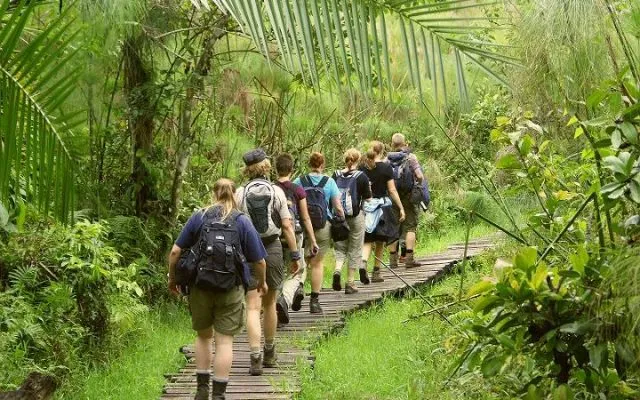
Gorilla Trekking Difficulty Level in Uganda and Rwanda: Must-Know Guide 2026
As a safari operator based in Kampala, Uganda, with decades of experience guiding international travelers through East Africa’s premier wildlife destinations, we at GoSilverback Safaris understand the profound allure of mountain gorilla trekking.
This once-in-a-lifetime adventure draws adventurers from the USA, UK, Europe, Canada, Asia, and the Middle East, offering an intimate encounter with one of the planet’s most endangered primates.
However, the gorilla trekking difficulty level in Uganda and Rwanda is a critical factor that every traveler must consider. In this comprehensive guide, we’ll delve deep into what makes these treks challenging, how to prepare, and why the rewards far outweigh the effort.
Drawing from our on-the-ground expertise and insights from conservation partners, we’ll equip you with the knowledge to decide if this experience aligns with your fitness and expectations.
Whether you’re a seasoned hiker from New York or a nature enthusiast from Dubai, understanding the gorilla trekking difficulty level ensures a safe, enjoyable journey.
Let’s explore the realities of trekking in Uganda’s Bwindi Impenetrable National Park and Mgahinga Gorilla National Park, as well as Rwanda’s Volcanoes National Park—home to over half of the world’s remaining 1,063 mountain gorillas (as per the latest 2023 census, with populations stable into 2026).
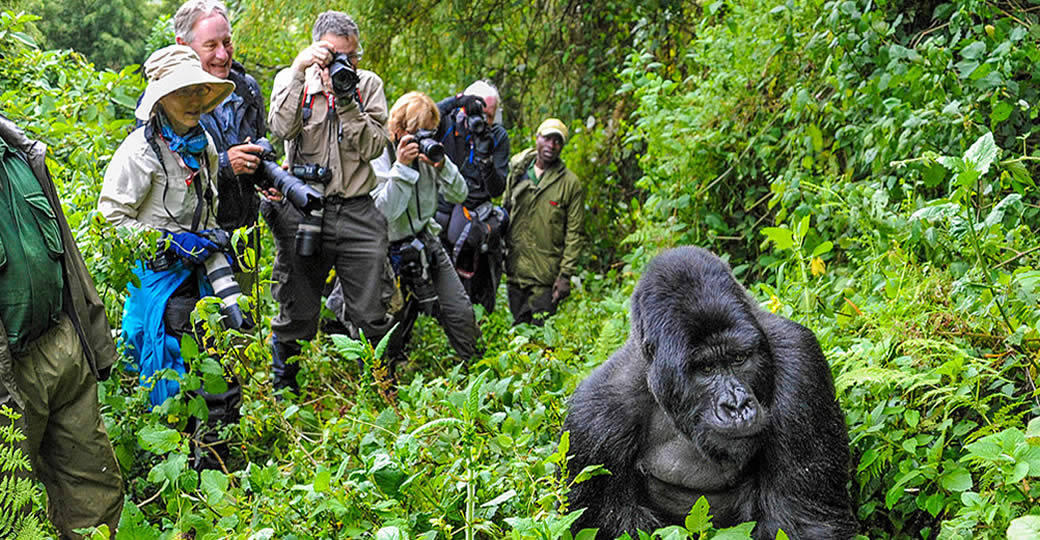
Understanding the Trekking Difficulty Level: What Makes Gorilla Trekking Challenging in Uganda and Rwanda?
Gorilla trekking in Uganda and Rwanda ranks among the most physically demanding wildlife experiences in Africa, often rated as moderate to strenuous on a scale of 1-10 (typically 6-8 for most participants).
Unlike a leisurely game drive in the Serengeti, this activity involves navigating untamed rainforests in search of habituated gorilla families. The challenge stems from a combination of environmental, physical, and logistical factors, making it distinct from other safaris.
At its core, the gorilla trekking difficulty level arises from the remote, high-altitude habitats of these great apes.
In Uganda’s Bwindi Impenetrable Forest, treks can span steep volcanic slopes covered in thick vegetation, while Rwanda’s Volcanoes National Park adds the complexity of bamboo zones and nettle-filled undergrowth.
For international travelers unaccustomed to tropical highlands, this can feel intimidating, but with proper preparation, it’s achievable for many.
Key contributors to the difficulty include terrain, altitude, weather, trek duration, and personal fitness. According to our guides, who lead over 500 treks annually, about 95% of participants successfully reach the gorillas, but the journey tests endurance.
If you’re flying in from London or Toronto, jet lag and unfamiliar humidity can amplify these challenges, underscoring the need for realistic expectations.
Transitioning to the specifics, let’s break down the primary elements that define this difficulty, starting with the landscape itself.
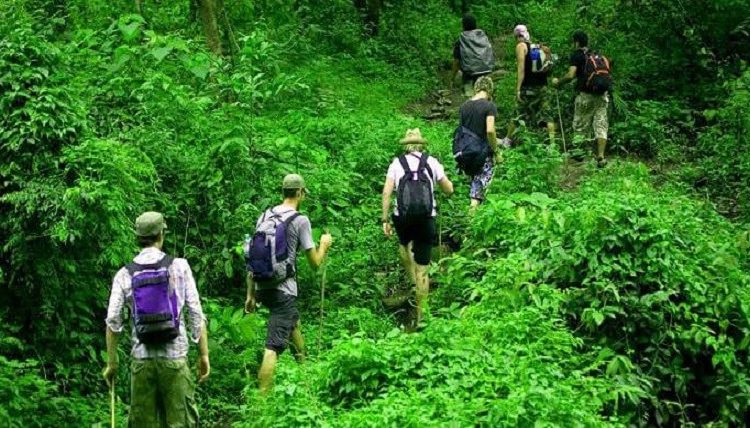
Understanding the Terrain: Steep and Dense Forests
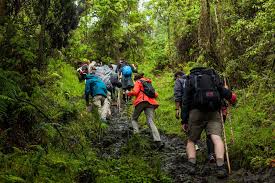
The terrain is the cornerstone of gorilla trekking difficulty in Uganda and Rwanda. These forests are not groomed trails like those in Yellowstone National Park; they are raw, ancient ecosystems shaped by volcanic activity and millennia of rainfall.
In Uganda’s Bwindi Impenetrable National Park, spanning 331 square kilometers, the landscape features steep hillsides with elevations from 1,160 to 2,607 meters (3,806 to 8,553 feet).
Trekkers often encounter muddy paths slick with roots, vines, and fallen bamboo, requiring careful foot placement to avoid slips. The “impenetrable” moniker is no exaggeration—machete-wielding trackers carve temporary paths through dense foliage, but the ground remains uneven and demanding.
Rwanda’s Volcanoes National Park, part of the Virunga Massif, presents similar but steeper challenges.
Here, volcanic cones like Mount Bisoke rise to 3,711 meters (12,175 feet), with trails weaving through bamboo forests and open meadows dotted with stinging nettles. The soil, rich in volcanic ash, becomes treacherously slippery when wet, increasing the risk of falls.
For travelers from arid regions like the Middle East or flat terrains in the Midwest USA, this steepness—often involving 45-degree inclines—can strain knees and ankles.
Real-world accounts from our clients highlight how the terrain demands balance and agility; one European trekker described it as “hiking through a living obstacle course.” To mitigate this, we recommend sturdy hiking boots with ankle support and trekking poles, which can reduce joint stress by up to 20%.
Beyond the physical layout, the terrain’s density affects visibility and movement. Gorillas roam freely, so paths aren’t fixed, adding an element of unpredictability that elevates the overall gorilla trekking difficulty level.
Difficulty by Locations and Parks
Gorilla trekking difficulty varies significantly by park and sector, allowing travelers to choose based on their fitness.
In Uganda, Bwindi offers four main sectors: Buhoma (easiest, with gentler slopes and shorter treks averaging 2-4 hours), Ruhija (moderate, with hilly but manageable terrain), Rushaga (strenuous, featuring steeper climbs), and Nkuringo (most challenging, with up to 7-hour treks over rugged ridges).
Mgahinga Gorilla National Park in Uganda is smaller but steeper, with treks influenced by the park’s three volcanoes. Here, difficulty spikes due to higher starting elevations around 2,227 meters (7,306 feet), but gorilla families are fewer, potentially leading to shorter searches.
In Rwanda, Volcanoes National Park’s difficulty is uniform but intense, rated 7-9/10 by many. Treks start from the park headquarters at 2,500 meters (8,202 feet), ascending into bamboo zones where undergrowth is thickest.
Sectors like Kinigi are popular for their accessibility from Musanze, but the volcanic terrain demands strong cardio.
For Asian travelers accustomed to Himalayan hikes or Canadians used to Rocky Mountain trails, Uganda’s varied sectors provide more options for customization.
Our safari planners often match clients to easier sectors if they disclose fitness concerns, ensuring the gorilla trekking difficulty level aligns with individual capabilities.
After assessing the trekking difficulty, read our detailed Uganda & Rwanda Gorilla Trekking Prices Guide to understand updated permit costs and safari expenses.
High Altitude and Thin Air
Altitude is a silent intensifier of gorilla trekking difficulty in Uganda and Rwanda. Both countries’ parks sit at elevations where oxygen levels drop, potentially causing shortness of breath, headaches, or fatigue—symptoms of mild altitude sickness.
In Bwindi, altitudes range from 1,500-2,600 meters (4,921-8,530 feet), while Volcanoes peaks at over 3,000 meters (9,843 feet).
At these heights, air pressure decreases, reducing available oxygen by 10-15% compared to sea level. For travelers from low-lying areas like the UK or coastal USA, this can make even moderate inclines feel exhausting.
Real-world impacts include slower recovery from exertion; our guides report that 20% of trekkers experience mild symptoms on their first day.
To acclimate, we advise arriving 1-2 days early in Kampala or Kigali, staying hydrated (aim for 3-4 liters daily), and avoiding alcohol. Diamox medication can help, but consult a doctor—especially for those from high-altitude-tolerant regions like parts of Asia.
The thin air also affects gorilla movement; families may range higher in dry seasons, extending treks. Understanding this factor is key to managing the overall difficulty.
Unpredictable Weather Conditions
Weather plays a pivotal role in amplifying gorilla trekking difficulty, with Uganda and Rwanda’s equatorial climates delivering sudden shifts. Expect year-round highs of 20-25°C (68-77°F) and lows of 10-15°C (50-59°F), but rain can strike anytime.
Dry seasons (June-September, December-February) offer firmer trails, reducing slip risks, but wet seasons (March-May, October-November) turn paths into mudslides, elevating difficulty to 8-10/10. Rainfall averages 150-250 mm monthly in peaks, creating slick conditions that demand gaiters and waterproofs.
For European travelers used to predictable weather or Middle Eastern visitors from dry climates, the humidity (often 80-90%) can cause rapid dehydration.
Thunderstorms may delay starts, adding mental strain. However, wet weather often brings gorillas lower, potentially shortening treks— a silver lining for prepared adventurers.
Our tip: Layer clothing and carry ponchos; weather apps like AccuWeather help, but local ranger briefings are invaluable.
Because weather and terrain significantly influence the gorilla trekking difficulty level in Uganda and Rwanda, explore our comprehensive Best Time To Trek Gorillas Guide to plan the ideal season.
Long and Unpredictable Trekking Times
Trekking times are inherently unpredictable, contributing significantly to the gorilla trekking difficulty level. In Uganda, average treks last 3-6 hours round-trip, but can extend to 8-10 hours if gorillas are deep in the forest.
Rwanda’s treks are similar, averaging 2-7 hours, influenced by family locations. Trackers locate groups at dawn, but gorillas move up to 1-2 km daily, so no trek is guaranteed short.
For international travelers with tight schedules from Canada or Asia, this variability can be frustrating. Factors like group fitness slow the pace, and mandatory one-hour observation limits total time but doesn’t reduce the hike.
To manage, we assign porters (USD 15-20) to carry gear, freeing energy for the trail.
Physical and Mental Fatigue
Physical fatigue from gorilla trekking stems from cumulative strain: climbing, balancing, and enduring elements. Knees, back, and lungs bear the brunt, with mental fatigue arising from focus and anticipation.
Many underestimate the mental aspect—navigating uncertainty builds resilience but can overwhelm novices. Our clients from the USA often note post-trek exhaustion, recommending rest days after.
Hydration, snacks, and positive mindset combat this; the gorilla sighting provides an adrenaline boost.
Gorilla Trekking Tips for a Smoother Experience
To ease the gorilla trekking difficulty, follow these expert tips:
- Assess fitness early: Train with hill walks 2-3 months prior; aim for 5-10 km hikes weekly.
- Pack smart: Waterproof boots, gloves, long pants, insect repellent, and a daypack.
- Hire support: Porters and walking sticks are game-changers.
- Stay informed: Attend ranger briefings for daily conditions.
- Pace yourself: Take breaks; communicate with guides.
These steps transform challenges into triumphs.
Why the Trekking Difficulty Level is Worth It
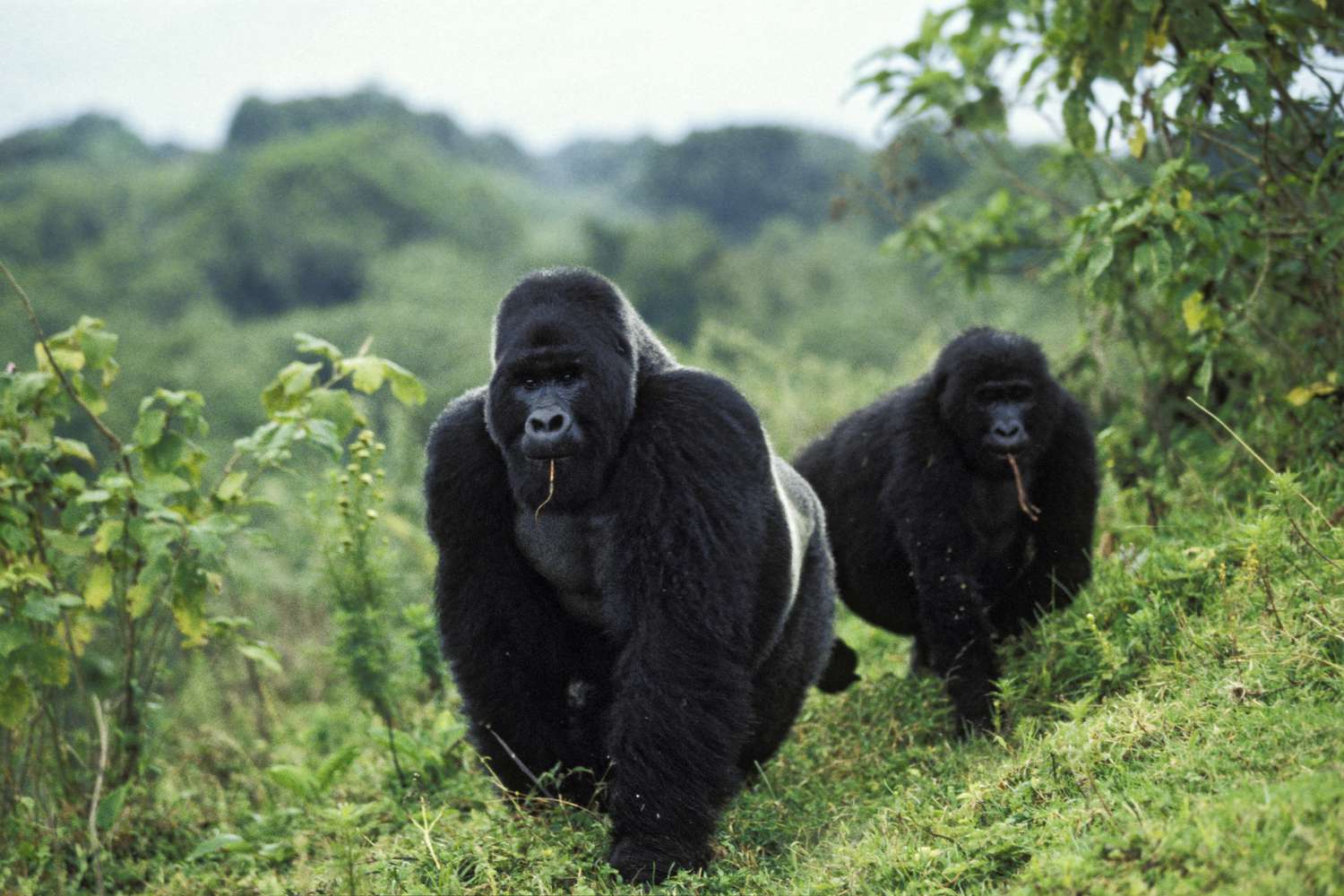
Despite the gorilla trekking difficulty, the payoff is unparalleled: witnessing silverbacks in their habitat fosters deep conservation appreciation. Our travelers describe it as transformative, worth every step for the emotional connection.
How to Prepare for the Trekking Difficulty Level
Preparation is key:
- Physical training: Cardio, strength exercises targeting legs and core.
- Health checks: Vaccinations, fitness clearance.
- Gear list: Detailed packing for weather.
- Mental prep: Read accounts, visualize success.
If you’re preparing for the Gorilla Trekking Difficulty Level in Uganda and Rwanda, make sure to review our detailed Gorilla Trekking Packing List Guide to ensure you’re fully equipped for steep terrain, high altitude, and unpredictable weather conditions.
Gorilla Trekking in Uganda and Rwanda Suitable for Everyone?
Not entirely—minimum age is 15, and those with mobility issues may struggle. Easier sectors suit moderately fit seniors; consult us for adaptations.
Life Lessons from the Trekking Difficulty Level
Treks teach perseverance, humility, and respect for nature—lessons resonating with global travelers.
Gorilla Trekking Rules and Regulations
Strict rules ensure safety:
- Maintain 7-meter distance.
- No flash photography.
- Masks for health.
Violations risk permit revocation.
To better understand how terrain, altitude, and fitness levels impact your adventure, explore our complete guide to Gorilla Trekking Tourism Uganda & Rwanda for planning insights and travel options.
Gorilla Trekking FAQs
How hard is gorilla trekking in Uganda?
Moderate to challenging depending on terrain and gorilla location.
Is Rwanda easier than Uganda?
Not necessarily; terrain can be equally steep, though access from Kigali is shorter.
Do I need to be extremely fit?
No, but moderate fitness is recommended.
What if I cannot complete the trek?
Rangers assist and assess each situation individually.
What is the average gorilla trekking difficulty level?
Moderate-strenuous (6-8/10).
Can beginners do it?
Yes, with preparation.
How long are treks?
2-10 hours.
What if I’m not fit enough?
Opt for easier sectors or porters.
Ready to Conquer the Gorilla Trekking Difficulty Level?
Gorilla permits are limited—book now for 2026 through GoSilverback Safaris, your trusted Kampala-based operator. With expert guides and seamless logistics, we’ll match you to the perfect trek.
Contact us today for personalized itineraries and secure your spot in Uganda or Rwanda. Your epic adventure awaits—don’t miss out!