Gorilla Trekking for Families: The Complete 2026 Guide
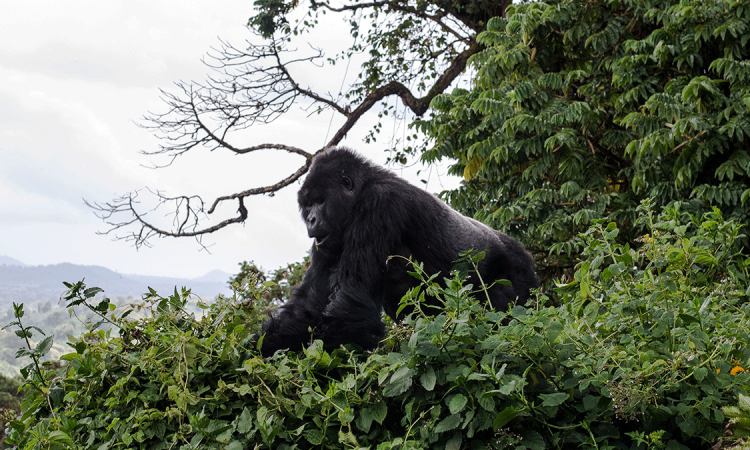
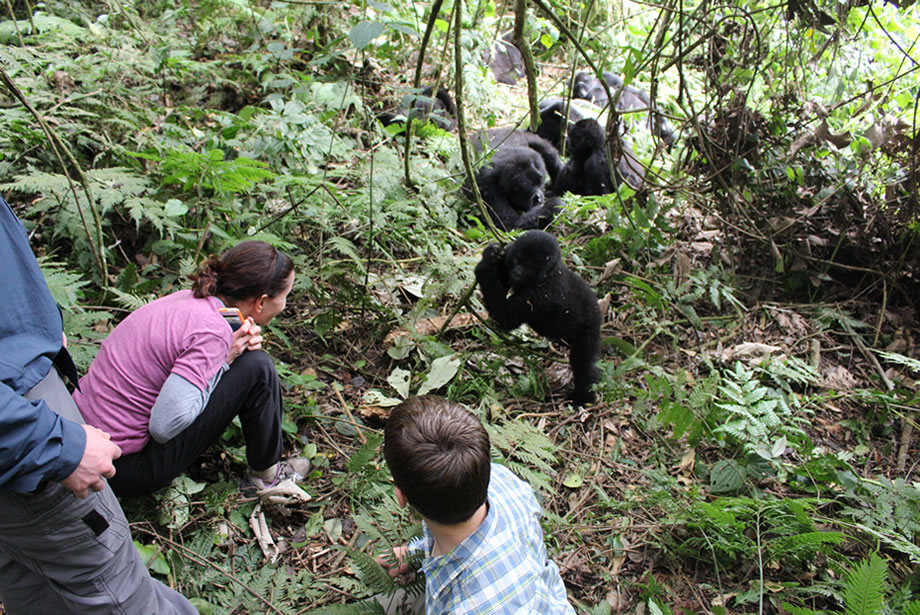
Gorilla Trekking for Families is an unforgettable experience, which offers parents and older children the chance to observe endangered mountain gorillas in their natural forest habitat.
In Uganda and Rwanda, children must be at least 15 years old to participate in gorilla trekking.
Families should prepare with comfortable hiking shoes, lightweight clothing, rain gear, drinking water, snacks, and insect repellent.
Treks can last several hours depending on where the gorilla family is located, so reasonable fitness is important.
Bwindi Impenetrable National Park offers several trekking sectors, making it possible to plan a family-friendly gorilla safari around your interests, budget, and travel schedule.
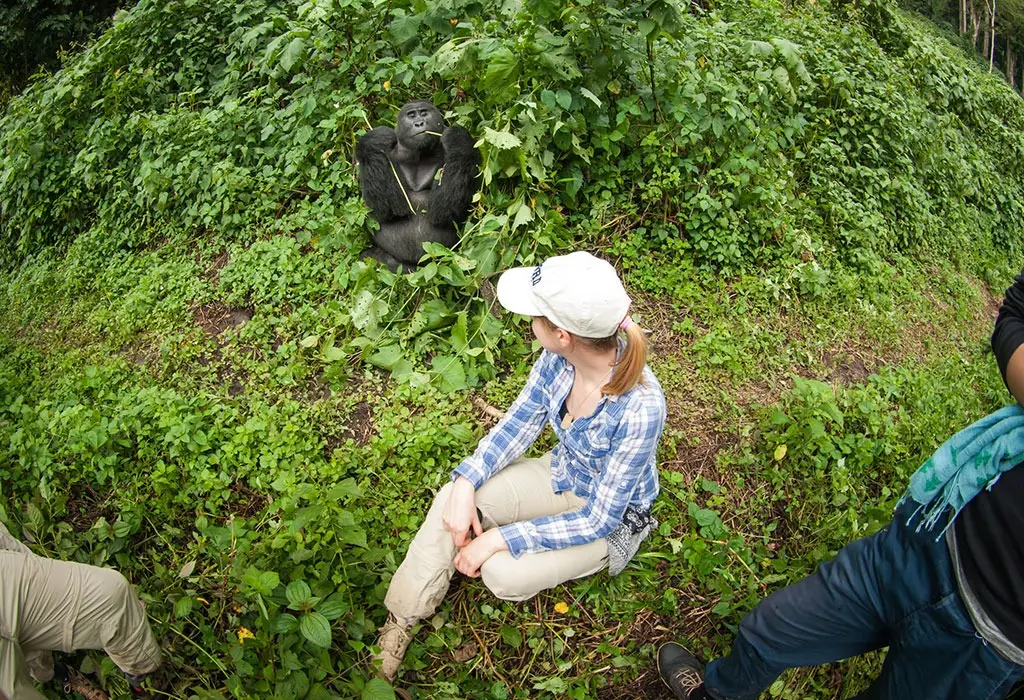
Imagine the exact moment your family locks eyes with a wild silverback. In that single, breathless hour, the screens fade, the chatter stops, and you share a profound connection that changes your family forever.
But before you book those flights, there is one critical constraint you must know: the minimum age for gorilla trekking is strictly 15 years old in both Uganda and Rwanda.
This 2026 gorilla trekking guide is specifically designed for families with teenagers, multi-generational groups, and parents navigating the 15+ rule.
Whether you are traveling from USA, North America, United Kingdom, Europe, Asia, or the Middle East, we will break down everything you need to know.
From strict gorilla trekking age limits and family gorilla safari costs to safety protocols, packing essentials, and the best family-friendly gorilla lodges, this is your ultimate blueprint for a seamless East African primate adventure.

What is a Gorilla Trekking for Families?
Gorilla Trekking for Families is an exciting wildlife adventure that allows families with eligible members to explore Uganda’s or Rwanda’s rainforest and observe endangered mountain gorillas in their natural habitat.
In Uganda and Rwanda, gorilla trekking is available to visitors aged 15 and above, making it suitable for families with teenagers and adults. The experience takes place mainly in Bwindi Impenetrable National Park, Mgahinga Gorilla National Park and Volacnoes National Park.
Families can enjoy guided forest walks, breathtaking scenery, and a memorable encounter with a habituated gorilla family. Proper preparation, comfortable hiking gear, and a reasonable fitness level are important.
Book your family gorilla safari early with GoSilverback Gorilla Safaris, to secure permits and preferred trekking dates.
Who Can Trek? Age Rules, Exceptions & Alternatives for Kids
When planning a family gorilla safari, the most common question we hear is about age restrictions.
Here is the hard truth: the minimum age for gorilla trekking is 15 years old on the day of the trek in both Rwanda’s Volcanoes National Park and Uganda’s Bwindi and Mgahinga National Parks.
Why does this strict rule exist?
It comes down to two factors: safety and health. The terrain is steep and unpredictable, requiring a level of physical maturity and focus.
More importantly, mountain gorillas share 98% of human DNA, making them highly susceptible to human respiratory diseases.
Younger children are more likely to carry contagious illnesses and have less impulse control to maintain distance, putting these endangered giants at risk.
The Uganda “Exception” Nuance
You may hear rumors of loopholes. Some operators note that the Uganda Wildlife Authority (UWA) occasionally grants case-by-case permissions for ages 12–14.
However, this is incredibly rare, requires special medical and physical assessments, and is never guaranteed. Treat it as an exception, not a rule.
Best Alternatives for Under-15s
If your family includes younger children, do not despair. East Africa offers incredible family gorilla safari alternatives:
- Golden Monkey Trekking: Available in Volcanoes NP (Rwanda) and Mgahinga (Uganda) with no strict age limit.
- Chimpanzee Tracking: Available in Uganda’s Kibale Forest (minimum age is often 12, but varies by operator).
- Non-Trekking Activities: Boat safaris on the Kazinga Channel, cultural village visits, and relaxing on the shores of Lake Kivu.
Why Children Are Not Allowed to Do Gorilla Trekking?
Mainly due to safety, conservation, and health concerns. In Uganda, gorilla trekking is restricted to visitors aged 15 and above because rainforest trails can be steep, slippery, and physically demanding.
Young children may also struggle to follow ranger instructions or maintain the required distance from mountain gorillas.
Another concern is disease transmission, as humans and gorillas can share respiratory infections.
The age restriction helps protect both visitors and endangered gorillas while ensuring responsible tourism.
Families traveling with younger children can enjoy other Uganda wildlife experiences, including game drives, nature walks, cultural tours, and boat safaris.
Pro Planning Tip: If you have 12–14-year-olds, design your 2026 trip around chimpanzees and golden monkeys now, and schedule the ultimate gorilla trek for a return trip when they turn 15.
Not sure if your family qualifies? Send us your travel dates and children’s ages—we’ll map the best permit strategy for your group. [Click here to chat on WhatsApp] or [fill out our quick booking form].
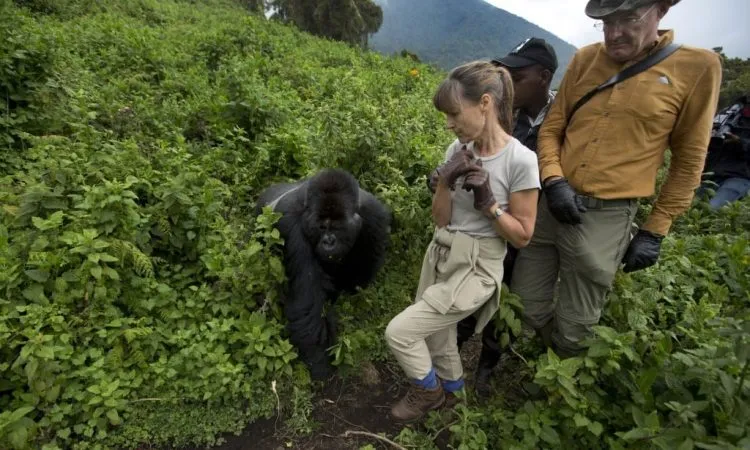
Uganda vs Rwanda for Families: Which Is Better?
Choosing between Uganda vs Rwanda for gorilla trekking depends on your family’s budget, time, and fitness levels. Both offer life-changing encounters, but the logistics differ significantly.
Permit Cost & Value
The biggest differentiator is the gorilla permit cost. In Uganda, a non-resident permit is $800 (dropping to $600 in the low season). In Rwanda, permits are $1,500 year-round.
Crucially, there are no child discounts; anyone aged 15+ pays the full adult rate. For budget-conscious families, Uganda wins on total trip cost.
Travel Time & Ease
If you are short on time, Rwanda wins on logistics. Volcanoes National Park is just a 2.5 to 3-hour drive from Kigali International Airport.
In Uganda, driving from Entebbe to Bwindi takes 8–10 hours. Most families flying into Uganda opt for a domestic charter flight to save time, which adds to the cost.
Terrain & Fitness
Both destinations feature steep, muddy, and dense forest environments. Rwanda’s volcanic slopes can be steep but are often shorter treks. Uganda’s Bwindi Impenetrable Forest lives up to its name with dense, rugged terrain.
Family tip: Always tell your operator about your teens’ fitness levels so they can assign you to a gorilla family located nearer to the trailhead.
Lodge Options
Rwanda’s lodges are clustered around the compact Musanze/Volcanoes base. Uganda’s Bwindi is divided into four distinct sectors (Buhoma, Ruhija, Rushaga, Nkuringo).
Your lodge choice in Uganda must match your permit sector to avoid exhausting early-morning transfers.
Uganda vs Rwanda Gorilla Trekking Comparison
|
Factor |
Uganda (Bwindi/Mgahinga) |
Rwanda (Volcanoes NP) |
|
Permit (Non-Resident) |
$800 (Low season: $600) |
$1,500 |
|
Drive from Capital |
Long (8-10 hrs) or fly |
Short (~2.5–3 hrs from Kigali) |
|
Family Lodge Clusters |
Sector-specific (4 zones) |
Centralized (Musanze/Volcanoes base) |
|
Best For |
Budget-conscious families & multi-park safaris |
Time-limited families & luxury seekers |
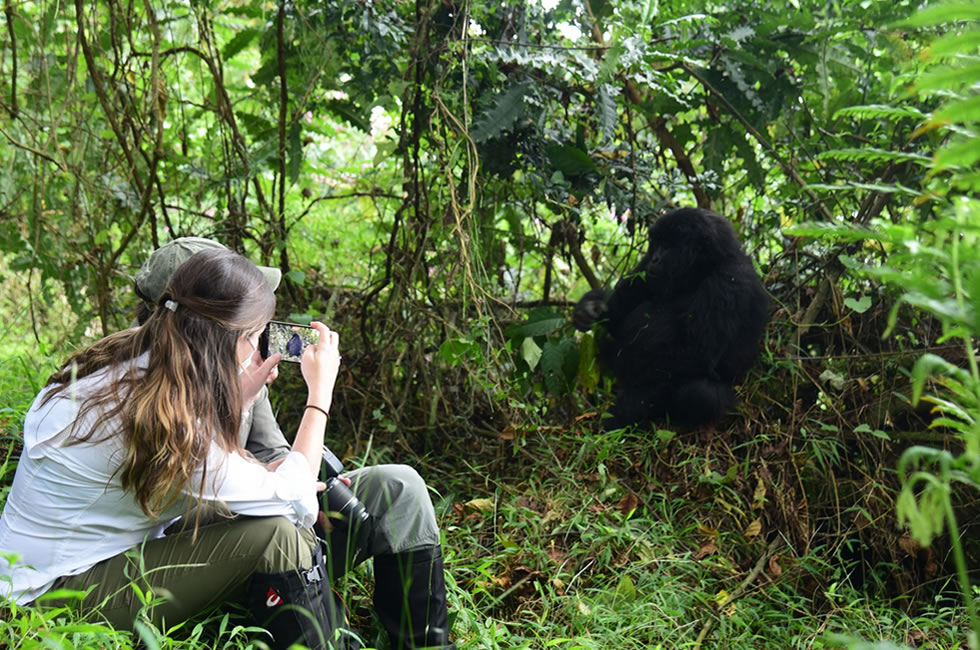
How Much Does a Family Gorilla Trek Cost in 2026?
Budgeting for a family gorilla safari requires looking beyond just the permit.
Here is a realistic breakdown of gorilla trekking costs in 2026 so you can plan confidently.
The Permits
As established, expect to pay $800 per person in Uganda and $1,500 per person in Rwanda.
Remember, a family of four with two teens (15+) will need to buy four full-price permits.
Typical Total Trip Ranges
- Budget Uganda Safari: $1,500–$2,000 per person. This includes the permit, shared transport, mid-range lodging, and meals.
- Mid-Range to Luxury (Both Countries): $3,000–$6,000+ per person. This includes charter flights, luxury lodges, and private guides. Rwanda trips naturally skew higher due to the premium permit price.
Hidden Costs Families Forget
When calculating your family gorilla safari budget, do not forget:
- Porter hires: $20–$30 per person (highly recommended for teens).
- Tips: For guides, drivers, and lodge staff.
- Visas & Vaccinations: East African tourist visas and malaria prophylaxis.
- Non-trekker activities: Golden monkey permits or boat rides for younger kids.
Money-Saving Tactics for Families
- Travel in the low season: Visit Uganda in April, May, or November to secure the $600 discounted permits.
- Combine countries: If you have time, do a cross-border safari (one permit in Rwanda, one in Uganda) via the Cyanika border.
- Book early: Secure permits 6–12 months ahead for peak dates to avoid last-minute premium pricing or sell-outs.
Want a custom family quote with permits locked in?
Stop guessing the costs. Get a transparent, itemized 24-hour family safari proposal. [Request your custom quote from GoSilverback gorilla Safaris].
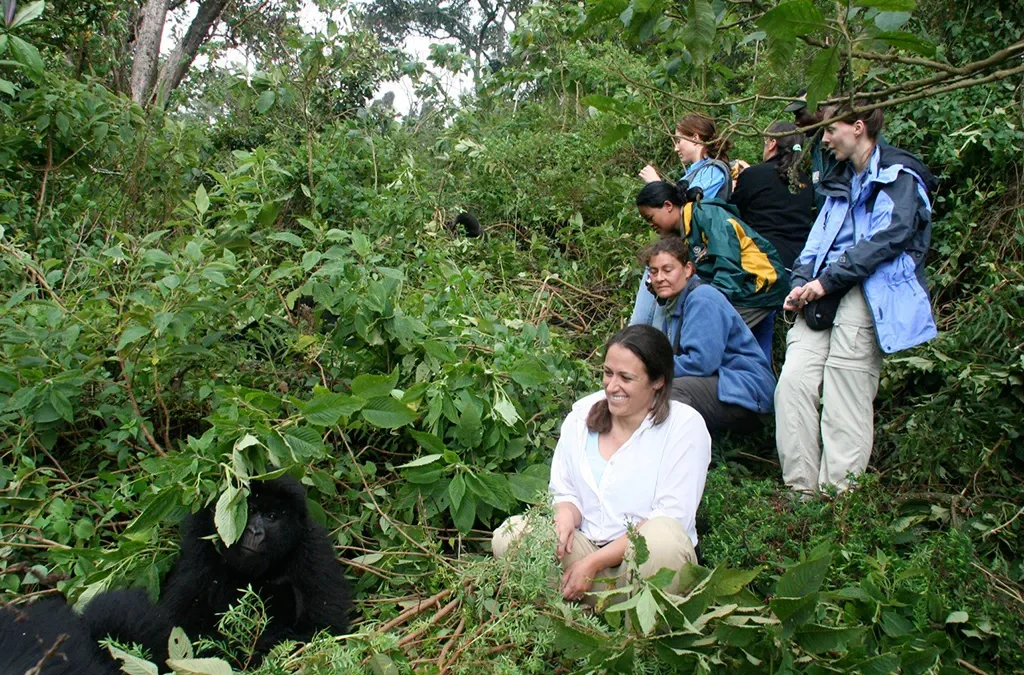
Safety First: Health, Terrain & Gorilla Rules Families Must Know
Encountering wild great apes is a privilege, not a right. Adhering to gorilla trekking safety rules protects both your family and the endangered mountain gorillas.
1. Disease Protection & Health
Because of their genetic similarity to humans, gorillas are vulnerable to our illnesses. If any family member has a cold, flu, or respiratory symptoms on the morning of the trek, they will not be allowed to trek.
You must maintain a strict 7-meter (23-foot) distance from the gorillas at all times. Face masks are often mandatory when in close proximity.
Ensure your Yellow Fever vaccination is up to date (mandatory for Uganda) and take malaria prophylaxis (strongly recommended for both countries).
2. Terrain Realities & Fitness
Do not underestimate the jungle. The trails are steep, slippery, and at high altitude. Conduct an honest fitness assessment with your teens.
To reduce fatigue and prevent injuries, hire a porter for every family member. Porters carry daypacks, offer a steadying hand on steep mud banks, and directly support the local economy.
3. Behavior Rules in the Forest
Brief your teens on primate etiquette before you go:
- Keep voices to a whisper.
- No eating or drinking near the gorillas.
- Turn off camera flashes (flash photography is strictly prohibited).
- Avoid direct, prolonged eye contact with the silverback (it is seen as a challenge).
- Follow the ranger’s instructions instantly.
4. Travel Insurance
Standard travel insurance is not enough. You must purchase comprehensive travel insurance that covers high-altitude trekking, adventure activities, and emergency medical evacuation.
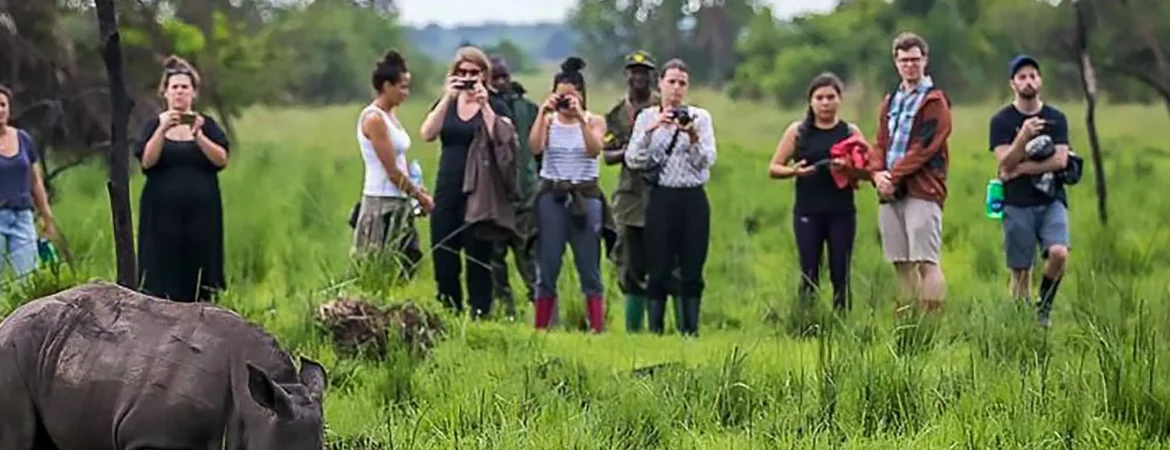
What to Pack for a Family Gorilla Trek (Teens & Adults)
Packing for the jungle requires strategy. Here is a practical, parent-tested gorilla trekking packing list to keep your family comfortable and compliant.
1. Clothing
- Long-sleeve shirts and long trekking trousers (protects against stinging nettles and insects).
- Lightweight, waterproof jacket or poncho (jungle weather is unpredictable).
- Neutral colors: Green, brown, or khaki. Avoid bright colors that startle wildlife.
2. Footwear & Accessories
- Sturdy, broken-in hiking boots with ankle support. Never bring new, unbroken boots.
- Thick, moisture-wicking trekking socks.
- Gardening or lightweight trekking gloves (for grabbing vines and branches).
- Gaiters (optional, but great for keeping mud and ants out of boots).
3. Daypack Essentials
- 1.5–2 liters of water per person.
- High-energy snacks (nuts, energy bars).
- Insect repellent (DEET-based for adults, child-friendly for teens).
- Sunscreen and a wide-brimmed sun hat.
- Camera with a flash disabled and a plastic zip-lock bag for rain protection.
- Small personal first-aid kit (blister plasters, antiseptic wipes).
For Kids/Teens & What NOT to Bring Pack familiar snacks from home for lodge downtime and travel games for the drive. Do not bring: heavy cotton or denim (it stays wet and cold), bright clothing, or flash-enabled cameras.
Best Family-Friendly Lodges Near Gorilla Parks (2026 Picks)
Choosing the right accommodation is vital for a family gorilla safari. You need places with interconnecting rooms, flexible meal times, and pools for post-trek relaxation.
1. Rwanda (Volcanoes NP / Musanze Area)
- Luxury: Bisate Lodge and One&Only Gorilla’s Nest. Both offer spacious villas, exceptional family programs, and stunning volcanic views.
- Midrange/Best for Families: Nkuringo Gorilla Lodge (often highlighted for its welcoming family vibe) and La Locanda (a cozy, affordable, and highly rated option near Musanze).
2. Uganda (Bwindi Sectors)
- Luxury: Sanctuary Gorilla Forest Camp and Gorilla Forest Camp (Buhoma sector) offer incredible forest immersion. Clouds Mountain Gorilla Lodge (Nkuringo) provides breathtaking views and plush suites.
- Midrange/Best for Families: Ichumbi Gorilla Lodge (near Rushaga) offers excellent family rooms and easy sector access. Lodges in the Nkuringo area are also fantastic for southern treks.
Pro Tip for Parents: Always book your gorilla permit first, then match your lodge to the specific Bwindi sector (Buhoma, Ruhija, Rushaga, or Nkuringo). Driving between sectors on trek morning takes hours and will ruin the experience.
5-Day Family Itinerary: Rwanda Gorillas + Lake Kivu (Kid-Friendly Pace)
A great family gorilla safari itinerary balances the intense thrill of the trek with downtime.
Here is a ready-to-book 5-day Rwanda sample that reduces parent stress.
- Day 1 – Kigali Arrival: Arrive at Kigali International Airport. Transfer to a family-friendly hotel. Optional visit to the Kigali Genocide Memorial (recommended for teens 14+ with parental discretion).
- Day 2 – To Volcanoes NP: After breakfast, drive to Musanze (2.5 hours). Spend the afternoon at the Iby’Iwacu Cultural Village. Teens and adults can enjoy traditional dance, archery, and storytelling—a perfect cultural immersion.
- Day 3 – Gorilla Trekking Day: Early morning briefing at Kinigi headquarters. Trek through the forest (2–6 hours round trip). Spend one magical hour with the gorillas. Return to the lodge for a relaxed afternoon and a celebratory dinner.
- Day 4 – Lake Kivu Relaxation: Drive to Gisenyi or Kibuye on the shores of Lake Kivu. Enjoy a boat trip, lakeside cycling, or a swim. This is the perfect decompression day for teens and adults after the physical exertion of the trek.
- Day 5 – Return & Depart: Enjoy a leisurely morning breakfast. Drive back to Kigali for your onward international flight.
Variant: For families with all members 15+, consider a 5-day Uganda & Rwanda double-gorilla option, crossing the Cyanika border to trek in both Bwindi and Volcanoes!
Want this exact itinerary with permits secured? Let us handle the logistics. [Request your dates & group size here] and we’ll build your custom plan.
How to Book Gorilla Permits for Families (Without Stress)
Securing gorilla permits for families requires strategy, as only 8 visitors are allowed per gorilla family per day.
Follow these numbered steps to book without stress:
- Book Early: Aim to book 6–12 months in advance, especially for peak seasons (June–September, December–February).
- Use Official Channels: In Rwanda, book through the Rwanda Development Board (RDB) system. In Uganda, book via the Uganda Wildlife Authority (UWA) or a verified, registered tour operator.
- Verify Your Operator: If using an agency like GoSilverback, verify their registration, written terms, and cancellation policies.
- Check Passport Details: Ensure names, passport numbers, and trek dates are 100% correct before payment. Rescheduling and refund rules are incredibly strict.
- Confirm Sector Matching (Uganda): Explicitly confirm which Bwindi sector your permit covers so you can book the correct lodge.
- Buy Insurance Immediately: Purchase your comprehensive travel insurance the same day you pay for your permits to cover prepaid costs.
FAQs: Gorilla Trekking for Families (Answered)
Can children under 15 do gorilla trekking?
Generally, no. The minimum age is strictly 15 in Uganda and Rwanda. Rare exceptions for 12–14-year-olds in Uganda require special UWA permission and are not guaranteed.
Are there child-rate permits?
No. There are no child discounts for gorilla permits. Anyone aged 15 or older pays the full non-resident rate.
What if a teen gets sick on trek day?
They cannot trek. To protect the gorillas, anyone showing signs of illness will be barred. Rescheduling depends on permit availability and park rules.
How fit does my teen need to be?
Moderate fitness is required. The trek can take 2 to 8 hours. Tell your operator to assign a nearer group if needed, and hire a porter to carry their bag.
What is the best time to go with a family?
The dry seasons (June–September and December–February) offer the easiest trails. The low season (April, May, November) is cheaper and less crowded, though trails will be muddier.
Ready to Plan Your Family Gorilla Adventure?
Don’t leave the memory of a lifetime to chance. With GoSilverback Gorilla Safaris, you get more than just a booking; you get guaranteed permit security, perfectly sector-matched family lodges, kid-paced itineraries, and 24/7 on-ground support.
We have spent years crafting the ultimate East African primate experiences for families from across the globe, backed by 5-star client reviews and a deep commitment to gorilla conservation.
Choose your path to the jungle today: 👉 [Get a Custom Family Quote] 👉 [Talk to a Safari Specialist on WhatsApp]
Let GoSilverback Gorilla Safaris turn your family’s dream into an unforgettable reality. Book your permit today, and we will see you in the forest!