Where to See Mountain Gorillas in Africa: The Complete 2026 Guide
Where to See Mountain Gorillas in Africa? Mountain gorillas live only in Uganda, Rwanda, and DR Congo — nowhere else on Earth.
Uganda’s Bwindi Impenetrable National Park hosts 600+ gorillas with $800 permits — the best value. Rwanda’s Volcanoes National Park offers luxury lodges and 2.5-hour access from Kigali at $1,500.
DR Congo’s Virunga National Park has the lowest permits ($400–$500) but requires specialist operators due to security conditions. Only 1,063 mountain gorillas remain — all wild, all precious, all waiting.
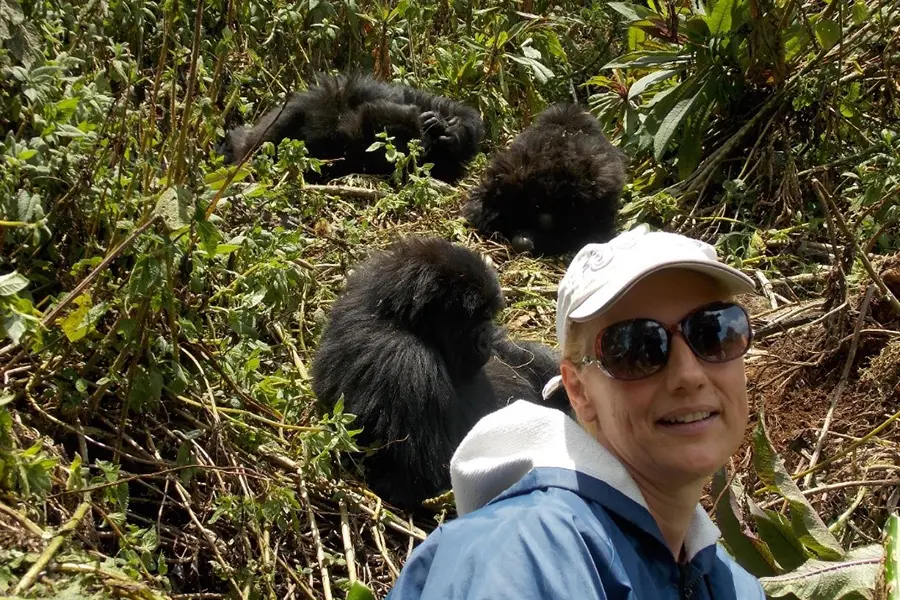
There are only 1,063 mountain gorillas left on Earth. Seeing them in the wild is not just a safari — it is a privilege reserved for fewer than 30,000 people each year.
These critically endangered great apes share 98% of human DNA, live in family structures that mirror our own, and inhabit a narrow strip of cloud forest so remote that reaching them demands effort, planning, and respect.
Mountain gorillas are found only in three countries: Uganda, Rwanda, and the Democratic Republic of Congo.
They do not survive in captivity. No zoo on Earth houses them. If you want to see a mountain gorilla, you must trek into their rainforest home — and that trek is one of the most transformative wildlife experiences on the planet.
For travelers from the USA, UK, Europe, Canada, Asia, and the Middle East, this guide answers the fundamental question: where exactly can you see mountain gorillas in Africa? We cover every park, every permit, every cost, and every practical detail you need to turn this dream into reality.
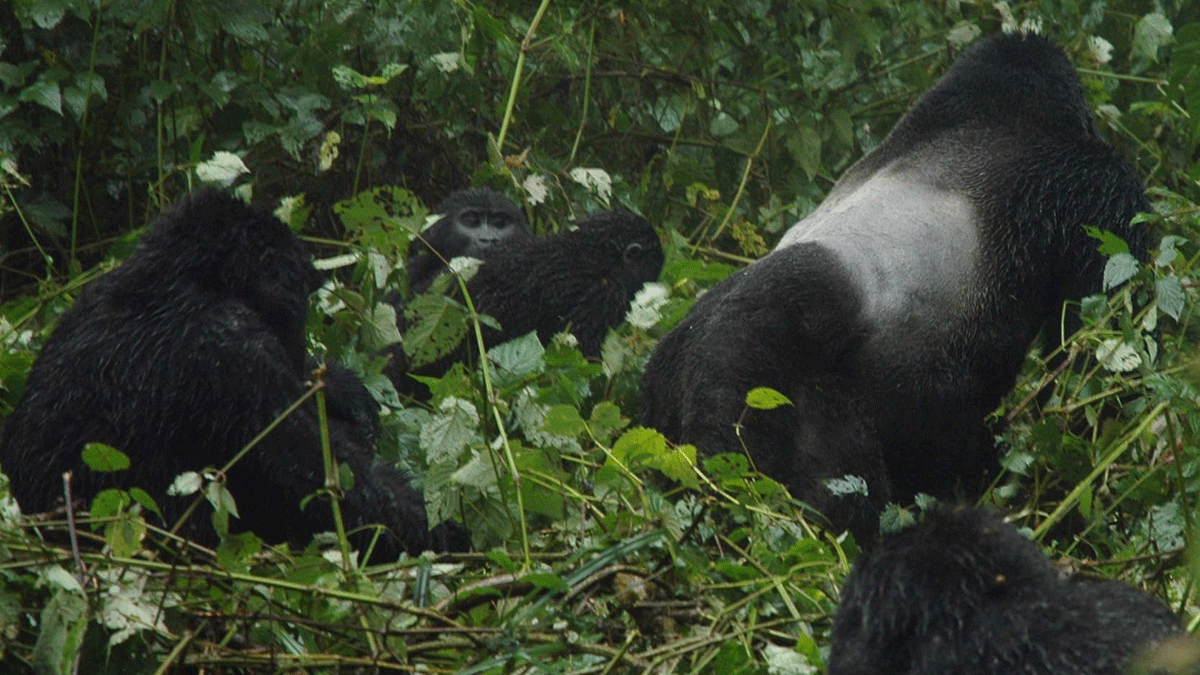
Bottom line: Three countries. Four national parks. One extraordinary species. This is your definitive 2026 roadmap.
Quick Answer: Where Can You See Mountain Gorillas?
Mountain gorillas live only in the Virunga Massif and Bwindi Impenetrable Forest. Nowhere else on Earth.
Here are your three options:
Table
|
Country |
National Park(s) |
Gorilla Population |
Permit Cost |
Best For |
|
Uganda |
Bwindi Impenetrable NP, Mgahinga Gorilla NP |
600+ |
$800 |
Value, adventure, wildlife diversity |
|
Rwanda |
Volcanoes National Park |
~350 |
$1,500 |
Luxury, accessibility, ease |
|
DR Congo |
Virunga National Park |
~100 |
$400–$500 |
Adventure, exclusivity, lowest cost |
Bold fact: Mountain gorillas live only in the Virunga Massif and Bwindi Impenetrable Forest. Nowhere else on Earth.
Uganda — Home to Half the World’s Mountain Gorillas
Uganda is the undisputed capital of mountain gorilla trekking. With over 600 individuals — roughly half the global population — and the most diverse safari combinations in East Africa, Uganda delivers unmatched value and adventure.
1. Bwindi Impenetrable National Park
Bwindi Impenetrable National Park is the world’s premier mountain gorilla destination.
A UNESCO World Heritage Site spanning 331 square kilometers of ancient rainforest, Bwindi has hosted commercial gorilla trekking since 1993 and has never recorded a serious tourist safety incident.
Why Bwindi dominates gorilla tourism:
- Largest gorilla population: Over 600 mountain gorillas across 20+ habituated families
- Four trekking sectors: Each offers distinct terrain, difficulty, and gorilla family options
- Buhoma (north): Easiest trails; widest lodge selection; most accessible
- Ruhija (east): Higher altitude; excellent birding; fewer crowds
- Rushaga (south): Most habituated families; gorilla habituation experience available
- Nkuringo (southwest): Most challenging; panoramic Virunga volcano views
- Gorilla habituation experience: The only place in Africa offering 4-hour research participation with wild gorilla families
- Best value permits: $800 — 53% cheaper than Rwanda
- Wildlife combinations: Queen Elizabeth National Park (Big Five, tree-climbing lions), Kibale National Park (chimpanzees), Murchison Falls National Park (Nile safaris) — all within reach
Trek difficulty: Moderate to high. Trails are steep, muddy, and tangled with dense vegetation. Treks last 2–8 hours depending on gorilla family location.
Accessibility: 8–10 hour drive from Entebbe International Airport or 1.5-hour domestic flight to Kihihi/Buhoma airstrips plus road transfer.
Bold stat: Uganda issues over 160 gorilla permits daily across Bwindi’s four sectors — more than any other country on Earth.
2. Mgahinga Gorilla National Park
Mgahinga Gorilla National Park offers a more intimate, less crowded alternative to Bwindi.
Located in the Virunga Massif, where Uganda, Rwanda, and Congo converge, Mgahinga hosts one habituated gorilla family: the Nyakagezi group.
Why choose Mgahinga:
- Less crowded: Only 8 permits daily vs. Bwindi’s 160+ — maximum exclusivity
- Volcano backdrop: Trek beneath the dramatic peaks of Mt. Muhabura, Mt. Gahinga, and Mt. Sabyinyo
- Golden monkey trekking: Combine gorillas with endangered golden monkeys in the same park
- Same permit price: $700 — identical to Bwindi
- Cross-border potential: Easy day trips to Rwanda’s Volcanoes National Park
Trek difficulty: Moderate to high. Similar terrain to Rwanda’s Volcanoes but with fewer trail options.
Accessibility: 9–10 hours from Entebbe by road or 1.5-hour flight to Kisoro airstrip plus 1.5-hour road transfer.
Bold insight: Mgahinga is Uganda’s best-kept gorilla secret. Travelers who discover it report more intimate encounters, fewer tourists, and volcanic scenery that rivals Rwanda — at half the permit cost.
Rwanda — Africa’s Most Accessible Gorilla Destination
Rwanda has positioned itself as the luxury standard of gorilla trekking. Where Uganda offers raw wilderness, Rwanda offers polished perfection.
Where Uganda demands patience, Rwanda delivers seamlessness.
1. Volcanoes National Park
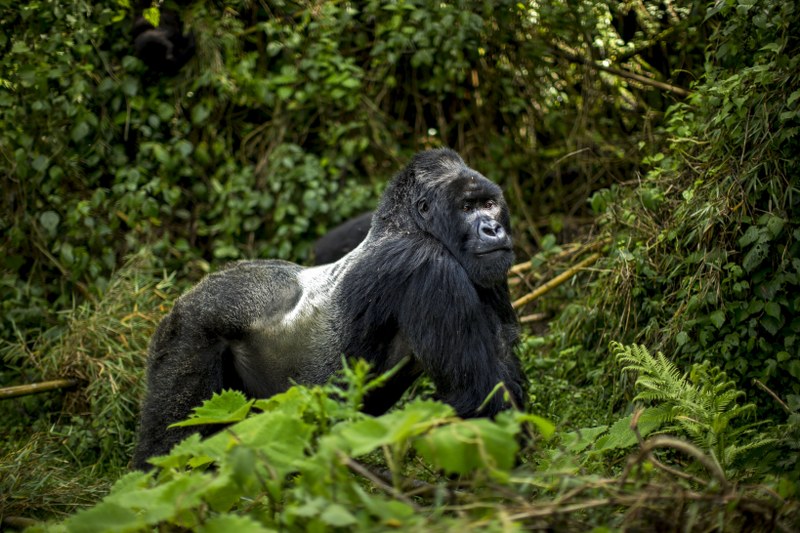
Volcanoes National Park is the world’s most famous gorilla destination. This is where Dian Fossey conducted the groundbreaking research that saved mountain gorillas from extinction.
This is where habituated gorilla families have welcomed tourists since 1979 — longer than any other park.
Why Volcanoes defines luxury gorilla trekking:
- Easiest access in Africa: Just 2.5 hours from Kigali International Airport on smooth, paved roads. No domestic flights. No 10-hour drives. Land at 8:00 AM, trek tomorrow morning.
- 12 habituated gorilla families: Including the legendary Susa group—Dian Fossey’s original research family and the largest habituated group
- Bamboo forest terrain: More open than Bwindi’s dense rainforest; gentler slopes; shorter average treks (2–4 hours)
- World-class luxury lodges: Singita Kwitonda, One&Only Gorilla’s Nest, Bisate Lodge — global benchmarks in safari hospitality
- Perfect safety record: Zero tourist safety incidents in 40+ years of commercial trekking
- Professional tourism management: Rwanda Development Board operates with Swiss precision — digital permits, trained rangers, immaculate infrastructure
Trek difficulty: Moderate. Open bamboo forests mean better visibility and easier footing than Bwindi. Altitude (2,400–4,507 meters) can affect sensitive trekkers.
Permit cost: $1,500 — the highest in Africa, reflecting premium infrastructure and strict conservation standards.
Bold fact: Rwanda has hosted commercial gorilla trekking since 1979 — longer than any other destination. In over 40 years, no tourist has been seriously injured by a habituated mountain gorilla in Volcanoes National Park.
Why Rwanda Commands a Premium
The $1,500 permit is not arbitrary.
It funds:
- 10% direct community revenue-sharing: Schools, clinics, roads, and economic alternatives to poaching in surrounding villages
- Ranger salaries: Professional, well-compensated rangers reduce poaching and improve trekker safety
- Veterinary care: Gorilla Doctors provide emergency medical intervention for injured or ill gorillas
- Tourism infrastructure: Paved roads, digital permit systems, and professional tourism police
Bold insight: Rwanda’s $1,500 permit is not a tax on tourists — it is an investment in the most professionally managed gorilla conservation program in Africa.
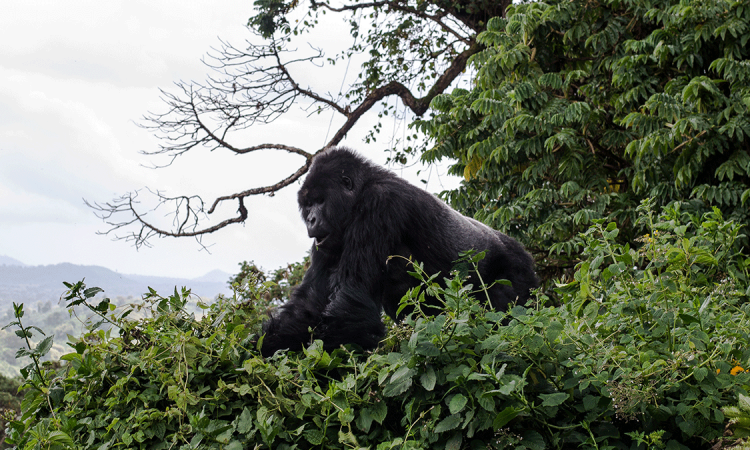
DR Congo — The Adventure Frontier
The Democratic Republic of Congo offers the rawest, most exclusive, and most affordable mountain gorilla trekking experience — but it demands respect, flexibility, and specialist expertise.
1. Virunga National Park
Virunga National Park is Africa’s oldest national park — established in 1925, eight years before Bwindi and decades before Volcanoes.
It is also the most volatile, the most remote, and the most rewarding for adventurous travelers.
Why Virunga calls to the bold:
- Lowest permit cost: $400–$500 — the cheapest gorilla trekking in Africa
- Fewest tourists: Far less crowded than Uganda or Rwanda; encounters feel genuinely exclusive
- Dramatic landscapes: Active Nyiragongo volcano with the world’s largest lava lake; pristine rainforest; snow-capped Rwenzori Mountains
- Raw wilderness: No paved roads, no luxury lodges, no digital permit systems — just you, the rangers, and the gorillas
- Conservation legacy: Virunga’s rangers are among the most dedicated and endangered conservation workers on Earth—over 200 have died protecting the park
Trek difficulty: High. Terrain is variable and challenging. Infrastructure is minimal. Expect the unexpected.
Security considerations: Eastern DRC experiences periodic political instability and armed group activity.
Congo gorilla trekking requires specialist operators with established security protocols, armed escorts, and real-time intelligence networks.
Conditions change rapidly. Book only through GoSilverback Gorilla Safaris, an experienced company with proven DRC track records.
Accessibility: Fly to Goma (DRC) or cross from Rwanda. Transfers to Virunga are 1–2 hours with security escort.
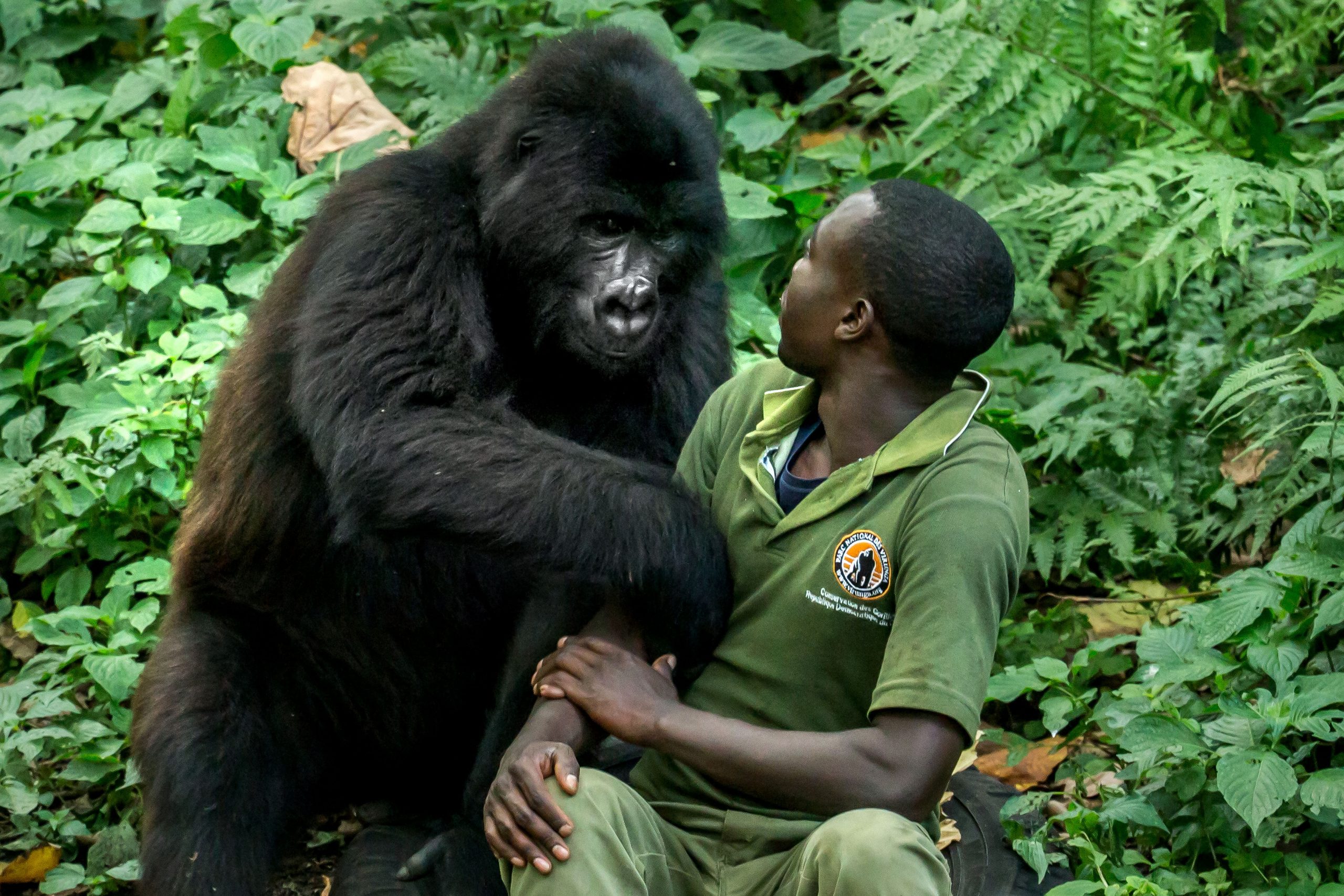
Bold warning: Congo gorilla trekking is not for first-time Africa visitors. It is not for risk-averse travelers. It is for experienced adventurers who understand that the world’s most extraordinary experiences often demand the most extraordinary preparation.
Uganda vs Rwanda vs Congo — Complete Comparison
Table
|
Feature |
Uganda |
Rwanda |
DR Congo |
|
Gorilla Population |
600+ |
~350 |
~100 |
|
Habituated Families |
20+ |
12 |
8+ |
|
Permit Cost |
$800 |
$1,500 |
$400–$500 |
|
Daily Permits |
160+ |
96 |
Limited |
|
Trek Difficulty |
Moderate–High |
Moderate |
High |
|
Average Trek Time |
3–6 hours |
2–4 hours |
3–7 hours |
|
Accessibility |
Moderate (8–10h from Entebbe) |
Excellent (2.5h from Kigali) |
Difficult |
|
Luxury Lodges |
Growing |
World-class |
Minimal |
|
Budget Options |
Excellent ($65–$85/night) |
Limited ($200+/night) |
Limited |
|
Wildlife Combinations |
Excellent (Big Five, chimps, birds) |
Good (Akagera, Nyungwe) |
Limited |
|
Safety Record |
Excellent |
Excellent |
Variable |
|
Best For |
Value, adventure, wildlife |
Luxury, ease, short trips |
Adventure, exclusivity, budget |
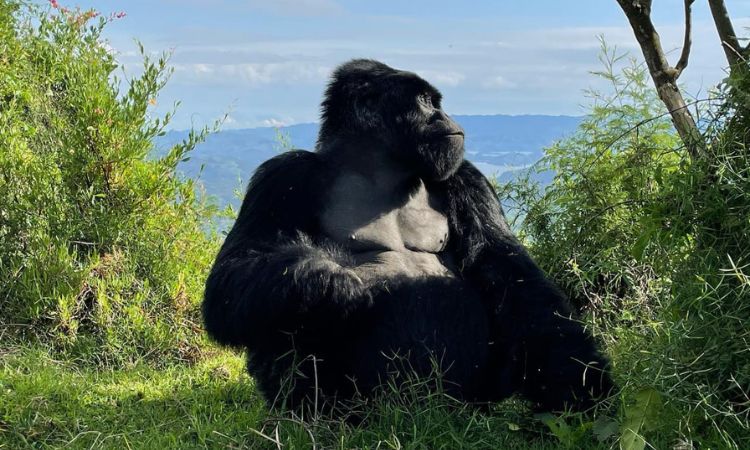
Bold verdict: Uganda wins on population size, value, and wildlife diversity. Rwanda wins on accessibility, luxury, and seamless logistics. Congo wins on exclusivity, cost, and raw adventure. The “best” destination depends entirely on your priorities.
Gorilla Permit Costs and How to Book
The gorilla permit is your golden ticket — and the biggest single expense of your safari.
Permit Comparison
Table
|
Country |
Permit Cost |
What’s Included |
What’s Not Included |
|
Uganda |
$800 |
Ranger guide, park entrance, 1 hour with gorillas, tracker team, conservation fee |
Transport, accommodation, meals, tips, porter |
|
Rwanda |
$1,500 |
Same as Uganda + premium tourism infrastructure |
Same as Uganda |
|
DR Congo |
$400–$500 |
Ranger guide, armed escort, park entrance, 1 hour with gorillas |
Same as Uganda; security escort may be extra |
Before choosing where to see mountain gorillas in Africa, it’s important to understand what gorilla trekking is, how the experience works, and what to expect during your unforgettable rainforest adventure.
Key Permit Rules
- Non-refundable: Once purchased, no refunds for cancellation (unless park cancels due to gorilla unavailability — rare)
- Non-transferable: Linked to your passport; cannot be resold or transferred
- Date-specific: Valid only for the assigned date and sector
- Age limit: Minimum 15 years in Uganda and Rwanda; strictly enforced
- One hour maximum: Strictly enforced with gorillas; no extensions
Booking Timeline
Table
|
Travel Season |
Recommended Booking |
Availability Risk |
|
Peak (Jun–Sep, Dec–Feb) |
6–12 months ahead |
High — sells out fast |
|
Low (Mar–May, Oct–Nov) |
3–6 months ahead |
Moderate — more flexibility |
Bold warning: Permits are non-refundable and non-transferable. A missed permit is a $800–$1,500 loss. Book through a certified operator, GoSilverback Gorilla Safaris, to eliminate fraud risk and secure optimal dates.
Best Time to See Mountain Gorillas
All three countries share the same equatorial climate. The best months are identical.
Table
|
Season |
Months |
Conditions |
Best For |
|
Dry Season |
June–September, December–February |
Easier trekking, better photos, firmer trails, higher costs |
Most travelers; first-timers; photographers |
|
Rainy Season |
March–May, October–November |
Lower prices (20–40% discounts), fewer crowds, lush forests, muddy trails |
Budget travelers; adventure seekers; birders |
Important caveat: Bwindi is a rainforest — rain is possible even in the dry season. Volcanoes National Park sits at high altitude where weather changes rapidly.
Pack waterproof gear regardless of your travel month.
Bold tip: June and September offer the best balance across all three countries — good weather, moderate crowds, and reasonable pricing.
Planning your budget? Our comprehensive guide explains how much gorilla trekking costs, including permit fees, accommodation, transportation, and safari package prices.
How to Choose the Right Destination for You
Choose Uganda If You Want:
✅ Best value: $800 permits — 53% cheaper than Rwanda
✅ Largest gorilla population: 600+ individuals across 20+ families
✅ Most trekking options: 4 Bwindi sectors + Mgahinga; unmatched variety
✅ Wildlife combinations: Gorillas + chimps + Big Five + 1,000+ bird species
✅ Gorilla habituation experience: 4 hours with researchers — only in Uganda
✅ Budget flexibility: Lodges from $30 campsites to $1,500 luxury
✅ Adventure immersion: Dense rainforest, challenging terrain, raw wilderness
Choose Rwanda If You Want:
✅ Easiest access: 2.5 hours from Kigali on paved roads — no long transfers
✅ Luxury lodges: Singita, One&Only, Bisate — global benchmarks
✅ Shorter, easier treks: Bamboo forests, gentler slopes, 2–4 hour average
✅ Dian Fossey’s legacy: Walk where the woman who saved gorillas lived and died
✅ Seamless logistics: Swiss-precision tourism management
✅ Senior-friendly options: Sedan chairs, easier trails, medical evacuation proximity
✅ Short vacation compatibility: 3 days is enough for a complete luxury experience
Choose DR Congo If You Want:
✅ Lowest cost: $400–$500 permits — cheapest in Africa
✅ Maximum exclusivity: Far fewer tourists than Uganda or Rwanda
✅ Raw adventure: No luxury polish; pure wilderness immersion
✅ Volcanic landscapes: Nyiragongo lava lake; dramatic topography
✅ Conservation heroism: Support Virunga’s endangered ranger force
✅ Experienced traveler status: Not for beginners; for those who’ve seen it all
Many first-time travelers wonder about safety before booking. Discover whether gorilla trekking is safe, the park regulations, and how experienced ranger guides ensure a secure and memorable experience.
What to Expect During a Gorilla Trek
Understanding the process eliminates anxiety and builds anticipation.
Step 1: Pre-Dawn Arrival (6:30–7:00 AM)
Arrive at park headquarters in darkness. The air is cold. Mist hangs in the valleys. Coffee is available. Your heart is already racing.
Step 2: Registration and Briefing (7:00–7:30 AM)
Present your passport and permit. Undergo health screening (no trekking if you have cold symptoms — gorillas share 98% of human DNA). Ranger explains rules: 7-meter distance, no flash, no touching, and no eating near gorillas.
Step 3: Gorilla Family Assignment (7:30–8:00 AM)
Rangers match your fitness level to an appropriate family. Less fit? Easier trail. Fit and adventurous? Deeper forest family.
Step 4: The Trek (8:00 AM until gorillas are found)
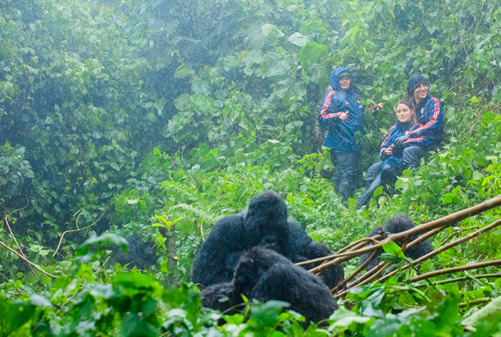
Hike 2–8 hours through rainforest with armed rangers and trackers. The vegetation is dense. The terrain is steep. Your porter carries your bag. Your guide clears vines. And then—radio static. Trackers have found them.
Step 5: The Encounter (Exactly 1 Hour)
You see the silverback first. He sees you. For one suspended moment, two species acknowledge each other across 7 meters of African rainforest.
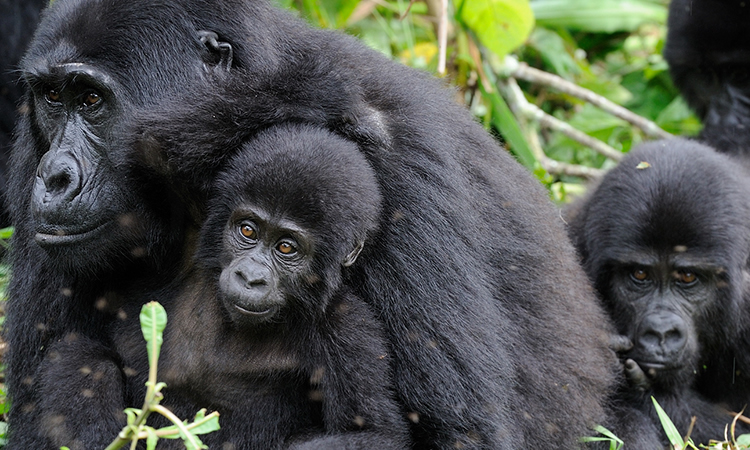
Then the juveniles play. The mother’s groom. The family breathes around you. Time stops. Then accelerates. Then the ranger signals, “Time’s up.
Step 6: Return and Celebration
Hike back to headquarters. Receive your certificate. Return to the lodge for a hot shower, a cold drink, and the realization that something fundamental has shifted in how you see the natural world.
Bold reality: The trek is demanding. The encounter is transformative. Every minute of effort dissolves the moment you lock eyes with a silverback.
Packing the right gear can make your trek far more comfortable. Check our complete gorilla trekking packing list before heading into the rainforest.
Conservation Impact — Why Your Visit Matters
Mountain gorillas were once predicted to be extinct by the year 2000.
They survived because of tourism.
- 1,063 mountain gorillas remain — up from just 680 in 2008
- The only great ape species with an increasing population
- Permit revenue funds: Anti-poaching patrols, veterinary care, habitat protection, research, and community development
- 20–35% of permit revenue goes directly to local communities surrounding the parks
- Your visit creates economic alternatives to poaching: Tourism employs over 50% of adults in Bwindi and Volcanoes communities
Bold fact: Gorilla tourism is the single reason mountain gorillas still exist. Without permit-funded conservation, they would be extinct. Your visit is not tourism — it is participation in one of conservation’s greatest success stories.
Frequently Asked Questions
Where is the best place to see mountain gorillas?
Uganda for value and population size — 600+ gorillas, $800 permits, and unmatched wildlife combinations. Rwanda for accessibility and luxury—2.5 hours from Kigali, world-class lodges, easier treks. DR Congo for adventure and cost — $400–$500 permits, raw wilderness, and maximum exclusivity.
How many mountain gorillas are left?
1,063 as of 2026 — up from 680 in 2008. They are the only great ape species whose population is increasing, directly due to permit-funded conservation.
Which country has the most mountain gorillas?
Uganda — over 600 mountain gorillas in Bwindi Impenetrable National Park and Mgahinga Gorilla National Park. This is roughly half the global population and more than double Rwanda’s entire count.
How much does it cost to see mountain gorillas?
Permits: Uganda $800, Rwanda $1,500, DR Congo $400–$500. Total safari cost: $1,300–$10,000+ depending on destination, accommodation, duration, and season. Uganda offers the best overall value.
Can I see mountain gorillas without trekking?
No. All mountain gorilla viewing requires guided trekking into their forest habitat. There are no roads, no viewing platforms, and no shortcuts. The trek is part of the experience.
Is it safe to see mountain gorillas?
Yes. No tourist has ever been killed by a habituated mountain gorilla in Uganda or Rwanda. Armed rangers escort every trek. Professional guides manage all encounters. Strict rules protect both you and the gorillas. DR Congo requires additional security precautions due to regional instability.
How close can you get to mountain gorillas?
7 meters (23 feet) minimum — strictly enforced. If gorillas approach you, back away slowly to maintain distance. This rule protects gorilla health (they are vulnerable to human diseases) and prevents defensive reactions.
Can I see mountain gorillas in a zoo?
No. Mountain gorillas do not survive in captivity. Their specialized diet, social structure, and habitat requirements make zookeeping impossible. They exist only in the wild in Uganda, Rwanda, and DR Congo.
Still deciding where to see mountain gorillas? Compare Uganda vs Rwanda gorilla trekking to find out which destination offers the best value, accessibility, and overall safari experience.
Conclusion — Your Mountain Gorilla Encounter Awaits
Three countries. Four national parks. One extraordinary species. The mountain gorillas of Africa are waiting — and the only question is which path you’ll take to reach them.
- Uganda rewards those who seek value, adventure, and the complete African safari.
- Rwanda seduces those who prioritize luxury, accessibility, and seamless perfection.
- DR Congo calls to those who crave raw wilderness, volcanic drama, and the exclusivity of the road less traveled.
The choice is yours. But the gorillas don’t care about your budget, your fitness level, or your travel style. They only care that you come — respectfully, prepared, and ready for an encounter that will change your life.
The mountain gorillas don’t care which country you’re in. They only care that you come — respectfully, prepared, and ready for an encounter that will change your life.
Wondering whether you’re fit enough for the trek? Discover how difficult gorilla trekking is, including hiking distances, terrain, altitude, and practical tips to prepare.
Book Your Mountain Gorilla Safari Today
The world’s last 1,063 mountain gorillas are waiting. The ancient rainforests of Bwindi, the volcanic slopes of Volcanoes, and the raw wilderness of Virunga are calling. GoSilverback Gorilla Safaris turns that call into reality — whichever country you choose.
What You Get When You Book With Us:
✅ Destination expertise — honest advice on Uganda vs Rwanda vs Congo based on your priorities
✅ Permit management — 6–12 months ahead, all parks, all countries, zero fraud risk
✅ Sector-specific lodge selection — Buhoma, Rushaga, Volcanoes, or Virunga matched to your fitness and dreams
✅ Expert local guides — UWA, RDB, and ICCN certified, born in these landscapes, trained in conservation
✅ Cross-border logistics — seamless Uganda-Rwanda combinations; specialist DRC security protocols
✅ Transparent pricing — no hidden costs, full country comparison before you decide
✅ 24/7 support — from first inquiry to final drop-off, across all three countries
✅ Conservation commitment — every booking supports gorilla protection and community development
Our Mountain Gorilla Safari Packages:
- 3 Days Uganda Gorilla Trekking — from $1,300 per person
- 3 Days Rwanda Luxury Gorilla Safari — from $3,500 per person
- 3 Days DR Congo Adventure Gorilla Trek — from $1,500 per person
- 5 Days Uganda Gorilla & Wildlife Safari — from $2,500 per person
- 7 Days Uganda Rwanda Gorilla Safari — from $4,000 per person
- 10 Days East Africa Primate & Wildlife Safari — from $6,500 per person
- Luxury Gorilla Safaris — Singita, One&Only, Sanctuary, Clouds from $5,000+
- Budget Gorilla Packages — affordable treks without compromising safety from $1,200
- Family Safaris — flexible pacing, educational focus, child-friendly activities
- Honeymoon Packages — private treks, romantic lodges, exclusive experiences
- Photography Safaris — optimal sectors, extended time, specialist guides
- Gorilla Habituation Experience — 4 hours with researchers in Uganda from $2,000
- Tailor-Made Itineraries — designed around your dates, budget, fitness, and dreams
Explore all our gorilla trekking packages here →
Continue Planning Your Gorilla Trekking Adventure
If you’re planning a once-in-a-lifetime gorilla safari, these expert guides will help you prepare every step of the way:
- What Is Gorilla Trekking? – Learn how gorilla trekking works and what to expect before entering the rainforest.
- Is Gorilla Trekking Safe? – Discover the safety rules, ranger guidance, and conservation practices that protect both visitors and gorillas.
- Best Time for Gorilla Trekking in Uganda – Find the ideal season for weather, trail conditions, and permit availability.
- Uganda vs Rwanda Gorilla Trekking – Compare permit prices, accessibility, wildlife experiences, and overall value.
- How Difficult Is Gorilla Trekking? – Understand the physical demands of the trek and how to prepare.
- What to Pack for Gorilla Trekking – Use our essential packing checklist to ensure a comfortable and successful trek.
- How Much Does Gorilla Trekking Cost? – Explore current permit fees, safari package prices, and budgeting tips for your adventure.
Ready to See Mountain Gorillas in Africa?
The encounter of a lifetime is closer than you think.
📧 Email: info@gosilverbackgorillasafaris.com
🌐 Website: www.gosilverbackgorillasafaris.com
📞 Call/WhatsApp: +256-773-801934
[Request Your Uganda Gorilla Safari Quote →]
[Request Your Rwanda Gorilla Safari Quote →]
[Plan Your DR Congo Adventure Trek →]
The mountain gorillas of Uganda, Rwanda, and DR Congo are waiting. Let GoSilverback Gorilla Safaris get you there — safely, expertly, and unforgettable.
About GoSilverback Gorilla Safaris:
A locally owned and operated East African safari company specializing in mountain gorilla trekking across Uganda, Rwanda, and DR Congo.
With over a decade of experience, certified UWA, RDB, and ICCN guides, and direct conservation partnerships, we transform gorilla dreams into reality. Licensed by Uganda Tourism Board, Rwanda Development Board, and Institut Congolais pour la Conservation de la Nature.