
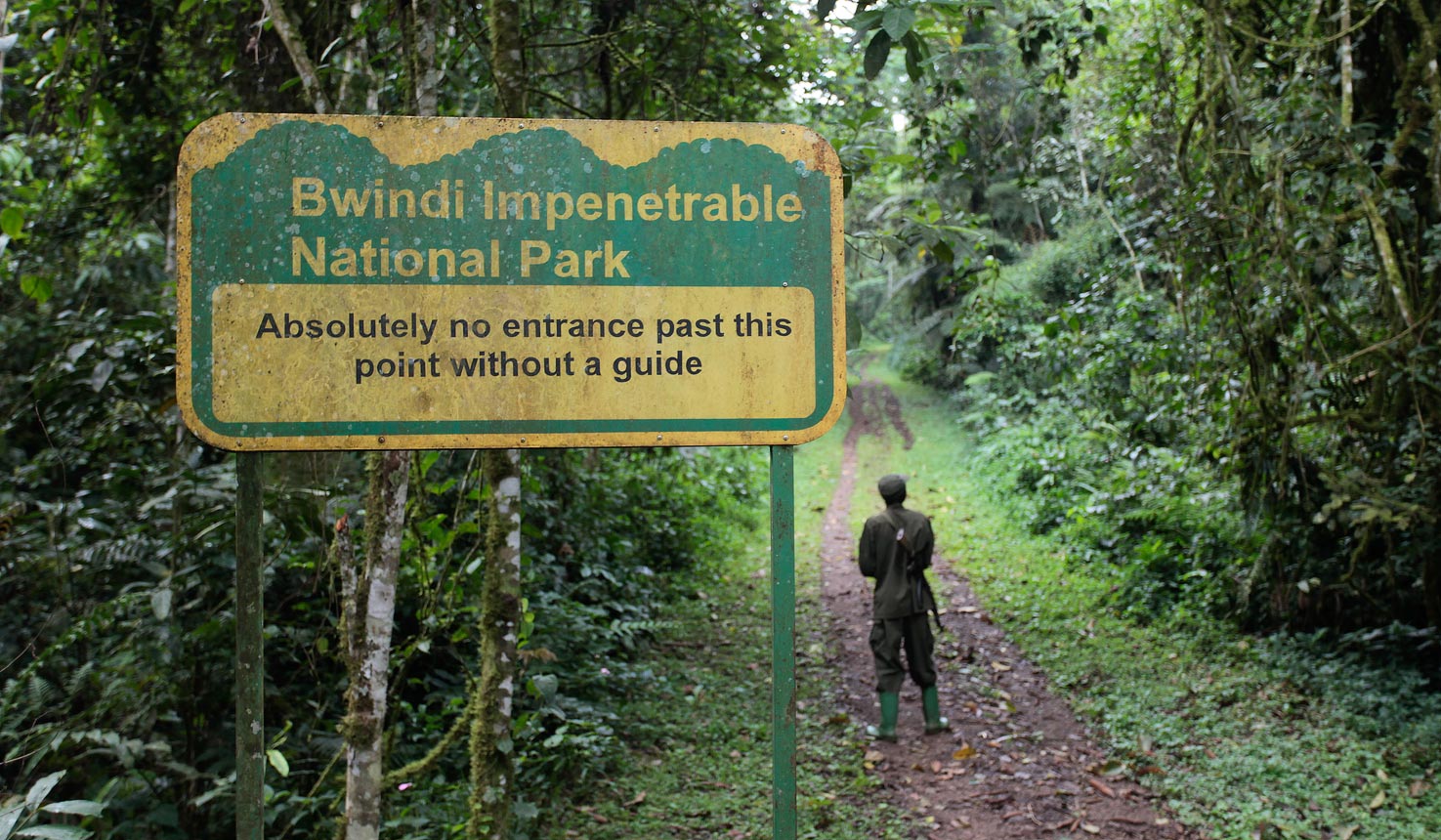
What is the Best Time to Visit Bwindi National Park: 2026 Gorilla Trekking Guide for Tourists
Discover the best time to visit Bwindi Impenetrable National Park for gorilla trekking. Dry seasons June–August & December–February, offer easier hikes and optimal conditions. Learn weather, permits, costs & expert tips for an unforgettable Uganda safari.
Bwindi Impenetrable National Park stands as one of Africa’s most extraordinary wildlife destinations and a premier site for mountain gorilla trekking.
This UNESCO World Heritage Site in southwestern Uganda protects approximately 459 mountain gorillas — nearly half the world’s remaining population of this critically endangered species.
Nestled in the Albertine Rift Valley, Bwindi’s dense montane rainforest covers 321 square kilometers of steep ridges, deep valleys, and lush vegetation.
The park’s impenetrable nature gives it its name and creates a mystical environment where visitors can encounter habituated gorilla families in their natural habitat.
The best time to visit Bwindi Impenetrable National Park is during the two dry seasons: June to August and December to February.
These periods deliver drier trails, more comfortable trekking conditions, better photography opportunities, and higher chances of clear weather for an optimal gorilla experience.
Bwindi remains accessible year-round, and each season offers unique advantages. Peak dry months attract more international visitors from the USA, UK, Europe, Canada, Asia, and the Middle East, while shoulder and wet seasons provide fewer crowds and potential savings.
This comprehensive guide examines every aspect of planning your Bwindi gorilla safari. It covers weather patterns, gorilla permit availability, month-by-month insights, packing lists, and expert recommendations from seasoned safari operators.
Whether seeking an unforgettable wildlife encounter, stunning photography, or a meaningful conservation-focused journey, understanding the best time to visit Bwindi ensures you maximize your investment in this once-in-a-lifetime adventure.
At GoSilverback Gorilla Safaris, we specialize in curating personalized Bwindi experiences with guaranteed permit support and expert guides who prioritize both guest safety and gorilla conservation.
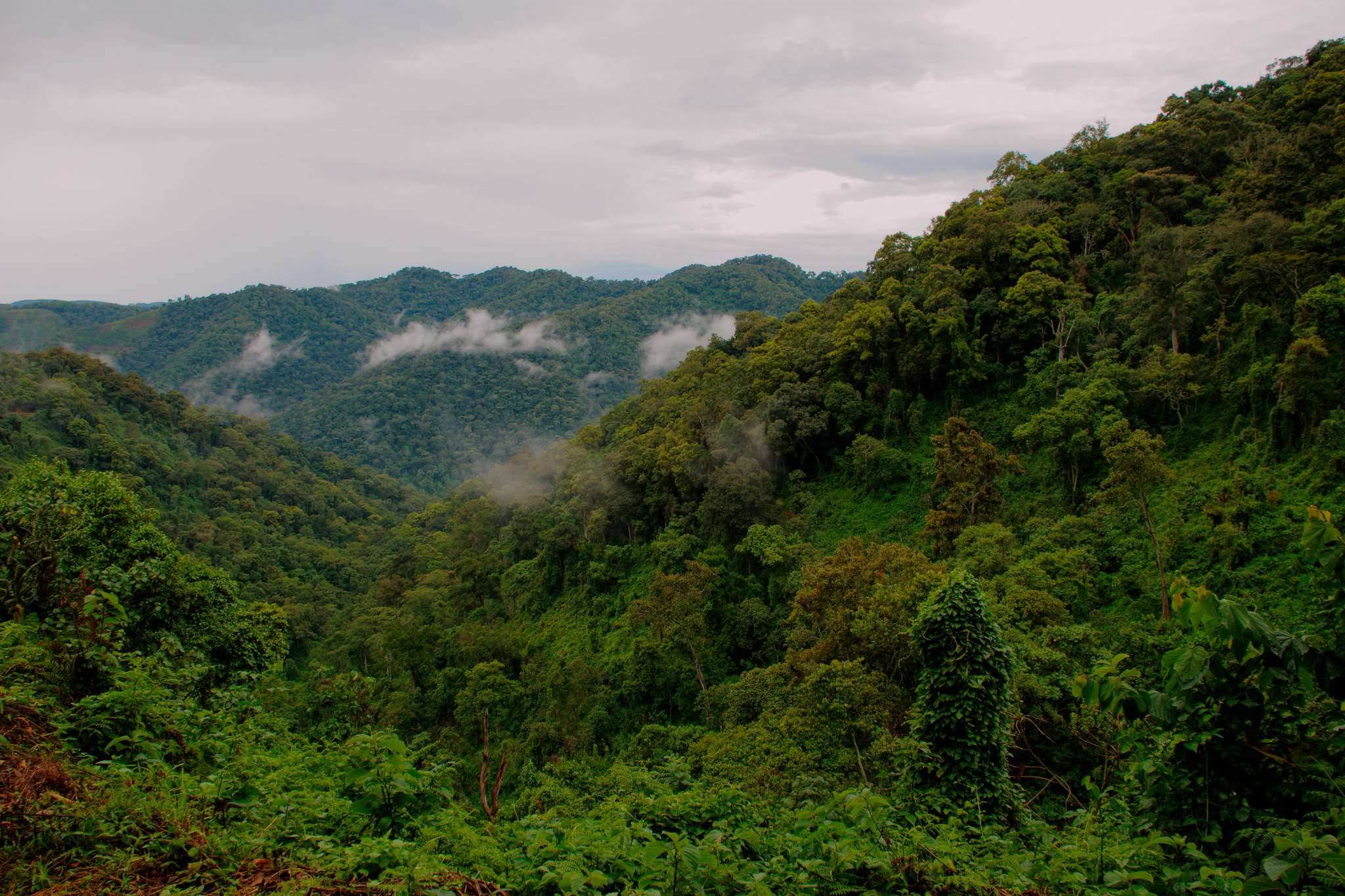
What Is the Best Time to Visit Bwindi Impenetrable National Park?
The best time to visit Bwindi Impenetrable National Park for gorilla trekking is June through August and December through February.
These dry season windows provide the most favorable conditions for trekking. Trails become less muddy and slippery, allowing easier navigation through the steep, forested terrain.
Visibility improves, and the likelihood of completing your trek in comfortable, drier weather rises significantly.
Why these months stand out:
- Drier forest floors reduce the physical challenge of hiking.
- Better gorilla viewing chances, as groups are more predictable.
- Superior photography with clearer light and less mist.
- Higher wildlife activity visibility along trails.
While Bwindi receives rain year-round as a rainforest, the dry seasons feature significantly lower precipitation. June and July rank among the driest months, with December and January offering similarly reliable conditions.
Shoulder months (May, September, early December) often provide a good balance of decent weather and lower crowds.
The wet seasons (March–May and October–November) bring challenges like muddy trails and more frequent downpours but reward visitors with lush greenery, abundant birdlife, and fewer tourists.
The best months to visit Bwindi for gorilla trekking are June–August and December–February. These periods offer optimal trekking conditions with drier trails and comfortable temperatures ranging from 11°C at night to 23°C during the day.
For most travelers from the USA, UK, Europe, and beyond, planning around these dry windows ensures the highest satisfaction and success rate for gorilla encounters.
Why Bwindi Impenetrable National Park is a Must-Visit Destination
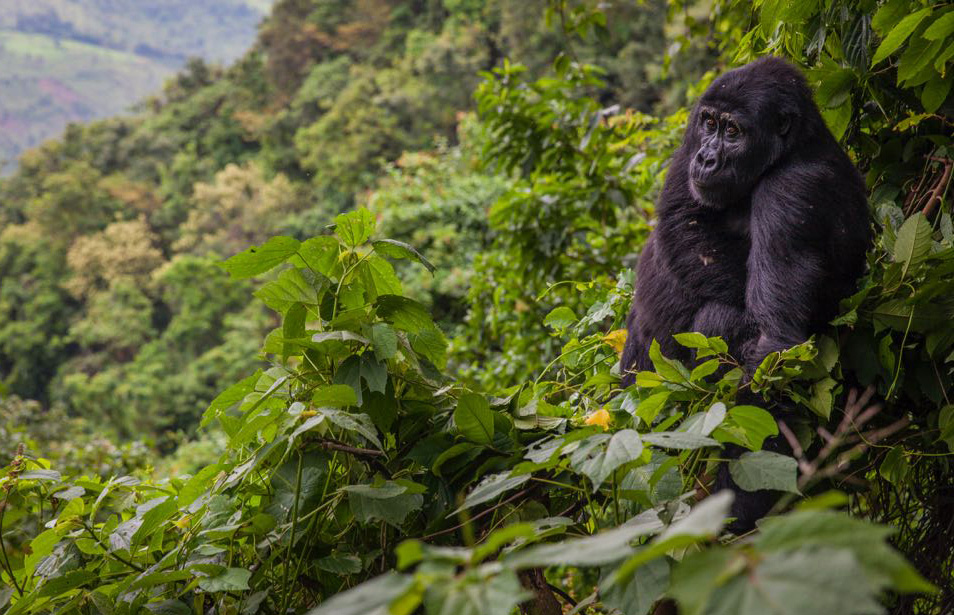
Bwindi Impenetrable National Park represents more than a safari destination — it is a global conservation success story and one of the last strongholds for mountain gorillas.
Home to roughly half of the world’s mountain gorillas (approximately 459 individuals across dozens of groups), Bwindi offers more habituated families than any other site, providing excellent sighting opportunities.
The park’s 22+ habituated groups allow limited daily visitors per family, ensuring intimate, low-impact encounters.
Beyond gorillas, Bwindi boasts exceptional biodiversity with over 120 mammal species, including chimpanzees, forest elephants, and several primates. Birdwatchers can spot more than 350 species, including Albertine Rift endemics.
The park’s varied altitude (1,160m to 2,607m) creates diverse habitats — from lowland forest to bamboo zones — supporting rich flora with over 1,000 plant species.
Bwindi’s cultural significance shines through its proximity to the Batwa pygmy communities, offering insightful community visits that highlight indigenous knowledge and conservation partnerships.
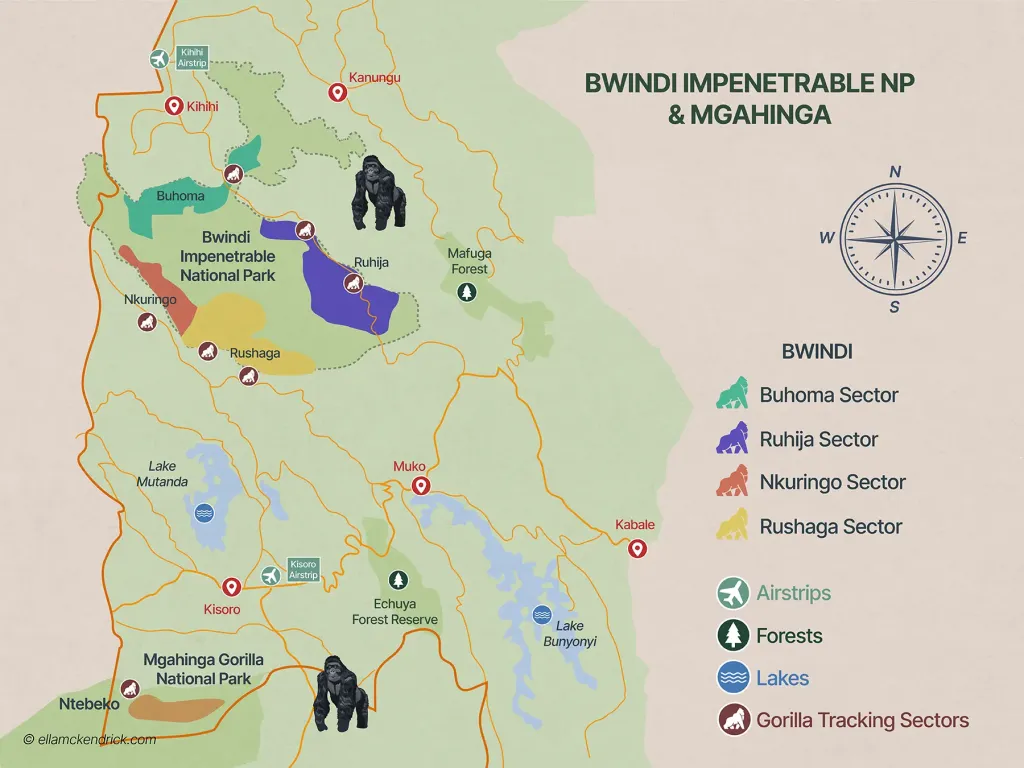
The park divides into four main sectors — Buhoma (north), Ruhija (east), Rushaga and Nkuringo (south) — each with distinct terrain and gorilla families. This variety allows tailored experiences, whether you prefer shorter hikes in Buhoma or more adventurous treks in the south.
For international travelers, Bwindi combines seamless accessibility from Entebbe or Kigali with world-class lodges ranging from luxury camps to comfortable mid-range options.
Every visit directly supports conservation through permit fees and community projects, contributing to the remarkable recovery of mountain gorilla populations.
Bwindi delivers not just wildlife viewing but a profound connection to one of nature’s most intelligent and emotional beings — the mountain gorilla.

Bwindi National Park Seasons Explained
Bwindi experiences two primary dry seasons and two wet seasons, typical of equatorial rainforests.
Dry Seasons (Peak Season): June to August and December to February These periods represent the most popular times for Bwindi gorilla trekking. Rainfall drops notably, especially in June–July and December–January.
Trails firm up, making the steep ascents and descents more manageable. Vegetation is less dense, improving visibility during gorilla encounters.
Advantages:
- Easier physical trekking (important for all fitness levels).
- Higher success rates for full-hour gorilla visits.
- Excellent conditions for photography and videography.
- More predictable daily schedules.
Challenges:
- Higher demand for permits and accommodations.
- Peak pricing for lodges and flights.
- Larger groups of visitors in popular sectors.
Wet Seasons (Shoulder/Low Season): March to May and September to November These months bring heavier rainfall, with peaks in April and October–November.
Trails turn muddy and slippery, increasing trekking difficulty and duration. However, the forest transforms into vibrant emerald green, creating stunning landscapes.
Advantages:
- Significantly fewer crowds for a more exclusive experience.
- Potential discounts on accommodations (permits remain fixed at $800).
- Exceptional birdwatching with migratory species.
- Lush photography opportunities with misty, atmospheric conditions.
- Greater flexibility securing last-minute permits.
Challenges:
- Muddy, strenuous hikes requiring higher fitness and proper gear.
- More frequent rain interruptions.
- Increased insect activity.
- Occasionally limited visibility due to mist.
Transition Periods (e.g., late May, early September) often deliver the best value — decent weather with shoulder-season benefits.
Serious gorilla enthusiasts from Europe and North America frequently choose dry seasons for comfort, while budget-conscious or repeat visitors from Asia and the Middle East may prefer wet seasons for exclusivity and value.
Understanding these dynamics allows you to align your Bwindi visit with personal priorities.

Month-by-Month Guide to Visiting Bwindi
January: Excellent. Part of the dry season with low rainfall. Ideal trekking conditions and good availability early in the month. Popular with post-holiday travelers.
February: Excellent. Still dry with comfortable temperatures. One of the best months for photography due to clearer skies.
March: Good to Fair. Rains begin, increasing mud. Fewer crowds and lush scenery. Great for birding.
April: Fair/Poor. Peak long rains. Challenging trails but very green and quiet. Best for dedicated nature lovers.
May: Good (shoulder). Rains ease toward the end. Excellent balance of improving weather and lower prices.
June: Excellent. Dry season starts. Prime trekking conditions and high demand.
July: Outstanding. One of the driest and most popular months. Book 8–12 months ahead.
August: Excellent. Still dry but slightly wetter toward month-end. Very busy.
September: Good. Short rains begin. Shoulder benefits with decent conditions.
October: Fair/Poor. Wetter month with slippery trails. Good for budget travelers.
November: Fair. Rains continue but ease late in the month. Quiet and green.
December: Excellent. Dry season returns. Festive period sees high demand from international families.
Bwindi Best Time Comparison Table Summary:
- Best Overall: June–August, December–February
- Best Value: May, September
- Best for Birding: March–May, October–November
- Avoid for Trekking (if possible): April, October–November (unless experienced hiker)
This month-by-month analysis helps travelers from Canada, UK, USA, and the Middle East select the window that best fits their schedule and preferences.

Best Time for Gorilla Trekking Based on Your Travel Goals
Photography Enthusiasts: June–August and December–February offer the best light and clearer conditions for capturing sharp images of silverbacks and families.
Budget Travelers: March–May and September–November provide lower lodge rates and potentially easier permit access, maximizing value.
Families with Children: Dry seasons (especially January–February or July) ensure easier hikes suitable for younger or less experienced trekkers.
Birdwatchers & Nature Lovers: Wet seasons deliver peak bird activity and vibrant forest colors.
Luxury Seekers & Honeymooners: Peak dry months pair with premium lodges for the most comfortable, romantic experience.
Solo or Repeat Travelers: Shoulder months offer solitude and deeper immersion.
Corporate or Group Incentives: December or July for reliable weather and memorable team-building.
No matter your goal, Bwindi gorilla trekking delivers profound rewards when timed correctly.
Weather and Climate in Bwindi Impenetrable National Park
Bwindi features a tropical highland climate moderated by altitude. Daytime temperatures average 20–23°C, while nights can drop to 11–15°C, requiring layers year-round.
Annual rainfall ranges from 1,400 to 1,900mm, with peaks in March–May and September–November. Even in dry seasons, short afternoon showers remain possible.
Humidity stays high, contributing to the lush environment. Higher sectors like Ruhija feel cooler than lower Buhoma.
Understanding these patterns helps visitors prepare mentally and physically for variable conditions on the trails.
Gorilla Permit Availability, Costs & Booking Tips
Current 2026 Gorilla Permit Costs (Foreign Non-Residents): $800 USD per person for standard trekking (1 hour with gorillas). Habituation experience permits cost $1,500.
Booking Tips:
- Book 6–12 months in advance for peak dry season dates.
- Work with a reputable operator like GoSilverback Gorilla Safaris for guaranteed permits.
- Specify preferred sector (Buhoma, Rushaga, etc.) when booking.
- Confirm fitness requirements and medical declarations.
- Consider combining with other Uganda parks for a full safari.
Permits fund essential conservation and community projects.
Cheapest Time to Visit Bwindi National Park
The cheapest time to visit Bwindi is during the wetter shoulder months of March–May and September–November. Lodge rates drop significantly while gorilla permits remain fixed.
Fewer crowds enhance the experience for those comfortable with rain.
What to Pack for Bwindi Gorilla Trekking (Season-Specific)
Essential Gear (All Seasons):
- Sturdy waterproof hiking boots
- Rain jacket and trousers (Gore-Tex recommended)
- Long-sleeved shirts and trousers for protection
- Gardening gloves for vegetation
- Binoculars and camera with zoom
Dry Season Additions: Lighter layers, sun hat, insect repellent.
Wet Season Additions: Extra quick-dry clothing, gaiters, poncho, trekking poles.
Pack light but prepared for variable conditions.

Other Activities in Bwindi Beyond Gorilla Trekking
While gorilla trekking remains the undisputed highlight of any visit to Bwindi Impenetrable National Park, the park and surrounding areas offer a rich variety of complementary experiences that provide deeper insight into this ancient rainforest ecosystem.
1. Batwa Cultural Encounters
stand out as one of the most rewarding activities. The indigenous Batwa pygmies, traditional forest dwellers for centuries, share their fascinating history, hunting techniques, medicinal plant knowledge, and traditional songs through immersive community visits.
These ethical, community-led experiences support Batwa livelihoods and cultural preservation while offering visitors a profound understanding of human-forest coexistence.
2. Birdwatching in Bwindi
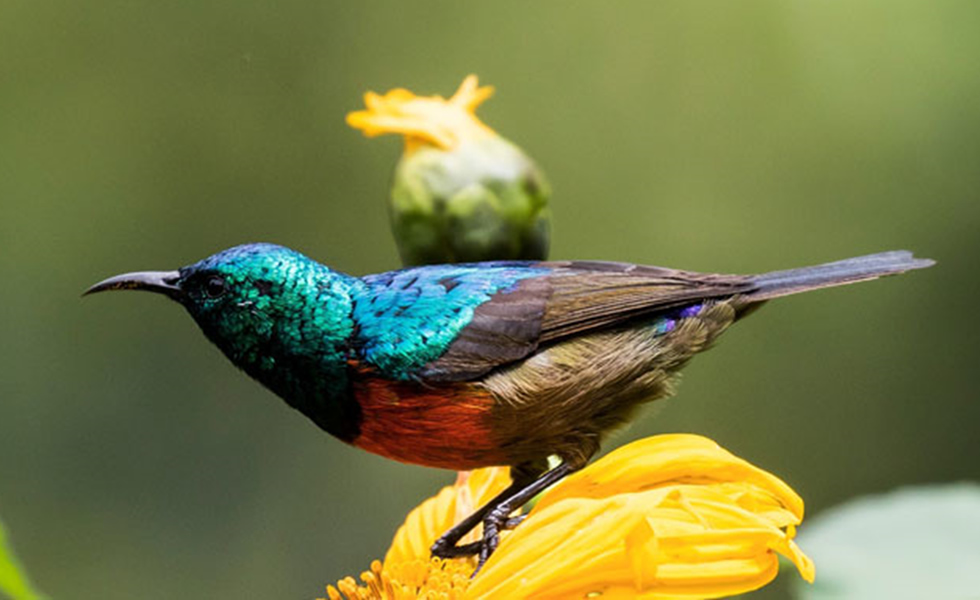
is world-class. The park boasts over 350 bird species, including 23 Albertine Rift endemics such as the striking Regal Sunbird, Grauer’s Broadbill, and Shelley’s Crimsonwing. Guided birding walks, especially in Ruhija sector, deliver exceptional sightings in both dry and wet seasons.
For adventure seekers, the Mugahinga Gorilla National Park canopy walk or Bwindi’s own forest trails lead to stunning waterfalls.
The three-hour hike to Buhoma Waterfall or Nkuringo Waterfall rewards visitors with powerful cascades surrounded by dense greenery and opportunities to spot monkeys and butterflies along the way.
3. Nature walks and guided forest hikes
Nature walks and guided forest hikes are ideal for all fitness levels. These shorter, flexible trails focus on Bwindi’s incredible plant diversity (over 1,000 species), butterflies, and smaller primates like chimpanzees and colobus monkeys.
These activities transform a standard Bwindi gorilla safari into a comprehensive, multi-day rainforest experience. Combining gorilla trekking with cultural visits and birding creates richer memories and supports broader conservation efforts in the region.
At GoSilverback Gorilla Safaris, we seamlessly integrate these experiences into personalized itineraries, ensuring every day in Bwindi delivers discovery and wonder.
Sample 5–7 Day Bwindi Gorilla Safari Itineraries
Here are two carefully crafted sample itineraries designed for different travel preferences and budgets.
Both include gorilla trekking in Bwindi Impenetrable National Park and can be customized for travelers from the USA, UK, Europe, Canada, Asia, and the Middle East.
Itinerary 1: Peak Dry Season – 6 Days Bwindi Gorilla Safari (July or August)
Best for: Photographers, first-time visitors, and those seeking optimal trekking conditions.
- Day 1: Arrival in Entebbe or Kigali → Transfer to Buhoma sector. Overnight at Mahogany Springs Lodge or Bwindi Lodge (luxury/mid-range).
- Day 2: Gorilla Trekking in Buhoma sector. Early morning briefing followed by a forest trek to meet a habituated gorilla family. Afternoon forest walk.
- Day 3: Optional second gorilla trek in Rushaga sector or community Batwa experience + waterfall hike.
- Day 4: Transfer to Ruhija sector. Birding or nature walk in the afternoon.
- Day 5: Second Gorilla Trek in Ruhija. Enjoy more time photographing gorillas in excellent dry-season conditions.
- Day 6: Morning cultural visit or canopy walk → Departure to Entebbe/Kigali.
Estimated Price (per person, 2026): $3,650 – $4,450 (mid-range lodges) $5,200 – $6,800 (luxury lodges) Includes: Gorilla permits ($800 each), full board accommodation, all transfers, English-speaking guide, park fees.
This dry-season itinerary offers firm trails, better visibility, and higher success rates for memorable gorilla encounters.
Planning to visit Bwindi Impenetrable National Park for gorilla trekking? Explore all our safari packages for unforgettable wildlife adventures across East Africa.
Itinerary 2: Shoulder Season – 5 Days Bwindi Value Safari (May or September)
Best for: Budget-conscious travelers, birdwatchers, and those seeking fewer crowds.
- Day 1: Arrival and transfer to Rushaga sector. Overnight at Rushaga Gorilla Lodge or Nkuringo Bwindi Gorilla Resort.
- Day 2: Gorilla Trekking in Rushaga – one of the best sectors for multiple gorilla sightings.
- Day 3: Batwa Pygmy cultural experience + waterfall hike.
- Day 4: Second Gorilla Trek (optional) or full-day nature walk and birding in the lush rainforest.
- Day 5: Morning forest activity → Departure.
Estimated Price (per person, 2026): $2,950 – $3,750 (mid-range) $4,400 – $5,600 (luxury)
Shoulder season offers excellent value with lower lodge rates, greener scenery, and more exclusive gorilla viewing.
Note: All prices are estimates based on double occupancy and include airport transfers. Single supplements and international flights are not included. Gorilla permits are subject to availability.
At GoSilverback Gorilla Safaris, we specialize in tailoring these itineraries to your exact dates, fitness level, and interests.
Whether you prefer the reliable weather of the dry season or the peaceful exclusivity of the shoulder months, our team ensures a seamless, safe, and unforgettable Bwindi experience with guaranteed gorilla permits.
Ready to create your perfect Bwindi gorilla safari? Contact GoSilverback Gorilla Safaris today for a personalized quote and expert planning for 2026. Let us help you book the adventure of a lifetime.
Insider Tips from Safari Experts
- Stay physically fit — train with hikes.
- Follow strict gorilla rules for safety.
- Choose your sector wisely.
- Support conservation through responsible tourism.
- Book with experienced operators.
Frequently Asked Questions
What is the best month to visit Bwindi Impenetrable National Park?
The best months to visit Bwindi are July and August, followed closely by December and January. These peak dry season months offer the driest trails, clearest skies, and most comfortable conditions for gorilla trekking.
Rainfall is minimal, making hikes less strenuous and photography conditions excellent. July is particularly popular among visitors from the USA, UK, and Europe due to school holidays. Book 8–12 months in advance for these months to secure preferred gorilla permits and lodges.
Can you visit Bwindi in the rainy season?
Yes, you can visit Bwindi year-round, including the rainy season (March–May and September–November). While trails become muddier and more slippery, the forest is lush, birdlife is abundant, and crowds are significantly lower.
Many experienced travelers prefer shoulder months like May and September for a balance of decent weather and better value. With proper gear and fitness, rainy season trekking remains highly rewarding and supports a more intimate gorilla experience.
How much does a gorilla permit cost in 2026?
The gorilla permit in Bwindi costs $800 USD per person per day for foreign non-residents in 2026. This fee remains fixed year-round.
The Gorilla Habituation Experience permit costs $1,500 USD, allowing longer time with less habituated groups. Ugandan residents and East African citizens pay significantly lower rates. Your permit fee directly funds mountain gorilla conservation and local community projects.
How difficult is gorilla trekking in Bwindi?
Gorilla trekking in Bwindi is moderately difficult and involves steep, rugged terrain. Hikes typically last 2 to 7 hours (one way) depending on the gorilla group’s location. You need a reasonable level of fitness, as trails can be muddy and slippery. Porters are available for hire to carry bags.
Children under 15 are not permitted to trek. With proper preparation and the right season, most healthy adults complete the experience successfully.
How far in advance should I book Bwindi gorilla permits?
Book your Bwindi gorilla permits 6 to 12 months in advance, especially for June–August and December–February. Peak season dates sell out quickly.
Working with an experienced operator like GoSilverback Gorilla Safaris greatly improves your chances of securing preferred dates and sectors (Buhoma, Rushaga, Ruhija, or Nkuringo). Last-minute bookings are sometimes possible during shoulder or wet months.
What is the best time to visit Bwindi for photography?
The best time for gorilla photography in Bwindi is during the dry seasons (June–August and December–February). Better light, less mist, and firmer trails allow for sharper images and more comfortable shooting.
Early morning light in July and January often produces magical conditions. Bring a zoom lens (70-200mm or higher) and prepare for low-light forest conditions even in dry months.
Are children allowed on gorilla treks in Bwindi?
Children must be 15 years or older to participate in gorilla trekking in Bwindi Impenetrable National Park. This rule protects both the gorillas and young visitors.
Families with teenagers often choose the drier months of January, February, July, and August when hikes are easier. Younger children can enjoy other Bwindi activities such as Batwa cultural visits and forest walks.
Which sector is best in Bwindi National Park?
Buhoma offers shorter treks and excellent forest views, ideal for first-timers. Rushaga and Nkuringo in the south provide higher chances of seeing multiple gorilla groups and more adventurous hikes.
Ruhija is best for birding and features stunning scenery. The “best” sector depends on your fitness level and preferences. We recommend matching the sector to your goals when booking.
What should I wear and pack for Bwindi gorilla trekking?
Wear long-sleeved shirts, long trousers, and sturdy waterproof hiking boots. Pack rain gear (jacket and trousers), gardening gloves, a hat, binoculars, and a waterproof camera.
In the dry season, lighter layers work well. In the wet season, add gaiters and trekking poles. Leech socks are useful during rainy months. Dress in earthy colors to avoid disturbing the gorillas.
How much does a typical Bwindi gorilla safari cost?
A 5–7 day Bwindi gorilla safari typically costs between $2,800 and $5,500 USD per person, depending on lodge category and group size. This includes gorilla permits, accommodation, meals, transfers, and guided activities.
Luxury options can exceed $7,000. Contact GoSilverback Gorilla Safaris for current 2026 packages tailored to travelers from the USA, Europe, Canada, Asia, and the Middle East.
Can I see gorillas in Bwindi if I have limited fitness?
Yes, but with realistic expectations. Choose Buhoma sector for generally shorter hikes. Hire porters and request a group closer to the trailhead.
The best periods are dry seasons when trails are firmer. Many visitors in their 50s–70s successfully complete treks with proper preparation. Always be honest about your fitness level when booking so we can arrange the most suitable experience.
Is it worth visiting Bwindi in the shoulder season?
Absolutely. May and September are excellent shoulder months offering a perfect balance of improving weather, fewer crowds, and lower lodge rates.
You often enjoy more exclusive gorilla encounters while still experiencing good trekking conditions. Many conservation-minded travelers from the UK, Canada, and Asia prefer these months for better value and a more private experience.
Ready to experience mountain gorilla trekking in Bwindi Impenetrable National Park? Explore all our safari packages tailored for primate and wildlife enthusiasts.
Conclusion
Visiting Bwindi Impenetrable National Park offers one of life’s most profound wildlife experiences. Standing in the mist with a silverback gorilla creates an unforgettable connection that inspires lifelong advocacy for conservation.
Book your gorilla permit through GoSilverback Gorilla Safaris today. Our expert team provides seamless planning, guaranteed permits, handpicked lodges, and knowledgeable guides dedicated to your safety and the gorillas’ well-being.
Contact us now to secure your 2026 Bwindi dates and embark on an extraordinary African adventure that supports the future of mountain gorillas.
Ready to trek with the giants? Let’s make your dream safari a reality.
[…] Bwindi Impenetrable National Park offers several trekking sectors, making it possible to plan a family-friendly gorilla safari around your interests, budget, and travel schedule. […]
[…] myth that gorillas are purely ground-dwelling creatures ignores decades of field research from Bwindi Impenetrable National Park, Mgahinga Gorilla National Park, and Volcanoes National Park in […]
[…] habits, then translates every behavioral insight into practical knowledge for trekkers heading into Bwindi Impenetrable National Park (Uganda) or Volcanoes National Park […]
[…] altitude does not mean dry air. The montane rainforests of Bwindi Impenetrable National Park and Volcanoes National Park are wrapped in humidity that frequently exceeds […]
[…] on trails, and never abandon food packaging or batteries. This protects the delicate ecosystem of Bwindi Impenetrable National Park and surrounding […]