
How Safe is Uganda for Tourists? A Complete Ultimate 2026 Safety Guide for Travelers
How Safe is Uganda for Tourists? Is Uganda safe? Yes—with the right planning. Discover 2026 safety tips, health protocols, park security & why thousands visit Uganda safely yearly.
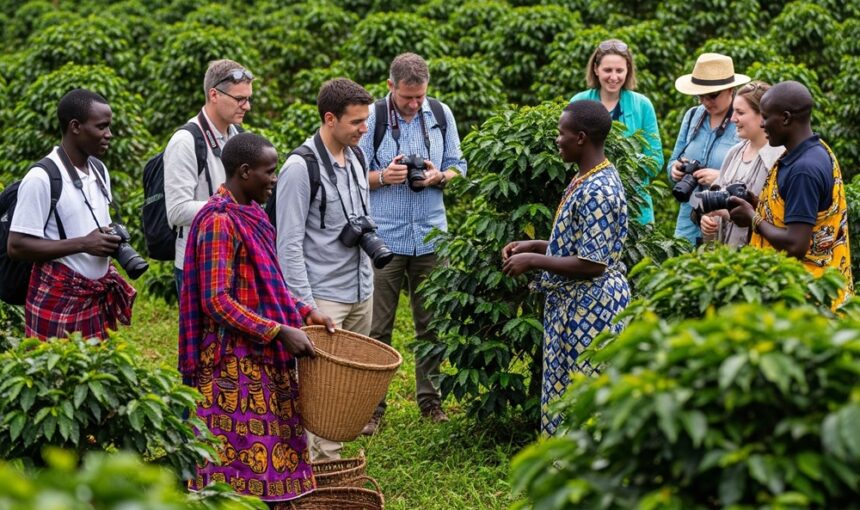
How Safe is Uganda for Tourists? Uganda is generally a safe and welcoming destination for travelers, offering unforgettable experiences such as gorilla trekking, wildlife safaris, and cultural tours.
Popular tourist areas, including national parks and safari routes, are managed by professional guides and park authorities to ensure visitor safety.
Travelers are advised to use trusted tour operators, follow local guidelines, and take normal precautions. Uganda’s friendly people, diverse landscapes, and rich wildlife make it one of Africa’s most rewarding safari destinations.
With proper planning, tourists can enjoy a secure and memorable Uganda safari experience.
Is Uganda Safe for Tourists?
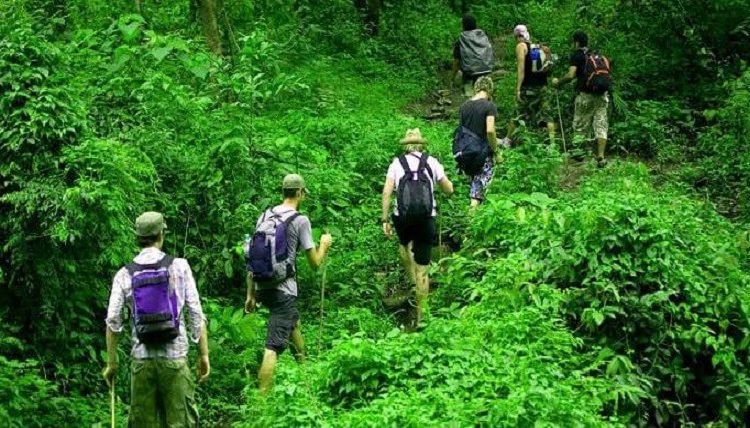
Yes, Uganda is safe for tourists — particularly in its protected national parks and established safari circuits. Over 50,000 international visitors trek with mountain gorillas in Bwindi Impenetrable National Park annually, and Uganda’s tourism infrastructure has strengthened significantly. However, like any destination, smart preparation separates a seamless safari from a risky trip.
Quick Answer Box:
- ✅ Safest regions: Bwindi, Queen Elizabeth, Murchison Falls, Kibale
- ⚠️ Areas to avoid: Karamoja region, DRC border zones, political demonstrations
- 💡 Best practice: Book with a licensed tour operator like GoSilverback Gorilla Safaris
Understanding Uganda’s Safety Landscape in 2026
Political Climate & Travel Advisories
Uganda held presidential elections in January 2026, and periods of political tension can trigger demonstrations, internet restrictions, and curfews in urban centers.
The U.S. State Department maintains a Level 4 – Do Not Travel advisory for Uganda, citing crime, health risks (including Ebola), terrorism, and civil unrest.
However, this advisory applies broadly to the entire country and does not distinguish between high-risk border regions and well-protected tourism corridors.
The Reality for Safari Tourists
The critical distinction most travel advisories miss is geographic risk stratification.
Uganda’s premier safari destinations — Bwindi Impenetrable National Park, Queen Elizabeth National Park, Murchison Falls National Park, Kibale National Park, and Mgahinga Gorilla National Park — are located in the south and southwest, geographically distant from conflict-prone border regions.
These areas operate under strict security protocols managed by the Uganda Wildlife Authority (UWA) and dedicated tourism police.
Key Insight: The vast majority of tourist incidents in Uganda occur in Kampala or near unstable borders — not in national parks where armed ranger escorts, park wardens, and community scouts provide 24/7 protection.

Is Gorilla Trekking in Uganda Safe?
Security Protocols in Bwindi & Mgahinga
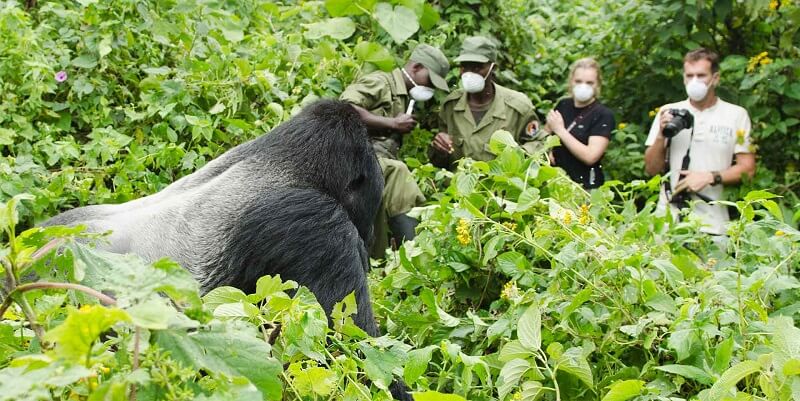
Gorilla trekking is Uganda’s crown jewel, and safety here is non-negotiable. The Uganda Wildlife Authority enforces mandatory security measures:
- Armed ranger escorts accompany every trekking group
- 10-meter minimum distance from gorilla families (reduces disease transmission and stress)
- Boot disinfection stations at trailheads
- Health screening — no trekking if you show symptoms of illness
- Park-perimeter patrols by UWA and Uganda Police’s Defence Force (UPDF)
DRC Border Considerations
Western Uganda shares a border with the Democratic Republic of Congo, where rebel activity persists. The U.S. Embassy specifically warns against gorilla treks that cross into the DRC.
Reputable operators like GoSilverback Gorilla Safaris never cross this border. Instead, they utilize Uganda’s well-secured Bwindi sectors: Buhoma, Ruhija, Rushaga, and Nkuringo — each with established ranger posts and communication networks.
Pro Tip: Fly rather than drive to Bwindi if you want to minimize overland travel near border zones. Scheduled flights operate from Entebbe to Kihihi and Kisoro airstrips.
Health Safety: What Tourists Need to Know in 2026
Ebola & Infectious Disease Protocols
In 2026, Uganda faces an Ebola outbreak concentrated in districts bordering the DRC.
However, WHO confirms no ongoing local transmission within Uganda’s tourism corridors.
The Ministry of Health has activated:
- Enhanced screening at Entebbe International Airport
- Temperature checks at park entry gates
- Mandatory health declaration forms
- 21-day quarantine protocols for arrivals from DRC
For Safari Travelers: The risk profile is categorically different from that of healthcare workers.
Ebola spreads through direct contact with bodily fluids of symptomatic individuals — not through casual contact, air, or wildlife viewing.
Your exposure risk in a safari vehicle, lodge, or rainforest trail is minimal.
Essential Vaccinations & Medications
Table
|
Requirement |
Details |
|
Yellow Fever |
Mandatory for entry; certificate required |
|
Hepatitis A & B |
Recommended |
|
Typhoid |
Recommended for rural travel |
|
Malaria Prophylaxis |
Essential — Bwindi and most parks are malaria zones |
|
COVID-19 |
Check current entry requirements |
Book with GoSilverback: We provide pre-departure health briefings and connect you with travel medicine clinics in your home country.
Crime & Personal Safety for Tourists
Urban Safety in Kampala & Entebbe
Like any major African capital, Kampala requires urban awareness:
- Petty theft is the primary concern — bag snatching, phone theft, and pickpocketing in crowded markets
- Avoid displaying wealth — leave expensive jewelry and watches at home
- Use registered taxis or ride-hailing apps (SafeBoda, Uber) rather than street hails
- Night safety — avoid walking alone after dark; use hotel-arranged transport
Safari Circuit Safety
In contrast, Uganda’s national parks and lodge areas experience virtually zero violent crime against tourists. Why?
- Parks are remote and access-controlled
- Lodges employ 24/7 security staff
- Tourism police maintain dedicated patrols in park buffer zones
- Community benefit-sharing programs create local stakeholder investment in tourist safety
Terrorism Risk: What the Data Shows
Uganda has experienced terrorist incidents, including the 2010 Kampala bombings and more recent threats from ADF (Allied Democratic Forces) affiliates.
However:
- Tourists are not primary targets — attacks focus on government installations, police stations, and crowded public gatherings
- National parks have never been terrorist targets
- Intelligence-led security operates at all major tourism entry points
Mitigation Strategy:
- Avoid large public gatherings, political rallies, and religious venues in Kampala
- Register with your embassy’s STEP program
- Monitor local media via your tour operator
- Book through GoSilverback — we maintain real-time security briefings and can adjust itineraries instantly
Road Safety & Transportation in Uganda
Self-Drive vs. Guided Safaris
Self-driving in Uganda is possible but not recommended for first-time visitors.
Challenges include:
- Unmarked roads and unpredictable driving behavior
- Livestock and wildlife on rural highways
- Limited emergency services outside major towns
- Navigation difficulties in remote park areas
Guided Safari Advantage
Professional safari drivers are trained in defensive driving, wildlife behavior, and mechanical self-sufficiency. GoSilverback Gorilla Safaris provides:
- 4WD Land Cruisers with pop-up roofs
- Experienced driver-guides with first-aid certification
- Satellite communication for remote areas
- Comprehensive vehicle insurance
Domestic Flights
For time-pressed or risk-averse travelers, Aerolink Uganda operates reliable scheduled flights connecting Entebbe to:
- Kihihi (Bwindi — Buhoma sector)
- Kisoro (Bwindi — southern sectors & Mgahinga)
- Murchison Falls (Pakuba, Bugungu)
- Kasese (Queen Elizabeth & Rwenzori)

Solo Female Travel: Is Uganda Safe for Women?
Uganda is generally safe for solo female travelers who take standard precautions:
- Dress modestly in towns and villages (shoulders and knees covered)
- Avoid walking alone at night in Kampala
- Use reputable lodges with secure perimeters
- Join group treks rather than booking private gorilla permits alone
- Trust female safari guides — GoSilverback can arrange women-led trekking teams
In safari lodges and national parks, the atmosphere is respectful and professional. The tourism industry depends on positive visitor experiences, and harassment of guests is extremely rare in established circuits.
LGBTQ+ Travel Safety in Uganda
Uganda’s 2023 Anti-Homosexuality Act (AHA) criminalizes same-sex relations with penalties including life imprisonment.
The law applies to both residents and visitors, and vigilante violence against perceived LGBTQ+ individuals has been documented.
Practical Implications for Tourists:
- Discretion is essential — avoid public displays of affection regardless of orientation
- Avoid discussing sexual orientation with strangers or in public forums
- Book with LGBTQ+-aware operators who understand privacy protocols
- Check current advisories before travel, as enforcement varies
GoSilverback Commitment: We prioritize guest privacy and safety for all travelers. Our guides are trained to maintain professional discretion, and we can customize itineraries to minimize exposure in sensitive environments.
Safety Comparison: Uganda vs. Rwanda vs. Kenya
Table
|
Safety Factor |
Uganda |
Rwanda |
Kenya |
|
Overall Risk Level |
Moderate |
Low |
Moderate |
|
Urban Crime |
Medium (Kampala) |
Very Low (Kigali) |
Medium (Nairobi) |
|
Park Security |
Excellent |
Excellent |
Good |
|
Terrorism Risk |
Medium |
Low |
Medium |
|
Health Infrastructure |
Developing |
Good |
Moderate |
|
Road Safety |
Moderate |
Good |
Moderate |
|
Value for Money |
Best |
Premium |
Good |
|
Gorilla Permit Cost |
$800 |
$1,500 |
N/A |
Verdict: Rwanda offers lower overall risk and superior urban safety, but Uganda delivers comparable park security at significantly lower cost — making it the pragmatic choice for experienced, well-prepared travelers.
10 Essential Safety Tips for Uganda Tourists
- Register with your embassy via STEP (Smart Traveler Enrollment Program)
- Buy comprehensive travel insurance including medical evacuation — helicopter rescue from Bwindi costs $15,000+ without coverage
- Book only with licensed tour operators — check UWA and AUTO (Association of Uganda Tour Operators) membership
- Carry photocopies of your passport and visa separately from originals
- Use malaria prophylaxis and sleep under treated mosquito nets
- Avoid political demonstrations and crowds in Kampala entirely
- Keep emergency cash in USD (post-2009 bills) hidden in multiple locations
- Drink only bottled or filtered water — avoid ice in rural areas
- Respect wildlife distances — gorillas are wild animals, not photo props
- Share your itinerary with family and check in regularly via WhatsApp or satellite communicator
Why Thousands of Tourists Choose Uganda Despite the Advisories
The Risk-Reward Calculation
Travel advisories are designed to protect governments from liability, not to provide nuanced travel guidance.
The reality on the ground in Uganda’s safari circuit is markedly different from the advisory summary:
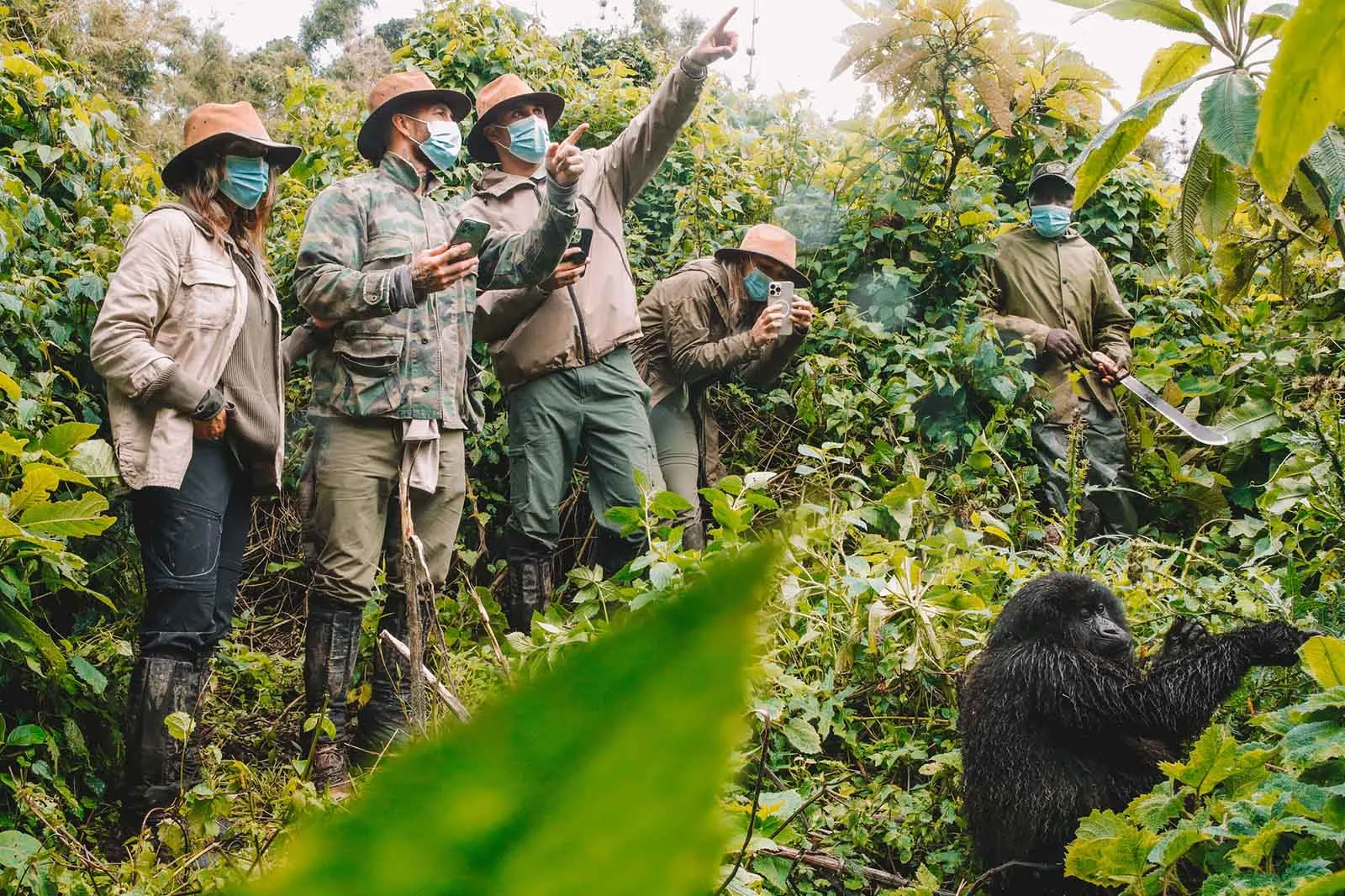
- Bwindi Impenetrable National Park has operated continuously for 30+ years without a single tourist fatality from violence or terrorism
- Community conservation programs have turned former poachers into park rangers and lodge staff — creating genuine stakeholder investment in visitor safety
- Uganda Wildlife Authority maintains one of East Africa’s most professional ranger forces, with anti-poaching units that double as tourist security
Traveler Testimony: “We felt safer in Bwindi than in many European cities. The rangers were professional, the lodge security was tight, and the community was welcoming. The U.S. advisory doesn’t reflect the reality of the safari experience.” — Sarah M., Colorado, USA
Frequently Asked Questions (FAQ Schema Markup)
Is Uganda safe for American tourists?
Yes, with preparation. Thousands of U.S. citizens visit Uganda’s national parks annually without incident. Register with STEP, follow your tour operator’s guidance, and avoid political gatherings in Kampala.
Is gorilla trekking in Uganda dangerous?
No. With armed ranger escorts, strict health protocols, and professional guides, gorilla trekking is one of Africa’s safest wildlife activities. The primary risks are physical exertion and altitude — not security.
Is Kampala safe for tourists?
Moderately safe during daylight hours in established areas like Kololo, Nakasero, and Bugolobi. Avoid walking at night, use registered transport, and stay in secure hotels.
Can I drink tap water in Uganda?
No. Drink only bottled, boiled, or filtered water. Reputable lodges and safari vehicles provide safe drinking water.
Do I need travel insurance for Uganda?
Absolutely mandatory. Ensure coverage includes medical evacuation, trip cancellation, and political unrest. Medical facilities outside Kampala are limited.
Is Uganda safe for families with children?
Yes, for safari-focused itineraries. Uganda’s national parks welcome families, and many lodges offer family rooms. Avoid Kampala city exploration with young children.
What should I do if there’s a security incident?
Contact your tour operator immediately, follow local authority instructions, and reach out to your embassy. GoSilverback maintains 24/7 emergency contact lines.
Final Verdict — Is Uganda Worth the Risk?
For the prepared, informed traveler, Uganda offers one of Africa’s most rewarding safari experiences at exceptional value. The security risks are localized and manageable with professional guidance.
The gorilla trekking experience in Bwindi — standing meters from a 400-pound silverback in an ancient rainforest — is genuinely life-changing and unavailable in lower-risk destinations at this price point.
Choose Uganda if:
- You want the best-value gorilla trekking in Africa ($800 vs. Rwanda’s $1,500)
- You seek diverse wildlife combinations (Big Five, chimps, tree-climbing lions)
- You’re an experienced traveler comfortable with moderate adventure
- You prioritize authentic, uncrowded experiences over luxury infrastructure
Consider Rwanda instead if:
- You want maximum urban safety and luxury lodges
- You have limited time and prefer easy logistics
- You’re a first-time Africa visitor seeking the smoothest possible introduction
🦍 Book Your Safe Uganda Safari with GoSilverback Gorilla Safaris
Don’t let outdated travel advisories rob you of Africa’s most profound wildlife experience. At GoSilverback Gorilla Safaris, your safety is our first priority:
✅ Licensed & Insured — UWA-approved, AUTO-registered operator
✅ Armed Ranger Escorts — on every gorilla trek and park activity
✅ 24/7 Emergency Support — satellite communication in all remote areas
✅ Flexible Booking — free rescheduling if conditions change
✅ Health-First Protocols — pre-departure briefings, sanitized vehicles, lodge vetting
Ready to explore Uganda safely?
📧 Email: info@gosilverbackgorillasafaris.com
📱 WhatsApp: +256-773-801934
🌍 Website: GoSilverbackGorillaSafaris.com
“Your safety is our silverback guarantee. Trek with confidence. Trek with GoSilverback.”