
Gorilla Grooming Habits Guide 2026: The Secret Language of Primate Connection
Gorilla grooming habits are not merely hygienic routines. They are the language of trust, the architecture of alliances, and the daily maintenance of a complex social world.
Understanding them transforms every gorilla trekking experience from a wildlife sighting into a genuine encounter with one of humanity’s closest living relatives.
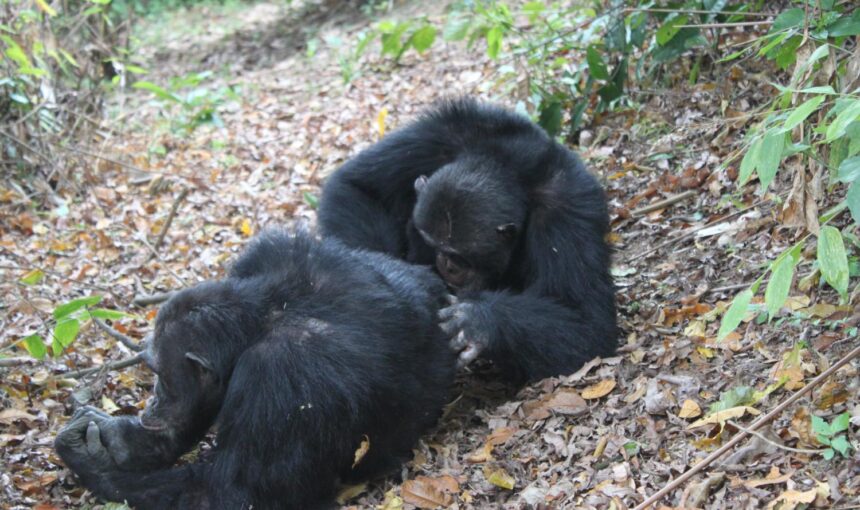
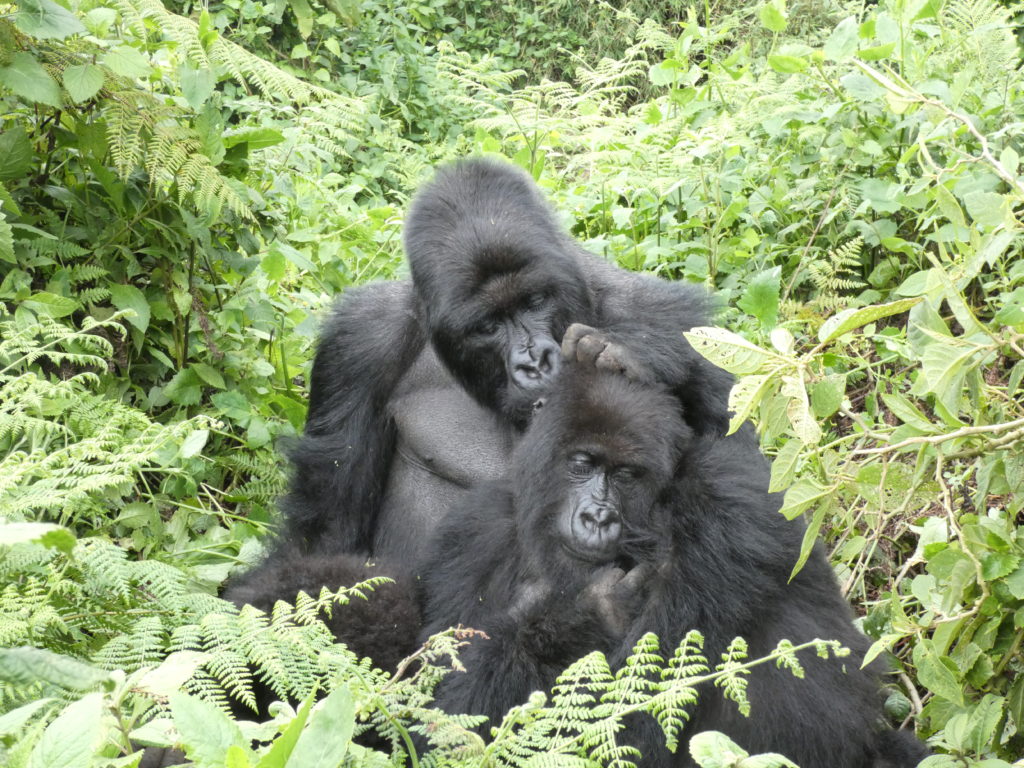
Few wildlife encounters on earth rival the intimacy of watching a family of mountain gorillas settle into a midday grooming session deep in the Bwindi Impenetrable Forest or on the mist-covered slopes of the Virunga Volcanoes. In those quiet moments, the boundary between observer and observed seems to dissolve.
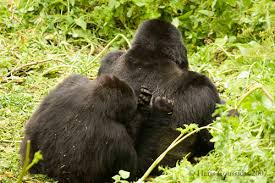
You watch a juvenile gently pick through its mother’s fur, a young adult lean patiently into the practiced hands of a group member, and a dominant silverback sit with eyes half-closed while his family tends to him — and you understand, instinctively, that you are witnessing something ancient, intelligent, and profoundly social.
This authoritative guide covers everything you need to know about gorilla grooming behavior — from the science behind it, to what it reveals about gorilla intelligence, to where in the world you can witness it for yourself.
Whether you are planning a gorilla trekking safari in Uganda, Rwanda, or the Democratic Republic of Congo, or simply deepening your knowledge of great ape behavior, this is the definitive resource.
What Is Gorilla Grooming? Definition and Meaning
Gorilla grooming refers to the deliberate and reciprocal physical inspection of one gorilla’s body by another — or, in some cases, by the gorilla itself.
The behavior involves using the fingers, lips, and sometimes teeth to comb through fur, remove parasites such as ticks, lice, and mites, clean wounds, and dislodge dried skin, dirt, or debris.
Grooming in gorillas falls into two broad categories: allogrooming (one gorilla grooming another) and self-grooming (a gorilla grooming itself).
Among all great apes — including chimpanzees, bonobos, orangutans, and humans — grooming serves a dual function that primatologists have long recognized as fundamental to social cohesion.
The first function is purely practical: maintaining ectoparasite control, keeping the skin and coat in healthy condition. The second function is deeply social and psychological: reinforcing bonds, reducing stress, establishing hierarchy, communicating intention, and sustaining group trust.
Researchers studying wild gorilla populations across Africa have documented that allogrooming sessions can last anywhere from 5 minutes to over an hour, depending on the relationship between the individuals involved and the social dynamics at play within the group.
What makes gorilla grooming particularly fascinating — and scientifically significant — is how it compares to grooming in other primates. Unlike chimpanzees, who groom frequently and in complex networks, gorillas groom with far less frequency but with what researchers describe as greater social intentionality.
Every grooming session among gorillas carries weight. It is never casual. When a gorilla chooses to groom another, it is making a social statement — one that the entire group notices.
Why Gorillas Groom Each Other: The Science Behind the Behavior
The question of why gorillas groom each other has occupied primatologists, behavioral ecologists, and conservation biologists for decades. The answer is multi-layered, and each layer reveals something profound about gorilla cognition and social structure.
1. Hygiene and Parasite Control
At its most fundamental biological level, gorilla grooming removes external parasites that would otherwise multiply and cause skin irritation, infection, or systemic illness. Ticks, lice, and other ectoparasites are ubiquitous in the humid montane forests where mountain gorillas live.
A gorilla’s thick, coarse coat — particularly in mountain gorillas (Gorilla beringei beringei), which have the longest and densest fur of any gorilla subspecies due to the cold high-altitude environment — provides ideal habitat for parasites.
Regular grooming is an evolutionary adaptation that directly supports individual health and, by extension, group survival.
2. Social Bonding and Alliance Building
Beyond hygiene, grooming is the primary currency of gorilla social bonding. Primatologists refer to this as the “social grooming hypothesis” — the idea that grooming evolved in primates primarily as a mechanism for building and maintaining social relationships rather than for purely hygienic purposes.
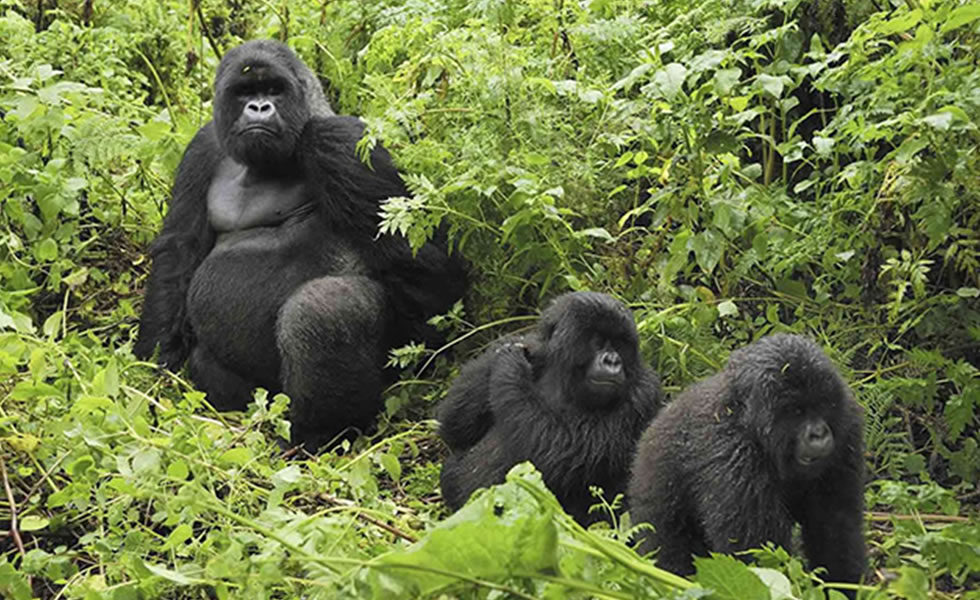
In gorilla groups, which typically consist of one dominant silverback, several adult females, juveniles, and infants, the social network is constantly negotiated.
Females groom each other to strengthen lateral alliances. Juveniles groom adults to gain protection and mentorship. Adults groom the silverback to reinforce their bond with the group’s central authority figure.
3. Stress Reduction and Emotional Regulation
Multiple studies measuring cortisol levels in wild primates have demonstrated that grooming triggers the release of endorphins — the same neurochemicals that produce feelings of calm, pleasure, and social safety in humans.
For gorillas living in challenging high-altitude environments, facing threats from rival males, navigating complex social hierarchies, and raising vulnerable young, the ability to regulate stress through physical social contact is not a luxury — it is a survival mechanism.
Groomed individuals display measurably reduced anxiety behaviors, lower heart rates, and greater overall docility following grooming sessions.
4. Conflict Resolution and Reconciliation
Gorillas use grooming as a post-conflict reconciliation tool. After a social dispute — whether a challenge to feeding priority, a disagreement over resting position, or a maternal conflict over a juvenile — the involved parties will often engage in a grooming session that effectively signals the end of hostilities and the restoration of the relationship.
This behavior has been observed in multiple wild gorilla populations studied in Uganda’s Bwindi Impenetrable National Park and Rwanda’s Volcanoes National Park, and it demonstrates a sophisticated understanding of social repair that most animals simply do not possess.
How Gorillas Groom Each Other: Technique and Process
Understanding the mechanics of gorilla grooming gives wildlife observers a richer appreciation of what they are witnessing during a gorilla trekking encounter. The process is methodical, deliberate, and anatomically sophisticated.
Here is a step-by-step breakdown of how gorilla allogrooming typically unfolds:
- Initiation: One gorilla approaches another and signals grooming intent through a combination of posture — sitting or crouching beside the other individual — and sometimes a soft vocalization or direct physical contact such as a gentle touch on the shoulder or back.
- Positioning: The individual to be groomed adjusts its posture to present the target area, typically the back, neck, head, or chest. This positioning is itself a form of trust and social submission — by exposing vulnerable body areas, a gorilla communicates complete confidence in the groomer’s intentions.
- Part and Inspect: The groomer uses its fingers to systematically part the fur in sections, carefully examining the skin beneath. The level of visual acuity gorillas bring to this task is remarkable — they can identify and remove parasites as small as a few millimeters in diameter.
- Remove and Consume: Parasites, dead skin flakes, and debris are removed with the fingers or lips and are frequently consumed. This behavior, while visually unappetizing to human observers, provides a nutritional supplement in the form of protein and is entirely normal primate behavior.
- Reciprocal Exchange: Grooming sessions among gorillas of similar social status often involve role reversal — each individual takes turns as the groomer and the groomed. This reciprocity is key to understanding grooming as a social transaction rather than a one-directional service.
- Conclusion: Sessions typically end when one gorilla moves away, shifts to another activity such as feeding, or the social need that initiated the grooming has been satisfied. There is rarely any aggression at the end of a grooming session — the parting is almost always peaceful.
Which Gorillas Groom the Most? Age, Sex, and Status
Not all gorillas groom equally. Research on gorilla grooming patterns across wild populations reveals clear trends based on age, sex, reproductive status, and social rank.
Adult Females
Adult females are the most frequent groomers within a gorilla group. They groom each other extensively to maintain lateral alliances — especially important in multi-female groups where competition for the silverback’s attention and protection is ongoing.
Females with infants groom more frequently than non-mothers, both to maintain their social support network and to model the behavior for their young.
Female-to-female grooming is also strongly correlated with spatial proximity; females who spend the most time near each other groom each other the most.
Juveniles and Infants
Young gorillas are intensive self-groomers and enthusiastic participants in allogrooming with peers. Juvenile grooming is often more play-oriented than the purposeful grooming of adults — sessions are shorter, more frequently interrupted, and accompanied by the kind of social jostling and vocalizations that characterize gorilla play.
Nevertheless, these early grooming interactions are developmentally critical. They are where young gorillas learn the social grammar of the behavior — the subtle signals of initiation, the postures of invitation, and the etiquette of reciprocity.
Adult Males — Including the Silverback
Adult males, and silverbacks in particular, are groomed more than they groom others. This asymmetry is a reflection of social hierarchy — grooming directed toward the silverback is a form of deference, affiliation, and status maintenance.
Interestingly, silverbacks who receive the most grooming from group females tend to be the most socially stable and the least aggressive. The grooming bond between a silverback and his adult females is therefore not merely affective — it is a direct contributor to group cohesion and safety.
The Role of the Silverback in Gorilla Grooming Behavior
The silverback gorilla — the dominant adult male who leads and protects the group — occupies a unique and central position in the grooming dynamics of any gorilla family unit.
His role in grooming is paradoxical: he is simultaneously the most powerful individual in the group and, in grooming terms, the most passive recipient.
A silverback is rarely seen initiating grooming sessions with other adult group members. Instead, he is the grooming object of choice — females groom him as an expression of social bonding, subordinate males groom him as an expression of deference, and even juveniles occasionally approach to groom as a form of social contact-seeking.
This pattern reinforces the silverback’s central social position without requiring him to engage in the reciprocal exchanges that characterize peer-level grooming.
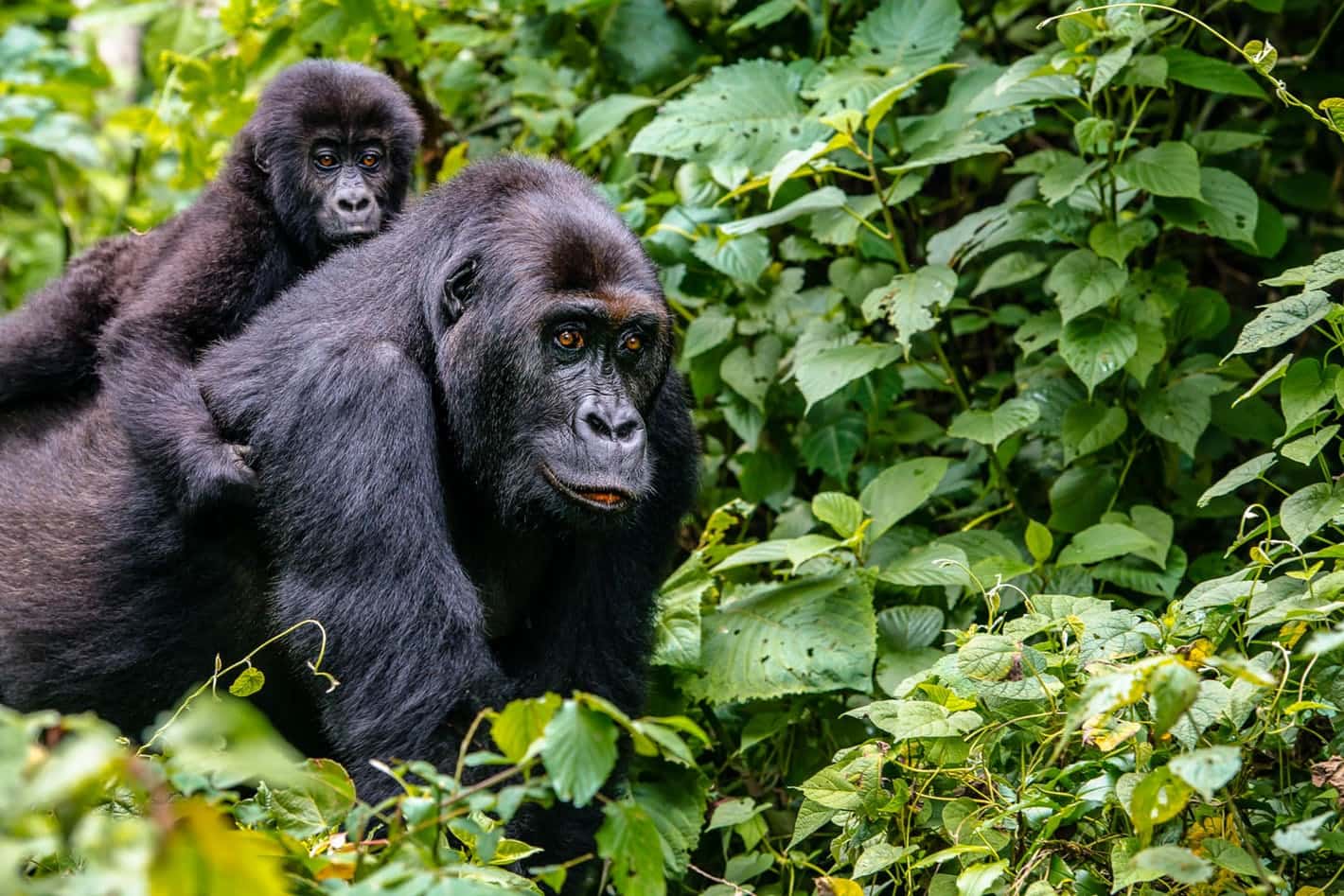
However, silverbacks are highly attentive groomers of infants and very young juveniles. Contrary to the popular image of the silverback as a purely distant and formidable leader, field observations from Bwindi and the Virungas consistently document silverbacks engaging in extended, gentle grooming of the group’s youngest members.
This paternal behavior serves multiple functions: it provides real parasite control for vulnerable young animals whose immune systems are still developing, it signals the silverback’s investment in the group’s reproductive future, and it creates early bonds of trust between the dominant male and the next generation.
Notably, during periods of social tension — such as when a new female joins the group, when a bachelor male challenges the silverback’s authority, or when an infant is born — grooming activity in the group increases significantly.
The silverback’s tolerance of or participation in these heightened grooming sessions is a key social signal: it communicates stability, security, and continued leadership confidence to the entire group.
Gorilla Grooming as Communication: Reading the Social Signals
One of the most intellectually exciting dimensions of gorilla grooming behavior is its function as a sophisticated system of nonverbal communication.
Gorillas do not have a written language, but they possess an extraordinarily rich repertoire of physical and vocal signals — and grooming is among the most semantically dense of all their communicative behaviors.
Grooming communicates affiliation and alliance: when a female chooses to groom a specific other female rather than another, she is publicly declaring a preferred relationship.
This declaration is observed and remembered by every other group member. Grooming communicates submission and respect: when a subordinate male presents himself for grooming to the silverback rather than attempting mutual exchange, he is signaling acceptance of the hierarchy.
Grooming communicates appeasement: an individual who has been involved in or adjacent to a conflict will often initiate grooming as a peace-making gesture.
Perhaps most fascinatingly, grooming communicates need and request. Gorillas actively solicit grooming by positioning themselves near a preferred partner, adopting the passive grooming posture, and sometimes using a gentle touch or specific vocalizations to request the interaction.
This capacity to express a social need, direct it toward a specific individual, and receive a response is a form of intentional communication that reflects high-order social cognition — the ability to model the minds of others, predict their responses, and use behavior strategically to achieve social goals.
Differences Between Gorilla Grooming and Chimpanzee Grooming
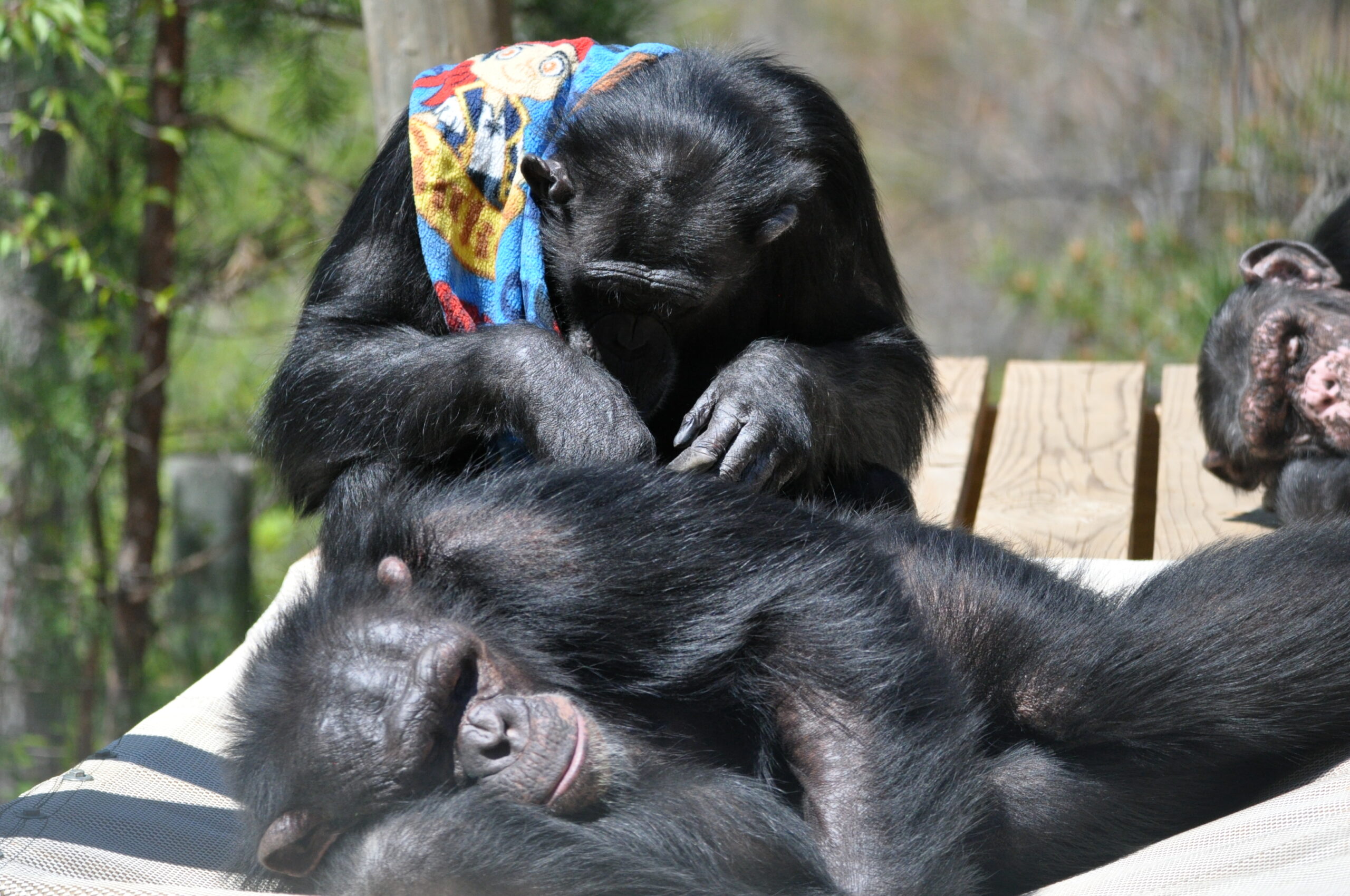
Comparing gorilla grooming habits to chimpanzee grooming behavior illuminates the distinct social structures and evolutionary adaptations of each species, and underscores why gorilla trekking offers a qualitatively different wildlife experience from chimpanzee tracking.
Key Differences at a Glance:
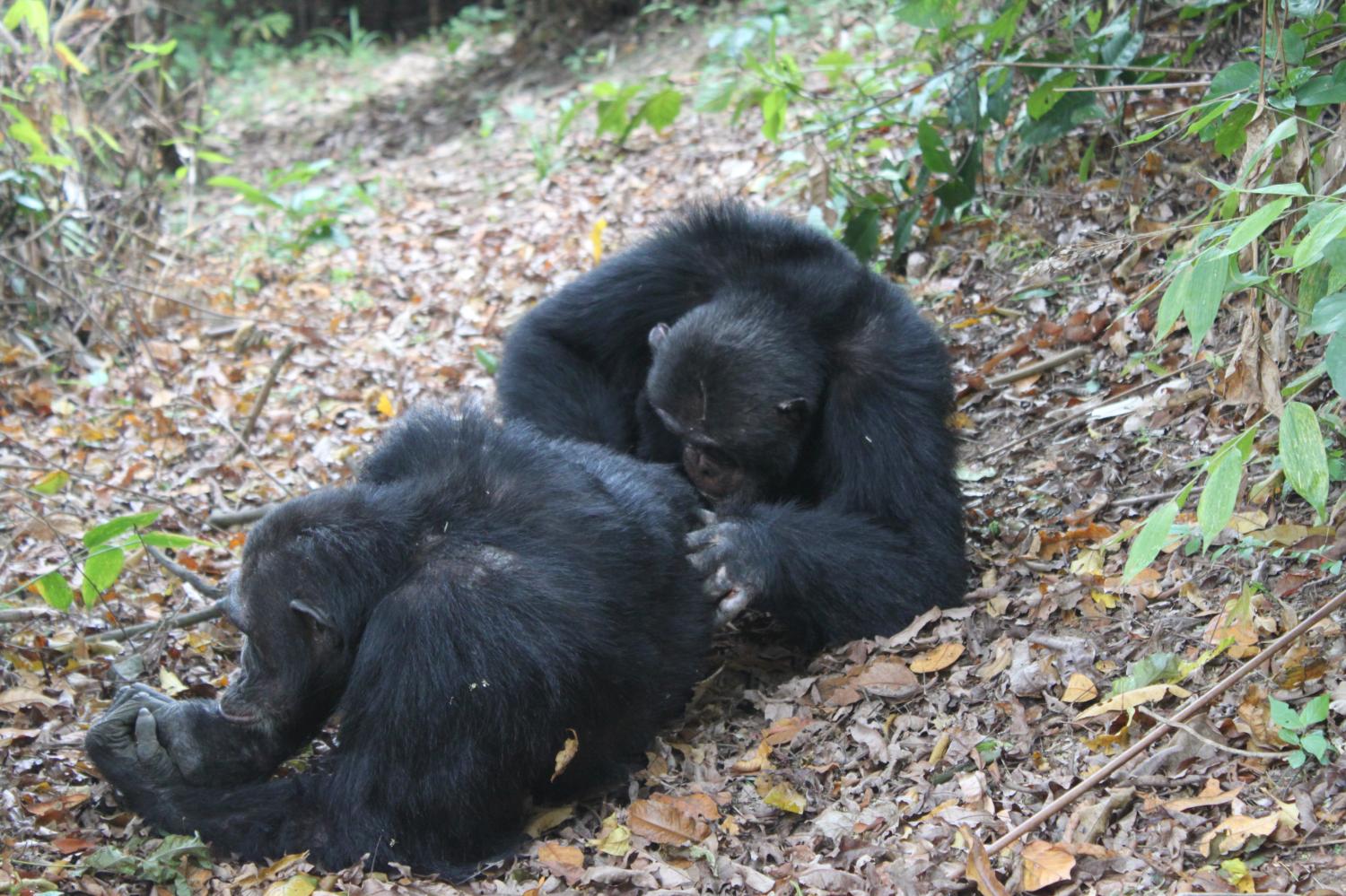
- Frequency: Chimpanzees groom far more frequently than gorillas. In chimpanzee communities, where fission-fusion social dynamics create constantly shifting social networks, grooming is used as a constant relationship maintenance tool. Gorillas, who live in more stable and cohesive family units, groom less frequently because their social bonds require less constant reinforcement.
- Network Complexity: Chimpanzee grooming networks are significantly more complex, involving multiple overlapping dyadic relationships that researchers map as intricate social graphs. Gorilla grooming networks are simpler and more hierarchical, radiating from the central silverback figure.
- Duration: Individual gorilla grooming sessions, when they occur, tend to be longer and more thorough than the brief, frequent grooming exchanges common among chimpanzees.
- Reciprocity Patterns: In chimpanzees, grooming time is more precisely traded — research shows that chimpanzees track grooming investment and reciprocate closely. In gorillas, the asymmetrical pattern (subordinates groom dominants more) is more pronounced and more accepted.
- Social Context: Chimpanzees frequently use grooming in political coalition-building, creating complex alliances that shift and compete. Gorilla grooming is more relationship-affirming than politically strategic, reflecting the more stable one-male group structure.
Understanding these differences enriches your appreciation of both species. If you are considering chimpanzee tracking and gorilla trekking in the same itinerary — possible in Uganda, which hosts both species in Kibale and Bwindi — you will witness two different evolutionary solutions to the same fundamental challenge: how to hold a primate society together.
Where Tourists Can See Gorilla Grooming in the Wild
Witnessing gorilla grooming behavior in the wild is one of the most transformative wildlife experiences available anywhere on earth.
Unlike many animal behaviors that are fleeting or nocturnal, gorilla grooming happens during the day, often at close range, and in full view of trekking groups during their one-hour gorilla habituation period.
The three countries where mountain gorilla trekking is legally and ethically possible are Uganda, Rwanda, and the Democratic Republic of Congo — each offering a distinct experience.
Uganda — Bwindi Impenetrable National Park
Home to approximately 459 mountain gorillas — roughly half the world’s entire mountain gorilla population — Bwindi is the premier gorilla trekking destination on earth. Spread across four sectors (Buhoma, Ruhija, Rushaga, and Nkuringo), Bwindi offers treks to over 20 habituated gorilla families.
Midday rest periods, when gorillas settle in shaded forest clearings, are the prime time to observe extended grooming sessions. Uganda’s gorilla trekking permits cost USD 800 per person and must be booked in advance.
Rwanda — Volcanoes National Park
Volcanoes National Park in Rwanda’s northwest protects 12 habituated gorilla families on the slopes of the Virunga Volcanoes. The park is renowned for its relatively accessible terrain and luxury lodge infrastructure, making it popular with high-end travelers.
Rwanda’s gorilla trekking permits cost USD 1,500 per person, reflecting the country’s premium conservation positioning. The denser vegetation of the Virungas creates a sense of seclusion and intimacy during trekking experiences.
Democratic Republic of Congo — Virunga National Park
For adventurous travelers, Virunga National Park in the DRC offers gorilla trekking at lower permit costs (approximately USD 400) alongside extraordinary volcanic landscapes.
Security conditions in the region fluctuate, and current travel advisories from your government should always be consulted before planning a DRC gorilla safari.
Best Time to See Gorilla Grooming Behavior
Gorilla grooming is most commonly observed during midday rest periods, typically between 10 AM and 2 PM, when gorillas have finished their morning feeding and settle into shaded forest areas.
The dry seasons — June to August and December to February — generally offer better trekking conditions in both Uganda and Rwanda, though mountain gorillas can be tracked year-round.
Why Gorilla Grooming Behavior Demonstrates Gorilla Intelligence
The study of gorilla grooming habits has been instrumental in advancing scientific understanding of great ape intelligence.
Each dimension of the behavior requires and demonstrates cognitive capacities that place gorillas firmly among the most intellectually sophisticated animals on the planet.
Firstly, effective grooming requires theory of mind — the ability to understand that other individuals have distinct needs, states, and perspectives.
A gorilla that grooms an anxious group member after a conflict has perceived that individual’s emotional state and responded to it appropriately.
This is not instinctive behavior triggered by a stimulus — it is a socially informed decision made by an individual who understands the social world around it.
Secondly, the reciprocity patterns in gorilla grooming demonstrate a form of social memory and time-extended exchange. Gorillas track social debts — they know which individuals have groomed them and respond over time.
This requires working memory, social record-keeping, and the capacity to link past interactions to current social decisions. The cognitive demands of this tracking are substantial.
Thirdly, the use of grooming as intentional communication — as a strategic tool for managing relationships, expressing needs, and repairing social damage — requires sophisticated communicative cognition. Gorillas do not merely react to grooming; they use it.
They initiate it for strategic reasons, direct it toward specific individuals, and modulate its intensity and duration based on social context. This is behavioral flexibility of the highest order — precisely what cognitive scientists use as an index of intelligence in non-human animals.
Conservation Importance of Studying Gorilla Grooming
The scientific study of gorilla grooming behavior is not merely academic. It has direct, practical implications for the conservation of a critically endangered species whose global wild population numbers approximately 1,063 mountain gorillas — a number that, while growing due to conservation efforts, remains perilously small.
Grooming research contributes to conservation in several key ways. First, it provides an index of social health within gorilla groups. Changes in grooming frequency or network structure — detected through long-term behavioral monitoring — can signal early-stage social disruption caused by poaching pressure, habitat fragmentation, group instability, or disease. These signals allow conservation managers to intervene before disruption becomes critical.
Second, grooming behavior is a primary vehicle for the transmission of respiratory pathogens between gorillas, and between gorillas and humans — whose DNA differs from gorillas by less than 2%.
The COVID-19 pandemic highlighted this risk dramatically, leading to temporary closures of gorilla trekking in Uganda and Rwanda.
Understanding grooming contact patterns allows veterinary researchers to model disease transmission risks, develop vaccination programs (mountain gorillas in both Uganda and Rwanda are now vaccinated against measles and other respiratory diseases), and design trekking protocols that minimize transmission risk while maximizing visitor experience.
Third, habituated gorilla groups — the only groups accessible for tourism — are monitored daily by trained field researchers who record grooming interactions as part of standardized behavioral data collection.
This long-term behavioral database, accumulated over decades by organizations including the Dian Fossey Gorilla Fund, the Uganda Wildlife Authority, and the Rwanda Development Board, forms the scientific foundation for all major mountain gorilla conservation decisions. When you purchase a gorilla trekking permit, a portion of your permit fee directly funds this research.
FAQs About Gorilla Grooming Habits
Do gorillas groom every day?
Yes, some form of grooming — either self-grooming or allogrooming — occurs daily in most gorilla groups. However, the frequency and duration of allogrooming sessions varies significantly based on social context, group composition, and the season. Extended group grooming sessions are most common during midday rest periods after morning feeding, when the group is relaxed and socially settled.
How long does a gorilla grooming session last?
Individual gorilla grooming sessions vary considerably. Brief exchanges may last as few as 5 to 10 minutes, while extended allogrooming between closely bonded females or between a female and the silverback can last 30 to 60 minutes or longer. The duration is generally correlated with the strength of the social relationship and the current level of social tension or cohesion within the group.
Do silverbacks groom other gorillas?
Silverbacks groom far less frequently than other group members and are more commonly groomed than they groom. However, silverbacks do actively groom infants and very young juveniles, demonstrating paternal investment. They may also occasionally groom adult females, particularly during or after mating periods or in the context of social reconciliation following group tension.
Is gorilla grooming similar to human grooming?
The biological mechanics are similar — using fingers to inspect and clean the skin and hair. But the social significance of gorilla grooming is, arguably, more consciously social than most human grooming routines. Gorilla grooming is a deliberate act of social investment and relationship management, paralleling human behaviors like physical affection, gift-giving, and attentive listening as relationship-maintenance strategies.
Can tourists observe gorilla grooming in the wild?
Yes — and witnessing it is one of the highlights of any gorilla trekking safari. Grooming is most commonly observed during the permitted one-hour viewing period, especially when trekking groups encounter gorilla families during their midday rest. Well-habituated gorilla families in Bwindi and the Virungas frequently groom in clear view of tourists at distances of just a few meters.
Do gorillas groom to show affection?
While primatologists are cautious about anthropomorphizing, the behavioral and neurochemical evidence strongly suggests that gorilla grooming does involve positive affective states. Endorphin release, stress reduction, and the preferential direction of grooming toward individuals with whom strong bonds exist all indicate that gorilla grooming has an emotional dimension that functionally parallels human affection.
What parasites do gorillas remove when grooming?
Mountain gorillas are host to a range of ectoparasites including ticks (Ixodidae), lice, mites, and fly larvae. They also remove dead skin cells, plant material, and debris from wounds. Research has identified several parasite species specific to mountain gorillas, and regular grooming is the primary behavioral defense against ectoparasite load in both mountain and eastern lowland gorilla populations.
Do gorillas groom when they are stressed?
Stress and social tension actually increase grooming activity in gorilla groups. This counter-intuitive pattern reflects grooming’s role as a social stress-management mechanism. When a group faces an external threat, integrates a new member, or experiences internal conflict, grooming activity rises as individuals seek reassurance and social recalibration through physical contact.
How does grooming behavior differ between mountain gorillas and eastern lowland gorillas?
Mountain gorillas (Gorilla beringei beringei) and eastern lowland gorillas (Gorilla beringei graueri) share the same fundamental grooming behaviors but differ in ecological context. Mountain gorillas’ thicker fur in cold, high-altitude environments may increase the practical importance of parasite-control grooming. Eastern lowland gorillas live in lower-altitude forest, have less dense coats, and live in larger groups with somewhat different social dynamics.
Can gorillas groom humans?
In rare cases, highly habituated gorillas — particularly curious juveniles — have been observed attempting to groom human researchers or trekking guides. However, physical contact between tourists and gorillas is strictly prohibited by wildlife authorities in Uganda, Rwanda, and DRC. This rule protects gorillas from human-transmitted disease and maintains the behavioral integrity of habituated groups. Always maintain the required minimum distance of 7 meters.
Does grooming help gorillas bond with their babies?
Absolutely. Maternal grooming of infants begins within hours of birth and is one of the primary mechanisms through which mother-infant attachment is established and maintained in gorillas. Infants who are groomed more frequently by their mothers show faster social development, greater confidence in exploring their environment, and stronger integration into the group’s social network. The tactile stimulation of grooming is also essential for neurological development in infant gorillas
What does it mean if a gorilla refuses to be groomed?
Refusal of grooming is a significant social signal. An individual who consistently refuses grooming from a specific partner may be communicating social rejection or a change in alliance preference. In the context of silverbacks, refusal to accept grooming from a specific female can signal decreased bonding or impending group restructuring. Researchers monitor grooming refusal patterns as an indicator of shifting social dynamics within gorilla families.
Conclusion: What Gorilla Grooming Teaches Us
The study of gorilla grooming habits reveals, with extraordinary clarity, that the lives of mountain gorillas are rich, complex, and socially sophisticated in ways that challenge any assumption of sharp division between human and non-human cognition.
Gorilla grooming is not a simple reflexive behavior. It is a dynamic social practice — informed by memory, driven by social intelligence, shaped by evolutionary pressures, and embedded in a communicative system of remarkable depth.
When you observe a gorilla family grooming in the cool mountain air of Bwindi or the Virungas, you are not watching animals engage in an instinctive ritual.
You are watching sentient beings manage relationships, regulate emotions, maintain health, communicate intention, and sustain the social fabric of their community — with a sophistication that, properly understood, is humbling.
You are watching evolutionary history unfold in real time, and you are sharing, for one brief and privileged hour, the world of our closest living relatives.
Gorilla grooming teaches us that sociality is not a human invention. It is a primate inheritance — one that mountain gorillas have refined over millions of years into something that looks, in its essential emotional logic, remarkably like what we ourselves do when we reach out to those we care for, tend to their needs, and receive, in that simple act, the reassurance that we are not alone.
BOOK YOUR GORILLA TREKKING SAFARI
Ready to witness gorilla grooming behavior in the wild? GoSilverback Safaris specializes in expertly crafted gorilla trekking experiences across Uganda, Rwanda, and the DRC.
Our team of certified safari specialists will secure your gorilla permit, arrange luxury or mid-range forest lodge accommodation, handle all logistics, and brief you personally on gorilla behavior so that your one-hour encounter becomes a lifetime memory.
With limited permits available daily and peak-season bookings selling out months in advance, now is the time to act.
Contact GoSilverback Safaris Today.