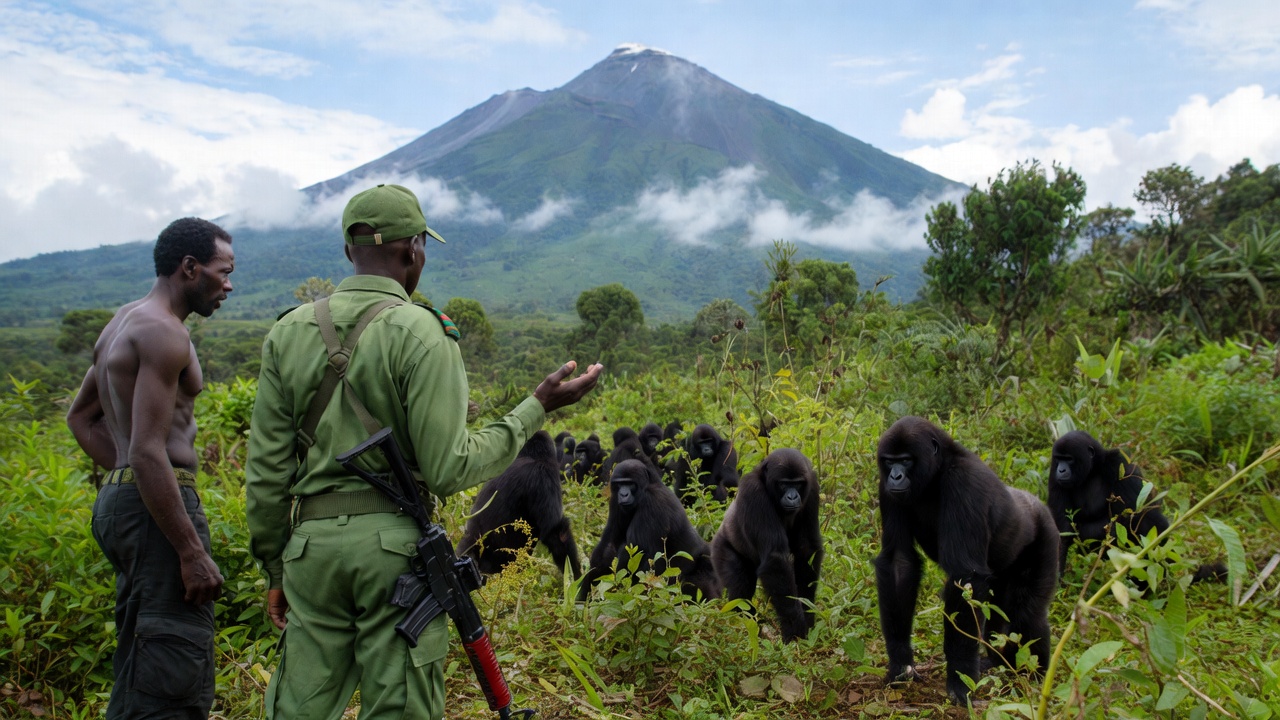
Human Gorilla Conflict Guide: Causes, Impacts & Sustainable Solutions
Human–gorilla conflict stands as one of the most pressing challenges in mountain gorilla conservation across East Africa. At GoSilverback Safaris, we have witnessed firsthand how this tension between local communities and endangered gorillas threatens both livelihoods and the survival of one of our closest relatives.
Yet, with informed strategies and responsible tourism, human–gorilla conflict is not inevitable—it is manageable.
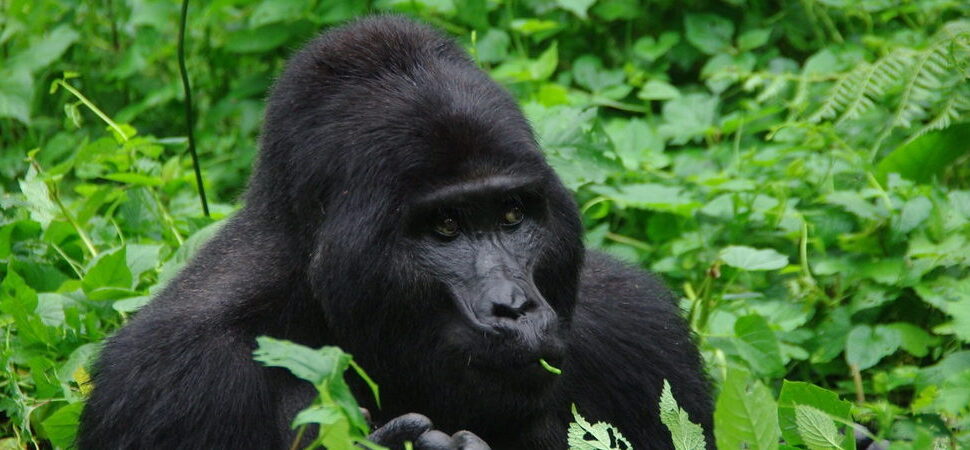
Mountain gorillas (Gorilla beringei beringei) number just over 1,063 individuals in the wild as of the latest 2025 census, a remarkable recovery from fewer than 250 in the 1980s.
This success, driven by decades of protection, has ironically intensified pressure on the limited habitat. As gorilla populations rebound and human settlements expand around protected areas, gorillas increasingly venture into farmland, leading to crop raiding, property damage, and occasional injuries on both sides.
This comprehensive guide explores every dimension of human–gorilla conflict—its geography, root causes, real-world impacts, proven solutions, and the vital role of ethical gorilla trekking.
Written for discerning travelers from the USA, UK, Europe, Canada, Asia, and the Middle East, it draws on the latest conservation data and our direct experience guiding clients in Bwindi Impenetrable National Park and the Virunga Volcanoes.
Understanding human–gorilla conflict empowers you not only to appreciate the complexity of gorilla conservation but also to become part of the solution through responsible travel.
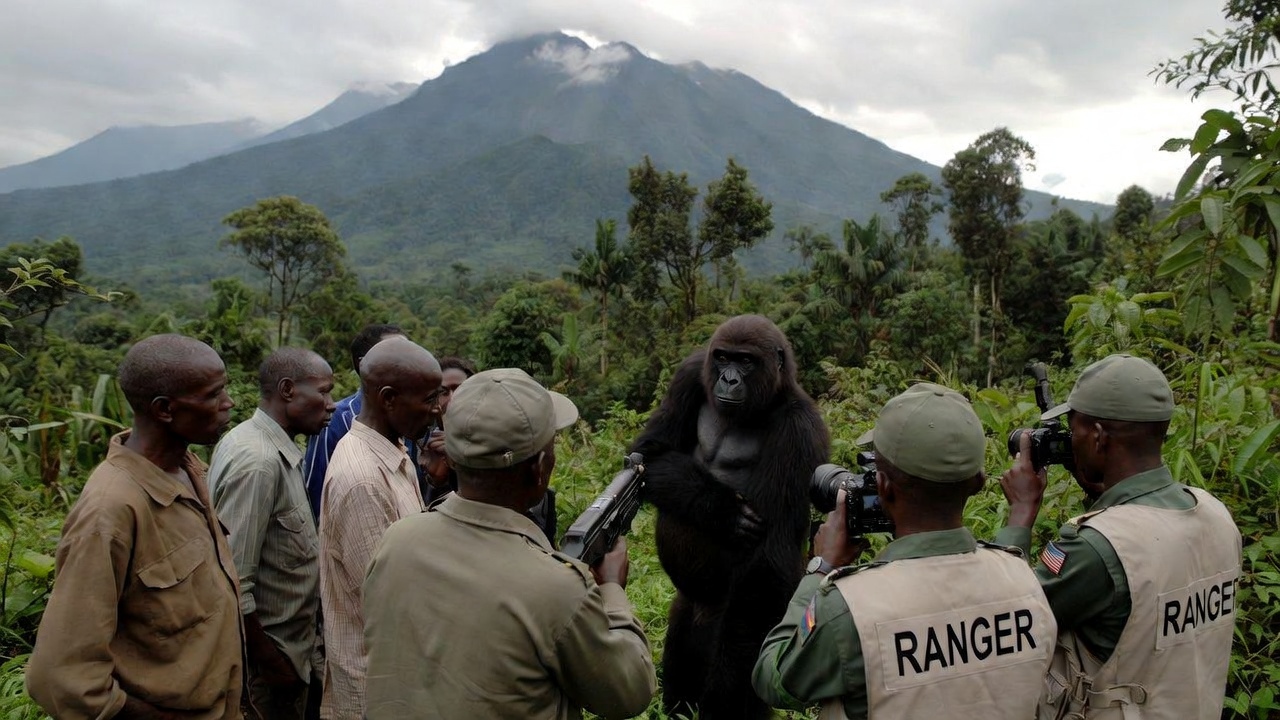
Where Does Human–Gorilla Conflict Occur?
Human–gorilla conflict concentrates in the three remaining strongholds of mountain gorillas: the Virunga Volcanoes and Bwindi Impenetrable National Park.
The Virunga Massif spans Rwanda (Volcanoes National Park), Uganda (Mgahinga Gorilla National Park), and the Democratic Republic of Congo (Virunga National Park).
Here, over 700 people per square kilometer live adjacent to the park boundaries, creating one of Africa’s highest human population densities bordering a protected area.
Gorillas frequently cross into community farmland, especially during periods of bamboo shooting or when seeking preferred crops.
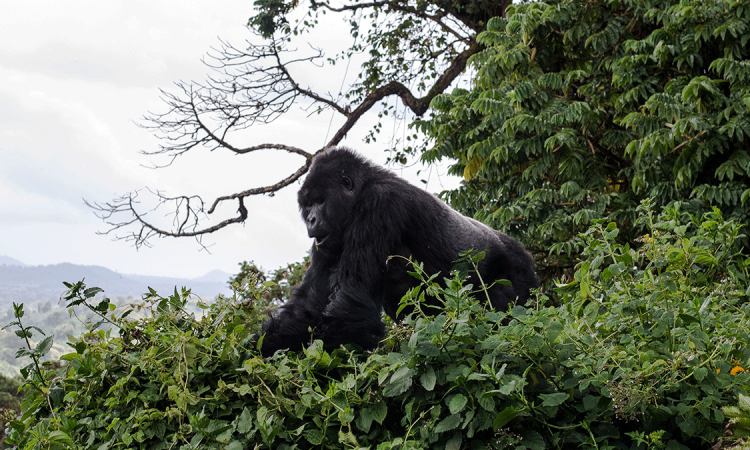
In Uganda’s Bwindi Impenetrable National Park, home to roughly half the global mountain gorilla population, conflict centers on the park’s periphery.
Communities in districts like Kanungu, Kabale, and Kisoro cultivate bananas, maize, sweet potatoes, and beans right up to the forest edge. The park’s steep terrain and dense vegetation make complete fencing impossible, allowing gorillas to raid crops seasonally.
Mgahinga Gorilla National Park experiences lower but persistent conflict, exacerbated by its smaller size and proximity to Rwanda and DRC borders. Even habituated gorilla groups—those visited by tourists—occasionally stray outside park boundaries when food is scarce inside.
These hotspots share common traits: steep volcanic soils ideal for agriculture, high rainfall supporting multiple harvests per year, and rapid human population growth.
Conflict peaks during dry seasons when wild food inside the parks diminishes and during wet seasons when crops are most vulnerable. As gorilla numbers continue to rise, these interfaces are expanding, making proactive management essential for long-term coexistence.
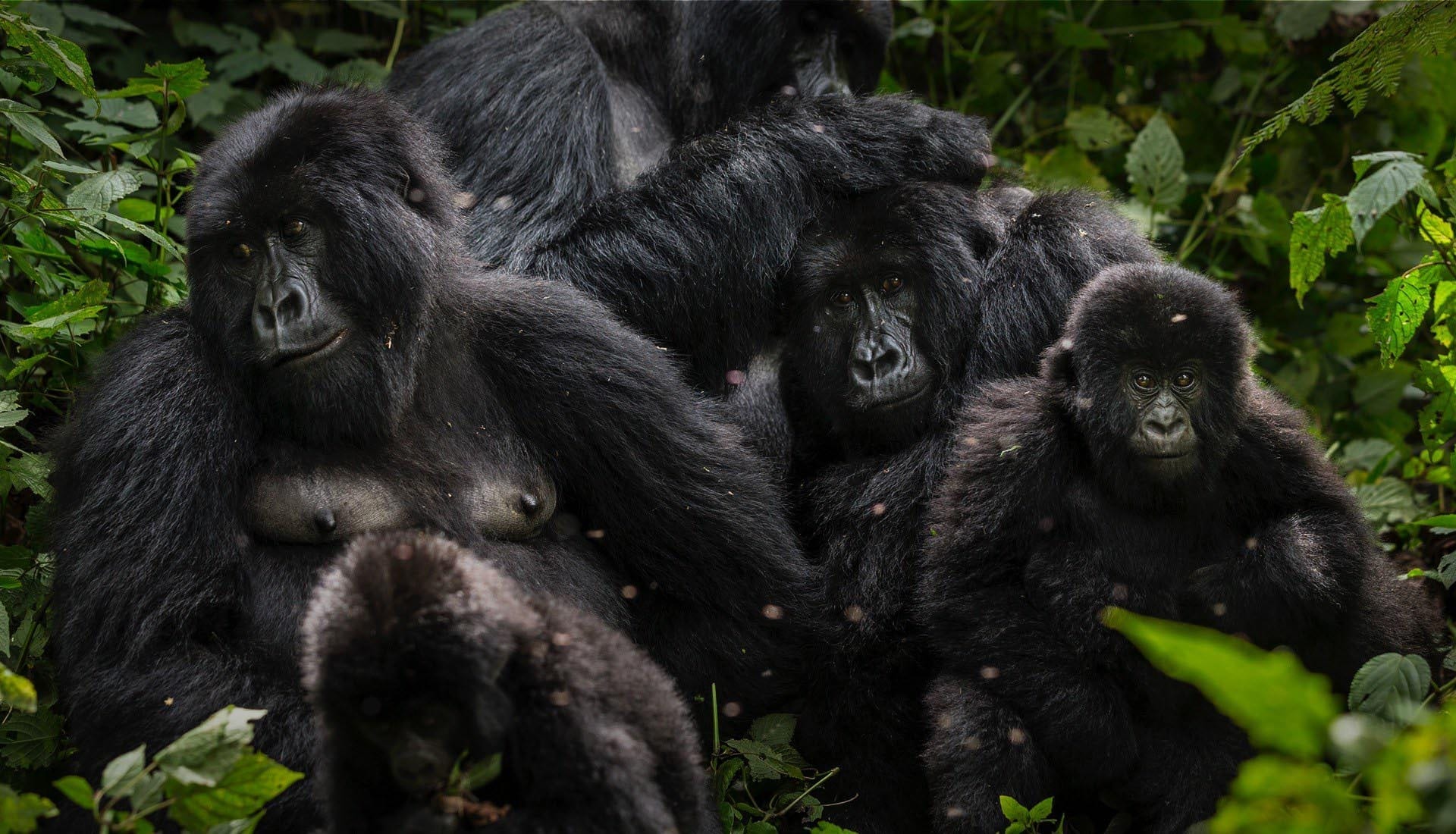
Main Causes of Human–Gorilla Conflict
Human–gorilla conflict stems from five interconnected drivers, each amplified by the unique ecology of the Albertine Rift.
1. Habitat Loss and Encroachment
Decades of agricultural expansion have compressed mountain gorillas into isolated forest islands totaling less than 800 km². In the Virunga region, park boundaries established in the 1920s have remained largely unchanged while surrounding human populations have quadrupled.
This forces gorillas into marginal habitats and onto farmland. Recent studies show gorilla ranging patterns shifting in response to snares and human activity, further increasing edge encounters.
2. Crop Raiding
Mountain gorillas are primarily herbivorous, consuming up to 30 kg of vegetation daily. Bananas, maize cobs, and sweet potatoes—staples for local farmers—mirror their preferred wild foods.
A single silverback group can destroy an entire household’s harvest in one night. Farmers report losses of 20–40% of crops in high-conflict zones, devastating food security and income in communities where average earnings fall below $2 per day.
3. Disease Transmission
Gorillas share 98% of DNA with humans, making them susceptible to our diseases. Respiratory illnesses, measles, and even the common cold can spread during close encounters or through contaminated water.
Reverse zoonosis (human-to-gorilla) has caused documented outbreaks, while gorillas can transmit parasites back to humans. Increased interface heightens this bidirectional risk.
4. Poaching and Snare Injuries
Although commercial poaching of gorillas has declined dramatically, wire snares set for bushmeat (buffalo, antelope) continue to maim or kill gorillas. Injured animals become more aggressive or range erratically, heightening conflict.
In March 2025, a young gorilla named Fazili was rescued from a snare in occupied areas of Virunga National Park, illustrating ongoing risks amid regional instability.
5. Climate Change and Resource Competition
Shifting rainfall patterns alter bamboo flowering cycles—the primary food for many groups. Droughts push gorillas toward lower-altitude farms, while floods erode buffer zones. Competition for water and forest resources further strains relations between humans and gorillas.
These causes rarely operate in isolation. A farmer losing crops to gorillas may set snares in frustration, inadvertently injuring the very animals raiding his fields and perpetuating a cycle of mistrust.
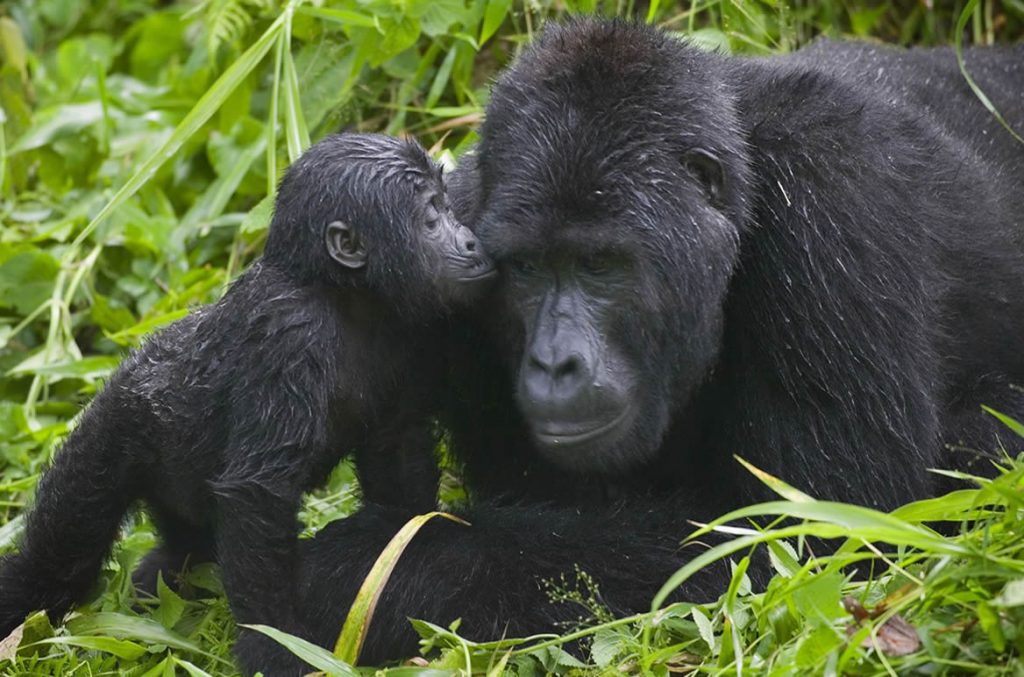
Effects of Human–Gorilla Conflict
The consequences of human–gorilla conflict ripple across ecological, economic, and social spheres, threatening both species.
For local communities, crop destruction translates directly into hunger and lost income. In Bwindi-adjacent parishes, households report average annual losses exceeding $200—significant when annual income hovers near $500.
This breeds resentment, undermining decades of conservation education. In extreme cases, farmers resort to poisoning or spearing gorillas, though such retaliatory killings remain rare for mountain gorillas compared with other species.
Gorillas suffer physical injuries from snares, dogs, or improvised traps. Wounds can lead to infections, reduced mobility, and lower reproductive success.
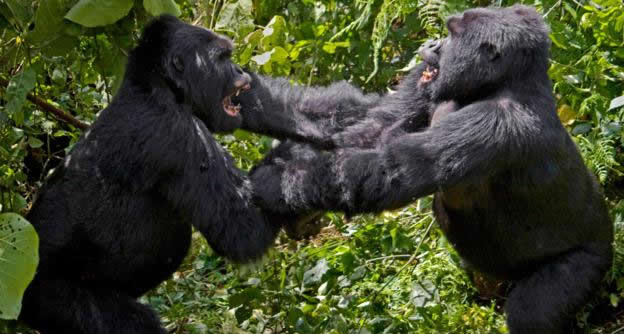
Stress from frequent human encounters alters natural behavior, with groups spending more energy avoiding farms than foraging optimally. Infant mortality rises in high-conflict zones due to inter-group fighting when compressed ranges force territorial overlap.
Ecosystem-wide effects include disrupted seed dispersal. Mountain gorillas act as keystone species; their absence or behavioral changes affect forest regeneration and biodiversity.
Disease outbreaks can decimate entire groups—historically, respiratory illness has killed up to 25% of a habituated group in a single event.
Socially, human–gorilla conflict erodes community support for protected areas. When tourism revenue feels distant while crop losses are immediate, conservation becomes viewed as a government or foreign imposition rather than a shared benefit. This attitude shift can increase illegal resource extraction, further degrading habitat.
Yet the data also shows hope: communities receiving direct tourism benefits report 60–70% higher tolerance for gorillas despite occasional raiding.
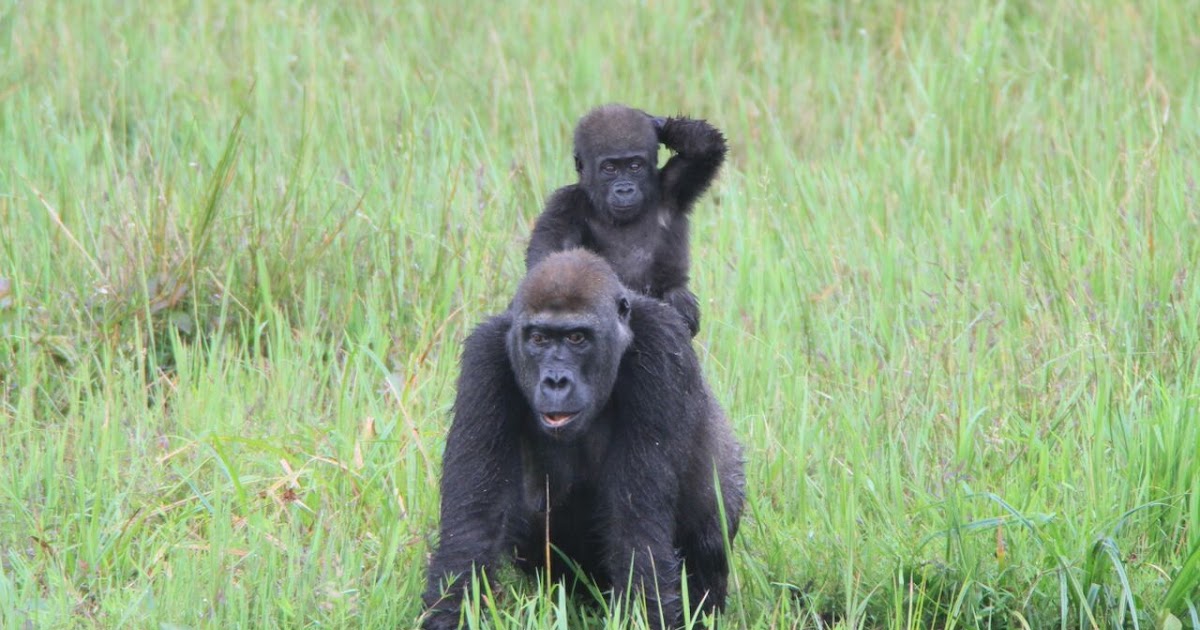
Real Case Studies from East Africa
Case Study 1:
HuGo Programme in Bwindi, Uganda (Ongoing since 2000s) Uganda Wildlife Authority’s Human-Gorilla Conflict Resolution (HuGo) teams have responded to over 1,000 incidents in Bwindi.
In one documented cluster near Buhoma, a habituated group repeatedly raided maize fields after bamboo died off. HuGo rangers used non-lethal deterrents—noise makers, chili paste barriers, and rapid group herding—resolving 85% of cases without harm.
Satellite-enabled reporting now allows real-time response, dramatically reducing escalation. Farmers participating in the program report 40% lower crop losses and stronger support for gorilla tourism.
Case Study 2:
Virunga Snare Crisis and Park Expansion, Rwanda (2024–2025) In occupied sectors of Virunga National Park, poaching surged in 2024. The rescue of young gorilla Fazili from a snare in March 2025 highlighted how insecurity exacerbates conflict.
Rwanda’s government responded by purchasing private land to expand Volcanoes National Park, creating a buffer zone that reduced gorilla incursions by an estimated 30% in pilot areas.
Combined with IGCP-supported community cooperatives, this intervention turned former conflict hotspots into gorilla-friendly corridors.
Case Study 3:
Mgahinga Community Revenue Sharing, Uganda In Mgahinga, crop raiding by the Nyakagezi group once fueled calls for culling.
After 20% of gorilla permit revenue was directed to community projects (schools, health clinics, beehive enterprises), tolerance soared.
A 2023 survey showed 92% of households now view gorillas as economic assets rather than pests. Raiding incidents dropped as alternative income reduced reliance on marginal farmland.
These cases prove human–gorilla conflict is solvable when conservation delivers tangible local benefits.
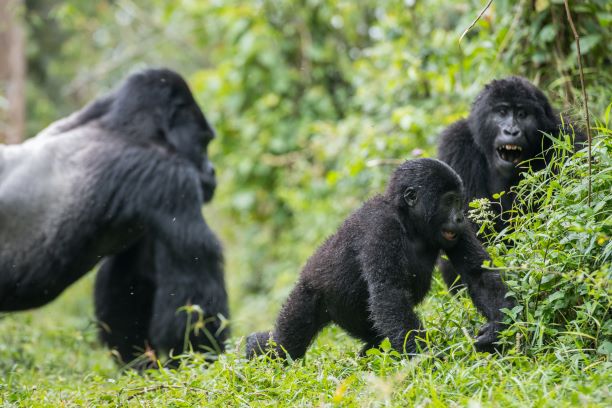
Role of Conservation Organizations
The International Gorilla Conservation Programme (IGCP)—a coalition of WWF, Fauna & Flora, and Conservation International—has led efforts for over 30 years.
Their 2024 impact report details creation of the HuGo initiative, community institutions, and transboundary collaboration across Uganda, Rwanda, and DRC.
Uganda Wildlife Authority (UWA), Rwanda Development Board (RDB), and ICCN (DRC) provide on-ground enforcement and monitoring.
Dian Fossey Gorilla Fund and Gorilla Doctors focus on health and veterinary intervention, treating snare wounds and disease outbreaks.
These organizations share data, train local rangers, and fund alternative livelihoods. Their collaborative model—unique in Africa—has enabled the mountain gorilla population to quadruple while surrounding human populations have grown exponentially.
Sustainable Solutions to Human–Gorilla Conflict
Effective solutions combine immediate deterrence, long-term incentives, and landscape-level planning. Here are proven, scalable approaches:
- Human-Gorilla Conflict Resolution Teams (HuGo Model) Deploy community rangers equipped with mobile technology for rapid response. Steps include daily monitoring, non-lethal herding, and education on crop protection. Success rate exceeds 80% in Bwindi.
- Buffer Zones and Habitat Expansion Purchase or reforest land outside parks to create 500–1,000 m vegetative buffers planted with non-palatable species. Rwanda’s ongoing expansion demonstrates 25–35% reduction in raiding.
- Revenue-Sharing Programs Direct 10–20% of gorilla permit fees and park entry into community projects. In Uganda, this has funded schools, roads, and health centers benefiting tens of thousands of households.
- Alternative Livelihoods and Crop Protection Introduce chili fences, trenches, guard dogs, and beehive enterprises (gorillas avoid bees). Train farmers in beekeeping for dual income and deterrence. Provide seedlings for fast-growing, gorilla-resistant crops.
- Veterinary and Health Interventions Gorilla Doctors maintain a rapid-response veterinary unit. Community health clinics reduce bidirectional disease risk through vaccination campaigns and hygiene education.
- Education and Cultural Integration School programs and gorilla naming ceremonies foster pride. Communities naming individual gorillas report stronger emotional investment in their protection.
- Transboundary Cooperation IGCP facilitates joint patrols and data sharing across borders, essential in the Virunga massif.
- Policy and Compensation Frameworks Develop transparent, rapid compensation schemes for verified crop losses, funded partly by tourism levies. Pilot programs in Rwanda show promise in restoring trust.
Implementation requires sustained funding—gorilla trekking revenue provides the backbone, generating tens of millions annually for these programs.
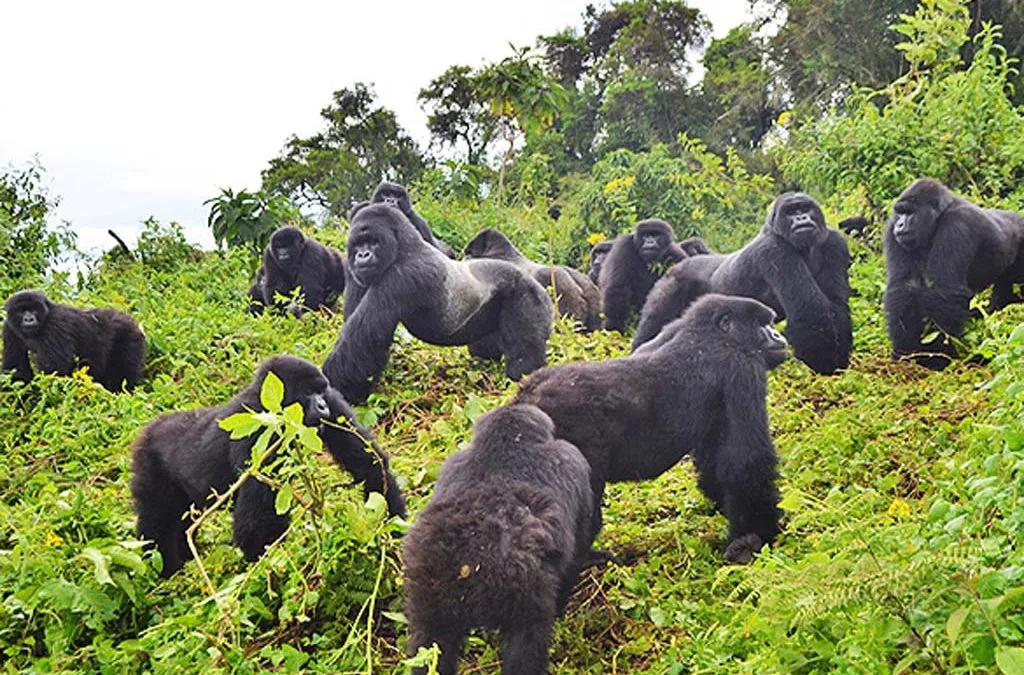
How Responsible Tourism Helps Reduce Conflict
Responsible gorilla tourism transforms human–gorilla conflict into coexistence. Each $800–$1,500 gorilla permit in Uganda and Rwanda channels direct funds into conservation and communities.
Uganda allocates 20% of revenue to adjacent parishes; Rwanda invests in infrastructure and alternative livelihoods.
Tourism creates thousands of jobs—guides, trackers, porters, lodge staff, and craftspeople—reducing poverty-driven encroachment. In Bwindi, households near trekking trails earn 3–5 times more than those farther away, correlating with 70% higher tolerance for gorillas.
Strict rules (7-meter distance, masks, limited group size) minimize disease transmission. Habituation itself makes gorillas less fearful of humans, enabling easier monitoring and non-lethal management during conflict incidents.
Most powerfully, tourism shifts local perception: gorillas become living bank accounts rather than crop thieves. Visitors from the USA, UK, Europe, and beyond witness this firsthand, then amplify the message globally.
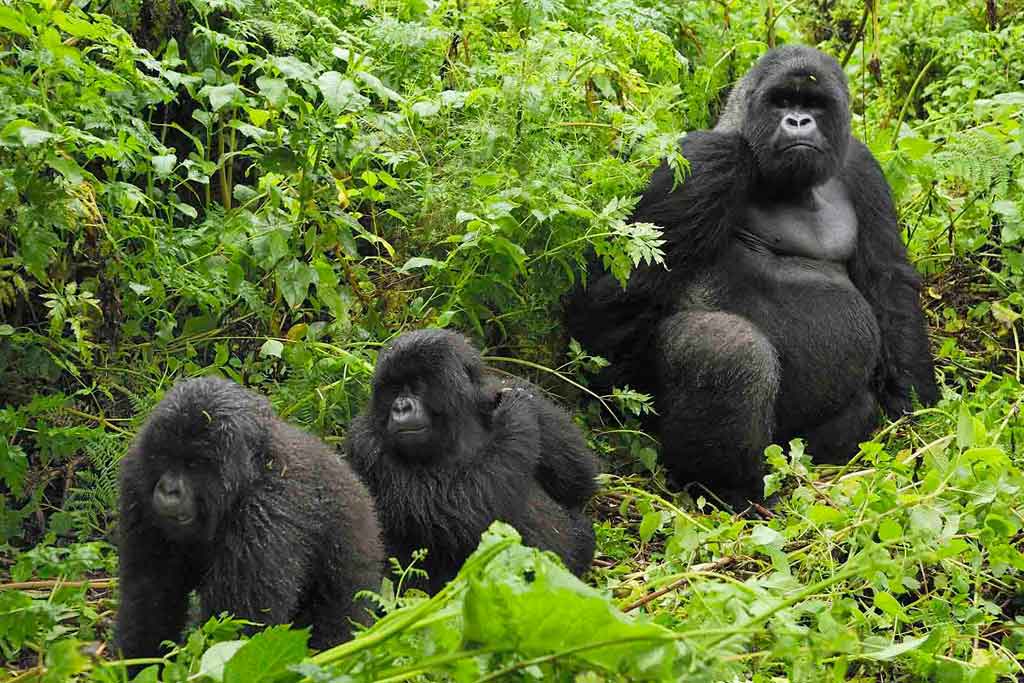
Future of Gorilla Conservation
The future of mountain gorilla conservation hinges on balancing population growth with habitat expansion and community prosperity. With numbers now exceeding 1,063, new challenges emerge—inter-group aggression and space constraints—but so do opportunities.
Expanded buffers, climate-resilient corridors, and advanced monitoring (GPS collars, AI camera traps) will mitigate conflict. Continued revenue sharing and alternative livelihoods will ensure communities view gorillas as partners, not competitors.
By 2030, experts project the population could reach 1,200–1,500 if current momentum holds. Responsible tourism will remain the financial engine, funding these advances while delivering once-in-a-lifetime experiences.
Frequently Asked Questions
What is human-gorilla conflict?
Human-gorilla conflict occurs when mountain gorillas raid crops or enter farmland, causing economic losses and occasional injuries. It arises mainly around Bwindi and Virunga parks due to habitat overlap.
Where is human-gorilla conflict most common?
Conflict concentrates in Bwindi Impenetrable National Park (Uganda), Volcanoes National Park (Rwanda), and Virunga National Park (DRC), where dense human populations border gorilla habitat.
Do gorillas attack humans during conflict?
Rarely. Most incidents involve crop raiding rather than aggression. Habituated gorillas are accustomed to humans; unhabituated groups avoid contact unless cornered.
How much crop damage do gorillas cause?
In high-conflict zones, farmers lose 20–40% of certain crops annually. A single group can destroy a household plot overnight, impacting food security in subsistence communities.
What solutions stop gorillas from raiding crops?
Effective tools include HuGo ranger teams, chili fences, trenches, beehive enterprises, and buffer zone planting. Revenue sharing further reduces motivation for retaliation.
Does gorilla tourism increase or decrease conflict?
Responsible tourism decreases conflict. Permit revenue funds community projects and jobs, raising tolerance while strict rules limit disease risk.
Are mountain gorillas still endangered despite population growth?
Yes. With only 1,063 individuals, they remain Endangered. Habitat loss and disease keep them vulnerable even as numbers rise.
How can tourists help reduce human-gorilla conflict?
Book with ethical operators like GoSilverback Safaris. Your permit directly funds HuGo teams, buffer zones, and community benefits that resolve conflict.
What organizations lead human-gorilla conflict resolution?
The International Gorilla Conservation Programme (IGCP) and national authorities (UWA, RDB) run the HuGo program and buffer initiatives across the three countries.
Can climate change worsen human-gorilla conflict?
Yes. Altered rainfall shifts gorilla food sources, pushing them onto farms more frequently. Conservation must now include climate-smart buffers.
Is it safe to trek gorillas amid conflict areas?
Extremely safe. Professional guides, rangers, and health protocols ensure visitor safety while supporting conflict mitigation on the ground.
How do I choose an operator that supports conflict solutions?
Select operators contributing to IGCP, HuGo, or community projects. GoSilverback Safaris partners directly with these initiatives for measurable impact.
Conclusion
Human–gorilla conflict represents neither an insurmountable crisis nor a distant academic issue—it is the frontline of mountain gorilla conservation where local lives and global heritage intersect daily. From crop losses in Bwindi to snare rescues in Virunga, the challenges are real, yet the solutions are proven and scalable.
The extraordinary recovery of mountain gorillas from 250 to over 1,063 individuals demonstrates what focused, community-inclusive conservation can achieve. Responsible tourism stands as the most powerful lever, converting potential conflict into shared prosperity.
Your journey to meet mountain gorillas can actively heal this tension. Every permit purchased through GoSilverback Safaris funds HuGo teams, park expansion, and community livelihoods that turn former adversaries into stewards.
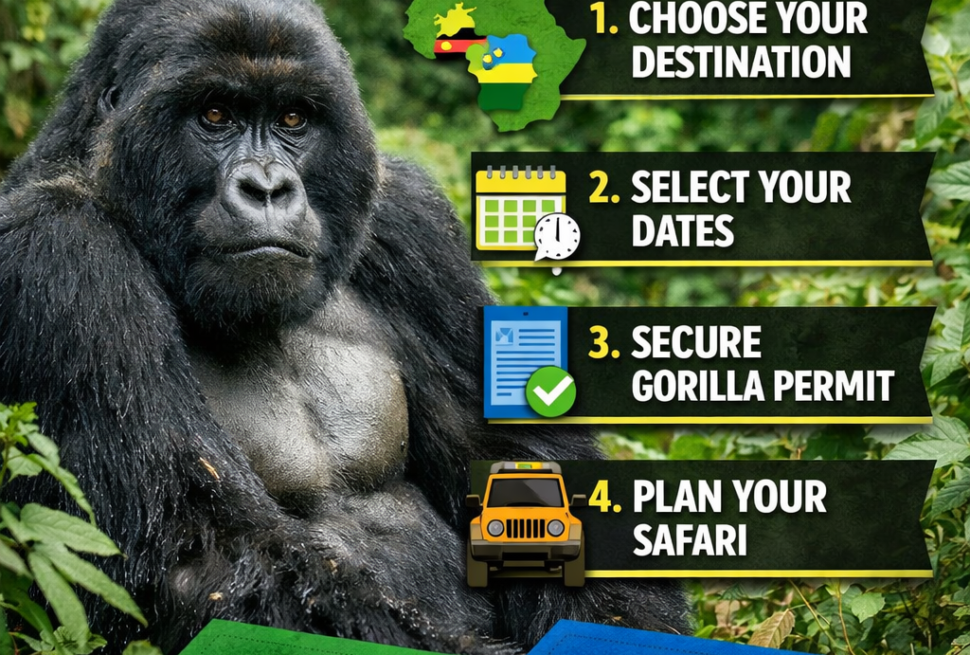
The Mountains of the Moon and the mist-shrouded slopes of Bwindi await. Secure your gorilla permit today and join us in ensuring the next chapter of human-gorilla coexistence is one of harmony, not conflict.
Contact GoSilverback Safaris now to book your private gorilla trekking safari. Limited permits sell out months in advance—let our experts craft your once-in-a-lifetime experience while directly supporting the future of these magnificent apes and the communities who live beside them. The gorillas are waiting. Will you answer their call?.