
Gorilla Emotional Intelligence: The Hidden Social Lives of Great Apes Ultimate Guide
Gorilla emotional intelligence is one of the most fascinating and powerful reasons travelers journey to East and Central Africa for gorilla trekking.
When you sit quietly in the rainforest and lock eyes with a silverback, you quickly realize you are not observing a simple wild animal. You are witnessing a complex social being capable of empathy, protection, grief, joy, and leadership.
Understanding Gorilla Emotional Intelligence transforms a safari from wildlife viewing into a deeply human experience. It also strengthens the case for conservation, responsible tourism, and ethical travel.
The moment you lock eyes with a mountain gorilla in the mist-shrouded forests of Uganda, the realization hits you with the weight of a physical blow: you are not looking at a wild animal; you are looking at an individual.
For decades, primatologists and seasoned trackers have witnessed behaviors that defy the outdated “ferocious beast” narrative. Mountain gorillas (Gorilla beringei beringei) possess a complex, deeply nuanced system of emotional intelligence that dictates their survival, their social hierarchy, and their capacity for empathy.
As a safari operator deeply embedded in the conservation of these gentle giants, I have seen the transformation in our guests when they witness this firsthand.
This article explores the science behind gorilla emotional intelligence and why understanding it is critical for both the serious traveler and the global conservation effort.
What Is Gorilla Emotional Intelligence?
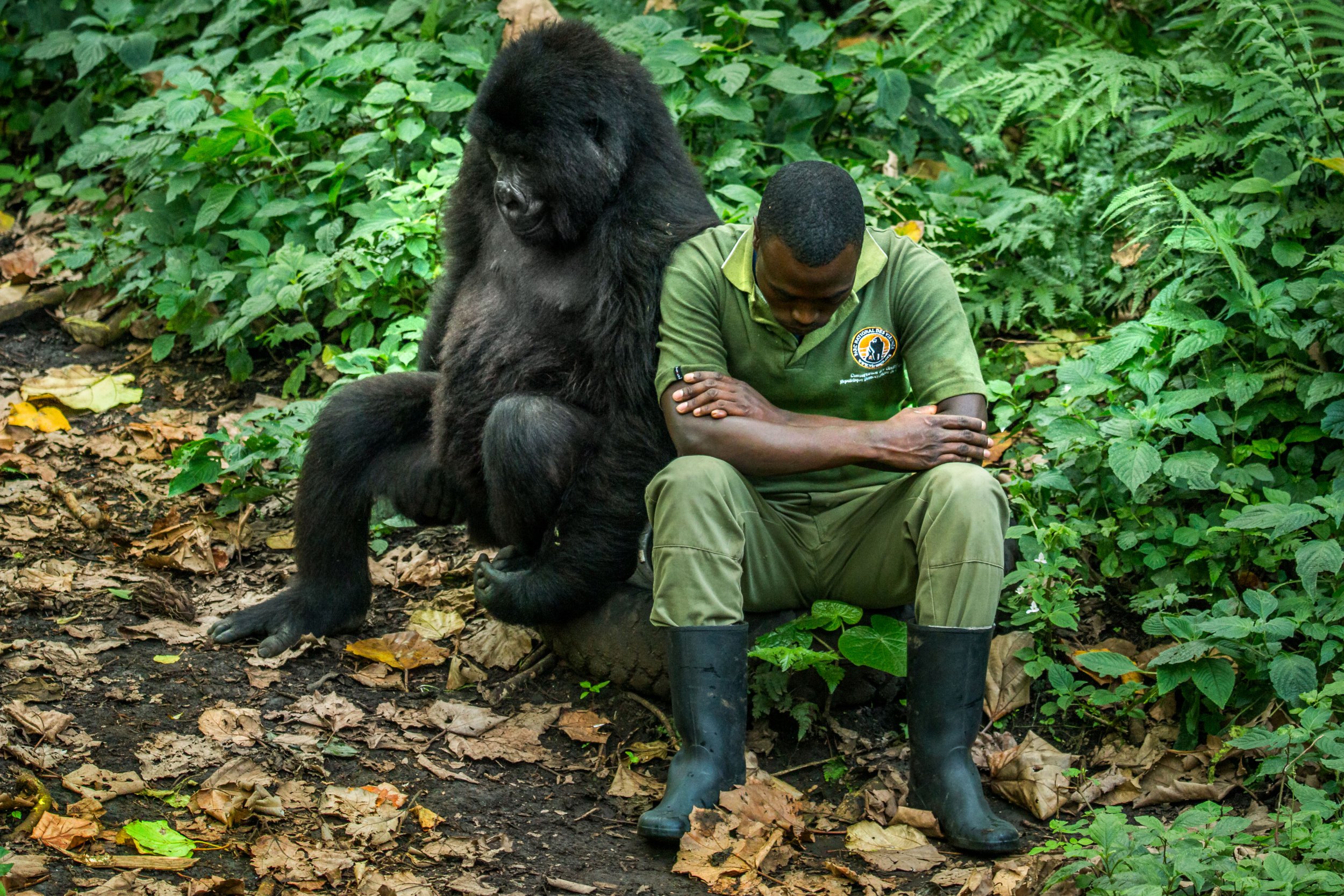
At its core, gorilla emotional intelligence is the capacity to perceive, control, and evaluate emotions—both their own and those of their group members—to maintain social stability. While we often measure intelligence in tool-use or problem-solving, emotional intelligence is the “social glue” of the troop.
It is the ability of a silverback to de-escalate a conflict before it turns violent, or a mother’s capacity to read her infant’s distress call amid the cacophony of a bustling family group. It is, in essence, the sophisticated management of social relationships.
Scientific Evidence That Gorillas Have Emotions
The scientific community has moved far beyond the “anthropomorphism” accusations of the early 20th century. Modern neurobiology and behavioral studies confirm that gorillas possess the necessary hardware for complex emotional states.
The Neurobiological Basis
Gorillas share approximately 98% of their DNA with humans. This genetic proximity extends to the brain, specifically the limbic system—the region responsible for processing emotions such as fear, joy, and attachment.
Research indicates that gorillas have high levels of oxytocin, the “bonding hormone,” which plays a vital role in nurturing, social cohesion, and the formation of deep familial bonds.
Observational Data
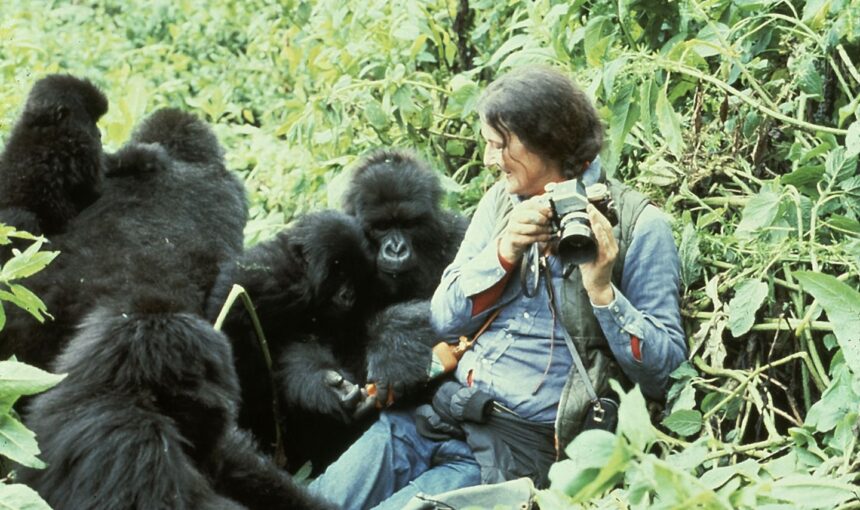
Field studies, including those pioneered by the late Dian Fossey, have documented behaviors that can only be described as emotionally driven:
-
Grief: Observations of groups remaining near the bodies of deceased members, exhibiting signs of lethargy and social withdrawal.
-
Altruism: Younger gorillas often assisting infants during play or helping them navigate difficult terrain, suggesting a capacity for “other-regarding” behavior.
-
Joy/Play: The distinct, infectious vocalizations of gorillas during play are remarkably similar to human laughter.
Emotional Expressions in Gorilla Society
In the wild, emotion is a survival mechanism. To live in a troop, a gorilla must navigate an intricate social landscape.
Empathy and Reconciliation
Reconciliation is a hallmark of high emotional intelligence. After a squabble over food or grooming access, gorillas rarely hold a grudge.
They utilize reconciliatory gestures—touching, embracing, or mutual grooming—to restore peace. This prevents the fracture of the group, which is crucial for collective defense against threats.
The Spectrum of Fear and Calm
A gorilla’s emotional state is instantly readable to the trained eye. A relaxed gorilla will have a loose, hanging lip and calm eyes. A fearful or stressed gorilla will show the whites of its eyes or emit a distinct, sharp alarm bark.
This ability to broadcast emotional states allows the troop to move as one, responding to danger or opportunities with fluid, synchronized movement.
Silverback Emotional Intelligence & Leadership
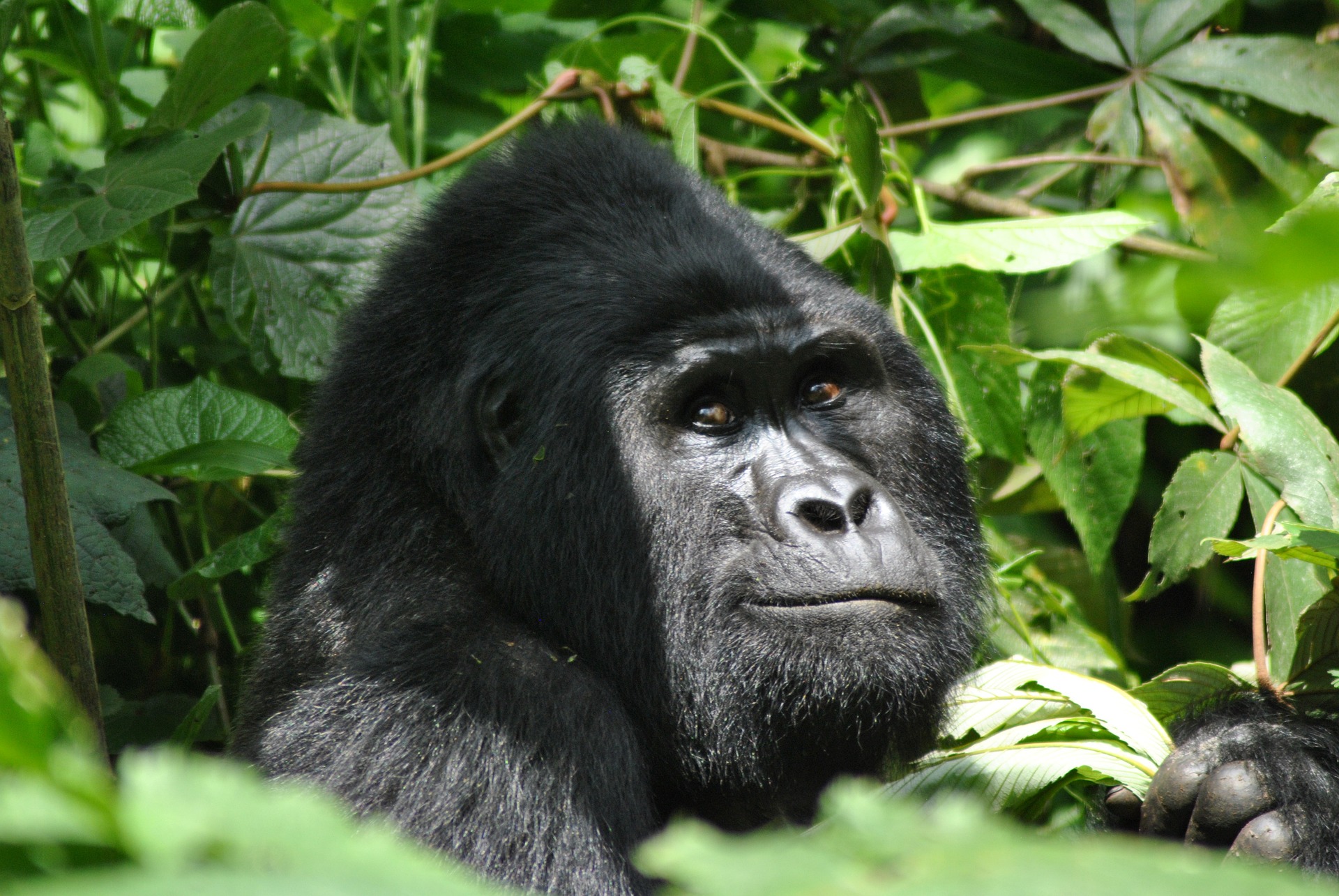
The silverback is not merely a “dictator” who rules by strength. The most successful silverbacks rule through emotional management.
A silverback’s leadership is defined by his ability to maintain group harmony. He must mediate disputes between females, protect the infants, and gauge the “mood” of the troop before making a move.
-
The Conflict Mediator: When two females get into a dispute, a dominant silverback will often intervene—not necessarily by attacking, but by interposing his body or emitting a low-frequency rumble to settle the conflict.
-
Strategic Calm: A high-EQ silverback knows that displays of power (chest-beating, charging) are costly in terms of energy. He uses these displays sparingly, preferring to lead through steady, confident movements.
-
Protective Instincts: A silverback’s capacity for sacrifice—often positioning himself between his family and potential danger—is driven by a profound emotional attachment to his group.
Check this guide to learn more about why silverbacks lead gorilla families.
Mother–Infant Emotional Bonds
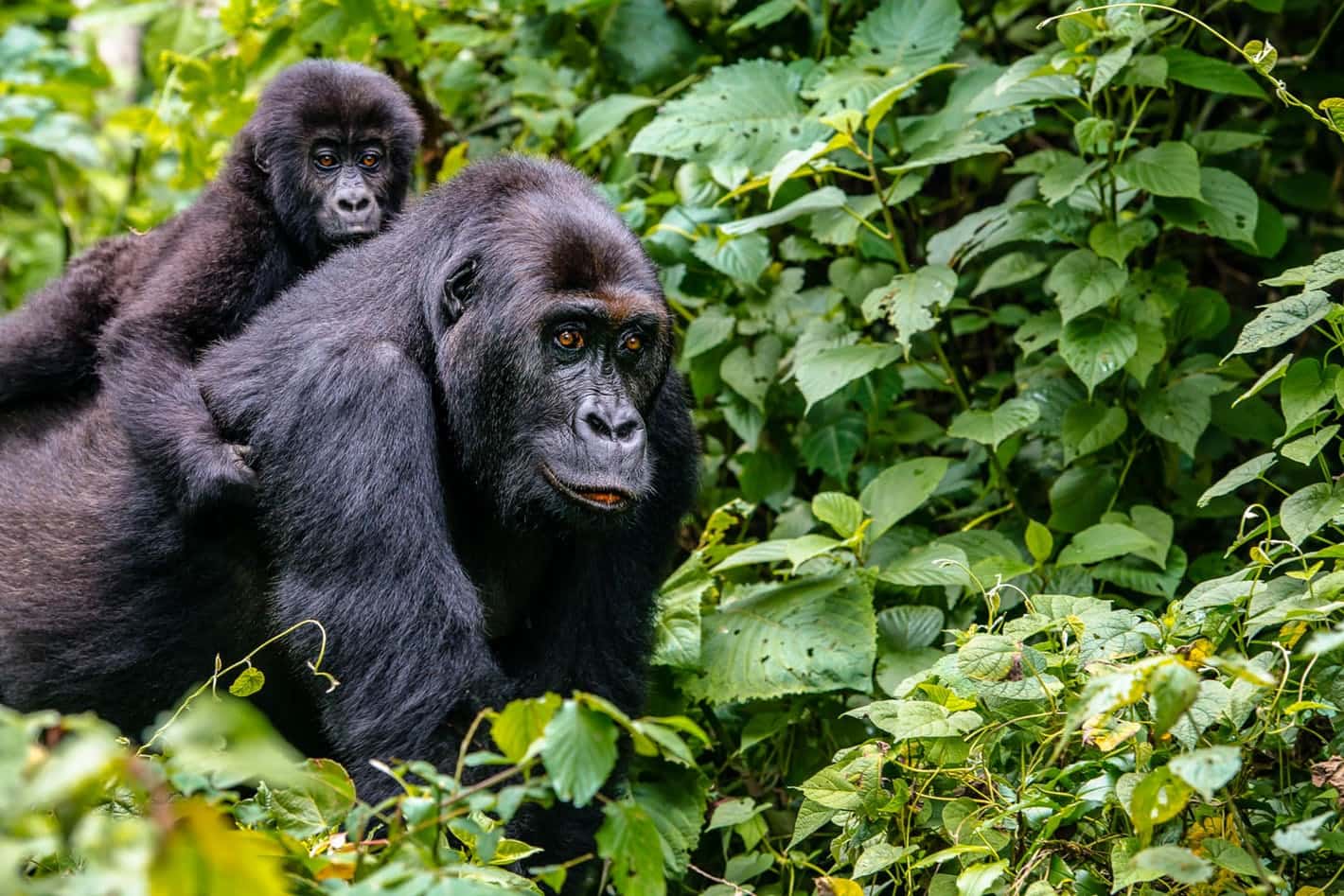
The bond between a mother and her infant is the most intense emotional connection in gorilla society. It is the training ground for all future social interactions.
Mountain gorilla mothers are remarkably attentive. An infant is rarely more than a few meters from its mother during the first year of life.
-
Teaching Social Skills: Through consistent physical contact and constant vigilance, the mother teaches the infant the “rules” of the troop.
-
Responsiveness: When an infant cries or whines, the mother reacts immediately, often providing comfort in the form of a cuddle or a specific, gentle vocalization.
-
Long-Term Investment: This emotional investment continues for years, with mothers often showing signs of distress when an offspring finally becomes independent.
Gorilla Communication & Emotional Signals
Gorillas possess an expansive, though subtle, “vocabulary” of emotional signals. Their communication is a blend of vocalizations, gestures, and facial expressions.
| Signal Type | Example | Emotional Meaning |
| Vocal | “Grunt” | Maintaining contact/all is well. |
| Vocal | “Scream” | High distress, fear, or pain. |
| Physical | “Lip Smack” | Invitation to play or socialize. |
| Physical | “Stiff Stare” | Warning, low-level aggression. |
| Physical | “Chest Beat” | Display of confidence, excitement, or warning. |
By mastering these signals, a gorilla avoids the physical cost of conflict, relying on emotional communication to navigate their social world.
Check this guide to learn more about Gorilla Communication Sounds and their meaning.
Human Parallels – Why Gorilla Emotions Fascinate Us
Why do we travel halfway across the world to sit in the rain for hours, just to glimpse a creature that looks so much like us?
It is the recognition.
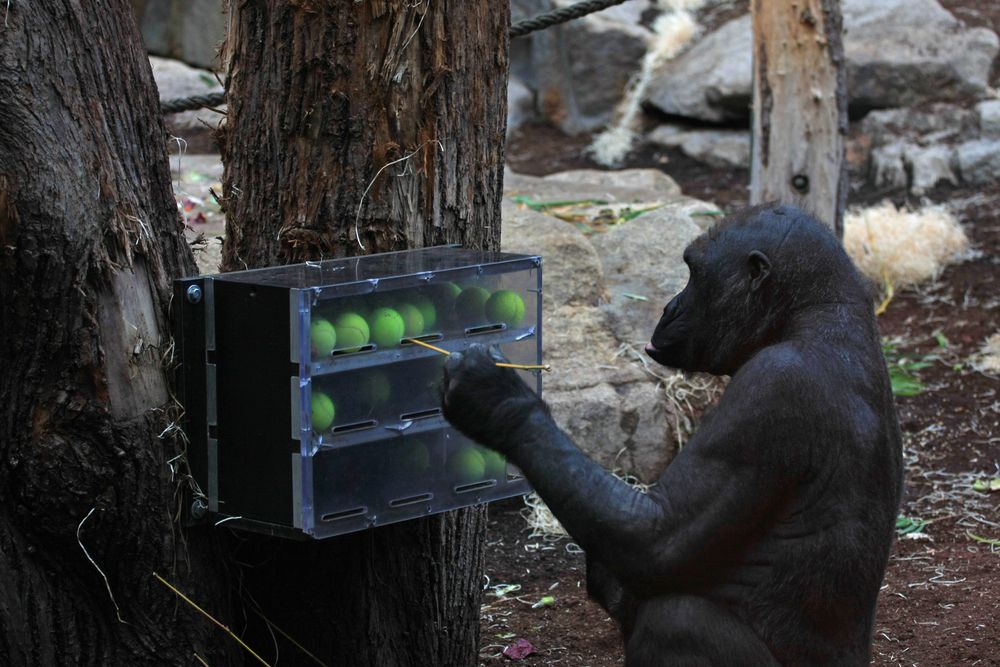
When you watch a gorilla cradle its infant, or see a silverback looking pensively into the distance, you aren’t just seeing an animal. You are seeing a reflection of the human experience.
We see our own family dynamics, our own protective instincts, and our own capacity for joy and grief mirrored in their behavior. This biophilia—our innate tendency to seek connections with nature—is heightened when we encounter animals that demonstrate “human-like” emotional depth.
How Emotional Intelligence Strengthens Gorilla Family Hierarchy
Hierarchy in a gorilla troop is dynamic, not static. It is maintained not just by size, but by social currency.
Gorillas earn their place in the hierarchy through grooming, coalition-building, and emotional stability.
A female who is socially well-integrated (has high “friendships” within the group) is less likely to be displaced during group movements and more likely to receive support from the silverback during times of stress.
Emotional intelligence, therefore, is the primary predictor of a gorilla’s social status and, ultimately, its reproductive success.
Check this guide to learn about Gorilla family hierarchy explained.
Conservation & The Emotional Argument for Protection
The “Save the Gorillas” narrative has historically focused on the numbers: How many are left? How much territory is being lost? However, the emotional argument is far more persuasive for the average traveler.
When we frame gorillas as sentient beings with rich inner lives, conservation becomes personal. We are not protecting a biological resource; we are protecting a unique society of individuals.
This emotional connection is the bedrock of ecotourism. When tourists fall in love with the personalities of the gorillas, they become lifelong ambassadors for conservation.
What Tourists Observe During Gorilla Trekking
When you join a trek with GoSilverback Safaris, you are entering their world on their terms.
Here is what you should look for:
-
The Gentle Gaze: Look for the subtle eye movements. Gorillas are highly observant and will often scan a group of tourists with curiosity.
-
The “Play” Face: Often confused for a grimace, this is a relaxed mouth shape indicating they are at ease with your presence.
-
The Social Hierarchy in Motion: Watch how the group moves. The silverback doesn’t just walk; he checks on his family. The females don’t just forage; they coordinate to ensure the infants are safe.
-
The Complexity of Silence: Much of gorilla communication is silent. A glance between a mother and her offspring can say more than a human speech.
Myths About Gorilla Emotions
-
Myth: Gorillas are inherently aggressive.
-
Reality: Gorillas are gentle, shy, and family-oriented. Aggression is almost always a last resort, usually triggered by genuine threats to the family unit.
-
-
Myth: Gorillas are “too primitive” to feel complex emotions.
-
Reality: Their emotional range is remarkably similar to that of human toddlers and children. They feel joy, jealousy, grief, and immense love.
-
-
Myth: Gorillas don’t care about their offspring after infancy.
-
Reality: Bonds between parents and offspring, and even siblings, can last for decades, often influencing the group’s social structure for years.
-
Are gorillas emotionally intelligent?
Yes, gorillas are highly emotionally intelligent. Scientific studies show they recognize, express, and respond to emotions within their social groups.
They display empathy, grief, joy, playfulness, and conflict resolution. Mothers nurture and protect infants with patience, silverbacks mediate disputes and lead peacefully, and group members console each other during distress.
Emotional intelligence allows gorillas to maintain stable family hierarchies, reduce internal conflict, and ensure offspring survival. Observations in habitats like Bwindi Impenetrable National Park and Volcanoes National Park confirm that gorilla social and emotional skills are vital for troop cohesion and survival.
Which animal has the highest emotional intelligence?
While emotional intelligence varies, great apes — particularly chimpanzees, bonobos, and gorillas — are considered the most emotionally intelligent animals. They demonstrate empathy, problem-solving, grief, cooperation, and complex social bonding.
Dolphins and elephants also show advanced emotional cognition, including consolation and mourning. Among apes, chimpanzees excel in social manipulation and empathy, while gorillas display strong family-centered intelligence. Emotional intelligence allows animals to maintain social hierarchies, reduce conflict, and enhance group survival.
Observing these species in the wild reveals behaviors that parallel human emotional responses, providing key insights into the evolution of empathy and social awareness in mammals.
What makes gorillas intelligent?
Gorillas are intelligent due to their large neocortex, advanced memory, problem-solving skills, and social learning abilities. Their intelligence manifests in complex behaviors: tool use, cooperative play, strategic leadership, and communication via over 25 vocalizations and body language.
Emotional intelligence complements cognitive skills, allowing silverbacks to mediate conflicts, females to nurture and protect infants, and juveniles to learn social rules through observation and play. This combination of cognitive and emotional intelligence ensures survival, stable family hierarchies, and reproductive success.
Their capacity to adapt to environmental changes, recognize individuals, and display empathy sets gorillas apart as one of the smartest non-human species on Earth.
What is the most emotionally intelligent ape?
The most emotionally intelligent ape is debated, but gorillas and chimpanzees are at the forefront. Gorillas excel in empathy, parental care, grief responses, and conflict resolution, often using emotional cues to maintain troop stability.
Chimpanzees show advanced social manipulation, cooperation, and problem-solving, reflecting high emotional awareness. Bonobos also exhibit remarkable empathy and conflict mitigation.
Emotional intelligence in these apes involves recognizing emotions in others, responding appropriately, and maintaining complex social bonds.
Observations in the wild, especially during gorilla trekking in Bwindi Impenetrable National Park and Volcanoes National Park, confirm these species demonstrate emotional sophistication rivaling humans in non-verbal communication and social complexity.
FAQs About Gorilla Emotional Intelligence
Are mountain gorillas capable of feeling love?
While science avoids labeling animal behavior with human-centric terms like “love,” the intense, life-long bonds between mothers and infants, and the sacrificial behavior of the silverback, fulfill all the functional criteria for deep, affectionate attachment.
How do tourists affect the emotional state of a gorilla?
The strict “Seven-Meter Rule” is designed specifically to protect their emotional and physical well-being. By keeping our distance and remaining calm, we show the gorillas that we are not a threat, allowing them to carry on with their social lives undisturbed.
Do gorillas experience jealousy?
Yes. Observations of group dynamics show that females often exhibit signs of agitation when a silverback pays more attention to a new, younger female or when an infant receives an inordinate amount of attention, suggesting a complex social awareness.
Experience the Emotion for Yourself
Reading about gorilla emotional intelligence is one thing; feeling the electric energy of a mountain gorilla troop while sitting silently in the Bwindi Impenetrable Forest is a transformative, life-altering experience.
It is a reminder that we share this planet with other thinking, feeling beings who deserve our respect, our protection, and our wonder. Are you ready to lock eyes with a silverback and witness the complexity of their world for yourself? Don’t leave your experience to chance.
Book your gorilla permit and expert-led trekking adventure through GoSilverback Safaris today. Let us take you to the heart of the forest, where every encounter creates a memory that lasts a lifetime.