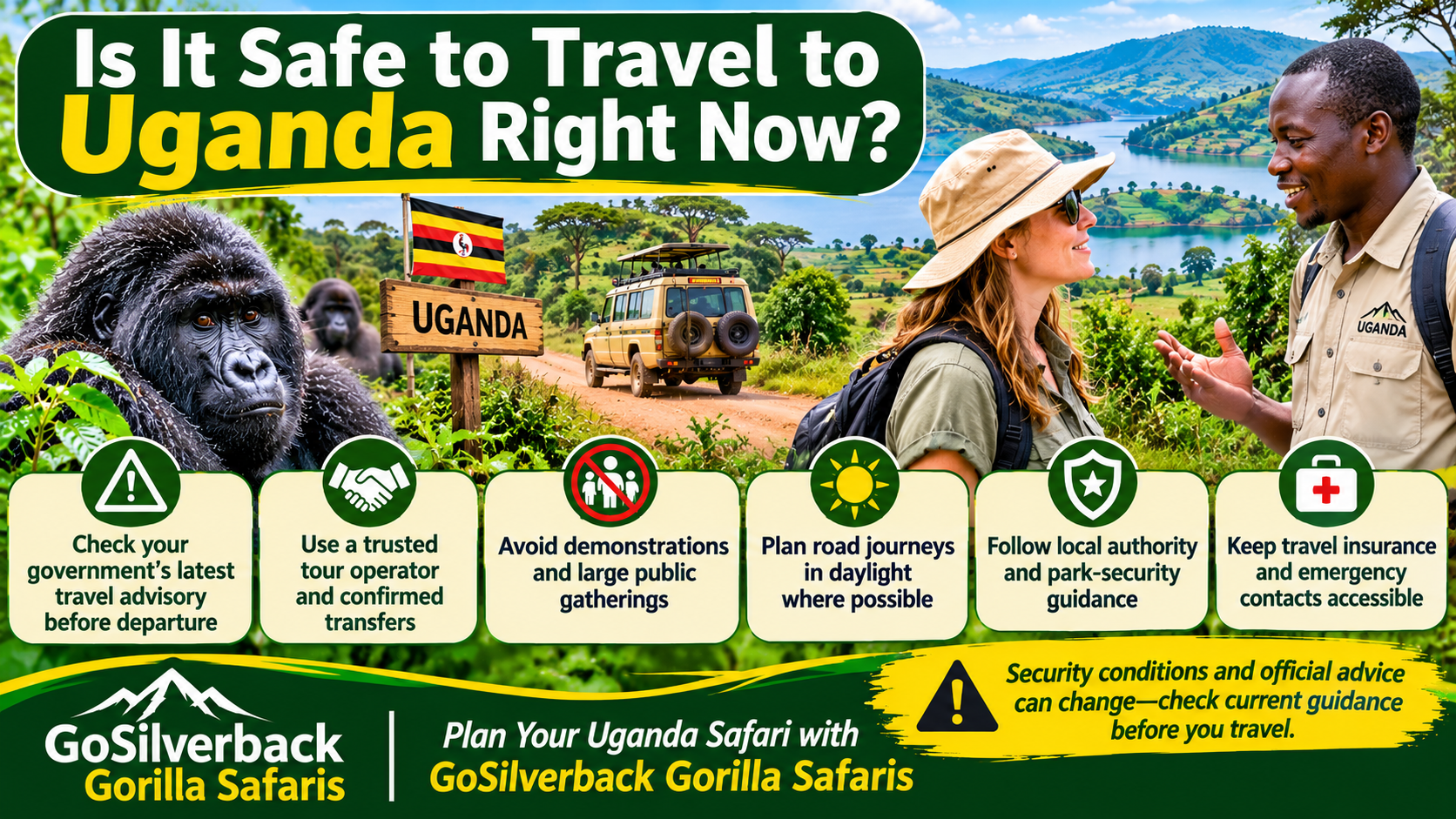
Is It Safe to Travel to Uganda Right Now? Latest Travel Advice and Guide 2026
Is It Safe to Travel to Uganda Right Now? Uganda remains a destination with significant travel risks that visitors should assess before departure.
As of November 2026, Australia advises a high degree of caution, the UK highlights security and health concerns, while Canada advises avoiding non-essential travel.
Key risks include terrorism, violent crime, civil unrest, regional insecurity near the DRC and South Sudan borders, and Ebola-related travel measures.
Tourists should check their government’s latest Uganda travel advisory, follow health guidance, arrange reliable transport and obtain comprehensive travel insurance. Before booking a Uganda safari or gorilla trekking tour, verify current destination conditions.
Uganda can be an extraordinary destination for gorilla trekking, wildlife safaris and cultural travel, but it is not risk-free.
As of 16 November 2026, official advice differs sharply: the United States advises Americans not to travel, Canada advises against non-essential travel, Australia advises travellers to exercise a high degree of caution, and the UK’s FCDO advises travellers to review its current safety, regional-risk and health guidance before travelling.
This guide explains the main safety risks in Uganda, including terrorism, crime, civil unrest, border areas, health alerts, road travel and safari logistics.
It also covers Kampala, Entebbe, Bwindi Impenetrable National Park, Mgahinga, Queen Elizabeth National Park, Murchison Falls and Kibale, so you can assess whether a Uganda safari is appropriate for your own circumstances.
Latest review: 16 November 2026. Travel conditions can change quickly; recheck your government’s Uganda travel advisory immediately before departure and before confirming any safari deposit, gorilla permit or international flight.
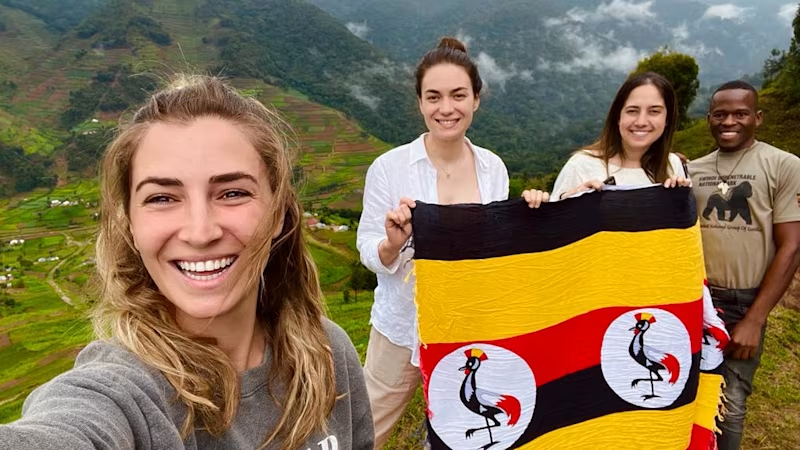
Is Uganda Safe to Visit in 2026?
Uganda is safe to visit only after you understand the current risks and decide that they are acceptable for you.
The country offers world-class experiences—including mountain gorilla trekking in Bwindi and Mgahinga, chimpanzee tracking in Kibale, and game viewing in Queen Elizabeth and Murchison Falls—but security, health and regional conditions vary significantly by location.
A key distinction is between general country-level risk and specific regional warnings. For example, Australia advises a high degree of caution across Uganda because of terrorism, violent crime and civil unrest, while applying higher caution to border areas near South Sudan and the Democratic Republic of Congo (DRC).
The US advisory identifies crime, health, terrorism and unrest as its principal risk indicators.
| Country | Current official advice as checked 16 November 2026 | Official source |
|---|---|---|
| United States | Level 4 – Do Not Travel, due to crime, health, terrorism and unrest. | US Department of State |
| United Kingdom | Consult the FCDO’s current Uganda advice; the FCDO says no travel can be guaranteed safe and recommends appropriate insurance covering the itinerary and planned activities. | FCDO Uganda travel advice |
| Canada | Avoid non-essential travel, citing the regional impact of the Ebola outbreak as well as terrorism and high crime rates. | Government of Canada |
| Australia | Exercise a high degree of caution, due to terrorism, violent crime and civil unrest; higher levels apply near the South Sudan and DRC borders. | Smartraveller |
These advisories are government risk assessments, not predictions of what every individual traveller will experience.
They also reflect different national risk thresholds, consular capacity, health policies and political contexts—so a traveller from the UK, Europe, Canada, the United States, Asia, Latin America, China, Oceania or the Middle East should always follow the advice issued by their own government.
Before booking, check:
-
Your government’s current Uganda advisory.
-
The specific regions on your itinerary, especially western Uganda and border areas.
-
Current health alerts, entry rules and vaccination requirements.
-
Your safari operator’s cancellation, postponement and refund terms.
-
Whether your travel insurance covers medical care, evacuation, trip interruption and safari activities.
Considering a Uganda gorilla trekking safari? Before choosing dates, askGoSilverback Gorilla Safaristo explain the current conditions for your preferred destinations, official trekking arrangements and itinerary options.
What Are the Main Safety Risks for Tourists in Uganda?
The principal risks for foreign visitors are terrorism, violent and petty crime, political demonstrations, road safety and health exposure.
None of these risks is evenly distributed across the country, which is why destination-specific planning matters.
1. Terrorism and security threats
Official advisories warn that terrorist violence remains a risk in Uganda. The US State Department says terrorist groups have targeted locations including religious institutions, schools, government buildings, police stations, transport centres and tourist attractions, particularly in major cities such as Kampala.
Practical precautions include:
-
Avoid large public gatherings, crowded transport hubs and high-profile events when security advice suggests caution.
-
Follow instructions from police, hotel staff, park rangers and local guides.
-
Keep aware of exits, emergency contacts and local news.
-
Do not linger near security incidents, protests or cordons.
2. Petty theft and violent crime
Crime is a real concern, especially in larger cities and certain border and regional areas. The US advisory specifically highlights armed robbery, home invasion and sexual assault, noting that crime can occur at any time and is more common in larger cities, the Karamoja region and along Uganda’s western and northern borders.
Reduce exposure by:
-
Using hotel-arranged or reputable private transfers rather than accepting unsolicited transport offers.
-
Keeping phones, cameras, cash and passports out of sight.
-
Avoiding isolated streets, beaches and poorly lit areas after dark.
-
Using hotel safes and carrying only what you need for the day.
-
Being cautious with ATMs, especially at night or in isolated locations.
3. Political demonstrations and civil unrest
Protests, strikes and demonstrations can occur with little warning, particularly around political and economic issues. The US advisory warns that security services may respond forcefully when gatherings become chaotic.
Avoid demonstrations, political rallies and large crowds. If unrest begins nearby, return to your accommodation, follow local authorities’ instructions and monitor updates from your embassy, hotel and tour operator.
4. Border security and regional instability
Risk is not identical across Uganda. Areas close to the DRC and South Sudan borders require particular attention because of regional insecurity and cross-border criminal activity.
Australia explicitly applies a higher level of caution to these border areas. The US advisory also notes armed-group activity in eastern DRC along Uganda’s western border.
For safari travellers, this means checking the specific park, gate, lodge and driving route—not simply assuming that all of western Uganda has the same conditions.
Is Kampala Safe for Foreign Tourists?
Kampala can be visited safely with strong urban precautions, but it is not a low-risk city. As Uganda’s capital and main arrival hub, it has busy traffic, nightlife, markets, business districts and occasional political activity.
The US advisory specifically identifies Kampala among locations where terrorist attacks may be a concern.
For a safer arrival and stay:
-
Arrange a reliable airport transfer before arrival rather than negotiating with unverified drivers.
-
Stay in established accommodation with credible security arrangements.
-
Avoid walking alone after dark, particularly in unfamiliar or isolated areas.
-
Use reputable taxis or ride-hailing services arranged through your hotel or operator.
-
Keep valuables concealed; avoid displaying expensive phones, jewellery or large amounts of cash.
-
Use ATMs inside banks, malls or hotels during daylight.
-
Do not accept drinks, transport or invitations from strangers without clear caution.
Planning a Kampala arrival before a gorilla trek? Ask GoSilverback Gorilla Safaris to arrange vetted airport transfers, accommodation and a realistic itinerary.
Is Entebbe Safe for Tourists?
Entebbe is generally the practical arrival point for international visitors, because Entebbe International Airport serves Kampala and much of Uganda’s safari network. However, airport transfers, late-night arrivals and road journeys still require planning.
Pre-arranged transport can make arrival logistics easier, but it does not guarantee safety. Confirm the driver’s name, vehicle details and meeting point before departure; avoid sharing personal itinerary details publicly; and keep luggage secure.
When travelling between Entebbe and Kampala, allow extra time for traffic, use a reputable driver, and avoid unnecessary night travel.
If your safari begins the following morning, an overnight stay near Entebbe or Kampala is often more sensible than attempting a long same-day transfer.
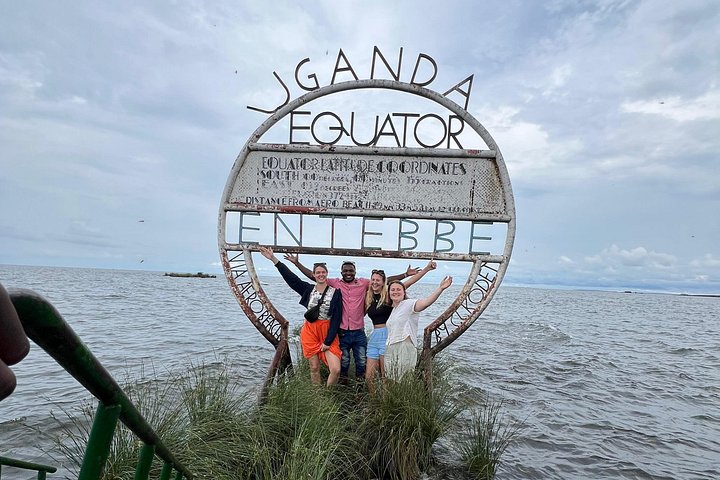
Is It Safe to Visit Uganda’s National Parks?
Uganda’s national parks can be visited safely when travellers use authorised operators, follow ranger guidance and check destination-specific advice. But no national park should be described as risk-free, particularly those near international borders or active regional security concerns.
Is Bwindi Impenetrable National Park safe?
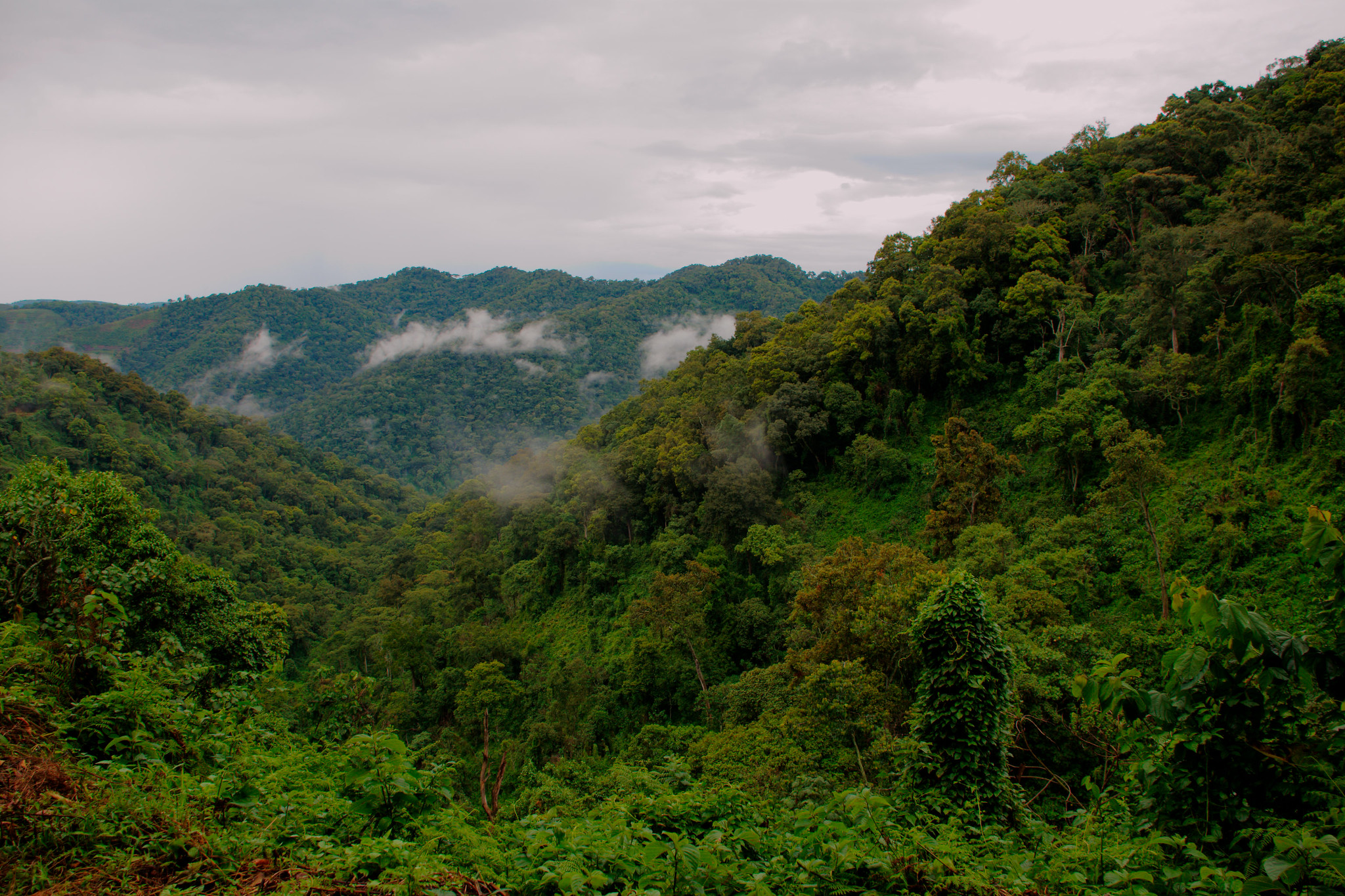
Bwindi Impenetrable National Park is Uganda’s flagship mountain-gorilla trekking destination, but it lies in southwestern Uganda near regional border areas. Before booking, review the latest advice for the specific trekking sector, trailhead, lodge and driving route.
Use only official gorilla-trekking arrangements, remain with your assigned ranger group, and never join an unauthorised excursion or cross into the DRC. Explore Bwindi Impenetrable National Park with GoSilverback.
Is Mgahinga Gorilla National Park safe?
Mgahinga Gorilla National Park also sits in Uganda’s southwest, close to the Rwanda and DRC border region. Its gorilla and golden-monkey experiences are highly valued, but travellers should confirm the latest government advice, park access arrangements and local security guidance before committing to dates.
Is Queen Elizabeth National Park safe?
Queen Elizabeth National Park is a major safari destination in western Uganda. Official advisories highlight broader security considerations in western Uganda, so visitors should assess current guidance for the exact lodge, gate and route—not rely on a general “Uganda is safe” statement.
Are Murchison Falls and Kibale National Parks safe?
Murchison Falls National Park and Kibale National Park each have different locations, access routes and activity profiles. Do not assume that every park has the same security conditions.
Before booking, check:
-
Current government advice for each destination.
-
Park-entry and activity arrangements.
-
Road conditions and driving distances.
-
Lodge security and emergency communications.
-
Whether your insurance covers the planned activities.
For safari safety, choose a local operator that can explain current destination conditions and official park arrangements. Browse Uganda safari packages.
Is Gorilla Trekking in Uganda Safe?
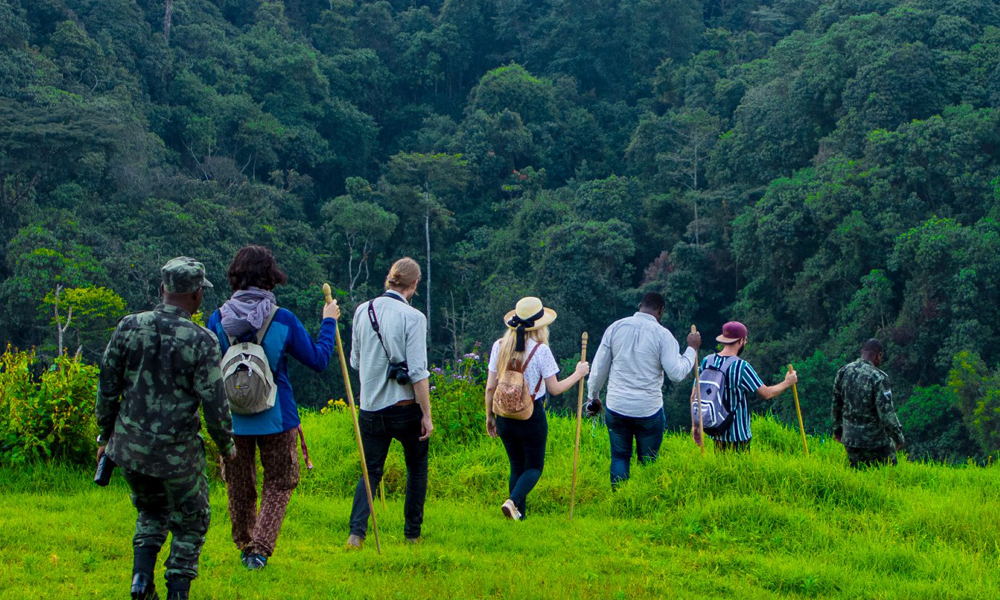
Absolutly Yes, Gorilla trekking in Uganda can be safe when it is properly organised, but it is a physically demanding wilderness activity in a forest environment.
Treks take place in Bwindi Impenetrable National Park and Mgahinga Gorilla National Park, under the oversight of the Uganda Wildlife Authority (UWA), trained rangers, trackers and licensed guides.
The UK and Australian advisories specifically discuss security considerations relevant to gorilla trekking in western Uganda.
That does not mean trekking is automatically unsafe; it means travellers should treat the activity as a managed wilderness experience with real security, health and logistical considerations.
How gorilla trekking is organised
A typical trek includes:
-
A pre-trek briefing at the park headquarters or trailhead.
-
Assignment to a small group with armed rangers and guides.
-
Tracking with trained guides and trackers.
-
A strictly limited viewing period with the habituated gorilla family.
-
Clear rules on distance, behaviour, photography and health precautions.
How to trek more safely
-
Book through an established operator and confirm that permits and park arrangements are official.
-
Follow every instruction from rangers, guides and trackers.
-
Stay with your assigned group at all times.
-
Never leave the trail, approach wildlife independently or join an unauthorised excursion.
-
Do not cross into the DRC or join tours that propose unofficial border crossings.
-
Tell your operator about medical conditions, mobility limitations and fitness concerns before booking.
-
Check the latest government advice for the specific trekking sector before paying a deposit.
Choosing a safari operator
Ask each operator:
-
Are permits purchased through official channels?
-
Which Bwindi or Mgahinga sector is included?
-
Who provides the rangers, guides and trackers?
-
What is the emergency-communication plan?
-
What happens if an itinerary must be postponed or rerouted?
-
Does the booking include appropriate insurance guidance?
Considering a Uganda gorilla trekking safari? Before choosing your dates, ask GoSilverback Gorilla Safaris to explain the current destination conditions, official trekking arrangements and available itinerary options. Explore Uganda Gorilla Trekking Tours.
Is Uganda Safe for Solo Travellers, Families and Female Travellers?
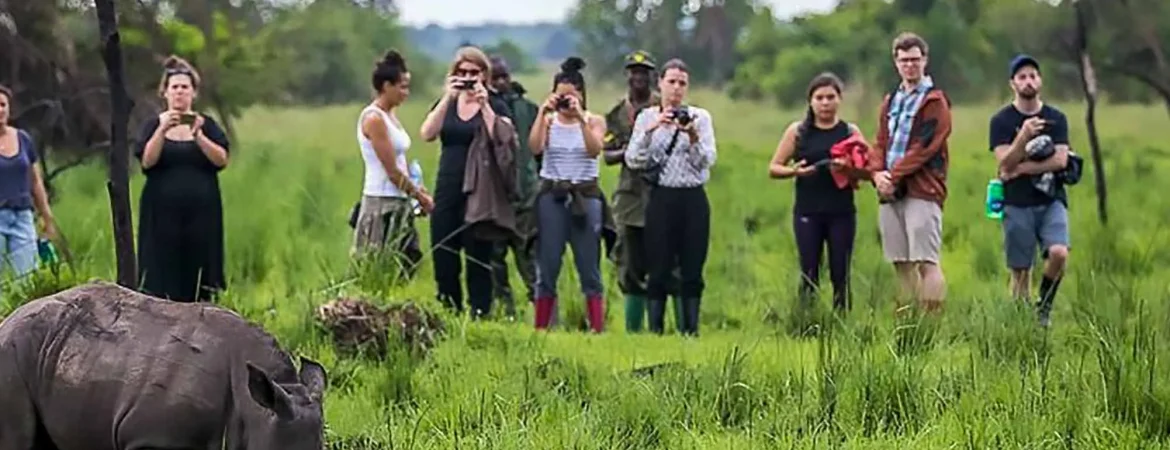
Yes, Uganda can suit solo travellers, families and female travellers, but the right preparation matters more than the traveller’s nationality. The practical priorities are vetted transport, secure accommodation, communication, health planning and avoiding isolated locations.
Is Uganda safe for solo travellers?
Yes, Solo travellers should use reputable transfers, share daily itineraries with someone at home, keep phone credit and offline maps available, and avoid remote walks or nightlife alone. Choose accommodation with positive recent reviews, reliable security and a clear emergency-contact procedure.
Is Uganda safe for female tourists?
Yes, Female travellers should apply the same core precautions, with additional attention to accommodation location, transport arrangements and local customs.
Use reputable drivers, avoid isolated areas after dark, keep valuables secure and trust your instincts if a situation feels uncomfortable.
Is Uganda safe for families with children?
Yes, Families should plan around long driving distances, medical access, malaria prevention and age restrictions for certain safari activities.
Gorilla trekking has minimum-age requirements and involves strenuous forest hiking, so confirm eligibility before booking permits.
What Health Risks Should Travellers Know About Before Visiting Uganda?
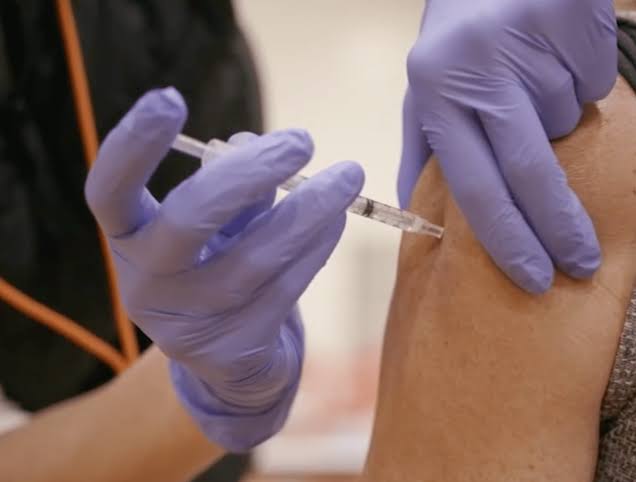
Health planning is essential for Uganda. Travellers should check current outbreak information, vaccination requirements, malaria prevention and medical-evacuation cover before departure.
Health conditions and public-health alerts can change rapidly.
1. Ebola and other infectious disease alerts
Do not assume an outbreak is over unless a competent public-health authority confirms it.
The US advisory states that Uganda temporarily closed border crossings with the DRC during the Ebola response and imposed quarantine and mass-gathering restrictions in affected areas.
Canada also describes temporary border measures for travellers who had recently been in Uganda, the DRC or South Sudan.
Before travelling:
-
Check your government’s travel-health advice.
-
Review Uganda Ministry of Health and WHO updates.
-
Confirm current airport screening, quarantine or entry requirements.
-
Follow all instructions from airlines, border officials and accommodation providers.
2. Malaria prevention
Malaria is a serious risk in much of Uganda. Seek personalised medical advice about antimalarial medication, use effective insect repellent, wear long sleeves and trousers at dawn and dusk, and sleep under a mosquito net where appropriate.
3. Yellow fever vaccination
Check yellow-fever vaccination recommendations and Uganda’s current entry requirements through official health and immigration sources. Requirements can differ depending on your nationality, previous travel history and transit route.
4. Food, drinking water and hygiene
Use safe drinking water, avoid ice or unverified beverages where hygiene is uncertain, wash hands frequently, and be selective with street food. These simple measures reduce the risk of traveller’s diarrhoea and other foodborne illness.
5. Medical facilities and emergency evacuation
Understand the medical facilities available along your itinerary, especially if you are travelling to remote parks. Arrange travel insurance that covers medical treatment, hospitalisation, repatriation and emergency medical evacuation.
For detailed pre-travel health planning, consult the UK’s TravelHealthPro Uganda guidance alongside your own government’s health advice.
Before booking a gorilla permit, confirm your vaccination, malaria and insurance arrangements. Read GoSilverback’s Uganda vaccination guidance.
Is It Safe to Drive Around Uganda?
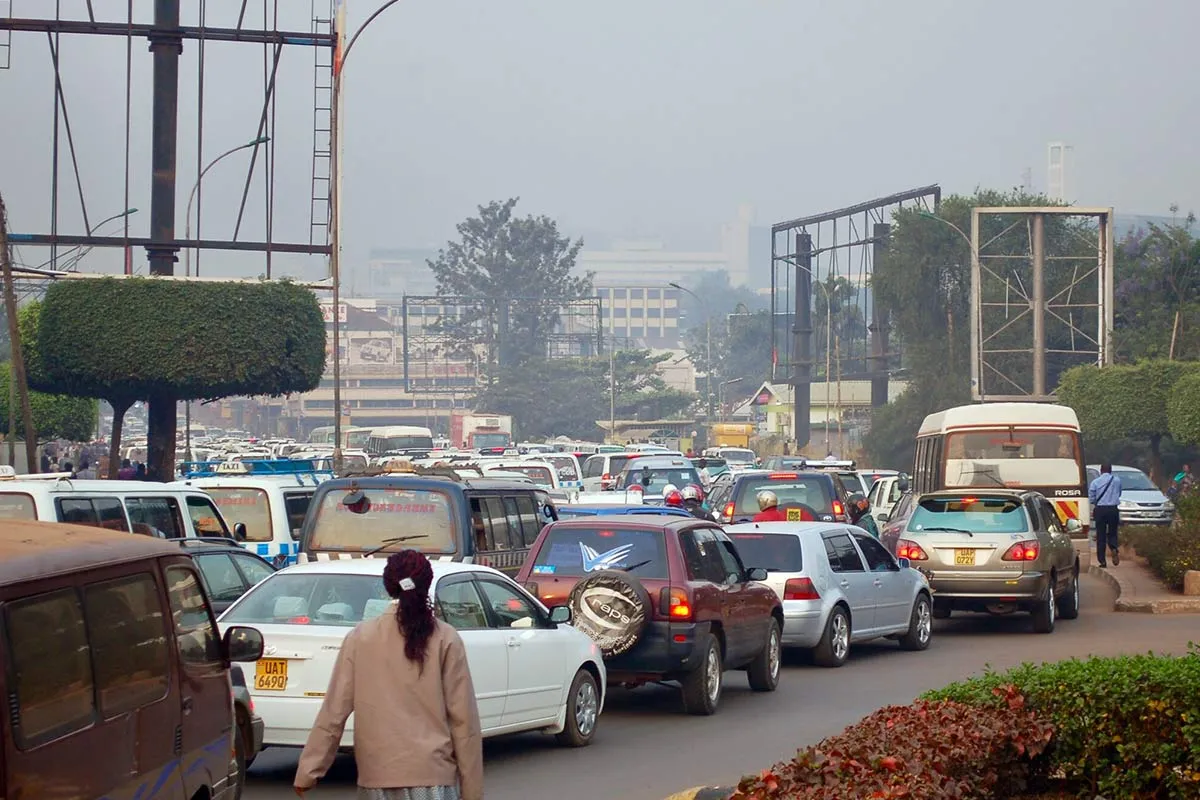
Absolutly Yes, Driving in Uganda requires caution, particularly on long-distance safari routes and after dark. Road conditions, traffic behaviour, livestock, pedestrians, poor lighting and vehicle condition can make self-driving challenging for unfamiliar visitors.
For safari journeys:
-
Use an experienced local driver and a well-maintained 4×4 vehicle.
-
Avoid unnecessary night driving.
-
Build realistic driving time into the itinerary.
-
Wear seat belts and keep doors locked in urban traffic.
-
Carry water, fuel, communications and emergency contacts.
-
Follow park rules and ranger instructions at all times.
The US advisory notes significant road-safety concerns, citing 25,808 road-crash casualties in Uganda in 2024, including 5,144 reported deaths. For most visitors, a professional driver-guide is safer and more practical than self-driving.
How Can Tourists Stay Safe While Travelling in Uganda?
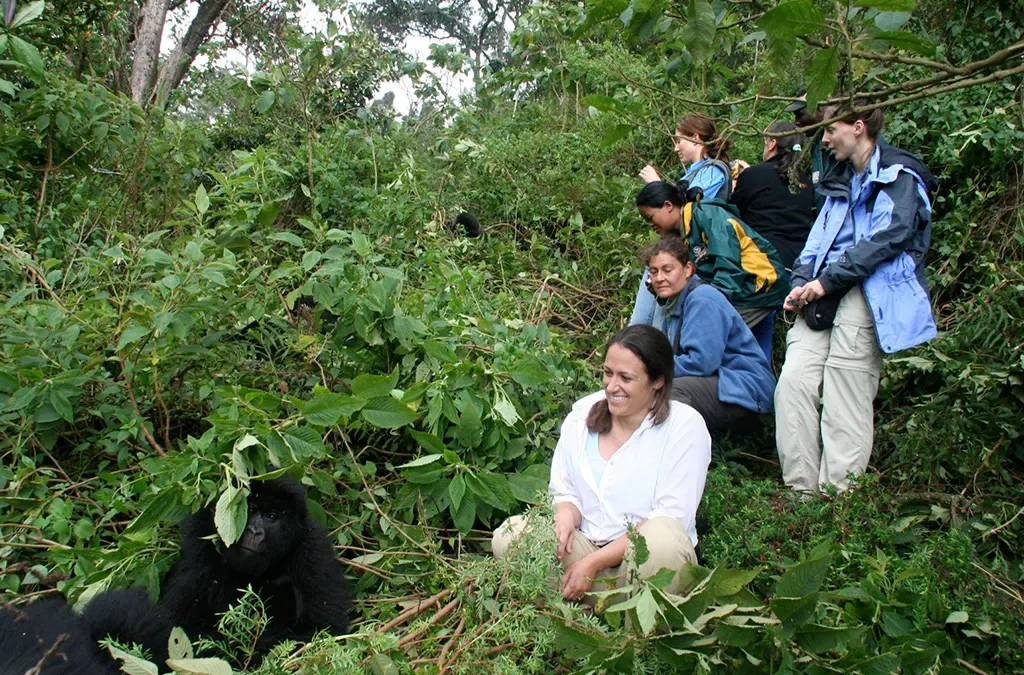
Tourists can stay safe while travelling in Uganda using these practical Uganda travel-safety checklist before and during your trip:
-
Check your government’s Uganda travel advisory before departure.
-
Avoid locations subject to official do-not-travel warnings.
-
Arrange reliable airport transfers and transport.
-
Choose accommodation with appropriate security arrangements.
-
Avoid demonstrations, political rallies and large gatherings.
-
Keep passports, cash and valuables secure.
-
Follow health, vaccination and malaria-prevention advice.
-
Purchase suitable travel insurance with medical evacuation cover.
-
Keep emergency contacts and copies of travel documents.
-
Follow local authorities, park rangers and professional guides.
-
Recheck conditions immediately before each major journey or park activity.
Is Uganda Safe for American, British, Canadian and European Tourists?
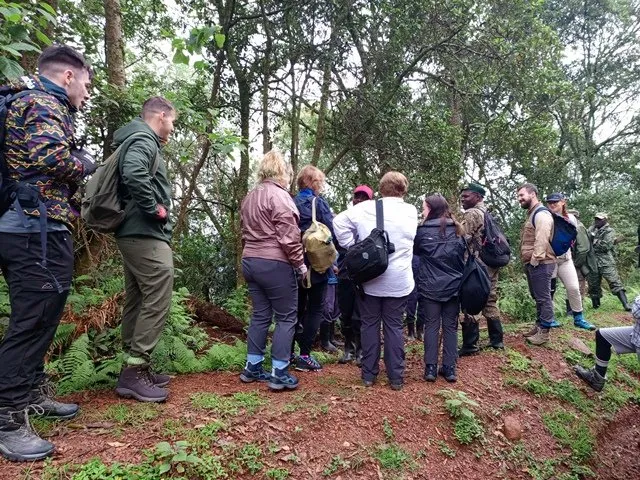
Absolutly Yes, but the practical precautions apply to visitors from every country, but government travel advice and consular support differ by nationality.
American travellers should pay particular attention to the US Level 4 – Do Not Travel advisory; British travellers should follow the FCDO’s current Uganda guidance; Canadians should review Canada’s non-essential-travel advice; and Australian and European travellers should check their own foreign-ministry guidance.
Search-friendly questions travellers commonly ask include:
-
Uganda travel safety for Americans
-
Uganda travel advice for UK tourists
-
Uganda travel advisory for Canadians
-
Uganda safety for European visitors
The best approach is the same for all nationalities: assess the current official advice, understand the risks, use reputable local support, and decide whether the itinerary remains appropriate for you.
What Should You Check Before Booking a Uganda Safari?
Before paying a deposit or purchasing a gorilla permit, complete this booking checklist:
-
Review the current travel advisory for every destination on your itinerary.
-
Verify the operator’s registration, reputation, local experience and emergency procedures.
-
Confirm that park activities and permits follow official procedures.
-
Check accommodation location, security arrangements and access routes.
-
Confirm transport, driver experience, vehicle condition and communication plans.
-
Review cancellation, postponement, refund and travel-insurance terms.
-
Ask exactly what happens if government advice, park access or health rules change.
No tour operator can override government warnings or make a restricted destination safe. A responsible operator should help you understand the risks, logistics and alternatives—not pressure you to travel against official advice.
Frequently Asked Questions About Safety in Uganda
Is Uganda safe to visit right now?
It depends on your nationality, itinerary and risk tolerance. The US currently advises against travel, Canada advises against non-essential travel, Australia advises a high degree of caution, and the UK advises travellers to review its current guidance.
Is Uganda safe for tourists in 2026?
Uganda can be visited in 2026, but only with current, destination-specific planning. Terrorism, crime, unrest, health alerts and road conditions remain material considerations.
Is Kampala safe for American tourists?
Kampala requires heightened urban caution. The US advisory identifies terrorism, crime, health and unrest risks, and specifically notes potential targeting in major cities including Kampala.
Is Entebbe safe for international visitors?
Entebbe is a common and practical arrival point, but transfers and road journeys still need planning. Use pre-arranged transport, reputable accommodation and daylight travel where possible.
Is Uganda safe for solo female travellers?
It can be, with strong precautions. Use reputable accommodation and transport, avoid isolated areas after dark, keep valuables secure and maintain regular communication with someone at home.
Is gorilla trekking in Uganda safe?
Yes, when organised through official channels and guided by UWA rangers and trained guides. Follow security instructions, stay with your assigned group and avoid unauthorised excursions or DRC crossings.
Is Bwindi Impenetrable National Park safe?
Bwindi requires specific current advice because of its southwestern location and proximity to regional border areas. Book official trekking arrangements and check the latest government guidance for the exact sector and route.
Is Queen Elizabeth National Park safe?
Queen Elizabeth National Park can be visited, but western Uganda security conditions should be checked before booking. Do not treat park safety as uniform across the country.
Is it safe to drive from Entebbe to Bwindi?
The route is long and demanding, so use an experienced driver and a suitable 4×4. Avoid night driving, allow realistic travel time and confirm current road and security conditions before departure.
Is Uganda safe for families?
Yes, with careful planning around transport, health, accommodation and activity age limits. Gorilla trekking is strenuous and has age restrictions, so confirm eligibility before booking.
What are the main dangers for tourists in Uganda?
The main risks are terrorism, violent and petty crime, civil unrest, road accidents and infectious disease. Regional risks are higher near the DRC and South Sudan borders.
Do I need travel insurance for Uganda?
Yes. Choose cover for medical treatment, emergency evacuation, trip interruption, safari activities and potential changes to government advice. The FCDO specifically recommends insurance that covers your itinerary and planned activities.
What vaccinations do I need before travelling to Uganda?
Requirements and recommendations can change. Check yellow-fever, malaria and other vaccination guidance with an official travel-health service and your own government before departure.
Should I cancel my Uganda safari because of travel advisories?
Not automatically—but do not travel against your government’s advice. Review the advisory, contact your operator about postponement or rerouting options, and check your insurance and booking terms before making a decision.
Should You Book a Uganda Safari with GoSilverback Gorilla Safaris?
GoSilverback Gorilla Safaris is a Uganda-based safari company specialising in gorilla trekking, wildlife safaris, chimpanzee tracking, golden-monkey trekking and cultural experiences across Uganda, Rwanda and the wider region.
Its locally based team can help travellers understand itinerary logistics, gorilla trekking arrangements, accommodation, transport and permit requirements.
A responsible safari booking should begin with the latest official travel advice—not with a sales pitch.
Once you have reviewed your government’s guidance and decided that your planned journey is appropriate, ask GoSilverback for a personalised quotation and a clear explanation of the arrangements for your preferred destinations.
Planning a Uganda gorilla trekking or wildlife safari? Contact GoSilverback Gorilla Safaris for practical itinerary guidance, gorilla permit information, accommodation options and personalised safari quotations.
Our team can help you understand the arrangements for your preferred destinations and plan your trip around the latest available information.
Check the travel advice issued by your government before confirming your booking.
-
Website: GoSilverback Gorilla Safaris
-
WhatsApp: +256 773 801 934
-
Email: info@gosilverbacksafaris.com
Ready to secure your Uganda gorilla permit? Contact GoSilverback Gorilla Safaris today to discuss available trekking dates, permit availability, safari itineraries and responsible travel planning.