What Are Porters and Do I Need One? Complete Guide
A porter can make a challenging trek easier—but do you actually need one? A porter is a trained local trail assistant who carries your gear, helps you manage difficult terrain, and provides practical support during a gorilla trek, mountain climb, day hike, or multi-day expedition.
Many fit travellers can complete a trek without a porter. However, hiring one is highly recommended for steep, muddy, long, or high-altitude routes, especially in destinations such as Bwindi Impenetrable National Park, Mgahinga Gorilla National Park, Volcanoes National Park, and Mount Kilimanjaro.
A porter is a local trail assistant who carries your daypack, camera equipment, water, and sometimes walking sticks. They also provide physical support on steep, muddy, or slippery sections. You may not need one if you are fit and travelling light, but hiring a porter is highly recommended for gorilla trekking, mountain climbs, long hikes, older travellers, photographers, and anyone with knee, balance, or mobility concerns.
Planning a gorilla trek or mountain hike? A porter can make the experience safer, easier, and more enjoyable.
Ready to plan your trek? Book your gorilla permit and porter-supported safari with GoSilverback Gorilla Safaris today.
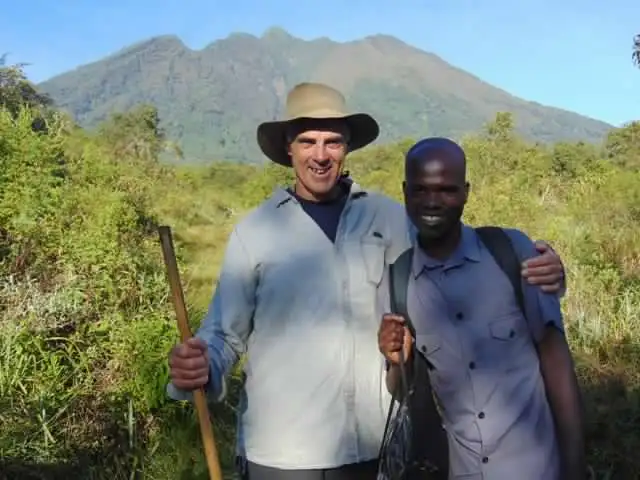
What Is a Porter?
A porter is a locally employed trail assistant who carries equipment and supports trekkers during physically demanding journeys. Porters are common on gorilla treks, mountain expeditions, volcano hikes, camping treks, and long-distance walking routes.
The exact role of a porter depends on the destination and type of trek:
-
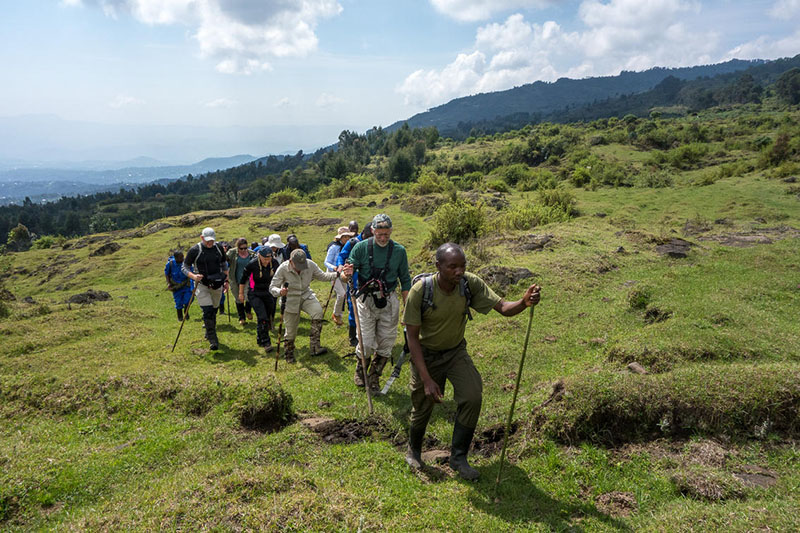
On a gorilla trek, a porter usually carries your daypack and helps you navigate steep, narrow, muddy, or slippery forest trails.
-
On Mount Kilimanjaro and other mountain climbs, porters carry camping equipment, food, water, cooking gear, and trekkers’ duffel bags between camps.
-
On day hikes, a porter may carry your bag, offer balance support, and help you cross difficult sections of trail.
A porter is not the same as a guide or ranger. Your guide leads the route, explains the destination, and manages the group. A ranger leads official park activities and enforces conservation regulations. A porter focuses on carrying gear and providing hands-on trail support.
| Role | Main responsibility | Do they carry your gear? |
|---|---|---|
| Guide | Leads the route, explains the area, and manages the group | Sometimes |
| Ranger | Leads official park activities and enforces park regulations | No |
| Porter | Carries equipment and assists with difficult terrain | Yes |
For travellers preparing for gorilla trekking in Uganda or Rwanda, a porter is one of the most useful additions to your trek. The service is optional, but it can make a demanding rainforest hike significantly more comfortable.
Ask GoSilverback Gorilla Safaris to include porter support in your gorilla trekking itinerary.
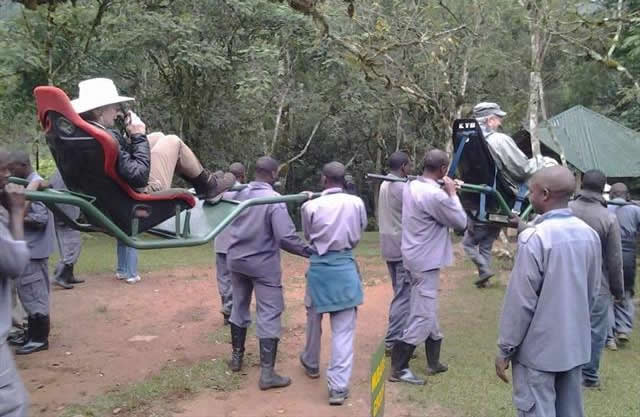
What Does a Porter Do?
A porter does much more than carry a bag. On a gorilla trekking safari, your porter typically carries a daypack weighing around 3–8 kg, including drinking water, snacks, a rain jacket, camera equipment, binoculars, and personal items.
By carrying your load, the porter frees your hands for balance and removes weight from your shoulders and back. This is particularly valuable on the steep, root-covered, and often muddy forest trails found in Bwindi Impenetrable National Park.
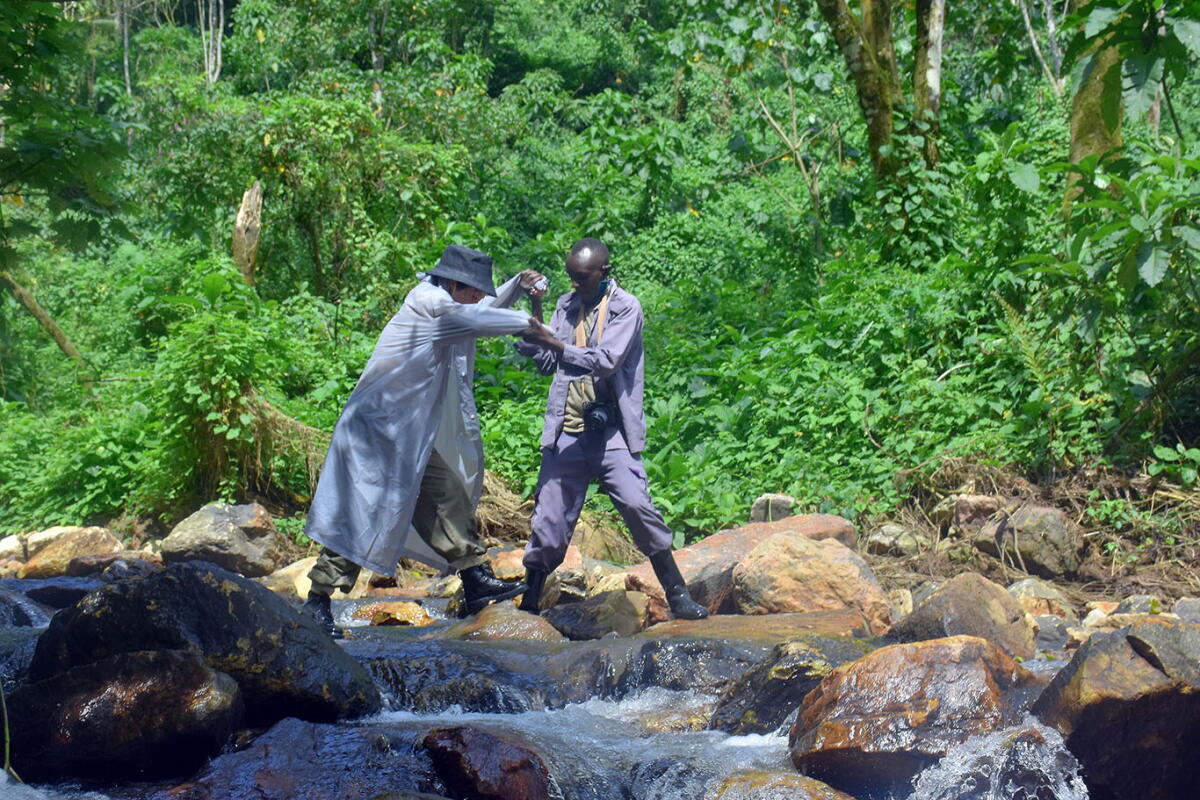
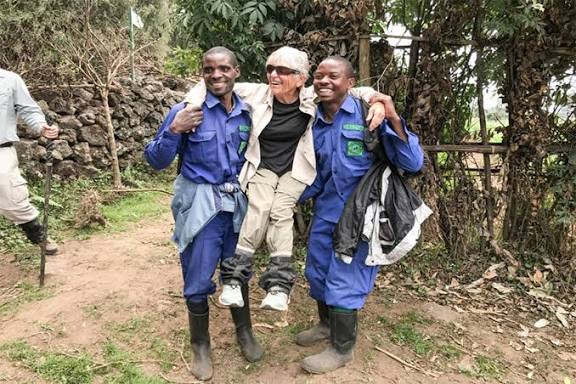
Many porters also provide active physical assistance. They may offer a hand on a steep descent, steady you on slippery roots, help clear vegetation from the path, or assist with camera equipment during the gorilla encounter.
For multi-day mountain treks, porters perform a wider range of essential tasks:
-
Carry tents, sleeping bags, food, cooking equipment, and personal duffels.
-
Help set up and dismantle camp.
-
Fetch and treat water.
-
Support the cook and guide team.
-
Move ahead to prepare the next campsite.
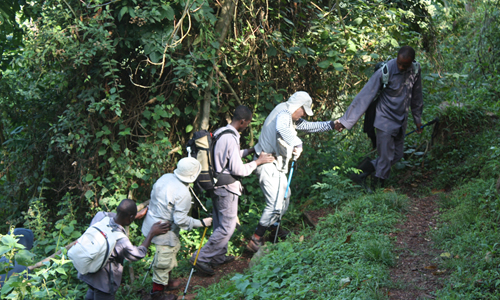
What a Porter Can Help With
A porter can help you with:
-
Carrying your daypack or duffel bag.
-
Carrying water, snacks, rain gear, and camera equipment.
-
Offering balance support on steep or slippery sections.
-
Helping you cross streams, roots, rocks, and muddy trails.
-
Reducing fatigue so you can enjoy the wildlife or summit experience.
-
Supporting travellers with limited mobility, knee pain, anxiety, or low confidence.
-
Assisting photographers with camera bags and equipment.
If you are travelling with a camera, drone, tripod, or multiple lenses, a porter can be especially valuable. They can carry your photography equipment while you keep your hands free for balance, binoculars, or capturing the moment.
Planning a photography-focused gorilla trek? Request a porter-supported itinerary from GoSilverback Gorilla Safaris.
Do I Need a Porter?
You do not always need a porter, but many travellers benefit from one. The right answer depends on your fitness, the route, the weather, your luggage, and the type of experience you want.
For a short, well-maintained nature walk, you may not need a porter. For a gorilla trek, mountain climb, volcano hike, or multi-day trek, a porter can make the journey more comfortable and less physically demanding.
Hire a Porter If You:
-
Are trekking in steep, muddy, humid, or high-altitude terrain.
-
Are doing a gorilla trek, mountain climb, or multi-day hike.
-
Carry a camera, lenses, drone, tripod, or heavy daypack.
-
Have knee, hip, back, balance, respiratory, or mobility concerns.
-
Are older, recovering from illness, or unsure of your fitness.
-
Want to conserve energy for the wildlife encounter or summit.
-
Are travelling with children or older family members.
-
Want to support local employment directly.
You May Not Need a Porter If You:
-
Are fit, experienced, and travelling very light.
-
Are doing a short, well-maintained trail.
-
Prefer carrying only a small daypack.
-
Have already arranged a support team or vehicle support.
-
Are comfortable navigating uneven terrain independently.
Porters are optional on many gorilla treks, but they are especially useful because forest trails can be steep, muddy, and physically demanding. A porter carries the load and provides support, allowing you to focus on your footing and the gorilla experience.
Even fit hikers often choose to hire a porter. It is not a sign that you are unfit—it is a smart way to make a demanding trek safer, more enjoyable, and more sustainable for your body.
Not sure whether you need a porter? Share your fitness level, age, trek route, and travel dates with GoSilverback Gorilla Safaris for personalised advice.
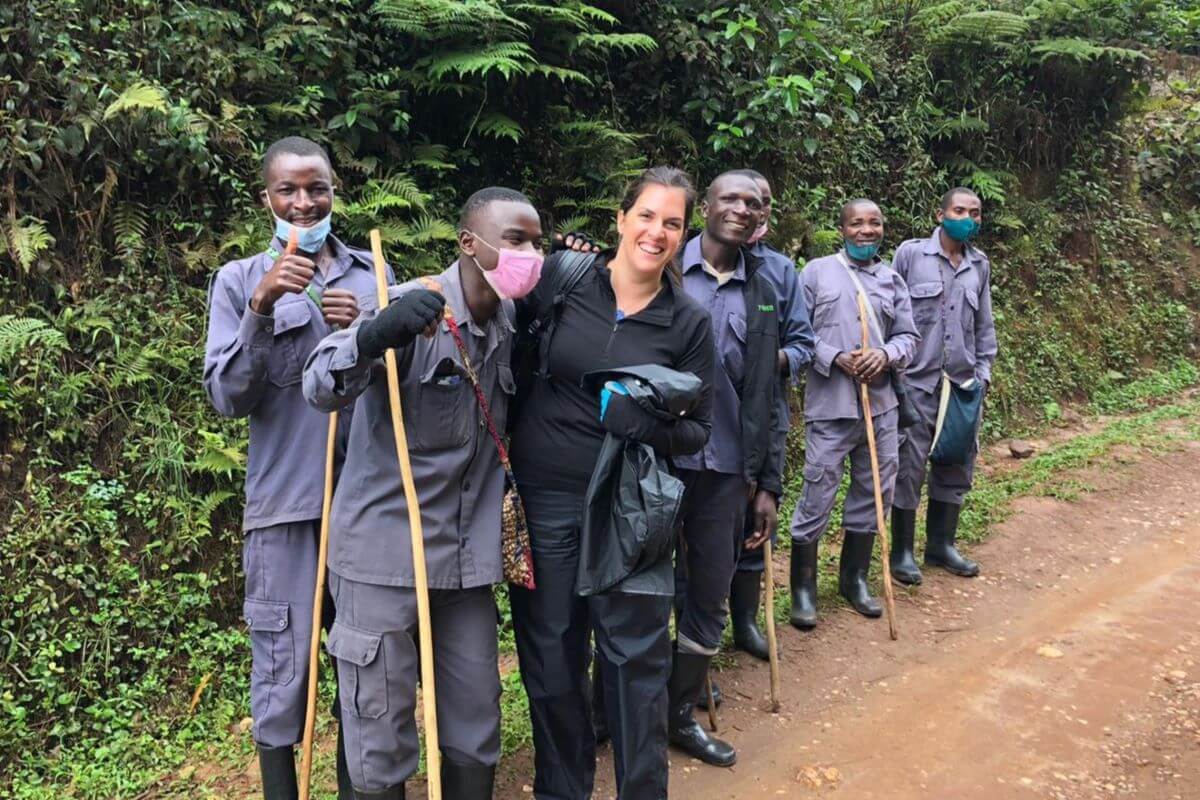
Porter vs Guide: What Is the Difference?
A porter is not a replacement for a qualified guide or ranger. The guide or ranger manages safety, route decisions, wildlife protocols, and the group. The porter carries equipment and provides hands-on trail assistance.
| Feature | Porter | Guide / Ranger |
|---|---|---|
| Carries your gear | Yes | Usually no |
| Helps with footing | Yes | May assist when needed |
| Leads the trek | No | Yes |
| Explains wildlife and culture | Sometimes | Yes |
| Manages park rules and safety | Supports | Leads |
| Best for | Reducing physical strain | Navigation, safety, interpretation |
For a gorilla trek, your Uganda Wildlife Authority ranger (UWA) or Rwanda Development Board guide leads the group and manages the encounter. Your porter works alongside the trekking team to make your journey easier and more comfortable.
How Much Should I Tip Porters, Trackers and Guides During Gorilla Trekking?
When gorilla trekking in Uganda or Rwanda, tipping is customary but entirely voluntary. As a general guideline, budget approximately US$5–$10 per porter, US$10–$15 per tracker, and US$10–$20 per gorilla trekking guide per trek.
You can give more depending on the quality of service, group size and personal satisfaction. Tips are a meaningful way to support local communities and recognize the hard work of guides, trackers and porters who make your mountain gorilla trekking experience memorable.
Tip: Carry small US dollar bills or local currency (Ugandan shillings in Uganda and Rwandan francs in Rwanda) so you can tip each person directly. Always tip according to your budget and satisfaction; there is no compulsory tipping amount.
When Should You Hire a Porter?
1. Gorilla Trekking
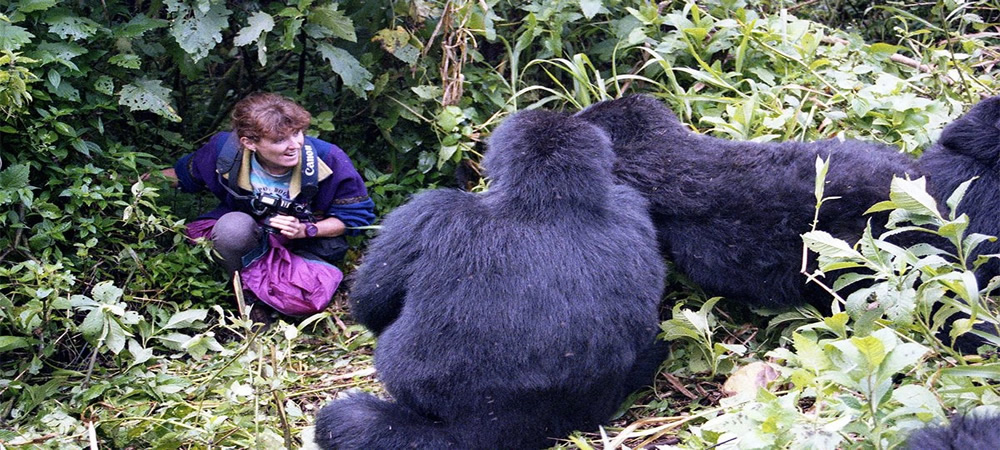
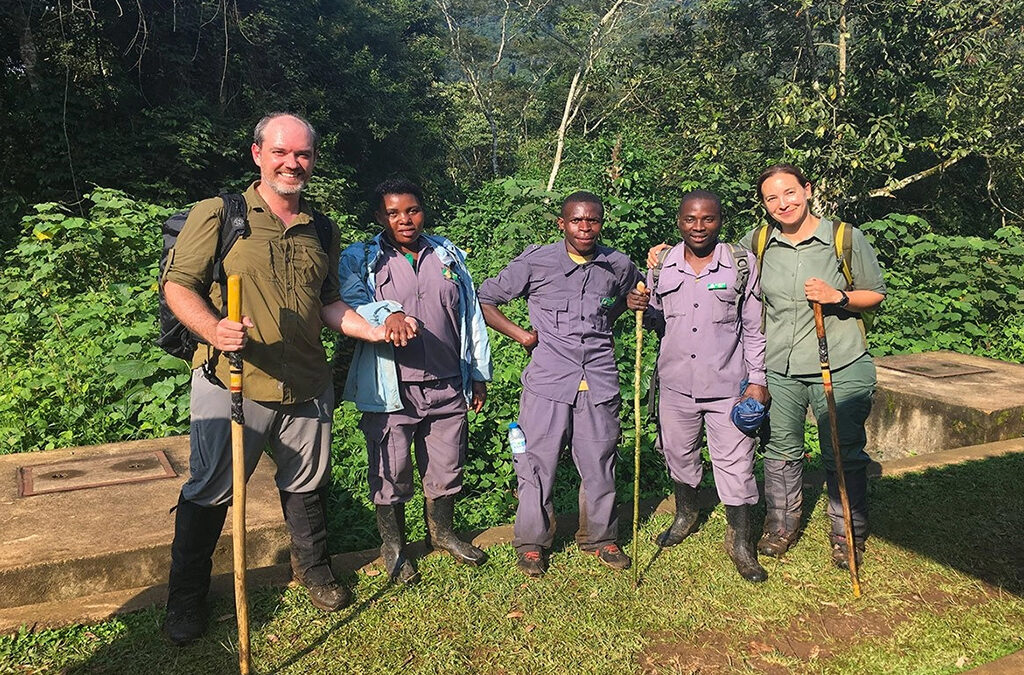
Porters are especially useful in destinations such as Bwindi Impenetrable National Park, Mgahinga Gorilla National Park, Volcanoes National Park, and the wider Virunga Mountains. They carry packs and assist on steep, slippery forest terrain, helping trekkers conserve energy for the gorilla encounter.
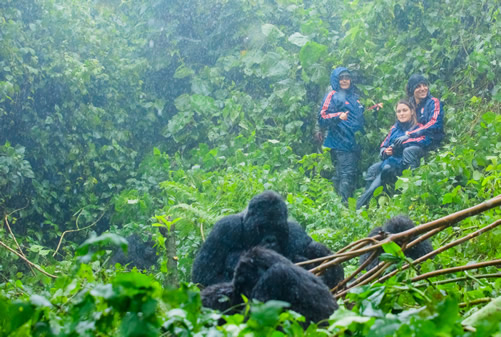
Gorilla trekking can involve several hours of hiking through dense rainforest. Even shorter treks may require 30–45 minutes to reach a gorilla family, while longer treks can involve two to three hours of climbing and a similar return journey.
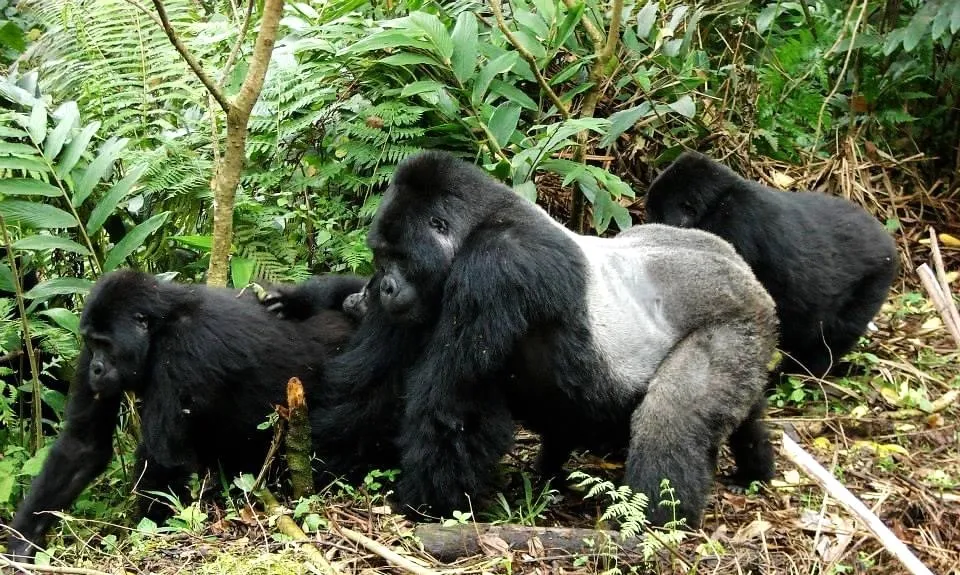
A porter allows you to focus on the forest, the ranger’s instructions, and the unforgettable moment when you first see a mountain gorilla family.
2. Mountain Climbing
On Mount Kilimanjaro and similar mountain routes, porters form an essential part of the support team. They carry supplies and equipment, establish camps, collect and treat water, and help the expedition run smoothly.
For climbers from the USA, Canada, UK, Europe, Asia, China, Australia, New Zealand, Latin America, and the Middle East, porter support is often included in a fully organised Kilimanjaro climbing package.
3. Day Hikes and Nature Walks
A porter may also be helpful for longer walks, waterfall hikes, volcano climbs, or forest trails where the path is uneven and you want hands-free comfort.
4. Safari Extensions
For travellers combining gorilla trekking with a Uganda wildlife safari, Rwanda safari, or Tanzania safari, a porter can reduce fatigue before or after a long travel day.
Combine gorilla trekking, wildlife safaris, and porter support in one tailor-made itinerary with GoSilverback Gorilla Safaris.
How Much Does a Porter Cost?
Porter fees vary by country, route, trek length, and operator. For gorilla trekking in Uganda, a commonly recommended porter fee is USD 15–20 per trekking day, paid locally rather than included in the gorilla permit.
| Trek type | Typical porter arrangement | What affects price |
|---|---|---|
| Gorilla trekking | One porter per traveller, hired at the trailhead | Trek duration, terrain, park sector |
| Day hike | Hourly or daily rate | Distance, elevation, gear weight |
| Mountain climb | Porter team per climber group | Route, number of days, camp support |
| Multi-day trek | Daily porter wage plus tips | Load weight, route difficulty, crew size |
Before your trek, confirm the fee with your tour operator, park authority, or porter coordinator. Carry small local currency or clean USD notes where accepted, and budget separately for a tip.
Request a transparent gorilla trekking quote that includes permits, transport, accommodation, guiding, and porter support.
How to Hire a Porter
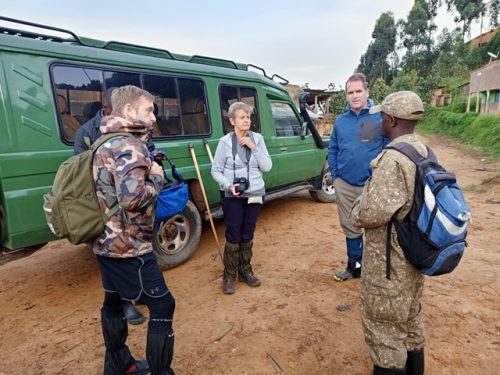
Hiring a porter is usually simple, especially on a gorilla trekking safari. In many locations, porters are assigned through a local porter association or coordinator at the park gate, often on a rotation system to distribute work fairly among registered community members.
Follow these steps:
-
Ask your tour operator whether porter hire is included or can be arranged in advance.
-
Arrive early at the park gate, trailhead, or briefing point.
-
Visit the porter association desk or speak with the porter coordinator.
-
Confirm the fee, what the porter will carry, and whether tipping is separate.
-
Let the porter know about camera equipment, mobility needs, or extra support.
-
Keep valuables, passports, permits, and essential medication with you.
-
Thank your porter and tip fairly at the end of the trek.
At Bwindi, porters are typically hired at the sector gate on the morning of the trek, immediately before or after the ranger briefing. The process is quick and usually takes less than five minutes.
Book your gorilla permit and trek through GoSilverback Gorilla Safaris, and we can help arrange porter support for your trek.
Are Porters Worth It?
For most gorilla trekkers and mountain climbers, yes—especially if the route is steep, wet, long, or physically demanding.
A porter offers value in three important ways:
-
Physical value: Less fatigue, better balance, and reduced risk of slips or strain.
-
Experience value: More energy and attention for wildlife, photography, scenery, and the summit.
-
Community value: Porter employment channels tourism income directly to local families and communities near protected areas.
A porter does not guarantee your safety, and a porter does not replace your guide or ranger. However, a porter can reduce physical strain and provide practical support, while the guide or ranger remains responsible for route and wildlife safety.
Make your gorilla trek easier and more meaningful—book a porter-supported safari with GoSilverback Gorilla Safaris.
How to Choose a Good Porter
Choosing a good porter is straightforward when you book through a reputable operator or official park system.
-
Hire through the official park porter association, ranger briefing point, or reputable tour operator.
-
Choose someone who communicates clearly and understands your needs.
-
Confirm the load they will carry.
-
Ask whether they have experience on the specific trail.
-
Treat porters respectfully and learn their name.
-
Do not ask a porter to carry prohibited items, excessive weight, or unsafe equipment.
-
Tip directly and fairly rather than relying on a third party to distribute it.
Before handing over your bag, pack it sensibly. Keep camera equipment in padded cases, place rain gear and snacks in an accessible pocket, and tell your porter if you will need frequent access to your bag.
Porter Etiquette and Tipping
Porters are skilled workers, not simply “bag carriers.” They know the trails, understand local conditions, and often provide essential support in difficult weather and terrain.
Show appreciation by greeting your porter, learning their name, keeping your gear organised, and tipping fairly. For Kilimanjaro, many operators recommend giving tips directly to crew members rather than passing all tips through a guide.
Tipping Tips
-
Check the recommended local tipping range before travel.
-
Tip more for exceptional support, difficult weather, or extra physical assistance.
-
Give tips at the end of the trek, not before.
-
Keep small denominations available.
-
Ask your operator for current guidance, since tipping norms vary by destination.
A small additional gift, such as a bottle of water or snack, can also be a thoughtful gesture, but it should never replace fair payment.
FAQs About Porters
What are porters in hiking?
A porter is a local assistant who carries trekking equipment and helps travellers manage difficult terrain.
Do I need a porter for gorilla trekking?
Not always, but it is highly recommended for steep, muddy, or long treks, photographers, older travellers, and anyone who wants extra support.
How much does a porter cost?
For Uganda gorilla trekking, expect roughly USD 15–20 per trek, though prices can vary by park and operator.
Can a porter carry my camera?
Yes. Porters often carry camera bags, lenses, tripods, and other photography equipment, and may help photographers on difficult sections.
Is a porter the same as a guide?
No. A porter carries gear and assists physically; a guide or ranger leads the trek, manages safety, and explains the route and wildlife.
Should fit travellers hire a porter?
Yes, if they want to save energy, protect their knees, carry photography gear, or enjoy a more relaxed trek. Porters are useful even for fit travellers.
Can porters help older travellers?
Yes. Porters can offer balance support, carry packs, and assist on steep or slippery sections, making challenging treks more accessible.
Do porters receive tips?
Often, yes. A tip is customary in many destinations, but confirm local expectations with your operator before the trek.
How many porters do I need?
For a standard gorilla trek, one porter per traveller is common. For mountain climbs, the number depends on group size, gear, route, and camp logistics.
Can I hire a porter in advance?
Yes. Many operators can arrange a porter before arrival, although porters are also commonly hired at the trailhead or briefing point.
Book a Trek With Porter Support
A porter can turn a demanding trek into a more comfortable, confident, and memorable experience. Whether you are preparing for gorilla trekking in Uganda or Rwanda, a Mount Kilimanjaro climb, or a challenging day hike, the right support team helps you focus on the experience rather than the weight on your back.
-
Plan your gorilla trekking safari with porter support.
-
Request a tailor-made trekking itinerary and porter arrangement.
-
Speak to a safari specialist about your fitness level, route, and travel dates.
-
Book your gorilla permit, trek, and porter support today.
Ready for an unforgettable gorilla trekking adventure? Book your gorilla permit and porter-supported safari through GoSilverback Gorilla Safaris today, and let our expert team design a seamless, safe, and unforgettable African trekking experience.