
What to Wear for Gorilla Trekking: The Ultimate 2026 Expert Guide
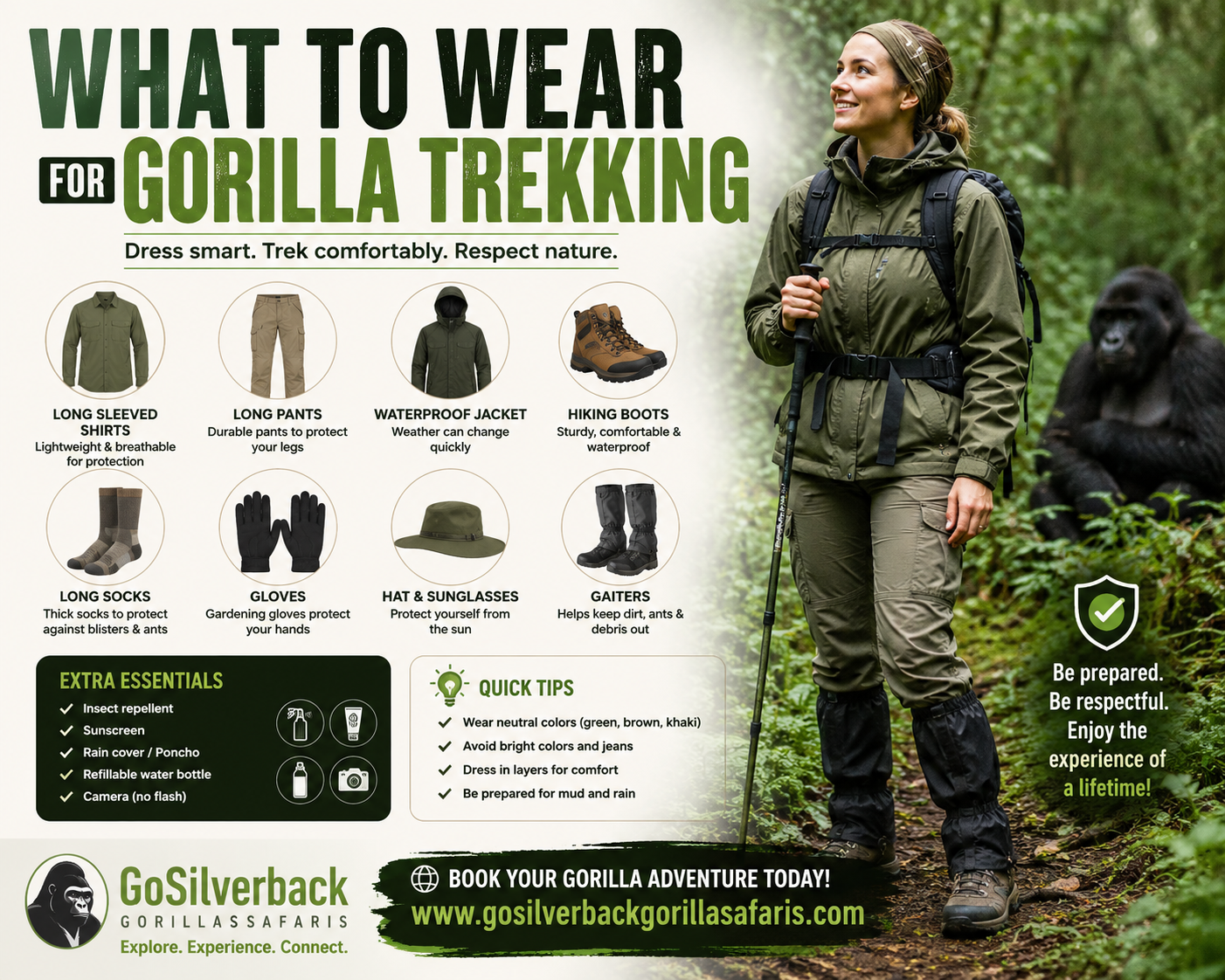
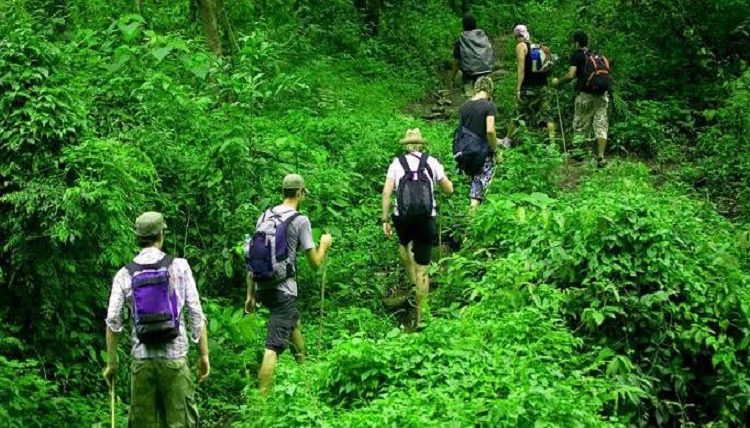
What to Wear for Gorilla Trekking is essential for a safe, comfortable, and enjoyable rainforest adventure. Wear lightweight, long-sleeved shirts and long trousers to protect against insects, thorny vegetation, and stinging nettles.
Choose sturdy, waterproof hiking boots with good ankle support for muddy and uneven trails. Pack a waterproof rain jacket, gardening gloves for gripping vegetation, a wide-brimmed hat, and moisture-wicking socks.
Dress in neutral-colored clothing to blend into the natural environment and avoid bright colors. Layer your clothing to adapt to changing weather conditions, ensuring you stay comfortable throughout your unforgettable gorilla trekking experience.
Picture this: After a brutal three-hour hike through dense, tangled undergrowth, slipping in mud, and navigating steep, root-choked ravines, your guide suddenly raises a hand.
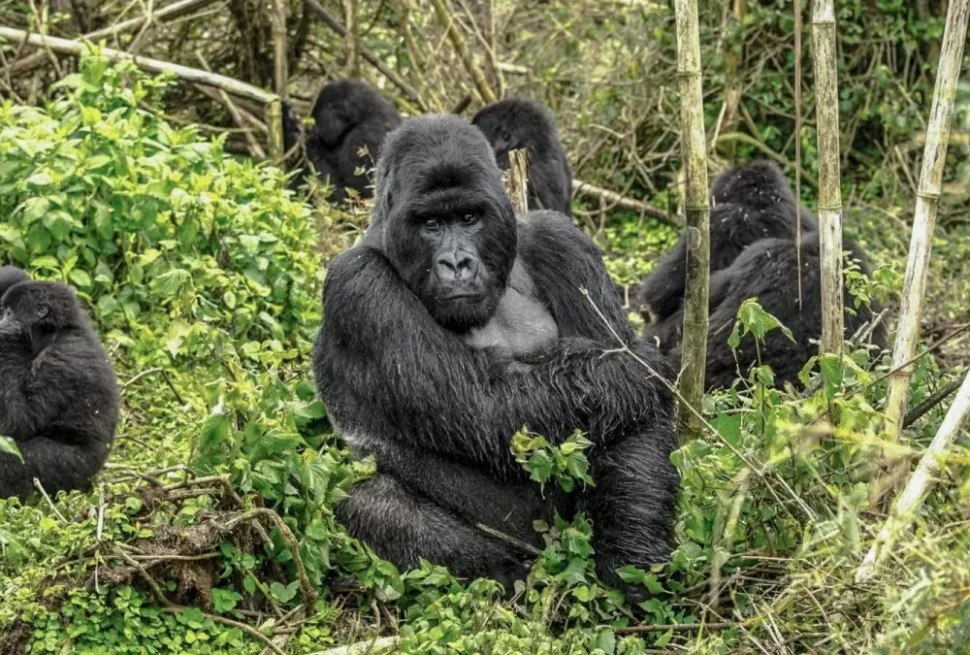
You freeze. Through a break in the bamboo, a 400-pound Silverback gorilla peacefully chews a shoot of wild celery just meters away. It is a life-changing, National Geographic-style encounter.
However, that magical moment is only earned if your body can withstand the unforgiving terrain of Bwindi Impenetrable Forest in Uganda or Volcanoes National Park in Rwanda.
As professional safari operators, we see it every day: the number one reason trekkers fail to reach the mountain gorillas—or miserably suffer through the experience—is poor footwear and inappropriate clothing.
This comprehensive gorilla trekking packing list is written by seasoned experts who have guided thousands of international travelers from the USA, UK, Europe, Canada, Asia, Oceania, and the Middle East through the jungle.
Here is exactly what to wear for gorilla trekking to ensure a safe, comfortable, and successful expedition.
Before you obsess over gear, remember that step one is securing your spot. [ Book your gorilla trekking permit here before they sell out].
The Non-Negotiable Golden Rules of Gorilla Trekking Attire
Before we break down specific items, you must understand the environmental logic of the African tropical rainforest. The jungle is wet, thorny, and teeming with insects.
Your clothing is your armor.
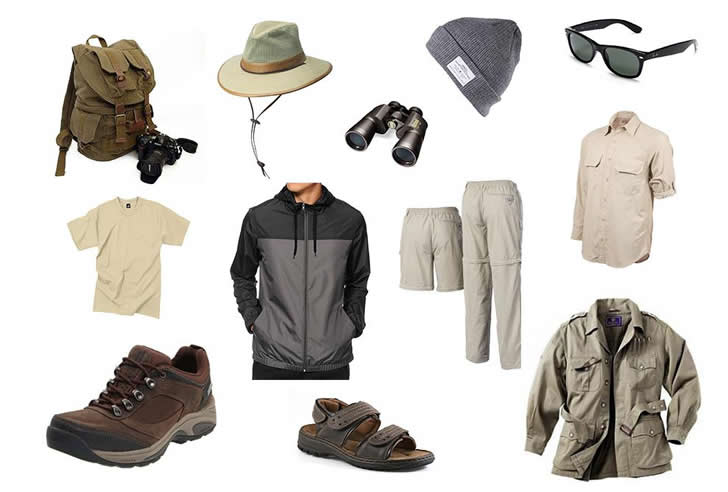
- Wear earth tones (khaki, green, brown, olive)
- Zero cotton—wear moisture-wicking fabrics only
- Cover every inch of skin (no shorts, no short sleeves)
Why Colors Matter (Avoid Blue and Black)
When selecting your gorilla trekking attire, color is critical. Avoid dark blue and black at all costs. These colors attract tsetse flies, whose bites pack a painful punch.
Furthermore, dark colors absorb heat and can inadvertently make you appear more aggressive or intimidating to the habituated gorillas.
Conversely, avoid bright whites, neon colors, and loud patterns, which can startle these gentle giants. Stick strictly to neutral, earthy tones that blend into the forest canopy.
The “No Cotton” Rule
Cotton kills—in the jungle, at least. At altitudes ranging from 2,500 to 3,000 meters, temperatures fluctuate wildly. Cotton absorbs your sweat and rain, staying damp for hours.
Combine wet cotton with high-altitude winds, and you are at a severe risk of hypothermia. You must pack moisture-wicking synthetics or merino wool base layers, which pull sweat away from your skin and dry rapidly.
Long Everything (No Short Sleeves or Shorts)
The “Impenetrable” in Bwindi Impenetrable Forest is an accurate description. You will be pushing through thick brush.
Stinging nettles (Obwenga), thorny vines, and abrasive branches will tear at your skin. Long-sleeved shirts and full-length trousers are non-negotiable physical barriers against the jungle.
Ready to gear up? Let us handle the logistics. [ View our all-inclusive Uganda gorilla safari packages].
Footwear: Protecting Your Foundation
Gorilla trekking boots are the single most important item you will pack. If your feet fail, your trek fails. The terrain consists of steep inclines, deep mud, hidden roots, and slippery rocks.
Why Hiking Boots Are Mandatory
You cannot wear running shoes or sneakers. You need proper, ankle-supportive hiking boots. When traversing uneven, slippery terrain, rolling an ankle is a very real danger.
High-top boots lock your ankle in place, providing the rigidity needed to navigate the rugged topography of the Virunga Mountains safely.
Waterproofing is Vital
It will rain. Even during the “dry seasons,” the microclimate of a high-altitude rainforest guarantees wet conditions. Invest in Gore-Tex lined hiking boots or treat heavy leather boots with premium wax.
Pro Tip: Never wear brand-new boots on a gorilla trek. Wear them around your hometown for at least two weeks prior to your trip to break them in and prevent crippling blisters.
The Secret Weapon: Gaiters
If there is one piece of gear that separates first-timers from seasoned safari-goers, it is gaiters. Gaiters are fabric shields that wrap around your lower legs, covering the gap between your boots and trousers.
They are the ultimate defense against mud, water, and—most importantly—safari ants (driver ants). These aggressive ants swarm in columns and can deliver agonizing bites if they enter your boots.
Socks: Your First Line of Defense
Pack thick, high-quality merino wool trekking socks. They provide cushioning and regulate temperature.
Furthermore, employ the classic local trick: tuck the bottom of your hiking trousers directly into your socks. This creates a physical, ant-proof seal around your ankles.
Need advice on buying the right boots? Our pre-departure team sends a full gear guide to all booked travelers. [Contact our safari experts].
Upper Body Wear: Layering for the Jungle
Jungle weather is bipolar. You will start your trek at dawn in near-freezing temperatures, sweat profusely during the steep ascent, and then sit motionless in a cool, damp microclimate for an hour while observing the gorillas.
The solution is strategic layering.
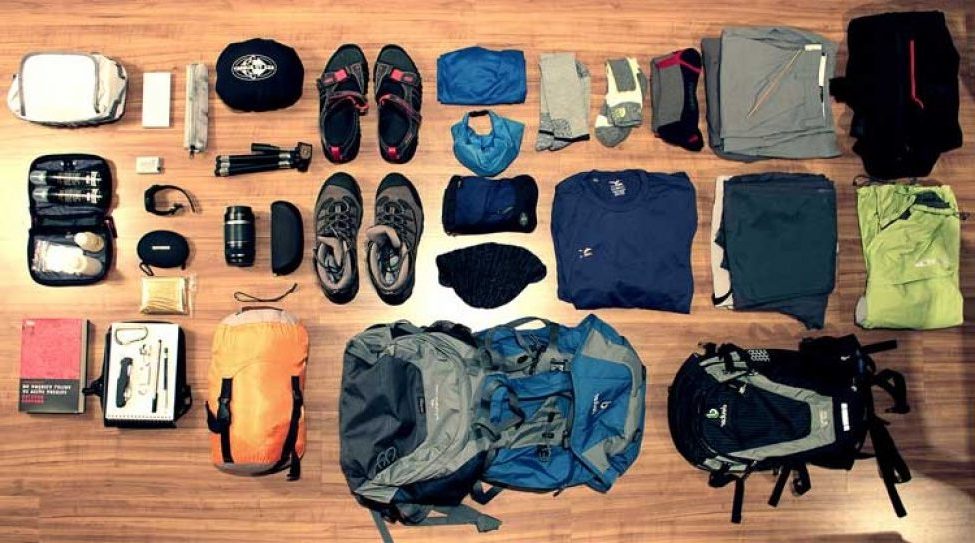
- The Base Layer: A lightweight, long-sleeved, moisture-wicking shirt.
- The Mid Layer: A fleece jacket or lightweight synthetic pullover. Mornings in Bwindi and Rwanda start near freezing due to the high altitude. You will wear this for the first hour of the hike.
- The Outer Shell (Rain Jacket): A high-quality, breathable, waterproof rain jacket is essential. Anti-Poncho Rule: Do not bring a cheap rain poncho. Ponchos get snagged on thorns, tear instantly, and offer zero insulation. A fitted rain jacket allows you to move seamlessly through the dense brush.
Related Read | What to Pack for Gorilla Trekking | How Difficult is Gorilla Trekking
Lower Body Wear: Armor for the Impenetrable Forest
Hiking Trousers vs. Convertible Pants
Opt for lightweight but highly durable hiking trousers. Many travelers ask about zip-off convertible pants. While acceptable, you must ensure the zippers are heavy-duty.
Cheap, plastic zippers will inevitably jam or break when caught on jungle vines, leaving you with a permanent pair of shorts—which is a disaster in stinging nettle territory.
Why You Should Never Wear Shorts
This cannot be overstated. Wearing shorts on a gorilla trek is a rookie mistake that will result in agonizing pain.
The local stinging nettles (Obwenga) leave tiny, silica-like needles in your skin that burn intensely for hours. Long pants are your only defense.
The Bizarre but Essential Accessories
This section contains the insider secrets that will make your trek vastly more comfortable.
Why You Need Heavy-Duty Gardening Gloves
It sounds strange, but packing a pair of leather gardening gloves is a game-changer.
As you hike up near-vertical ridges, you will instinctively grab onto tree trunks, muddy roots, and thorny vines to pull yourself up. Leather gardening gloves protect your hands from cuts, splinters, and nasty infections.
Headwear: Hats and Buffs
Bring a wide-brimmed hat or a baseball cap to shield your face from rain and low-hanging branches. Additionally, pack a Buff (a tubular neck gaiter).
When pushing through dense vegetation, you can pull the Buff over your mouth, nose, and neck to prevent leaves and bugs from brushing against your skin.
The Right Daypack
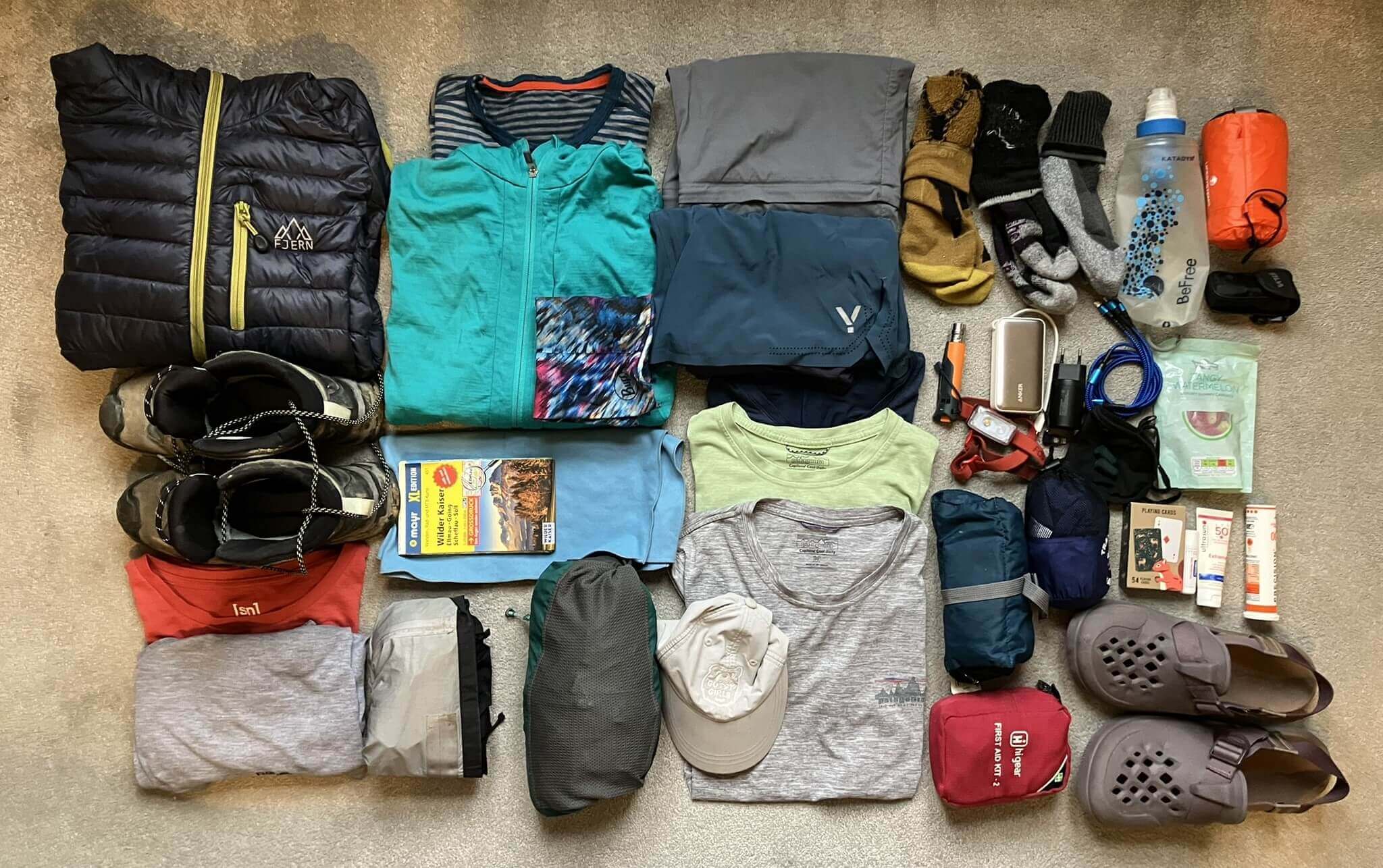
You need a small, waterproof daypack (20-30 liters) to carry your 2 liters of water, packed lunch, camera, and extra layers. Crucially, your daypack must have chest and waist straps.
If your bag is loose, it will swing as you climb, hitting branches, getting snagged, or—worst case—bumping into a gorilla during your one-hour observation window.
What NOT to Bring on a Gorilla Trek
To protect the gorillas and ensure your group’s success, strict rules apply.
Leave the following items at your lodge:
- Strong perfumes or deodorants: Gorillas have incredibly sensitive noses; artificial scents can alter their behavior or cause them to retreat.
- Flash photography: Flash is strictly prohibited, as it startles the gorillas.
- Heavy, oversized camera gear: You are hiking for hours. Bring one versatile mirrorless camera or a high-end smartphone. Drones are strictly illegal in these national parks.
- Single-use plastics: Both Rwanda and Uganda have strict bans on single-use plastics. Bring a reusable water bottle.
Related Read | Gorilla Trekking Rules and Regulations
Hire a Porter: The Best “Gear” You Can Buy
As a tour operator, I guarantee that the best “gear” you can invest in isn’t made of Gore-Tex or leather—it is a gorilla trekking porter.
A porter is a local resident hired to assist you on your hike. They will carry your heavy daypack, pull you up steep inclines, balance you over muddy streams, and cut away thorny obstacles with a machete.
Hiring a porter costs only $15 to $20 USD, yet it completely transforms your trek from a grueling survival mission into an enjoyable nature walk.
More importantly, 100% of porter fees go directly to the local community, providing a viable income that disincentivizes poaching and directly funds mountain gorilla conservation.
When you book your gorilla safari with GoSilverback Gorilla Safaris, we automatically arrange pre-screened, expert porters for every single trekker, ensuring you have the best possible experience while directly supporting conservation.
Conclusion & Next Steps
Proper preparation dictates your enjoyment. Knowing exactly what to wear for gorilla trekking—from your ankle-supportive boots and moisture-wicking layers to your leather gardening gloves and gaiters—eliminates the physical anxiety of the hike, allowing you to focus entirely on the profound wildlife encounter ahead.
Remember, physical fitness is just as vital as the right clothing. Start walking, climbing stairs, and breaking in your boots months before your flight.
Whether you are flying in from North America, Europe, Asia, or locally from East Africa, your dream of sitting with the mountain gorillas is entirely within reach.
Are you ready to meet the Silverback? Don’t leave this once-in-a-lifetime adventure to chance.
Browse our exclusive, expertly curated Gorilla Trekking Packages in Rwanda and Uganda, and let us handle the permits, the porters, and the logistics.
👉 [Click here to book your life-changing gorilla safari with GoSilverback Gorilla Safaris today—permits are strictly limited and selling out fast!]
[…] Related Read | What to Wear for Gorilla Trekking […]