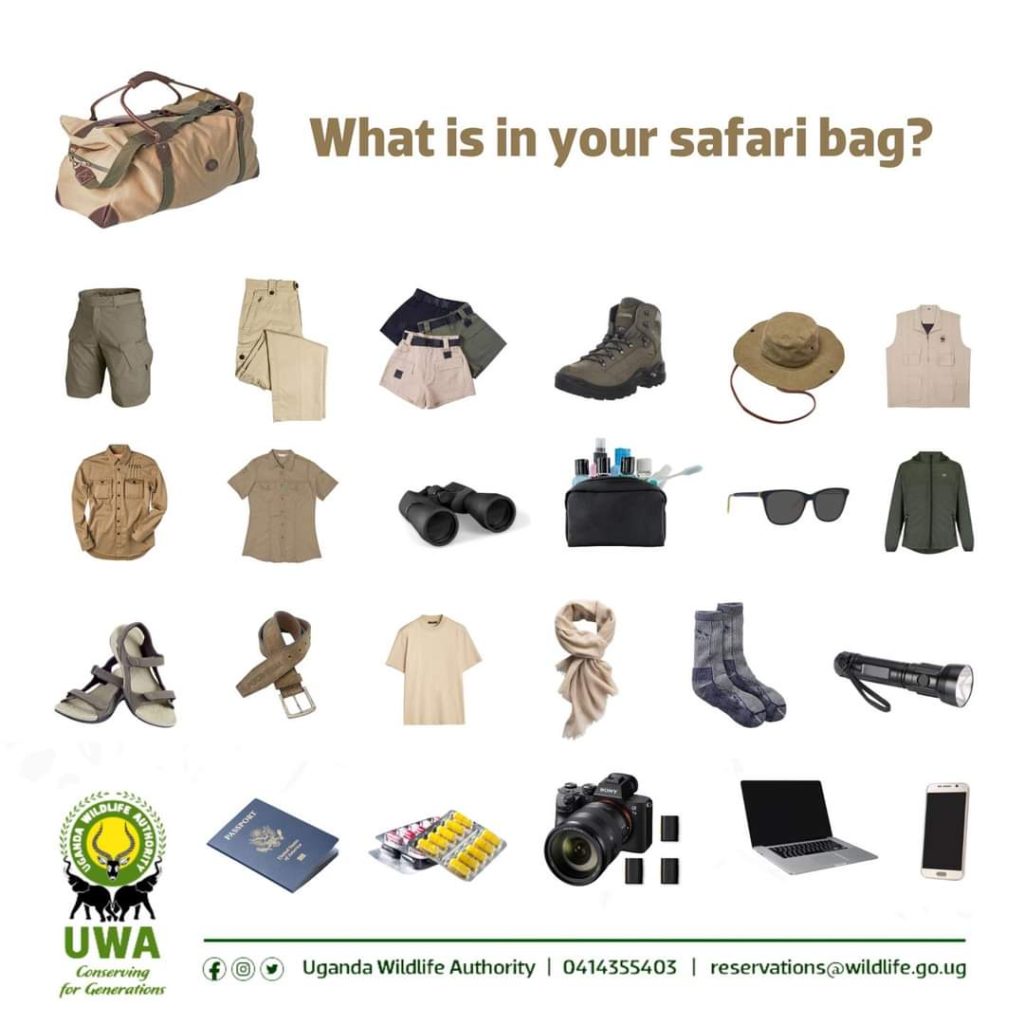
What to Pack for Gorilla Trekking: The Ultimate 2026 Packing Guide
Discover what to pack for gorilla trekking in Uganda & Rwanda. Complete 2026 packing list with boots, gloves, rain gear & expert tips. Book with GoSilverback Safaris.
What you pack for gorilla trekking determines whether your experience is transformative or miserable.
Gorilla trekking occurs in dense tropical rainforest where weather changes without warning, trails transform from dry paths to mud streams in minutes, and vegetation fights back with thorns, nettles, and biting insects.
The right gear doesn’t just increase comfort — it ensures your safety, protects your health, and maximizes your once-in-a-lifetime encounter with mountain gorillas.
This guide covers exactly what professional guides in Uganda and Rwanda recommend. Whether you’re traveling from the USA, UK, Europe, Canada, Asia, or the Middle East, this is your definitive 2026 packing resource.
We’ve consulted UWA-certified rangers, RDB-trained guides, and thousands of successful trekkers to build the most comprehensive, practical packing list available.
Bottom line: Pack right, and the rainforest becomes your ally. Pack wrong, and it becomes your enemy.

Why Packing Properly Matters for Gorilla Trekking
Gorilla trekking is not a city walk. It is a wilderness expedition into some of Africa’s most challenging terrain.
Here’s what you’re actually walking into:
Table
|
Condition |
Challenge |
Packing Solution |
|
Rainforest humidity |
80–90% year-round; clothes stay damp for days |
Quick-dry synthetic fabrics; multiple outfit changes |
|
Mud |
Trails become slippery streams during rain |
Waterproof boots with deep tread; gaiters |
|
Slippery trails |
Roots, rocks, and wet leaves cause falls |
Ankle-supporting boots; walking stick; gardening gloves |
|
Dense vegetation |
Thorns, nettles, and vines scratch and sting |
Long trousers; long sleeves; sturdy gloves |
|
Long hiking hours |
2–8 hours of continuous movement |
Hydration system; energy snacks; comfortable layers |
|
Mountain weather |
Cold mornings (10°C), warm afternoons (25°C), sudden rain |
Layering system; waterproof jacket; packable insulation |
Bold fact: Professional guides estimate that 40% of trekker discomfort is preventable with proper packing. The right gear transforms a grueling ordeal into a manageable adventure.
Gorilla Trekking Weather Explained
Your packing strategy must account for two distinct seasons, but remember, Bwindi is a rainforest.
Rain is possible even in the dry season.
Dry Season (June–August, December–February)
Table
|
Weather Feature |
Impact on Packing |
|
Less rainfall |
Waterproof gear still essential; morning mist is daily |
|
Dusty roads |
Sunglasses; dust mask for transfers; light-colored clothing shows dirt |
|
Stronger sun |
Higher UV at altitude; sunscreen SPF 30+; wide-brimmed hat |
|
Cooler mornings |
10–15°C at dawn; packable fleece or down layer |
|
Warmer afternoons |
20–25°C; moisture-wicking base layers prevent overheating |
Wondering how physically demanding gorilla trekking really is? Learn what to expect on the trail, average hiking times, terrain conditions, and expert fitness tips in our complete guide to How Difficult Is Gorilla Trekking?
Rainy Season (March–May, September–November)
Table
|
Weather Feature |
Impact on Packing |
|
Heavy rainfall |
A Waterproof jacket mandatory; poncho backup; dry bags for electronics |
|
Mud everywhere |
Gaiters essential; extra socks; quick-dry trousers |
|
Higher humidity |
Clothes dry slowly; pack 2–3 complete trekking outfits |
|
Leech activity |
Gaiters; tucked-in trousers; salt or tobacco for leech removal |
|
Slippery terrain |
Aggressive tread boots; walking stick; gardening gloves for grabbing vegetation |
Bold insight: Even during dry seasons, Bwindi can receive rainfall because it is a rainforest ecosystem. Pack for rain regardless of your travel month.
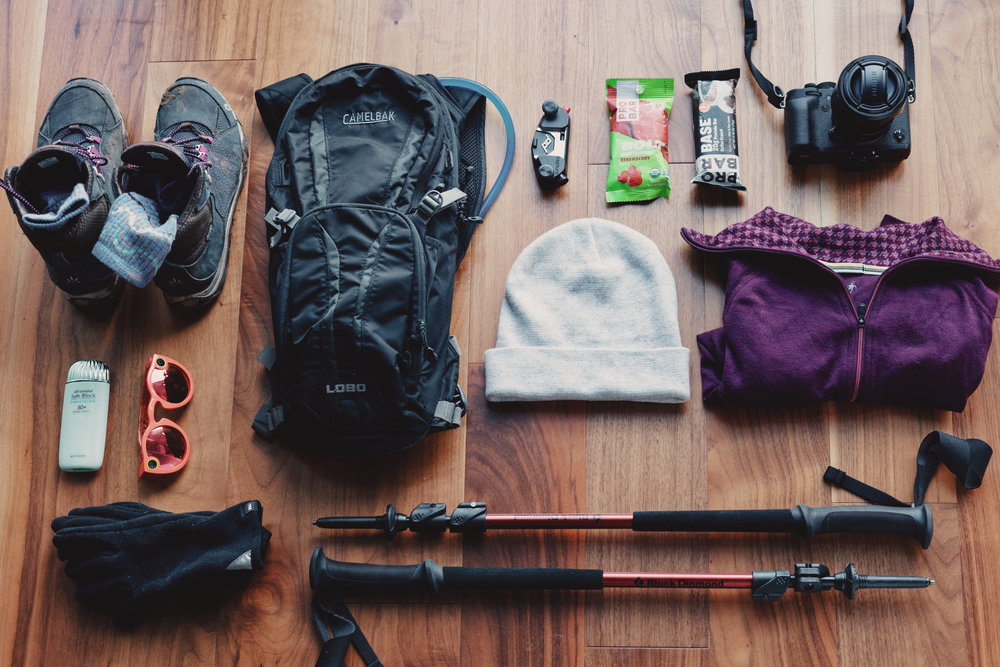
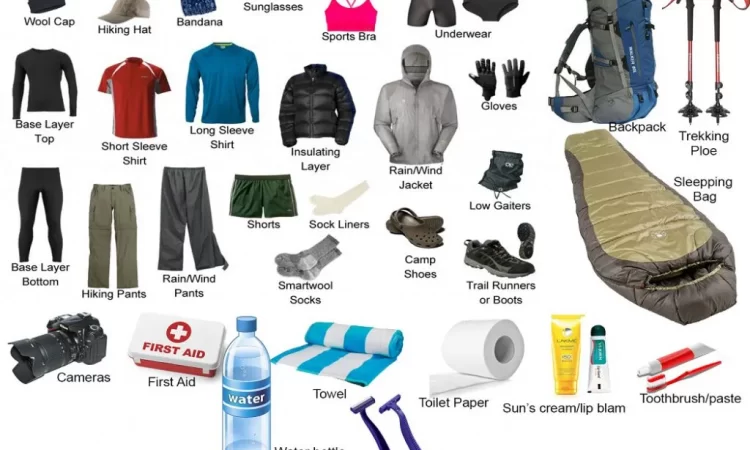
The Complete Gorilla Trekking Packing List
This is the pillar section. Every item here is field-tested by professional guides and thousands of successful trekkers.
1. Waterproof Hiking Boots
The most important item in your pack.
Table
|
Feature |
Why It Matters |
Recommended Specification |
|
Ankle support |
Prevents sprains on uneven terrain |
Mid-cut or high-cut design |
|
Aggressive tread |
Grip on mud, roots, and wet rock |
Deep lugs, 5–7mm depth |
|
Waterproofing |
Keeps feet dry in rainforest rain |
Gore-Tex or equivalent membrane |
|
Break-in period |
New boots cause blisters |
Minimum 20 hours of wear before travel |
Buying recommendations:
- Budget: Merrell Moab 3 Mid WP ($120–$150)
- Midrange: Salomon X Ultra 4 Mid GTX ($160–$200)
- Premium: Lowa Renegade GTX Mid ($240–$280)
Bold warning: Do not bring new boots to gorilla trekking. Break them in for at least 3 weeks before your trip. Blisters on a 6-hour trek are excruciating and can force you to turn back.
2. Long Hiking Trousers
Why long trousers are non-negotiable:
- Thorn protection: Bwindi’s vegetation is armed. Thorns rip through shorts and thin fabrics.
- Insect protection: Mosquitoes, safari ants, and biting flies target exposed legs.
- Leech defense: Trousers tucked into socks or gaiters create a barrier leeches cannot cross.
- Comfort: Long trousers prevent scratches from branches and vines you’re constantly pushing through.
Recommended specifications:
- Quick-dry synthetic fabric (nylon or polyester blend)
- Reinforced knees and seat
- Neutral colors (khaki, olive, brown)
- Avoid: Cotton (stays wet for days), jeans (heavy, slow-drying, restrictive), camouflage (illegal in some areas)
3. Long-Sleeved Shirts
Benefits beyond sun protection:
- Sun protection: UV intensity is high at 2,000+ meters altitude
- Mosquito defense: Malaria is endemic; covered arms reduce bite risk
- Nettle and thorn protection: Stinging nettles are common in Bwindi
- Layering flexibility: Roll sleeves up in heat; down in cold
Recommended specifications:
- Moisture-wicking synthetic or merino wool
- UPF 30+ sun protection rating
- Neutral colors
- Avoid: Bright colors (attract insects; disturb wildlife) and cotton (absorbs sweat and stays wet)
4. Waterproof Rain Jacket
The essential item that separates prepared trekkers from miserable ones.
Why breathable matters:
- Non-breathable ponchos trap sweat, creating condensation inside
- Breathable membranes (Gore-Tex, eVent) allow moisture escape while blocking rain
- You’ll sweat heavily even in rain — breathability prevents hypothermia from wet inner layers
Recommended specifications:
- Waterproof/breathable membrane
- Hood with brim (keeps rain off face and glasses)
- Packable (stuffs into its own pocket or daypack)
- Pit zips for ventilation
Budget options: Frogg Toggs Ultra-Lite2 ($30–$50)
Midrange: Marmot PreCip Eco ($100–$130)
Premium: Arc’teryx Beta LT ($400–$450)
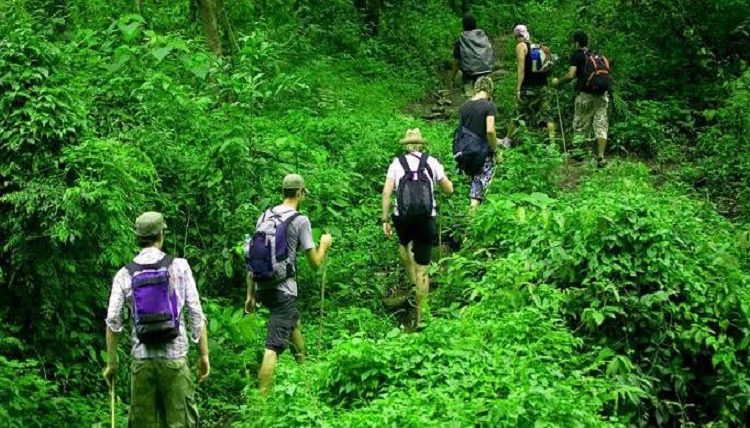
Still deciding where to go gorilla trekking? Compare trekking experiences, permit costs, accessibility, landscapes, and wildlife encounters in our detailed guide on Uganda vs Rwanda Gorilla Trekking before planning your adventure.
5. Gardening Gloves
The most overlooked item in gorilla trekking packing.
Why you need them:
- Holding vegetation: You grab branches, vines, and roots constantly for balance. Bare hands get cut, scratched, and blistered.
- Thorn protection: Bwindi’s vegetation is armed with thorns that penetrate skin.
- Better climbing: Gloves provide grip on wet bark and slippery rocks.
- Hygiene: You touch mud, animal droppings, and decaying vegetation. Gloves keep your hands clean.
Recommended specifications:
- Sturdy canvas or synthetic work gloves
- Reinforced palms
- Snug fit (loose gloves snag on vegetation)
- Cost: $5–$15 at any hardware store
Bold fact: Professional guides in Bwindi consider gardening gloves more important than binoculars. They prevent injuries that can end your trek prematurely.
6. Gaiters
Lower-leg protection that makes the difference between comfort and misery.
What gaiters protect against:
Table
|
Threat |
How Gaiters Help |
|
Mud |
Seals boot tops; prevents mud from filling boots |
|
Fire ants |
Creates barrier ants cannot cross |
|
Water |
Keeps socks dry in stream crossings and wet vegetation |
|
Leeches |
Prevents leeches from attaching to ankles and lower legs |
|
Thorns |
Protects shins from scratching vegetation |
Recommended specifications:
- Waterproof, ankle-high (8–10 inches)
- Secure under-boot strap
- Zip or Velcro closure
- Cost: $15–$40
7. Hiking Socks
The wrong socks cause more problems than the wrong boots.
Table
|
Material |
Pros |
Cons |
Verdict |
|
Merino wool |
Odor-resistant; temperature-regulating; comfortable when wet |
Expensive; slower drying |
Best choice |
|
Synthetic blend |
Quick-drying; durable; affordable |
Less odor control; can feel clammy |
Good choice |
|
Cotton |
Cheap; widely available |
Stays wet for days; causes blisters; loses shape |
Never bring cotton |
Recommended specifications:
- Merino wool or synthetic blend
- Cushioned sole and heel
- Crew height (covers ankle bone)
- Pack 3–4 pairs for multi-day trips
8. Hat
Dual-purpose protection:
- Sun: Wide-brimmed hat shields face, neck, and ears from intense equatorial UV
- Rain: Brim keeps rain off glasses and face during downpours
- Cold mornings: Insulated beanie for 10°C dawn starts
Recommended: Wide-brimmed safari hat with chin strap (wind can be strong on ridges) + packable beanie for cold mornings.
9. Sunglasses
Essential at altitude. UV intensity increases 10–12% per 1,000 meters of elevation. At 2,500 meters, you’re receiving 25–30% more UV than at sea level.
Recommended: Polarized lenses with UV400 protection; retention strap (you’ll be looking up through canopy gaps).
10. Small Backpack
Your lifeline during the trek.
Table
|
Feature |
Recommendation |
Why |
|
Capacity |
20–30 liters |
Holds water, snacks, rain gear, camera, and layers |
|
Waterproof cover |
Built-in or separate rain cover |
Rainforest rain is relentless; electronics must stay dry |
|
Hip belt |
Padded, adjustable |
Transfers weight from shoulders to hips; reduces fatigue |
|
Hydration compatibility |
Sleeve for 2–3 liter bladder |
Easier than reaching for bottles while hiking |
Recommended: Osprey Daylite Plus (20L, $65), Deuter Speed Lite (21L, $80), or Gregory Nano (20L, $55).
11. Refillable Water Bottle
Minimum 2 liters. Dehydration at altitude is real and dangerous.
- Hydration bladder (2–3L): Hands-free drinking while hiking
- Insulated bottle: Keeps water cool in heat; prevents freezing in cold mornings
- Backup bottle: If your bladder leaks, you need a backup
Bold warning: Rangers will turn away trekkers who arrive without adequate water. At altitude, dehydration causes headaches, dizziness, and poor decision-making — all dangerous in remote rainforest.
12. Snacks
Energy maintenance during long treks.
Table
|
Snack |
Why It Works |
Quantity |
|
Energy bars |
Compact; high calorie; easy to eat while walking |
2–3 bars |
|
Bananas |
Natural sugars; potassium prevents cramps |
1–2 bananas |
|
Nuts |
Protein and healthy fats; sustained energy |
100g mixed nuts |
|
Chocolate |
Quick sugar boost; morale lift |
1–2 small bars |
|
Electrolyte tablets |
Replace salts lost through sweat |
2–3 tablets in water |
Important: Do not eat near gorillas. Consume snacks during rest breaks, 100+ meters from the family.
13. Camera
Photography tips for gorilla trekking:
- No flash: Strictly prohibited — it stresses gorillas and can trigger defensive behavior
- Lens recommendation: 70–200mm zoom ideal; 24–70mm for environmental shots
- Extra batteries: Cold mornings drain batteries faster; humidity affects electronics
- Memory cards: 2–3 cards; RAW format recommended for post-processing flexibility
- Rain protection: Camera rain cover or waterproof bag essential
Phone photography: Modern smartphones handle rainforest light well. Bring a waterproof phone case and portable charger.
14. Binoculars
Not essential for gorilla trekking (you’re close enough to see details without magnification), but valuable for:
- Birding: Bwindi has 350+ bird species; Volcanoes has Albertine Rift endemics
- Monkey spotting: Colobus monkeys, blue monkeys, and L’Hoest’s monkeys in the canopy
- Pre-trek wildlife: Scanning for forest elephants or buffalo before entering dense forest
Recommended: 8×42 magnification; waterproof; lightweight.
15. Walking Stick
Usually provided by your lodge or guide.
Benefits:
- Stability: Third point of contact on slippery, uneven terrain
- Weight distribution: Reduces load on knees during descents
- Vegetation clearing: Push aside vines and branches
- Stream crossing: Test depth and stability before stepping
If not provided: Bring a collapsible trekking pole. They’re lightweight and invaluable.
16. Face Mask
Some parks still recommend carrying one for health screening near gorillas. While COVID-19 requirements have relaxed, masks may be required during respiratory illness outbreaks. Pack 2–3 disposable masks as backup.
17. Personal Medication
Bring your full supply — pharmacies near Bwindi and Volcanoes are limited.
Table
|
Medication |
Purpose |
|
Malaria prophylaxis |
Essential — malaria is endemic in both countries |
|
Altitude sickness tablets |
Diamox (acetazolamide) for sensitive trekkers |
|
Pain relievers |
Ibuprofen or paracetamol for muscle soreness |
|
Anti-diarrheal |
Imodium for stomach issues |
|
Antihistamines |
Allergic reactions to insect bites or plants |
|
Personal prescriptions |
Full supply for entire trip |
18. First Aid Kit
Simple checklist for your daypack:
- Blister pads (moleskin or Compeed) – essential
- Antiseptic wipes
- Adhesive bandages (various sizes)
- Tweezers (thorn and splinter removal)
- Small scissors
- Medical tape
- Rehydration salts
- Personal medications
19. Sunscreen
SPF 30+; broad-spectrum; water-resistant. Apply to face, neck, ears, and hands.
Reapply every 2 hours.
At altitude, sunburn happens faster than at sea level.
20. Insect Repellent
DEET 30–50% is the gold standard for African rainforest conditions.
Table
|
Repellent Type |
Effectiveness |
Duration |
Best For |
|
DEET 30–50% |
Excellent |
6–8 hours |
Primary protection; essential |
|
Picaridin 20% |
Very good |
6–8 hours |
DEET alternative; less greasy |
|
Natural (oil of lemon eucalyptus) |
Moderate |
2–4 hours |
Supplement only; not primary protection |
Apply to exposed skin and clothing edges. Reapply after sweating or rain.
21. Hand Sanitizer
Critical for gorilla health. You share 98% of your DNA with gorillas — your germs can kill them. Sanitize hands before and after the trek, before eating, and after bathroom breaks.
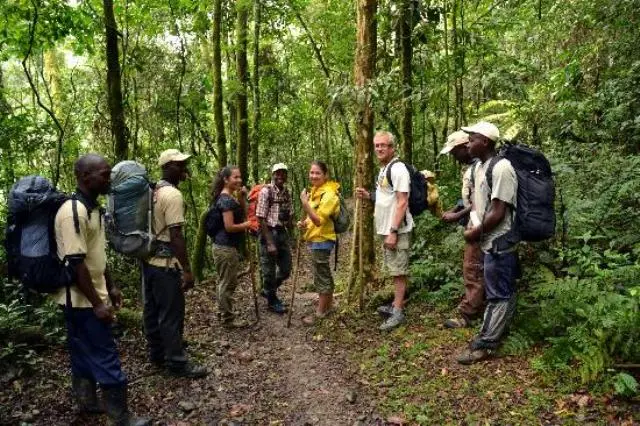
Packing the right gear depends on the season you travel. Discover the best months for gorilla trekking, weather conditions, trail difficulty, and what to expect in our guide to the Best Time for Gorilla Trekking Uganda.
Documents to Carry
Never leave these behind:
Table
|
Document |
Why Essential |
|
Passport |
Required for park registration and border crossings |
|
Gorilla permit |
Your golden ticket — non-refundable, non-transferable, date-specific |
|
Visa |
East African Tourist Visa ($100) covers Uganda, Rwanda, and Kenya |
|
Travel insurance |
Mandatory — must include medical evacuation coverage |
|
Yellow fever certificate |
Mandatory for entry into Uganda and Rwanda |
|
Emergency contacts |
Lodge, operator, and embassy phone numbers |
|
Cash (USD) |
Small bills for tips, porters, and village purchases |
|
Credit cards |
Visa and Mastercard accepted at most lodges; backup for emergencies |
Bold tip: Make digital copies of all documents and email them to yourself. If originals are lost or damaged, digital backups expedite replacement.
What NOT to Pack
These items will cause problems, violate rules, or waste space.
Table
|
Item |
Why Not to Pack |
Alternative |
|
Heavy suitcases |
Impossible to transport on rough roads; lodges have limited storage |
Soft duffel bag (80–100L) |
|
Jeans |
Heavy, slow-drying, restrictive, chafing |
Quick-dry hiking trousers |
|
High heels |
Dangerous on uneven terrain; impractical for lodge walkways |
Comfortable walking shoes or sandals |
|
Flip-flops |
No ankle support; dangerous on wet surfaces |
Sport sandals with straps (Teva, Chaco) |
|
Drone |
Illegal in all Ugandan and Rwandan national parks |
Leave at home |
|
Bright clothing |
Attracts insects; disturbs wildlife; violates park guidelines |
Neutral colors (khaki, olive, brown) |
|
Perfume/cologne |
Attracts insects; gorillas have sensitive olfactory systems |
Unscented deodorant only |
|
Alcohol |
Dehydrates at altitude; prohibited in some lodges |
Hydrate with water and electrolytes |
|
Disposable plastics |
Banned in many parks; environmental hazard |
Reusable bottles and containers |
Gorilla Trekking Packing List for Women
Specific advice for female trekkers:
- Sports bra: High-impact support for hiking and scrambling; moisture-wicking fabric
- Hair ties/buff: Keep hair controlled in wind and vegetation; prevents ticks and insects from hiding
- Personal hygiene products: Pack sufficient supplies — rural shops near parks are limited
- Menstrual products: Tampons and pads are available in Kampala/Kigali but scarce near parks; bring your full supply
- Comfortable underwear: Quick-dry, moisture-wicking; avoid cotton
- Lightweight layers: Temperature fluctuates 10–25°C; layering allows adjustment
- Modest clothing for villages: Long skirts or trousers for community visits; some areas are conservative
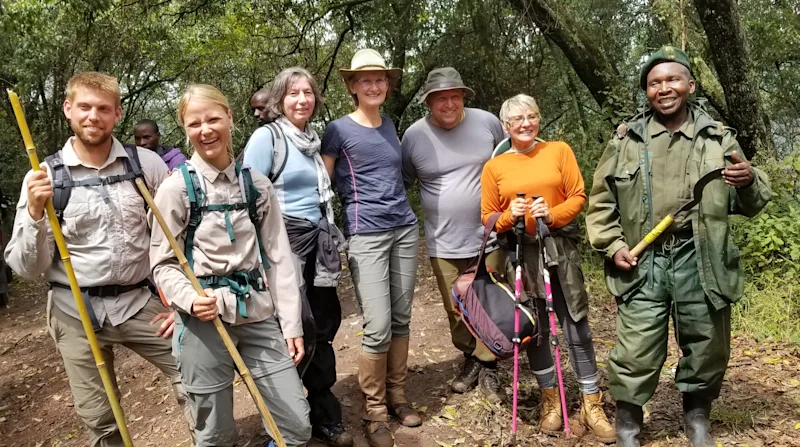
Gorilla Trekking Packing List for Men
Specific advice for male trekkers:
- Lightweight shirts: Moisture-wicking synthetic or merino wool; 2–3 for multi-day trips
- Quick-dry underwear: Synthetic or merino; 3–4 pairs; avoid cotton
- Moisture-wicking base layers: For cold mornings and layering flexibility
- Sturdy belt: Keeps trousers secure during scrambling and steep descents
- Shaving kit: Minimal; many lodges lack hot water for shaving
- Neutral colors: Khaki, olive, brown; no bright colors or camouflage
Packing Tips for Families
Children
- Minimum trekking age: 15 years in Uganda and Rwanda — strictly enforced
- Alternative activities: Nature walks, birding, cultural visits, junior ranger programs
- Entertainment: Books, games, and devices for lodge downtime
- Snacks: Familiar foods from home; lodge meals may not suit picky eaters
Older Travelers
- Medications: Full supply plus extras; rural pharmacies are limited
- Comfort items: Neck pillow for long transfers; favorite snacks
- Medical documentation: Physician’s letter for any conditions; travel insurance details
Senior Hikers
- Sedan-chair preparation: Rwanda only; confirm with operator before travel
- Extra layers: Older adults feel cold more acutely; pack additional insulation
- Walking aids: Trekking poles essential; consider knee braces for joint support
Packing Tips During the Rainy Season
March–May and October–November demand extra preparation:
Table
|
Addition |
Purpose |
|
Extra socks |
3–4 pairs; feet get wet regardless of waterproofing |
|
Poncho |
Backup rain protection if jacket fails |
|
Dry bags |
Waterproof storage for electronics, documents, and spare clothes |
|
Waterproof backpack cover |
Essential; rain is heavy and persistent |
|
Quick-dry clothing |
Everything must dry overnight; cotton is useless |
|
Gaiters |
Non-negotiable; mud and leeches are relentless |
|
Trekking poles |
Stability on slippery terrain is critical |
|
Packable towel |
Microfiber towel for drying off during the trek |
Packing Tips During the Dry Season
June–September and December–February require different priorities:
Table
|
Addition |
Purpose |
|
Light clothing |
Breathable fabrics prevent overheating in afternoon heat |
|
Extra hydration |
3+ liters water; dry season heat increases dehydration risk |
|
Sun protection |
Higher UV intensity; sunscreen, hat, sunglasses essential |
|
Dust protection |
Bandana or buff for dusty road transfers |
|
Lip balm with SPF |
Lips chap quickly at altitude in dry conditions |
|
Electrolyte supplements |
Replace salts lost through increased sweating |
Photography Packing Guide
Capture the encounter without compromising it.
Table
|
Item |
Specification |
Why |
|
Camera |
DSLR or mirrorless |
Image quality; low-light performance |
|
Lens |
70–200mm f/2.8 or f/4 |
Ideal zoom range; no flash needed |
|
Backup lens |
24–70mm f/2.8 |
Environmental shots; group photos |
|
Power bank |
20,000+ mAh |
Cold drains batteries; humidity affects electronics |
|
Memory cards |
2–3 x 64GB or 128GB |
RAW files are large; backup cards essential |
|
Rain cover |
Dedicated camera rain sleeve |
Rainforest rain destroys unprotected gear |
|
Lens cloth |
Microfiber |
Humidity fogs lenses; frequent cleaning needed |
Phone photography tips:
- Use burst mode for moving gorillas
- Shoot in RAW if your phone supports it
- Bring a waterproof phone case
- Clean lens frequently — humidity causes fogging
- Use a portable phone charger
Eco-Friendly Packing Tips
Your packing choices impact gorilla conservation.
Table
|
Practice |
Impact |
How to Implement |
|
Reusable bottle |
Eliminates single-use plastic waste |
Bring a durable 1–2 liter bottle |
|
Avoid disposable plastics |
Reduces pollution in protected parks |
No plastic bags, straws, or cutlery |
|
Biodegradable toiletries |
Protects water sources and soil |
Shampoo, soap, and toothpaste bars |
|
Leave No Trace principles |
Preserves wilderness for future trekkers |
Pack out all waste; bury human waste 30cm deep |
|
Support conservation |
Your choices fund protection |
Buy local crafts; tip porters and guides generously |
Bold fact: Bwindi Impenetrable National Park generates zero landfill waste. Every piece of trash you pack in, you must pack out.
Common Packing Mistakes
Learn from others’ errors. Avoid these pitfalls:
Table
|
Mistake |
Consequence |
Solution |
|
New hiking boots |
Blisters, pain, potential trek cancellation |
Break in for 3+ weeks before travel |
|
Too much luggage |
Difficult transfers; excess baggage fees; lodge storage limitations |
15–20kg total; soft duffel bag |
|
Not carrying rain gear |
Soaked clothes; hypothermia; ruined electronics |
Waterproof jacket + backpack cover always |
|
Wrong clothing |
Sunburn, insect bites, scratches, cold |
Long layers, neutral colors, quick-dry fabrics |
|
No gloves |
Cut hands; blisters; inability to grab vegetation for balance |
$5 gardening gloves from any hardware store |
|
No snacks |
Blood sugar crash; dizziness; early fatigue |
Energy bars, nuts, chocolate in daypack |
|
Poor hydration |
Altitude sickness; headaches; reduced performance |
2+ liters water; electrolyte tablets |
|
Forgetting documents |
Denied park entry; cancelled trek; legal issues |
Checklist verification before leaving lodge |
|
Cotton everything |
Wet, cold, miserable for entire trek |
Synthetic or merino wool only |
|
No first aid |
Blisters become infected; minor injuries become major |
Basic kit in daypack |
Expert Gorilla Guide Tips
Professional trackers and rangers share their insider packing wisdom:
“The trekkers who struggle most are not the unfit ones — they’re the ones who packed wrong. Wet feet, cold bodies, and empty stomachs destroy morale faster than steep trails.” — Senior Ranger, Bwindi Impenetrable National Park
“Gardening gloves are more important than binoculars. I see trekkers bleeding from thorn scratches every week because they didn’t bring gloves. Five dollars at a hardware store prevents a ruined trek.” — Lead Tracker, Volcanoes National Park
“Pack two complete trekking outfits. After a muddy Bwindi trek, putting on dry clothes is the difference between misery and comfort. Wet clothes overnight mean wet clothes for day two.” — Safari Guide, 15 years experience
“The best-packed daypack weighs under 5kg. Water, snacks, rain jacket, camera, gloves. Everything else stays at the lodge. Heavy bags exhaust trekkers before they reach the gorillas.” — UWA-certified Ranger
Printable Gorilla Trekking Packing Checklist
Tick every box before you leave home:
Clothing & Footwear
- [ ] Waterproof hiking boots (broken in)
- [ ] Hiking socks (3–4 pairs, merino or synthetic)
- [ ] Long hiking trousers (2 pairs, quick-dry)
- [ ] Long-sleeved shirts (2–3, moisture-wicking)
- [ ] Waterproof rain jacket (breathable)
- [ ] Gardening gloves (sturdy, snug fit)
- [ ] Gaiters (waterproof, ankle-high)
- [ ] Wide-brimmed hat + beanie
- [ ] Sunglasses (polarized, UV400)
Equipment
- [ ] Daypack (20–30L, with rain cover)
- [ ] Refillable water bottle/bladder (2–3 liters)
- [ ] Energy snacks (bars, nuts, chocolate, bananas)
- [ ] Camera + rain cover + extra batteries + memory cards
- [ ] Binoculars (optional but recommended)
- [ ] Walking stick/trekking poles
- [ ] Face masks (2–3 disposable)
Health & Hygiene
- [ ] Personal medications (full supply)
- [ ] First aid kit (blister pads, antiseptic, bandages)
- [ ] Sunscreen (SPF 30+, broad-spectrum)
- [ ] Insect repellent (DEET 30–50%)
- [ ] Hand sanitizer
- [ ] Malaria prophylaxis
- [ ] Altitude sickness tablets (if sensitive)
Documents
- [ ] Passport
- [ ] Gorilla permit
- [ ] Visa (East African Tourist Visa recommended)
- [ ] Travel insurance documents
- [ ] Yellow fever certificate
- [ ] Emergency contacts
- [ ] Cash (USD small bills)
- [ ] Credit cards
Rainy Season Additions
- [ ] Extra socks (2 additional pairs)
- [ ] Poncho (backup rain protection)
- [ ] Dry bags (for electronics and documents)
- [ ] Packable towel (microfiber)
Dry Season Additions
- [ ] Extra hydration supplies
- [ ] Dust mask/buff
- [ ] Lip balm with SPF
- [ ] Electrolyte supplements
Frequently Asked Questions
What do you wear for gorilla trekking?
Long trousers, long-sleeved shirt, waterproof hiking boots, rain jacket, and gardening gloves. Choose quick-dry, neutral-colored fabrics. Layer for temperature changes. Avoid cotton, bright colors, and jeans.
Can I wear shorts for gorilla trekking?
No. Shorts expose your legs to thorns, nettles, insects, and leeches. Long trousers are mandatory for safety and comfort. No exceptions.
Do I need hiking boots?
Yes — absolutely. Running shoes, sneakers, and sandals provide insufficient ankle support and waterproofing on steep, muddy rainforest trails. Proper hiking boots prevent injuries that can end your trek.
Is a rain jacket necessary?
Yes — essential. Rain is possible year-round in Bwindi and Volcanoes. A breathable waterproof jacket prevents hypothermia, protects your camera, and keeps you comfortable. Pack it even in dry season.
Should I bring binoculars?
Recommended but not essential. You don’t need magnification to see gorillas (you’re close enough). But binoculars enhance birding, monkey spotting, and pre-trek wildlife scanning. 8×42 is ideal.
What backpack size is best?
20–30 liters. This holds 2–3 liters of water, snacks, rain gear, camera, and spare layers. Larger bags encourage overpacking and exhaust you faster. Ensure it has a waterproof cover.
Can I carry a drone?
No — illegal. Drones are prohibited in all Ugandan and Rwandan national parks. Violations result in confiscation, fines, and potential legal action. Leave drones at home.
Is there a luggage limit?
No official limit, but practical constraints apply. Soft duffel bags (80–100L) are ideal. Hard suitcases are impractical on rough roads. Most lodges have limited storage. Pack 15–20kg total.
Are walking sticks provided?
Usually yes. Most lodges and guides provide walking sticks or trekking poles. Confirm with your operator before travel. If not provided, bring a collapsible trekking pole.
Can I wear perfume?
No. Perfume and cologne attract insects and disturb gorillas’ sensitive olfactory systems. Use unscented deodorant only. This is a park rule, not a suggestion.
What food should I bring?
Energy-dense, portable snacks: energy bars, nuts, chocolate, bananas, and electrolyte tablets. Do not eat near gorillas. Consume during rest breaks, 100+ meters from the family.
How much water do I need?
Minimum 2 liters for the trek. At altitude, dehydration happens faster. Bring 2–3 liters total. Hydration bladders are easiest; insulated bottles keep water cool.
Should I wear gloves?
Yes — gardening gloves are essential. You grab vegetation constantly for balance. Thorns, nettles, and rough bark damage bare hands. Sturdy work gloves cost $5–$15 and prevent injuries.
Can I bring children?
Children under 15 cannot trek — strictly enforced. They can participate in alternative activities: nature walks, birding, cultural visits, and junior ranger programs.
Can I carry my phone?
Yes, but use it respectfully. Phones are allowed for photography (no flash). Keep them silent during the gorilla encounter. Bring a waterproof case and portable charger.
Final Gorilla Trekking Packing Advice
Packing correctly for gorilla trekking means:
- More comfort: Dry feet, warm layers, and protected skin let you focus on the gorillas, not your discomfort
- Better photography: Protected gear, charged batteries, and clear lenses capture the moment perfectly
- Safer hiking: Proper boots, gloves, and stability equipment prevent injuries that can end your trek
- Less fatigue: Light daypacks, adequate hydration, and energy snacks maintain your stamina
- More enjoyable encounter: When you’re not fighting your gear, you’re free to absorb the profound experience of meeting mountain gorillas
The mountain gorillas of Uganda and Rwanda are waiting. The rainforest is ready. The only question is whether you are.
Book Your Gorilla Trekking Adventure
Ready to experience the adventure of a lifetime? Contact GoSilverback Gorilla Safaris to book your unforgettable gorilla trekking safari in Uganda or Rwanda.
Our expert team provides permit booking, accommodation, transport, and personalized packing advice to ensure you’re fully prepared for an exceptional wildlife experience.
What You Get When You Book With Us:
✅ Personalized packing guidance — pre-departure briefing with sector-specific recommendations
✅ Gorilla permit secured — 6–12 months ahead, all sectors, both countries
✅ Handpicked accommodation — matched to your trekking sector and comfort preferences
✅ Expert local guides — UWA and RDB certified, trained in all weather conditions
✅ Porter coordination — essential support arranged before you arrive
✅ Equipment advice — what to buy, what to rent, what to leave home
✅ 24/7 support — weather updates, contingency planning, emergency protocols
✅ Conservation commitment — every booking supports gorilla protection and community development
Our Gorilla Safari Packages:
- 3 Days Uganda Gorilla Trekking — from $1,200 per person
- 3 Days Rwanda Luxury Gorilla Safari — from $3,500 per person
- 5 Days Gorilla & Wildlife Safari — from $2,500 per person
- 7 Days Uganda Rwanda Gorilla Safari — from $4,000 per person
- Luxury Gorilla Safaris — Singita, One&Only, Sanctuary lodges from $5,000+
- Budget Gorilla Packages — affordable treks without compromising safety from $1,200
- Family Safaris — child-friendly activities and flexible pacing
- Honeymoon Packages — private treks, romantic lodges, exclusive experiences
- Photography Safaris — optimal sectors, extended time, specialist guides
- Rainy Season Specials — 20–30% discounts March–May and October–November
- Dry Season Premium — guaranteed permits, best weather, peak season access
- Tailor-Made Itineraries — designed around your dates, fitness, and packing preferences
Ready to Pack for the Adventure of a Lifetime?
The gorillas don’t care what brand your boots are. They care that you come prepared, respectful, and ready for an encounter that will change how you see the world.
📧 Email: info@gosilverbackgorillasafaris.com
🌐 Website: www.gosilverbackgorillasafaris.com
📞 Call/WhatsApp: +256-773-801934
[Request Your Gorilla Safari Quote →]
[Get Personalized Packing Advice →]
[Check Gorilla Permit Availability →]
Don’t let poor packing ruin your dream. With GoSilverback Gorilla Safaris, you get expert guidance on every item, every season, and every sector — so you arrive prepared, comfortable, and ready for the mountain gorillas.
About GoSilverback Gorilla Safaris:
A locally owned and operated East African safari company specializing in gorilla trekking across Uganda, Rwanda, and Congo.
With over a decade of experience, certified UWA and RDB guides, and direct conservation partnerships, we ensure every traveler arrives prepared — and leaves transformed. Licensed by Uganda Tourism Board and Rwanda Development Board.