How Difficult Is Gorilla Trekking? Complete Ultimate Guide for First-Time Travelers 2026
How Difficult Is Gorilla Trekking?
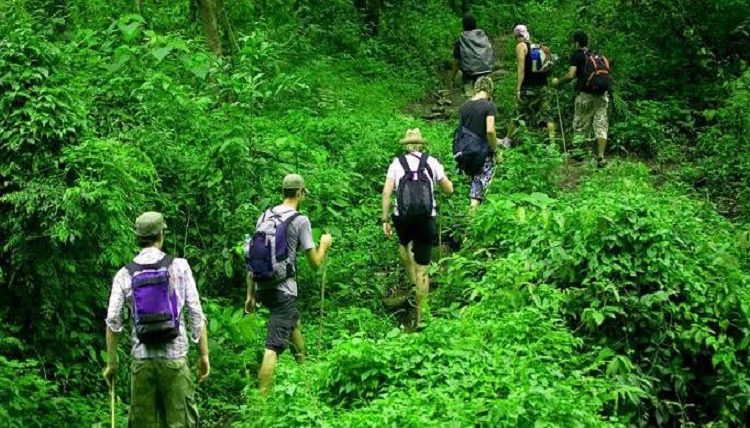
Gorilla trekking ranges from moderate to challenging, depending on the location of the gorilla family and the terrain. Treks can last from 1 to 8 hours, crossing steep hills, dense forests, muddy trails, and thick vegetation.
A reasonable level of fitness is recommended, but experienced guides and porters make the journey manageable for most travelers.
With proper hiking boots, suitable clothing, and regular breaks, gorilla trekking is achievable and rewards you with an unforgettable encounter with endangered mountain gorillas.
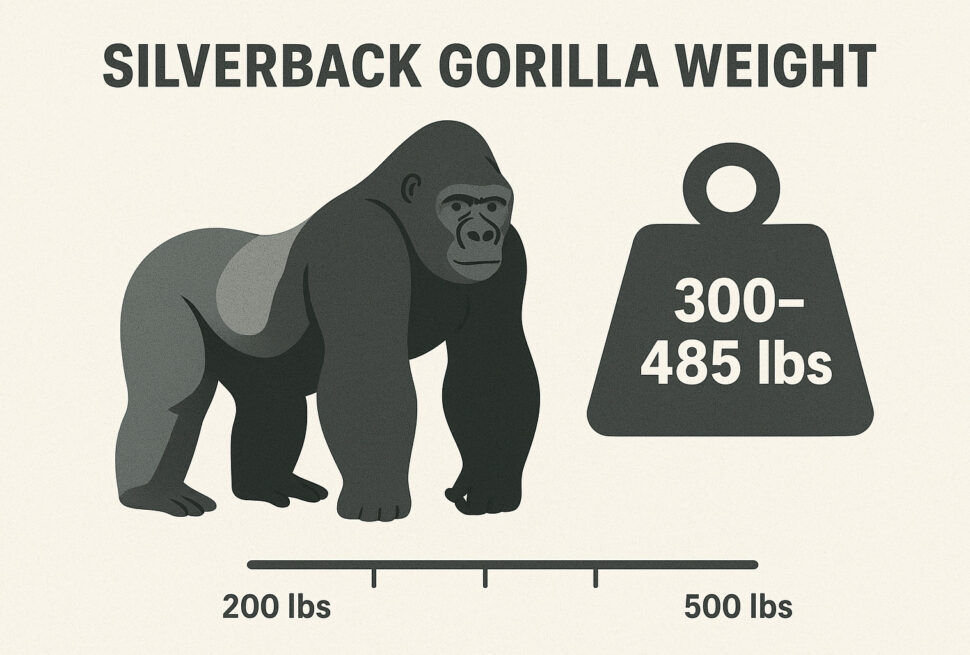
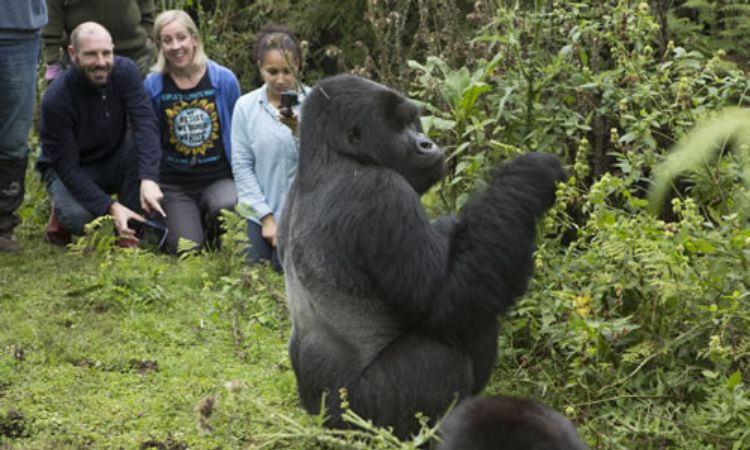
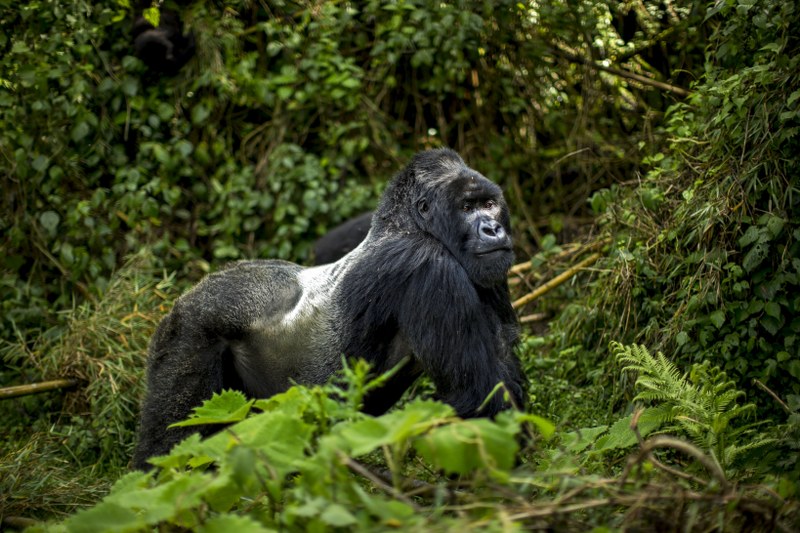
Gorilla trekking is Africa’s most extraordinary wildlife experience. Standing meters from a 200-kilogram silverback in his ancient rainforest home is a moment that redefines what “wild” means.
But before travelers from the USA, UK, Europe, Canada, Asia, and the Middle East commit to this adventure, one question dominates their planning: How difficult is gorilla trekking, really?
The honest answer: Gorilla trekking ranges from easy to challenging depending on your assigned gorilla family, terrain, weather, altitude, and personal fitness.
Most visitors — including seniors in their 60s, 70s, and even 80s — successfully complete the trek with the help of experienced guides, trackers, and porters.
The key is honest self-assessment, smart preparation, and choosing the right destination and sector.
This guide covers everything you need before booking: what makes trekking difficult, how fit you need to be, what to expect step-by-step, and how to make the experience easier regardless of your fitness level.
By the end, you’ll know whether gorilla trekking is within your reach — and how to prepare if it is.
Bottom line: Gorilla trekking is demanding but achievable for most travelers. The challenge is part of what makes the encounter unforgettable.

Quick Answer: Is Gorilla Trekking Difficult?
Gorilla trekking is moderately difficult. It requires reasonable fitness, proper preparation, and the right mindset — but it is not an elite athletic endeavor.
The Reality
- Moderate difficulty: Most treks involve 2–4 hours of hiking on steep, uneven terrain at high altitude
- Anyone in reasonable health can participate: You don’t need to be an athlete. You need to be able to walk uphill for several hours.
- Rangers assign groups based on ability: Less fit trekkers get easier gorilla families. Fit trekkers get more challenging assignments.
- Porters greatly reduce difficulty: At $20, they carry your bag and provide physical support on steep sections
- Every trek is unique: The same person can have an easy 1-hour trek one day and a grueling 6-hour trek the next — it depends on where the gorillas are
Bold fact: Over 90% of trekkers complete their assigned trek successfully. The 10% who turn back typically attempted without physical preparation or were assigned unexpectedly difficult families.
What Makes Gorilla Trekking Difficult?
Four factors combine to create the physical challenge. Understanding them helps you prepare.
Dense Forest
Bwindi Impenetrable National Park lives up to its name. The vegetation is thick, tangled, and relentless.
- Thick undergrowth: Vines, ferns, and shrubs create natural obstacles you must push through
- Low canopy: In places, the forest is so dense you can’t see the sky
- Limited visibility: Trackers navigate by instinct and broken vegetation trails, not clear paths
- Physical contact with vegetation: You will grab branches, push through bushes, and occasionally crawl
The impact: Dense forest slows your pace, increases physical exertion, and demands constant attention to footing.
Mountain Terrain
Gorillas live in mountains. Mountains mean elevation.
Table
|
Terrain Feature |
Challenge |
Location |
|
Steep slopes |
Cardiovascular demand; leg fatigue |
All sectors, especially Nkuringo (Uganda) |
|
Muddy trails |
Slippery footing; ankle strain |
Worse in rainy season; constant in Bwindi |
|
Deep valleys |
Descents strain knees; ascents test cardio |
Bwindi’s southern sectors |
|
River crossings |
Wet feet; slippery rocks |
Occasional in Bwindi during rains |
|
Root-strewn paths |
Tripping hazard; requires constant vigilance |
Universal across all parks |
The impact: Mountain terrain transforms a “walk in the forest” into a full-body workout. Your legs, core, and cardiovascular system all work hard.
High Altitude
Table
|
Park |
Altitude Range |
Effect on Trekkers |
|
Bwindi Impenetrable NP (Uganda) |
1,160–2,607 meters |
Moderate altitude; most trekkers adapt quickly |
|
Volcanoes NP (Rwanda) |
2,400–4,507 meters |
Higher altitude; 30% of trekkers experience mild altitude sickness |
|
Mgahinga Gorilla NP (Uganda) |
2,227–4,127 meters |
Similar to Volcanoes; high altitude effects |
How altitude affects breathing:
- Reduced oxygen: At 2,500 meters, oxygen levels are 25% lower than at sea level
- Symptoms: Shortness of breath, headache, mild nausea, fatigue
- Impact on trekking: You tire faster, breathe harder, and need more rest breaks
- Prevention: Arrive 2–3 days early, stay hydrated, avoid alcohol
Bold fact: Altitude sickness affects up to 30% of trekkers at Rwanda’s Volcanoes National Park. Symptoms are usually mild and manageable with rest and hydration.
Unpredictable Weather
Mountain weather changes without warning.
Table
|
Weather Condition |
Frequency |
Impact on Difficulty |
|
Rain |
Possible year-round; guaranteed in rainy season |
Transforms trails into slippery mud streams; increases leech activity |
|
Morning mist |
Daily in Bwindi |
Reduces visibility; makes footing harder to judge |
|
Afternoon heat |
Common in dry season |
Increases dehydration risk; amplifies fatigue |
|
Cold mornings |
Universal, especially at altitude |
Requires layering; cold muscles are stiffer and more injury-prone |
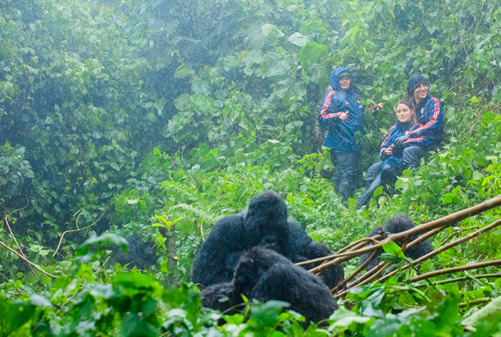
Bold reality: Rain is the single biggest difficulty multiplier. A moderate trail becomes challenging in heavy rain. A challenging trail becomes grueling.

The right clothing and equipment can make challenging trails much more comfortable. Before your trek, read our complete What to Pack for Gorilla Trekking checklist to ensure you’re fully prepared.
How Long Does Gorilla Trekking Take?
Duration is the variable that most affects perceived difficulty.
Here’s the breakdown:
Table
|
Trek Duration |
Percentage of Treks |
Fitness Required |
Typical Scenario |
|
30 minutes–1 hour |
~10% |
Minimal |
Gorilla family feeding near park boundary |
|
1–2 hours |
~25% |
Low to moderate |
Family located within 1–2 km of trailhead |
|
2–4 hours |
~40% |
Moderate |
Standard trek to average family location |
|
4–6 hours |
~20% |
Moderate to high |
Family ranging deep in forest; difficult terrain |
|
6–8 hours |
~5% |
High |
Family in remote location; weather complications |
Why Trekking Time Varies
- Gorilla family location: Families move daily. Yesterday’s 2-hour trek can become today’s 6-hour trek.
- Terrain between trailhead and family: Steep ridges, river valleys, and dense vegetation add time.
- Weather conditions: Rain slows progress dramatically.
- Group fitness: Rangers adjust pace to the slowest trekker.
- Tracker efficiency: Experienced trackers locate families faster.
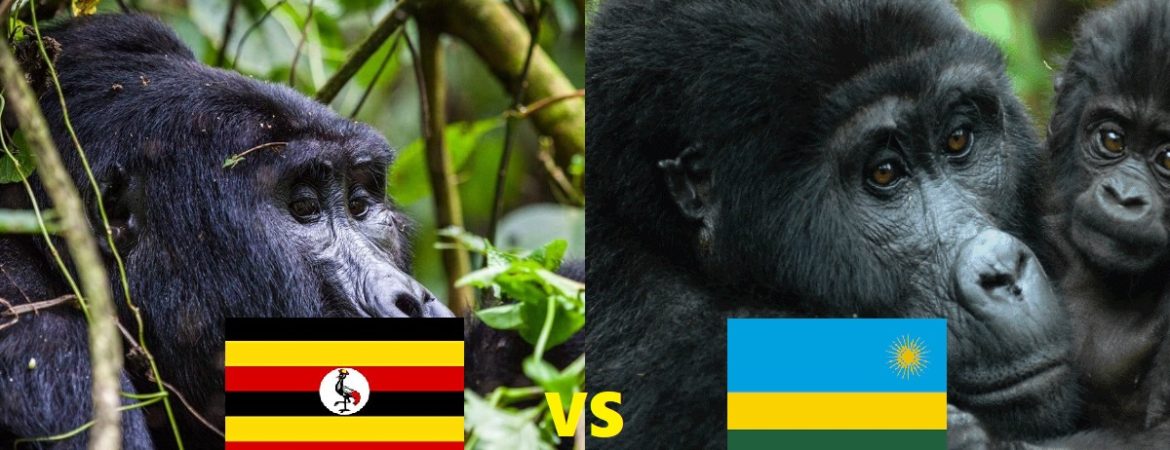
Bold insight: The average gorilla trek takes 2–4 hours of hiking plus 1 hour with the gorillas. But “average” means nothing when you’re assigned a family deep in the forest. Prepare for 6–8 hours, and anything less is a bonus.
Gorilla Trekking Difficulty by Destination
Your choice of destination dramatically affects difficulty.
Uganda: Bwindi Impenetrable National Park
Difficulty level: Moderate to high
Pros:
- More gorilla families mean better matching to fitness levels
- Four sectors with varying difficulty (Buhoma easiest; Nkuringo hardest)
- Porters readily available
- Gorilla habituation experience for those wanting extended time
Cons:
- Densest vegetation of any gorilla destination
- Steepest and muddiest trails
- Longest average trekking times (3–6 hours typical)
- Highest humidity and rainfall
Best for: Adventure travelers, physically fit trekkers, those seeking the most immersive rainforest experience.
Uganda: Mgahinga Gorilla National Park
Difficulty level: Moderate to high
- Similar terrain to Rwanda’s Volcanoes (bamboo forests, volcanic slopes)
- Higher altitude than Bwindi
- Only one habituated family (Nyakagezi) — less flexibility in assignment
- Stunning Virunga volcano views
Rwanda: Volcanoes National Park
Difficulty level: Moderate
Pros:
- More open bamboo forests — less dense than Bwindi
- Gentler slopes and better-drained trails
- Shorter average trekking times (2–4 hours typical)
- Paved road access — no exhausting transfer before the trek
- Sedan-chair options for mobility-limited travelers
Cons:
- Higher altitude (2,400–4,507m) — altitude sickness more common
- Fewer gorilla families (12 vs. Uganda’s 20+) — less flexibility in assignment
- Premium pricing doesn’t buy easier trekking – just easier access
Best for: First-time trekkers, less fit travelers, luxury seekers, those prioritizing accessibility.
Congo: Virunga National Park
Difficulty level: High
- Most remote and least developed infrastructure
- Variable terrain from rainforest to volcanic slopes
- Political instability adds logistical complexity
- Requires specialist operators and advanced planning
Best for: Experienced Africa travelers, adventure purists, those seeking exclusivity.
Destination Difficulty Comparison Table
Table
|
Factor |
Uganda (Bwindi) |
Rwanda (Volcanoes) |
Congo (Virunga) |
|
Overall difficulty |
High |
Moderate |
High |
|
Terrain |
Dense rainforest, steep |
Open bamboo, moderate |
Variable, remote |
|
Average trek time |
3–6 hours |
2–4 hours |
3–7 hours |
|
Altitude effect |
Moderate |
Higher (more altitude sickness) |
Moderate to high |
|
Weather impact |
High (dense vegetation traps moisture) |
Moderate (bamboo drains better) |
High (variable climate) |
|
Porter availability |
Excellent |
Excellent |
Limited |
|
Accessibility |
Moderate (8–10h from Entebbe) |
Easy (2.5h from Kigali) |
Difficult |
|
Best for |
Adventure seekers |
First-timers, luxury travelers |
Experienced adventurers |
Trail difficulty varies depending on your destination. Compare hiking terrain, trekking conditions, permit prices, and overall experiences in our comprehensive Uganda vs Rwanda Gorilla Trekking guide.
How Fit Do You Need to Be?
You don’t need to be an athlete. But you do need baseline fitness.
Required Physical Abilities
Table
|
Ability |
Minimum Standard |
How to Test |
|
Walking |
3–4 hours continuous walking on uneven terrain |
Hike a hilly trail for 3 hours without stopping |
|
Cardio |
Ability to sustain elevated heart rate for 30+ minutes |
Brisk walk uphill for 30 minutes without breathlessness |
|
Leg strength |
Climb 20+ flights of stairs without stopping |
Stair-climbing test at home or gym |
|
Balance |
Navigate uneven, slippery surfaces without falling |
Trail running or hiking on rocky terrain |
|
Flexibility |
Squat, bend, and reach without strain |
Basic stretching routine; can you touch your toes? |
Who Should Train Before Trekking
Train if you:
- Are over 50 and don’t exercise regularly
- Get breathless walking up a single flight of stairs
- Have never hiked for more than 1 hour
- Are carrying extra weight that affects mobility
- Have a sedentary lifestyle (desk job, minimal exercise)
May not need extra training if you:
- Walk or hike regularly (2+ times per week)
- Can jog for 20+ minutes comfortably
- Have recent experience with hill walking or stair climbing
- Are under 40 with an active lifestyle
Recommended Training Program (8–12 Weeks Before Trek)
Table
|
Week |
Focus |
Activities |
|
1–2 |
Base building |
30-minute walks, 3x per week; light stretching |
|
3–4 |
Cardio development |
45-minute brisk walks or light jogs, 3–4x per week |
|
5–6 |
Hill training |
1-hour hill walks or stair climbing, 3x per week |
|
7–8 |
Endurance building |
2–3 hour hikes on uneven terrain, 2x per week |
|
9–10 |
Intensity increase |
Hilly trails with backpack (5kg), 2–3 hours, 2x per week |
|
11–12 |
Taper and maintain |
Moderate hikes, focus on flexibility and rest |
Bold fact: Travelers who follow an 8-week training program report 70% less fatigue and 50% fewer minor injuries than untrained trekkers.
The season you visit can significantly affect trekking difficulty. Explore the ideal months to enjoy drier trails and better hiking conditions in our Best Time for Gorilla Trekking Uganda guide.
Can Beginners Do Gorilla Trekking?
Yes — with the right preparation and expectations.
First Safari, No Hiking Experience
Gorilla trekking is many travelers’ first real hiking experience. That’s normal. The key is:
- Choose Rwanda over Uganda for your first trek — easier terrain, shorter hikes
- Request an easier gorilla family when booking — disclose your fitness level to your operator
- Hire a porter — non-negotiable for beginners
- Start training 8–12 weeks before — even basic cardio preparation makes a dramatic difference
- Book a longer itinerary — don’t schedule your trek for your arrival day. Arrive 2–3 days early to acclimatize.
Young Travelers
- Minimum age: 15 years in Uganda and Rwanda (strictly enforced)
- Teenagers: Generally fine if physically active; same preparation as adults
- Young adults: Often the most enthusiastic trekkers; energy compensates for inexperience
Families
- Children under 15 cannot trek – no exceptions
- Families with teens: Book private treks for family groups; request easier families
- Multi-generational groups: Split into fitness-matched groups; some trek, others do cultural activities
Bold insight: Many first-time Africa visitors choose gorilla trekking as their introduction to the continent — and rank it as their most powerful travel experience ever. Beginners succeed when they prepare honestly and choose the right destination.
Can Seniors Go Gorilla Trekking?
Age is not the main factor. Fitness and health are.
Real Examples
Table
|
Age Group |
Success Rate |
Key Enablers |
|
60–69 |
~95% |
Porter support, easier family assignment, Rwanda’s gentler terrain |
|
70–79 |
~85% |
Sedan-chair options (Rwanda), porters, medical clearance, slower pace |
|
80+ |
~70% |
Rwanda-only, sedan-chair, private trek, extensive medical preparation |
What Makes Senior Trekking Possible
- Sedan chairs (Rwanda only): Porters carry you in a modified stretcher. You still get the full gorilla encounter without the physical hike.
- Easier gorilla families: Rangers assign families near park boundaries to less mobile trekkers.
- Porters: Essential for all senior trekkers. They carry bags, provide stability, and assist on steep sections.
- Medical clearance: Consult your physician before booking, especially if you have heart conditions, mobility limitations, or respiratory issues.
- Rwanda over Uganda: Volcanoes National Park‘s gentler terrain and sedan-chair options make it far more senior-friendly than Bwindi.
Bold fact: The oldest successful gorilla trekker on record was 92 years old — in Rwanda, using a sedan chair and a team of dedicated porters.

Gorilla Trekking Difficulty by Age Group
Table
|
Age Group |
Difficulty Level |
Recommendations |
|
Children (under 15) |
Not permitted |
Alternative activities: cultural visits, nature walks, birding |
|
Teens (15–19) |
Low to moderate |
Active teens handle treks easily; ensure they understand rules |
|
Young adults (20–39) |
Low to moderate |
Most physically capable group; can handle any sector |
|
Middle-aged (40–59) |
Moderate |
Training recommended if sedentary; porters advised |
|
Seniors (60–69) |
Moderate to high |
Porter essential; medical clearance advised; consider Rwanda |
|
Elderly (70+) |
High |
Rwanda strongly recommended; sedan-chair option; physician consultation mandatory |
The season you visit can significantly affect trekking difficulty. Explore the ideal months to enjoy drier trails and better hiking conditions in our Best Time for Gorilla Trekking Uganda guide.
Gorilla Trekking Difficulty by Fitness Level
Table
|
Fitness Level |
Description |
Recommended Destination |
Preparation Needed |
|
Excellent |
Regular hiking, running, or sports |
Any sector, any country |
Minimal; arrive fit |
|
Good |
Walks 3+ times per week, some hills |
Any sector with porter |
4–6 weeks light training |
|
Average |
Occasional walks, generally healthy |
Rwanda or Bwindi’s Buhoma sector |
8–12 weeks training program |
|
Below average |
Sedentary lifestyle, limited exercise |
Rwanda only; easier families |
12+ weeks training; medical clearance |
|
Limited mobility |
Walking aids, joint issues, heart conditions |
Rwanda with a sedan chair |
Physician approval; specialized operator |
What Happens During the Trek? Step-by-Step
Understanding the process eliminates anxiety and builds realistic expectations.
Step 1: Registration (7:00–7:30 AM)
- Arrive at park headquarters
- Present passport and gorilla permit
- Health screening (temperature check, symptom declaration)
- Sign liability waivers
Step 2: Briefing (7:30–8:00 AM)
- Ranger explains trekking rules
- Gorilla family assignment based on fitness and preferences
- Group allocation (maximum 8 trekkers)
- Final gear check
Step 3: Transfer to Trailhead (8:00–8:30 AM)
- Short drive or walk to trekking start point
- Meet your porters (if hired)
- Final bathroom break (no facilities in the forest)
Step 4: The Trek (8:30 AM until gorillas are found)
- Enter the forest with rangers and trackers
- Pace adjusts to the slowest group member
- Regular rest breaks every 30–45 minutes
- Trackers radio updates on gorilla location
- Terrain varies from gentle slopes to steep ascents
Step 5: Finding the Gorillas
- Trackers signal when the family is near
- Group prepares cameras and silences phones
- Final approach is slow and quiet
- First sighting: often a juvenile or female feeding
Step 6: The Gorilla Encounter (Exactly 1 Hour)
- Rangers position the group for optimal viewing
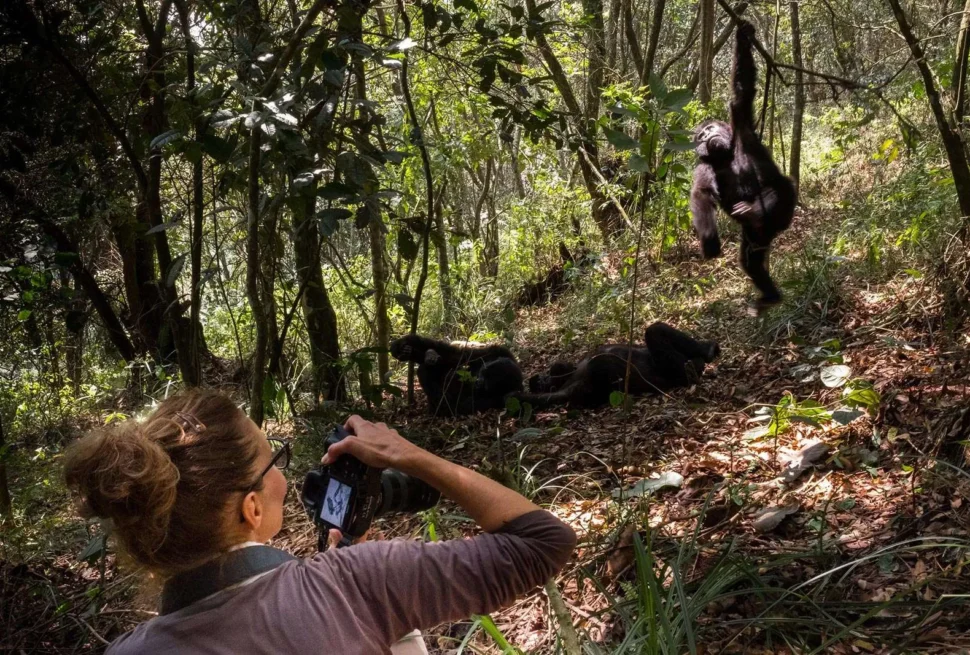
- You observe, photograph, and absorb
- Rangers manage distance and group behavior
- Time passes impossibly fast
Step 7: Photography and Observation
- No flash allowed
- 7-meter minimum distance maintained
- Rangers help with positioning for best angles
- Multiple family members usually visible
Step 8: Return Journey
- 1-hour time limit strictly enforced
- Hike back to trailhead (often faster than the approach)
- Certificate presentation at park headquarters
- Transfer to lodge for hot shower and celebration
Bold reality: The trek out often feels harder than the trek in. You’re tired, the adrenaline has faded, and your legs know they’ve worked. But the memory of the gorilla encounter carries you through.
Trail difficulty varies depending on your destination. Compare hiking terrain, trekking conditions, permit prices, and overall experiences in our comprehensive Uganda vs Rwanda Gorilla Trekking guide.
Tips to Make Gorilla Trekking Easier
These 10 tips transform a challenging trek into a manageable adventure:
- Drink water constantly — dehydration amplifies altitude effects and fatigue. Drink 2–3 liters before and during the trek.
- Walk slowly — This is not a race. Rangers set a sustainable pace. Trying to keep up with fitter trekkers exhausts you faster.
- Hire a porter — At $20, this is the best investment you’ll make. They carry your bag, provide stability, and assist on steep sections.
- Use a walking stick — Most lodges provide them. They provide crucial stability on muddy, uneven terrain.
- Wear good boots — waterproof, ankle-supporting, broken-in hiking boots prevent blisters, sprains, and wet feet.
- Bring a rain jacket — Rain is possible year-round. Wet clothes increase hypothermia risk and misery.
- Start fitness preparation 8–12 weeks before — Even moderate cardio training dramatically improves your experience.
- Stretch before and after – cold muscles are injury-prone. Stretching reduces soreness and improves flexibility on the trail.
- Follow ranger instructions — They know the terrain, the gorillas, and your limits. Their guidance keeps you safe and efficient.
- Mentally prepare for 6–8 hours — If you prepare for the longest possible trek, anything shorter is a pleasant surprise.
Best Time for Easier Gorilla Trekking
Timing affects difficulty as much as fitness.
Dry Season (June–September, December–February)
Advantages:
- Firmer trails, less mud
- Better footing on steep sections
- Lower leech activity
- More predictable conditions
Disadvantages:
- Higher costs (20–30% premium)
- More crowded trails
- Permit scarcity
Rainy Season (March–May, October–November)
Advantages:
- Lower costs (20–40% discounts)
- Fewer tourists
- Lush, beautiful forests
Disadvantages:
- Muddy, slippery trails
- Longer trekking times
- Higher leech activity
- More physically demanding
Bold recommendation: For first-time trekkers or those concerned about difficulty, June–September offers the easiest conditions. The trails are firmer, the weather more predictable, and the overall experience less physically demanding.
Essential Packing List for Easier Trekking
The right gear reduces difficulty significantly.
Table
|
Item |
Specification |
Difficulty Reduction |
|
Hiking boots |
Waterproof, ankle-supporting, broken-in |
Prevents blisters, sprains, and wet feet |
|
Long trousers |
Quick-dry, sturdy fabric |
Protects from scratches, insects, and vegetation |
|
Long-sleeved shirt |
Moisture-wicking |
Prevents sunburn and insect bites |
|
Gardening gloves |
Sturdy, grip-enhancing |
Essential for grabbing vegetation on steep sections |
|
Gaiters |
Waterproof, ankle-high |
Keeps mud and leeches out of boots |
|
Water bottle |
2 liters minimum |
Prevents dehydration and altitude effects |
|
Energy snacks |
Nuts, chocolate, energy bars |
Maintains blood sugar during long treks |
|
Camera |
With waterproof protection |
Captures the moment; no flash allowed |
|
Poncho/rain jacket |
Lightweight, packable |
Essential year-round; rain is always possible |
|
Daypack |
20–30 liters |
Carries water, snacks, rain gear, camera |
|
Trekking poles |
Collapsible, lightweight |
Stability on steep, muddy descents |
Common Mistakes First-Time Trekkers Make
Avoid these errors and your trek becomes dramatically easier:
Table
|
Mistake |
Consequence |
Solution |
|
Poor footwear |
Blisters, sprained ankles, wet feet |
Invest in proper waterproof hiking boots; break them in |
|
No porter |
Carrying heavy bag exhausts you faster |
Hire a porter for $20 — essential, not optional |
|
Not training |
Fatigue, injury, inability to complete trek |
8–12 weeks of cardio and leg-strength preparation |
|
Carrying heavy bags |
Shoulder and back strain; slower pace |
Porter carries your bag; you carry only water and camera |
|
Wrong clothing |
Cold, wet, sunburned, or scratched |
Long layers, waterproof jacket, neutral colors |
|
Expecting flat terrain |
Shock, discouragement, physical struggle |
Research the terrain; prepare for mountains |
|
Ignoring hydration |
Altitude sickness, fatigue, headaches |
Drink 2–3 liters before and during the trek |
|
Booking trek on arrival day |
Jet lag, exhaustion, poor performance |
Arrive 2–3 days early to acclimatize |
|
Not disclosing fitness limitations |
Assigned to overly difficult family |
Be honest with your operator about your fitness |
|
Skipping breakfast |
Low blood sugar, dizziness, early fatigue |
Eat a substantial, carbohydrate-rich breakfast |
The right clothing and equipment can make challenging trails much more comfortable. Before your trek, read our complete What to Pack for Gorilla Trekking checklist to ensure you’re fully prepared.

Is Gorilla Trekking Safe?
Safety and difficulty are separate questions — but they overlap.
1. Armed Rangers
Every trek includes 2–3 armed rangers trained in wildlife management, first aid, and emergency response. Firearms are for deterring buffalo or elephants — not gorillas.
2. Professional Guides
Guides undergo 6–12 months of professional training in gorilla behavior, terrain navigation, first aid, and crisis management. They have managed thousands of treks and hundreds of gorilla encounters.
3. Habituated Gorillas
Habituated gorilla families have been gradually accustomed to human presence over 2–3 years. They view tourists as neutral elements of their environment, not threats.
4. Rules
The 7-meter distance rule, no-touching policy, and health screening exist to protect both you and the gorillas. No tourist has ever been killed by a habituated mountain gorilla.
5. Medical Precautions
- Travel insurance with medical evacuation is mandatory
- Rural clinics near Bwindi lack advanced facilities — evacuation to Kampala or Kigali may be required
- Altitude sickness is manageable with hydration and rest
6. Emergency Procedures
- Rangers carry satellite radios for immediate communication
- Evacuation protocols are practiced regularly
- Backup vehicles are on standby at trailheads
Bold fact: Gorilla trekking has a better safety record than elephant-back safaris, walking safaris, and even some game drive experiences. The combination of habituation, professional guides, and strict rules creates an exceptionally safe wildlife encounter.

Is Gorilla Trekking Worth the Effort?
This is the question that matters most. And the answer is unequivocal.
1. A Lifetime Memory
No photograph captures the moment a silverback makes eye contact with you. No documentary conveys the sound of a juvenile beating its chest in play. No book describes the smell of rainforest vegetation crushed under 200 kilograms of gorilla. These moments belong only to those who make the trek.
2. A Rare Wildlife Encounter
Only 1,063 mountain gorillas remain. Only ~30,000 tourists see them annually. You are joining an extraordinarily small group of humans who have shared space with these great apes in the wild.
3. Conservation Impact
Every gorilla permit funds protection. Your $800 (Uganda) or $1,500 (Rwanda) directly supports:
- Anti-poaching patrols
- Community schools and clinics
- Gorilla veterinary care
- Habitat protection
You are not just observing conservation. You are participating in it.
4. Supporting Local Communities
Tourism employs over 50% of adults in communities surrounding Bwindi and Volcanoes. Your visit funds economic alternatives to poaching and creates conservation advocates.
Bold reality: Travelers who complete gorilla trekking consistently rank it as the #1 wildlife experience of their lives — above the Serengeti migration, above Antarctic expeditions, above Galápagos encounters. The effort is real. The reward is incomparable.
The right clothing and equipment can make challenging trails much more comfortable. Before your trek, read our complete What to Pack for Gorilla Trekking checklist to ensure you’re fully prepared.
Planning your gorilla trekking adventure? Explore our expert guides on What to Pack for Gorilla Trekking, How Difficult Is Gorilla Trekking?, Uganda vs Rwanda Gorilla Trekking, and the Best Time for Gorilla Trekking Uganda to plan with confidence.
When you’re ready, browse our carefully crafted gorilla trekking packages and let our experienced safari specialists handle every detail of your unforgettable journey.
Frequently Asked Questions
Is gorilla trekking hard?
Moderately difficult. Most treks involve 2–4 hours of hiking on steep, uneven terrain at high altitude. Anyone in reasonable health can participate with proper preparation. Porters, training, and choosing the right destination make it achievable for most travelers.
Can beginners do gorilla trekking?
Yes. No previous hiking or safari experience is required. Choose Rwanda for easier terrain, hire a porter, start training 8–12 weeks before, and disclose your fitness level to your operator. First-time trekkers succeed daily.
How fit should I be for gorilla trekking?
You should be able to walk uphill for 3–4 hours on uneven terrain without stopping. If you can climb 20 flights of stairs or hike a hilly trail for 2 hours, you have sufficient baseline fitness. Training improves your experience but is not mandatory for all.
Can seniors trek gorillas?
Yes. Age is not the main factor — fitness and health are. Seniors in their 60s, 70s, and even 80s complete treks regularly. Rwanda offers sedan-chair options. Uganda’s Buhoma sector has gentler trails. Medical clearance and porter support are essential.
How long does gorilla trekking take?
The full experience takes 6–10 hours from park arrival to return. The trek itself ranges from 30 minutes to 8 hours depending on gorilla family location. The gorilla encounter is exactly 1 hour. Most treks take 2–4 hours of hiking.
Does altitude matter for gorilla trekking?
Yes. Trekking occurs at 2,000–4,000 meters where oxygen is 20–25% lower than at sea level. Altitude sickness affects up to 30% of trekkers at Rwanda’s Volcanoes National Park. Symptoms (shortness of breath, headache, fatigue) are usually mild and manageable with hydration and rest.
Is Rwanda easier than Uganda for gorilla trekking?
Yes. Rwanda’s Volcanoes National Park has more open bamboo forests, gentler slopes, and shorter average trekking times (2–4 hours vs. 3–6 hours in Uganda). The paved road access from Kigali (2.5 hours) also means you arrive fresher than after Uganda’s 8–10 hour transfer.
Should I hire a porter?
Yes — strongly recommended. At $20, porters carry your bag, provide physical support on steep sections, and reduce your load. They are local community members who depend on tourism income. This is safety equipment, not a luxury.
What if it rains during the trek?
You trek anyway. Rain is common and expected. Rangers provide ponchos. Trails become muddier but remain passable. Waterproof gear is essential. The gorillas don’t care about rain — they’re under the canopy.
Is gorilla trekking worth the physical effort?
Absolutely. Travelers consistently rank gorilla trekking as the #1 wildlife experience of their lives. The physical challenge is part of what makes the encounter profound. The effort transforms observation into achievement.
Book Your Gorilla Trekking Adventure
You now know exactly how difficult gorilla trekking is — and exactly how to make it achievable regardless of your fitness level. The mountain gorillas are waiting. The question is no longer “Can I do it?” The question is “When will I?”
GoSilverback Gorilla Safaris doesn’t just book permits. We match your fitness, age, and health to the optimal destination, sector, and gorilla family assignment.
Whether you’re a fit adventurer seeking Bwindi’s challenge or a senior traveler needing Rwanda’s accessibility, we engineer an experience that’s demanding enough to be meaningful and manageable enough to be enjoyable.
What You Get When You Book With Us:
✅ Fitness-matched family assignment — easier families for beginners and seniors; challenging families for fit trekkers
✅ Destination expertise — Uganda for adventure, Rwanda for accessibility, or both for the complete experience
✅ Porter coordination — essential support arranged before you arrive
✅ Sector-specific lodge selection — Buhoma for easier trekking; Nkuringo for challenge; Volcanoes for accessibility
✅ Expert local guides — UWA and RDB certified, trained in managing trekkers of all fitness levels
✅ Pre-trek preparation guidance — training programs, packing lists, and acclimatization advice
✅ Medical evacuation insurance support — we guide you through mandatory coverage requirements
✅ 24/7 support — from first inquiry to final drop-off, across all fitness levels and destinations
✅ Conservation commitment — every booking supports gorilla protection and community development
Our Gorilla Trekking Packages for Every Fitness Level:
- 3 Days Rwanda Easy Gorilla Trek — from $3,500 per person; gentlest terrain, shortest hikes
- 3 Days Uganda Buhoma Gorilla Trek — from $1,200 per person; easiest Bwindi sector
- 5 Days Gorilla & Wildlife Safari — from $2,500 per person; paced for moderate fitness
- 7 Days Uganda Adventure Safari — from $4,000 per person; challenging treks, maximum wildlife
- Luxury Accessible Gorilla Safari — from $5,000+; Rwanda luxury with sedan-chair options
- Senior-Friendly Gorilla Trek — from $3,000; medical clearance support, porters, easier families
- Beginner Gorilla Package — from $2,000; training guidance, Rwanda focus, full support
- Fitness Challenge Safari — from $4,500; Nkuringo sector, extended treks, adventure focus
- Family Gorilla Safari — flexible pacing, teen-friendly, educational focus
- Honeymoon Gorilla Package — private treks, romantic lodges, personalized difficulty
- Photography Gorilla Safari — optimal positioning, extended time, specialist guides
- Tailor-Made Itinerary — designed around your fitness, health, dates, and dreams
Discover all our professional, carefully crafted gorilla packages here.
Ready to Trek?
The mountain gorillas don’t care how fit you are. They only care that you come respectfully, prepared, and ready for an encounter that will change your life.
📧 Email: info@gosilverbackgorillasafaris.com
🌐 Website: www.gosilverbackgorillasafaris.com
📞 Call/WhatsApp: +256-773-801934
[Request Your Gorilla Trekking Quote →]
[Check Gorilla Permit Availability →]
Don’t let fitness fears steal your dream. With GoSilverback Gorilla Safaris, every fitness level finds its perfect trek – from Rwanda’s gentle bamboo forests to Bwindi’s primal rainforest. Let’s make it happen.
About GoSilverback Gorilla Safaris:
A locally owned and operated East African safari company specializing in gorilla trekking across Uganda, Rwanda, and Congo.
With over a decade of experience, certified UWA and RDB guides, and direct conservation partnerships, we match every traveler to their optimal gorilla experience — regardless of age, fitness, or experience level. Licensed by Uganda Tourism Board and Rwanda Development Board.