
The Ultimate Guide: Best Time to Visit Bwindi National Park for Gorilla Trekking & More in 2026
When is the Best Time to Visit Bwindi National Park?
The best time to visit Bwindi Impenetrable National Park is during the dry seasons from June to August and December to February, when trails are less muddy and gorilla trekking conditions are ideal.
However, Bwindi offers year-round gorilla encounters, with the rainy seasons providing lush scenery, fewer crowds, and discounted lodge rates.
Whether you’re planning gorilla trekking, birdwatching, or a Uganda safari, Bwindi delivers unforgettable wildlife experiences in every season.
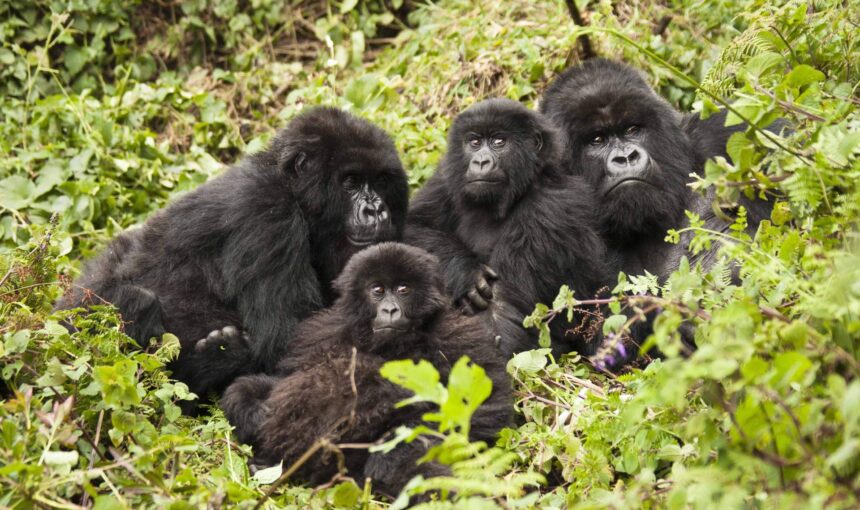
Bwindi Impenetrable National Park is Uganda’s most famous safari destination and the premier location for mountain gorilla trekking in Africa.
Located in southwestern Uganda, this ancient rainforest is home to nearly half of the world’s remaining mountain gorillas — over 400 individuals out of a global population of approximately 1,063.
Choosing the best time to visit Bwindi National Park dramatically affects your gorilla trekking experience, comfort, photography opportunities, and overall budget.
The park experiences two main seasons: dry seasons (June to August and December to February) and wet seasons (March to May and September to November).
During your stay, you can enjoy world-class gorilla trekking, exceptional birdwatching (over 350 species), guided nature walks, and immersive Batwa cultural experiences with the indigenous forest people.
Whether you are a traveler from the USA, UK, Europe, Canada, Asia, or the Middle East, understanding Bwindi’s seasonal patterns helps you plan the perfect Uganda gorilla safari.
This comprehensive guide covers everything you need to know about the best time to visit Bwindi for gorilla trekking, birding, photography, and value-for-money experiences.
What Makes Bwindi National Park Special?
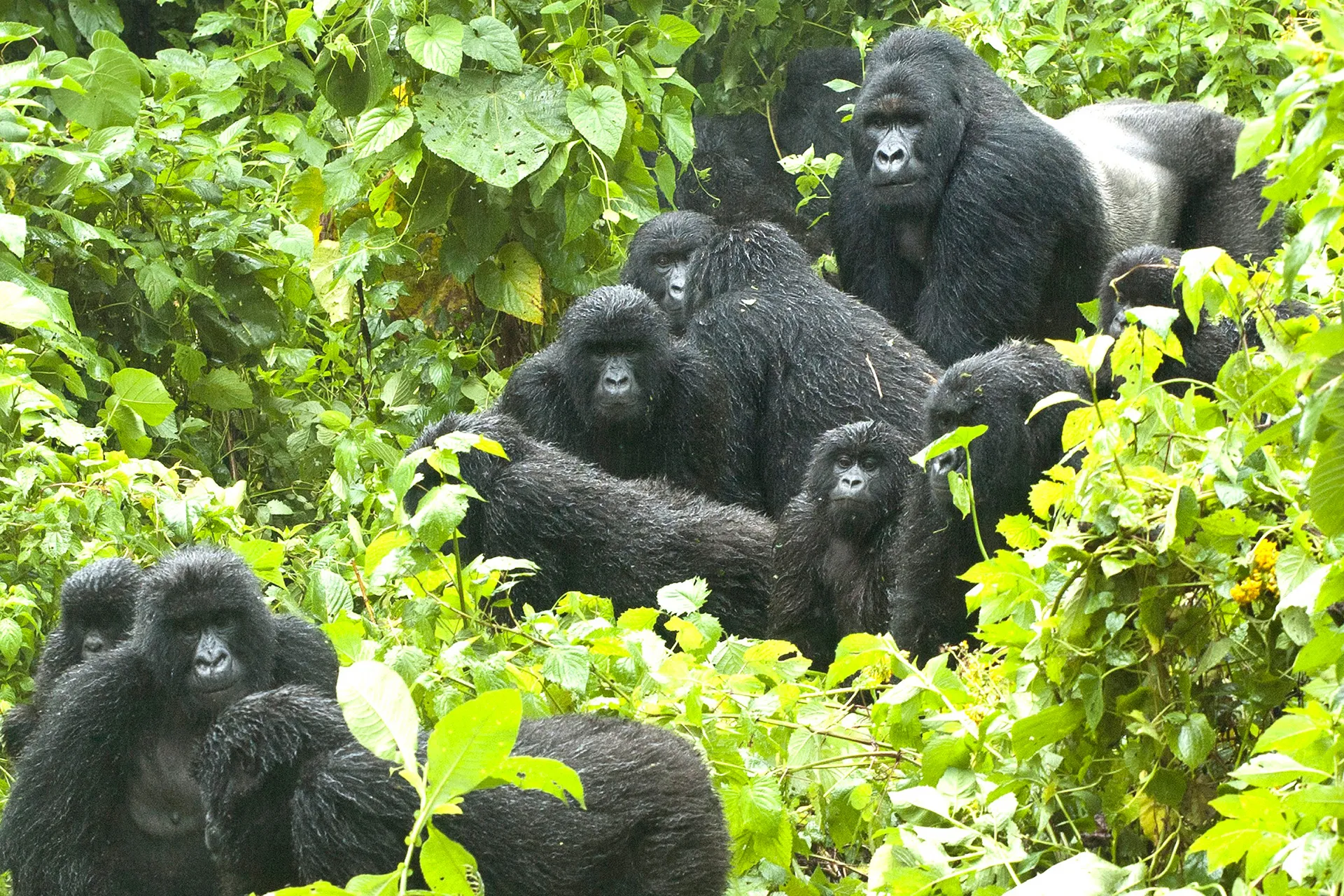
Bwindi Impenetrable National Park is a UNESCO World Heritage Site renowned for its exceptional biodiversity and rugged terrain.
Situated in southwestern Uganda along the edge of the Albertine Rift Valley, the park covers 331 square kilometers of dense montane and lowland rainforest.
The park’s most iconic residents are the mountain gorillas, but it also supports forest elephants, 120 mammal species, 220 butterfly species, and over 350 bird species, including many Albertine Rift endemics.
The thick vegetation and steep valleys earned it the name “Impenetrable,” creating a pristine habitat that feels untouched by time.
Bwindi stands out because it offers four different trekking sectors — Buhoma, Ruhija, Rushaga, and Nkuringo — giving visitors flexibility and varied experiences.
The park plays a vital role in global conservation, with gorilla tourism directly funding protection efforts that have helped the mountain gorilla population recover significantly.
For international visitors, Bwindi delivers an intimate, raw African safari experience that combines adrenaline-filled treks with profound moments of connection with these gentle giants.
Understanding Bwindi’s Climate and Seasons
Bwindi has an equatorial climate with consistent temperatures but distinct wet and dry periods.
Dry Seasons run from June to August and December to February. These months bring sunny days, lower humidity, and minimal rainfall. Temperatures range between 16°C and 24°C.
Benefits of dry seasons include firmer trails, easier trekking, reduced mud, and better visibility for photography and wildlife observation.
Wet Seasons occur from March to May (long rains) and September to November (short rains). Rainfall is heavier, creating lush green landscapes, but trails can become slippery and muddy.
Advantages of wet seasons include fewer tourists, better gorilla permit availability, lower accommodation rates, and vibrant photography opportunities with misty forests and waterfalls.
When is the Best Time for Gorilla Trekking in Bwindi?
The best time for gorilla trekking in Bwindi is during the dry seasons (June–August and December–February). Trails are drier and more stable, making the 2–7 hour hikes significantly more comfortable. Vegetation is less dense, improving visibility of gorillas during your one-hour encounter.
Gorilla trekking in the wet season is still excellent and offers unique benefits: fewer crowds, higher chance of securing last-minute permits, and lush green backdrops for photography. Gorillas remain active year-round as they do not migrate, so trekking is possible every month.
Expert Opinion: While dry months are ideal for first-time visitors, experienced trekkers and photographers often prefer shoulder months (May and October) for the perfect balance of weather and solitude.
Month-by-Month Guide to Visiting Bwindi
January: Dry and pleasant. Excellent trekking conditions with moderate crowds.
February: Warm and dry. One of the best months for gorilla trekking.
March: Rains begin. Good trekking with fewer visitors.
April: Wettest month. Excellent for budget travelers and lush scenery.
May: Transition month. Fewer crowds and improving trails.
June: Start of prime dry season. Outstanding trekking conditions.
July: Peak tourism month. Book permits well in advance.
August: Excellent visibility and weather. Very popular.
September: Short rains begin. Good value with moderate crowds.
October: Green landscapes with lower visitor numbers.
November: Pleasant weather and fewer tourists.
December: High holiday demand. Dry weather returns.
| Month | Weather | Gorilla Trekking | Crowds |
|---|---|---|---|
| January | Excellent | Excellent | Moderate |
| February | Excellent | Excellent | Moderate |
| March | Good | Good | Low |
| April | Fair | Good | Very Low |
| May | Fair | Good | Low |
| June | Excellent | Excellent | High |
| July | Excellent | Excellent | High |
| August | Excellent | Excellent | High |
| September | Good | Good | Moderate |
| October | Good | Good | Low |
| November | Good | Good | Low |
| December | Excellent | Excellent | High |
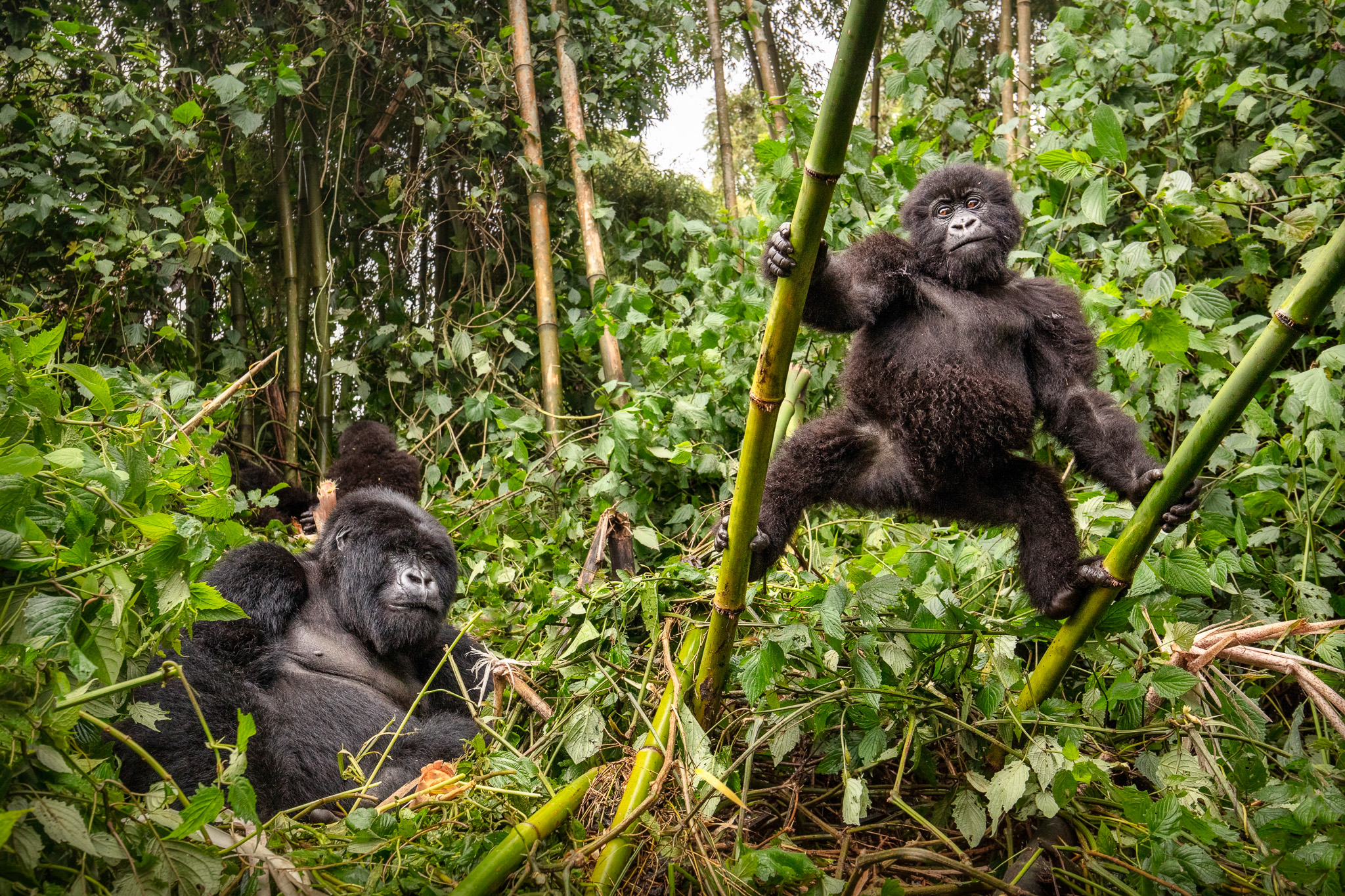
Ready to experience gorilla trekking in Bwindi? Browse our Gorilla Trekking Packages designed for every travel style, budget, and preferred travel season.
Dry Season vs Wet Season Comparison Table
Here’s a clear, side-by-side comparison to help you decide the best time to visit Bwindi National Park based on your priorities:
| Aspect | Dry Season | Wet Season |
|---|---|---|
| Months | June – August December – February | March – May September – November |
| Weather | Sunny, drier, mild temperatures (16–24°C) | Rainy, humid, lush greenery |
| Gorilla Trekking Conditions | Excellent – Firmer trails, less mud, easier hikes | Good – Muddy & slippery trails but still very doable |
| Crowds | High (especially July & August) | Low to Very Low |
| Gorilla Permit Availability | Difficult – Book 8–12 months ahead | Easier – Book 3–6 months ahead |
| Accommodation Rates | Highest prices | 20–40% lower (Best value) |
| Photography | Clearer views, better light, easier movement | Misty forests, vibrant greens, dramatic atmosphere |
| Birdwatching | Very Good | Excellent (breeding season) |
| Trail Difficulty | Easier | More challenging (muddy) |
| Gorilla Visibility | Good (less dense vegetation) | Very Good (gorillas more active) |
| Overall Experience | Comfort-focused, popular | Authentic, peaceful, budget-friendly |
| Best For | First-time visitors, photographers, luxury travelers | Budget travelers, birders, experienced trekkers |
Key Takeaways:
- Choose Dry Season if you want maximum comfort, easier trekking, and don’t mind higher costs and crowds.
- Choose Wet Season if you want better value, fewer tourists, and a more intimate gorilla experience.
Pro Tip: Many experienced travelers prefer the shoulder months (May & October) as they combine relatively good weather with lower prices and fewer crowds.
When is the Best Time for Bird Watching in Bwindi
Bwindi Impenetrable National Park is one of Uganda’s premier destinations for serious birdwatchers, boasting over 350 recorded bird species, including many rare and endemic ones.
Its location in the Albertine Rift makes it a globally important birding hotspot, supporting approximately 23 Albertine Rift endemics — species found nowhere else on Earth.
The best time for bird watching in Bwindi is from November to February. During these months, the park experiences relatively dry conditions with occasional light showers, creating ideal circumstances for birding activities.
Why November to February Excels for Birding
This period coincides with the peak bird breeding season in Bwindi. Many species become more vocal, territorial, and visible as they build nests and raise young.
The drier weather also means thinner foliage, making it easier to spot elusive birds in the dense understory and canopy.
Key highlights during these months include:
- Increased sightings of Albertine Rift endemics such as the Regal Sunbird, Rwenzori Turaco, Albertine Owlet, and Grauer’s Broadbill.
- Better opportunities to observe mixed feeding flocks along forest trails.
- Excellent visibility for photography due to clearer skies and softer morning light.
November and December also see the arrival of some intra-African migrants, further boosting species diversity. January and February offer the most comfortable trekking conditions, allowing birders to cover more ground while combining bird watching with gorilla trekking.
Whether you are an avid birder from the USA, UK, Europe, or Asia, or a casual wildlife enthusiast, planning your Bwindi safari between November and February maximizes your chances of ticking off rare species while enjoying pleasant weather.
Many of our guests at GoSilverback Gorilla Safaris combine gorilla trekking with specialist birding guides for a truly comprehensive forest experience.
When is the Best Time for Photography in Bwindi
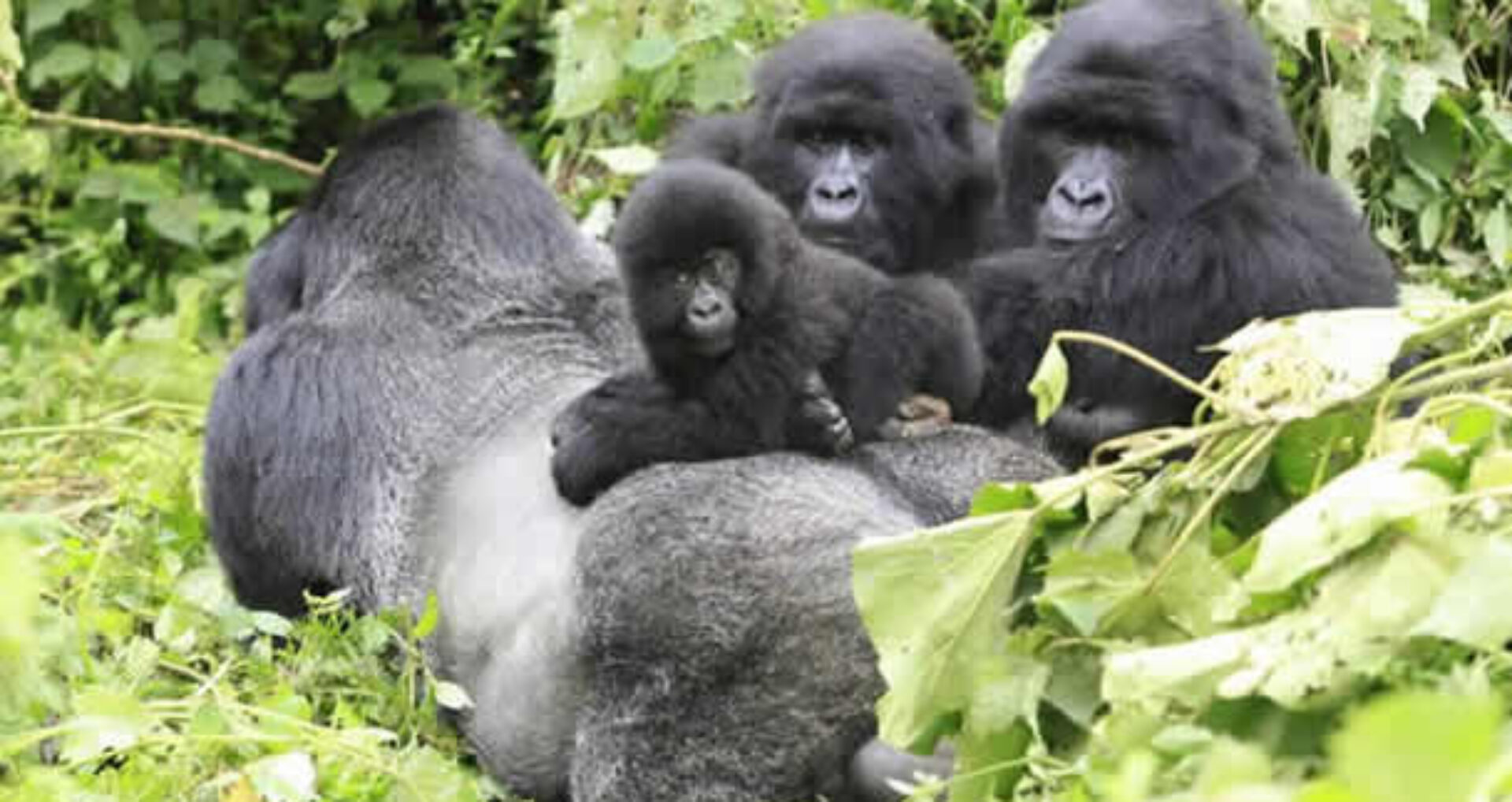
Bwindi Impenetrable National Park offers world-class photography opportunities throughout the year, but the season you choose significantly impacts the style and quality of images you capture.
Whether you are a professional photographer or an enthusiast from the USA, UK, Europe, Canada, Asia, or the Middle East, understanding Bwindi’s seasonal advantages helps you plan the perfect safari.
1. Dry Season Photography (June–August & December–February)
The dry seasons are widely regarded as the best time for photography in Bwindi for most visitors.
Key Advantages:
- Better lighting — Clear skies and soft golden morning light create excellent conditions for sharp, well-exposed portraits of gorillas and forest scenes.
- Easier movement — Drier, firmer trails allow you to move more freely and quickly, helping you keep up with gorilla groups and reach better vantage points.
- Reduced foliage density improves visibility of silverbacks and other primates.
This period is ideal for classic wildlife photography and capturing intimate behavioral shots during gorilla trekking.
2. Rainy Season Photography (March–May & September–November)
The wet seasons deliver dramatic, atmospheric images that stand out.
Key Advantages:
- Misty forests — Magical morning mist creates moody, ethereal images.
- Vibrant greenery — Lush, saturated colors make the rainforest look incredibly alive.
- Dramatic landscapes — Flowing waterfalls, rain droplets on leaves, and moody skies add emotional depth to your photos.
3. Photography Tips for Bwindi
- Use a 100-400mm or 70-200mm zoom lens with image stabilization for gorilla trekking.
- Always carry a waterproof camera cover and lens cloth.
- Shoot in RAW format for better post-processing flexibility.
- Focus on early morning and late afternoon light, especially during dry months.
- In wet season, embrace overcast conditions for soft, even lighting on gorilla faces.
At GoSilverback Gorilla Safaris, we help photographers choose the right season and sectors (Rushaga and Ruhija often offer excellent opportunities) to match their creative vision. Many clients return year after year to capture Bwindi’s different moods.
Gorilla Permit Availability Throughout the Year
Gorilla permit availability in Bwindi Impenetrable National Park varies significantly depending on the season.
Understanding this pattern is crucial for planning a successful Uganda gorilla safari, especially for travelers from the USA, UK, Europe, Canada, Asia, and the Middle East.
1. High Season (June–August & December–February)
These are the peak seasons for gorilla trekking in Bwindi. Demand is extremely high due to excellent weather conditions and school holidays.
- June to August and December to February see the highest booking rates.
- Gorilla permits can sell out completely 8–12 months in advance, particularly for popular sectors like Rushaga and Buhoma.
- You should book your permits at least 10–12 months ahead if traveling during these months.
2. Low Season (March–May & September–November)
The shoulder and low seasons offer significantly better gorilla permit availability.
- March to May (long rains) and September to November (short rains) have fewer visitors.
- Permits are much easier to secure, sometimes even 2–4 months in advance.
- Last-minute bookings are more possible, though still not guaranteed for preferred sectors.
Key Fact: Bwindi has a limited daily quota of only 8 visitors per gorilla group, making advance planning essential regardless of season.
Permit Planning Recommendations
- Decide your preferred trekking sector first (Rushaga for higher gorilla density, Buhoma for easier access).
- Book through a trusted operator like GoSilverback Gorilla Safaris to secure permits reliably.
- Aim for two gorilla treks during your safari for a better experience.
- Combine with other activities like chimpanzee tracking in Kibale during low season for excellent value.
At GoSilverback Gorilla Safaris, we monitor permit availability daily and maintain strong relationships with the Uganda Wildlife Authority to secure permits even during busy periods.
We strongly recommend booking your full safari package 9–12 months in advance for peak season travel to avoid disappointment.
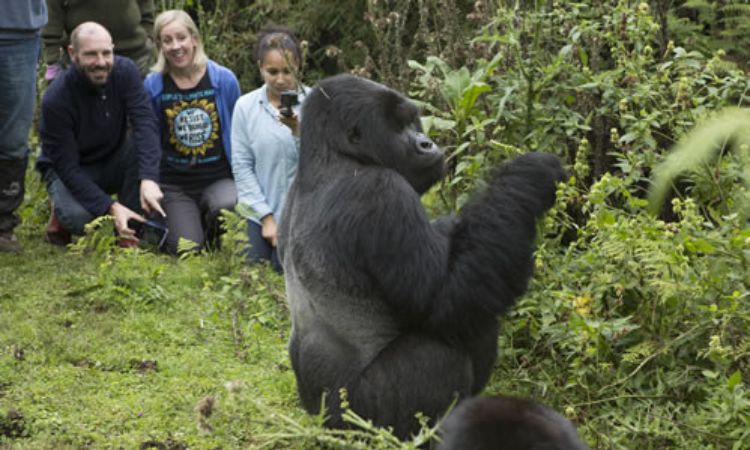
The best time to visit Bwindi depends on your travel goals. Explore our Gorilla Trekking Packages to find the perfect safari itinerary for your dream Uganda adventure.
Best Time for Budget Travelers
April, May, October, and November are the best months for budget travelers planning a Bwindi gorilla safari. These low and shoulder seasons offer excellent value without compromising the core gorilla trekking experience.
1. Low Season Advantages
During these months, you can enjoy significant cost savings while still having a high-quality safari. Lodge discounts of 20–40% are common compared to peak dry season rates.
Many luxury and mid-range lodges reduce their prices to attract guests during quieter periods, allowing budget-conscious travelers to upgrade their accommodation without breaking the bank.
Fewer crowds mean a more intimate experience. You’ll share the forest with fewer groups, increasing the chances of a peaceful, personal encounter with the mountain gorillas.
Gorilla trekking permits are also easier to secure on shorter notice (often 3–6 months in advance instead of 12 months).
Better safari deals are widely available. Tour operators like GoSilverback Gorilla Safaris frequently offer special low-season packages that include gorilla permits, accommodation, meals, and transfers at reduced rates.
This makes a Uganda gorilla trek much more affordable for travelers from the USA, UK, Europe, Canada, Asia, and the Middle East.
Why These Months Work Well
- April & May (end of long rains): Lush green forests, dramatic misty scenery, and very low visitor numbers. Trails are manageable with good boots and porters.
- October & November (short rains): Pleasant temperatures, beautiful vegetation, and excellent birdwatching opportunities. Rainfall is usually short and predictable.
Although trails can be muddy and photography may require more patience due to overcast skies, the trade-off is substantial savings and a more authentic, less commercialized experience.
Many seasoned travelers actually prefer these months for the solitude and value they provide.
At GoSilverback Gorilla Safaris, we help budget travelers maximize their investment by recommending the best lodges, sectors, and packages for these shoulder months.
Best Time for Luxury Gorilla Safaris
June, July, August, January, and February are the best months for luxury gorilla safaris in Bwindi Impenetrable National Park.
These peak dry season months deliver the most comfortable and premium safari experience for discerning travelers.
Benefits of Luxury Travel in These Months
1. Perfect Weather:
Expect mostly dry, sunny days with moderate temperatures (16–24°C) and minimal rainfall. Trails are firm and less slippery, making the gorilla trek significantly more enjoyable and less physically demanding. Clear skies and excellent visibility enhance every moment in the forest.
2. Premium Experiences:
Luxury travelers can fully enjoy high-end lodges with private plunge pools, gourmet dining, and personalized butler service.
The dry conditions allow for longer, more relaxed game viewing and nature walks. Helicopter transfers between parks become highly practical and spectacular during these months.
3. Helicopter and Fly-in Safari Options:
These peak months offer the best flying conditions for scenic helicopter transfers from Entebbe or Kihihi Airstrip directly into Bwindi.
Many luxury itineraries include private fly-in safaris, exclusive gorilla trekking slots, and customized experiences such as private dining in the forest or VIP gorilla habituation sessions.
These months also see the highest availability of top-tier guides and the best chance of securing preferred gorilla groups in sectors like Buhoma and Rushaga.
For travelers from the USA, UK, Europe, Canada, Asia, and the Middle East seeking a seamless, high-comfort gorilla safari, these five months represent the gold standard.
At GoSilverback Gorilla Safaris, we specialize in curating exclusive luxury gorilla experiences during these prime months, combining exceptional comfort with meaningful conservation impact.
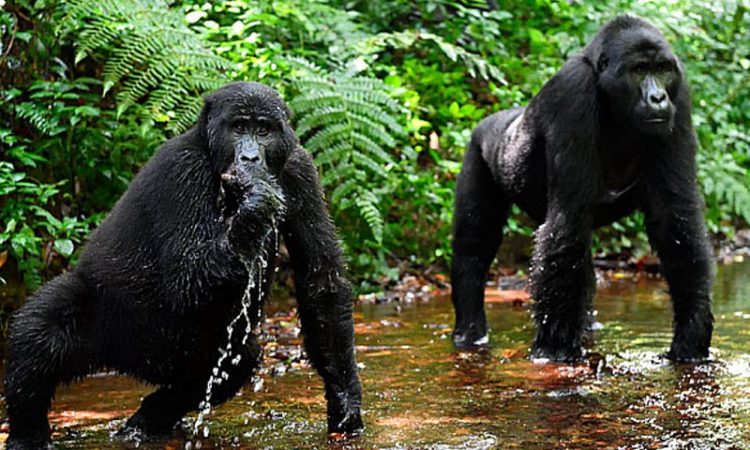
What to Pack for Bwindi in Every Season
Packing wisely for Bwindi Impenetrable National Park is essential for a comfortable and safe gorilla trekking experience.
The park’s high-altitude rainforest climate is unpredictable — temperatures can drop quickly, and rain can occur even during dry seasons.
Here’s a practical, season-aware packing guide from GoSilverback Gorilla Safaris experts.
Essential Packing List for Bwindi
- Hiking Boots: The most important item. Choose sturdy, waterproof boots with good ankle support. Break them in before your trip. Gore-Tex or similar waterproof material is highly recommended for muddy trails.
- Rain Jacket: A lightweight, breathable, and packable waterproof jacket is non-negotiable year-round. Even in the dry season, sudden showers are common.
- Gloves: Lightweight gardening or trekking gloves protect your hands from stinging nettles and sharp vegetation while trekking.
- Long Trousers: Quick-dry hiking trousers (not jeans) in neutral colors. Tuck them into socks to avoid driver ants and insect bites.
- Camera & Binoculars: A good zoom lens (100-400mm) for gorilla photography. Bring extra batteries and memory cards. Binoculars (8×42) enhance birdwatching and distant gorilla viewing.
- Insect Repellent: Strong DEET-based repellent is crucial, especially in wetter months.
- Day Backpack: A 20–30L waterproof daypack to carry water, snacks, camera, and rain gear.
- Water Bottle: Reusable bottle — lodges provide filtered water.
Seasonal Packing Adjustments
Dry Season (June–August & December–February): Focus on lightweight, breathable clothing with a good rain jacket for occasional showers. Sun hat and sunscreen are useful during open sections.
Wet Season (March–May & September–November): Double down on waterproof gear. Pack gaiters, quick-dry clothing, and a lightweight poncho. Bring a small towel and extra socks for wet feet.
Additional Recommended Items
- Long-sleeved shirts for sun and insect protection
- Fleece jacket or warm layer for cold mornings/evenings
- Headlamp or flashlight with extra batteries
- First-aid kit (blister plasters, painkillers, diarrhea medication)
- Passport copy and gorilla permit confirmation (digital + printed)
- Snacks and energy bars for long trekking days
Proper packing significantly improves your comfort during Bwindi gorilla trekking. At GoSilverback Gorilla Safaris, we send every client a detailed packing checklist tailored to their travel dates and chosen sector (Buhoma, Ruhija, Rushaga, or Nkuringo).
Whether you’re traveling during the dry or wet season, our Gorilla Trekking Packages offer exceptional wildlife experiences, luxury lodges, and expert-guided gorilla encounters.
Frequently Asked Questions
What is the best month to visit Bwindi National Park?
The best months to visit Bwindi National Park are June to August and December to February. These dry season months offer the easiest trekking conditions, firmer trails, and excellent visibility for gorilla encounters and photography.
Is Bwindi worth visiting during the rainy season?
Yes, Bwindi is absolutely worth visiting during the rainy season (March–May and September–November). You’ll benefit from fewer crowds, lower accommodation rates, lush green scenery, and better chances of securing gorilla permits. With proper gear and a positive mindset, many travelers actually prefer these months for a more authentic and peaceful experience.
When is gorilla trekking easiest?
Gorilla trekking is easiest during the dry seasons from June to August and December to February. Trails are less muddy, vegetation is thinner, and hikes are generally more comfortable. However, with experienced guides and porters, trekking remains very manageable year-round.
What is the cheapest month to visit Bwindi?
The cheapest months to visit Bwindi are April, May, October, and November. These low-season months offer significant lodge discounts (often 25–40% off), better availability of gorilla permits, and special safari packages, making them ideal for budget-conscious travelers from the USA, UK, Europe, Canada, Asia, and the Middle East.
How far in advance should I book a gorilla permit?
For peak dry season (June–August and December–February), book your gorilla permit at least 8–12 months in advance. During the low season (March–May and September–November), you can successfully book 3–6 months ahead. At GoSilverback Gorilla Safaris, we strongly recommend early booking to secure your preferred trekking sector and dates.
Can I trek gorillas year-round?
Yes, you can trek gorillas in Bwindi year-round. Mountain gorillas do not migrate and remain active in the forest every day. While dry months offer easier conditions, wet season treks are equally rewarding with fewer tourists and beautiful misty forest atmospheres.
How much does a Bwindi gorilla permit cost?
The Bwindi gorilla permit cost is $800 USD per person for foreign non-residents in 2026. This is one of the most affordable gorilla trekking permits in the world, significantly lower than Rwanda’s $1,500 permit fee.
Which sector of Bwindi is best?
Each sector has unique advantages:
- Rushaga and Nkuringo — Highest gorilla density and excellent success rates.
- Buhoma — Easiest access and gentler terrain for first-timers.
- Ruhija — Pristine forest with great birdwatching and fewer crowds.
The “best” sector depends on your fitness level, preferred dates, and group size. Our team at GoSilverback Gorilla Safaris will recommend the ideal sector based on your travel goals.
Conclusion
Bwindi Impenetrable National Park can be visited throughout the year. The dry seasons of June–August and December–February deliver the best trekking conditions, while the wetter months of March–May and September–November provide excellent value and fewer crowds.
The ideal time ultimately depends on your priorities — weather comfort, photography goals, budget, or permit availability.
Ready to experience mountain gorillas in Bwindi?
Book your gorilla permit and customized Bwindi safari with GoSilverback Gorilla Safaris today. Our expert team will help you choose the perfect dates and sector for an unforgettable, responsible gorilla trekking adventure in Uganda.
Contact us now to secure your 2026 dates and create memories that last a lifetime.