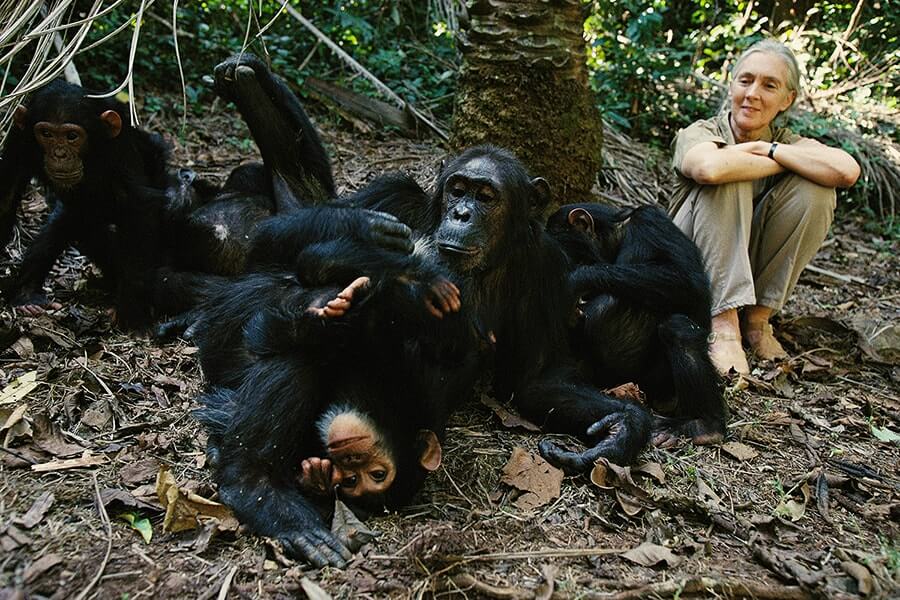
What Is the Difference Between Chimpanzee Tracking and Chimpanzee Habituation?
What Is the Difference Between Chimpanzee Tracking and Chimpanzee Habituation?
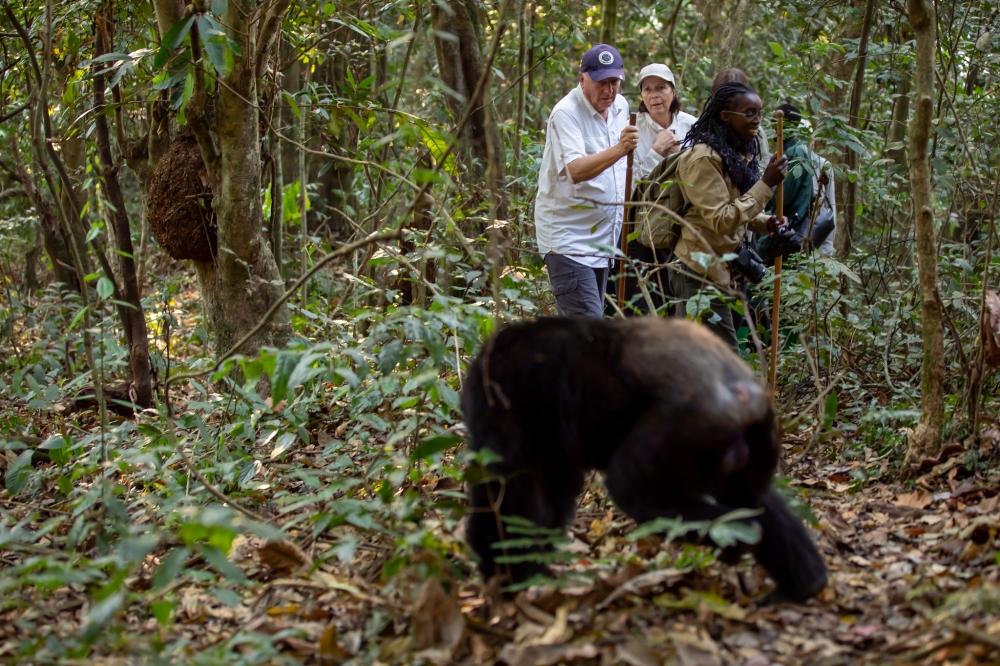
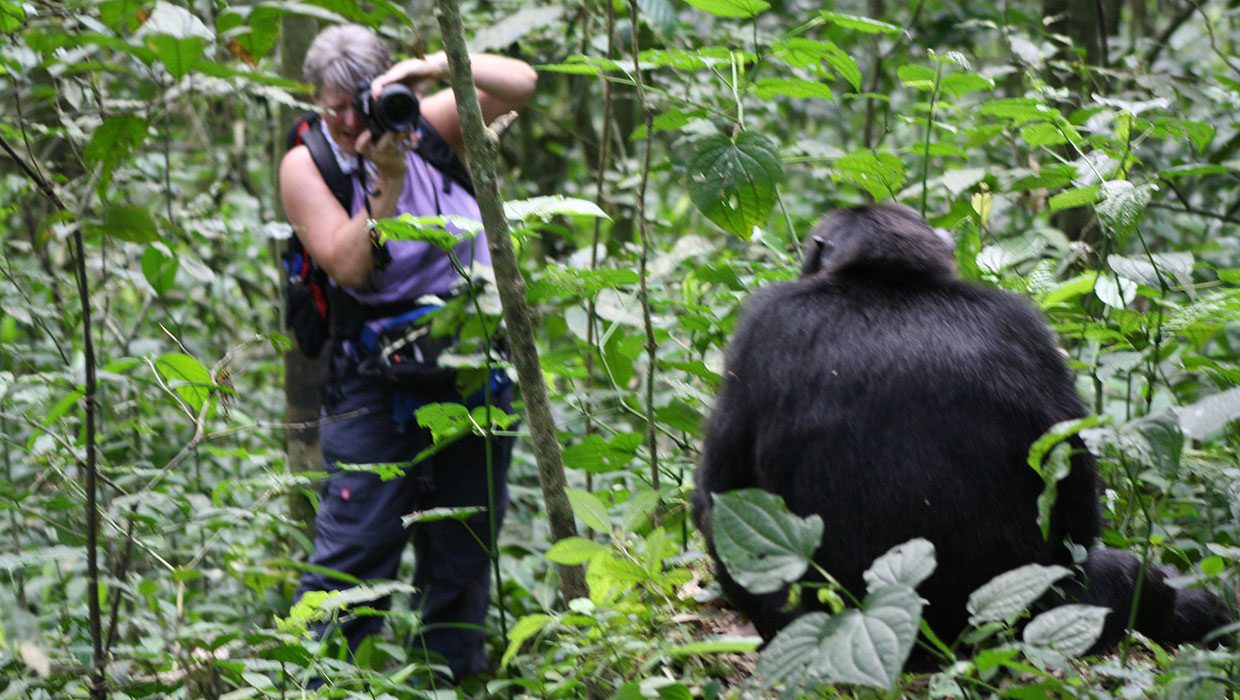
The main difference between chimpanzee tracking and chimpanzee habituation is the amount of time you spend with the chimpanzees and the type of experience you get. Chimpanzee tracking involves walking through the forest with an experienced guide to find a chimpanzee group that is already used to seeing people. Once you find them, you can spend up to one hour watching them feed, play, groom and move through the trees.
On the other hand, chimpanzee habituation, also known as the Chimpanzee Habituation Experience (CHEX), gives you a much longer and more in-depth experience. You join researchers, trackers and rangers as they follow a chimpanzee community that is still getting used to human presence. You get to observe their daily activities and learn more about their behaviour, sometimes spending up to four hours with them.
Both experiences take place in Uganda’s tropical forests, particularly Kibale National Park, and require permits. However, the best choice depends on how much time you have, your budget, fitness level and how closely you want to experience chimpanzees in the wild.
In this guide, we’ll compare chimpanzee tracking vs chimpanzee habituation in Uganda, including permit costs, duration, rules, wildlife encounters and what to expect, to help you choose the right experience for your Uganda safari.
Ready to choose your chimpanzee experience? Speak to us about permit availability, fitness requirements, and a chimpanzee-and-gorilla itinerary. [Request a personalised safari plan.]
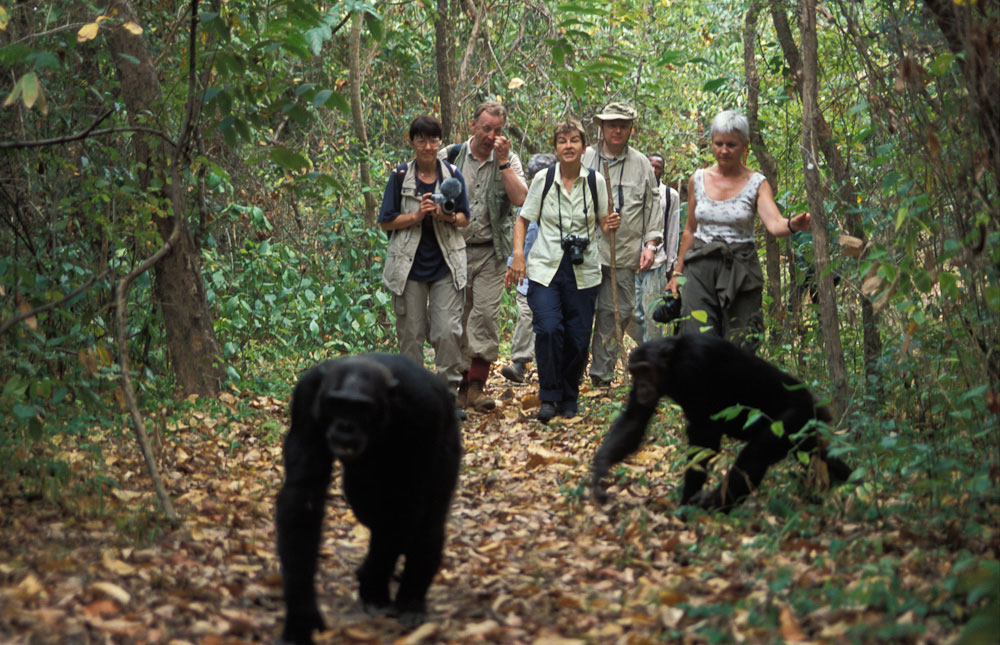
Chimpanzee Tracking vs Chimpanzee Habituation
Chimpanzee tracking is a shorter, guided trek to locate a fully habituated chimpanzee community, typically followed by up to one hour of observation. Chimpanzee habituation is a full-day experience spent alongside researchers and rangers as they follow a semi-habituated chimpanzee community through its daily routine.
| Feature | Chimp tracking | Chimp habituation |
|---|---|---|
| Main purpose | Observe a habituated chimpanzee community. | Support and observe the habituation process. |
| Typical duration | Usually 2–5 hours, including the trek | Full day, from early morning to late afternoon |
| Time with chimpanzees | Up to one hour, subject to park rules | Extended time throughout the day |
| Chimpanzee community | Usually fully habituated | Usually semi-habituated |
| Best for | First-time trekkers and time-limited travellers | Photographers, wildlife enthusiasts, and repeat safari travellers |
| Physical demand | Moderate to demanding | High; a full day on foot |
| Permit cost | Lower | Higher |
| Availability | More widely available | Limited daily places |
At Kibale National Park, guided chimpanzee-tracking walks run daily at 8:00 am, 11:00 am, and 2:00 pm, typically last two to five hours, and allow one hour with chimpanzees once found. Uganda Wildlife Authority says that during habituation, tourists spend the whole day with the chimpanzees.
Not sure which experience fits your safari? Speak to us about permit availability, fitness requirements, and a chimpanzee-and-gorilla itinerary. [Request a personalised safari plan.]
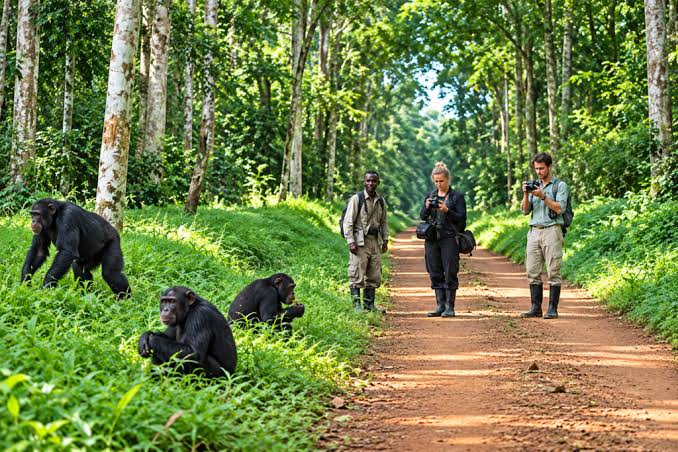
What Is Chimpanzee Tracking?
Chimpanzee tracking is a ranger-led trek into the forest to locate a habituated wild chimpanzee community. Guides use chimpanzee calls, night nests, feeding signs, footprints, and radio communication to find the group.
The standard experience follows this process:
-
Register and attend a safety briefing.
-
Enter the forest with a guide and armed ranger.
-
Trek through forest trails while trackers locate the community.
-
Find the chimpanzees and observe them from a regulated distance.
-
Spend up to one hour watching natural behaviour.
-
Return to the trailhead and continue your safari.
At Kibale, each tracking group is limited to six participants, and visitors must be at least 16 years old.
Uganda Wildlife Authority’s chimpanzee-tracking rules require visitors to keep at least 10 metres (32.8 feet) from chimpanzees, avoid flash photography, avoid eating or drinking during tracking, and limit visits to one hour.
Chimpanzee tracking is ideal if you want a guided primate encounter without committing an entire day to the forest.
Planning a first chimpanzee trek in Uganda? We can help you secure a Kibale permit and combine it with gorilla trekking, wildlife viewing, or cultural experiences. [Start planning your safari.]
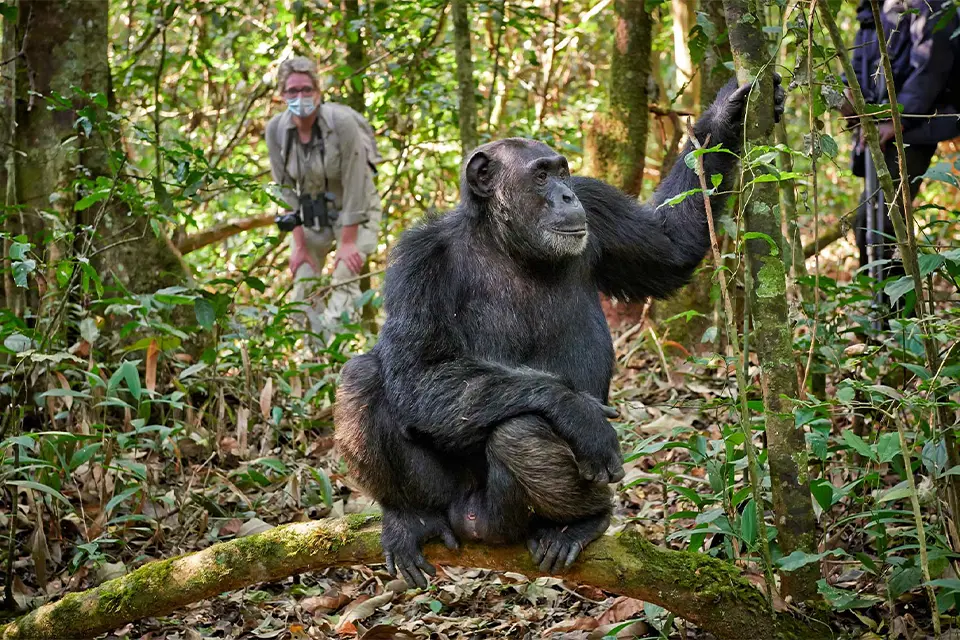
What Is Chimpanzee Habituation?
Chimpanzee habituation is the gradual process of helping a wild chimpanzee community become accustomed to controlled human presence. It is not domestication, feeding, or taming. The chimpanzees remain wild and free-ranging.
The Chimpanzee Habituation Experience (CHEX) allows visitors to join researchers, rangers, and trackers for a full day as they follow a semi-habituated community. Participants may observe:
-
Feeding and foraging.
-
Nesting behaviour.
-
Grooming and social bonding.
-
Play and juvenile behaviour.
-
Movement through the forest.
-
Vocal communication and group dynamics.
Uganda Wildlife Authority states that tourists spend the whole day with the chimpanzees during habituation. Kibale National Park describes the experience as an opportunity to spend an extended period following a semi-habituated chimpanzee group through its day.
Why chimpanzee habituation matters
-
It supports conservation research.
-
It helps chimpanzees become comfortable with carefully managed human presence.
-
It can create longer, more flexible viewing opportunities.
-
It provides deeper insight into chimpanzee behaviour.
-
It supports protected-area tourism revenue and local conservation.
“Habituation” does not guarantee constant close contact. Chimpanzees may move quickly, remain high in trees, or disappear into dense vegetation.
Want more than a one-hour chimpanzee encounter? Ask us about the Kibale Chimpanzee Habituation Experience and permit availability. [Enquire about CHEX.]
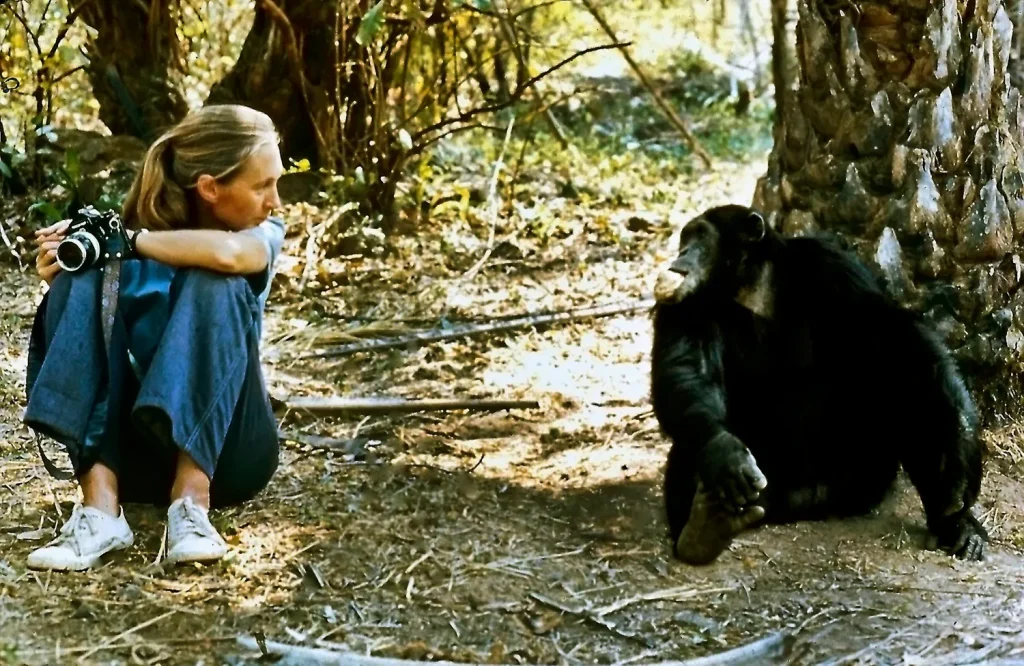
Chimp Tracking vs Chimp Habituation: Key Differences
| Factor | Chimp tracking | Chimp habituation |
|---|---|---|
| Experience length | Usually 2–5 hours | Full day |
| Time with chimps | Up to one hour | Extended, throughout the day |
| Chimpanzee status | Habituated community | Semi-habituated community |
| Purpose | Wildlife viewing | Observation, research support, and habituation |
| Group size | Often limited; Kibale allows six trekkers per group. | Usually smaller and more limited |
| Fitness required | Moderate to high | High; full-day walking |
| Photography | Good, but time-limited | Better opportunities for behaviour and movement |
| Cost | Lower permit cost | Higher permit cost |
| Best season | Available year-round | Available year-round |
| Best for | First-time visitors and shorter itineraries | Serious primate lovers, photographers, and repeat visitors |
Kibale’s standard tracking starts at 8:00 am, 11:00 am, and 2:00 pm and typically lasts two to five hours, while habituation is a full-day activity.
This makes chimpanzee habituation better for travellers seeking depth, while standard chimpanzee tracking is better for those balancing chimpanzees with gorilla trekking, wildlife viewing, or cultural experiences.
Related Read | How Does Chimpanzee Tracking Work
How Long Does Each Experience Last?
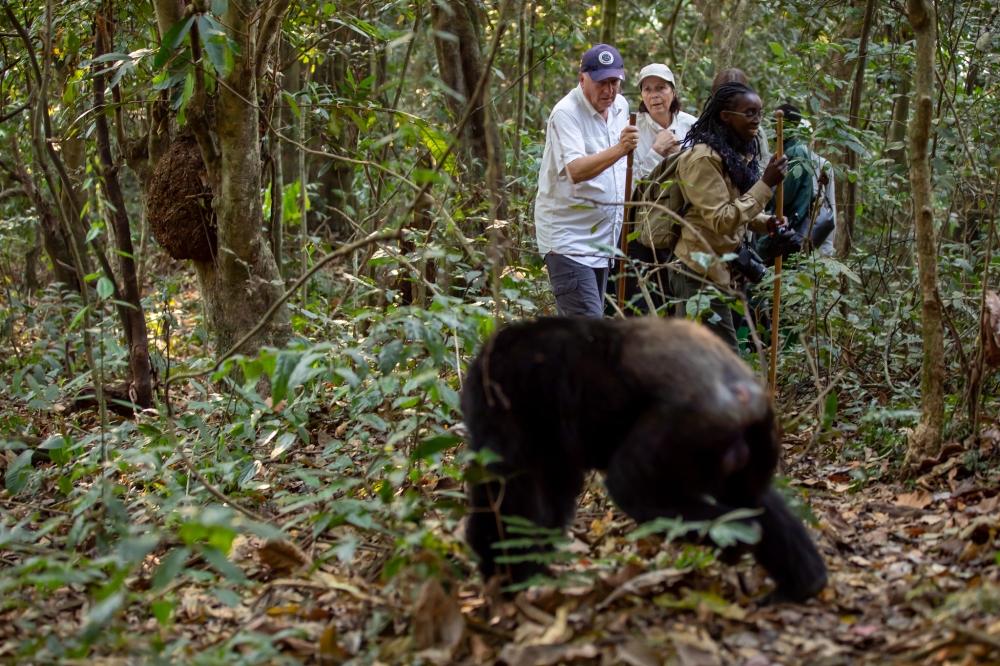
Chimpanzee tracking at Kibale typically lasts two to five hours, including the trek and briefing. Once chimpanzees are located, visitors are allowed one hour in their presence.
Chimpanzee habituation is a full-day experience. Uganda Wildlife Authority says tourists spend the whole day with the chimpanzees during the habituation process.
“Full day” does not necessarily mean nonstop close contact. You may walk for long periods, wait while trackers locate the community, follow chimpanzees between feeding sites, and observe from a distance when required.
Which Is More Likely to See Chimpanzees?
Neither experience can guarantee a sighting because chimpanzees are wild. However, Kibale’s Kanyanchu chimpanzee community has been monitored and habituated since 1993, and the park reports a sighting success rate of over 90 percent for chimpanzee tracking.
Chimpanzee habituation offer more time in the forest, which can improve opportunities to observe chimpanzees. But it does not remove the unpredictability of wildlife, and no ethical operator should promise a sighting.
Related Read: Where to See Chimpanzees in Uganda | Can I See Chimpanzees In Rwanda
Chimpanzee Permits and Costs
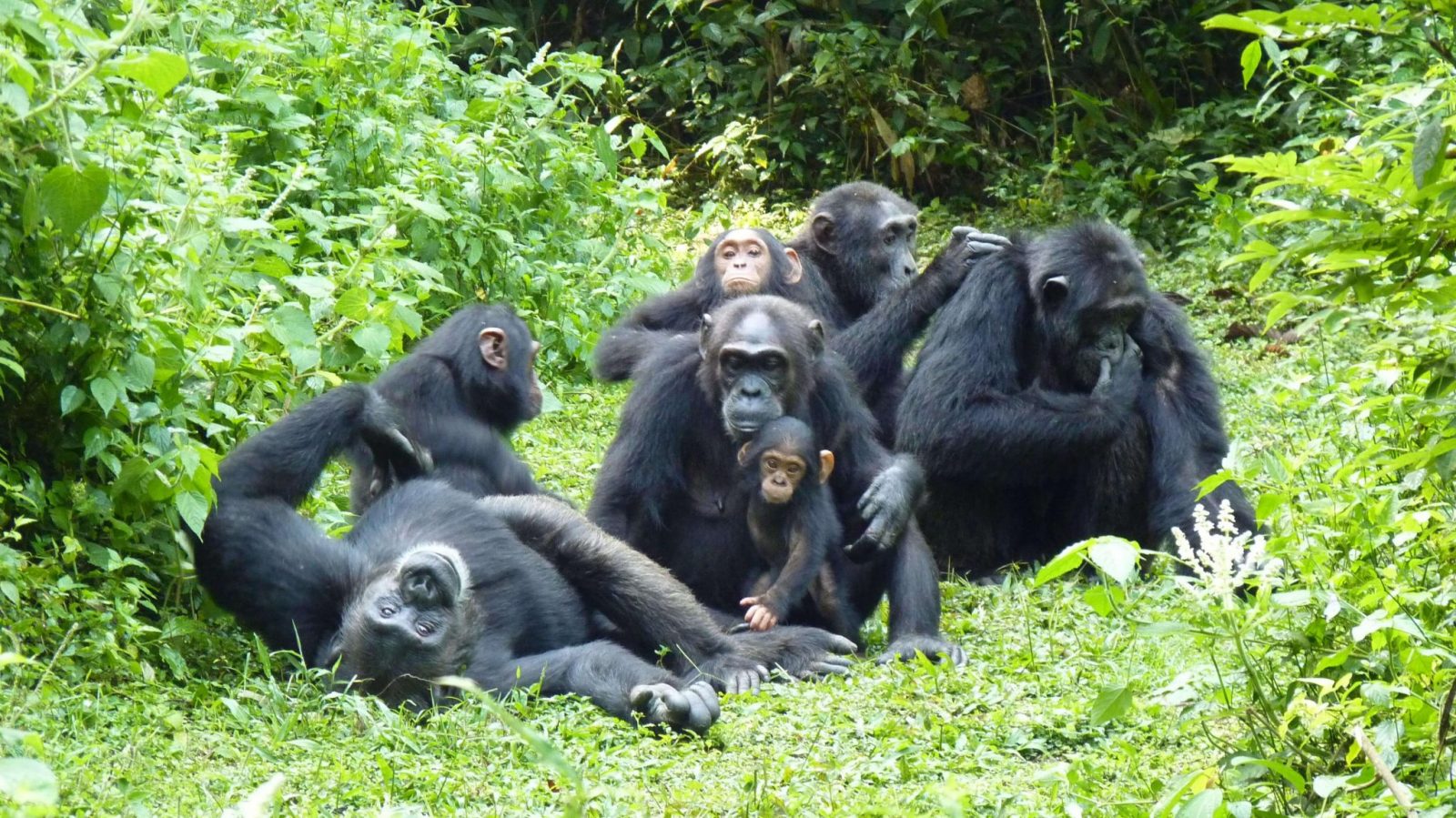
Both activities require a permit, but chimpanzee habituation permits are usually more expensive and more limited.
For planning purposes, the Kibale Chimpanzee Habituation Experience is reported at:
-
US$300 for foreign non-residents.
-
US$250 for foreign residents.
-
UGX 250,000 for East African Community citizens.
Confirm current Uganda Wildlife Authority tariffs before publishing or booking, because permit prices and rules can change.
What a permit typically includes
-
Park access, where applicable.
-
Ranger, guide, and tracker services.
-
The regulated chimpanzee encounter.
-
Conservation fees, where bundled into the permit.
What a permit usually excludes
-
Transport and driver-guide.
-
Accommodation.
-
Meals and drinks.
-
Porter hire.
-
Tips.
-
Optional activities.
We can check live permit availability and secure permits as part of a seamless Uganda safari. [Check permit availability now.]
Which Experience Is More Physically Demanding?
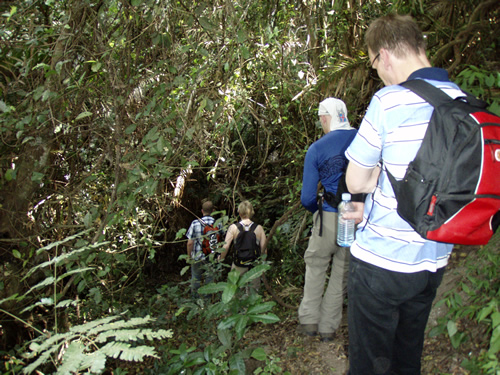
Chimpanzee habituation is more physically demanding because it involves a full day of walking, waiting, and following chimpanzee movement through forest terrain.
Standard tracking is still active, but it is usually shorter. Kibale treks typically last two to five hours, while habituation lasts all day.
Before travelling:
-
Walk regularly to build fitness.
-
Wear broken-in waterproof hiking boots.
-
Bring insect repellent, water, and energy snacks where permitted.
-
Consider a porter for camera equipment or support.
-
Disclose mobility, heart, respiratory, or pregnancy-related concerns before booking.
Which Is Better for Photography?
Chimpanzee habituation is generally better for photography because it offers more time in the forest and more opportunities to observe different behaviours.
However, photography remains challenging: chimpanzees move quickly, light is often low, and animals may be high in the canopy.
For standard tracking, the one-hour viewing window rewards preparation: know your camera settings, carry spare batteries, and avoid flash. Uganda Wildlife Authority (UWA) prohibits flash photography during chimpanzee tracking.
Use a zoom lens, fast shutter settings, rain protection, and patience. The best chimpanzee photographs often come from observing natural behaviour rather than chasing close-ups.
Rules for Chimp Tracking and Habituation
Follow these rules in both experiences:
-
Keep at least 10 metres (32.8 feet) from chimpanzees.
-
Do not enter the forest if you are sick.
-
Do not eat, drink, or smoke during tracking.
-
Do not mimic chimpanzee vocalisations.
-
Do not chase chimpanzees.
-
Do not use flash photography.
-
Do not leave litter in the forest.
-
Bury human waste 30 cm (12 inches) deep, off the trail.
-
Follow all ranger instructions.
These rules protect chimpanzees from disease and disturbance while keeping visitors safe.
Chimp Tracking or Chimp Habituation: Which Should You Choose?
Choose chimpanzee tracking if you:
-
Are visiting Uganda for the first time.
-
Have limited time.
-
Want to combine chimpanzees with gorilla trekking.
-
Prefer a shorter, less expensive experience.
-
Want a classic Kibale primate encounter.
Choose chimpanzee habituation if you:
-
Are a passionate wildlife photographer.
-
Want a full-day immersive forest experience.
-
Have already done standard chimpanzee tracking.
-
Want more time observing chimpanzee behaviour.
-
Are physically prepared for a long trek.
-
Value research and conservation-focused travel.
Simple recommendation: choose standard chimpanzee tracking for most first-time safari travellers; choose chimpanzee habituation for a deeper, specialist primate experience.
Best Place for Chimp Tracking and Habituation
Kibale National Park is the leading destination for both experiences. It is home to the Kanyanchu chimpanzee community, which has been intensively monitored and habituated since 1993, and offers a reported sighting success rate of over 90 percent.
Kibale also offers the Chimpanzee Habituation Experience for travellers seeking an extended encounter with a semi-habituated group.
Other Ugandan chimpanzee destinations include Budongo Forest, Kyambura Gorge, and Kalinzu Forest, but the full-day habituation experience is particularly associated with Kibale.
Best Time to Go Chimpanzee Tracking and Habituation
Uganda Wildlife Authority says both chimpanzee tracking and habituation take place all year round. It notes that the rainy season can be a good time to track chimpanzees despite mud, while during the dry season chimpanzees may move deeper into the forest in search of food.
Prioritise permit availability and overall safari logistics over chasing one “perfect” month. Dry seasons are easier for trails, while wetter months can offer lusher forest and potentially stronger chimpanzee activity.
Can You Combine Chimp Tracking or Habituation with Gorilla Trekking?
Yes. A popular itinerary combines:
-
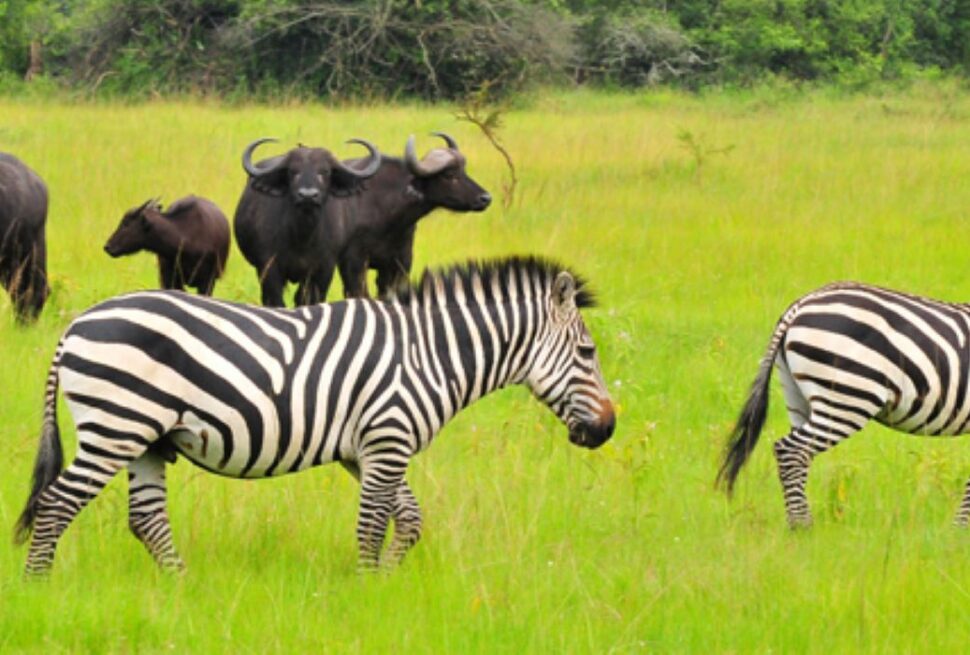
Queen Elizabeth National Park wildlife viewing.
-
Bwindi Impenetrable National Park gorilla trekking.
-
Optional Lake Bunyonyi, Murchison Falls, or Kibale birding.
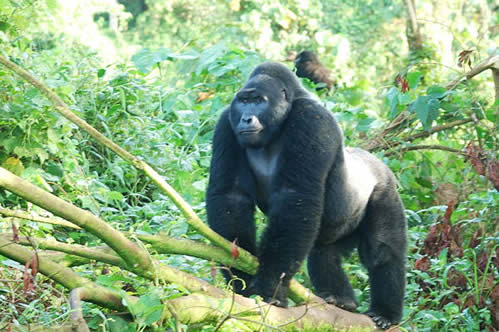
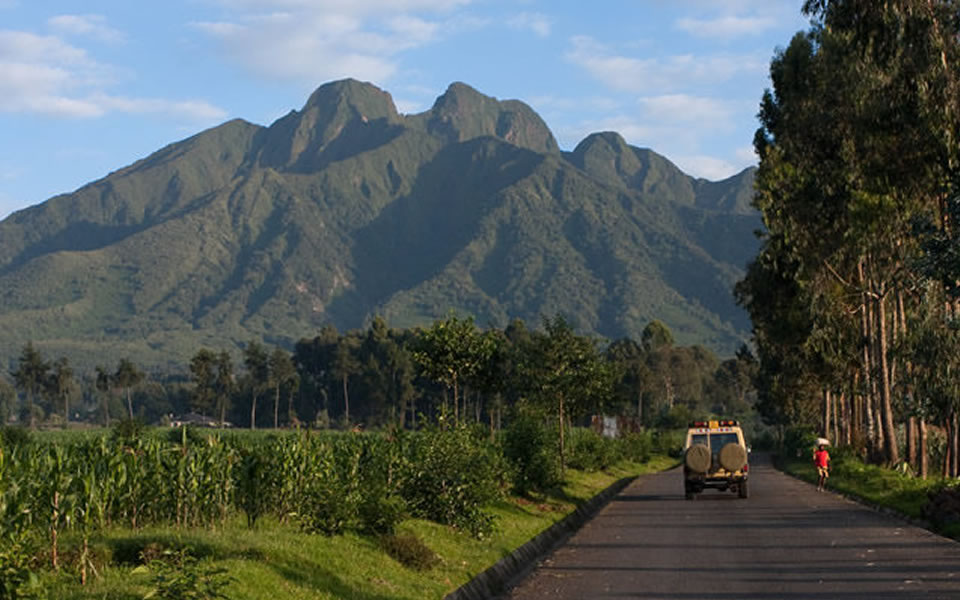
For travellers continuing to Rwanda, combine Kibale with Volcanoes National Park gorilla trekking. Permits should be booked early because both chimpanzee and gorilla permits are limited.
We can combine chimpanzee permits, gorilla permits, lodges, transport, and park logistics into one seamless itinerary. [Start planning your Uganda safari.]
Frequently Asked Questions
Is chimpanzee habituation the same as chimpanzee tracking?
No. Tracking is shorter and focuses on a habituated community; habituation is a full-day experience with a semi-habituated community.
How long is chimpanzee habituation?
A full day.
How long is chimpanzee tracking?
Usually 2–5 hours, with up to one hour with chimpanzees.
Is chimpanzee habituation worth it?
Yes for photographers, wildlife enthusiasts, and travellers wanting a deeper experience; standard tracking is usually better for first-time visitors.
Where can I do chimpanzee habituation in Uganda?
Kibale National Park is the leading destination.
Do I need a permit for chimpanzee habituation?
Yes.
Can children join chimpanzee habituation?
Age rules vary; confirm with the park and operator before booking.
Can I see chimpanzees without trekking?
Not reliably in a wild, ethical setting; both experiences involve forest trekking.
Is chimpanzee habituation ethical?
Yes when managed by licensed authorities, with strict visitor limits and conservation-focused rules.
Plan Your Chimpanzee Safari
Choose chimpanzee tracking for a classic, time-efficient encounter; choose chimpanzee habituation for a full-day, conservation-focused immersion.
Secure permits early, prepare for forest conditions, and combine the experience with gorilla trekking for the ultimate primate safari.
Speak to us about chimpanzee permits, habituation availability, and tailor-made Uganda and Rwanda gorilla-trekking itineraries.
Ready to choose your chimpanzee experience? Book your Uganda or Rwanda gorilla permit through GoSilverback Gorilla Safaris and build a seamless primate safari around Kibale, Bwindi, Queen Elizabeth, or Volcanoes National Park.
[Book your gorilla permit with GoSilverback Gorilla Safaris today.]