How to Book Gorilla Trekking in Uganda and Rwanda: Ultimate Guide 2026
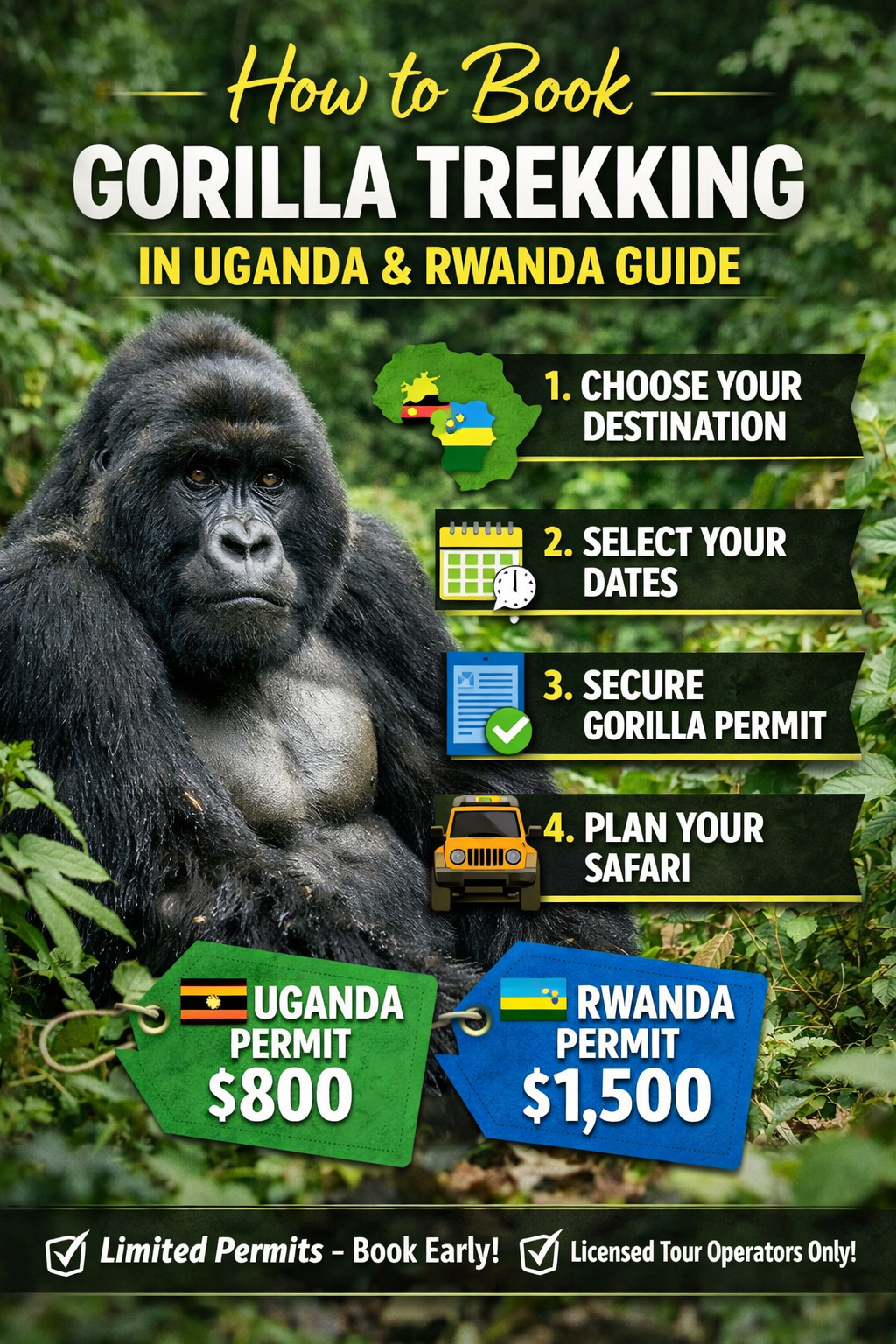
To book gorilla trekking in Uganda or Rwanda, you must secure a government-issued gorilla permit in advance. In Uganda, permits are issued by the Uganda Wildlife Authority (UWA) for Bwindi or Mgahinga National Parks and cost USD 800.
In Rwanda, permits are issued by the Rwanda Development Board (RDB) for Volcanoes National Park and cost USD 1,500. Choose your travel dates, check availability, pay for the permit, and receive official confirmation.
Permits are limited to 8 visitors per gorilla family per day, so booking 3–6 months early through a licensed safari operator is strongly recommended.
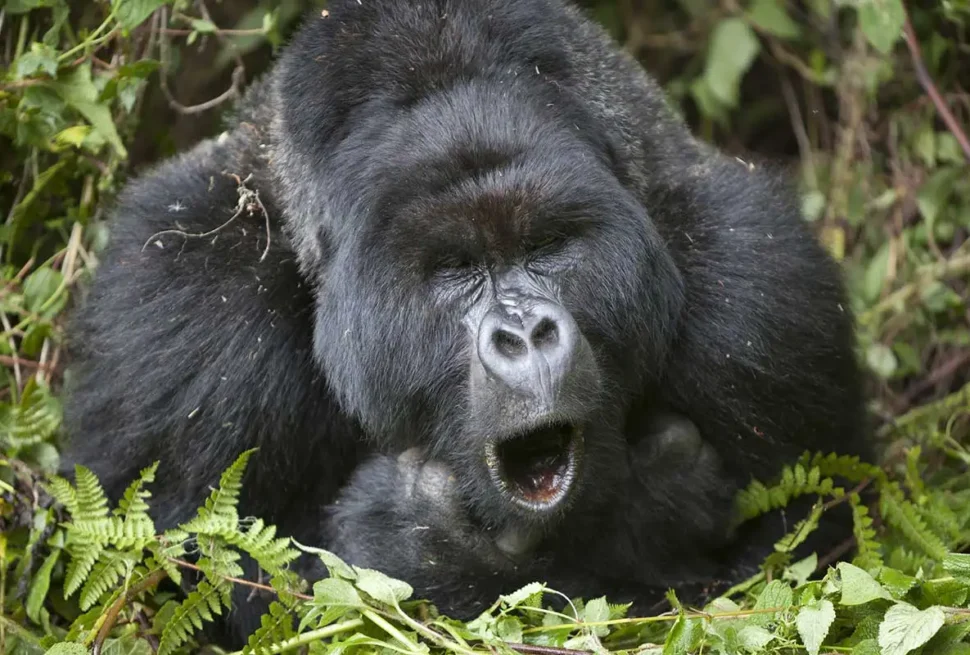
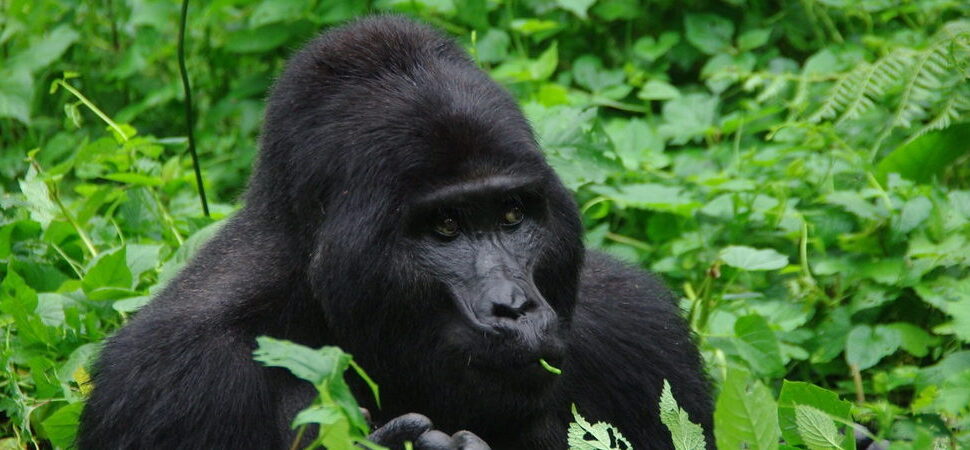
Gorilla trekking stands as one of Africa’s most profound wildlife experiences: an intimate, one-hour encounter with habituated mountain gorillas in their misty rainforest home.
For international travelers from the USA, UK, Europe, Canada, Asia, and the Middle East, Uganda and Rwanda offer the safest, most reliable access to these critically endangered primates.
Booking gorilla trekking permits requires careful planning due to strict daily limits and high demand.
Quick Answer – How Gorilla Trekking Booking Works
Gorilla trekking permits are issued by government authorities: the Uganda Wildlife Authority (UWA) for Uganda’s Bwindi Impenetrable and Mgahinga Gorilla National Parks, and the Rwanda Development Board (RDB) for Rwanda’s Volcanoes National Park.
Each permit grants access to one habituated gorilla family for one hour of observation, guided by expert trackers and rangers.
Key facts:
- Daily permits are capped: ~184–200 in Uganda (across ~23 habituated groups) and 96 in Rwanda (across ~12 groups).
- Only 8 trekkers per group per day.
- Permits are date-specific, non-refundable, and non-transferable.
- Most travelers book through licensed tour operators, who secure permits via official channels and handle logistics.
The process starts with choosing your country and dates, then securing the permit (often bundled into a full safari package), followed by travel arrangements.
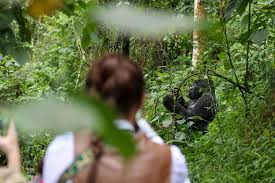
Uganda vs Rwanda Gorilla Trekking – Which Should You Choose?
Both destinations deliver exceptional gorilla encounters, but differences in cost, accessibility, infrastructure, and experience help decide.
Uganda (Bwindi & Mgahinga):
- Permit cost: USD 800 for foreign non-residents (standard trekking); USD 1,500 for habituation experience (4 hours with gorillas).
- Advantages: More habituated groups offer greater flexibility and availability; diverse sectors suit varying fitness levels; excellent value for money; combines easily with other Uganda safaris (e.g., Queen Elizabeth National Park for big game).
- Best for: Budget-conscious travelers, families, first-timers, or those wanting variety. Kampala serves as a convenient hub with direct flights and road transfers.
- Drawbacks: Longer drives to Bwindi (6–10 hours from Kampala, or domestic flights); trails can be steeper in some sectors.
Rwanda (Volcanoes National Park):
- Permit cost: USD 1,500 for foreign non-residents (standard trekking; occasional low-season discounts to ~USD 1,050 with combined park stays).
- Advantages: Premium infrastructure with luxury lodges; shorter transfers (2–3 hours from Kigali airport); often gentler approaches to gorilla groups; strong emphasis on polished, exclusive experiences.
- Best for: Luxury travelers seeking seamless logistics, high-end accommodations, and photography in dramatic volcanic landscapes.
- Drawbacks: Higher costs overall; fewer groups mean faster sell-outs.
Verdict for international travelers: Choose Uganda for affordability and flexibility; opt for Rwanda for luxury and convenience. Many combine both for a multi-country itinerary.
Trekking Difficulty
Uganda (Bwindi sectors vary): Trails can be steep, muddy in wet seasons, with difficulty 4–6/10 dry and 7–9/10 wet. Mgahinga is often gentler but smaller.
Rwanda (Volcanoes): Volcanic slopes and ridges; often shorter approaches but steeper in places—similar overall difficulty, with more consistent luxury support.
Both require good fitness; porters available (~USD 15–20/day).
Accessibility from International Airports
Uganda: Entebbe International Airport (EBB) to Kampala (1 hour), then 6–10 hour drive or domestic flight to Bwindi/Mgahinga.
Rwanda: Kigali International Airport (KGL) to Volcanoes NP (2–3 hour drive)—shorter and smoother for most.
Rwanda wins for convenience; Uganda for combined safaris.
Gorilla Population & Success Rates
Mountain gorilla population exceeds 1,063 (latest estimates 2024–2025, with ongoing censuses in Bwindi-Sarambwe). Uganda hosts ~half in Bwindi; Rwanda shares Virunga Massif groups. Success rates remain 95%+ in both due to habituated families and skilled trackers.
Overall Experience Comparison
Uganda: Affordable, diverse sectors, more groups for flexibility, ideal for value seekers and multi-activity trips.
Rwanda: Luxury lodges, polished logistics, exclusive feel—perfect for high-end travelers.
Choose Uganda for budget and variety; Rwanda for seamless luxury.
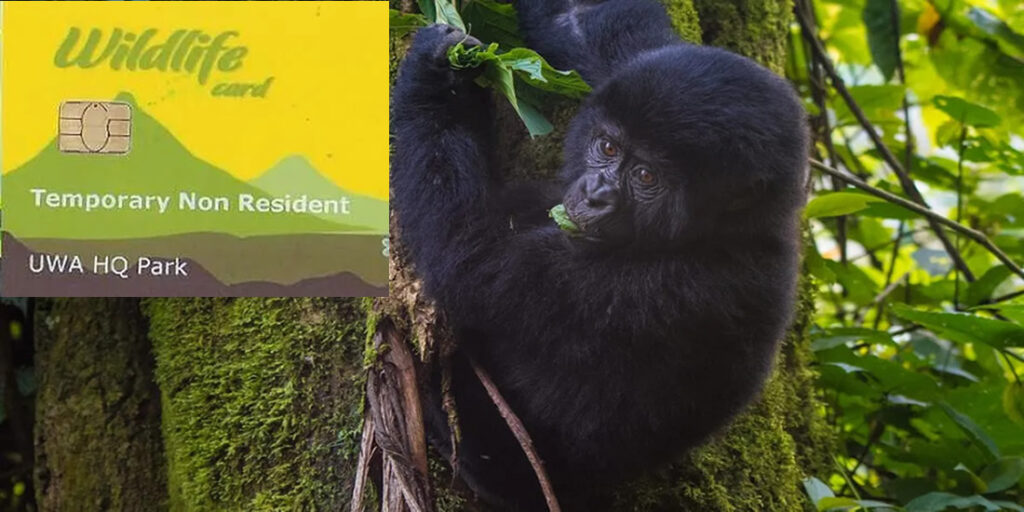
Step-by-Step Guide to Booking Gorilla Trekking
Step 1 – Decide Your Travel Dates
Align with seasons: High season (June–September long dry; December–February short dry) for firmer trails and clear visibility. Low season (March–May long rains; October–November short rains) for lush scenery, fewer crowds, and potential savings—but muddier paths.
Step 2 – Choose Your Gorilla Trekking Destination
- Bwindi Impenetrable NP (Uganda): Multiple sectors (Buhoma, Rushaga, Nkuringo, Ruhija) with varied terrain and group difficulty.
- Mgahinga Gorilla NP (Uganda): Smaller, often gentler, with golden monkey options.
- Volcanoes NP (Rwanda): Volcanic landscapes, premium access, shorter drives.
Step 3 – Check Permit Availability
UWA and RDB allocate permits first-come, first-served via licensed operators or portals. Operators track real-time openings; direct checks risk missing slots.
Step 4 – Secure Your Gorilla Permit
Submit details (dates, passport) to operator; pay deposit (30–50%) to lock permit. Full balance closer to travel. Payment methods: Wire transfer, credit card (Visa/Mastercard), sometimes PayPal.
Step 5 – Book Accommodation
- Luxury: Singita Kwitonda (Rwanda), Sanctuary Gorilla Forest Camp (Uganda).
- Mid-range: Buhoma Lodge, Volcanoes View Lodge.
- Budget: Community camps, budget lodges near parks.
Book early—peaks fill fast.
Step 6 – Arrange Transport
Guided safaris preferred (4×4 transfers, drivers/guides). Self-drive possible but not recommended for remote parks.
Step 7 – Get Travel Documents Ready
- Visa: East Africa Tourist Visa (USD 100, covers Uganda/Rwanda/Kenya for 90 days) or single-country e-visas.
- Yellow fever certificate: Required for entry.
- Travel insurance: Mandatory—cover medical/evacuation, adventure activities.
Operators streamline this, minimizing risk of permit failure.
Gorilla Permit Costs Explained (2026 Updated)
Permit fees fund conservation, ranger patrols, and community projects.
- Uganda (Bwindi/Mgahinga, foreign non-residents): USD 800 standard trekking; USD 1,500 habituation experience.
- Rwanda (Volcanoes NP, foreign non-residents): USD 1,500 standard (possible low-season discounts to USD 1,050 with multi-park stays).
These are fixed for international visitors; no widespread discounts apply in peak seasons. Full safari packages add lodging, meals, transfers, and guiding.
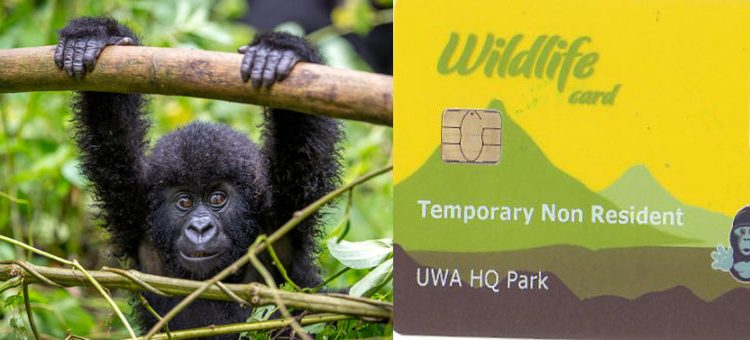
Best Time to Book Gorilla Trekking
Dry seasons (June–September long dry; December–February short dry) offer firmer trails, less mud, and clearer visibility—ideal for most travelers. Wet seasons (March–May, October–November) bring lush scenery, fewer crowds, and value but muddier conditions.
How Far in Advance Should You Book?
Peak dry seasons: 12–18 months ahead (many 2026 dates already limited). Low/shoulder seasons: 3–6 months suffices, though early booking ensures preferred groups. Permits sell out fastest in July–August and December–January due to holidays and ideal weather.
Is It Safe to Book Gorilla Trekking?
Yes— Gorilla trekking in Uganda and Rwanda is widely regarded as one of the safest wildlife experiences in Africa for international travelers, with thousands of visitors completing treks annually without incident.
Both countries prioritize tourist safety in their flagship national parks—Bwindi Impenetrable National Park and Mgahinga Gorilla National Park in Uganda, and Volcanoes National Park in Rwanda—through dedicated security measures, strict regulations, and conservation-focused infrastructure.
As of February 2026, reputable operators report smooth operations, high visitor satisfaction, and no major disruptions to gorilla trekking programs.
Security in Uganda
Uganda maintains strong security protocols specifically for gorilla trekking areas in the southwest, including Bwindi and Mgahinga.
These remote, high-value tourism zones receive prioritized protection from the Uganda Wildlife Authority (UWA) and government forces.
Armed rangers and park security personnel routinely accompany every trekking group from the trailhead through the forest, providing escort and rapid response capabilities.
Recent government investments in tourism security (including enhanced patrols and infrastructure) have further insulated these parks from broader national concerns.
While Uganda’s overall U.S. State Department travel advisory remains at Level 3 (Reconsider Travel) due to crime, terrorism risks, and unrest in certain regions, these issues are largely confined to urban areas like Kampala or northern/eastern borders—not the core gorilla trekking zones.
Traveler reports and operator feedback consistently describe Bwindi as peaceful and well-monitored, with incidents extremely rare for tourists on organized treks.
Avoid unofficial or cross-border tours (e.g., into DRC), and always book with licensed operators for vetted routes and support.
Security in Rwanda
Rwanda stands out as one of Africa’s most stable and secure destinations, with Volcanoes National Park benefiting from exceptional policing and tourism infrastructure.
The park operates under tight control by the Rwanda Development Board (RDB) and park authorities, who enforce strict access rules and provide military or ranger escorts where needed—particularly near the DRC border due to occasional regional spillover risks.
Government advisories (e.g., from Australia and Canada) note a need for caution in border-adjacent sections of Volcanoes NP because of potential rebel activity in neighboring DRC, but recommend visiting only as part of organized tours with reputable agents.
In practice, standard gorilla treks remain fully operational and safe, with no recent reports of threats to visitors in the park’s core areas.
Rwanda’s overall low crime rate against tourists, efficient emergency response, and focus on high-end conservation tourism contribute to its reputation as a secure choice.
Ranger Presence
Ranger presence is a cornerstone of safety in both countries. Every gorilla trekking group is led by highly trained, armed park rangers and expert trackers who:
- Scout routes in advance and monitor gorilla locations daily.
- Carry radios for instant communication and backup.
- Enforce strict health and behavior rules to protect both visitors and gorillas.
- Provide immediate assistance for any issues, from minor injuries to rare wildlife encounters.
This constant professional oversight—combined with porters and guides—ensures treks proceed smoothly, even on challenging terrain.
Political Stability
Both Uganda and Rwanda enjoy relative political stability in their tourism corridors. Rwanda has maintained consistent peace and strong governance since the 1990s, with tourism as a national priority.
Uganda has seen steady development in wildlife areas despite occasional domestic political events; recent elections and security enhancements have not impacted gorilla zones.
In 2026, both countries continue to welcome international visitors to their parks without interruption, supported by robust conservation funding and international partnerships.
Bottom line for international travelers: Yes, it is safe to book gorilla trekking in Uganda and Rwanda when using licensed, reputable operators like GoSilverback Safaris.
These companies coordinate with official authorities, use secure transfers, and provide real-time updates. Always check current government travel advisories before departure, purchase comprehensive travel insurance (covering medical evacuation and adventure activities), and follow operator guidance.
If you’re planning your 2026 trek from Kampala or elsewhere, GoSilverback Safaris offers secure, ethical bookings with priority permit access and full safety protocols.
Contact us today for personalized advice, availability checks, and peace-of-mind planning—your gorilla adventure is waiting, and we’ll ensure it’s safe and unforgettable!
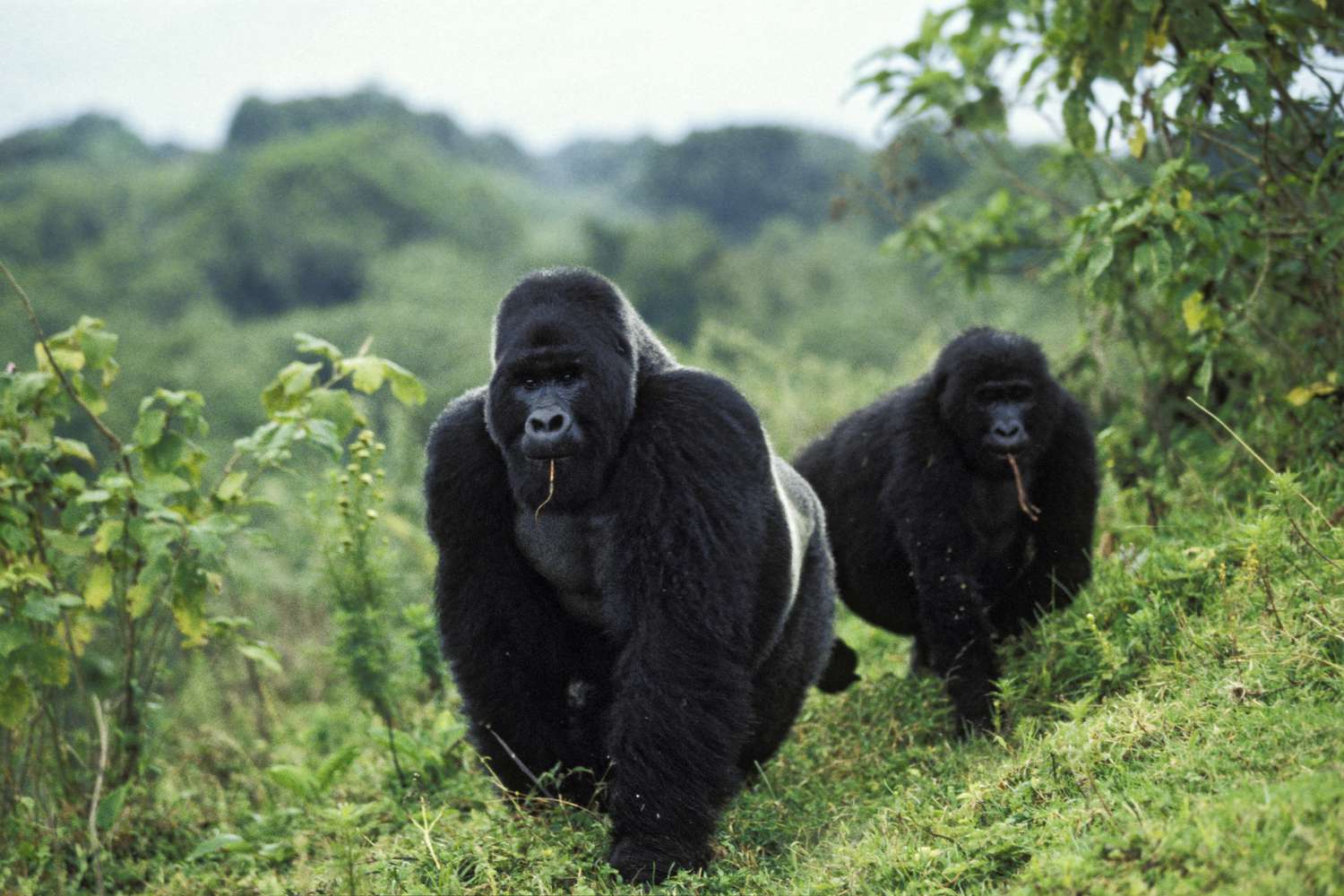
Booking Directly vs Through a Tour Operator
While it’s technically possible to pursue a gorilla trekking permit directly in some cases, the realities of permit scarcity, allocation systems, and logistical demands make booking through a licensed tour operator the overwhelmingly recommended—and often the only practical—option for most international travelers planning a gorilla trek in Uganda or Rwanda in 2026.
In Uganda, recent changes by the Uganda Wildlife Authority (UWA) have shifted the process: as of updates in recent years (including confirmations into 2025–2026), international visitors must secure gorilla permits exclusively through licensed Ugandan tour operators registered with bodies like the Association of Uganda Tour Operators (AUTO).
Direct online or walk-in bookings via the UWA portal are no longer available for foreigners in most scenarios; the system prioritizes operators with dedicated access to the central database.
Attempting direct booking risks rejection, delays, or falling for unofficial agents charging inflated “service” fees (sometimes USD 25–200 extra per permit) without guarantees.
In Rwanda, the Rwanda Development Board (RDB) still allows direct online bookings through their official portal (e.g., via Irembo or the RDB bookings site), where you can check availability and pay the USD 1,500 fee directly with a credit card.
However, even here, direct booking comes with notable challenges: real-time inventory isn’t always transparent or updated instantly, peak-season slots (especially popular groups) disappear within hours of release, and there’s no flexibility for adjustments if dates shift slightly.
Many travelers end up frustrated when trying to coordinate independently, as the portal doesn’t handle related needs like sector-specific matching or backups.
Direct booking may seem cost-saving (no operator markup), but it often leads to higher overall risk and hidden expenses—such as separate transfers, last-minute accommodation markups, or even missing the trek entirely if availability vanishes after flights are booked.
Benefits of Using a Licensed Safari Company
Reputable, licensed safari companies—fully registered with UWA, RDB, AUTO, or equivalent bodies—provide significant advantages that far outweigh any perceived savings from going direct.
These operators act as authorized intermediaries with privileged access, turning a complex, high-stakes process into a seamless, protected experience.
- Guaranteed permits — Licensed operators have priority or “direct access” keys to UWA and RDB systems, allowing them to check real-time availability across all sectors and groups, hold slots temporarily (often 24–48 hours), and secure permits before they’re released to the public or snapped up by others. They monitor openings daily and can pivot to backup dates or alternative families if your first choice sells out—something impossible for individuals. In peak seasons, when June–September or December–February dates vanish 12–18 months ahead, operators routinely secure spots that direct bookers miss entirely.
- Logistical coordination — Gorilla trekking doesn’t exist in isolation; operators bundle the permit with end-to-end planning: airport transfers (Entebbe to Bwindi or Kigali to Volcanoes), 4×4 transport on rough roads, quality accommodation (luxury lodges like Singita or mid-range options near trailheads), meals, park briefings, porters, and optional add-ons (chimp tracking, community visits, or big-game safaris). They match gorilla groups to your fitness level (e.g., gentler Buhoma sector in Bwindi or easier approaches in Volcanoes), arrange early-morning starts, and handle contingencies like weather delays or medical needs—freeing you to focus on the encounter rather than logistics.
- 24/7 support — From initial inquiry to post-trek follow-up, licensed operators offer round-the-clock assistance via WhatsApp, email, or phone. They manage changes (e.g., flight delays affecting pickup), provide pre-trek briefings on rules and packing, and act as advocates if issues arise (e.g., rescheduling for illness with medical proof, where permitted). This level of personalized, responsive service is unavailable through government portals, which offer limited query support and no on-ground help.
- Local conservation contribution — Booking through a licensed operator channels funds ethically: operators pay official fees directly to UWA/RDB, support ranger salaries, anti-poaching patrols, and veterinary programs (e.g., Gorilla Doctors). Many contribute to community revenue sharing (20% in Uganda, 10% in Rwanda) for local projects like schools and health centers. Reputable companies emphasize sustainable practices—strict adherence to the 7-meter distance rule, no-flash photography, and low-impact group sizes—ensuring your visit actively aids the mountain gorilla population’s recovery (now over 1,063 individuals). Choosing licensed operators also avoids unofficial agents who may undercut conservation by offering fake or overpriced “permits.”
In short, while direct booking in Rwanda is feasible (though challenging), and virtually impossible in Uganda for foreigners, a licensed safari company eliminates risks, maximizes success, and enhances the entire journey.
For international travelers from the USA, UK, Europe, Canada, Asia, or Middle East—where time is limited and reliability paramount—the operator route delivers peace of mind and a truly transformative experience.
Ready to avoid the pitfalls and secure your gorilla trekking permit the smart way? GoSilverback Safaris, a fully licensed and trusted operator based in Kampala, specializes in priority permit access, tailored itineraries, and ethical gorilla adventures in Uganda (and coordinated Rwanda options).
Contact GoSilverback Safaris today for real-time 2026 availability, expert guidance, and guaranteed support—your mountain gorilla encounter starts here!
What Documents Do You Need?
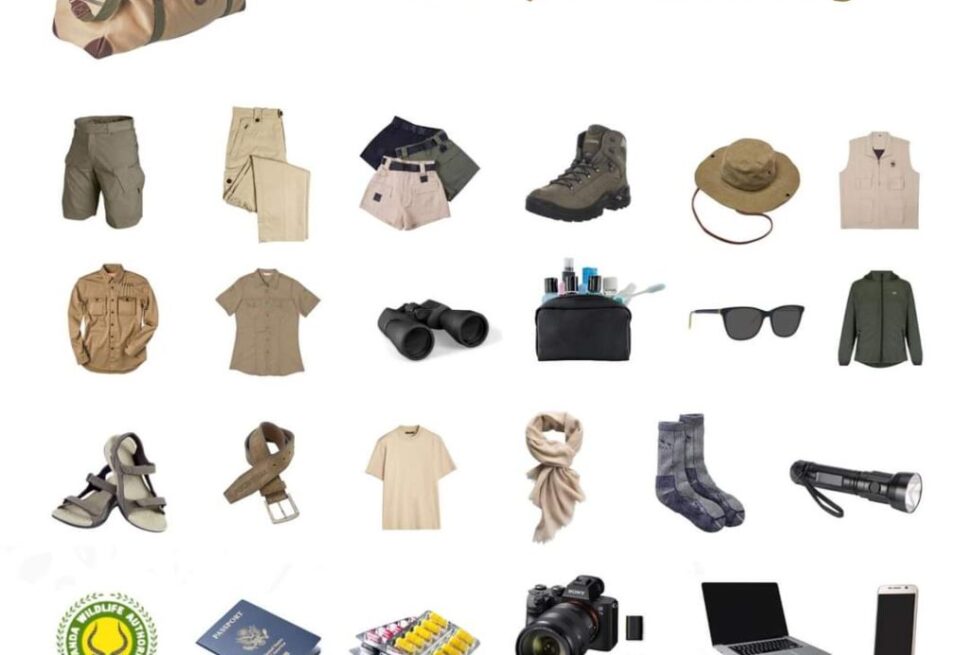
- Valid passport (6+ months validity).
- Yellow fever vaccination certificate (required for entry).
- Travel insurance (covering medical evacuation and adventure activities).
- Visa (e-visa for Uganda/Rwanda; many nationalities visa-on-arrival or e-visa).
- Passport copies for permit booking.
Age Limits and Trekking Rules
Minimum age: 15 years in both countries (strictly enforced for safety and gorilla well-being). No upper limit, but fitness is key—treks involve steep, uneven terrain (2–8 hours round-trip).
Rules: Maintain 7-meter distance; no flash photography; quiet voices; no eating/drinking near gorillas; follow ranger instructions.
Conservation Impact of Your Booking
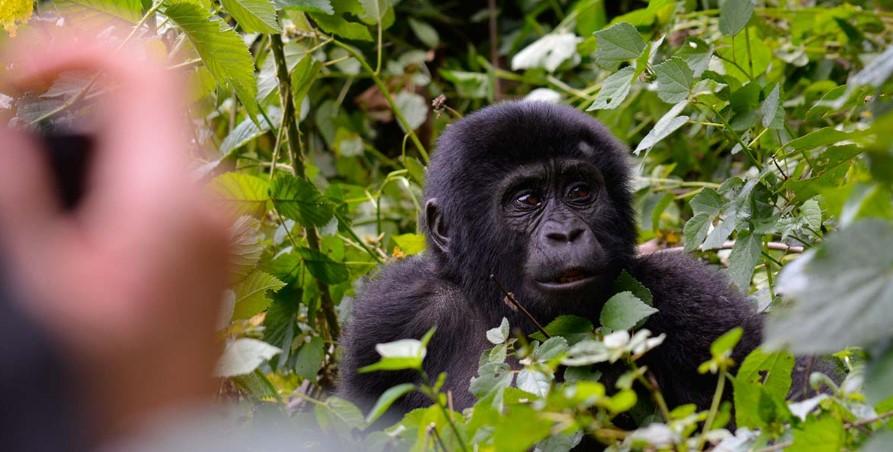
Your permit directly funds anti-poaching patrols, habitat protection, veterinary care (e.g., Gorilla Doctors), and community revenue sharing (20% in Uganda, 10% in Rwanda for local projects).
Tourism has driven mountain gorilla recovery to over 1,000 individuals—your visit supports this success story.
Sample Gorilla Trekking Booking Timeline (for June 2026)
- June–December 2025: Research operators, decide country/dates.
- January–March 2026: Contact operator, pay deposit, secure permit.
- April–May 2026: Final payment, book flights, get vaccinations.
- June 2026: Arrive, brief, trek.
Common Booking Mistakes to Avoid
- Booking flights before permits.
- Assuming availability last-minute.
- Ignoring fitness/age rules.
- Choosing unofficial agents (risk fakes).
- Skipping insurance.
Frequently Asked Questions
Can children trek?
No under 15.
What if I get sick?
Cancellations rare; some operators offer rescheduling.
Habituation vs standard?
Habituation (Uganda only) for longer, research-focused time.
Combine Uganda/Rwanda?
Yes—popular multi-country itineraries.
Final Booking Advice for International Travelers
Start early, prioritize licensed operators, and view this as an investment in conservation and memory-making. From the USA, UK, Europe, Canada, Asia, or Middle East, expect seamless support with English-speaking guides and reliable transfers.
Ready to secure your gorilla trekking permit for 2026? Gorilla permits are limited and demand continues to rise—don’t risk disappointment.
Contact GoSilverback Safaris a trusted, licensed operator based in Kampala, Uganda. We specialize in secure permit sourcing, personalized itineraries, and ethical experiences in Bwindi and beyond.
Reach out today for real-time availability, expert advice, and your no-obligation quote—your close encounter with mountain gorillas awaits.
Book now with GoSilverback Safaris and make 2026 unforgettable!