Gorilla Trekking in Uganda – Best Gorilla Tours, Cost, Permit Rules & Travel Tips 2026
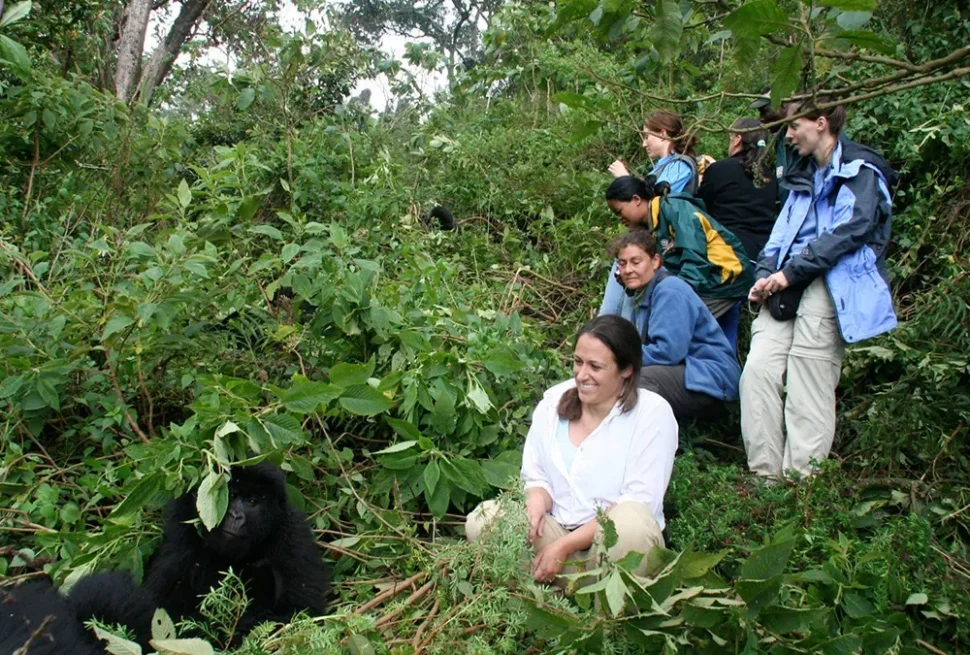
Gorilla trekking in Uganda offers one of the world’s most profound wildlife encounters, allowing visitors to observe endangered mountain gorillas in their natural habitat within the ancient rainforests of Bwindi Impenetrable National Park and Mgahinga Gorilla National Park.
Gorilla trekking permits are issued exclusively by the Uganda Wildlife Authority (UWA) under the current July 2024–June 2026 Conservation Tariff.
The USD 800 standard permit covers ranger guidance, park entry contribution, and a community development levy—directly supporting anti-poaching efforts, local employment, and habitat protection.
The habituation option (USD 1,500) provides extended time with gorillas still being acclimatized, offering deeper insights into their behavior and conservation challenges (maximum 4 visitors per group).
As a leading safari operator based in Kampala, we guide hundreds of international travelers each year—from the USA, UK, Europe, Canada, Asia, and the Middle East—through this transformative experience.
With permits strictly limited and demand high, planning ahead is essential for a seamless adventure that combines adventure, conservation, and cultural immersion.
Why Gorilla Trekking in Uganda?
Gorilla trekking in Uganda stands out as the premier choice for travelers seeking an intimate, meaningful wildlife encounter.
Unlike traditional safaris where animals are viewed from vehicles, gorilla trekking brings you face-to-face with habituated mountain gorilla families—our closest living relatives sharing 98% of human DNA—in their misty, montane rainforest home.
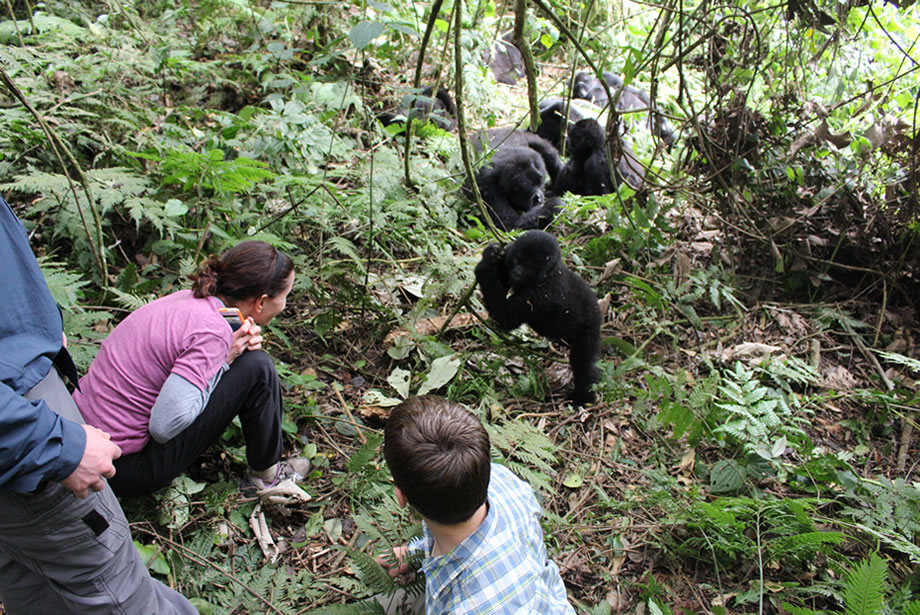
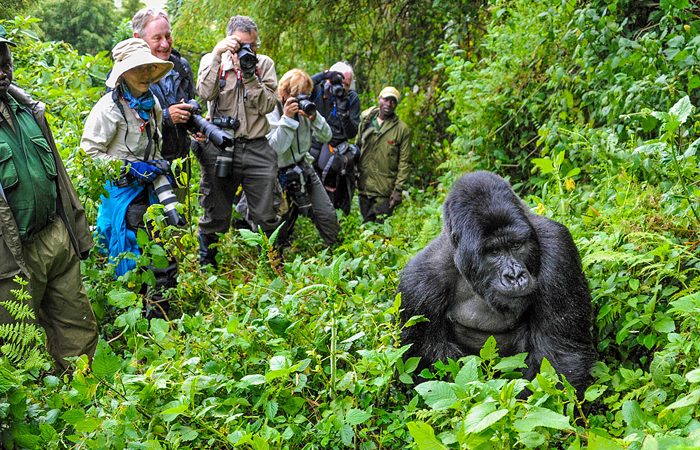
The experience is deeply personal: during the allocated one hour of observation (or four hours for the habituation experience), you witness natural behaviors—silverbacks chest-beating to assert dominance, playful juveniles tumbling through vines, mothers cradling infants, and groups foraging peacefully.

These moments create lasting emotional impact; many visitors describe feeling humbled, inspired, and connected to something greater.
Uganda excels in accessibility and value. Bwindi Impenetrable National Park hosts the majority of the world’s habituated gorilla groups, with over 20 families available for trekking—far more than in Rwanda or the Democratic Republic of Congo. This diversity allows tailored assignments based on fitness levels and preferences, contributing to near-100% success rates.
Tourism revenue plays a pivotal role in conservation success. Gorilla permits directly fund anti-poaching patrols, ranger salaries, community development projects, and veterinary care, driving population recovery from fewer than 300 in the 1980s to approximately 1,063 today.
Check this guide to learn more about Uganda gorilla permits prices 2026.
As travelers from the USA, UK, Europe, and beyond, your visit supports local livelihoods—creating jobs for guides, porters, and trackers—while ensuring the gorillas’ long-term survival.
Compared to Rwanda (higher costs, fewer groups) or DRC (security concerns), Uganda gorilla trekking delivers exceptional value: lower permit prices, more trekking options, and opportunities to combine with chimpanzee tracking, birdwatching (Bwindi boasts over 350 species), or cultural encounters with the Batwa people.
For international visitors, starting from Kampala offers convenient access via road or domestic flights, making it ideal for multi-activity safaris.
In short, gorilla trekking in Uganda is not merely an activity—it’s a responsible investment in conservation and a rare chance to witness one of nature’s most endangered icons up close.

Best Locations for Gorilla Trekking in Uganda
Uganda’s mountain gorilla trekking is concentrated in two protected areas: Bwindi Impenetrable National Park and Mgahinga Gorilla National Park, both in southwestern Uganda near the borders with Rwanda and DRC.
Bwindi Impenetrable National Park is the premier destination, home to over half of the world’s mountain gorillas and more than 20 habituated families across four sectors.
Each sector offers unique advantages:
- Buhoma (north): Easiest access with shorter drives from Kampala, well-developed lodges, and often shorter treks. Ideal for first-timers or those preferring convenience.
- Rushaga (south): Known for shorter hikes (2–4 hours) and family-friendly groups. Popular for its reliable sightings and scenic bamboo zones.
- Nkuringo (southwest): Steeper terrain with panoramic views and larger groups. Suited to fitter travelers seeking dramatic landscapes.
- Ruhija (east): Highest altitude, cooler climate, excellent for birders (Albertine Rift endemics), and often quieter trails.
This sectoral diversity ensures the Uganda Wildlife Authority (UWA) can match groups to fitness levels, maximizing success and minimizing environmental impact.
Mgahinga Gorilla National Park, smaller and higher-altitude, offers fewer habituated groups but unique add-ons like golden monkey tracking and volcano hikes. It’s a quieter alternative, often combined with Bwindi visits.
From Kampala, Bwindi is reachable by an 8–10-hour scenic drive through tea plantations and hills, or a 1-hour domestic flight to Kihihi or Kisoro airstrips.
As experienced operators, we recommend Bwindi for its unparalleled group availability, biodiversity (half of Africa’s butterflies, 350+ bird species), and high-probability encounters.
| Sector | Accessibility from Kampala | Typical Trek Duration | Key Highlights | Best For |
|---|---|---|---|---|
| Buhoma | Excellent (road/flight) | 2–6 hours | Easy trails, good lodges | Beginners, convenience |
| Rushaga | Good | 2–4 hours | Shorter hikes, reliable sightings | Families, moderate fitness |
| Nkuringo | Moderate | 4–8 hours | Views, larger groups | Adventure seekers |
| Ruhija | Challenging | 4–8 hours | Birding, cooler climate | Nature enthusiasts |
| Mgahinga | Good | 3–6 hours | Golden monkeys, volcanoes | Add-on experiences |
Best Time for Gorilla Trekking in Uganda 2026
Gorilla trekking in Uganda operates year-round, as mountain gorillas do not migrate. However, weather and trail conditions vary significantly, influencing comfort and experience.
The dry seasons offer the best conditions: June to September (peak) and December to February (short dry season).
Trails are drier, mud is minimal, visibility is excellent, and temperatures are pleasant (15–25°C).
These periods see higher demand, so book permits 6–12 months ahead.
- June–September: Ideal for photographers (clear skies, lush but not overly wet vegetation). Crowds peak, but sightings remain reliable.
- December–February: Fewer visitors, lower accommodation rates in shoulder periods, and good weather for comfortable trekking.
Wet seasons (March–May long rains, October–November short rains) bring challenges: muddy, slippery trails require extra effort and gaiters.
However, advantages include fewer crowds, lower lodge rates, easier permit availability, and vibrant greenery. Gorillas remain active, and success rates stay high.
Sector-specific notes: Higher-altitude Ruhija and Nkuringo are cooler and wetter year-round; Buhoma and Rushaga offer more sheltered trails.
For 2026, aim for dry months if prioritizing ease, or wet seasons for value and intimacy. Always pack rain gear—tropical forests can change quickly.

Gorilla Trekking Permits in Uganda 2026
Securing a gorilla trekking permit is mandatory and the cornerstone of your trip. Issued by the Uganda Wildlife Authority (UWA) under the July 2024–June 2026 tariff, permits are limited to eight visitors per gorilla family per day to protect the primates.
2026 Permit Fees (Foreign Non-Residents):
- Standard Gorilla Trekking: USD 800 per person (includes 1-hour observation, ranger guide, park entry, and community contribution).
- Gorilla Habituation Experience (GHE): USD 1,500 per person (4-hour observation with semi-habituated groups, limited availability for deeper behavioral insights).
Requirements:
- Minimum age 15 years.
- Good physical fitness for variable hikes.
- No contagious illnesses (strict health declaration required—gorillas are vulnerable to human diseases like colds or flu).
- Valid passport for verification.
Booking Process:
- Choose dates, sector, and permit type (standard or habituation).
- Book through GoSilverback Safaris—mandatory for foreign non-residents to ensure availability and handle UWA logistics.
- Submit details (names, passport copies) and pay deposit.
- Receive confirmation and final payment 30–60 days prior.
- Collect digital/physical permit for park entry.
Tips: Book 6–12 months ahead for peak dry seasons; 3–6 months for wet seasons. Operators secure spots reliably and bundle with full packages.
Pitfalls: Direct UWA booking is slow and often unsuccessful for internationals; last-minute attempts fail due to sell-outs; ignoring health rules results in denial without refund.
Permits fund conservation directly—your investment protects the gorillas you encounter.
Gorilla Trekking Costs Breakdown 2026
Gorilla trekking costs in Uganda vary by style, but the USD 800 permit forms the core expense.
A typical 3-day Bwindi trip from Kampala ranges as follows (per person, sharing, foreign non-resident rates):
| Category | Budget | Mid-Range | Luxury | Notes |
|---|---|---|---|---|
| Gorilla Permit | $800 | $800 | $800–$1,500 | Fixed UWA rate |
| Porters (recommended) | $15–$25/day | $20–$30/day | $25–$40/day | Supports locals |
| Accommodation (2 nights) | $50–$150/night | $200–$500/night | $800–$2,500+/night | Eco-lodges to luxury |
| Transport (Kampala–Bwindi RT) | $200–$300 | $300–$400 | $500–$1,000+ | Road or fly |
| Meals & Extras | $50–$100 | $100–$200 | $200–$400 | Tips, incidentals |
| Full Package (3 days) | $1,200–$1,800 | $2,000–$3,500 | $4,000–$6,000+ | All-inclusive |
What to Expect on a Gorilla Trekking Day
Your gorilla trekking day starts early—pickup at 5–6 a.m. from your lodge. After breakfast, arrive at park headquarters by 7–8 a.m. for briefing: gorilla family assignment (max 8 visitors), rules, and safety.
The trek lasts 2–8 hours one way—steep, muddy trails through dense rainforest. Porters carry gear; trackers lead using fresh signs. Spot monkeys, birds, and flora en route.
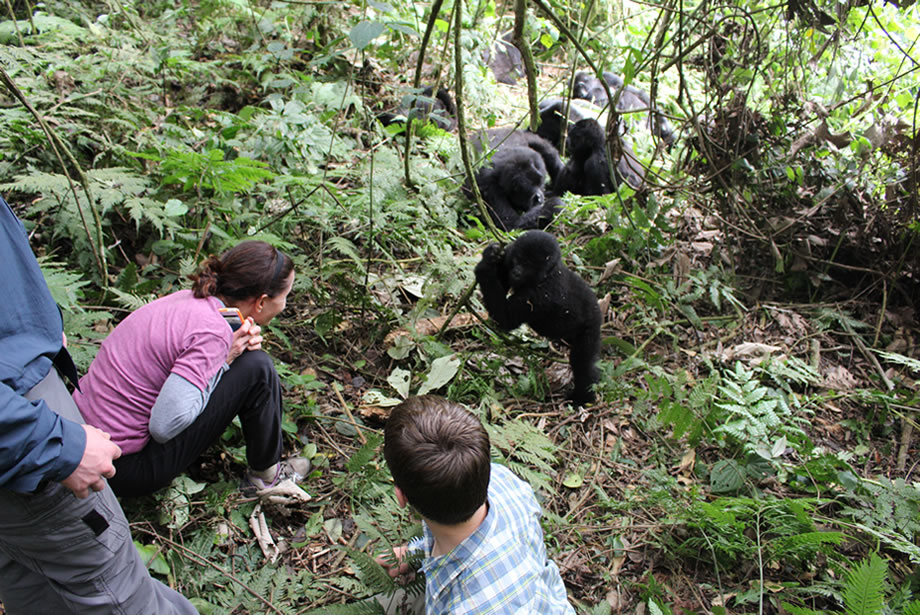
Upon locating the gorillas, leave sticks behind and approach quietly. Observe for 1 hour (or 4 for habituation) at 10 meters minimum distance—no flash photography, eating, or loud noises.
Behaviors include silverback chest-beats, bluff charges (stay calm, follow rangers), playful young, and foraging. The emotional impact is profound—many visitors feel awe and tears.
Rules recap: Maintain 10m distance; no sudden movements; speak quietly; no trekking if ill; bury waste if needed.
Return to headquarters for certificate, then lodge—muddy but exhilarated.
Preparation & Packing List for Gorilla Trekking
Gorilla trekking demands moderate fitness—hikes involve elevation and uneven terrain, but porters assist significantly.
Train with walks and leg exercises.
Essential packing list:
- Waterproof hiking boots with ankle support and good grip
- Rain jacket and pants (rain is common)
- Gaiters for mud and insects
- Long-sleeved quick-dry shirts and pants
- Insect repellent (DEET-based)
- Hat, sunglasses, sunscreen
- Binoculars and camera (no flash)
- Reusable water bottle, energy snacks
- Small daypack, hand sanitizer, basic first-aid
- Walking poles (optional)
Health: No trekking with illness; secure travel insurance with evacuation.
Yellow fever vaccination required for Uganda entry.

Tips for Responsible & Successful Gorilla Trekking
Success stems from preparation and respect:
- Hire porters—ethical support for communities.
- Follow rangers strictly—maintain distance, quiet voices, no eye contact.
- Move slowly; crouch if gorillas approach.
- Photography: Natural light only; telephoto lenses best.
- Safety: Stay grouped, watch footing on trails.
Responsible practices ensure minimal impact and future generations enjoy the gorillas.
Conservation Impact of Gorilla Trekking in Uganda
Gorilla trekking has driven remarkable recovery. Tourism revenue funds patrols, habitat protection, and community programs via UWA and partners like IGCP.
From near-extinction to approximately 1,063 today, permit fees support anti-poaching, veterinary care, and local jobs—reducing poaching and human-wildlife conflict.
Your visit contributes directly to this success story.
Recommended Itineraries & Tours from Kampala
- 3-Day Bwindi Gorilla Trek: Drive/fly from Kampala, trek one family, relax in lodge.
- 7-Day Primate Safari: Bwindi gorillas + Kibale chimps + Queen Elizabeth wildlife.
- Luxury Custom: Premium lodges, flights, private guiding.
As your Kampala-based experts, we guarantee permits, seamless logistics, and personalized service.
Ready for your gorilla trekking in Uganda adventure? Contact us today for a tailored quote, 2026 availability check, and permit booking. Spots fill quickly—secure your place and contribute to conservation now!