Gorilla Families and Groups in Rwanda and Uganda: Must-See Groups 2026
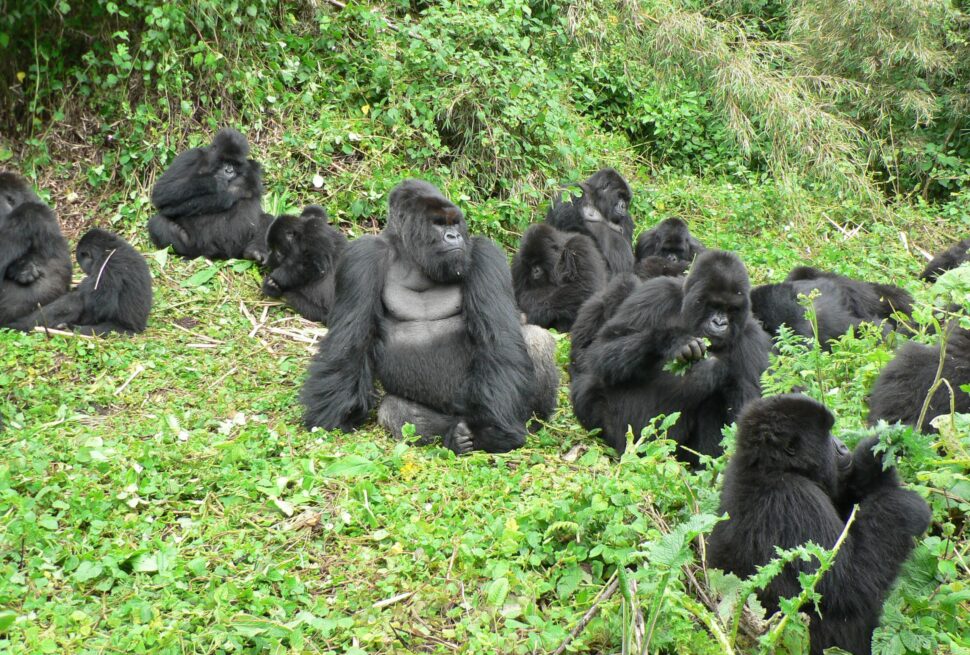
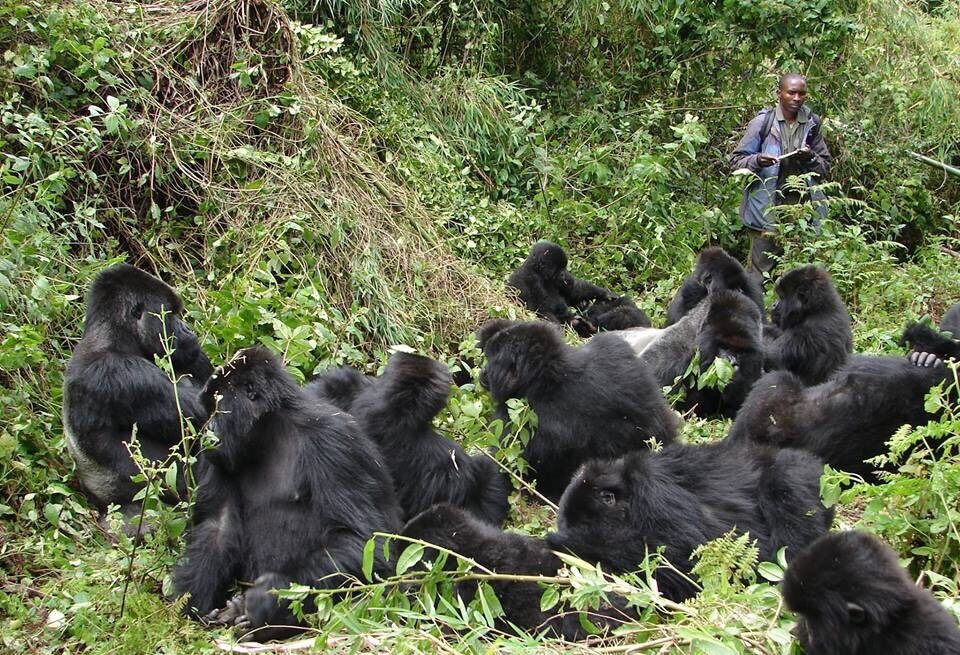
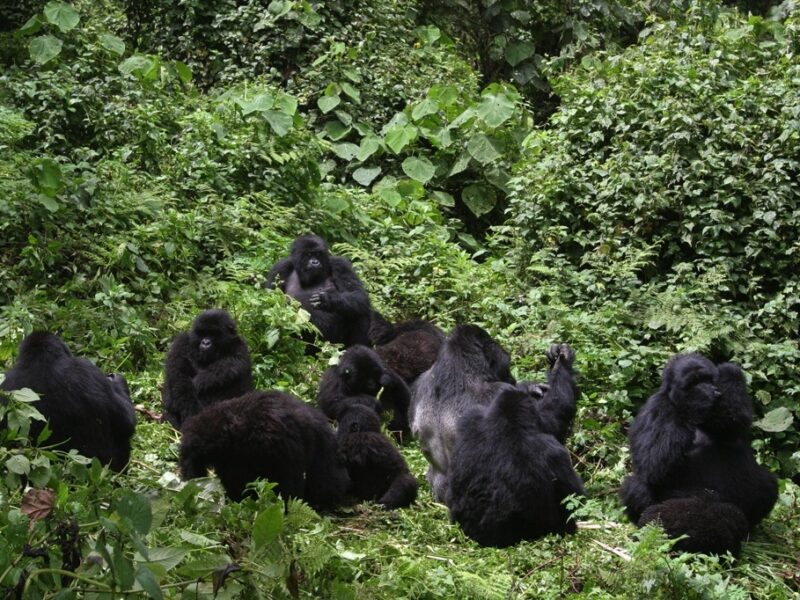
Mountain gorillas live in cohesive family groups led by a dominant silverback, with 5–30 individuals per family on average.
These groups include multiple adult females, their offspring, blackbacks (young males), and sometimes subordinate silverbacks.
The silverback protects the family, decides daily movements, and resolves conflicts, while females transfer groups at maturity to avoid inbreeding.
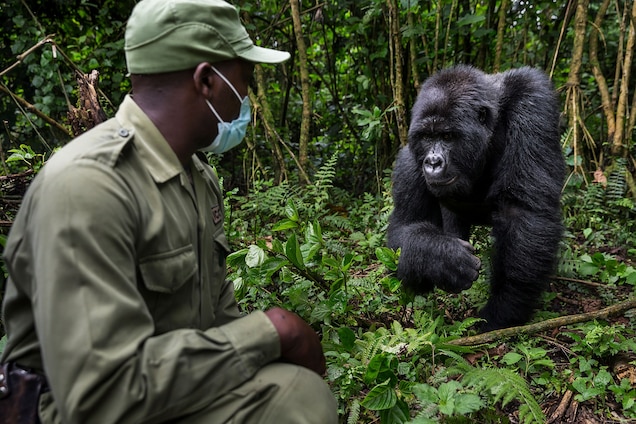
Habituated families—those accustomed to human presence through years of careful monitoring—are the only ones open for tourism.
This process, taking 2–5 years per group, ensures minimal disturbance while funding conservation.
With fewer than 1,100 mountain gorillas worldwide, all confined to the Virunga Massif and Bwindi Impenetrable National Park, habituated groups represent a precious, tightly controlled resource.
Gorilla Families in Uganda: Bwindi Impenetrable National Park and Mgahinga Gorilla National Park
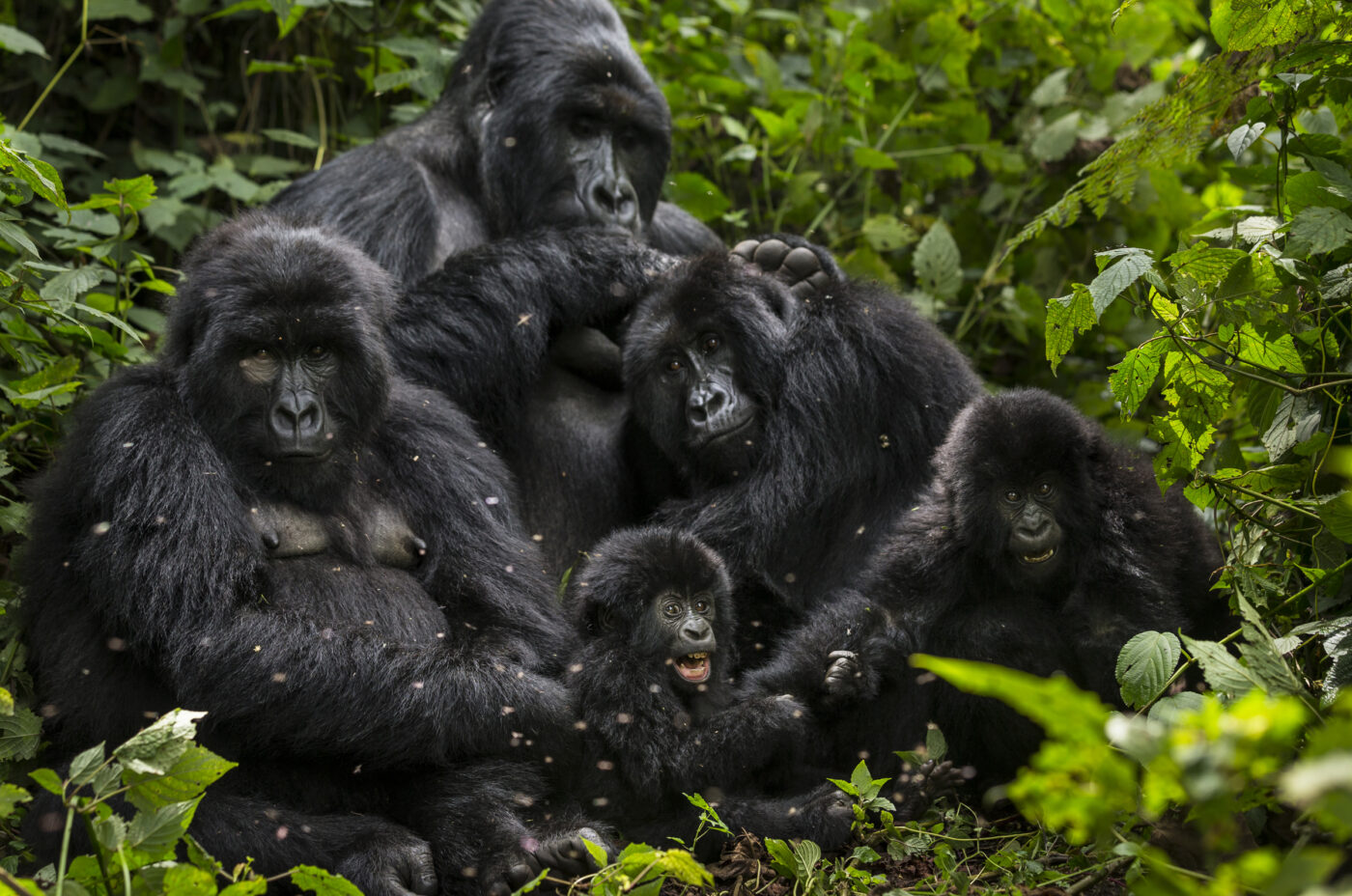
Uganda protects the largest population of mountain gorillas, with over 400 in Bwindi Impenetrable National Park and a smaller group in Mgahinga Gorilla National Park.
Around 19 habituated families are open for standard trekking in Bwindi (spread across four sectors), plus one in Mgahinga, with a few reserved for research or habituation experiences. Assignment depends on fitness, group dynamics, and availability, but sectors vary in trek difficulty and accessibility.
Buhoma Sector (Northern Bwindi)
The most accessible sector, with shorter drives from Kampala and easier treks. Ideal for first-time visitors or those seeking reliable sightings.
- Mubare Gorilla Family — The oldest habituated group in Uganda (opened 1993). Now small (around 9 members), it lost its long-time dominant silverback Ruhondeza in 2020. Gentle and habituated to nearby lodges.
- Habinyanja Gorilla Family — Medium-sized (17 members), led by silverback Makara. Known for swampy habitat and a history of peaceful splits. Moderate trek, often 2–4 hours.
- Rushegura Gorilla Family — Larger (19 members), led by silverback Mwirima. Calm and tolerant, frequently near village edges. Easy to medium access.

Rushaga Sector (Southern Bwindi)
Popular for larger groups and multiple silverbacks, with medium-to-challenging treks through denser forest.
- Nshongi Gorilla Family — One of the biggest (26 members), with four silverbacks. Historically the largest when opened in 2009; known for dynamic interactions.
- Mishaya Gorilla Family — Smaller (12 members), led by silverback Mishaya. Split from Nshongi; energetic and occasionally feisty.
- Kahungye Gorilla Family — 13 members, led by silverback Gwigi. Active and recently habituated, with a history of splits.
Ruhija Sector (Eastern Bwindi)
Remote and scenic, with steeper trails and larger families. Suited for fit trekkers seeking dramatic landscapes.
- Bitukura Gorilla Family — 14 members, with four silverbacks including dominant Ndahura. Fast habituation and close-knit.
- Oruzogo Gorilla Family — Large (25 members), led by silverback Tibirikwata. Frequent births and vibrant group dynamics.
Nkuringo Sector (Southern Bwindi)
Challenging treks from higher starting points, often 4–8 hours. Rewarding for experienced hikers.
- Nkuringo Gorilla Family — 19 members, led by silverbacks Safari and Rafiki. Steep descents and crop-raiding history; physically demanding.
Mgahinga Gorilla National Park
Smaller park with one habituated family.
- Nyakagezi Gorilla Family — 10 members, led by silverback Mark. Highly mobile, sometimes crossing borders; permits limited.
Gorilla Families in Rwanda: Volcanoes National Park
Rwanda manages 10–12 habituated families in Volcanoes National Park, famous from Dian Fossey’s research. Groups range from easy-access low-slope families to high-altitude, strenuous ones.
Treks start from Kinigi headquarters, with assignments based on fitness and availability.
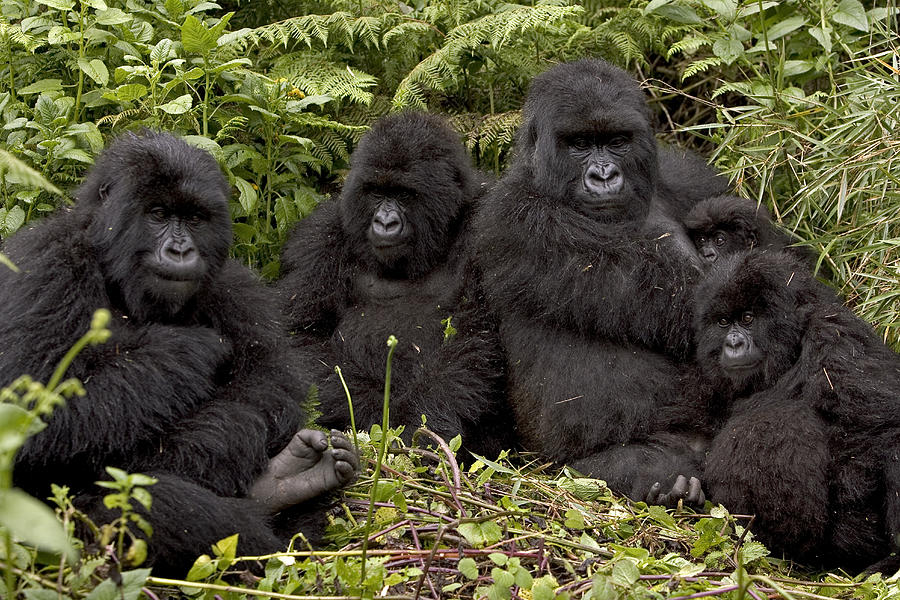
- Susa Gorilla Family — Iconic and largest (up to 38 members historically, now around 15–19). Led by silverback Impuzamahanga. High on Karisimbi slopes; steep, long treks (4+ hours). Famous for twins and Fossey’s legacy.
- Sabyinyo Gorilla Family — Easy to medium access (17 members), led by silverback Gihishwamwotsi (successor to massive Guhonda). Near park edge; reliable sightings.
- Amahoro Gorilla Family — 19–22 members, led by silverback Ubumwe or Gahinga. Steep climb on Bisoke; peaceful name meaning “peace.”
- Hirwa Gorilla Family — 13–18 members, led by silverback Uburanga. Formed from merges; second set of surviving twins.
- Agashya Gorilla Family — 22–25 members, lower Sabyinyo slopes. Dynamic history of mergers.
- Kwitonda Gorilla Family — 20–23 members, led by silverback Akarevuro. Cross-border origins; moderate difficulty.
- Umubano Gorilla Family — 11–14 members, led by silverback Charles. Split from Amahoro; emphasizes cooperation.

Other groups like Igisha (largest at times, 33–36 members), Karisimbi, and newer ones like Noheli add variety but may involve harder treks or border movements.
Choosing the Right Gorilla Family for Your Trek
Family assignment occurs after permit confirmation, prioritizing your fitness level, group size preference, and trek duration.
Easier groups (e.g., Rushegura in Uganda or Sabyinyo in Rwanda) suit older travelers or families; larger, more dynamic ones (e.g., Oruzogo or Susa) offer richer interactions but demand stamina.
Licensed operators monitor real-time locations and dynamics to match you optimally, avoiding disappointment.
These encounters fund patrols, veterinary care, and community projects, with over 90% of permit fees supporting conservation and local livelihoods.
Ready to meet a mountain gorilla family in the wild? Our expert team at GoSilverback Safaris secures permits, assigns the best-suited group, and handles every detail for seamless, ethical treks in Uganda and Rwanda.
Travelers from the USA, UK, Europe, Canada, Asia, and the Middle East trust us for personalized itineraries and guaranteed experiences. Contact us today to book your 2026 or 2027 gorilla adventure—spaces fill fast.