
How Does Chimpanzee Tracking Work? A Complete Safari Guide, Permits & Trek Times, Rules, Costs & Best Park
Author: Expert Safari & Conservation Team Last Updated: November 17, 2026 Sources: Uganda Wildlife Authority (UWA), Rwanda Development Board (RDB), Tanzania National Parks Authority (TANAPA).
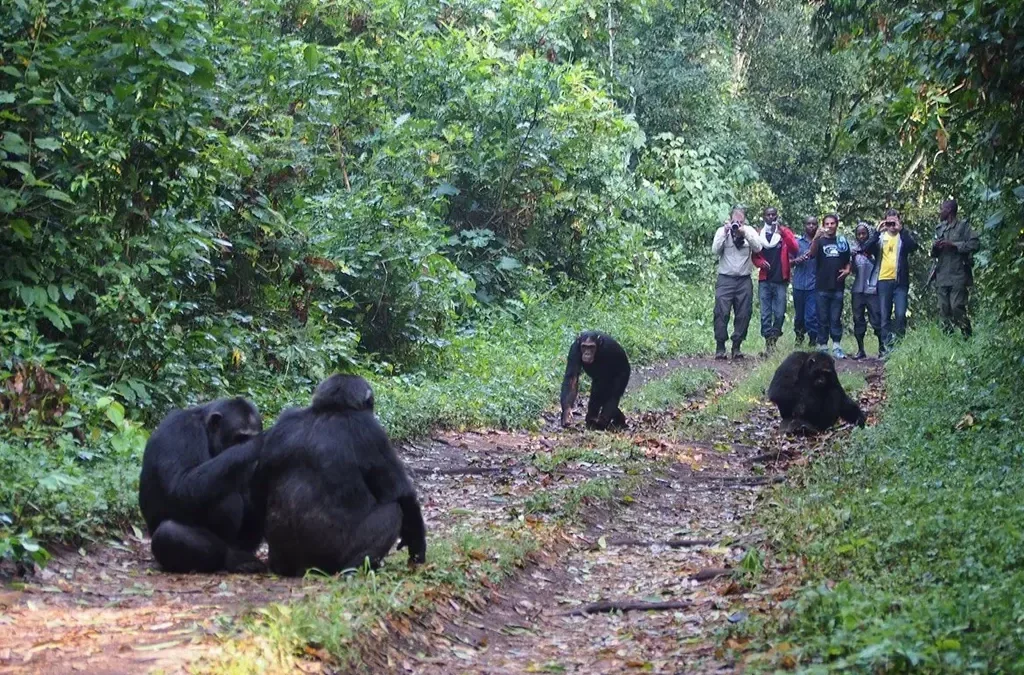
When travelers ask, ‘How does chimpanzee tracking work?’ Chimpanzee tracking—also called chimpanzee trekking—is a guided, permit-based forest trek to locate a habituated wild chimpanzee community, usually followed by up to one hour observing them.
Unlike gorilla trekking, chimpanzee encounters are often more dynamic: chimps move quickly through the trees, call loudly across the forest, and may be partly hidden by dense vegetation.
This guide explains exactly how chimpanzee tracking works, from securing a permit and preparing for the forest to understanding the rules, costs, fitness requirements, and best destinations in Uganda, Rwanda, and Tanzania.
Whether you are planning a Kibale chimpanzee trek, a Nyungwe Forest safari, or a remote Mahale or Gombe adventure, you will finish knowing what to expect and how to book responsibly.
Ready to secure your place in the forest? Speak to the safari specialists at GoSilverback Gorilla Safaris about chimpanzee permits, gorilla permits, and tailor-made Uganda, Rwanda, and Tanzania itineraries.
Book your gorilla permit with GoSilverback Gorilla Safaris today.
What Is Chimpanzee Tracking?
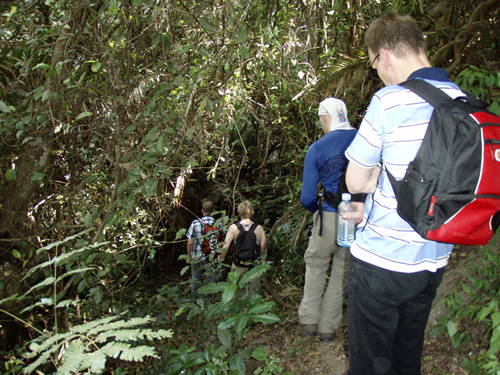
Chimpanzee tracking (often called chimpanzee trekking) is the process of hiking through a tropical or montane forest with expert rangers to find a specific, habituated community of wild chimpanzees.
“Habituation” means these specific apes have been gradually acclimatized to the calm, silent presence of human observers over several years, allowing for safe viewing without altering their natural behavior.
To find the apes, expert trackers rely on a mix of fieldcraft and technology. They locate fresh nests, listen for distinct pant-hoot calls, identify recent feeding signs like peeled fruit husks, and use radio communication with other ranger teams to pinpoint the community’s exact location.
Professional trackers locate chimpanzees using several signs:
-
Fresh night nests in the trees.
-
Pant-hoot calls, screams, and other vocalisations.
-
Feeding remains, such as fruit, leaves, and nut shells.
-
Footprints and disturbed vegetation.
-
Radio communication between trackers, guides, and rangers.
The terms are often used interchangeably, but there is a difference:
-
Tracking emphasises following signs and sounds to locate the chimpanzees.
-
Trekking describes the physical hike through forest trails to reach them.
-
Habituation experience is a longer, research-focused activity in which visitors spend more time with a chimpanzee community as it becomes accustomed to human presence.
Permits limit visitor numbers, protect chimpanzees from excessive disturbance, and help fund ranger patrols, conservation, and local communities.
In Uganda, the Uganda Wildlife Authority states that permits for foreign non-residents and rest-of-Africa visitors must be booked through licensed tour operators.
In one sentence: Chimpanzee tracking is a ranger-led, permit-controlled forest trek to find and observe a habituated wild chimpanzee community, usually for up to one hour.
How Does Chimpanzee Tracking Work, Step by Step?
Understanding the exact mechanics of the day ensures you are fully prepared. Here is the definitive step-by-step breakdown of the experience.
1. Choose a destination and date.
Choose the country, national park, travel dates, and safari itinerary. Your choice affects permit availability, trail difficulty, accommodation, flight connections, and the likelihood of a good sighting.
Popular chimpanzee-tracking destinations include Kibale National Park in Uganda, Nyungwe National Park in Rwanda, and Gombe and Mahale Mountains National Parks in Tanzania.
2. Book a chimpanzee-tracking permit.
A permit is the official authorisation to join a chimpanzee-tracking activity on a specific date in a specific protected area. It is date-, park-, and sometimes community-specific.
In Uganda, chimpanzee permits for foreign non-residents and rest-of-Africa visitors can only be booked through licensed tour operators, according to the Uganda Wildlife Authority.
A reputable operator can secure the permit, arrange transport, accommodation, and park logistics, and brief you on current rules.
3. Attend the morning briefing.
On tracking day, arrive at the park headquarters or designated entry point early. Rangers and guides explain the route, safety procedures, chimpanzee behaviour, group allocation, and forest rules.
This briefing is not optional. It protects both visitors and chimpanzees, particularly because human illnesses can be transmitted to great apes. Uganda Wildlife Authority specifically states that visitors must not enter the forest if they are sick.
4. Enter the forest with rangers and guides.
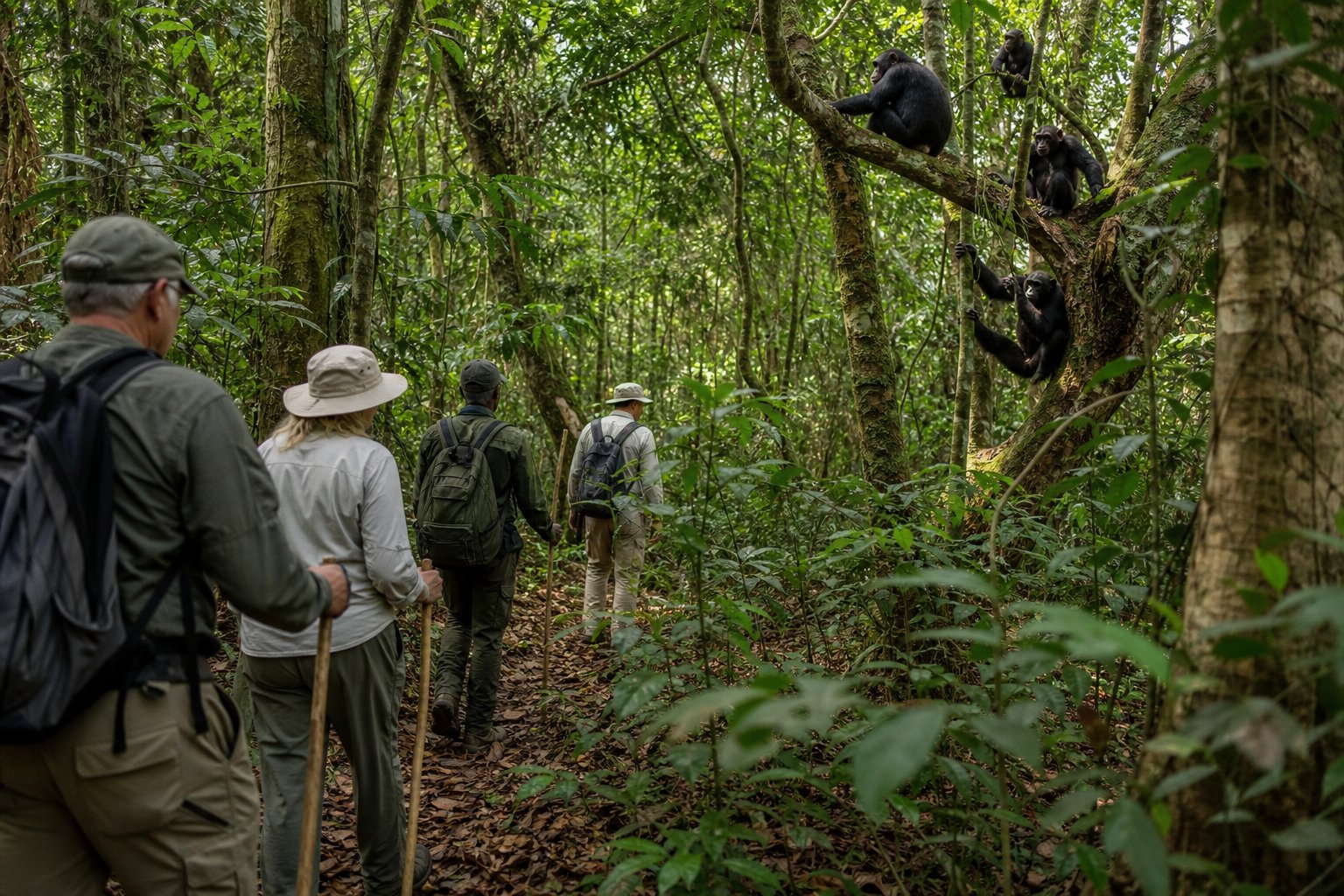
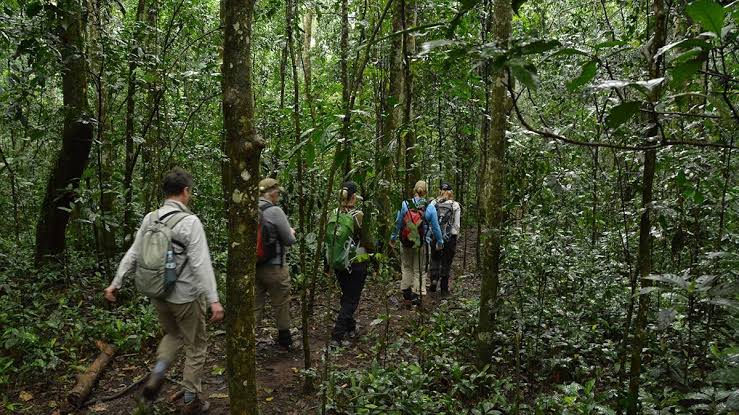
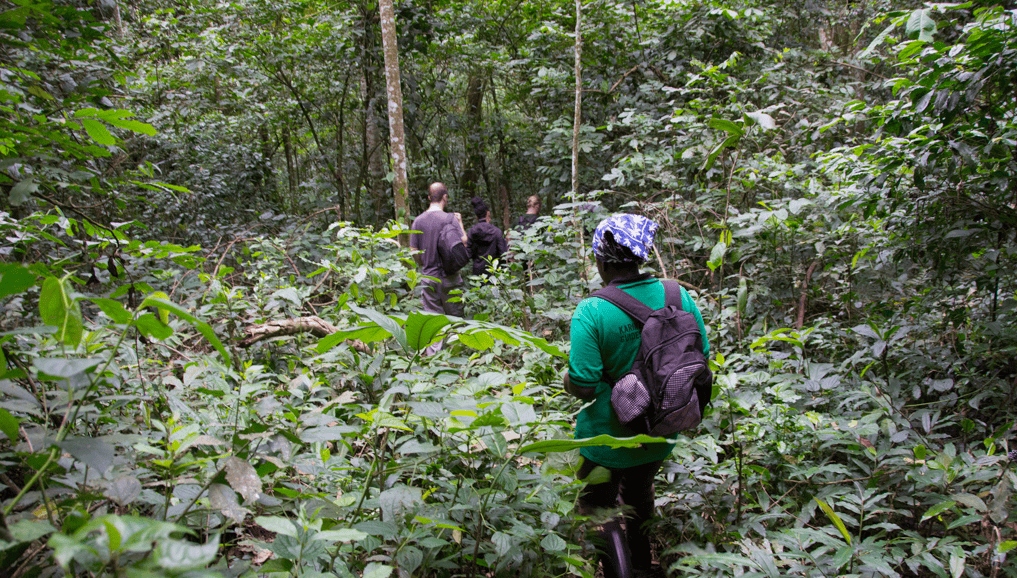
You will walk into the forest with an armed ranger and trained guide. In some locations, advance trackers move ahead to locate the chimpanzee community and communicate its position to your group.
Uganda Wildlife Authority identifies habituated chimpanzees in Kibale National Park and the Queen Elizabeth Conservation Area, with designated sector entry points for chimpanzee tracking.
5. Trek at a moderate pace
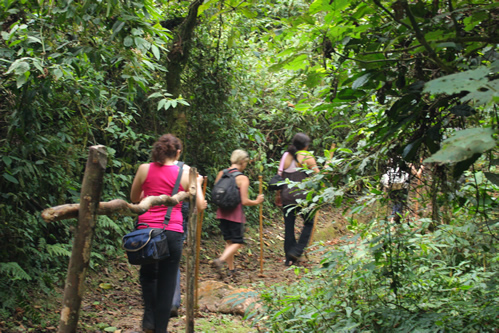
The trek may follow established paths, steep slopes, wet ground, dense undergrowth, or uneven forest terrain. Duration depends on chimpanzee movement, weather, trail conditions, and where the community is feeding or resting.
There is no fixed distance. Some treks are short; others require several hours of walking.
6. Find the chimpanzees.
When trackers locate the community, your guide will signal the group to slow down, lower voices, and approach carefully. You may first hear chimpanzees before you see them: crashing branches, calls, movement in the canopy, and bursts of activity.
7. Enjoy the viewing period.
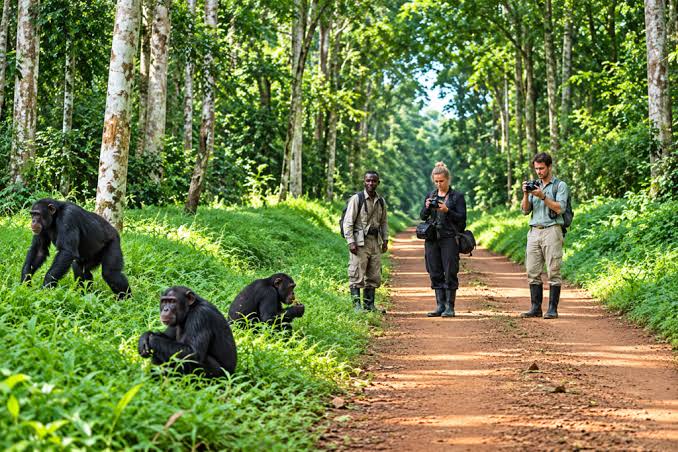
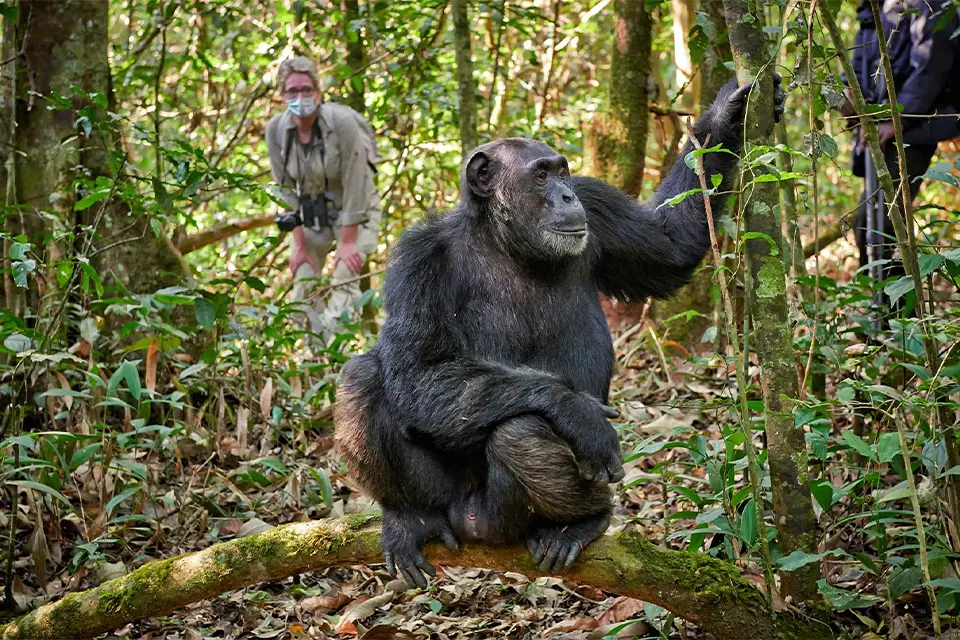
Once in position, you will observe the chimpanzees from a regulated distance. In Uganda, the Uganda Wildlife Authority limits chimpanzee visits to one hour and requires visitors to keep at least 10 metres (32.8 feet) from the chimpanzees.
You may see feeding, grooming, playing, tool use, resting, or social interaction—but chimpanzees remain wild and unpredictable.
8. Leave the forest and continue your safari.
After the viewing period, your group returns to the trailhead. Some parks issue a certificate of participation. You can then return to your lodge, continue to another national park, or travel onward to gorilla trekking, wildlife viewing, or cultural experiences.
Important: The permit guarantees access to the chimpanzee-tracking experience—not a guaranteed sighting. Chimpanzees are wild, mobile animals.
Want a chimpanzee-tracking itinerary built around reliable permits and expert guides? [Enquire with GoSilverback Gorilla Safaris.]
What Happens on Chimpanzee Tracking Day?
A chimpanzee-tracking day usually begins early, often before sunrise. The exact schedule varies by park, but the flow is broadly similar.
| Time | What happens |
|---|---|
| Early morning | Arrive at park headquarters, register, meet your guide, and attend the safety briefing. |
| After briefing | Drive or walk to the trailhead; receive ranger allocation and, where available, porter support. |
| Trek | Follow forest paths, listen for calls, navigate slopes, mud, roots, and vegetation. |
| Sighting | Maintain the required distance, stay quiet, and follow your guide’s instructions. |
| Return | Trek back to the trailhead, debrief, and receive a certificate if the park offers one. |
Chimpanzees are highly mobile. A community may be feeding close to the trailhead one morning and deep in the forest the next. That unpredictability is part of the appeal: chimpanzee tracking is an active wildlife experience, not a zoo visit.
Kibale National Park is widely regarded as one of the most reliable chimpanzee-trekking destinations, with reported sighting success rates of around 90–95 percent. However, no ethical operator should promise a sighting, because chimpanzees are wild.
Planning a Uganda chimpanzee safari? Ask GoSilverback Gorilla Safaris to combine Kibale chimpanzee tracking with Queen Elizabeth National Park, Bwindi gorilla trekking, or Murchison Falls. [Start planning your safari.]
Do You Need a Chimpanzee Tracking Permit?
Yes, absolutely. A chimpanzee-tracking permit is required for the regulated activity in most established destinations. It is the official entry authorisation for a particular tracking date and protected area.
What a permit usually includes
A chimpanzee permit commonly includes:
-
Access to the designated tracking area, where applicable.
-
Ranger, guide, and tracker services.
-
The regulated chimpanzee encounter.
-
Park conservation fees, where these are bundled into the permit.
-
A certificate in some parks, subject to local arrangements.
What a permit usually excludes
A permit normally does not include:
-
International or domestic flights.
-
Airport transfers.
-
Safari vehicle, driver-guide, fuel, and park transport.
-
Accommodation.
-
Meals and drinks.
-
Porter hire.
-
Tips.
-
Optional activities such as chimpanzee habituation, birding, or community visits.
Permits must be booked well in advance, particularly for peak travel periods (June to September, December to February). A reputable safari operator can secure these as part of a tailored package.
How much does a chimpanzee permit cost?
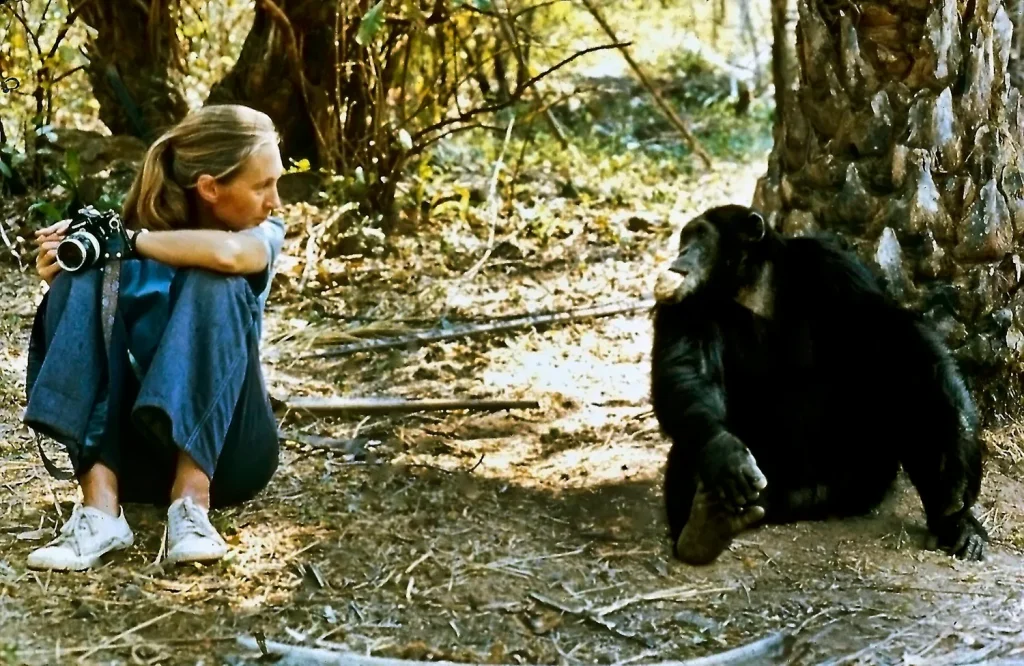
Permit prices vary by country, park, visitor category, and season. As a current planning example, Uganda’s Kibale chimpanzee permit is reported at US$250 for foreign non-residents, while Rwanda’s Nyungwe permit is reported at US$150 plus a US$100 park entry fee.
These figures can change. Always verify the live permit price, park entry fee, and availability before booking.
Book early.
Permits are limited, particularly during peak safari months and public holidays. Book as early as possible—ideally several months ahead for high-demand dates.
GoSilverback Gorilla Safaris can check current chimpanzee and gorilla permit availability and build a permit-led itinerary around your dates. [Check permit availability now.]
Where Can You Track Chimpanzees?
The best chimpanzee-tracking destination depends on your priorities: reliability, scenery, budget, remoteness, and the rest of your safari itinerary.
| Destination | Country | Best for | Typical experience |
|---|---|---|---|
| Kibale National Park | Uganda | Highest sighting reliability and classic forest trekking | Dense tropical forest, habituated communities, strong infrastructure |
| Budongo Forest | Uganda | Combining chimpanzee tracking with Murchison Falls | Mahogany forest and habituated chimpanzee groups |
| Kyambura Gorge | Uganda | Scenic “Valley of Apes” and Queen Elizabeth National Park itineraries | Steeper, more adventurous trek |
| Kalinzu Forest | Uganda | Budget-conscious travellers | Forest trek with generally lower permit costs |
| Nyungwe National Park | Rwanda | Rwanda safaris and montane forest scenery | Hilly, beautiful, physically demanding trek |
| Gombe Stream National Park | Tanzania | Remote, historic chimpanzee research setting | Boat access and intimate forest experience |
| Mahale Mountains National Park | Tanzania | Luxury or remote lakeside chimpanzee encounters | Lake Tanganyika setting and longer travel logistics |
1. Kibale National Park, Uganda
Kibale is the strongest choice for first-time chimpanzee trekkers who want reliability, established infrastructure, and a high chance of success. It is also an excellent addition to a Uganda gorilla-trekking itinerary.
2. Budongo Forest, Uganda
Budongo Forest works especially well if you are visiting Murchison Falls National Park. It offers a different forest atmosphere and can reduce the need to backtrack across Uganda.
3. Kyambura Gorge, Uganda
Kyambura Gorge, often called the “Valley of Apes,” is a dramatic forested gorge within the Queen Elizabeth Conservation Area. It suits travellers seeking scenery, adventure, and a more intimate trekking experience.
4. Kalinzu Forest, Uganda
Kalinzu Forest is a practical option for travellers prioritising value. It is less developed than Kibale but can offer a rewarding chimpanzee encounter for flexible, budget-conscious visitors.
5. Nyungwe National Park, Rwanda
Nyungwe is ideal for travellers focusing on Rwanda. Its montane rainforest, canopy walks, primates, and birdlife make it a compelling addition to a Volcanoes National Park gorilla-trekking itinerary.
6. Gombe and Mahale, Tanzania
Gombe Stream National Park and Mahale Mountains National Park are remote, specialist chimpanzee destinations on or near Lake Tanganyika. Tanzania National Parks describes both as places for guided treks to observe habituated chimpanzee communities.
Tanzania’s rules are strict: tracking groups must not exceed six people including a guide in Mahale and five people including a guide in Gombe.
Not sure whether Uganda, Rwanda, or Tanzania suits your travel style? [Ask GoSilverback Gorilla Safaris for a personalised chimpanzee-safari recommendation.]
How Fit Do You Need to Be?
You do not need to be an athlete to enjoy chimpanzee tracking, but you should be comfortable walking on uneven, humid, and sometimes muddy forest trails.
Fitness preparation
Before departure:
-
Walk briskly for 30–60 minutes, three to five times per week.
-
Practise walking uphill and on uneven ground.
-
Break in waterproof hiking boots before your trip.
-
Build basic leg, core, and balance strength.
-
Consider a porter if you carry camera equipment or need physical support.
Age and health considerations
Age limits and fitness requirements vary by park. Uganda Wildlife Authority sets the minimum chimpanzee-tracking age at 12 years. In Tanzania, Gombe does not permit visitors under 12 years to visit the chimpanzees.
Tell your operator before booking if you have mobility limitations, heart or respiratory conditions, pregnancy-related concerns, or any condition that could make a forest trek difficult. A responsible operator can help you choose a suitable park, trail, and pace.
What Should You Wear and Pack?
The right chimpanzee-trekking packing list makes the experience safer, more comfortable, and more enjoyable.
What to wear
-
Long-sleeved, neutral-coloured shirt and long trousers.
-
Waterproof hiking boots with ankle support.
-
Rain jacket or poncho.
-
Wide-brim hat and sunglasses.
-
Lightweight layers rather than one heavy jacket.
What to pack
-
Insect repellent and sunscreen.
-
Refillable water bottle.
-
Energy snacks, where permitted by the park.
-
Small daypack with rain cover.
-
Camera with no flash; spare batteries and memory card.
-
Personal medication, hand sanitizer, and tissues.
-
Garden gloves, if permitted by the specific park.
What to avoid
Avoid:
-
Bright colours.
-
Strong perfumes or scented products.
-
Flash photography.
-
Drones unless expressly permitted.
-
Approaching, feeding, or attempting to attract wildlife.
Forest weather can change quickly. Layering is more useful than relying on a single heavy jacket.
Need a complete safari packing list? [Request the GoSilverback Gorilla Safaris chimpanzee and gorilla-trekking packing checklist.]
Chimpanzee Tracking Rules and Safety
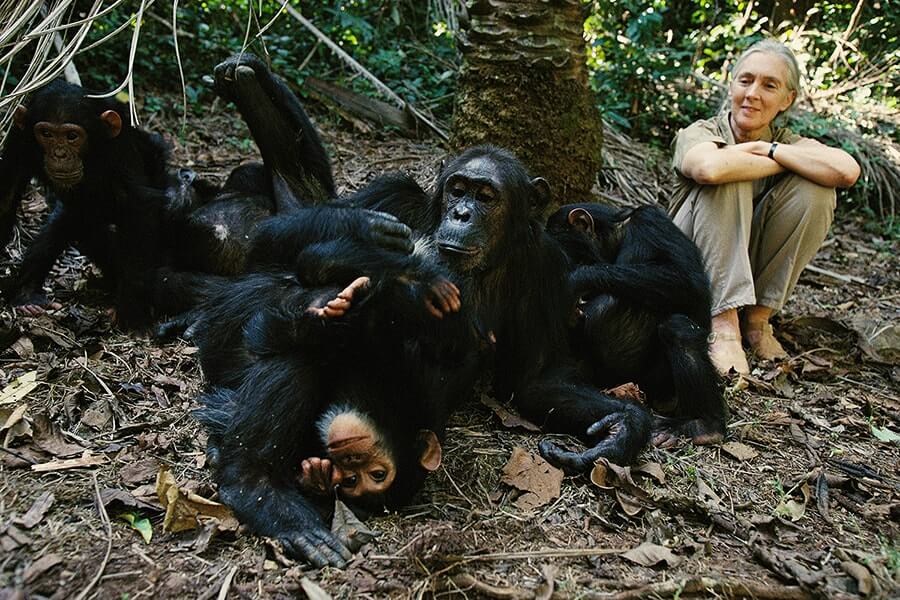
Chimpanzee tracking is carefully regulated to protect visitors, guides, and chimpanzees.
The rules are simple, but they matter.
Core chimpanzee-tracking rules
-
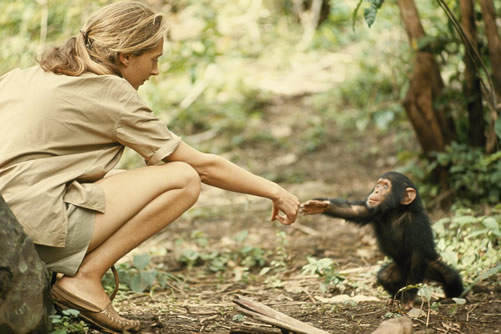
Keep the guide-specified distance from chimpanzees. In Uganda, the minimum distance is 10 metres (32.8 feet).
-
Do not feed, touch, or attempt to attract chimpanzees.
-
Stay with your group and follow ranger instructions.
-
Keep voices low; do not run or make sudden movements.
-
Do not trek while ill, especially with respiratory or gastrointestinal symptoms.
-
Do not use flash photography.
-
Do not use drones unless expressly permitted. Tanzania’s Mahale guidance states that drones require prior written permission.
-
Do not leave rubbish in the forest.
-
Follow toilet and hygiene protocols set by the park. Uganda Wildlife Authority says human waste should be buried 30 cm (12 inches) deep.
Disease Prevention: Chimpanzees share roughly 98% of our DNA, making them highly susceptible to human respiratory and gastrointestinal illnesses. The strict health and distance rules are not just for your safety; they are critical disease-prevention measures to protect the survival of these endangered apes. The rules are strictly enforced, but they ensure the experience remains safe and sustainable.
Why the rules matter
Chimpanzees share close genetic ties with humans, which means they can be vulnerable to some human illnesses. Visitor health rules protect both species.
Tanzania National Parks also prohibits eating or smoking near chimpanzees and advises visitors with flu-like symptoms not to visit. These measures are not bureaucratic obstacles—they are conservation safeguards.
Chimpanzee Tracking vs Gorilla Trekking
Many travellers ask whether they should choose chimpanzee tracking or gorilla trekking. The best answer is usually: do both if your itinerary allows.
| Factor | Chimpanzee tracking | Gorilla trekking |
|---|---|---|
| Animal behaviour | Fast-moving, vocal, often in trees | Usually more settled on the ground |
| Trek predictability | More variable; chimpanzees may move quickly | Often more predictable viewing |
| Terrain | Forest paths, slopes, dense vegetation | Mountain forest, often steeper |
| Typical encounter | Up to about one hour, subject to rules | Usually about one hour |
| Best for | Active travellers, primate enthusiasts, dynamic photography | Travellers seeking a more stationary encounter |
Neither experience is objectively better.
Chimpanzee tracking suits travellers who enjoy movement, sound, and unpredictable wildlife encounters.
Gorilla trekking suits those prioritising a more prolonged, close-range observation experience.
For the richest East Africa primate safari, combine Kibale chimpanzee tracking with Bwindi or Volcanoes gorilla trekking.
GoSilverback Gorilla Safaris can create a combined chimpanzee-and-gorilla itinerary across Uganda and Rwanda. [Request a custom itinerary.]
How Much Does Chimpanzee Tracking Cost?
The permit is only one part of the total chimpanzee-safari budget. Plan for the full cost of the experience.
Cost breakdown
-
Chimpanzee permit: Varies by country, park, visitor category, and season.
-
Park entry fees: May be separate, as in Nyungwe, where the permit is reported at US$150 plus a US$100 park entry fee.
-
Transport: Safari vehicle, fuel, driver-guide, park transfers, and domestic flights where needed.
-
Accommodation: Lodge, tented camp, or forest lodge near the tracking area.
-
Meals and drinks: Often included in safari packages, but not always.
-
Porter and ranger tips: Where appropriate and permitted.
-
Optional add-ons: Chimpanzee habituation experience, birding, community visit, or additional national parks.
Realistic example
A two-night Kibale chimpanzee safari may cost substantially more than the permit alone once lodging, transfers, meals, and park logistics are included. Avoid choosing an operator based only on the lowest permit price; ask exactly what is included, excluded, and refundable.
Want a transparent, all-inclusive chimpanzee-safari quote? [Get a tailored quote from GoSilverback Gorilla Safaris.]
Best Time to Go Chimpanzee Tracking
Chimpanzee tracking is often possible year-round, but the best time depends on trail conditions, permit availability, and the rest of your itinerary.
- Dry Seasons (June to September, December to February): These months offer the easiest trekking conditions. Trails are drier, mud is minimized, and the forest floor is more accessible. This is the peak season for international tourism.
- Wet Seasons (March to May, October to November): The forest is incredibly lush, birding is spectacular, and there are significantly fewer visitors. However, trails become muddy, slippery, and much more physically demanding.
For example, Uganda frequently offers lower-season, discounted Kibale permit pricing during the peak wet months of April, May, and November, making it an excellent time for budget-conscious travelers willing to brave the mud.
Seasonal pricing
Uganda has reported lower-season Kibale permit pricing in April, May, and November. Seasonal pricing can make chimpanzee tracking more accessible, but confirm current rates before booking.
Can You Guarantee Seeing Chimpanzees?
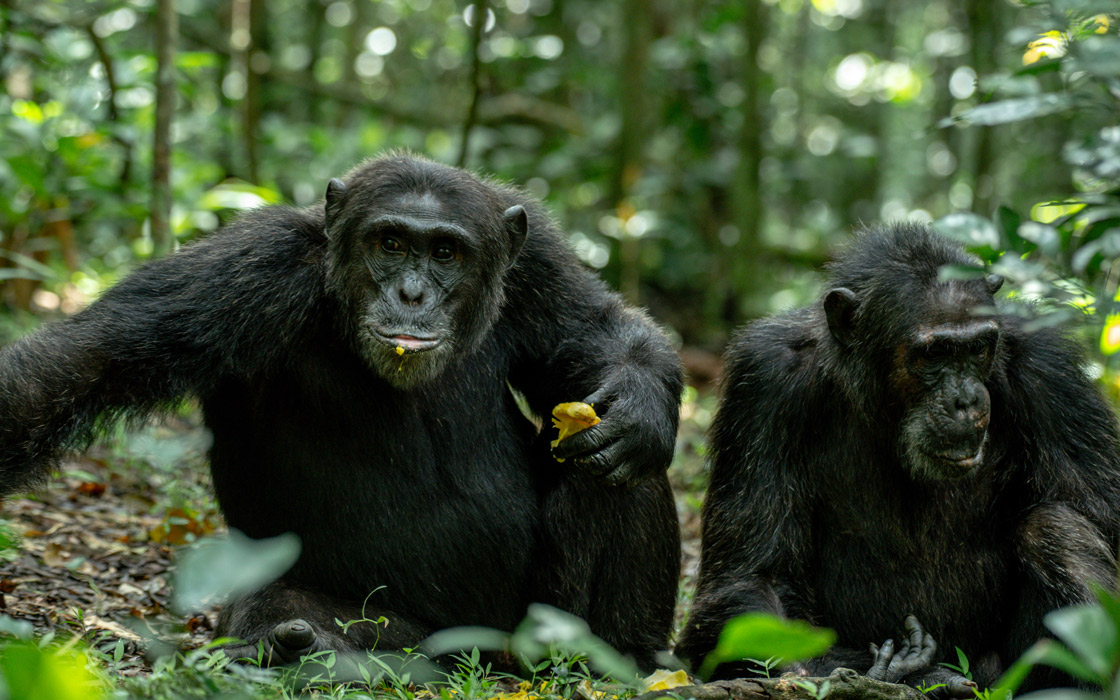
No reputable operator can guarantee a chimpanzee sighting. Chimpanzees are wild, and their location changes daily.
However, sightings are highly likely in well-managed destinations with habituated communities, skilled trackers, early departures, and strong conservation management.
Kibale is widely regarded as one of the most reliable chimpanzee-trekking destinations, with reported success rates around 90–95 percent.
What happens if you don’t see them?
If the chimps are not located, you have still completed the trek and experienced the forest. Refund policies for missed sightings vary wildly by country and park authority. In some cases, a second trek is offered for free the next morning; in others, permits are strictly non-refundable.
Do not assume a refund policy exists. Always confirm the specific park’s missed-sighting policy in writing with your operator before transferring any funds.
Is Chimpanzee Tracking Ethical?
When done correctly, chimpanzee tracking is a powerful tool for conservation. The process of habituation is strictly monitored by researchers.
Visitor limits, mandatory mask-wearing (in some post-pandemic contexts), and constant ranger supervision ensure the apes are not stressed.
Crucially, the revenue generated from permits directly funds anti-poaching patrols, veterinary care for injured apes, and local community development projects.
To ensure your money supports ethical practices, use this “Choose Responsibly” Checklist:
- Book with a fully licensed, government-recognized tour operator.
- Ensure transparent, legal handling of your permit fees.
- Verify the operator strictly enforces all wildlife distance and health rules.
- Confirm fair, transparent wages and treatment for local porters and guides.
- Avoid any operator that promises you can touch, hold, or feed the chimpanzees (this is illegal and highly unethical).
Tanzania National Parks describes chimpanzee viewing as strictly regulated for animal welfare and visitor safety. Responsible tourism keeps it that way.
Frequently Asked Questions
How long does chimpanzee tracking take?
Is chimpanzee tracking dangerous?
Can children go chimpanzee tracking?
Do I need vaccinations?
Can I take photos?
What is chimpanzee habituation?
Is chimpanzee tracking worth it?
How far in advance should I book?
Plan Your Chimpanzee Tracking Safari
Planning a successful primate safari comes down to a simple decision framework: choose the right park for your fitness and itinerary, secure your permit immediately, build in at least two nights near the forest to allow for flexibility, prepare your footwear and physical fitness, and book through a responsible, licensed operator.
When you understand exactly how does chimpanzee tracking work, the forest transforms from an intimidating wilderness into a stage for one of the most thrilling wildlife encounters on earth.
Ready to step into the forest?
Whether you are finalizing your East African primate itinerary or looking to secure your highly sought-after gorilla permit, our expert team is here to handle the logistics.
Speak to our safari specialists today about permit availability, custom chimpanzee-tracking itineraries, and the best park for your travel dates.
Book Your Chimpanzee or Gorilla Permit with GoSilverback Gorilla Safaris Today
A chimpanzee trek is one of Africa’s most thrilling wildlife experiences: you hear the forest before you see it, then come face to face with one of our closest living relatives.
Ready to turn your chimpanzee-tracking plans into a seamless safari? Speak to the safari specialists at GoSilverback Gorilla Safaris about permit availability, chimpanzee-tracking itineraries, and the best park for your travel dates.