Are Mountain Gorillas Dangerous? Facts, Behaviour and Safety Guide 2026
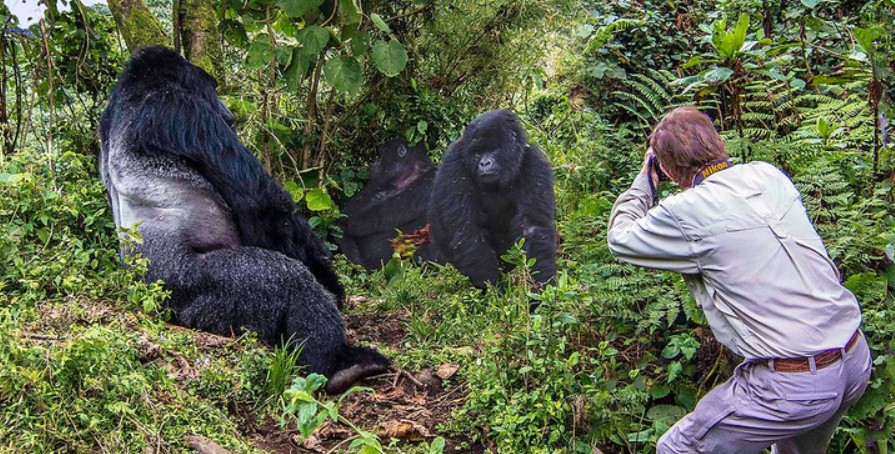
Are mountain gorillas dangerous? The direct answer is that mountain gorillas are generally not dangerous or aggressive towards people, but they are powerful wild animals that can become dangerous if they feel threatened, cornered, or provoked.
Unlike predators, gorillas are primarily herbivorous and do not view humans as prey. However, encountering a 400-pound silverback in the dense forests of East Africa demands profound respect.
Through the dedicated efforts of conservationists, habituated gorilla families have become accustomed to the presence of authorised human observers.
This makes guided gorilla trekking in Uganda and Rwanda a remarkably safe and regulated experience. Nevertheless, responsible visitor behaviour is non-negotiable.
Understanding gorilla psychology, adhering to strict safety protocols, and following the expert guidance of trained rangers are the absolute keys to a secure, life-changing encounter in the wild.
Are mountain gorillas dangerous?
Mountain gorillas are generally peaceful towards humans and do not normally treat people as prey. However, they are powerful wild animals that may react defensively when threatened, disturbed, or approached too closely.
Guided gorilla trekking in Uganda and Rwanda follows strict rules to reduce risks to visitors and gorillas. Travellers should remain calm, maintain the required distance, and follow their ranger’s instructions throughout the encounter.
(Source: International Gorilla Conservation Programme)
Are Mountain Gorillas Dangerous to Humans?
When evaluating whether mountain gorillas are dangerous to humans, it is crucial to distinguish between physical capability and behavioural intent.
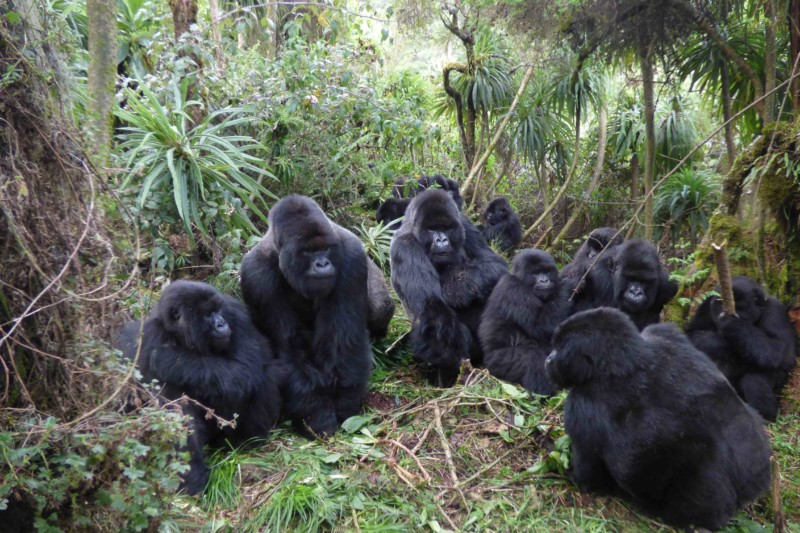
Mountain gorillas (Gorilla beringei beringei) are inherently peaceful, highly social, and predominantly herbivorous.
Their daily routine revolves around foraging for bamboo shoots, wild celery, and fruits, resting, and nurturing their young. They do not possess the predatory instinct to hunt humans.
However, they are undeniably powerful wild animals. An adult male can weigh up to 400 pounds (180 kg) and possess immense physical strength.
Their “danger” lies not in malice but in their defensive responses. If a gorilla feels its family is threatened, if it is startled by sudden movements, or if a human violates the sacred boundaries of the troop, a gorilla will act to neutralise the perceived threat.
This is precisely why habituated gorillas—those gradually accustomed to human presence under strict scientific protocols—are the only ones tourists are permitted to visit.
These gorillas tolerate authorised observers because they have learned that humans in the presence of rangers do not pose a threat. Yet, habituation does not domesticate them.
They remain wild, unpredictable animals, and treating them with the utmost respect is the foundation of gorilla trekking safety.
Planning your first gorilla trek? Discover mountain gorillas in their natural habitat with a professionally organised safari. GoSilverback Safaris can help you plan permits, transport, accommodation, and a guided itinerary in Uganda or Rwanda. Explore Gorilla Safari Packages
Why Do Silverback Gorillas Become Aggressive?
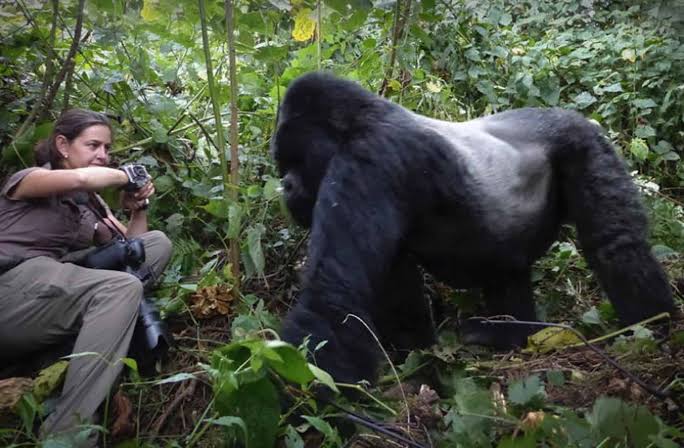
The silverback gorilla is the undisputed leader, protector, and decision-maker of the troop. His primary biological imperative is the survival of his family.
Consequently, his aggression is almost exclusively defensive, triggered by specific perceived threats rather than unprovoked malice. Understanding these triggers is vital for anyone venturing into the impenetrable forests of Bwindi or Volcanoes National Park.
Common triggers for silverback aggression include:
- Feeling Cornered: If a trekking group accidentally blocks the gorilla’s escape route or surrounds the troop, the silverback may feel trapped and react defensively.
- Sudden Movements or Loud Noises: Gorillas have acute hearing and are highly sensitive to their environment. A sudden scream, the click of a camera shutter without warning, or erratic movements can be interpreted as a hostile act.
- Direct Eye Contact: In primate behaviour, a sustained, direct stare is universally recognised as a challenge or a threat.
- Perceived Threats to Infants: A silverback is fiercely protective of the troop’s babies. Any human getting too close to a mother or infant will immediately provoke a defensive response.
- Illness: If a human is visibly sick (coughing, sneezing), the silverback may perceive the unusual sounds and smells as a danger to the troop’s health, as gorillas are highly susceptible to human respiratory diseases.
It is important to note that a silverback’s display of aggression is often a warning, not an immediate prelude to an attack.
He is communicating a boundary. Recognising this allows visitors to de-escalate the situation by following their guide’s instructions.
Why Do Gorillas Beat Their Chests, Roar or Charge?
When a gorilla feels threatened, it employs a spectacular array of intimidation tactics designed to resolve the conflict without physical violence.
These behaviours are forms of communication and threat displays, not necessarily signs of an imminent physical attack.
- Chest-Beating: This iconic behaviour is performed by cupping the hands and striking the chest rapidly. Gorillas have specialised air sacs on their chests that amplify the sound, creating a deep, resonant drumming noise that can be heard up to a kilometre away. It is a demonstration of size, strength, and dominance, intended to warn intruders to back down.
- Vocalisations: Roars, hoots, and deep grunts accompany displays to amplify the warning.
- Vegetation Displays: The gorilla may aggressively rip up plants, snap branches, or slap the ground. This visually demonstrates the animal’s power and serves as a final, unmistakable warning.
- The Bluff Charge: A gorilla may run rapidly toward the perceived threat, often on two legs or knuckles, stopping abruptly just short of contact. This is a bluff charge. Its purpose is to test the intruder’s resolve and force a retreat.
Visitors must understand that these displays are the gorilla’s way of saying, “Leave my space.” It is absolutely critical that visitors do not attempt to interpret or manage the encounter independently.
Your trained ranger guide knows exactly how to read these subtle behavioural cues and will instruct you on the precise actions to take to safely de-escalate the display.
Related Read | Discover Why Silverbacks Beat Their Chest?
What Should You Do If a Mountain Gorilla Charges?
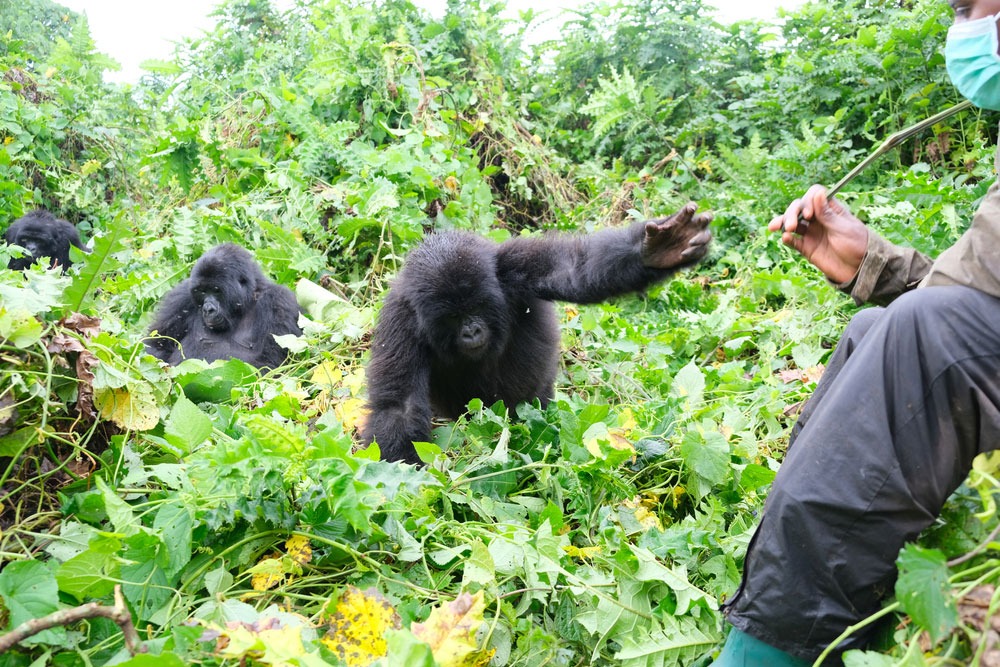
Encountering a charging gorilla is a rare but intensely adrenaline-pumping experience. If a mountain gorilla charges, your reaction will determine the outcome.
The golden rule is to remain completely calm and defer entirely to your ranger guide.
Follow these practical, life-saving steps:
- Do Not Run: Running triggers a chase instinct in almost all wild animals. Furthermore, you cannot outrun a gorilla, which can reach speeds of up to 25 mph (40 km/h) over short distances. Running also signals weakness or predatory behaviour.
- Avoid Sudden Movements: Freeze in place. Do not flail your arms, drop your gear abruptly, or make any erratic motions.
- Avert Your Gaze: Immediately look down at the ground. Breaking eye contact is a universal primate signal of submission and non-aggression. Staring at a charging silverback is viewed as a direct challenge.
- Crouch Down: Make yourself appear smaller and less threatening. Slowly crouch down, keeping your body compact. Your guide may instruct you to kneel or sit on the ground.
- Speak Softly: If instructed by your guide, you may murmur calm, submissive sounds. Do not scream or shout.
- Do Not Use Flash Photography: Ensure your camera is off or covered. A sudden flash during a charge will be perceived as a hostile act.
- Never Approach, Touch, or Feed: Under any circumstances, maintain your distance. Do not attempt to “appease” the gorilla with food or gestures.
Remember, a bluff charge is highly effective at making humans retreat, which is exactly what the gorilla wants.
By making yourself small, quiet, and submissive, you validate the silverback’s authority, and he will almost always retreat back to his family once the perceived threat has neutralised itself.
Related Read | Discover Mountain Gorilla Behaviour
Can a Silverback Gorilla Kill a Human?
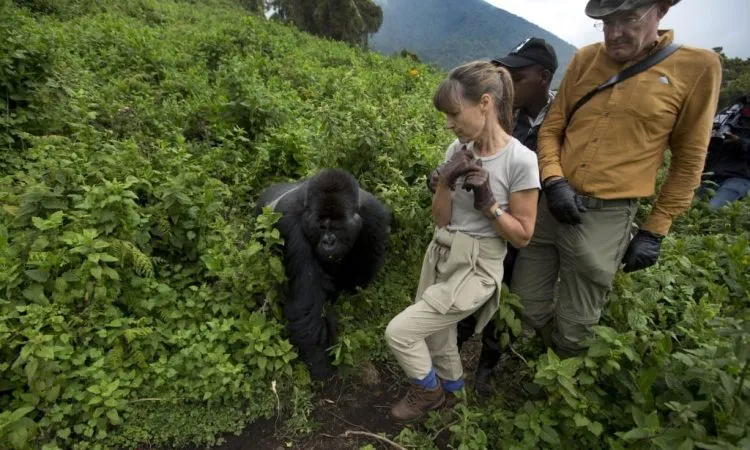
Yes, an adult silverback gorilla has the physical capability to inflict life-threatening or fatal injuries on a human.
A mature silverback possesses immense muscle mass, with an estimated strength 4 to 9 times greater than that of an average adult human.
Their bite force is approximately 1,300 PSI (pounds per square inch), designed to crush thick bamboo stalks, and their canine teeth are formidable.
However, it is vital to contextualise this fact with reality: fatal gorilla attacks on tourists are extraordinarily rare.
There are no verified records of a habituated mountain gorilla killing a tourist during a regulated trekking experience in Uganda or Rwanda.
The rigorous protocols enforced by the Uganda Wildlife Authority (UWA) and the Rwanda Development Board (RDB), combined with the expertise of armed ranger guides, create a highly controlled environment.
While the physical potential for severe harm exists, the behavioural reality is that gorillas prefer to avoid conflict. The silverback’s goal is to protect his troop, not to hunt or kill.
By respecting the rules of the trek, visitors mitigate this risk to near zero, transforming a potentially dangerous encounter into one of the most profound wildlife experiences on Earth.
Related Read | Are Gorillas Friendly to Humans? | Are Gorillas Aggressive Towards Humans? | Do Gorillas Eat Humans? |
Why Are Habituated Mountain Gorillas Safer to Visit?
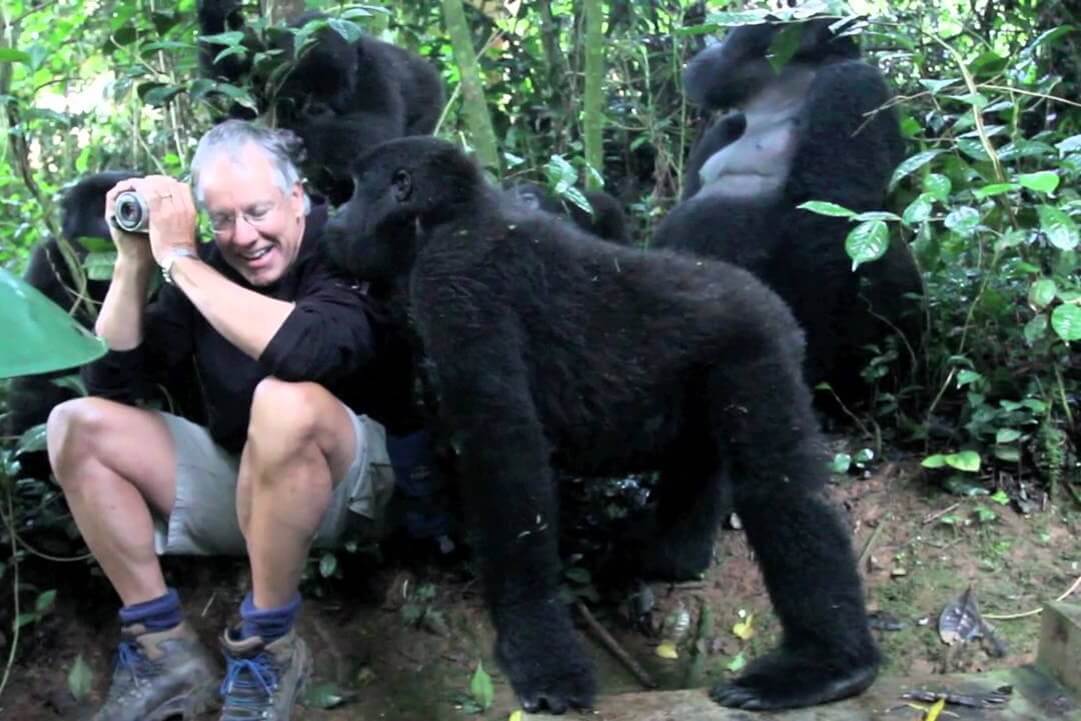
Habituation is the meticulous, years-long process through which wild gorillas gradually become accustomed to the limited, non-threatening presence of human observers.
Spearheaded by organisations like the International Gorilla Conservation Programme (IGCP), this process involves trackers and researchers spending increasing amounts of time near the gorilla family, moving slowly, speaking softly, and mimicking submissive gorilla behaviours.
Habituated gorillas are safer to visit because they no longer view humans in ranger uniforms as predators or territorial rivals.
They have learned to tolerate our presence, allowing them to continue their natural foraging and social behaviours while we observe from a distance.
However, it is critical to understand that habituation does not equal domestication. These are not zoo animals. They are wild, autonomous beings with complex social dynamics.
A habituated gorilla may still display defensive behaviours if a tourist violates the rules (e.g., getting too close, making loud noises).
Therefore, while habituation makes the encounter possible and significantly safer, it does not guarantee that every interaction will be entirely predictable. Strict adherence to guide instructions remains the ultimate safety net.
Related Read | Gorilla Habituation Experirnce
Is Gorilla Trekking Safe in Uganda and Rwanda?
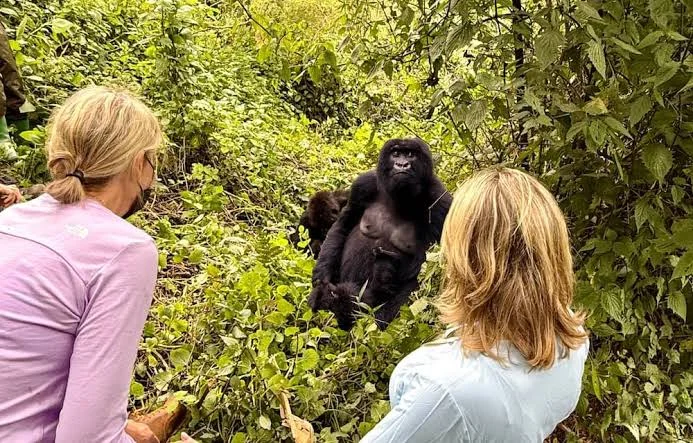
Yes, gorilla trekking is overwhelmingly safe in both Uganda and Rwanda, thanks to decades of refined conservation protocols and professional management.
The experience is highly regulated to protect both the tourists and the critically endangered gorillas.
In Uganda, treks take place in Bwindi Impenetrable National Park and Mgahinga Gorilla National Park. In Rwanda, treks occur in Volcanoes National Park.
In all locations, the safety framework is robust:
- Mandatory Ranger Briefings: Before every trek, guides conduct a comprehensive safety briefing, outlining the rules, expected terrain, and emergency procedures.
- Permit Controls: The number of daily visitors is strictly capped (typically 8 tourists per gorilla family per day). This prevents overcrowding and minimises stress on the animals.
- Armed Ranger Supervision: Every trekking group is accompanied by at least one lead guide and an armed ranger. The ranger’s primary role is protection against potential wildlife threats (such as forest elephants or buffaloes) and ensuring tourist compliance.
- Health Precautions: Strict health screenings are enforced. Anyone showing signs of contagious illness (cold, flu, diarrhoea) is prohibited from trekking to protect the gorillas from human respiratory diseases, to which they have no immunity.
While guided trekking drastically reduces risks, it cannot eliminate all environmental hazards. The terrain in Bwindi and the Virunga Mountains is steep, muddy, and physically demanding.
Slips, falls, or altitude-related fatigue are the most common “dangers” tourists face, which is why proper preparation and hiring a local porter are highly recommended.
Ready for an unforgettable mountain gorilla encounter? Let GoSilverback Safaris help you compare trekking destinations, check permit availability, and plan a safari that matches your travel dates and budget. Rwanda Gorilla Trekking Tours| Uganda Gorilla Safari Packages
Gorilla Trekking Safety Rules Every Tourist Must Know
The safety rules for gorilla trekking are not arbitrary; they are scientifically backed protocols designed to prevent disease transmission, reduce animal stress, and ensure human safety.
Every visitor must commit to the following:
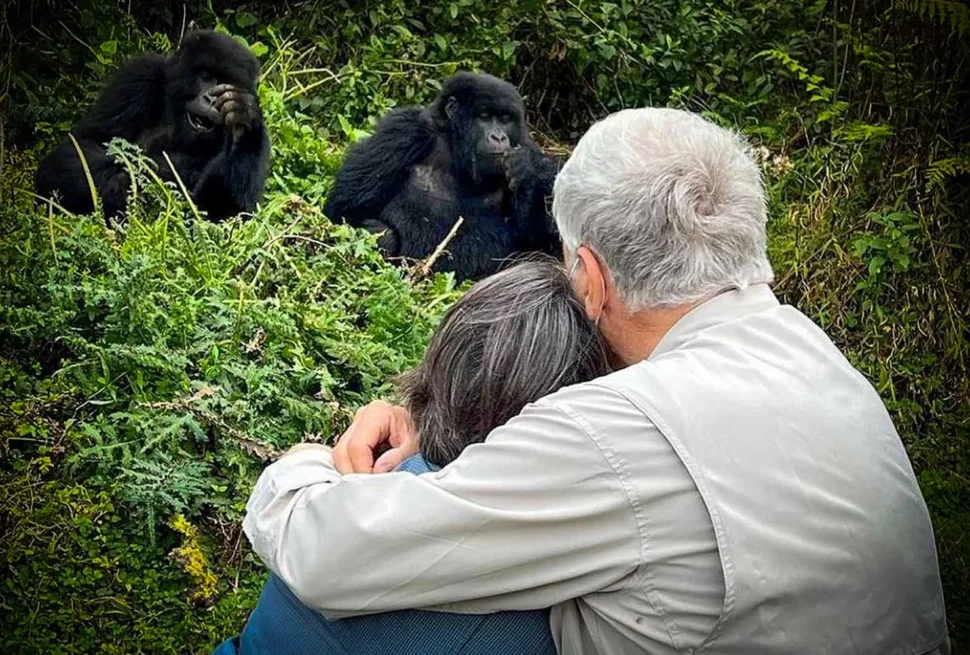
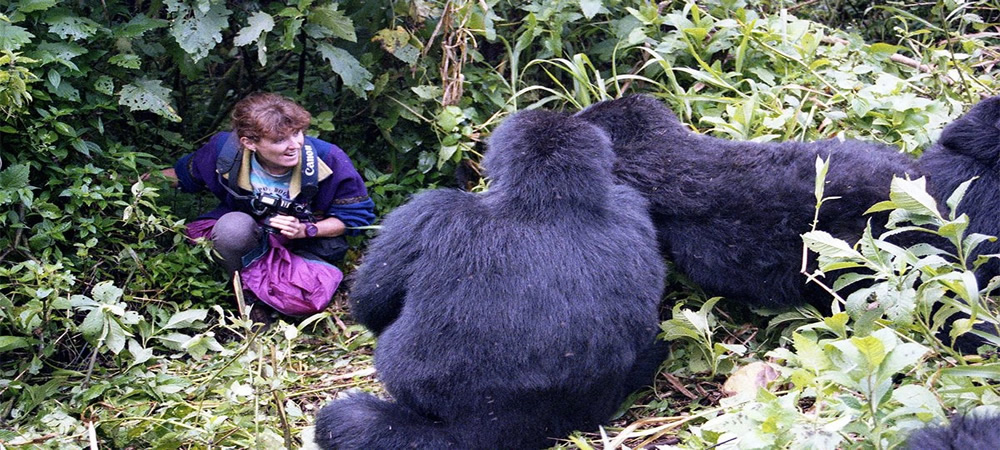
- Maintain a 7-Meter (21-Foot) Distance: This is the absolute minimum distance required to reduce the risk of airborne disease transmission and to prevent the gorillas from feeling threatened. If a gorilla approaches you, slowly back away to re-establish the buffer.
- Keep Your Voice Low: Speak in hushed tones at all times. Loud conversations or sudden exclamations of excitement can agitate the troop.
- No Flash Photography: Flash can startle gorillas and provoke a defensive reaction. Ensure your camera’s flash is disabled before entering the forest.
- Do Not Eat or Drink Near the Gorillas: Consuming food or water in the presence of gorillas can encourage them to approach you, breaking the safety distance and risking disease transfer.
- Never Touch a Gorilla: Even if a curious juvenile approaches, you must not reach out to touch it. The guide will gently intervene to guide the animal away.
- Cough or Sneeze into Your Elbow: If you must cough or sneeze, turn your head away from the gorillas and cover your mouth and nose completely.
- Follow the Guide’s Instructions Immediately: Your guide is trained in gorilla psychology. If they signal you to crouch, stop, or move, do so without hesitation or debate.
For more practical advice on preparing for the physical and environmental demands of the forest, read our guide on What to Wear for Gorilla Trekking | Gorilla Trekking Rules and Regulations
Is Gorilla Trekking Safe for First-Time Visitors?
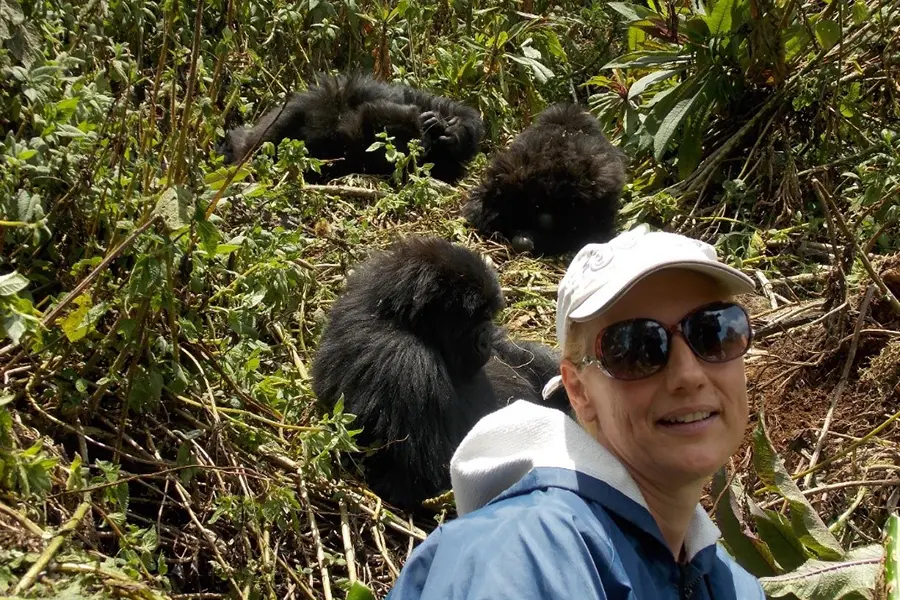
Absolutely. Gorilla trekking is safe for first-time visitors, provided they prepare adequately and manage their expectations.
It is normal to feel a mix of excitement and apprehension before entering the dense rainforest.
The physical demands of the trek are the most significant hurdle for beginners. Trails in Bwindi can be steep, slippery, and tangled with roots, while Volcanoes National Park involves high-altitude hiking.
However, the pace is dictated by the slowest member of the group, and guides are adept at matching the trek to the group’s fitness level.
To ensure a safe and comfortable experience, first-time visitors should:
- Select Suitable Accommodation: Choose lodges near the park headquarters to minimise early-morning travel fatigue.
- Wear Proper Footwear: Sturdy, waterproof hiking boots with excellent ankle support are non-negotiable.
- Hire a Porter: For a modest tip, a local porter will carry your daypack and physically assist you up steep, muddy inclines, drastically reducing your risk of slips and falls.
- Disclose Mobility Concerns: Inform your tour operator in advance if you have knee, back, or cardiovascular issues. Operators can sometimes request assignments to gorilla families that habituate at lower, more accessible elevations.
Related Read | Discover Things You Should Never Do Around Gorillas
How Responsible Gorilla Tourism Protects Mountain Gorillas
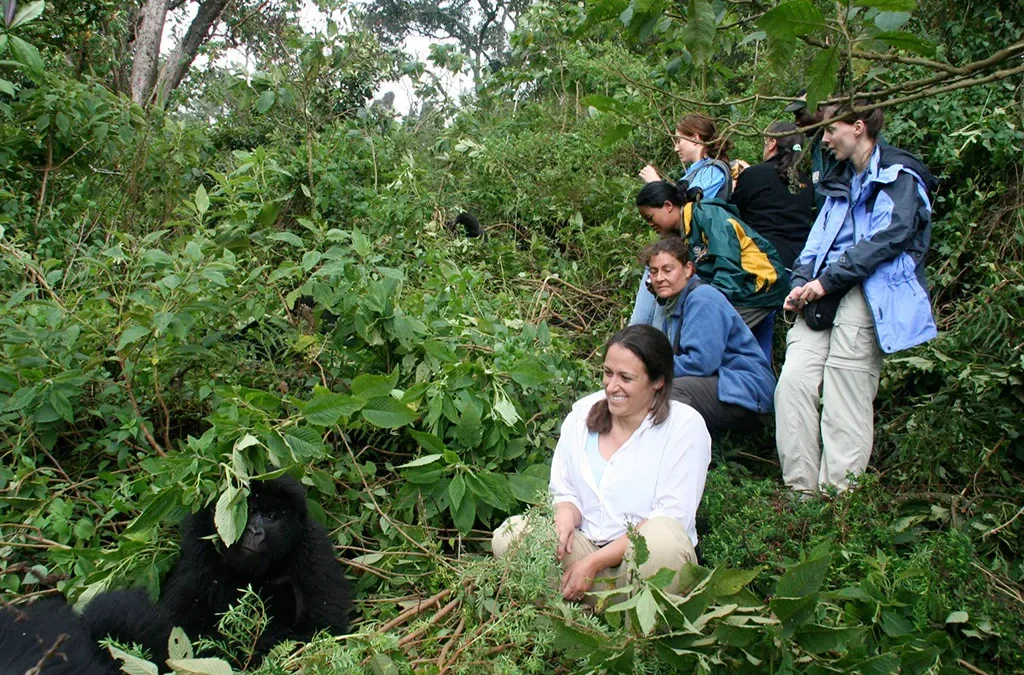
Paradoxically, the presence of humans is the primary reason mountain gorillas are thriving today. Responsible gorilla tourism is the economic engine of conservation.
The revenue generated from gorilla permits directly funds the Uganda Wildlife Authority (UWA) and Rwanda Development Board (RDB), paying for the salaries of anti-poaching rangers, veterinary care for injured gorillas, and habitat protection initiatives.
Furthermore, a percentage of tourism revenue is invested directly into surrounding communities, funding schools, clinics, and clean water projects. This transforms local communities from potential poachers into active stakeholders and protectors of the forest.
By adhering to strict visitor limits and health protocols, tourists ensure that their presence supports, rather than harms, the ecosystem.
To understand more about the delicate balance of this ecosystem, explore our article on What Do Silverback Gorillas Eat? and how habitat preservation secures their food supply.
Frequently Asked Questions About Mountain Gorilla Safety
Are mountain gorillas dangerous to humans?
Generally, no. They are peaceful herbivores. However, they are powerful wild animals and can react defensively if threatened, startled, or if their space is violated.
Do mountain gorillas attack tourists?
Unprovoked attacks on tourists are exceptionally rare. Most aggressive displays are “bluff charges” intended to warn humans to back away, not to inflict harm.
Can a silverback gorilla kill a human?
Yes, a silverback possesses the physical strength and bite force to cause fatal injuries. However, in regulated trekking environments, strict safety protocols make fatal encounters virtually non-existent.
Why do silverback gorillas beat their chests?
Chest-beating is a communication tool used to demonstrate size, strength, and dominance. It is a warning display to deter threats without resorting to physical violence.
What should you do if a gorilla charges?
Do not run. Crouch down, look at the ground, avert your eyes, remain completely still, and follow your ranger guide’s instructions implicitly.
Are gorillas aggressive in the wild?
Gorillas are naturally gentle and shy. Aggression is typically reserved for inter-troop disputes or as a defensive mechanism against perceived threats to their family.
Is gorilla trekking safe in Uganda?
Yes. Bwindi and Mgahinga National Parks operate under strict Uganda Wildlife Authority (UWA) guidelines, with armed rangers and mandatory briefings ensuring high safety standards.
Is gorilla trekking safe in Rwanda?
Yes. Volcanoes National Park is highly regulated by the Rwanda Development Board (RDB), offering well-maintained trails and rigorous safety protocols for all visitors.
Why are mountain gorillas habituated?
Habituation is a conservation and research tool that allows gorillas to tolerate human presence, enabling monitoring, veterinary care, and regulated eco-tourism that funds their protection.
How close can tourists get to mountain gorillas?
The strict rule is a minimum distance of 7 meters (21 feet). If a gorilla approaches you, you must slowly back away to maintain this buffer.
Can you look a gorilla in the eyes?
No. Sustained, direct eye contact is interpreted by gorillas as a challenge or a threat. You should always avert your gaze and look down if a gorilla approaches.
Do gorillas protect their babies?
Fiercely. The silverback and the entire troop will aggressively defend infants from any perceived threat, including humans who get too close.
What happens if a gorilla approaches a tourist?
The guide will instruct the group to crouch, look down, and remain silent. The tourist must not reach out or touch the gorilla. The guide will gently intervene to guide the animal away.
What are the safety rules for gorilla trekking?
Maintain a 7-meter distance, keep voices low, no flash photography, do not eat near gorillas, never touch them, and always follow the guide’s instructions.
Are mountain gorillas more dangerous than chimpanzees?
While gorillas are vastly stronger, they are generally more placid and predictable. Chimpanzees are more erratic, faster, and have been known to exhibit unprovoked aggression, making them potentially more unpredictable in the wild.
Plan a Guided Mountain Gorilla Safari with GoSilverback Safaris
Understanding the behaviour and safety protocols of mountain gorillas transforms a simple hike into a deeply respectful, awe-inspiring encounter.
The key to a safe and seamless experience lies in expert planning, adherence to conservation rules, and the guidance of seasoned professionals.
At GoSilverback Safaris, we specialise in crafting bespoke, responsible wildlife experiences across East Africa.
Whether you dream of navigating the misty, emerald slopes of Bwindi Impenetrable National Park or the dramatic volcanic landscapes of Rwanda, our expert team handles every detail.
From securing highly sought-after gorilla trekking permits to arranging luxury lodges, private transport, and experienced local guides, we ensure your journey is safe, comfortable, and profoundly memorable.
Do not leave your primate encounter to chance. Permits sell out months in advance, and proper preparation is the cornerstone of a successful trek.
Ready to witness the majestic silverback in his natural domain? Book your gorilla permit through GoSilverback Gorilla Safaris today. Contact our team to check real-time permit availability, compare destinations, and secure your personalised, life-changing safari itinerary. Book Your Gorilla Trekking Safari