How Long is Gorilla Trekking? 1–8 Hours: The Full Breakdown (2026 Guide)
Discover how long is gorilla trekking takes: 1–8 hrs based on terrain, country & gorilla family. Exact durations for Uganda, Rwanda & DRC + expert prep tips inside.
How Long Does Gorilla Trekking Take?
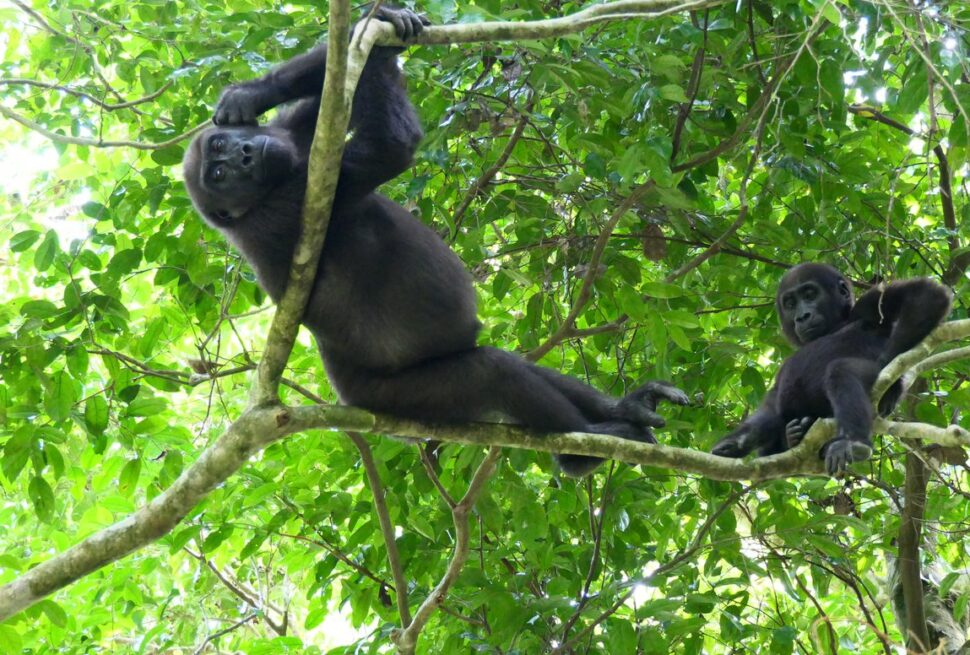
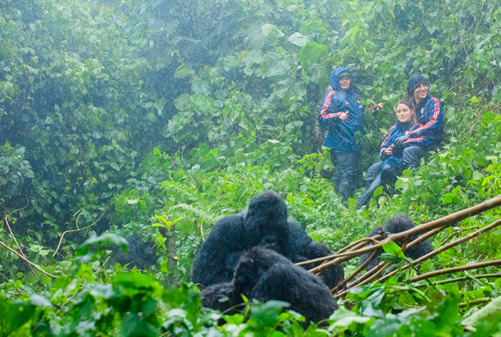
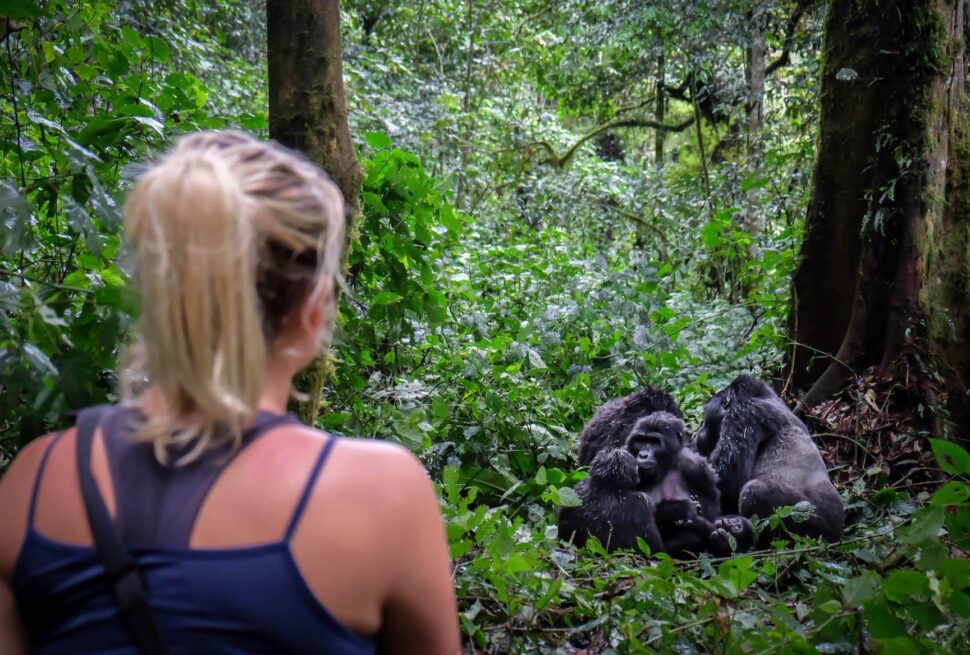
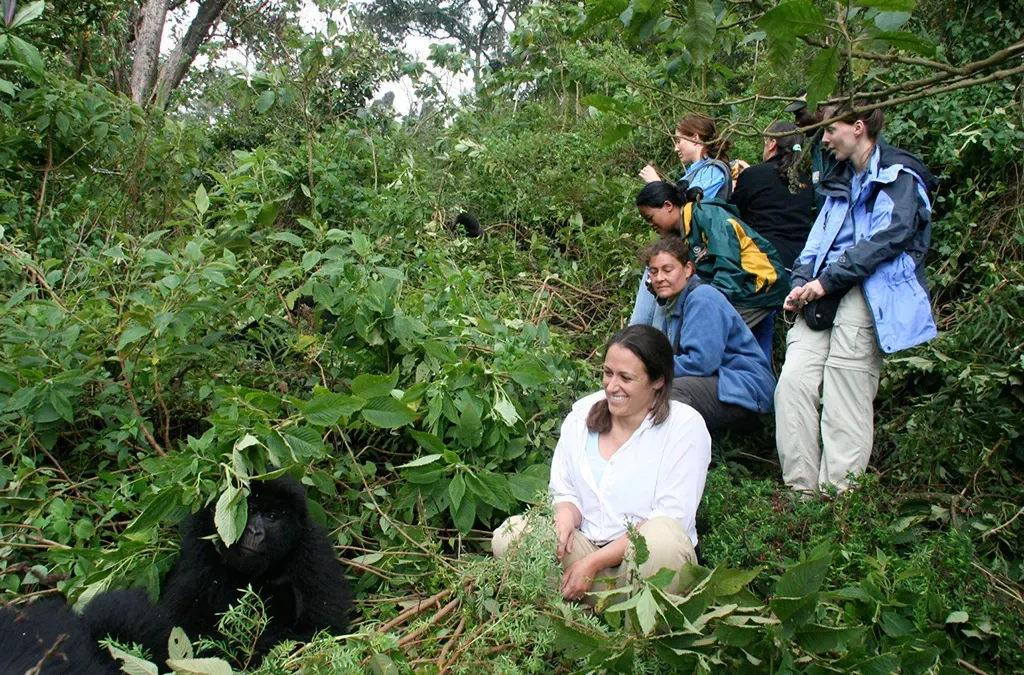
Gorilla trekking usually takes 1 to 8 hours in total, depending on where the gorilla family is located. Once you find them, you’ll have one unforgettable hour to observe, photograph, and enjoy the habituated gorillas.
Whether you’re trekking through Uganda’s Bwindi Impenetrable Forest, Rwanda’s Volcanoes National Park, or DR Congo’s Virunga National Park, your total time on the trail depends on the gorilla family’s location, terrain difficulty, season, and your fitness level.
Quick Summary Box:
- Shortest treks: Rwanda (Volcanoes NP), dry season – as little as 1 hour round-trip
- Longest treks: Uganda (Bwindi, Rushaga/Ruhija sectors), wet season – up to 7–8 hours
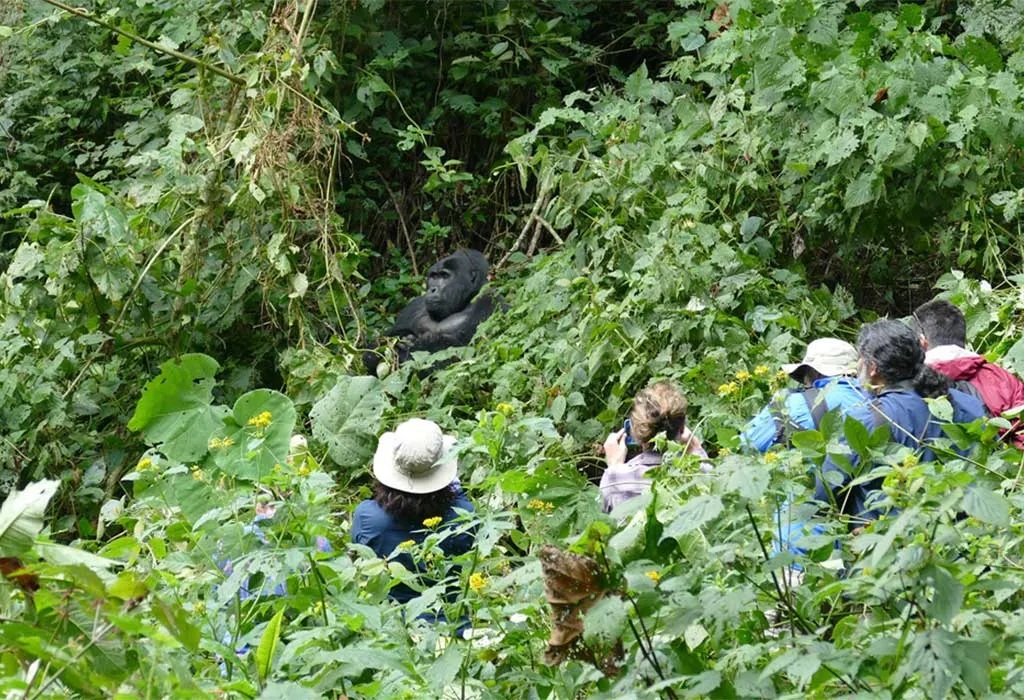
- Gorilla viewing time: Strictly 1 hour, enforced in all three countries
- Countries offering mountain gorilla trekking in 2026: Uganda, Rwanda, and DR Congo
Whether you’re flying in from New York, London, Toronto, Sydney, Dubai, Beijing, or São Paulo, this guide gives you the exact gorilla trekking duration so you can plan, train, and book with total confidence.
👉 [Check 2026 Gorilla Permit Availability with GoSilverback Gorilla Safaris →]
Why Does Gorilla Trekking Time Vary From 1 to 8 Hours?
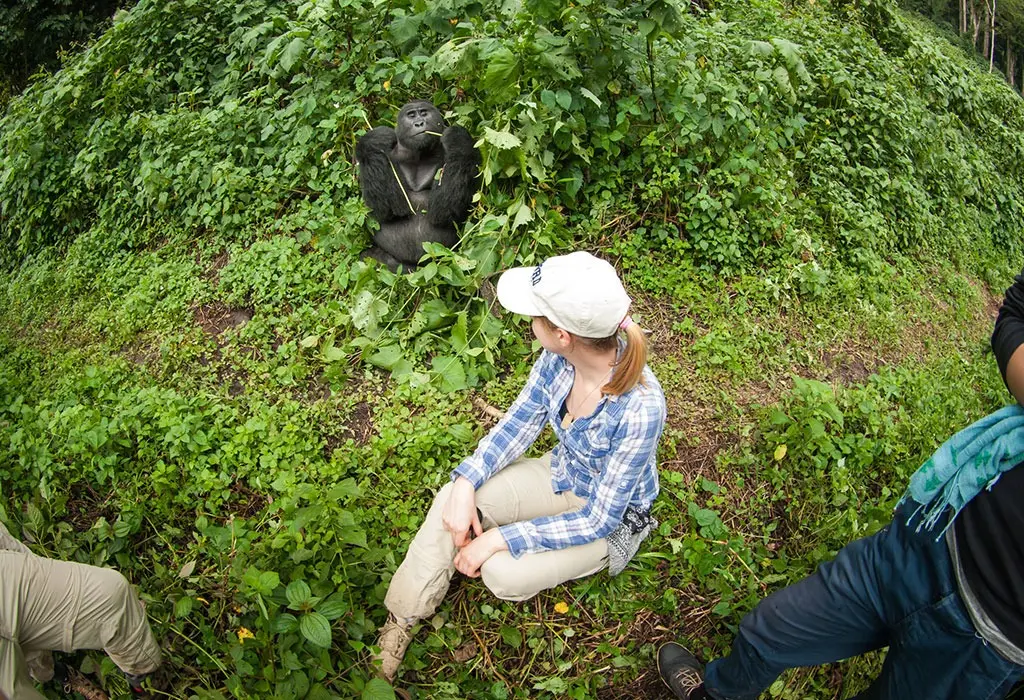
Here’s the truth no brochure tells you: gorilla trekking duration is never fixed. Unlike a zoo visit or a scheduled game drive, you are tracking wild, free-roaming mountain gorillas that shift their nesting sites every single night.
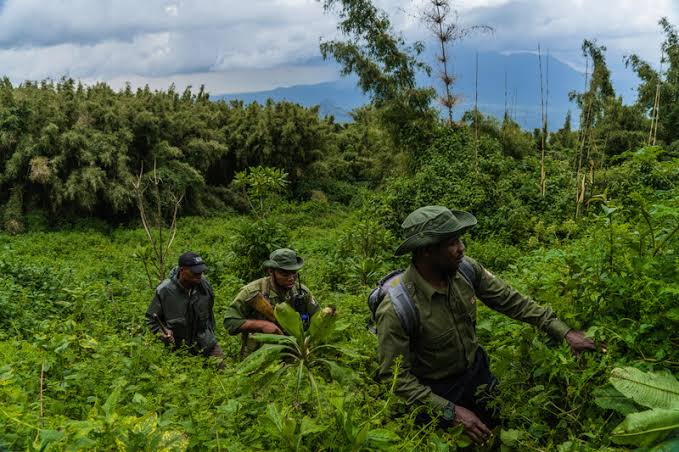
Rangers and advance trackers head into the forest before dawn to locate each habituated family.
Your trek begins where the gorillas were last seen – but by the time you arrive, they may have moved 200 metres or 5 kilometres deeper into the jungle.
Five core variables determine your gorilla trekking time:
- Gorilla family movement. There are over 20 habituated families across the three countries. Some stay near trailheads; others roam high ridgelines.
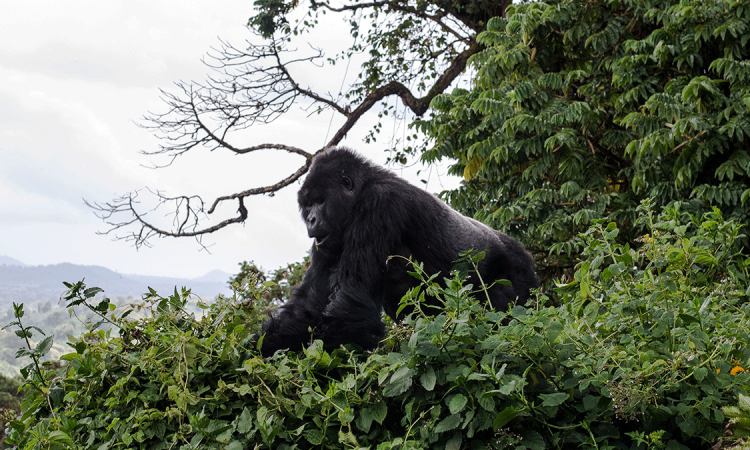
- Terrain type. Rwanda and DRC feature volcanic slopes with bamboo and open understory. Uganda’s Bwindi is a dense, tangled rainforest with steep valleys and river crossings.
- Season. During the wet months (March–May, October–November), trails turn muddy and slow. Dry-season treks (June–September, December–February) are faster and less exhausting.
- Assigned gorilla family. On briefing morning, the park assigns your group to a specific family. Some families simply range farther than others.
- Your fitness and pace. A group moves at the speed of its slowest member. Trekking poles, porters, and prior hill training make a measurable difference.
Understanding these factors means you can choose the right country, season, and family to match your ability – and that’s exactly what our trek specialists at GoSilverback Gorilla Safaris help you do.
Gorilla Trekking Duration by Country
1. Uganda – Bwindi Impenetrable Forest & Mgahinga Gorilla National Park
Average gorilla trekking duration in Uganda: 3 to 7 hours.
Uganda hosts more than half the world’s remaining mountain gorillas, spread across four Bwindi sectors – Buhoma, Ruhija, Rushaga, and Nkuringo – plus one family in Mgahinga.
- Trailhead briefing: 7:00 AM sharp at the park headquarters.
- Return time: Typically between 2:00 PM and 5:00 PM, depending on family location.
- Distance walked: 3–9 km round-trip, often on steep, root-tangled paths.
- Sector differences: Buhoma tends to offer the shorter treks (2–4 hours) because families like Mubare and Habinyanja range closer to the forest edge. Rushaga and Nkuringo frequently produce 5–7-hour treks through deeper, hillier terrain.
Traveller note: “When I trekked the Mubare family in Buhoma in March 2026, we walked 2 hours 15 minutes in and 1 hour 40 minutes back. The mud was ankle-deep after overnight rain, but the moment a 400-pound silverback turned to look at me, every step was worth it.”
Uganda gorilla permit cost 2026: $800 per person (foreign non-residents).
👉 [Book Your Uganda Gorilla Trekking Permit – 2026 Dates Filling Fast →]
2. Rwanda – Volcanoes National Park
Average gorilla trekking duration in Rwanda: 1 to 4 hours.
Rwanda is the fastest, most accessible gorilla trekking destination in Africa. The volcanic terrain around the Virunga massif features bamboo forests and relatively open slopes, making navigation quicker than Uganda’s dense undergrowth.
- Trailhead briefing: 7:00 AM at Kinigi Park Headquarters.
- Return time: Often by 11:00 AM – 1:00 PM for closer families.
- Distance walked: 1–5 km round-trip.
- Why Rwanda treks can be under 2 hours: Families such as Susa, Amahoro, and Kwitonda sometimes nest within 30–45 minutes’ walk of the trailhead during dry months.
Rwanda suits travellers who want a world-class gorilla encounter with moderate physical demand, including those arriving from Europe, the Middle East, or Asia on shorter itineraries.
Rwanda gorilla permit cost 2026: $1,500 per person.
3. DR Congo – Virunga National Park
Average gorilla trekking duration in DR Congo: 2 to 6 hours.
Virunga is Africa’s oldest national park and offers a rawer, more adventurous trekking experience.
- Distance walked: 2–7 km round-trip.
- Security escort: Armed rangers accompany every group, adding a logistical layer but ensuring safety.
- Terrain: Volcanic slopes, lava fields, and montane forest.
DR Congo gorilla permit cost 2026: $450 per person – the most budget-friendly option.
Gorilla Trekking Comparison Table (2026)
|
Country / Park |
Avg. Duration |
Distance |
Difficulty |
Permit Cost (2026) |
|
Uganda – Bwindi / Mgahinga |
3–7 hours |
3–9 km |
Moderate–Hard |
$800 |
|
Rwanda – Volcanoes NP |
1–4 hours |
1–5 km |
Easy–Moderate |
$1,500 |
|
DR Congo – Virunga NP |
2–6 hours |
2–7 km |
Moderate |
$450 |
Not sure which country fits your fitness, budget, or schedule?
👉 [Chat with a GoSilverback Trek Specialist – Free 15-Minute Call →]
A Typical Gorilla Trekking Day: Hour-by-Hour Timeline
Knowing the gorilla trekking schedule removes anxiety and lets you focus on the experience.
Here’s the exact sequence you’ll follow, whether you’re trekking from Kigali, Kampala, or Goma:
|
Time |
Activity |
|
5:30 – 6:00 AM |
Early breakfast at your safari lodge |
|
6:30 AM |
Transfer to park headquarters (15–90 min depending on lodge) |
|
7:00 – 7:30 AM |
Registration, gorilla trekking briefing, group assignment |
|
7:30 – 8:00 AM |
Drive or short walk to the trailhead. |
|
8:00 AM onward |
Trek begins with armed rangers, trackers, and your group of 8. |
|
Variable: 1–7 hrs |
Hiking through forest, crossing rivers, climbing ridges |
|
Encounter moment |
Exactly 1 hour observing the gorilla family |
|
Post-encounter |
Return trek to trailhead |
|
2:00 – 5:00 PM |
Arrive back, receive your Gorilla Trekking Certificate |
Total elapsed time from lodge departure to return: approximately 8–12 hours, though actual hiking is a fraction of that.
Pro traveller tip: Pack a 2-litre water bottle, energy bars, and a lightweight rain jacket in your daypack. You’ll burn 800–1,500 calories depending on trek length.
Why You Get Only 1 Hour With the Gorillas
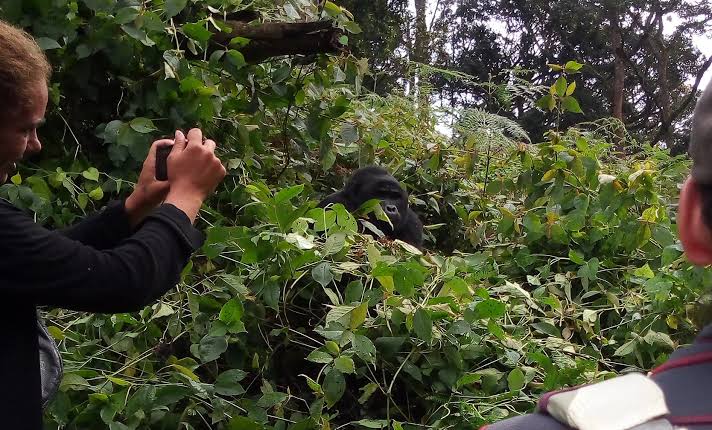
The 1-hour gorilla encounter rule is non-negotiable and is enforced identically by the Uganda Wildlife Authority (UWA), the Rwanda Development Board (RDB), and the Institut Congolais pour la Conservation de la Nature (ICCN).
Why so strict?
- Disease transmission. Mountain gorillas share 98.3 % of their DNA with humans. Prolonged exposure increases the risk of passing respiratory infections.
- Behavioural stress. Extended human presence disrupts feeding, nesting, and infant care.
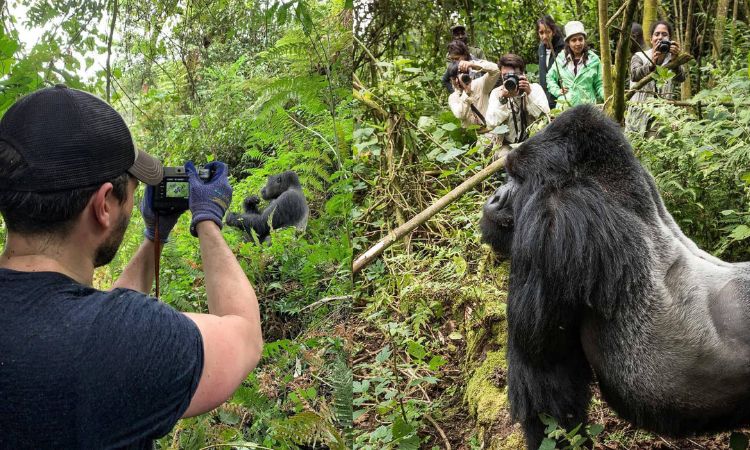
- Conservation balance. Limiting visits to 8 tourists per family per day keeps the gorillas wild and undisturbed.
If you linger beyond 60 minutes, your lead ranger will firmly guide the group out. There are no exceptions, regardless of permit cost.
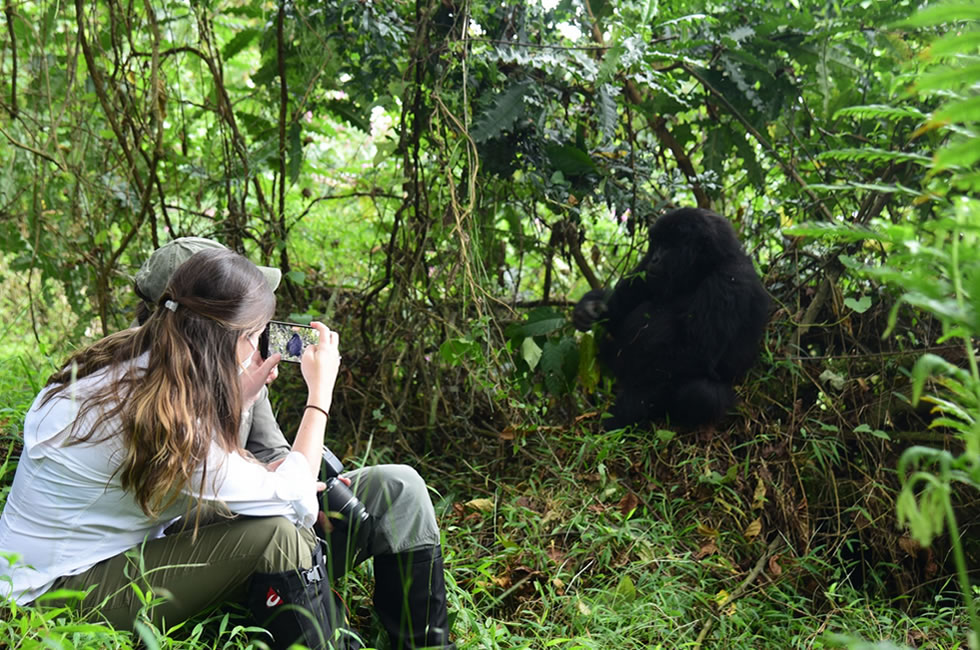
Photography tip: Pre-set your camera to ISO 800–1600, aperture f/4–f/5.6, and burst mode before you enter the clearing. You’ll have no time to fiddle with settings once a silverback charges playfully toward you.
7 Factors That Determine How Long Your Trek Will Be
Understanding these variables lets you strategically shorten your gorilla trekking hours:
- Gorilla family location that morning. Trackers radio the family’s GPS coordinates. A family 5 km away means a longer hike.
- Trail conditions. Overnight rain creates mud, slippery roots, and swollen streams. Dry-season trails are 30–40% faster.
- Altitude and gradient. Volcanoes NP sits at 2,400–4,500 m; Bwindi ranges 1,160–2,607 m. Steeper ascents slow your pace.
- Your personal fitness. Regular cardio and leg strength cut perceived effort dramatically.
- Group size and slowest member. Groups of 8 trekkers move together. One slow hiker sets the pace.
- Season. June–September and December–February are the driest, fastest months.
- Country and park infrastructure. Rwanda’s well-maintained trails and shorter transfer distances shave time off the total day.
💡 Pro Tip: Book the dry-season months (June–September or December–February) for the shortest, most comfortable gorilla treks. Permits sell out 3–5 months ahead, so secure yours early.
👉 [Lock In Your Dry-Season 2026 Gorilla Permit with GoSilverback →]
How to Prepare So Your Trek Feels Shorter
You don’t need to be an athlete, but targeted preparation transforms a gruelling slog into an energising adventure.
Follow this 4-week pre-trek plan:
Weeks 1–2: Build a base
- Walk 5 km daily on varied terrain.
- Climb 10–15 flights of stairs per session, 4× per week.
Weeks 3–4: Simulate the trek
- Hike 8–10 km on hilly trails wearing your actual trekking boots.
- Add squats, lunges, and step-ups (3 × 15 reps) to strengthen knees and quads.
- Practise walking with a 5 kg daypack.
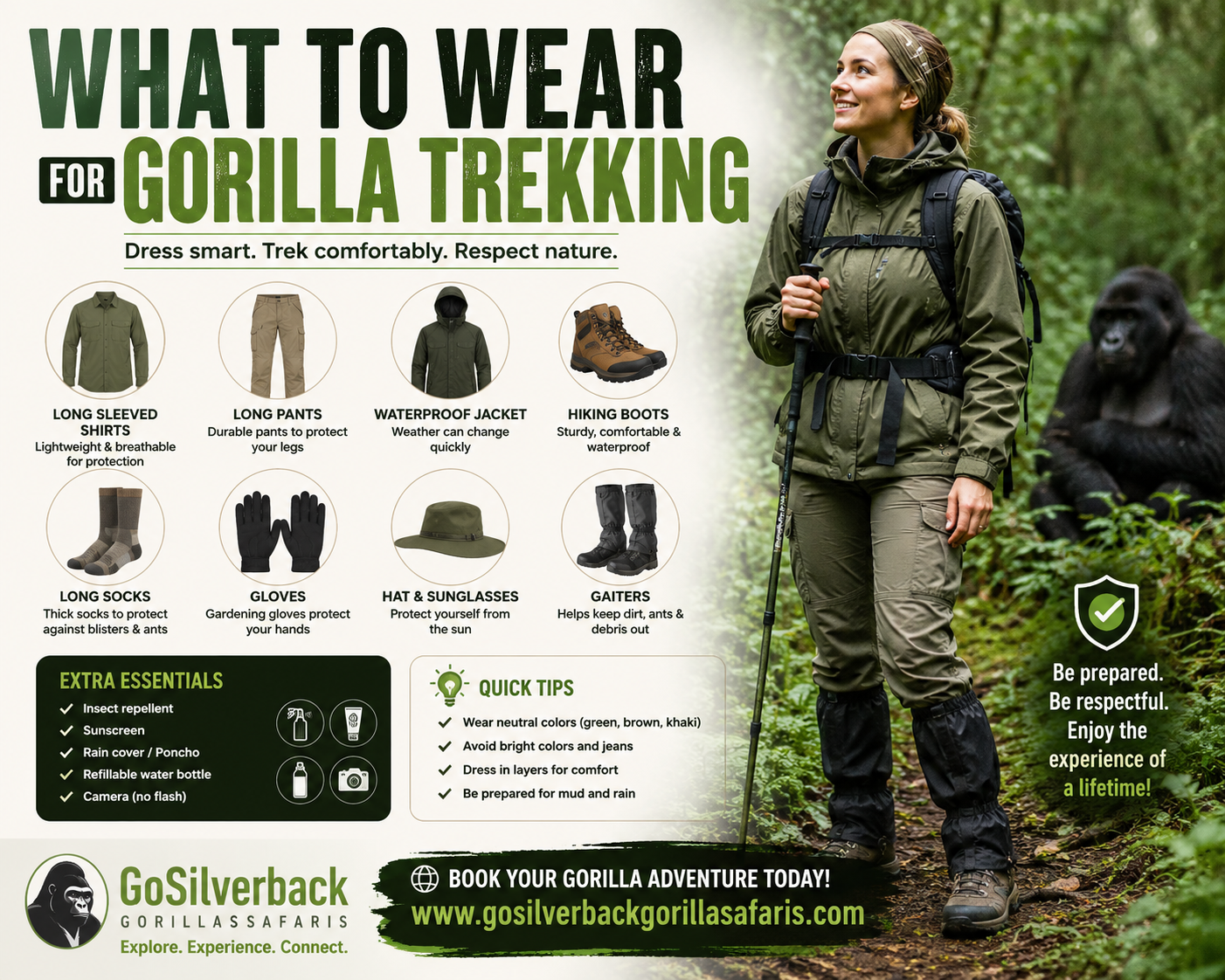
Essential gear checklist:
- Broken-in waterproof hiking boots (ankle-high)
- Gaiters to keep mud and ants out
- Trekking poles (collapsible)
- Lightweight rain jacket and quick-dry trousers
- 2 litres of water + electrolyte tablets
- Energy bars, banana, or trail mix
Hire a porter ($15–$20 USD). Available at every trailhead, a local porter carries your daypack and steadies you on steep sections. It supports the community and saves your legs.
Request an easier gorilla family. When you book through GoSilverback Gorilla Safaris, we liaise with park authorities to match your fitness level to a closer, lower-altitude family wherever possible.
👉 [Request Your Personalised Trek-Prep Plan – Free with Every Booking →]
How Many Days Do You Need for a Gorilla Trekking Trip?
The gorilla trek itself is a half-to-full-day activity, but your overall trip needs travel buffer:
- Rwanda (minimum): 2 nights / 1 trek day. Fly into Kigali; Volcanoes NP is only 2.5 hours by road.
- Uganda (recommended): 3–4 nights. Entebbe → Bwindi is an 8–10-hour drive or a 1-hour domestic flight to Kihihi/Kisoro airstrip.
- DR Congo: 3 nights minimum, factoring in Goma transfer and security briefing.
Combo itineraries that add value:
- Gorillas + chimpanzee trekking in Kibale Forest (Uganda)
- Gorillas + golden monkey tracking in Volcanoes NP (Rwanda)
- Gorillas + Queen Elizabeth National Park safari or Akagera big-game drive
Our 4-day Bwindi gorilla safari packages include permits, lodge accommodation, airport transfers, and a dedicated guide.
Gorilla Trekking Duration – Frequently Asked Questions
Can gorilla trekking take a full day?
Yes. In Uganda’s Bwindi during the wet season, treks to remote families like Nkuringo or Bitukura can stretch to 7–8 hours of hiking. You’ll return by late afternoon, but plan the entire day.
Is gorilla trekking harder in Uganda or Rwanda?
Uganda is generally more physically demanding due to dense rainforest, steeper valleys, and muddier trails. Rwanda’s volcanic terrain is more open and often shorter, making it the easier option for first-time trekkers.
What is the shortest gorilla trek possible?
In Rwanda’s Volcanoes National Park during dry season, some groups reach the gorilla family in as little as 20–30 minutes one-way, making the total trek under 1 hour before the 1-hour viewing begins.
Do I get a refund if the trek is very short?
No. The gorilla permit fee covers conservation, ranger salaries, and community levies – not hiking distance. A 1-hour trek and a 7-hour trek carry the same permit price.
Can children or elderly people do gorilla trekking?
The minimum age is 15 years in Uganda, Rwanda, and DRC. There is no upper age limit, but trekkers should be mobile enough to walk 2–5 km on uneven terrain. Porters and walking sticks help enormously.
How long is the gorilla trekking briefing?
The mandatory park briefing lasts 30–45 minutes and covers safety rules, gorilla etiquette, group assignments, and what to expect on the trail.
Is the 1-hour gorilla encounter strictly enforced?
Absolutely. Rangers carry whistles and timers. At 60 minutes, the group is guided away regardless of gorilla behaviour. This rule protects both the gorillas and the long-term sustainability of tourism.
Ready to Experience the Trek of a Lifetime?
Let’s recap what you now know: gorilla trekking takes between 1 and 8 hours depending on country, season, terrain, and gorilla family location.
The encounter itself is a sacred, strictly enforced 1 hour – 60 minutes that will rewire your understanding of what it means to share a planet with our closest living relatives.
Here’s the urgency for 2026: Peak-season permits (June–September) for Uganda and Rwanda are already over 78 % sold out.
Each family accepts only 8 visitors per day, and once those slots are gone, they’re gone for the year.
Whether you’re planning from Chicago, London, Vancouver, Melbourne, Dubai, Shanghai, Mexico City, or Frankfurt, the logistics are simpler than you think – and we handle every single one.
Your next step is one click away:
🔘 [CHECK AVAILABILITY & BOOK YOUR 2026 GORILLA PERMIT WITH GOSILVERBACK →]
Not sure whether Uganda, Rwanda, or DRC suits your fitness, budget, or travel dates?
📞 [Book a Free 15-Minute Consultation with a GoSilverback Trek Specialist →]
GoSilverback Gorilla Safaris has secured over 4,200 gorilla permits for travellers across six continents.
We handle permits, flights, lodges, transfers, and porters so you can focus on one thing: looking a silverback in the eyes and feeling the forest go silent around you.
Your gorillas are waiting. Your 1 hour starts the moment you book.
👉 [Secure Your Spot – Book with GoSilverback Gorilla Safaris Today →]
Last updated: August 2026 | Author: GoSilverback Gorilla Safaris Editorial Team | Permit data verified with UWA, RDB, and ICCN official 2026 tariff sheets.