
Uganda Gorilla Safari: The Complete 2026 Guide to Trekking, Permits & Cost
Last updated: 2026
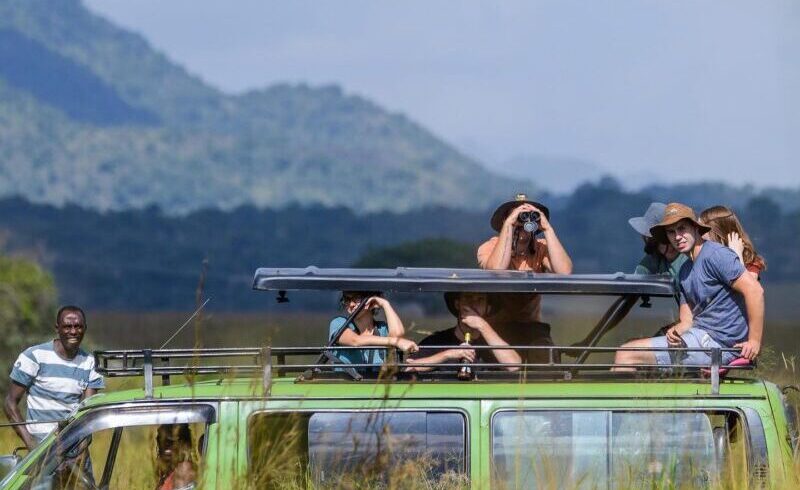
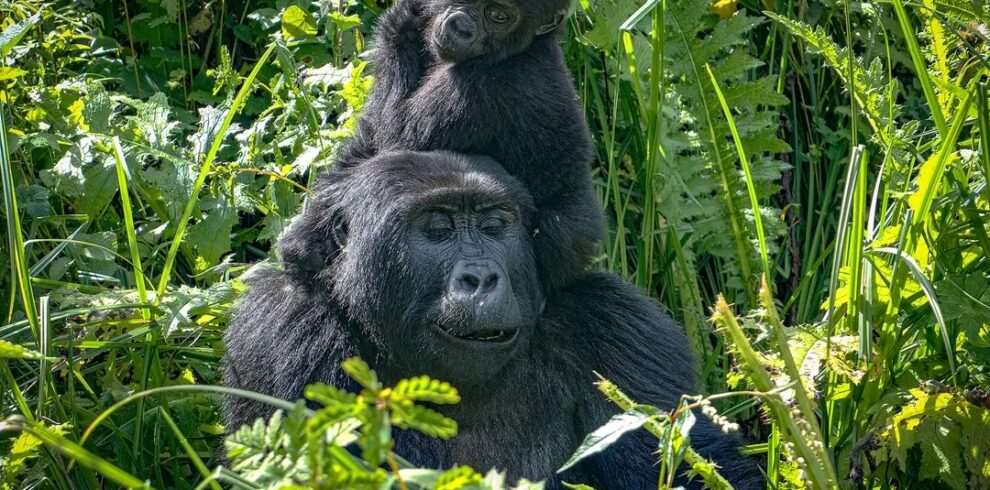
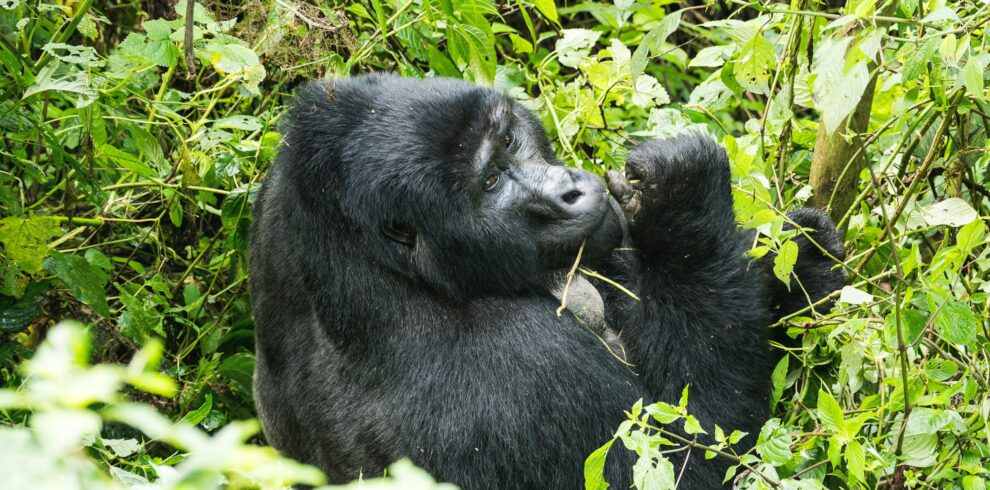
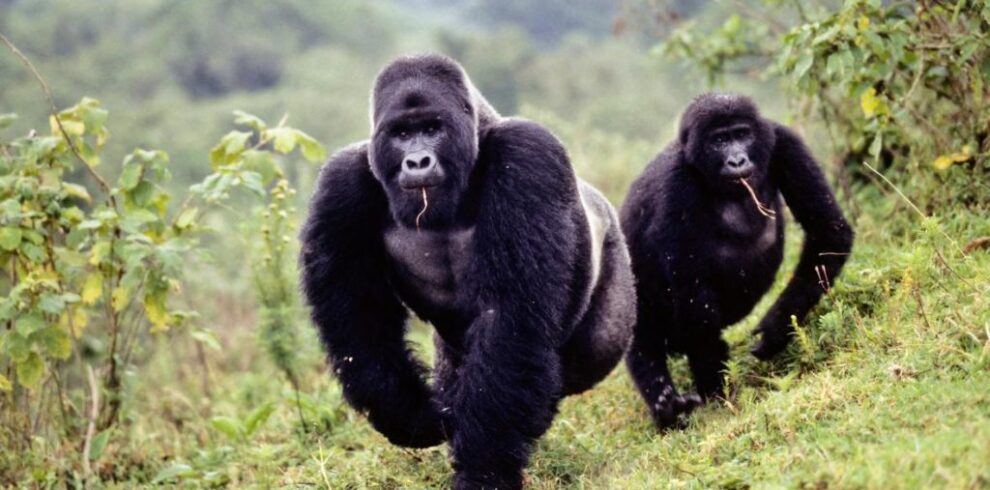
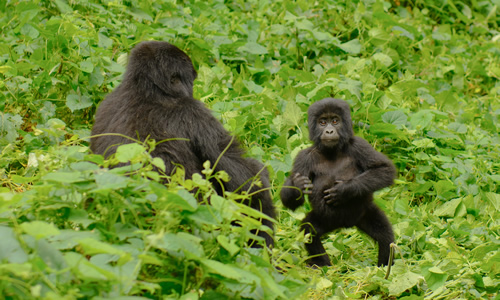
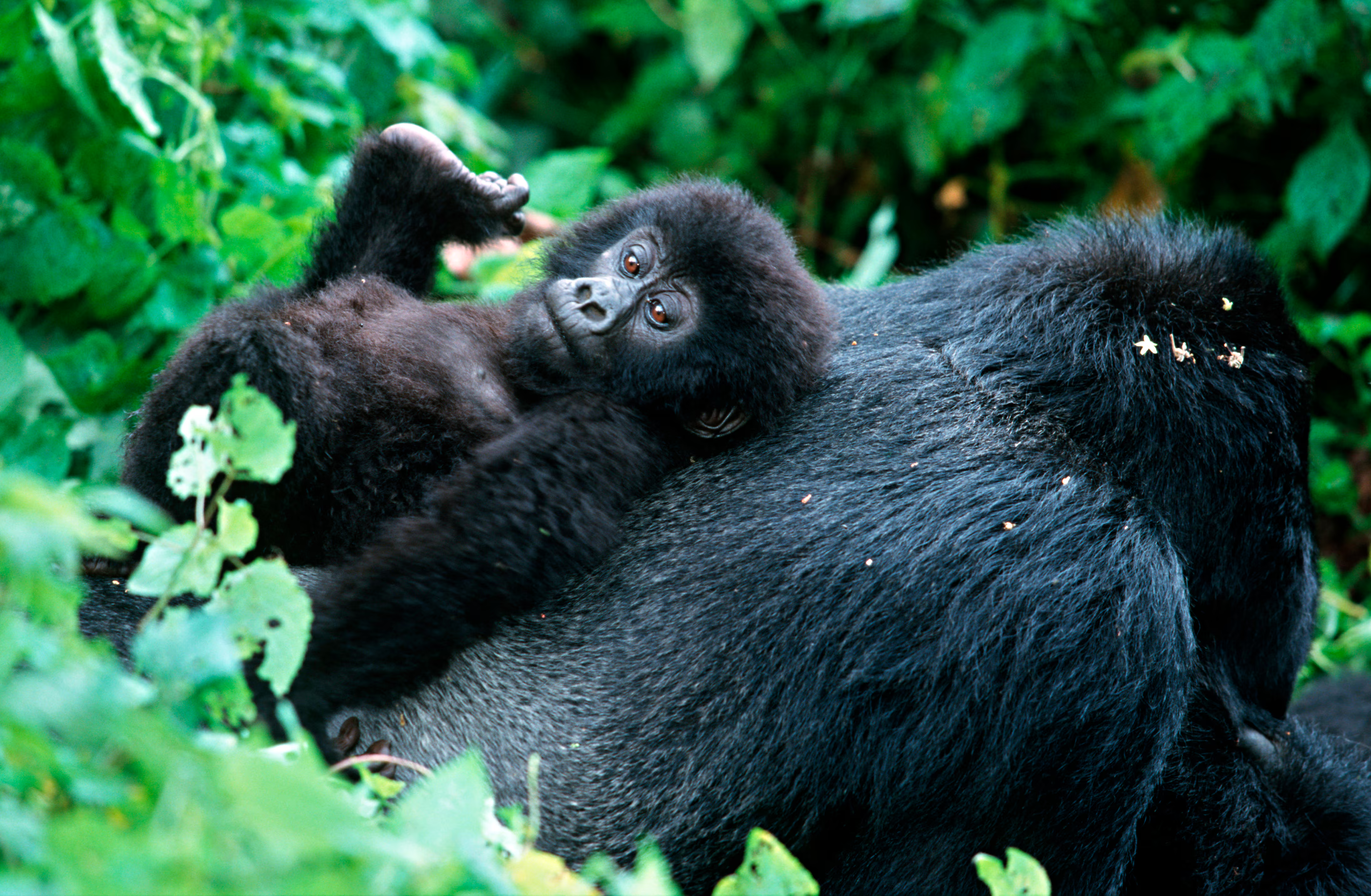
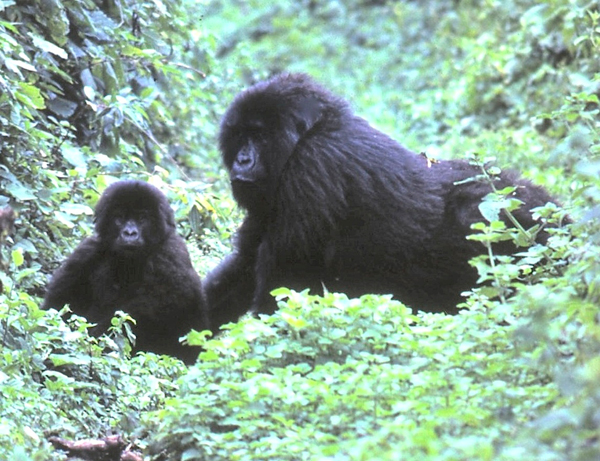
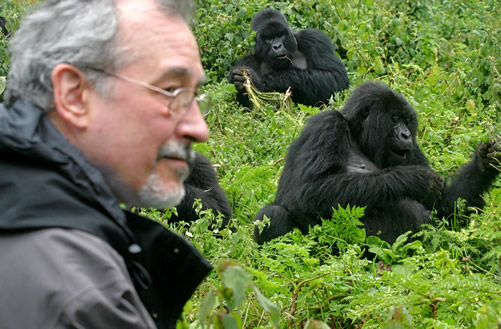
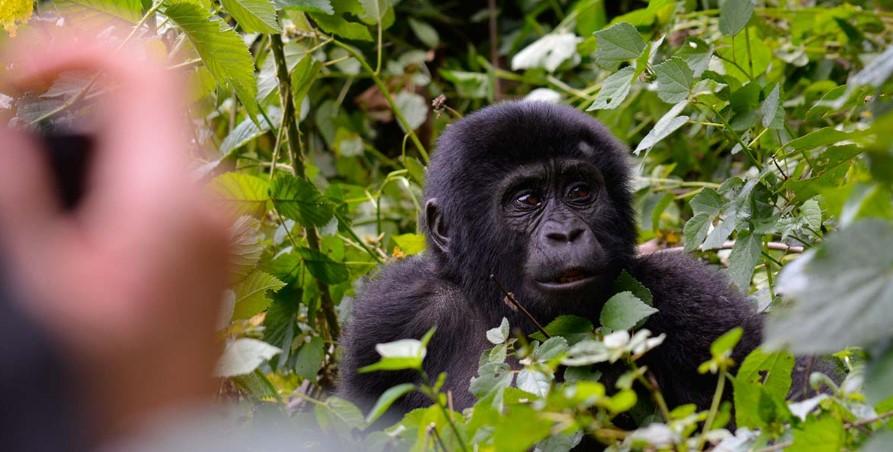
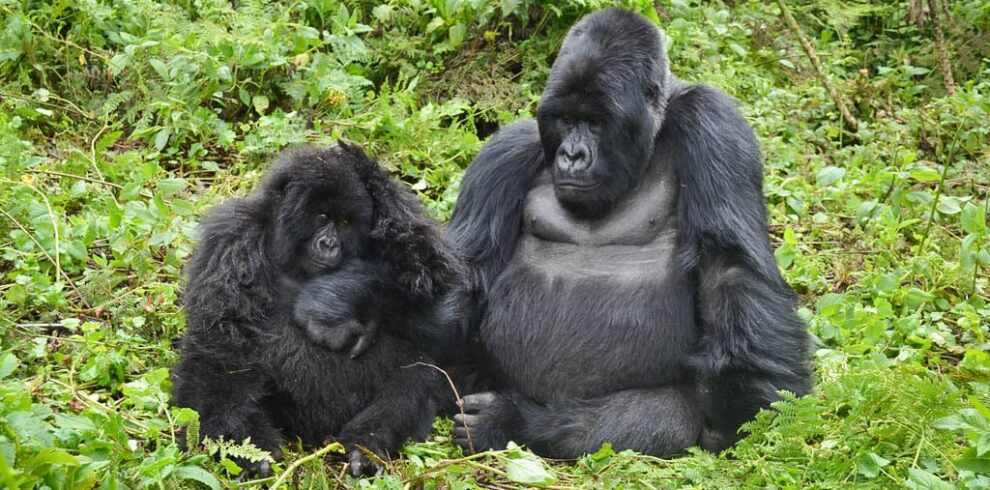
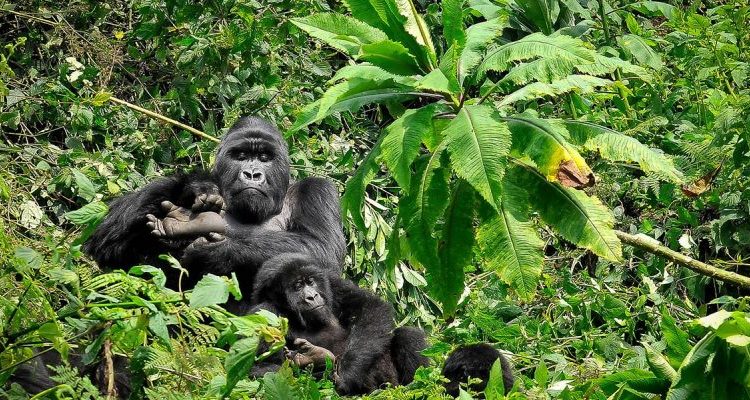
A Uganda gorilla safari is one of the last truly wild wildlife encounters left on Earth — a face-to-face meeting with a mountain gorilla family in misty, ancient rainforest, just a few meters away, with no bars, no glass, no barriers.
If you’ve been searching “gorilla trekking in Uganda,” “Bwindi gorilla permits,” or “how much does gorilla trekking cost,” you’re in the right place.
This guide covers everything you need to plan a Uganda gorilla trekking trip in 2026: where to go, how much a gorilla permit actually costs (from $700 to $ 800), when to go, how to book, what a trekking day feels like, and how Uganda stacks up against Rwanda and Congo.
Whether you’re flying in from New York, London, Toronto, Dubai, Singapore, or Sydney, everything below is written to answer your real questions — fast, clearly, and honestly.
By the end, you’ll know exactly what to budget, when to book, and how to turn this bucket-list trip into a confirmed reservation.
Ready to see the gorillas? [Get a free custom quote from GoSilverback Gorilla Safaris →]

What Is a Uganda Gorilla Safari?
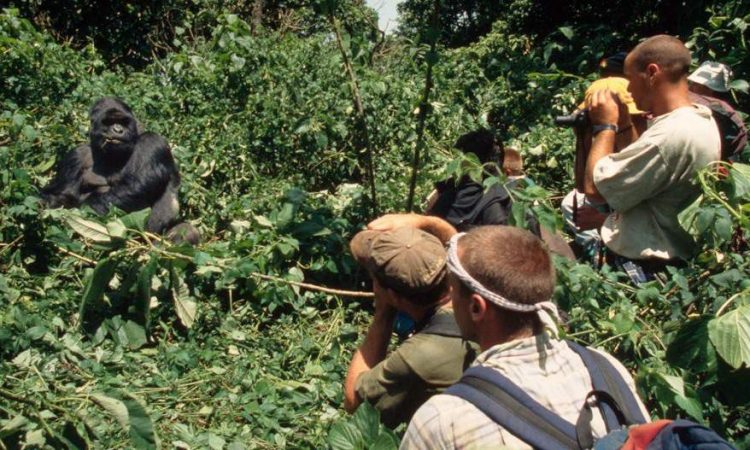
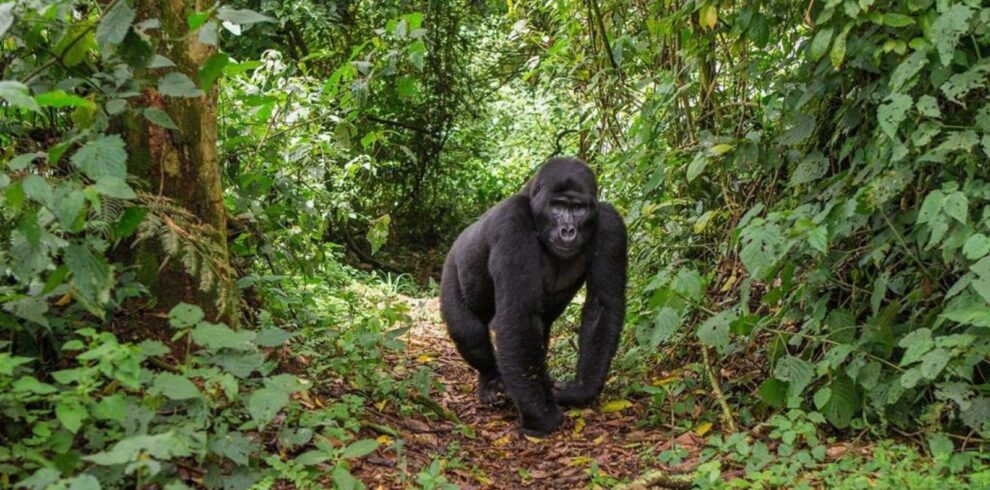
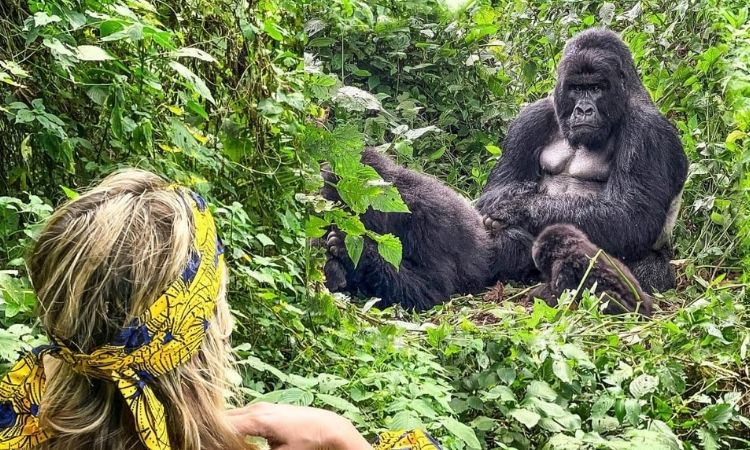
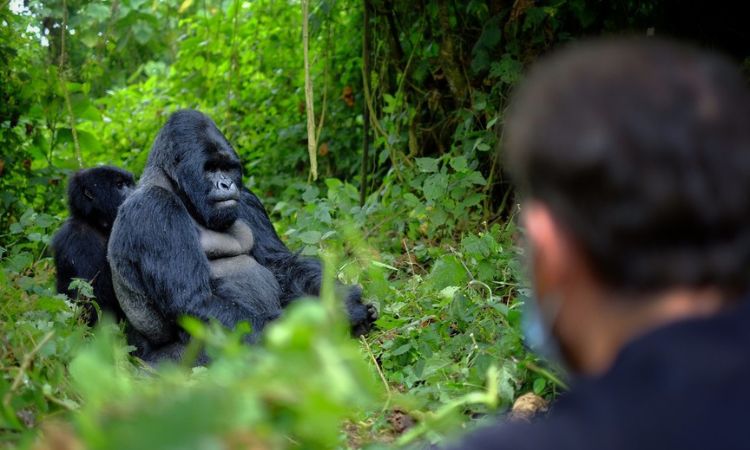
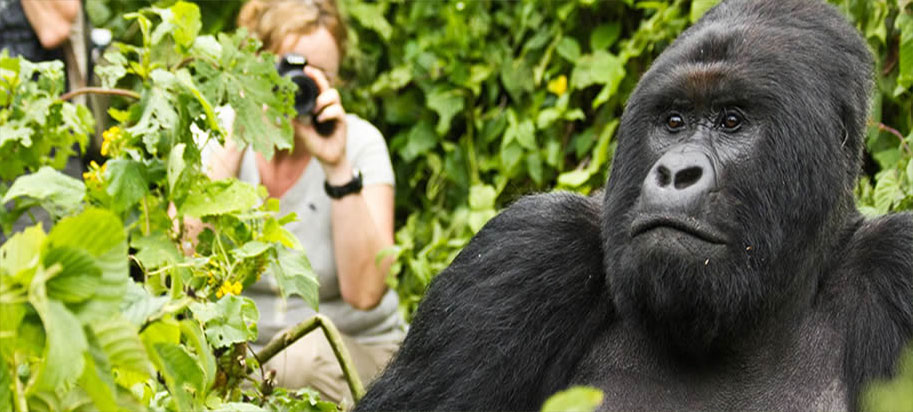
A Uganda gorilla safari centers on one unforgettable activity: gorilla trekking — hiking through dense forest with an armed ranger and expert trackers to find a habituated gorilla family, then spending one full hour observing them in the wild.
Permits are limited, so every visit is tightly regulated by the Uganda Wildlife Authority (UWA).
There are two distinct experiences to choose from:
- Standard Gorilla Trekking — a one-hour visit with a habituated gorilla group. This is the classic, most popular, and most affordable option.
- Gorilla Habituation Experience (GHE) — a rare, extended four-hour session with a gorilla family still being habituated to human presence, alongside researchers and trackers. It’s more expensive, less crowded, and far more immersive.
Most first-time travelers choose standard trekking; repeat visitors and wildlife photographers often upgrade to the habituation experience for deeper access.
Not sure which experience fits your trip? Talk to a GoSilverback safari expert today →
Uganda Gorilla Safari Where to See Gorillas in Uganda
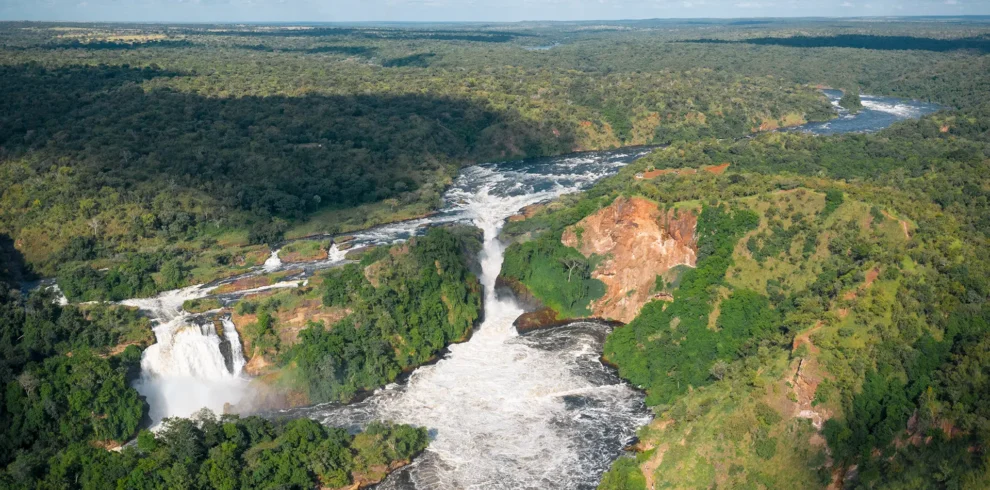
Uganda offers two national parks where mountain gorillas can be tracked, and choosing the right one shapes your entire itinerary.
1. Bwindi Impenetrable National Park
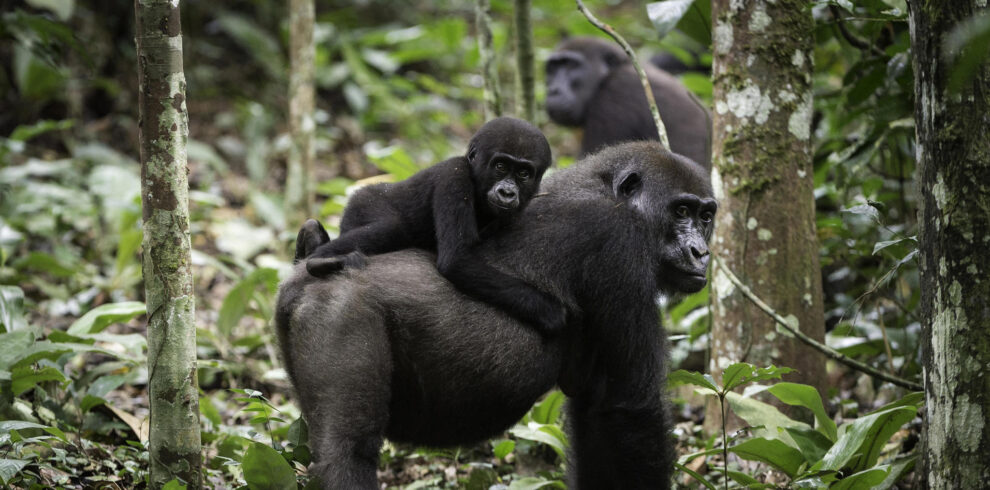
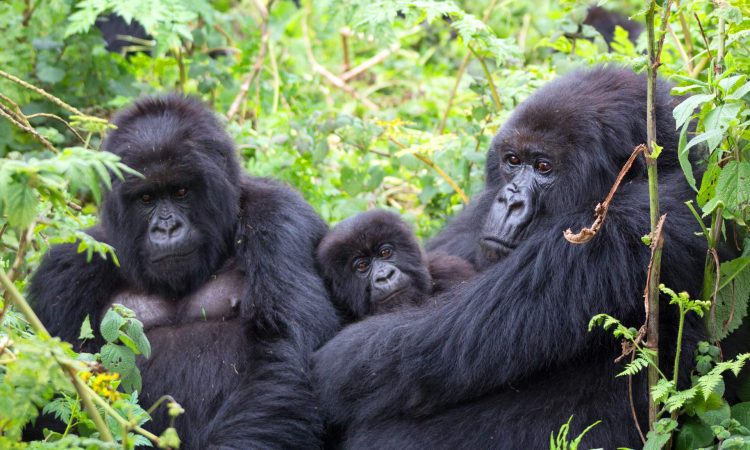
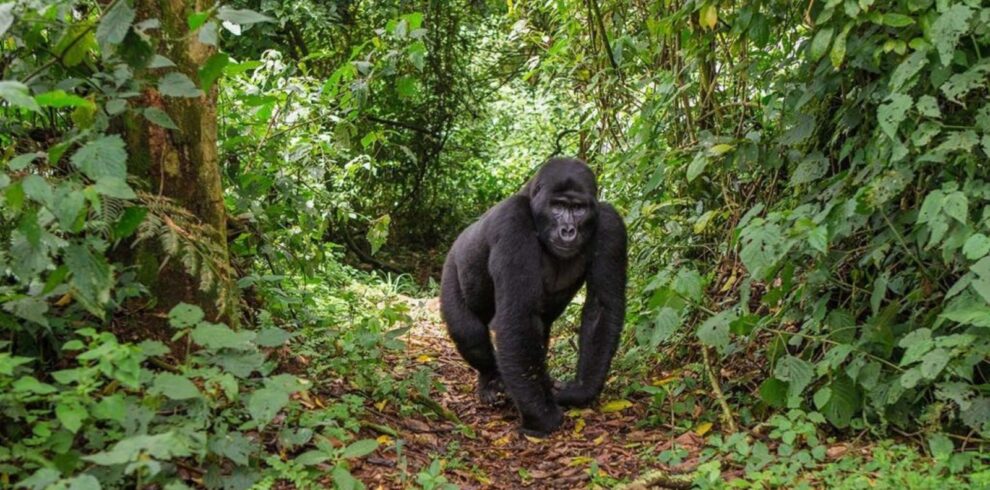
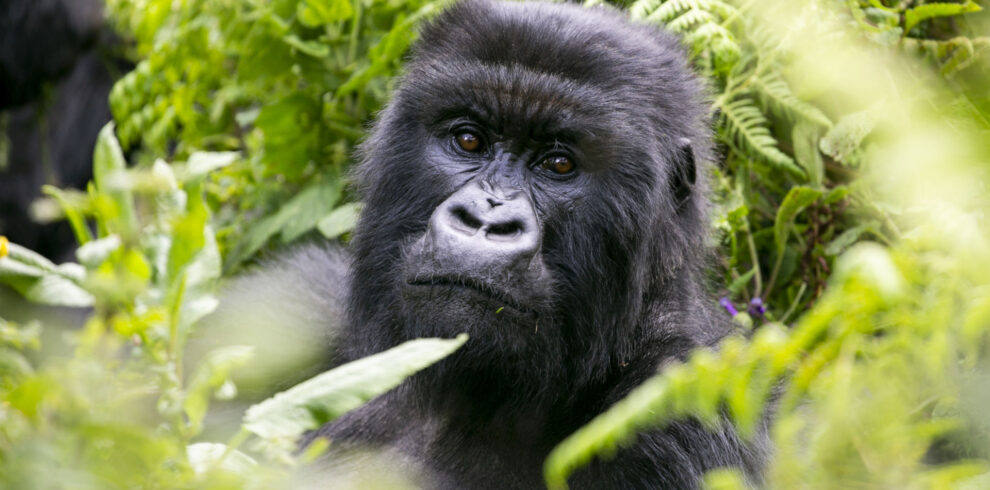
Bwindi Impenetrable National Park is Uganda’s flagship gorilla destination, home to over half the world’s remaining mountain gorilla population across more than 20 habituated families.
Bwindi is divided into four trekking sectors, each with its own access point, lodges, and gorilla groups:
- Buhoma – the original, most accessible sector, with the widest range of lodges from budget to luxury.
- Ruhija – higher altitude, cooler climate, home to well-known families including the Oruzogo group.
- Rushaga – the largest sector by number of gorilla families, and the only sector offering the Gorilla Habituation Experience.
- Nkuringo – the most remote and scenic sector, known for its dramatic hiking terrain and fewer crowds.
2. Mgahinga Gorilla National Park
Mgahinga Gorilla National Park, tucked into the Virunga volcanoes near the Rwanda and Congo borders, has just one habituated gorilla family.
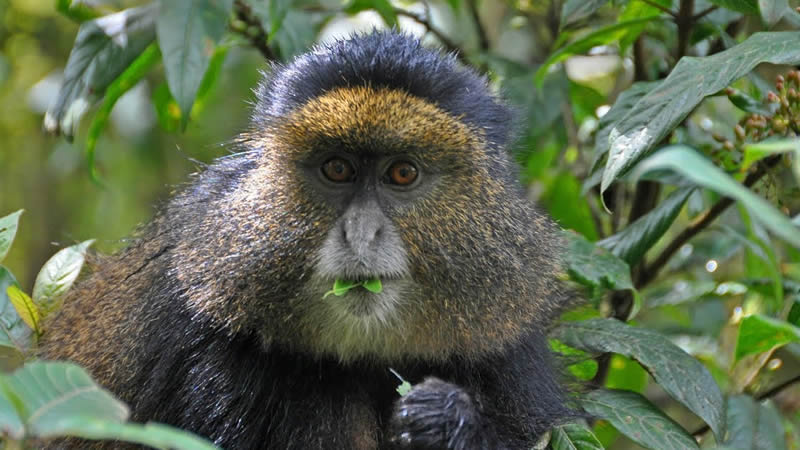
It’s a quieter, less-visited alternative — ideal for travelers combining gorilla trekking with golden monkey tracking or volcano hiking.
Planning your sector choice? Let GoSilverback match you to the right park →

Uganda Gorilla Safari Permit Prices 2026
The gorilla permit is the single biggest cost in any Uganda gorilla safari, and pricing varies by season and traveler category.
Here’s the full 2026 breakdown:
Permit Type | Foreign Non-Resident | Foreign Resident | East African Citizen |
Standard Permit (High Season) | $800 | $700 | ~$82 |
Standard Permit (Low Season: Apr, May, Nov) | $600 | $500 | Unchanged |
Gorilla Habituation Experience | ~$1,800 | ~$1,600 | Lower local rate |
What’s included in the standard permit:
- Park entrance fees for the trekking day
- Ranger guide and armed security escort
- Professional trackers who locate the gorilla family in advance
- A full one hour with the habituated gorilla group
Important 2026 booking notes:
- Full payment is now required at the time of booking — the previous 7-day reservation hold has been removed.
- Low-season discounted permits cannot be rescheduled. If your travel dates shift, standard cancellation rules apply with no date change option.
- Only about 160 permits are issued daily across both parks, so booking 3–6 months in advance is strongly recommended, especially for June–September and December–February travel.
Lock in your permit before dates sell out. [Reserve your Uganda gorilla permit with GoSilverback →]

Uganda Gorilla Safari Best Time to Go: High Season vs Low Season
Choosing when to trek affects your budget, comfort, and permit availability.
1. High season (June–September, December–February):
Dry trails, easier hiking, peak demand, and standard $800/$700 permit pricing. Book early — this is when Bwindi and Mgahinga sell out fastest.
2. Low season (April, May, November):
Wetter, muddier trails, but discounted permits ($600/$500) and noticeably fewer trekkers on the trail. Great for budget-conscious travelers who don’t mind rain gear and don’t need flexible dates.
There’s no wrong season for a Uganda gorilla trekking trip — mountain gorillas are visible year-round since Uganda’s equatorial rainforest sees rainfall in every month. The real decision is trail conditions versus price.
Not sure which season fits your schedule? Ask GoSilverback for a personalized recommendation →

How to Book a Permit (Step-by-Step)
Booking a Uganda gorilla permit in 2026 follows a straightforward process:
- Choose your park and sector — Buhoma, Ruhija, Rushaga, Nkuringo, or Mgahinga, based on your itinerary and lodge preference.
- Select your trekking date — ideally 3–6 months ahead for high season, especially for popular gorilla families.
- Book through a licensed Ugandan tour operator — foreign visitors can no longer reserve permits directly; a registered operator like GoSilverback Gorilla Safaris handles this on your behalf.
- Submit passport details and traveler information — required by UWA for permit registration (trekkers must be 15 or older).
- Pay in full at time of booking — as of the 2026 rule change, there is no partial deposit or reservation hold.
- Receive your confirmed permit — your operator will provide documentation and trip logistics ahead of arrival.
Skipping the paperwork stress is easy when you book through an experienced operator.
Let GoSilverback handle your entire permit process, start to finish →
What a Trekking Day Actually Looks Like
A gorilla trekking day starts early and moves at the forest’s pace, not yours.
- 7:00 AM briefing — rangers assign trekkers to gorilla families based on fitness level and group location.
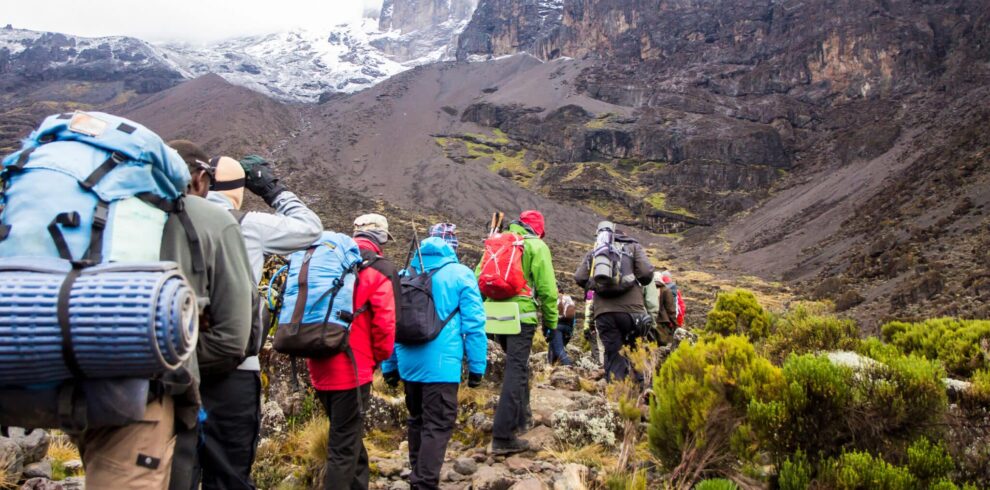
- The hike — anywhere from 30 minutes to 6+ hours round trip, through steep, muddy, genuinely “impenetrable” forest terrain. Porters are available (and highly recommended) to carry packs and assist on tough sections.
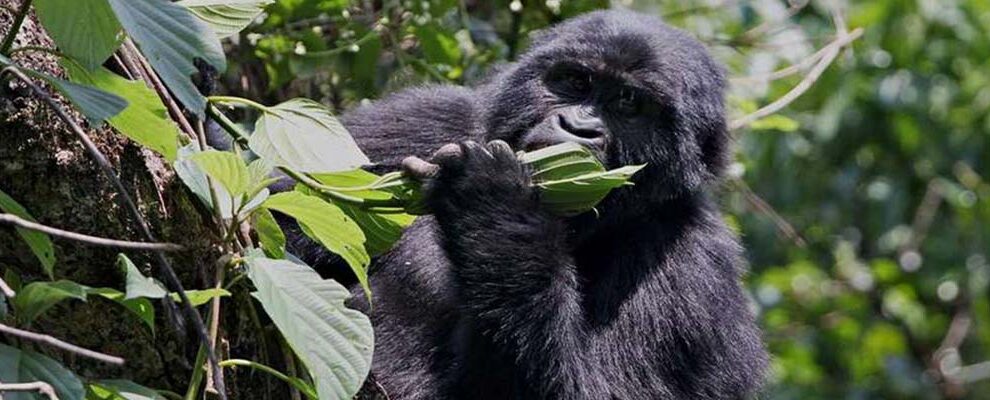
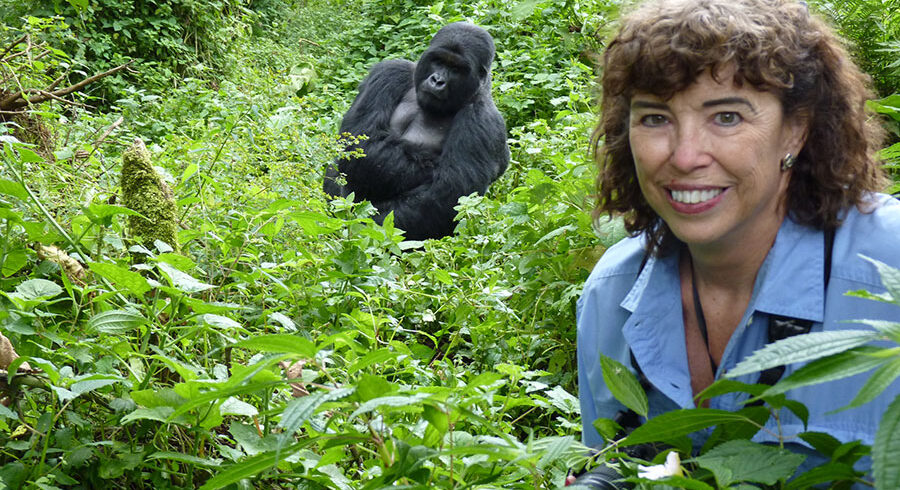
- The encounter—once trackers locate the family, visitors get exactly one hour with the gorillas: watching them feed, rest, and interact at close range.
- The rules are to stay at least 7 meters away, keep voices low, no flash photography, and wear a mask if you have any cold or flu symptoms (mountain gorillas are highly susceptible to human respiratory illness).
It’s physically demanding but achievable for most reasonably fit travelers — and consistently described as one of the most emotional wildlife experiences on the planet.
Want tips tailored to your fitness level? GoSilverback’s guides can advise before you book →
Uganda vs Rwanda vs Congo Gorilla Trekking
Travelers comparing East Africa gorilla trekking destinations should weigh price, access, and experience:
Factor | Uganda | Rwanda | DR Congo |
Permit Price | $800 | $1,500 | $400 |
Habituated Families | 20+ | 12 | Fewer, less consistent |
Access | Longer drive from Entebbe | Easiest — close to Kigali | Complex, security-dependent |
Scenery | Dense rainforest | Volcano landscapes | Volcanic, less developed tourism |
Uganda wins decisively on value — nearly half the cost of Rwanda with more habituated gorilla families to visit.
Rwanda offers easier access from Kigali airport, while Congo remains the cheapest but least stable option for international travelers.
For most visitors balancing cost, safety, and gorilla family variety, Uganda is the strongest all-around choice.
Compare packages side-by-side — [ask GoSilverback which destination fits your trip →]
Uganda Gorilla Safari Total Trip Cost Breakdown
Beyond the permit, a full Uganda gorilla safari budget includes:
- Accommodation: $150–$400+ per night near Bwindi, ranging from budget lodges to luxury tented camps
- Transport: $85–$90 road transfer from Entebbe (6–9 hours) or $500 for a domestic flight to Kihihi/Kisoro airstrips
- Meals: typically included in lodge packages
- Tips: for guides, trackers, and porters ($10–$20/day is customary)
- Optional porter hire: $15–$20 for the trekking day
Realistic total for a 3-day trip: roughly $1,550 on the budget end to $5,000+ for a luxury experience per person, permit included.
Get a full, transparent cost breakdown for your dates — [request a custom quote from GoSilverback →]
Sample 3–5 Day Itinerary
- Day 1: Fly or drive from Entebbe to Bwindi; check into your lodge; evening briefing
- Day 2: Gorilla trekking day — full-day hike and one-hour gorilla encounter
- Day 3: Optional second trek, community village walk, or Batwa cultural experience
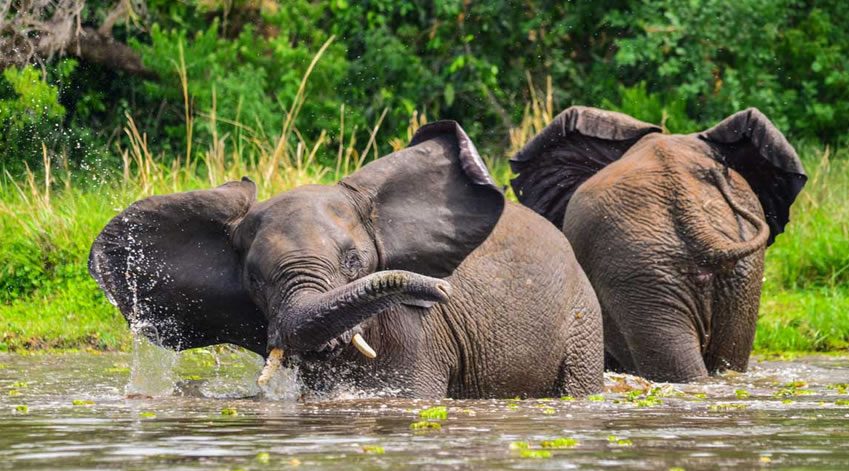
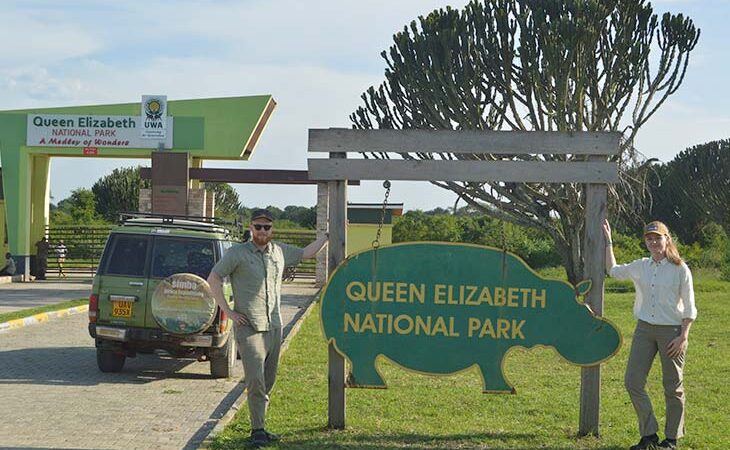
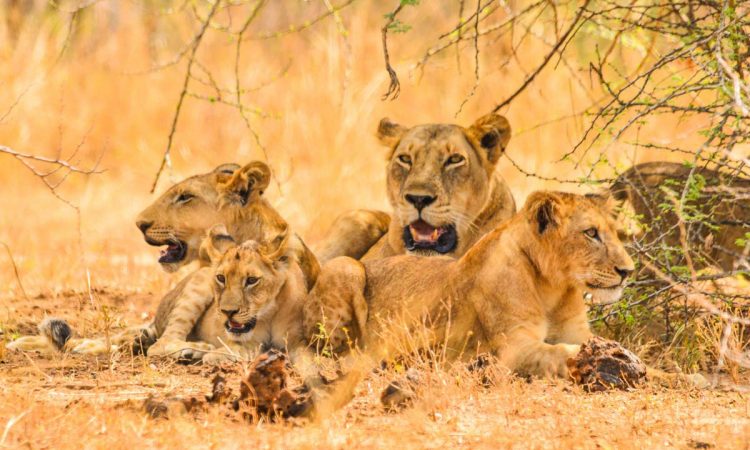
- Day 4: Transfer to Queen Elizabeth National Park for a game drive and boat cruise
- Day 5: Return to Entebbe or connect to a Rwanda extension
Want this itinerary customized to your travel dates? [Build your itinerary with GoSilverback Gorilla Safaris →]

Uganda Gorilla Safari Packing List & Fitness Tips
Pack waterproof hiking boots, a rain jacket, gardening gloves (for gripping vegetation), long trousers, a daypack, and binoculars.
Moderate fitness helps, but porters and flexible pacing make the trek accessible to most travelers, including older or less-experienced hikers.
Frequently Asked Questions
Is Uganda or Rwanda better for gorilla trekking?
Uganda offers better value at $800 versus Rwanda’s $1,500 permit, with more habituated gorilla families. Rwanda is more convenient for travelers flying directly into Kigali.
How fit do I need to be for gorilla trekking?
Moderate fitness is enough. Treks range from 30 minutes to several hours, and porters can carry your bag and assist on steep terrain.
Can gorilla permits be refunded or rescheduled?
Standard permits follow UWA‘s cancellation tiers. Low-season discounted permits ($600/$500) cannot be rescheduled under any circumstance.
What’s included in the gorilla permit price?
Park entrance, ranger and security escort, professional trackers, and a full one-hour gorilla visit.
When should I book my Uganda gorilla safari?
3–6 months ahead, especially for June–September and December–February travel dates, since only ~160 permits are issued daily.
What is the Gorilla Habituation Experience?
A four-hour session with a gorilla family still being habituated, priced around $1,800, offering deeper access than the standard one-hour trek.
Ready to See the Gorillas Yourself?
A Uganda gorilla safari is a once-in-a-lifetime encounter — but permits are limited, prices are rising, and the best trekking dates fill up months in advance. Don’t leave it to chance.
Book your Uganda gorilla trekking permit today with GoSilverback Gorilla Safaris — trusted local experts who handle your permit, itinerary, lodges, and transport from start to finish.
[Get your free, no-obligation quote from GoSilverback Gorilla Safaris now →]