
What Do Silverback Gorillas Eat in the Wild and Captivity? 2025 Guide
What Do Silverback Gorillas Eat?
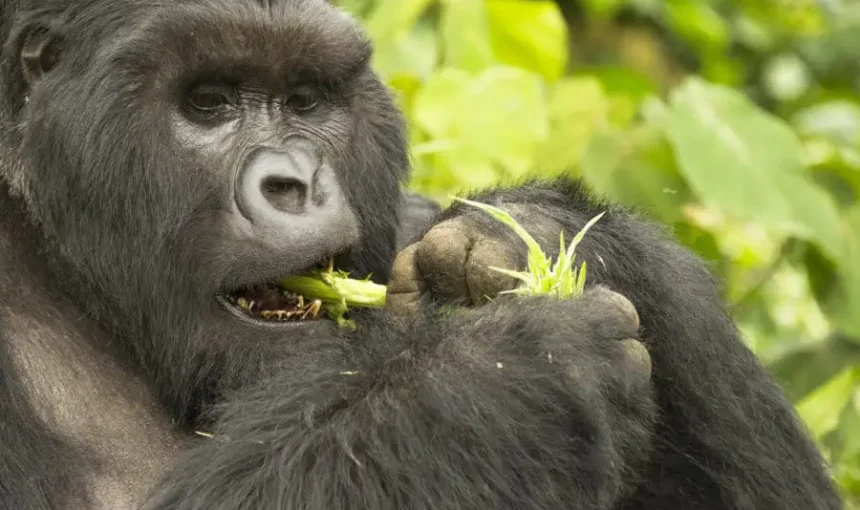
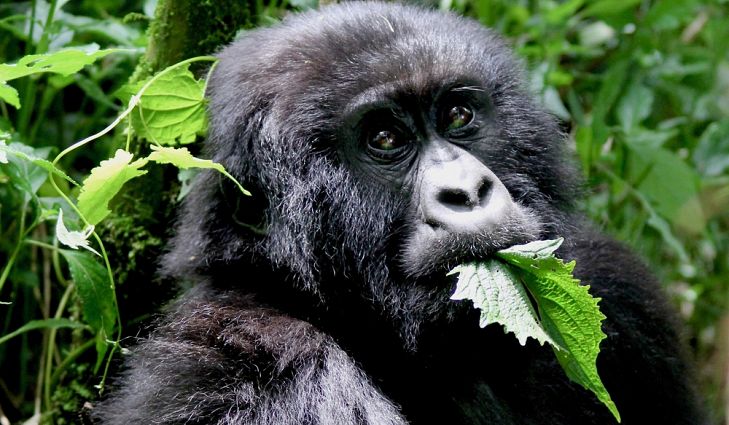
Silverback gorillas are primarily herbivores, consuming up to 60 pounds (27 kg) of vegetation daily to fuel their massive bodies. Their diet consists mainly of leaves (about 60%), stems, shoots, and pith from over 140 plant species like wild celery, nettles, thistles, bamboo, and Galium vines.
Fruits make up less than 10% when available seasonally, providing vitamins and sugars, while bark, roots, and rotting wood supplement during dry periods. They occasionally eat insects like ants or termites for protein, but meat is rare.
Succulent plants and morning dew supply most hydration, eliminating the need for drinking water. This high-fiber, low-energy-dense diet supports their strength through constant foraging and efficient nutrient absorption
An adult silverback gorilla can consume up to 60 pounds of food per day — more than ten times what a professional human bodybuilder might eat! What do silverback gorillas eat? In the wild, these powerful primates are mostly herbivorous, feeding on a variety of leaves, stems, fruits, flowers, and occasionally insects.
Their diet is carefully balanced to meet their immense energy needs, supporting their massive muscle mass and daily activities, such as climbing, foraging, and maintaining social hierarchies within their troops.
Silverbacks in zoological environments eat a slightly different diet, designed by nutritionists to replicate wild nutrition while ensuring digestive health.
Zoo diets often include specially prepared leafy greens, fruits, vegetables, and supplemental protein sources.
While wild gorillas rely heavily on seasonal availability, zoo gorillas enjoy a consistent, year-round supply of nutrients, which helps maintain their health but slightly reduces the dietary variety found in natural habitats.
In short, silverback gorillas are primarily leaf-eaters and fruit-lovers, with diets that vary according to habitat, season, and food availability.
Unlike humans, they consume vast quantities to sustain their strength, digestive system, and social activity.
Understanding what silverbacks eat highlights not just their dietary needs but also the crucial role of habitat preservation: without access to diverse plants and forests, these magnificent creatures cannot thrive.
Whether observing gorillas in the wild or in zoos, their eating habits reveal a remarkable balance of power, intelligence, and adaptation, showcasing why nutrition is central to their survival and well-being.
Quick Answer: What Do Silverback Gorillas Primarily Eat?
Silverback gorillas are 95% herbivorous folivores, meaning their diet mainly consists of leaves, shoots, stems, bark, and pith.
These nutrient-rich plant parts provide the bulk of the calories and fiber they need to maintain their massive bodies and daily energy demands.
While leaves dominate their meals, silverbacks also consume fruits, flowers, and seeds whenever they are in season, adding natural sugars and vitamins to their diet.
Occasionally, silverbacks eat insects and small animals, such as ants, termites, or grubs, which supply additional protein and minerals.
The exact diet varies depending on whether they live in dense forests like Bwindi Impenetrable National Park in Uganda or in other regions of the Virunga Mountains, as seasonal availability dictates food choices.
In both the wild and captivity, silverbacks adapt their eating habits to maximize nutrition, demonstrating their intelligence and ecological flexibility.
Their mostly herbivorous diet supports not only physical strength but also complex social behaviors.
Daily Calorie & Food Intake of a Silverback
Silverback gorillas are among the largest primates on Earth, and their daily food intake reflects their massive size and energy needs.
On average, a fully grown silverback consumes 18–25 kilograms (40–55 pounds) of food per day, primarily consisting of leaves, shoots, bark, fruits, and occasional insects.
This enormous intake ensures they meet their caloric requirements while supporting daily activities like climbing, foraging, and social interactions.
In terms of energy, silverbacks require approximately 200–300 kcal per kilogram of body weight per day, depending on age, activity level, and habitat.
For an adult male weighing around 180 kilograms (400 pounds), this amounts to roughly 36,000–54,000 kcal daily—a staggering number compared to human dietary needs.
Their digestive systems are highly adapted to extract maximum nutrients from fibrous plant matter, a feat humans cannot match without specialized diets or supplements.
To put this into perspective, here’s a simple comparison with an average adult human male:
| Species | Average Weight | Daily Food Intake | Approx. Daily Calories |
|---|---|---|---|
| Silverback Gorilla | 180 kg (400 lbs) | 18–25 kg (40–55 lbs) | 36,000–54,000 kcal |
| Human Adult Male | 70 kg (154 lbs) | 2–3 kg (4–6 lbs) | 2,500–3,000 kcal |
This table highlights the massive energy demands of silverbacks compared to humans.
Despite their herbivorous diet, gorillas’ sheer volume of food intake ensures sufficient calories, protein, and fiber.
In contrast, humans require far less food relative to body weight.
Understanding these differences underscores not only the impressive physiology of silverbacks but also the importance of abundant natural habitats to sustain their daily nutritional needs.
Core Wild Diet Breakdown of Silverback Gorillas
Silverback gorillas have a diverse and highly adaptive diet that allows them to thrive in various forest habitats.
Understanding their dietary habits provides insight into their health, behavior, and ecological role.
Below is a detailed breakdown of their primary food sources.
1. Leaves & Shoots (50–70% of Diet)
Leaves and shoots are the cornerstone of a silverback’s diet, often making up more than half of daily intake.
These fibrous plant parts provide essential fiber, protein, and micronutrients necessary to sustain their massive bodies.
Silverbacks prefer tender young leaves and shoots for easier digestion and higher nutritional content. Common sources include nettles, thistles, and herbaceous plants.
Leaves are abundant year-round, ensuring consistent energy intake, while shoots—especially from climbing plants—offer variation in taste and nutrition.
By consuming large volumes of leaves and shoots, silverbacks can extract enough calories to fuel climbing, foraging, and social behaviors.
2. Bamboo & Pith (Especially Mountain Gorillas)
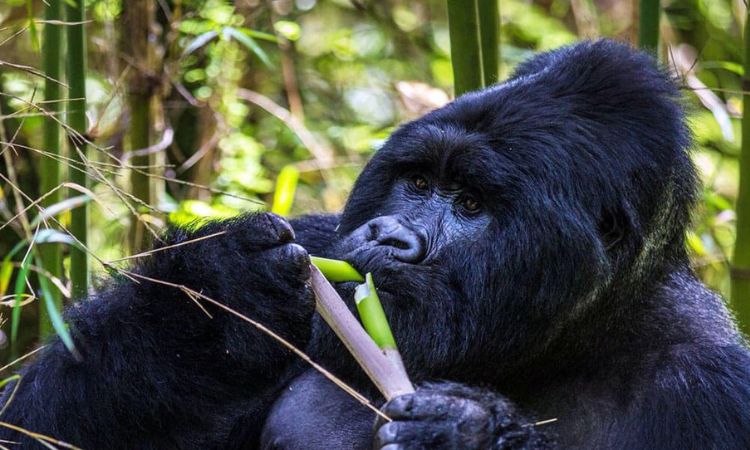
Mountain gorillas, particularly in the Virunga Mountains and Bwindi Impenetrable Forest, rely heavily on bamboo shoots and the soft inner pith of plants.
Bamboo is rich in fiber and water, helping gorillas stay hydrated and maintain gut health.
The pith, often stripped from plant stems, is soft, starchy, and energy-dense, making it a critical calorie source during lean seasons when fruits are scarce.
Bamboo consumption can peak during certain months, reflecting the gorillas’ seasonal feeding adaptations. These specialized foods highlight how gorillas have evolved to exploit unique ecological niches.
3. Fruit (Seasonal — Only 5–20% Depending on Region)
Fruits provide natural sugars, vitamins, and antioxidants, but they are only a minor component of the diet due to seasonal availability.
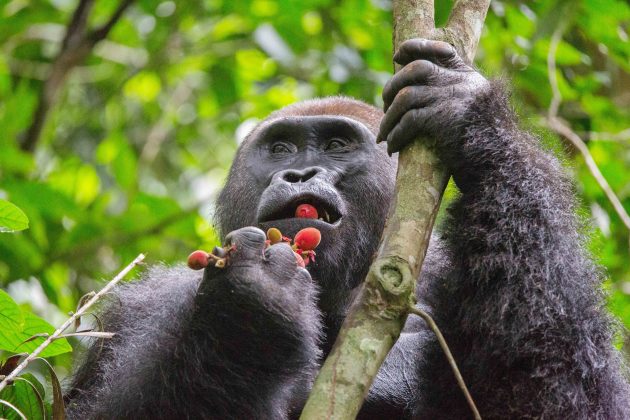
When in season, gorillas actively seek figs, guavas, and berries, often traveling considerable distances to access fruiting trees.
Fruit consumption varies by habitat: lowland gorillas may eat up to 20% fruit, while mountain gorillas in higher altitudes may get just 5%. Despite the small proportion, fruit is highly prized, providing quick energy bursts and contributing to healthy digestion.
4. Bark, Stems & Roots
Gorillas occasionally strip bark from trees and chew on stems and roots, especially when other foods are scarce. Bark offers minerals and roughage, while roots provide starchy carbohydrates.
These foods are typically eaten in smaller quantities but are critical fallback options during dry seasons or when fruits and leaves are limited.
Eating stems and roots also supports dental health, as gnawing helps wear down teeth naturally, an important factor given their long lifespans.
5. Flowers & Wild Herbs
Silverbacks consume flowers and aromatic herbs for flavor, nutrition, and possible medicinal benefits.
Flowers provide vitamins and natural sugars, while herbs may aid in digestion or parasite control.
These are minor but nutritionally significant supplements, demonstrating gorillas’ selective feeding habits and keen awareness of their environment.
6. Insects & Larvae (Termites, Ants, Caterpillars)
While mostly herbivorous, gorillas occasionally eat insects and larvae, such as termites, ants, and caterpillars.
These provide essential protein, fats, and micronutrients absent in their plant-based diet.
Foraging for insects is opportunistic, often involving manual dexterity to extract larvae from logs or soil, showcasing gorillas’ intelligence and problem-solving skills.
7. Rare Animal Matter (Documented Cases of Meat Eating)
Though extremely rare, there are documented cases of gorillas consuming small animals or scavenging meat.
Such events are exceptional and usually opportunistic, involving small rodents or bird eggs.
This behavior is not typical and represents less than 1% of their diet, but it highlights the gorilla’s adaptability and the occasional need for additional protein sources.
Silverback gorillas’ wild diet is a complex balance of leaves, shoots, fruits, flowers, and occasional animal matter, designed to meet massive energy demands while supporting social structures, reproduction, and overall health.
Seasonal variations, habitat differences, and ecological adaptations ensure that each troop thrives in its unique environment, reflecting the remarkable resilience and intelligence of these primates.
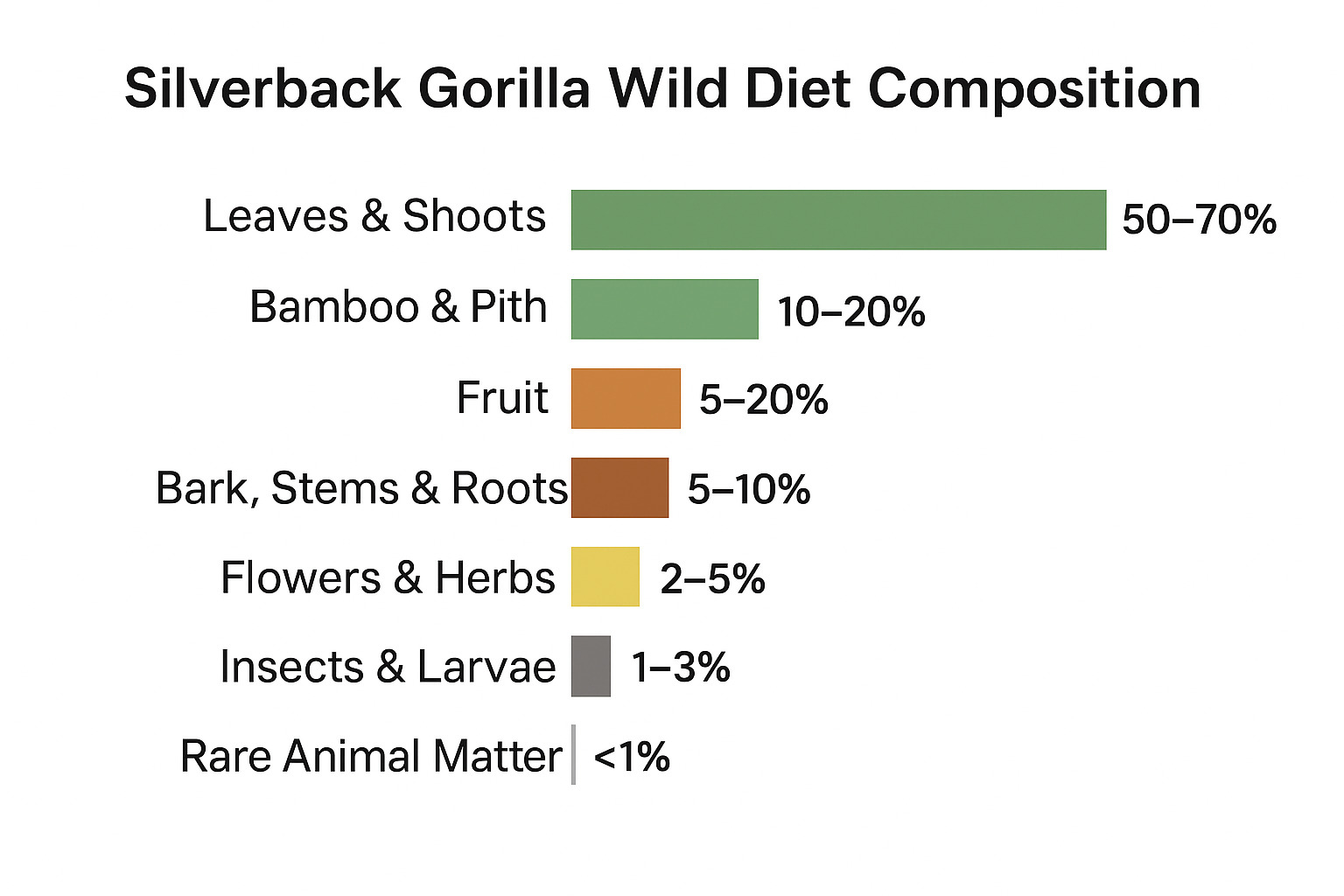
Silverback Gorilla Wild Diet Composition
| Food Type | Approx. % of Diet | Notes |
|---|---|---|
| Leaves & Shoots | 50–70% | Core energy source; fibrous, protein-rich, year-round availability |
| Bamboo & Pith | 10–20% | Especially mountain gorillas; high fiber and water content |
| Fruit | 5–20% | Seasonal; provides natural sugars and vitamins |
| Bark, Stems & Roots | 5–10% | Fallback foods; offer minerals and starchy carbohydrates |
| Flowers & Wild Herbs | 2–5% | Minor but nutritious; may aid digestion or parasite control |
| Insects & Larvae | 1–3% | Protein and micronutrient supplement; termites, ants, caterpillars |
| Rare Animal Matter | <1% | Opportunistic consumption of small animals or eggs |
Regional Differences in Silverback Gorilla Diet
Silverback gorillas adapt their diets according to habitat, food availability, and seasonality.
Differences among gorilla subspecies reflect the diversity of Africa’s forests and the varying nutritional resources they provide.
1. Virunga Mountain Gorillas (Rwanda, DRC, Uganda)
Mountain gorillas of the Virunga Volcanoes and Bwindi Impenetrable Forest primarily consume leaves, shoots, bamboo, and pith, which dominate their diet year-round. Fruits are relatively scarce at higher altitudes, contributing only 5–10% of daily intake.
These gorillas rely heavily on bamboo shoots and herbaceous plants, especially during the dry season, to maintain caloric intake. Occasional insects supplement protein, but animal matter is extremely rare.
2. Lowland Western Gorillas (Gabon, Congo)
Lowland western gorillas inhabit dense tropical rainforests with abundant fruiting trees.
Consequently, their diet is richer in fruit, which can account for 20–30% of daily intake during peak fruiting seasons.
Leaves, shoots, and pith remain staples, but lowland gorillas benefit from a more varied diet with higher seasonal diversity.
Insects and occasional small animal consumption are similar to mountain gorillas but slightly more frequent due to richer biodiversity.
3. Cross River Gorillas (Nigeria, Cameroon)
Cross River gorillas occupy fragmented forests along the Nigeria-Cameroon border, where both fruit and foliage are moderately available.
Their diet is more balanced between leaves and fruit, with shoots, stems, and occasional bamboo when available.
Limited forest size and habitat fragmentation can constrain food variety, forcing these gorillas to rely heavily on fallback foods like bark and roots during lean periods.
Insects remain a minor protein source, while rare animal consumption is almost negligible.
Comparison Table: Regional Diet Differences
| Subspecies / Region | Leaves & Shoots | Bamboo & Pith | Fruit | Bark/Roots/Stems | Flowers/Herbs | Insects/Larvae | Rare Animal Matter |
|---|---|---|---|---|---|---|---|
| Virunga Mountain Gorilla | 55–65% | 10–20% | 5–10% | 5–10% | 2–3% | 1–3% | <1% |
| Lowland Western Gorilla | 40–50% | 5–10% | 20–30% | 5–10% | 2–5% | 1–5% | <1% |
| Cross River Gorilla | 45–55% | 5–10% | 10–20% | 5–15% | 2–5% | 1–3% | <1% |
These regional differences highlight how gorilla subspecies adapt to their environment, exploiting available resources efficiently.
Mountain gorillas rely heavily on fibrous plants and bamboo due to limited fruit, while lowland gorillas enjoy a fruit-rich diet.
Cross River gorillas show flexibility in balancing foliage, fruit, and fallback foods due to fragmented habitats.
What Silverbacks Eat in Zoos & Sanctuaries
Gorillas in captivity — whether in zoos or sanctuaries — don’t eat exactly what their wild counterparts do.
Their daily menu is adapted by keepers and nutritionists to meet dietary needs, ensure health, and manage caloric intake.
1. Typical Zoo & Sanctuary Diet
-
Browse & Leafy Greens: Captive gorillas often receive a variety of leafy vegetables and browse (tree‑trimmings or branches) such as lettuce, kale, celery, and other greens. These mimic the foliage they would eat in the wild.
-
Vegetables: Root vegetables (e.g. carrots, sweet potatoes), “watery” vegetables (e.g. cucumbers, leafy salads), and assorted veggies are commonly included. At one institution, daily menu items for gorillas included radicchio, spinach, mixed vegetables (leek, chicory), root vegetables (carrots, parsnips), plus occasional nuts or pulses.
-
Fruits: Some captive gorillas are given fruits — apples, pears, grapes, etc. — though often in more limited quantities than one might expect, because cultivated fruits tend to be lower in fiber and higher in sugar and water compared with wild forest fruits.
-
High‑Fiber Primate Biscuits / Pellets: Many zoos include nutritionally balanced primate biscuits (or pellets) to ensure gorillas get necessary vitamins and minerals otherwise not covered by produce alone.
-
Browse / Branches / Bark (When Possible): Some zoos give branches or browse to provide chewing activity similar to wild foraging, which helps maintain dental health and natural behaviors.
Because captive gorillas usually roam less and don’t spend hours foraging, their diets are carefully portioned — often spread across multiple feedings with some food scattered to encourage foraging behavior.
Why the Diet in Captivity Differs from the Wild
-
Fiber vs Sugar: Wild gorillas eat mainly fibrous plants, leaves, shoots, bark, and sometimes roots — all high in fiber and relatively low in sugar. But many zoo fruits and veggies are higher in water content and simple sugars, which changes the nutritional profile. This can impact digestion and long‑term health.
-
Consistent Supply: In captivity, gorillas get a steady, reliable supply of food, regardless of season — unlike wild gorillas who must forage, deal with seasonal scarcity, and travel for fruit. This stability is good for health and longevity, but reduces dietary variety and natural foraging behavior.
-
Health management: Because captive gorillas may be less active, zookeepers often limit high-calorie or sugary foods (like fruit), and rely more on leafy vegetables and primate biscuits to control weight and ensure balanced nutrition.
-
Behavioral enrichment: Providing browse, scatter‑feeding produce, branches for chewing, and even puzzle‑style feeding helps simulate natural foraging and keep the gorillas mentally stimulated.
Wild vs Captive — Daily Menu Comparison
| Setting | Typical Daily Menu (approx.) | Main Components / Notes |
|---|---|---|
| Wild | Leaves, shoots, bamboo/pith (main), occasional fruit, bark, roots, insects/larvae | High fiber, natural seasonal variety, foraging & chewing behavior, natural fruit/wild‑plant profile |
| Zoo / Sanctuary | Leafy greens & browse, vegetables (roots & watery), occasional fruits, high‑fiber primate biscuits/pellets, browse/branches | Balanced nutrition, controlled calories, higher sugar/water content, less variety, supplemented diet, enriched environment for foraging behavior |
Captive diets are carefully designed to approximate the nutritional balance gorillas would get in the wild — but because of limitations (available produce, climate, habitat, health concerns) they inevitably differ.
The differences help ensure longevity and health in zoos/sanctuaries, though they also reduce natural foraging behaviors and the seasonal variety gorillas enjoy in their native forests.
Nutritional Analysis & Digestion of Silverback Gorillas
Silverback gorillas have evolved extraordinary digestive adaptations to thrive on a largely plant-based diet.
Unlike humans, they consume enormous amounts of fibrous leaves, shoots, and stems, which are low in simple sugars but rich in cellulose.
To extract sufficient nutrients, gorillas rely on a huge cecum and colon, which act as fermentation chambers.
Microbes in these organs break down fiber into volatile fatty acids, providing a substantial portion of the gorilla’s daily energy needs.
This allows them to survive and grow strong without consuming meat regularly.
Protein in gorillas’ diets comes almost entirely from leaves, shoots, and occasional insects, rather than from meat.
Their leafy diet provides all the essential amino acids needed for muscle maintenance and repair.
Additionally, plants supply vitamins and minerals critical for bone health, immune function, and overall metabolism.
For instance, young leaves are high in calcium and iron, while fruits and flowers contribute vitamins A and C.
Gorillas’ digestive efficiency contrasts sharply with humans, who lack a large cecum and cannot ferment fiber to the same extent.
Humans need more dense protein sources and rely on a combination of animal and plant foods to meet nutrient requirements.
Despite their herbivorous diet, gorillas meet their macronutrient and micronutrient needs through sheer volume and selective feeding.
Nutritional Comparison: Gorilla vs Human
| Nutrient Type | Silverback Gorilla | Human Adult Male (Average) |
|---|---|---|
| Daily Calories | 36,000–54,000 kcal | 2,500–3,000 kcal |
| Protein | 70–100 g from leaves/insects | 50–60 g from animal/plant mix |
| Fiber | 100–150 g | 25–30 g |
| Vitamin A | 5,000–8,000 IU from leaves/fruits | 900 IU |
| Calcium | 1,000–1,500 mg | 1,000 mg |
| Iron | 30–50 mg | 8 mg |
| Fat | 15–25 g (mostly from plants) | 70 g |
This comparison highlights the remarkable efficiency of the gorilla digestive system in extracting protein, energy, and micronutrients from a largely fibrous, herbivorous diet.
Humans, with smaller fermentation capacity, must rely on higher-quality food sources to achieve similar nutrition.
Foraging Behavior & Feeding Schedule
Silverback gorillas spend a significant portion of their day foraging and feeding, typically 6–8 hours daily.
Eating dominates their routine because their fibrous, low-calorie diet requires consuming large volumes of leaves, shoots, stems, and occasionally fruits to meet their energy needs.
Most feeding occurs in the morning and late afternoon, with short periods of resting and social interaction in between.
The silverback plays a central role in foraging. As the troop leader, he chooses feeding sites, often selecting areas with abundant tender leaves, shoots, or seasonal fruits.
His decisions influence the movement patterns and diet of the entire group, ensuring access to the most nutritious and safest food sources.
Silverbacks are also vigilant, scanning for predators or competing groups while the troop feeds.
Although tool use is rare among gorillas, some wild silverbacks have been documented using sticks to extract termites, probe for water, or manipulate objects to access food.
These behaviors demonstrate not only problem-solving ability but also cultural learning, as younger gorillas often imitate the techniques of older group members.
In short, foraging is both a survival activity and a social one, with the silverback orchestrating feeding routines, leading movements, and occasionally demonstrating innovative feeding techniques.
This combination of strategy, leadership, and intelligence ensures the troop meets its daily nutritional requirements while staying safe in the forest environment.
Common Myths & Misconceptions About Silverback Gorillas
Despite their iconic status, silverback gorillas are often misunderstood, leading to several widespread myths about their diet.
Myth 1: “Gorillas eat mostly bananas.”
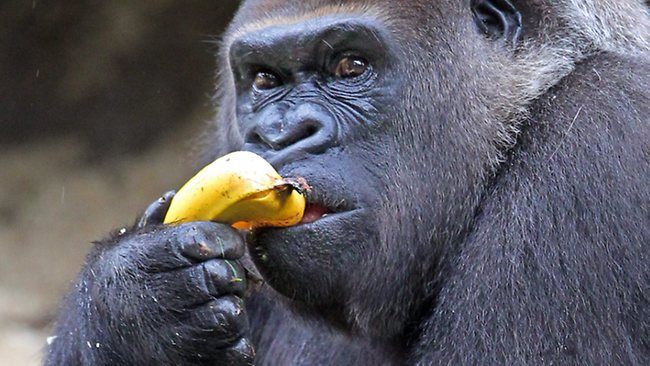
This is false. In the wild, bananas are rarely available. Silverbacks primarily consume leaves, shoots, stems, bark, and occasional fruits. The banana stereotype largely comes from media and zoo depictions, but in reality, bananas are only a minor, non-native treat in captivity.
Myth 2: “Silverbacks hunt monkeys regularly.”
Extremely rare. Gorillas are mostly herbivorous. While occasional small animal or insect consumption occurs, active hunting of monkeys is virtually nonexistent. Documented cases are exceptional and represent less than 1% of their diet.
Myth 3: “Gorillas are carnivores.”
This is completely debunked. Gorillas are primarily folivorous herbivores, relying on fiber-rich plants for most of their calories. Protein comes mainly from leaves and occasional insects, not meat.
Understanding these myths is important for conservation, education, and ecotourism. Misrepresenting gorilla diets can lead to unrealistic expectations in captivity and misunderstanding their ecological role. In truth, silverbacks thrive on a mostly plant-based, highly fibrous diet, demonstrating that size, strength, and intelligence do not require a carnivorous lifestyle.
Top 3 Gorilla Diet Myths
-
“Gorillas eat mostly bananas.” ❌
False. Wild gorillas rely on leaves, shoots, stems, bark, and seasonal fruits. Bananas are only a minor, non-native treat in captivity. -
“Silverbacks hunt monkeys regularly.” ❌
Extremely rare. Gorillas are primarily herbivores, with occasional insects or small animals making up less than 1% of their diet. -
“Gorillas are carnivores.” ❌
Completely debunked. Silverbacks get protein from plants and insects, not meat, thriving on a mostly fibrous, plant-based diet.
Quick Fact: Understanding these myths helps support accurate education, conservation, and ecotourism awareness.
How Diet Affects Silverback Gorilla Survival
A silverback gorilla’s diet is not just a matter of nutrition—it is directly linked to survival and conservation. In the wild, gorillas rely on abundant leaves, shoots, fruits, bamboo, and other vegetation.
Habitat loss from deforestation, agriculture, and human encroachment reduces the availability of these natural foods, forcing gorillas to raid crops such as bananas, cassava, or maize.
This behavior often brings them into conflict with local communities, increasing risks of injury and retaliation.
Climate change further threatens gorilla diets by altering seasonal patterns of bamboo shoots, fruits, and young leaves.
Unpredictable rainfall or prolonged dry periods can limit the growth of key food sources, forcing gorillas to expend more energy searching for sustenance.
In turn, malnutrition or decreased food availability can impact reproduction, troop health, and overall population stability.
Protecting gorilla habitats and ensuring forest connectivity are critical for maintaining a natural diet and preventing human-wildlife conflict.
Conservation initiatives that focus on forest restoration, sustainable agriculture, and climate resilience help safeguard the availability of wild foods.
By understanding the link between diet and survival, conservationists can develop strategies that support both gorilla populations and the human communities that share their environment.
Frequently Asked Questions About Silverback Gorilla Diet
What is a silverback gorilla’s favorite food?
Silverbacks primarily eat leaves, shoots, and stems, with bamboo and pith being favorites in mountain gorillas. Seasonal fruits are also enjoyed when available.
Do silverback gorillas ever eat meat?
Rarely. Gorillas are mostly herbivorous. Occasional insects, larvae, or very small animals make up less than 1% of their diet. Hunting monkeys is extremely uncommon.
How much does a silverback gorilla eat per day?
An adult silverback consumes approximately 18–25 kg (40–55 lbs) of food daily, spending 6–8 hours foraging and eating.
Can silverbacks eat bananas?
Yes, in captivity, but wild gorillas rarely encounter bananas. Bananas are sugary and not a staple of their natural diet.
What do baby silverback gorillas eat?
Infants primarily drink mother’s milk for the first 3–4 months. They gradually transition to leaves, shoots, and soft fruits under maternal guidance.
Why do gorillas eat their own poop?
This behavior, called coprophagy, allows young gorillas to ingest beneficial gut bacteria, aiding digestion and nutrient absorption.
What is the difference between mountain and lowland gorilla diets?
Mountain gorillas eat more leaves, bamboo, and pith due to higher-altitude forests, while lowland gorillas consume more fruit because of abundant lowland rainforests.
What vegetables do zoos feed silverbacks?
Zoos provide leafy greens, root vegetables, cucumbers, primate biscuits, and occasional fruits to mimic wild nutrition while ensuring a balanced diet.
How do silverbacks digest fibrous leaves?
They have a large cecum and colon, where microbes ferment fiber into fatty acids, providing energy and nutrients that humans cannot extract from leaves alone.
How does diet impact gorilla survival?
Food availability affects health, reproduction, and troop movements. Habitat loss or climate change can reduce key foods, forcing gorillas to raiding crops or travel farther for sustenance.
How often do silverbacks forage each day?
They typically spend 6–8 hours per day eating, often in the morning and late afternoon, with breaks for resting and socializing.
Are flowers and herbs important in a gorilla’s diet?
Yes, though minor, flowers and wild herbs provide vitamins, minerals, and possibly medicinal benefits, supplementing their main leafy diet.
Conclusion
Silverback gorillas are majestic, intelligent, and surprisingly selective eaters. Despite their size and strength, they rely mostly on leaves, shoots, bamboo, bark, and occasional fruits or insects to meet their enormous daily energy needs.
Mountain gorillas favor bamboo and pith, lowland gorillas enjoy more fruit, and captive gorillas thrive on carefully balanced diets of leafy greens, vegetables, primate biscuits, and occasional fruits.
Their digestive adaptations, including a large cecum and colon, allow them to extract nutrients from fibrous plant matter efficiently, a feat humans cannot replicate.
Understanding what silverbacks eat highlights the importance of habitat preservation, seasonal food availability, and conservation efforts.
Next time you see a gorilla — whether in the wild, sanctuary, or zoo — remember how much of their day revolves around foraging and feeding, shaping their social structure and survival.
Final Fun Fact: Wild gorillas eat almost no fruit—a surprising fact given the popular banana stereotype! Share if this surprised you!