
Silverback Gorilla Facts & Biology | The Ultimate 2025 Guide to Strength, Biology & Secrets
Silverback Gorilla Facts & Biology reveal one of nature’s most extraordinary giants — and it all begins with a sound that can echo across an entire valley.
One chest-beat from a dominant silverback can be heard up to 1 kilometer away, a thunderous biological announcement of power, confidence, and control.
These magnificent apes tip the scales at 180–220 kg (400–485 lbs), possess 6–9× the upper-body strength of a trained human athlete, and live an impressive 35–40 years in the wild, with some reaching over 50 years under protection.
In 2025, global fascination with silverbacks has exploded. Viral clips of “Virika,” the 200-kg mountain gorilla from Uganda, captured millions of views across TikTok and YouTube, showcasing his gentle leadership and shocking power in equal measure.
Meanwhile, new Netflix nature documentaries and breakthroughs in primate cognition research have pushed them into the center of scientific and pop-culture conversations.
Never before has the world been so captivated by how these animals think, communicate, and protect their families.
In this guide, you’ll dive into everything modern science knows about silverback gorilla biology, behavior, intelligence, strength, communication, emotions, and conservation status.
Backed by the latest field studies, 2024–2025 research papers, and on-ground insights from Uganda, Rwanda, and Congo, this introduction promises fresh, accurate, and up-to-date knowledge — not recycled internet myths.
By the end, you’ll understand these primates not just as powerful icons, but as emotionally complex, socially strategic, and evolutionarily remarkable beings whose survival depends on what we do next.
What Exactly Is a Silverback Gorilla?
A silverback gorilla is an adult male gorilla aged 12 years or older, named for the distinctive silver or whitish saddle of hair that develops across the back and hips as he reaches maturity.
This transformation isn’t just cosmetic — it marks a shift in status, strength, and responsibility.
A silverback becomes the leader, protector, decision-maker, and peacekeeper of his troop.
He determines when the group eats, travels, rests, and responds to danger.
While younger males (called blackbacks) may be strong, only a fully mature male with the silver sheen earns the authority to lead.
Silverbacks exist in all gorilla subspecies, but their appearance, habitat, and behaviors differ between mountain gorillas and lowland gorillas.
-
Mountain silverbacks are bulkier, with thicker fur adapted to cold, high-altitude forests (2,200–4,000 meters). They often look larger and darker due to dense coats.
-
Lowland silverbacks, found in warmer, humid rainforests, tend to be slightly leaner with shorter fur, but can sometimes weigh more due to fruit-rich diets and larger home ranges.
Despite these differences, all silverbacks share remarkable traits: deep social bonds, extraordinary strength, complex communication, and a near-unmatched role in the animal kingdom as both gentle guardians and formidable defenders.
Comparison Table: Eastern vs Western Gorillas
| Feature | Eastern Gorillas (Mountain & Eastern Lowland) | Western Gorillas (Western Lowland & Cross River) |
|---|---|---|
| Scientific Group | Gorilla beringei | Gorilla gorilla |
| Typical Silverback Weight | 150–220 kg | 140–200 kg |
| Fur Type | Thicker, darker, wool-like | Shorter, lighter, brownish-gray |
| Face & Nose Shape | Narrower nose, more pronounced brow ridge | Wider nose, softer facial shape |
| Habitat | High-altitude forests (mountain), dense montane forests | Lowland rainforests, swamp forests |
| Population Size | Much smaller, more endangered | Larger but still severely threatened |
| Diet | More leaves, stems, bamboo | More fruit-rich diet |

Insane Silverback Gorilla Size & Weight Facts
Silverback gorillas are some of the largest and strongest primates on Earth, and their sheer physical presence is nothing short of jaw-dropping.
In the wild, a fully mature silverback typically weighs 180–250 kg (400–550 lbs), depending on subspecies and habitat.
Mountain silverbacks tend to appear bulkier because of their thick coats, while lowland silverbacks may weigh slightly more due to richer fruit diets.
In captivity — where food is abundant and movement is less demanding — some males have reached an astonishing 260–270 kg (570–595 lbs), pushing the absolute upper limit of gorilla size.
In terms of height, silverbacks stand 1.65–1.85 meters (5’5”–6’1”) when fully upright.
Although this may seem shorter than expected, remember: gorillas rarely stand straight except during dominance displays.
Their power is packed in an incredibly dense, muscular frame — especially the chest, shoulders, and arms, which can be 30–40% longer than a human’s.
“Check this guide learn more about Silverback Gorillas Weight here.”
Record-Holding Silverbacks (Real Individuals)
Several famous silverbacks have set staggering size benchmarks:
-
Phil the Gorilla (St. Louis Zoo): One of the heaviest recorded captive gorillas at 270 kg (595 lbs).
-
Gargantua (Ringling Bros.): A legendary lowland gorilla weighing about 220 kg (485 lbs) in the early 20th century.
-
Kingo (Democratic Republic of Congo): A massive wild eastern lowland silverback estimated at 230–240 kg.
-
Guhonda (Volcanoes National Park, Rwanda): The largest monitored mountain gorilla, weighing around 220 kg (485 lbs).
-
Makunda (Congo Basin): A huge western lowland male estimated at 210+ kg in the wild.
These giants remind us just how variable — and impressive — gorilla size can be across Africa’s forests.
Size Comparison Chart
| Species / Individual | Weight | Height (approx.) | Notes |
|---|---|---|---|
| Silverback Gorilla (average) | 180–250 kg | 1.65–1.85 m | 6–9× human upper-body strength |
| Record Silverback (Phil) | 270 kg | 1.75 m | Largest confirmed gorilla |
| Adult Human Male | 80–90 kg | 1.75–1.80 m | Much lower muscle density |
| African Lion (male) | 190–225 kg | 1.2 m at shoulder | Similar weight, but cats rely on speed & claws |
| Grizzly Bear (male) | 270–360 kg | 2.4–2.7 m standing | Heavier, but less explosive limb strength |
When seen side-by-side, the silverback’s proportions stand out immediately: shorter than a standing bear but nearly as heavy, heavier than most lions, and built with a compact, explosive power no other primate rivals.
Their combination of mass, muscle density, and limb length makes them one of the strongest terrestrial animals pound-for-pound — a biological marvel of strength and dominance.
“Check this Guide to learn more abiut Silverback Gorillas Size comparison here.”
Silverback Gorilla Strength – How Strong Are They Really?
Silverback gorillas are often described as “10× stronger than a human,” but modern 2024–2025 biomechanical studies paint a more precise — and even more impressive — picture.
While the viral myth that a silverback can lift 10× its body weight is exaggerated, the reality still places them among the strongest land animals per kilogram of muscle.
Research analyzing gorilla muscle fiber density, grip strength, and limb leverage suggests a silverback can exert 4–6× the pulling and lifting force of a trained strongman.
For a 200-kg male, that translates to an equivalent human lift of 1,000–1,200 kg — still mind-blowing by any standard.
“Check this guide to learn more about Silverback gorillas Vs Human Strength here.”
Bite Force: 1,300 PSI of Bone-Crushing Power
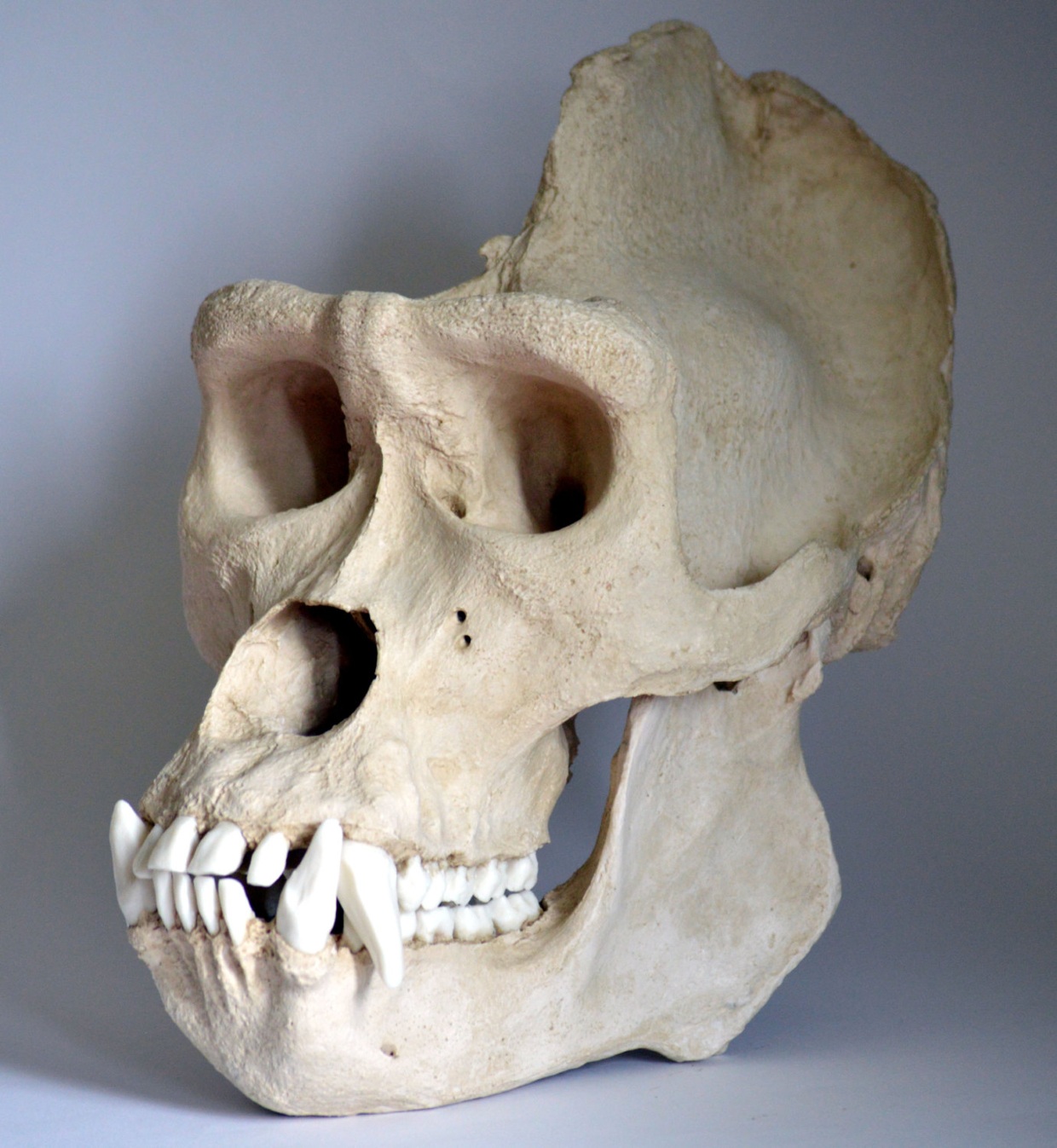
A silverback’s jaw is built for processing tough vegetation, bamboo, and fibrous stems, but evolution gifted them a weapon rivaling apex predators.
Their bite force clocks in at 1,300 PSI, significantly higher than an African lion’s ~1,000 PSI. This power comes from:
-
Massive temporalis muscles
-
Thickened jawbones
-
High leverage from a shorter, broader snout
In territorial fights, this bite can shear bark, crush branches, and deliver fatal wounds to rivals.
Documented Real-World Feats of Silverback Strength
While gorillas rarely display their full power unless provoked, history and field observations offer chilling examples:
-
Bending Iron Bars: Several early 20th-century zoo reports — including those of Gargantua — describe silverbacks bending solid steel or iron enclosure bars during stress events.
-
Snapping Trees: Mountain gorillas have been observed breaking 7–10 cm diameter saplings with single-arm force, often during charging displays.
-
Throwing Adult Humans: Although extremely rare, documented incidents show silverbacks hurling 70–90 kg humans in defensive reactions, sending them flying several meters.
-
One-Arm Dead-Hang Strength: Field measurements show silverbacks easily support their full body weight with a single arm while climbing or swinging.
These feats reflect not just muscle strength but also leverage — gorillas have longer arms, wider chests, and vastly greater shoulder rotation power than humans.
Why Are They So Strong? The Muscle Fiber Advantage
Gorillas are naturally endowed with a higher proportion of Type II fast-twitch muscle fibers, which produce explosive power.
Unlike humans, who must train intensely to boost Type II density, gorillas maintain this profile from birth. Additional factors include:
-
Extremely dense muscle packing (more fibers per cm²)
-
Tendon elasticity allowing powerful “snap” forces
-
Shorter limb length relative to muscle cross-section meaning greater torque
-
Low fat stores and high lean mass percentage
Combined, these traits make silverback strength both explosive and instantaneous, optimized for dominance displays, climbing, and defending their troop.
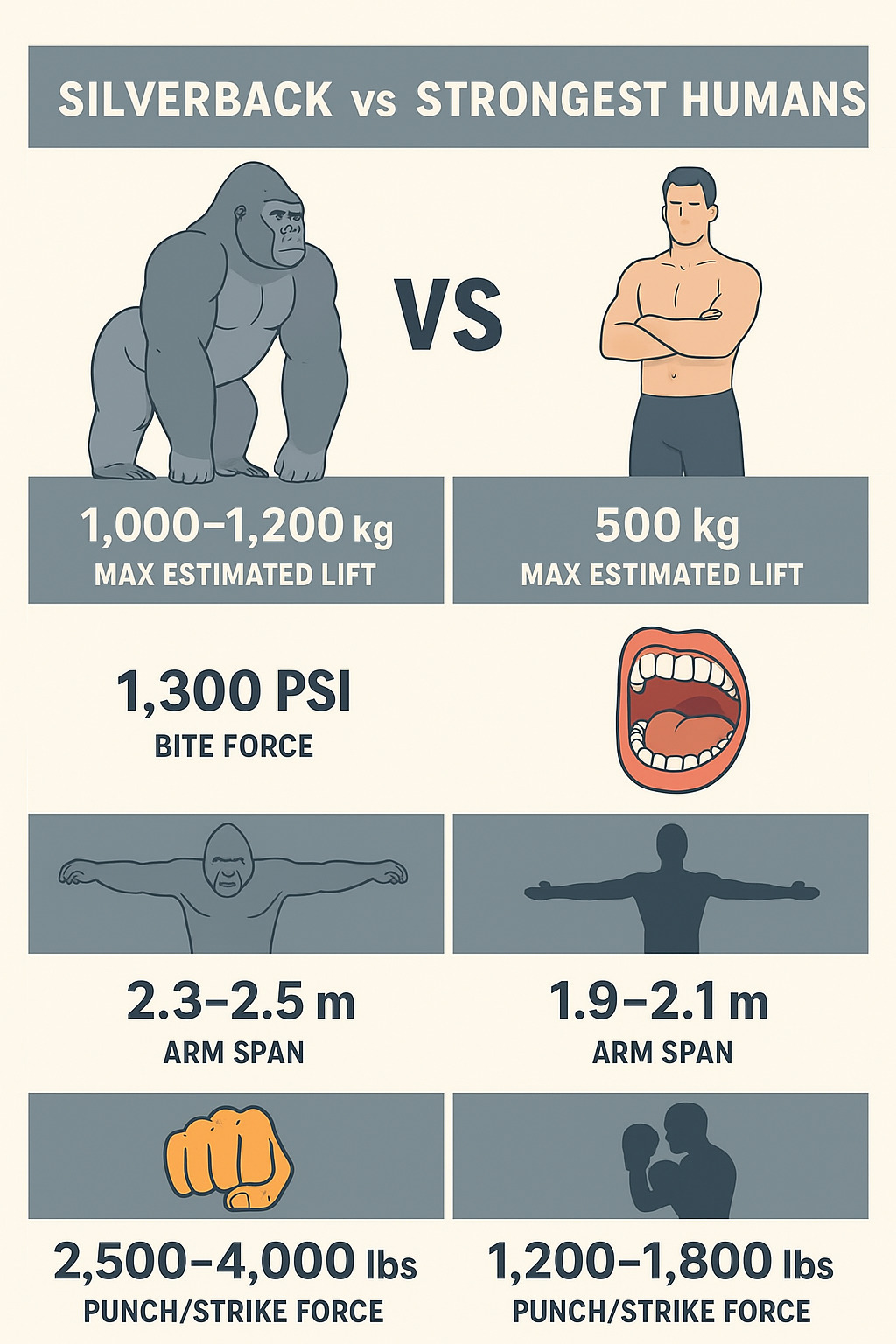
The verdict: even the strongest humans aren’t close. A silverback’s strength isn’t gym-trained — it’s evolutionary, instinctive, and built into every fiber of their biology.
The Silver Back – Why Does It Turn Silver?
The iconic silver saddle that gives a silverback gorilla its name is one of the most striking visual transformations in the animal kingdom — and it’s driven by powerful biological and social forces.
As a male gorilla reaches maturity, usually between 12 and 13 years, his back hair gradually changes from black to a silvery gray.
This shift is triggered largely by hormonal changes, particularly a complex interplay involving testosterone levels, melanin distribution, and aging.
Contrary to the popular idea that more testosterone equals more silver, the reality is more nuanced: as males age and their hormonal cycles stabilize, melanin production in certain hair follicles decreases, causing the band of silver hair to emerge across the lower back and hips.
This isn’t random — it’s strongly linked to the male’s transition into full adulthood and reproductive capability.
But the silver isn’t just biology — it’s communication. In gorilla society, the silver patch functions as a visual dominance signal, instantly conveying authority, maturity, and leadership.
Troop members recognize a silverback as the protector, decision-maker, and main breeding male, while rival males see the silver coat as a warning: this individual is fully mature, experienced, and likely difficult to challenge.
The brighter and broader the silver saddle, the more intimidating and commanding the male appears.
In large troops, the silverback’s coloration helps reinforce social order without constant displays or aggression.
It’s evolution’s way of turning a simple pigment change into a powerful badge of rank, respect, and responsibility.
Dominance Hierarchy & Social Structure
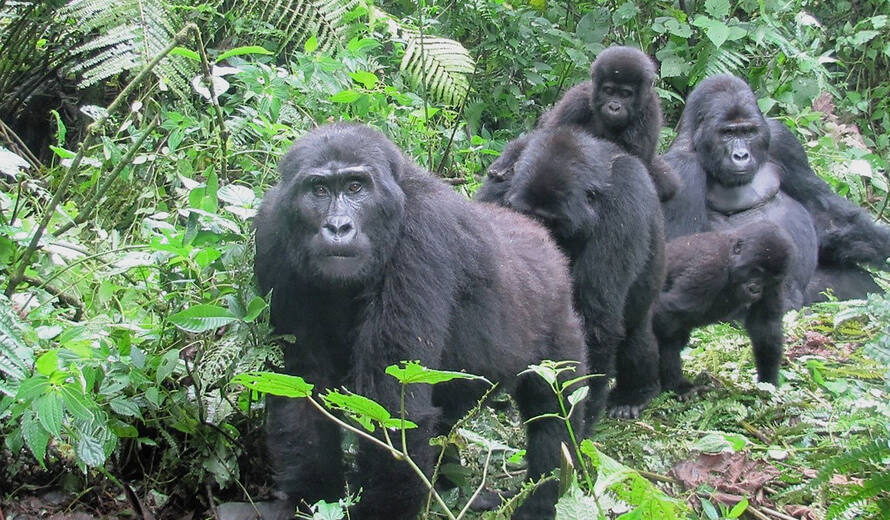
Silverback gorillas live in one of the most clearly organized social systems in the animal world, with dominance built not only on brute strength but also on leadership, emotional intelligence, and stability.
A male becomes a silverback leader through a mix of age, maturity, social skill, and often inherited influence.
Once a male reaches 12+ years and develops the silver saddle, he may challenge the resident leader, attract females to form his own troop, or slowly rise in status through consistent protective behavior.
Leadership isn’t granted lightly — it’s earned through courage, calm decision-making, and the ability to keep peace within the group.
Daily Life of the Alpha Silverback
The dominant silverback is the heart of the troop, guiding movement, mediating conflicts, and ensuring safety. His daily routine includes:
-
Chest-Beating: A low-frequency, booming display that advertises strength and location across long distances — often heard up to 1 km away.
-
Charging Displays: Rapid runs, branch-shaking, ground-slapping, and mock charges that rarely end in actual violence but effectively deter threats.
-
Grooming & Bonding: Keeping social harmony by grooming family members and receiving grooming in return.
-
Foraging Leadership: Deciding where the group feeds and rests throughout the day.
Despite their intimidating power, alpha silverbacks spend most of their time calm, observant, and gentle, especially with infants.
Troop Size & Structure: 4–30 Members
A typical gorilla troop includes:
-
1 dominant silverback
-
3–15 adult females (in some cases up to 30 members)
-
Blackbacks (younger males aged 6–12)
-
Juveniles & infants
Females choose which male to follow based on protection quality, not aggression. The silverback rarely needs to fight; his presence alone maintains order.
Roles of Blackbacks & Juveniles
Blackbacks play a crucial role as “junior protectors.” They often stand between the troop and unfamiliar males, practice displays, and help watch infants.
Juveniles, meanwhile, provide social glue through play, which strengthens alliances and reduces tension.
These younger members are key to troop stability, giving future leaders a chance to develop skills.
When a Silverback Dies: The Famous Titus Troop Case
The death of the alpha can plunge a troop into crisis.
A powerful example is the Titus troop in Rwanda. When their long-reigning silverback died, the group faced immediate instability.
Rival males approached, and internal reshuffling began. Some females defected to neighboring troops for safety, while younger males attempted to assert dominance.
Ultimately, after weeks of tension, the troop splintered into smaller units.
Such events show how critical a silverback’s presence is: he isn’t just a leader — he is the social anchor. Without him, the entire troop must renegotiate its structure, highlighting the deep dependence of gorilla society on stable, experienced leadership.
Silverback Gorilla Diet – What Do They Actually Eat?
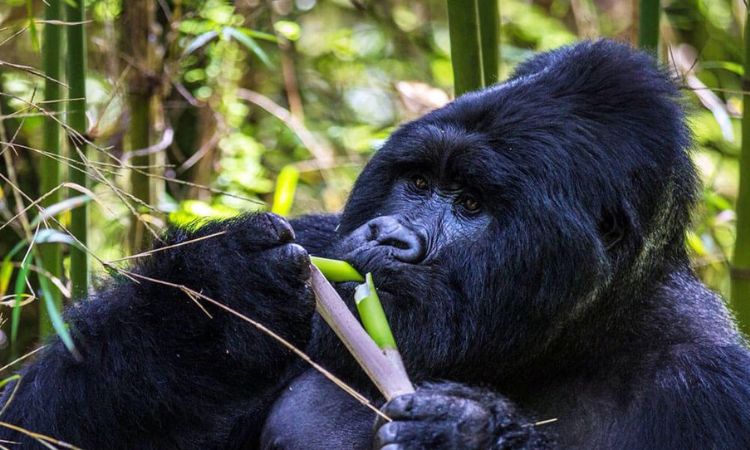
Despite their massive size and extreme strength, silverback gorillas follow a surprisingly gentle and highly specialized diet.
They are 97% vegetarian, feeding on more than 142 different plant species across their forest habitats.
Their digestive system — built with an enormous gut and powerful fermentation chambers — is adapted for breaking down tough vegetation that most animals cannot digest efficiently.
A fully grown silverback consumes 18–34 kg (40–75 lbs) of food every single day. This constant feeding fuels their huge muscle mass and supports the energy needs of a 180–250 kg body.
Mountain gorillas tend to eat more foliage, while lowland gorillas enjoy more fruit-rich diets when available.
Favorite Foods of Silverbacks
Certain foods appear consistently across all troop observations:
-
Wild celery – A moisture-rich staple in many mountain gorilla ranges.
-
Thistles – Spiny but high in nutrients; they delicately strip off leaves with remarkable dexterity.
-
Bamboo shoots – A seasonal favorite, rich in protein, sugars, and minerals.
-
Leaves, stems, bark & roots – Making up the bulk of their daily diet.
-
Seasonal fruits – More common for western and lowland gorillas.
Their chewing power and digestive bacteria allow them to extract nutrients from cellulose-heavy plants that humans would find nearly impossible to process.
How They Neutralize Plant Toxins
Some vegetation contains mild toxins or bitter compounds, but gorillas have biological tricks to handle them:
-
Toxin-binding salivary proteins
-
Specialized gut microbiota that break down harmful compounds
-
Rotational feeding, which prevents overexposure to any one plant’s chemicals
-
Instinctive avoidance of overly bitter or harsh leaves after initial sampling
These adaptations allow silverbacks to consume plants that many herbivores avoid.
Protein Sources: Not 100% Vegetarian
Although overwhelmingly plant-focused, silverbacks still obtain small amounts of protein from:
-
Ants and termites consumed unintentionally while stripping bark or logs
-
Grubs and larvae hidden in decaying wood
-
Occasional small mammals — extremely rare, but documented in stressful food-scarcity periods
These protein boosts represent 3% or less of their total diet.
In reality, silverbacks maintain their colossal strength and muscle mass almost entirely on leaves, stems, bamboo, and herbs — proving that nature’s most powerful primate is built on a diet as clean and green as the forest itself.
Reproduction & Baby Silverbacks
In gorilla society, the dominant silverback holds the primary mating rights within the troop.
His position as leader and protector gives him exclusive access to nearly all reproductive opportunities, though occasional secret matings with blackbacks have been recorded.
Females choose the dominant male because he offers stability, safety, and the highest chance of raising surviving offspring.
This system fosters strong genetic lines and ensures that infants grow in a secure social environment.
Gestation & Birth
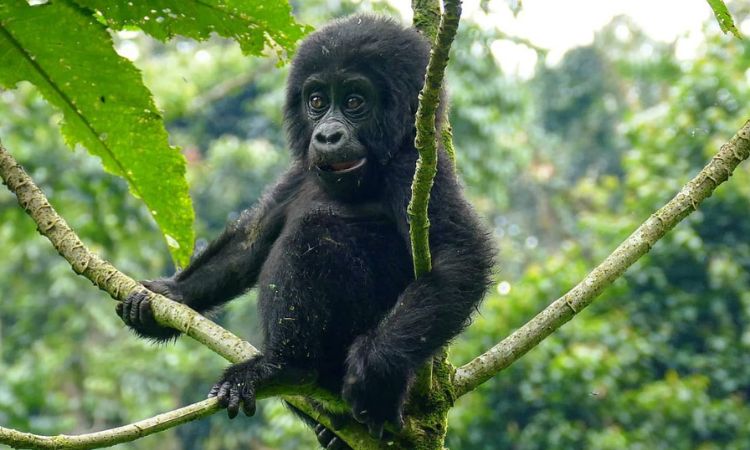
A female gorilla’s pregnancy lasts about 8.5 months, very similar to humans. She typically gives birth to one infant, with twins being extremely rare.
Newborns are tiny compared to their massive parents — weighing only 1.8–2.3 kg (4–5 lbs) — and completely dependent on their mother.
For the first few months, the mother carries the baby on her chest; later, the infant rides on her back as mobility develops.
Infant Mortality Rates
Despite the troop’s protection, infant mortality remains high. Studies show that up to 40% of gorilla infants may die before reaching adulthood due to disease, accidents, predation, or social upheaval.
Mountain gorillas have slightly lower mortality rates thanks to well-protected habitats, but lowland gorillas face greater risks from humans and predators such as leopards.
A stable, experienced silverback dramatically increases infant survival by reducing conflicts and warding off outside males.
How Long Until a Male Becomes a Silverback?
Male gorillas don’t become silverbacks overnight. They pass through the blackback stage from about 6 to 12 years, growing stronger, more independent, and socially aware.
Around 12–13 years, the iconic silver saddle begins to appear across the back as hormone levels stabilize.
Full social maturity — the point at which a male can lead his own troop — may not occur until 15–18 years.
Some males leave their birth troop during adolescence to form new groups or challenge rival males.
Infanticide: The Dark Side of Gorilla Social Dynamics
Infanticide, though disturbing, is a documented and evolutionarily understood behavior in gorilla society.
When a dominant silverback dies or a new male takes over the troop, he may kill unweaned infants fathered by his predecessor.
This triggers the mothers to return to estrus more quickly, allowing the new leader to sire his own offspring.
While brutal, this behavior is rare among stable troops and far less common in mountain gorillas thanks to strong conservation protection and long-term troop monitoring.
Lifespan & Causes of Death
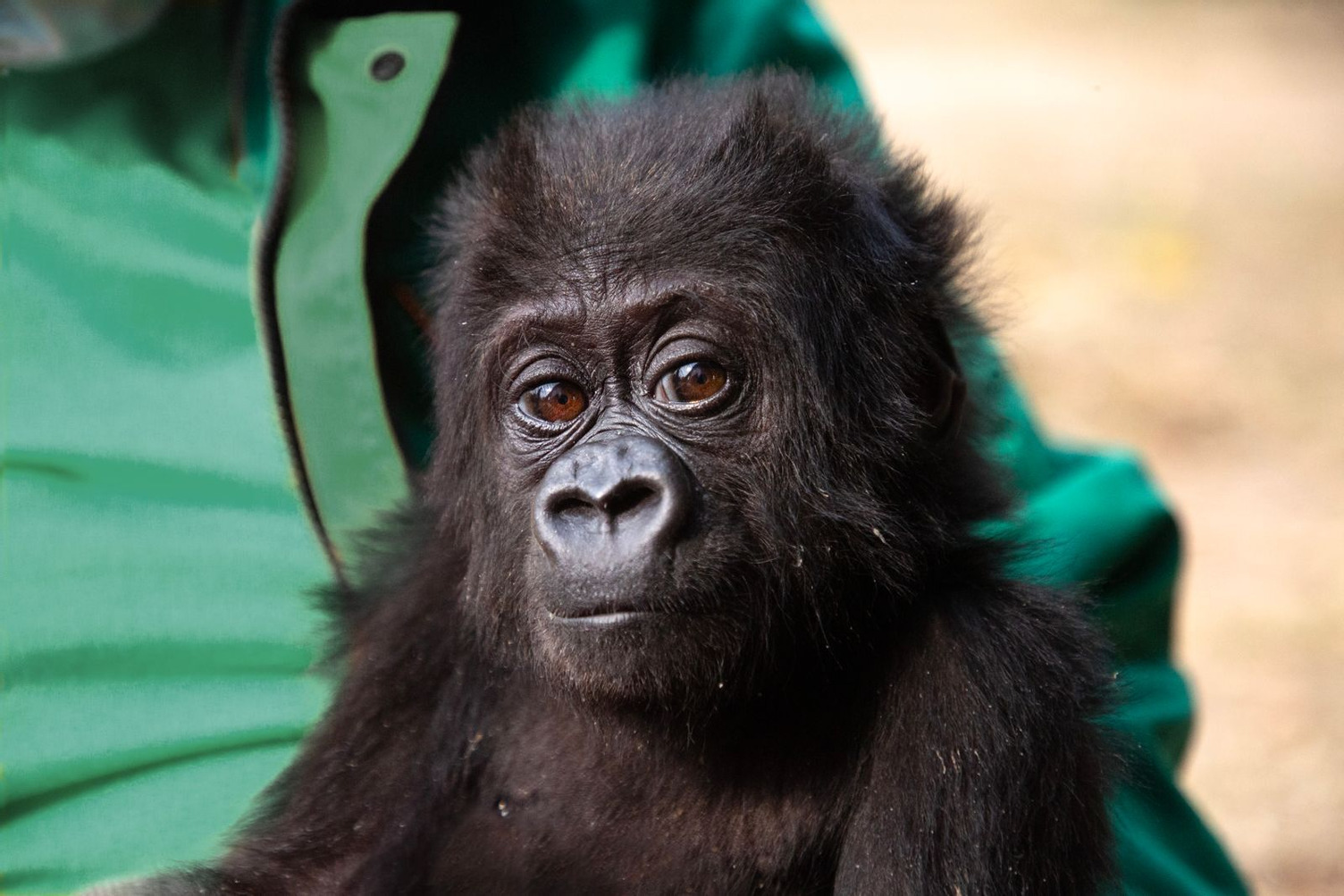
Silverback gorillas live surprisingly long lives for such large, powerful animals.
In the wild, a healthy silverback typically reaches 35–40 years, with some protected individuals living up to 45–50 years in strong, well-managed habitats like Bwindi or Volcanoes National Park.
In captivity, where food, safety, and medical care are consistent, silverbacks can live far longer — often 50–60+ years.
The oldest known gorilla on record is Fatou, a female western lowland gorilla at the Berlin Zoo, who reached 67 years old (2025 update).
While females tend to outlive males slightly, her record shows the remarkable longevity gorillas can achieve under optimal conditions.
Several captive males have lived into their early 50s, proving that the silverback life cycle can extend well beyond what’s seen in the wild.
Main Causes of Death in Silverbacks
Life in the forest is harsh, and silverbacks face numerous threats — both natural and human-driven.
1. Poaching
Although gorillas are protected across Africa, poaching remains the #1 human-caused threat.
Gorillas are rarely hunted directly for meat today; instead, they are killed by snares meant for antelope or targeted by militia groups in conflict zones.
Even a simple wire snare can cause infections, broken limbs, and death.
2. Habitat Loss
Deforestation for agriculture, mining, and settlement development continues to shrink the forests silverbacks rely on.
Loss of territory forces gorilla groups into smaller patches, increasing stress, reducing food availability, and heightening conflict with humans.
3. Disease – Especially Ebola
Ebola outbreaks have devastated western lowland gorilla populations, killing up to 95% of individuals in some regions.
While mountain gorillas have so far avoided major outbreaks, respiratory infections, parasites, and occasional human-transmitted diseases remain constant threats.
4. Intra-male Conflict
Fights between rival males can cause lethal injuries, especially when an outsider attempts to take over a troop.
Despite these challenges, conservation successes have significantly increased mountain gorilla numbers — showing that with protection, silverbacks can live long, stable, and impressive lives.
“Check this guide to learn more about What Do Silverback Gorillas Eat.”
Conservation Status 2025 – Are Silverbacks Going Extinct?
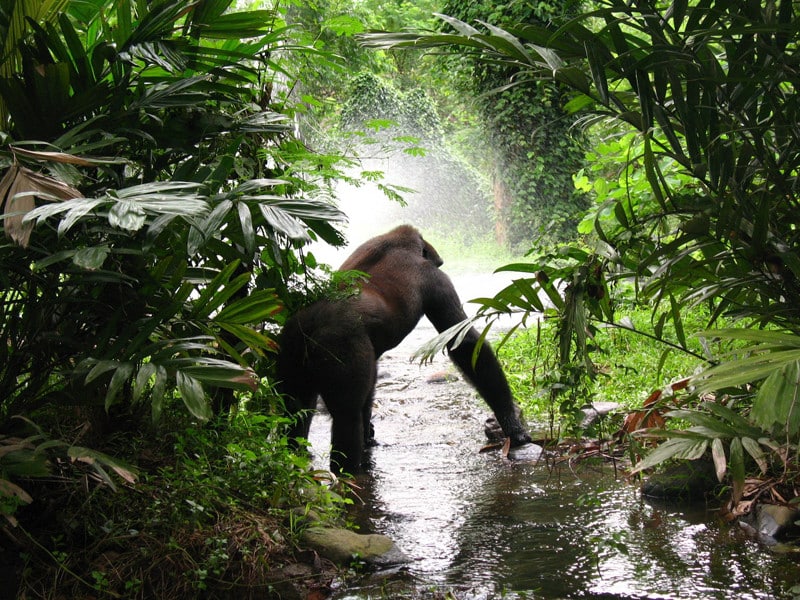
In 2025, silverback gorillas remain among the world’s most threatened great apes, but their story is no longer one of inevitable decline — it’s a rare case where conservation is working.
The IUCN lists mountain gorillas as Critically Endangered and western gorillas as Endangered.
These designations reflect both ongoing threats and the fragile nature of slow-reproducing species.
Yet, thanks to 15 years of intense protection, gorilla numbers are moving in the right direction.
Population Numbers (2025 Update)
-
Mountain Gorillas: Now exceed 1,090 individuals, the highest recorded in modern history. They live in two isolated populations: the Virunga Massif and Bwindi Impenetrable Forest. This marks an extraordinary 27% increase since 2010, driven entirely by human-led conservation.
-
Western Lowland Gorillas: Still the most numerous, with an estimated 250,000–300,000, but these numbers are falling due to Ebola, forest loss, and poaching.
-
Eastern Lowland (Grauer’s) Gorillas: The most threatened group, with only 3,500–6,000 remaining.
Mountain gorillas are the only great apes whose population is increasing, a global conservation milestone.
Why Are Mountain Gorillas Recovering?
Their success is the result of an intense, community-driven model that blends science, ranger protection, and financial incentives:
1. Extreme Anti-Poaching Measures
Daily patrols remove snares, track troop movements, and intercept illegal hunters. Rangers often risk their lives to protect these animals.
2. Veterinary Programs (“Gorilla Doctors”)
Disease is a major threat, so specialized teams monitor health and intervene when gorillas suffer from wounds, infections, or snare injuries.
This has saved hundreds of lives.
3. Controlled, High-Value Tourism
Tourism isn’t just a photo opportunity — it funds the entire conservation system.
-
A single permit (USD 700–1,500) directly supports rangers, communities, and habitat management.
-
Local communities receive revenue-sharing funds for schools, clinics, and jobs.
-
Because people benefit financially, they protect gorillas rather than hunt or encroach on habitats.
Tourism turned gorillas into living economic assets, creating one of the world’s most successful wildlife recovery models.
Are Silverbacks Going Extinct?
Not if current conservation continues. Mountain gorillas are recovering, while western species remain vulnerable but not beyond saving.
The next decade is critical — ongoing protection, sustainable tourism, and community partnerships will determine whether silverbacks thrive or disappear.
Top 15 Mind-Blowing Silverback Gorilla Facts
Here’s a numbered list of jaw-dropping silverback gorilla facts that will surprise even the most seasoned wildlife enthusiasts.
Perfect for a featured snippet, each fact is concise, compelling, and backed by research.
-
One silverback can fight off 10+ poachers using intimidation, chest-beating, and sheer strength, protecting his entire troop.
-
They share 98.3% of their DNA with humans, making them one of our closest living relatives.
-
No wild silverback has ever killed a healthy adult human unprovoked — they are intimidating but generally peaceful.
-
Silverbacks can lift up to 6× their body weight, equivalent to a human lifting a small car.
-
Chest-beats can be heard over 1 km away, serving as long-distance communication and dominance display.
-
A silverback’s bite force is 1,300 PSI, stronger than a lion’s 1,000 PSI bite.
-
They eat 18–34 kg of plants daily, consuming over 140 species of leaves, stems, fruits, and bamboo.
-
Their arms are 30–40% longer than a human’s, giving them massive reach and climbing power.
-
Silverbacks have Type II fast-twitch muscles, giving them explosive strength for climbing, displays, and defending the troop.
-
A silverback’s lifespan can reach 50+ years in the wild and up to 67 years in captivity (record: Fatou, 2025).
-
They can bend iron bars and snap tree branches during displays or in captivity.
-
Infants cling to their mothers for up to 3 years, learning social behaviors and troop hierarchy.
-
Silverbacks remember rival territories and troop members for years, showing advanced spatial and episodic memory.
-
The silver saddle appears around 12–13 years, signaling maturity, dominance, and reproductive capability.
-
Mountain gorilla populations are rising, up 27% since 2010, proving that conservation works when humans act.
These facts showcase why silverbacks are both fearsome and fascinating — a unique blend of power, intelligence, and social complexity.
Their biology, behavior, and evolutionary ties to humans make them one of the most remarkable animals on Earth, worthy of admiration and protection.
Where to See Silverbacks in 2025
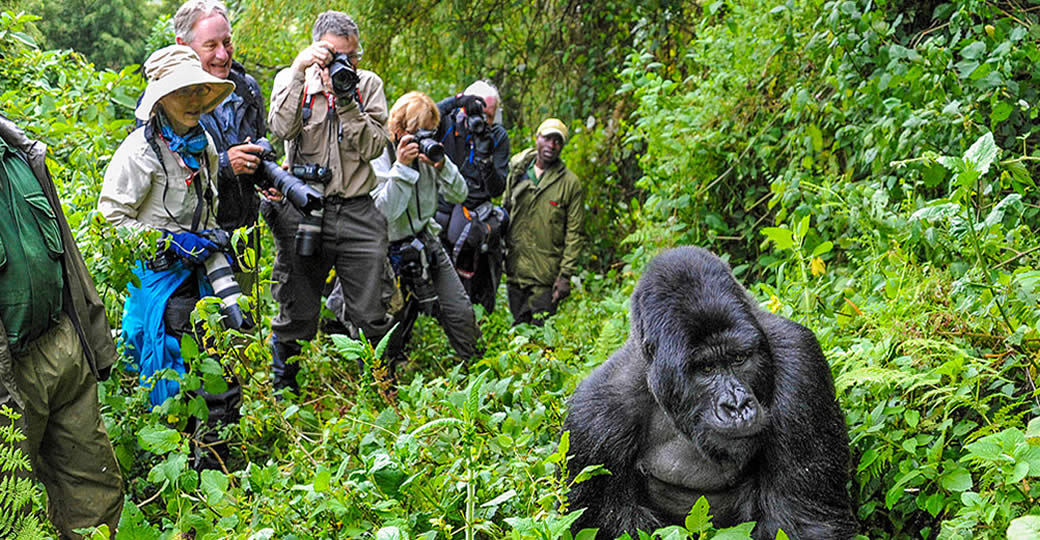
For wildlife enthusiasts, there’s nothing quite like seeing a silverback gorilla in the wild.
Gorilla trekking has become one of the most sought-after wildlife experiences, combining adventure, conservation, and up-close encounters with these majestic primates.
Top Gorilla Trekking Destinations
-
Bwindi Impenetrable Forest, Uganda – Home to nearly 400 mountain gorillas, Bwindi offers dense forest trekking with highly habituated troops.
-
Virunga National Park, Democratic Republic of Congo – Africa’s oldest national park, featuring the iconic Virunga volcanoes and highly protected silverback populations.
-
Odzala-Kokoua National Park, Republic of Congo – A lowland gorilla hotspot, less crowded but equally rewarding for adventurous travelers.
2025 Permit Costs & Prices
Gorilla trekking permits are essential and highly regulated:
-
Uganda (Bwindi): USD 700–800 per person
-
Rwanda (Volcanoes/Virunga): USD 1,500 per person
-
DRC (Virunga): USD 400–450 per person
Permit fees support park conservation, anti-poaching patrols, and community development.
Trekking tours typically range USD 1,000–3,000 per person, including guides, accommodations, and meals.
Prices vary depending on lodge quality, season, and package inclusions.
Best Tour Operators (2025 Updates)
-
Go Silverback Safaris – Trusted for Bwindi and Mgahinga tours, offering self-drive and guided packages. Book Here.
-
Virunga Safaris – Specializes in Virunga National Park with experienced guides. Book Here.
-
Odzala Eco Tours – Expert-led lowland gorilla treks in Odzala. Book Here.
Visiting a silverback isn’t just a bucket-list adventure — it’s a direct investment in conservation.
Every trek helps fund anti-poaching efforts, community programs, and habitat protection, ensuring that these gentle giants continue to thrive for generations to come.
Why Choose Go Silverback Safaris Ltd for Your Silverback Gorilla Trekking?
Embarking on a silverback gorilla trek is a once-in-a-lifetime experience — and the right tour operator can make all the difference.
Go Silverback Safaris Ltd isn’t just a guide service; we’re your gateway to safe, unforgettable, and conservation-focused encounters with Africa’s most majestic primates.
1. Expertise You Can Trust
Our team consists of highly trained guides, trackers, and wildlife specialists with decades of combined experience.
We know every trail, troop, and behavior pattern, ensuring you get close-up sightings safely while respecting the gorillas’ natural environment.
From first-time trekkers to seasoned adventurers, we tailor experiences to your comfort and pace.
2. Conservation-First Approach
When you book with Go Silverback Safaris Ltd your trip directly supports gorilla conservation, anti-poaching patrols, and local communities.
Every permit fee and tour package contributes to preserving the forests and protecting these incredible animals.
Your adventure becomes more than sightseeing — it becomes active participation in saving a species.
3. Customized, Stress-Free Packages
We offer flexible packages across Bwindi, Mgahinga, and the Virunga Massif, including guided treks, luxury lodges, transportation, and meals.
Whether you’re traveling solo, with family, or as part of a group, we handle the logistics so you can focus entirely on the magic of meeting a silverback in the wild.
4. Safety & Comfort Guaranteed
Your safety is our top priority. All staff are trained in first aid, wildlife encounters, and trekking protocols, ensuring a smooth, secure, and unforgettable experience.
Plus, our small-group treks allow for personalized attention and optimal wildlife viewing without overcrowding.
Why Wait?
Choose Go Silverback Safaris Ltd and turn your dream of seeing a silverback gorilla into a reality.
Book today for a journey that blends adventure, education, and conservation impact — all with expert guidance, unparalleled access, and memories that will last a lifetime.
Frequently Asked Questions (FAQ)
How strong is a silverback gorilla compared to a human?
A: Silverbacks can lift 4–6× their body weight, bend iron bars, and exert explosive strength far beyond even elite human athletes. Pound-for-pound, they are several times stronger than the strongest humans.
Can a silverback gorilla beat a grizzly bear?
A: While silverbacks are extremely powerful, a grizzly bear is larger and heavier, with strong claws and lethal bite. In a one-on-one fight, the bear would likely win, but gorillas are intelligent, defensive, and rarely engage in such life-or-death combat.
What eats a silverback gorilla?
A: Adult silverbacks have few natural predators due to their size and strength. Leopards may occasionally prey on infants or juveniles, but fully grown males are largely safe from predation.
How many silverbacks are left in 2025?
A: Mountain gorillas exceed 1,090 individuals, while western lowland gorillas number around 250,000–300,000. Eastern lowland gorillas are the rarest, with 3,500–6,000 remaining. Conservation efforts continue to be critical for all subspecies.
Encountering a silverback is a once-in-a-lifetime experience, a reminder of the power, intelligence, and vulnerability of wildlife — and why protecting them is humanity’s responsibility.
Conclusion
Silverback gorillas are nature’s ultimate combination of strength, intelligence, and social sophistication.
From chest-beating that echoes across valleys to tender care for their young, these magnificent primates inspire awe, respect, and a deep sense of responsibility for their survival.
In 2025, conservation successes — particularly with mountain gorillas — show that human action can safeguard even the most threatened species.
Seeing a silverback in the wild is more than a bucket-list adventure; it’s an encounter with evolution, power, and emotional depth all in one.
Every trek, donation, or awareness effort contributes directly to protecting these gentle giants and the forests they call home. “
Trek, Explore and Meet the Giant Silverback Gorillas with Us Today.