Silverback Gorilla Endangered Status: Conservation Success 2025 Population Facts
Imagine emerging from the dense, misty foliage of the Virunga Mountains, where the air is thick with the scent of damp earth and wild vegetation.
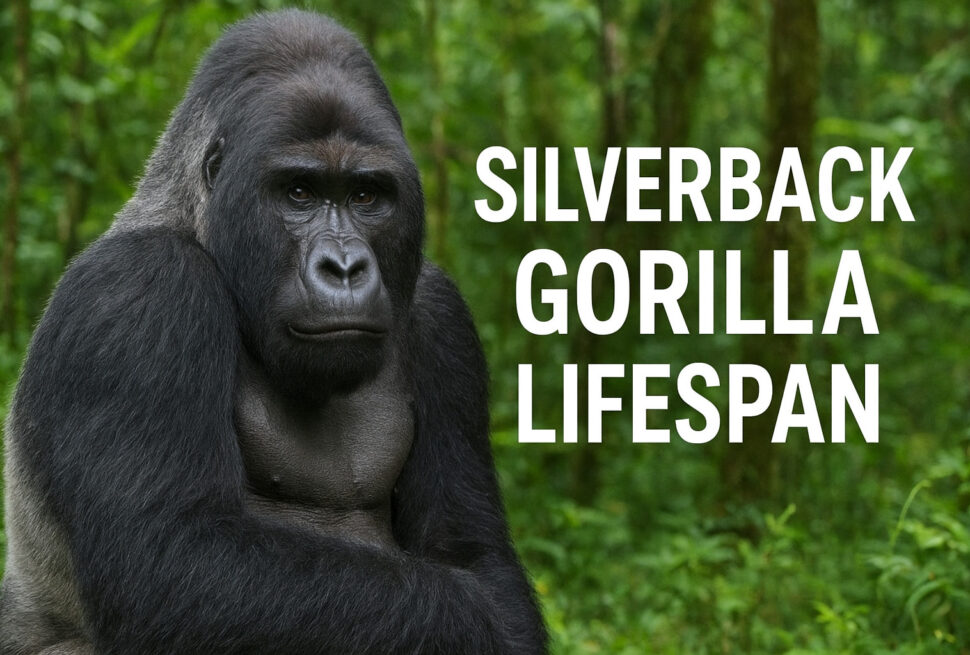
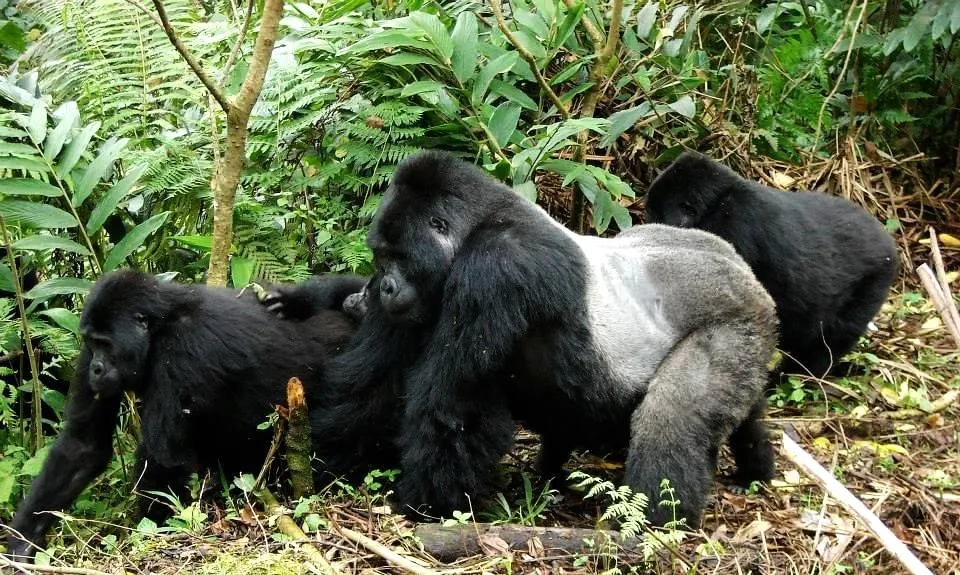
There, in a sun-dappled clearing, stands a massive silverback gorilla—a towering figure weighing up to 400 pounds, his broad back shimmering with silvery fur that marks his maturity and dominance.
This majestic leader sits vigilantly, his deep, intelligent eyes scanning the surroundings as his family troop forages peacefully around him: females grooming infants, juveniles playfully tumbling, all under his protective watch.
The silverback is the heart of the group, defending against threats, mediating conflicts, and guiding daily movements with powerful chest beats that echo through the ancient forests.
Silverbacks are adult male eastern gorillas, primarily referring to mature leaders in mountain gorilla troops (Gorilla beringei beringei).
These iconic primates, sharing 98% of our DNA, inhabit the high-altitude cloud forests of central Africa.
In a rare conservation success, mountain gorillas were downgraded from critically endangered to endangered by the IUCN in 2018, thanks to intensive protection efforts.
As of late 2025, the global population stands at approximately 1,063 individuals—a remarkable rebound from the brink of extinction in the 1980s when numbers plummeted to fewer than 300.
Yet, the silverback gorilla endangered status remains precarious.
Biodiversity loss from their decline ripples far beyond the jungle: these gentle giants play a vital role in seed dispersal, maintaining forest health and ecosystem balance.
Their habitats in Rwanda, Uganda, and the Democratic Republic of Congo also drive vital tourism economies, generating millions in revenue that support local communities and further conservation.
Losing them would devastate fragile African ecosystems and livelihoods dependent on eco-tourism.
In this comprehensive guide, we’ll explore the rich history of silverback gorillas, from early discoveries to near-extinction crises; delve into the persistent threats like habitat destruction, poaching, and disease; and celebrate inspiring conservation successes that have fueled population growth.
Finally, we’ll look to the future with hope—and urgency.
Learn how you can help save these giants. From supporting anti-poaching patrols to choosing sustainable travel, your actions matter.
Mountain Gorilla Population Trends (1970–2025)
Understanding Silverback Gorillas: Biology and Behavior
Silverback gorillas captivate the world with their immense power, intelligence, and gentle nature.
These iconic primates, closest living relatives to humans (sharing about 98% of our DNA), live in complex social groups within Africa’s dense forests.
Understanding their biology and behavior is crucial to appreciating why their endangered status demands urgent protection.
What Makes a Silverback Unique?
A silverback is an adult male gorilla, typically over 12 years old, distinguished by the striking saddle of silver-gray fur across his back—a sign of sexual maturity and dominance.
These majestic leaders can stand up to 5.6 feet tall when upright and weigh as much as 400 pounds, with broad chests, muscular arms spanning over 8 feet, and powerful jaws.
Silverbacks serve as the undisputed heads of their family troops, responsible for protection, decision-making, and reproduction.
Their deep chest beats, roars, and charges deter predators like leopards or rival males.
In the wild, silverbacks live 35–50 years, though females often reach similar ages with less physical strain.
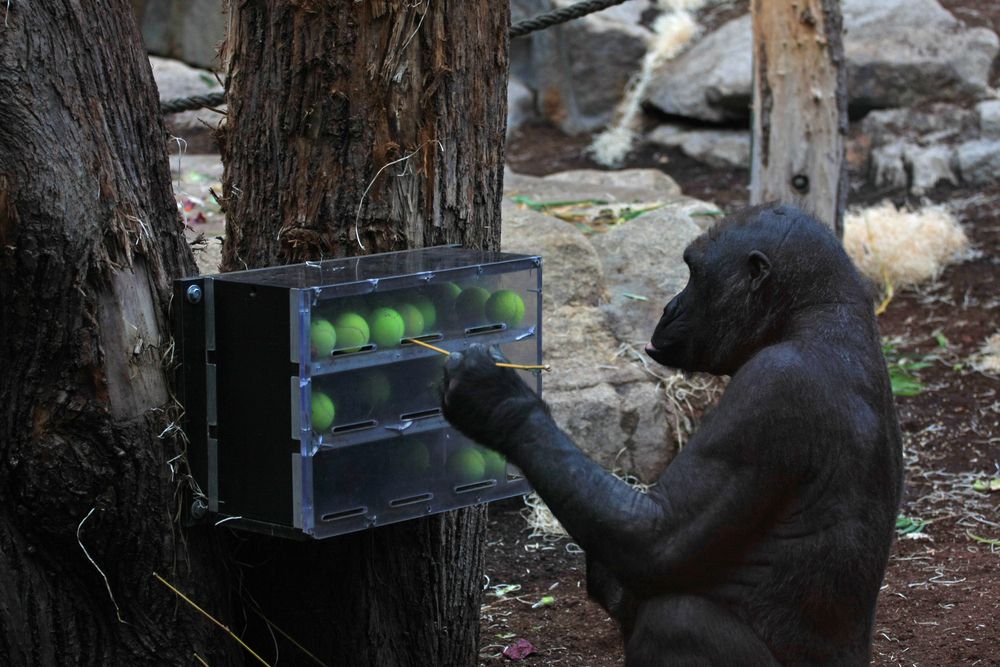
Fun fact: Gorillas display remarkable intelligence, including basic tool use—such as using sticks to gauge water depth or as weapons—and complex emotions like grief, joy, and empathy, observed in mourning rituals for deceased troop members.
Daily Life in the Jungle
Gorilla troops consist of 5–30 individuals, centered around one dominant silverback (sometimes with subordinate males).
The silverback protects females, infants, and juveniles, guiding the group through daily foraging routes in search of food.
Gorillas are primarily herbivorous, consuming up to 40 pounds of vegetation daily—leaves, shoots, fruits, bark, and especially bamboo for mountain gorillas.
They spend mornings feeding, afternoons resting and grooming (which strengthens social bonds), and evenings building fresh nests from branches for sleeping.
Social interactions are rich: Play among juveniles builds skills, while grooming reinforces hierarchy and affection.
Troops travel about 0.5–1 mile per day, with the silverback deciding routes and resolving conflicts through displays rather than violence.


Gorilla Subspecies: Focus on Mountain vs. Lowland Types
Gorillas divide into two species—western (Gorilla gorilla) and eastern (Gorilla beringei)—with four recognized subspecies. Silverbacks exist in all, but the term often evokes mountain gorillas due to their dramatic highland habitats.
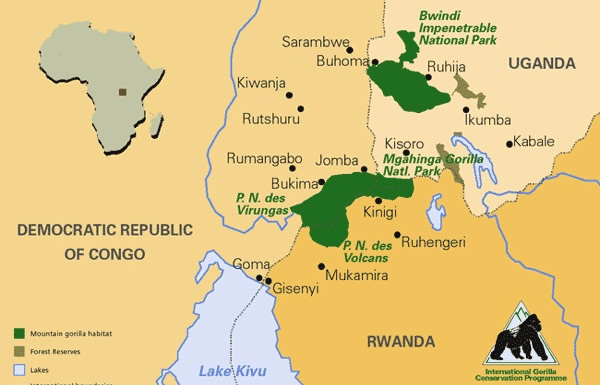
Mountain gorillas (Gorilla beringei beringei), the primary focus for “silverback” imagery, inhabit cool, misty volcanic slopes of the Virunga Mountains (spanning Rwanda, Uganda, and the Democratic Republic of Congo) and Bwindi Impenetrable Forest.
Their thicker fur adapts to altitudes over 7,000 feet.
In contrast, lowland subspecies live in denser, warmer rainforests at lower elevations.
Here’s a comparison:
| Subspecies | Habitat | Population Estimate (2025) | IUCN Status |
|---|---|---|---|
| Mountain Gorilla | Volcanic mountains (Virunga, Bwindi) | ~1,063 | Endangered |
| Eastern Lowland (Grauer’s) | Lowland/montane forests (eastern DRC) | ~3,800–6,800 | Critically Endangered |
| Western Lowland | Dense swamps/forests (Central Africa) | ~316,000 | Critically Endangered |
Grasping silverback gorillas’ biology—from their physical prowess and social leadership to dietary habits and intelligence—highlights their ecological importance as seed dispersers and forest maintainers.
Yet, these traits also underscore their vulnerability in an endangered world.
Historical Context: From Discovery to Decline
The story of the silverback gorilla’s endangered status is a tale of human discovery, exploitation, and eventual redemption efforts.
Mountain gorillas, the subspecies most associated with silverbacks, were first documented by Western science in 1902 when German explorer Captain Robert von Beringe encountered and shot two in the Virunga Volcanoes, naming the subspecies Gorilla beringei beringei after himself.
This “discovery” sparked fascination but also peril: early 20th-century explorers and collectors hunted them for museum trophies, zoos, and private collections, viewing them as exotic novelties rather than sentient beings.
As colonial powers waned in Africa, post-colonial independence in the 1960s—Rwanda in 1962, Democratic Republic of Congo (DRC, then Zaire) in 1960, and Uganda in 1962—accelerated habitat loss.
Rapid human population growth, coupled with economic pressures, led to widespread deforestation for agriculture, charcoal production, and logging.
Forests that once spanned vast areas shrank as subsistence farmers cleared land, fragmenting gorilla habitats and increasing human-wildlife conflicts.
By the mid-20th century, these pressures compounded with poaching, reducing populations dramatically.
Poaching peaked in the 20th century, driven by bushmeat demand, traditional medicine, and the illegal pet trade, where infants were captured after killing protective silverbacks.
Civil unrest further devastated numbers: The Rwandan Civil War and 1994 genocide displaced rangers and allowed unchecked poaching in Virunga National Park, while DRC’s wars (1996–2003) enabled armed groups to exploit forests, killing gorillas for food or as collateral damage.
Populations plummeted to a low of about 250 individuals in the early 1980s, teetering on extinction.
Amid this decline, primatologist Dian Fossey emerged as a pivotal figure.
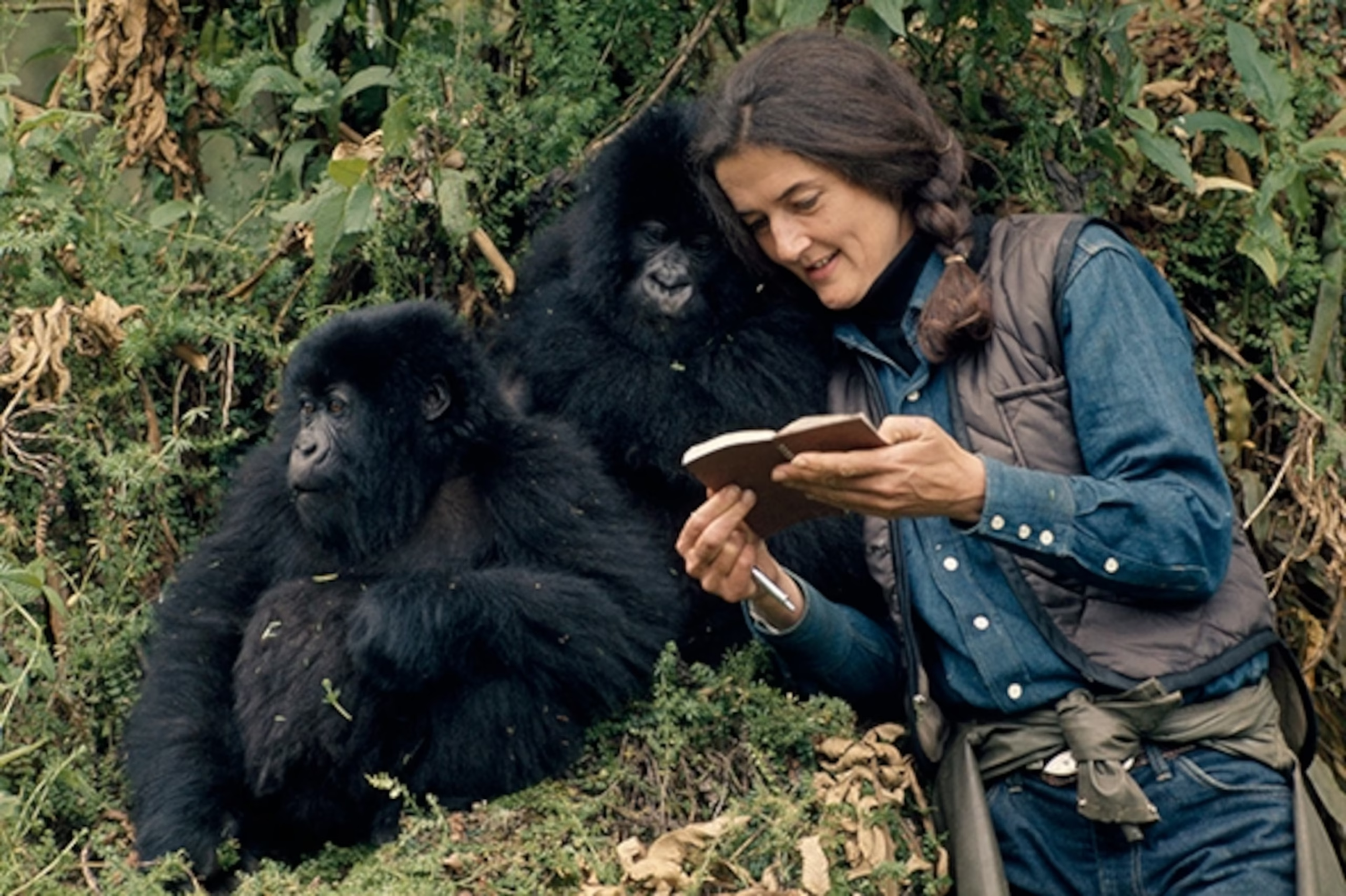
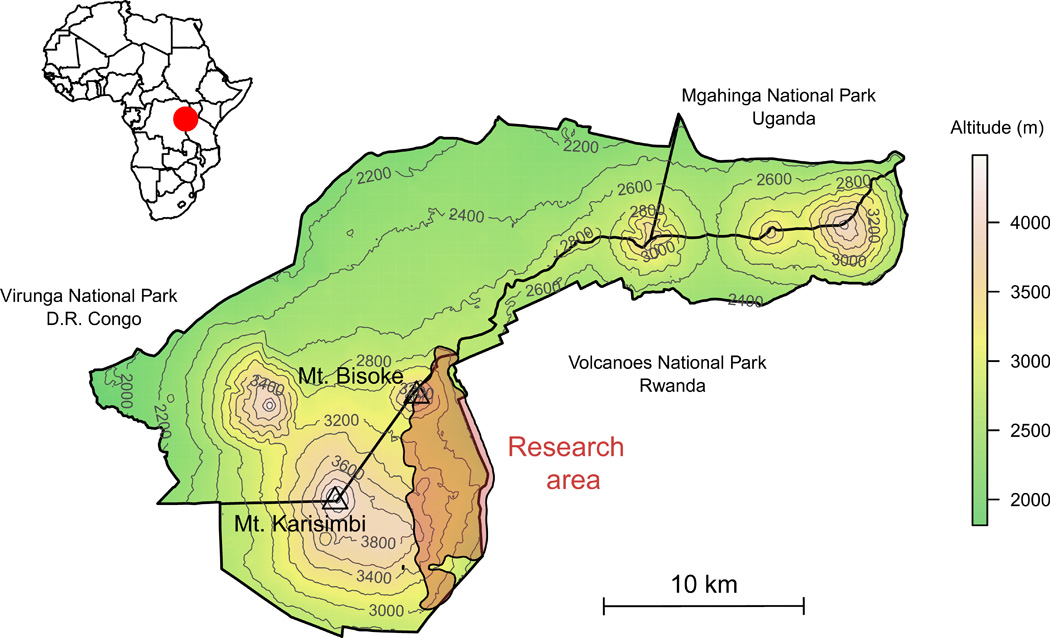
Arriving in Rwanda in 1967, she established the Karisoke Research Center in Volcanoes National Park, conducting groundbreaking long-term studies on gorilla behavior.
Fossey’s fierce anti-poaching patrols—destroying traps and confronting hunters—raised global awareness through her 1983 book “Gorillas in the Mist.”
Her murder in 1985, likely by poachers, galvanized international support, leading to the Dian Fossey Gorilla Fund and stricter protections. Fossey’s legacy transformed gorillas from hunted beasts to conservation icons.
Timeline of Key Events
- 1902: Mountain gorillas discovered by Captain von Beringe in Virunga.
- 1925: Virunga National Park established, Africa’s first, to protect gorillas.
- 1959: George Schaller begins pioneering gorilla research.
- 1967: Dian Fossey starts studies in Rwanda.
- 1970s–1980s: Poaching and habitat loss drop population to ~250.
- 1985: Fossey murdered; her work inspires global conservation.
- 1994: Rwandan genocide disrupts protections, increasing threats.
- 1996–2003: DRC wars menace gorilla habitats with poaching and encroachment.
This historical arc underscores how human actions—from colonial hunts to post-colonial development—pushed silverbacks toward oblivion, setting the stage for modern recovery efforts.
Current Endangered Status: Numbers and Classifications
Silverback gorillas, emblematic of strength and family bonds, face a complex conservation landscape in 2025.
As mature males of the eastern gorilla species (Gorilla beringei), they share an astonishing 98% DNA similarity with humans, underscoring the urgency of their protection—losing them would not only disrupt ecosystems but also erase a profound link to our evolutionary past.
The International Union for Conservation of Nature (IUCN) classifies the mountain gorilla subspecies (Gorilla beringei beringei)—the primary type associated with silverbacks—as endangered, a downgrade from critically endangered in 2018 due to successful interventions.
However, the broader eastern gorilla species remains critically endangered, highlighting ongoing vulnerabilities.
Population estimates for mountain gorillas have risen to approximately 1,063 individuals as of 2025, a testament to decades of anti-poaching, habitat protection, and community involvement.
This growth contrasts with the eastern lowland (Grauer’s) gorillas, numbering around 3,800–6,800 and facing steeper declines.
Climate change adds a layer of threat, exacerbating existing pressures.
Rising temperatures force gorillas to higher elevations in search of cooler climates and suitable vegetation, but their montane habitats are limited—pushing them toward habitat edges increases human encounters and disease risks.
Studies show increased water consumption on hotter days, indicating dehydration stress, while altered rainfall patterns disrupt food availability like bamboo and fruits.
Elevated stress hormones from these shifts could impair reproduction and immunity, potentially reversing population gains if unaddressed.
Conservation strategies must now integrate climate resilience, such as corridor creation for migration.
Global Population Trends
Mountain gorilla numbers have shown inspiring recovery since the early 2000s.
From around 680 individuals in 2003 (combining Virunga and Bwindi surveys), the population climbed to about 880 by 2010, surpassing 1,000 by 2018, and stabilizing at 1,063 in 2025.
This 4% annual growth rate stems from reduced poaching and ecotourism revenues funding patrols.
Eastern gorillas overall, however, hover at 5,000–8,000, with the species’ critically endangered status reflecting habitat fragmentation and conflict in the Democratic Republic of Congo.
Mountain Gorilla Population Census (1970–2020)
Population of Mountain Gorillas in the Wild (1998–2020)
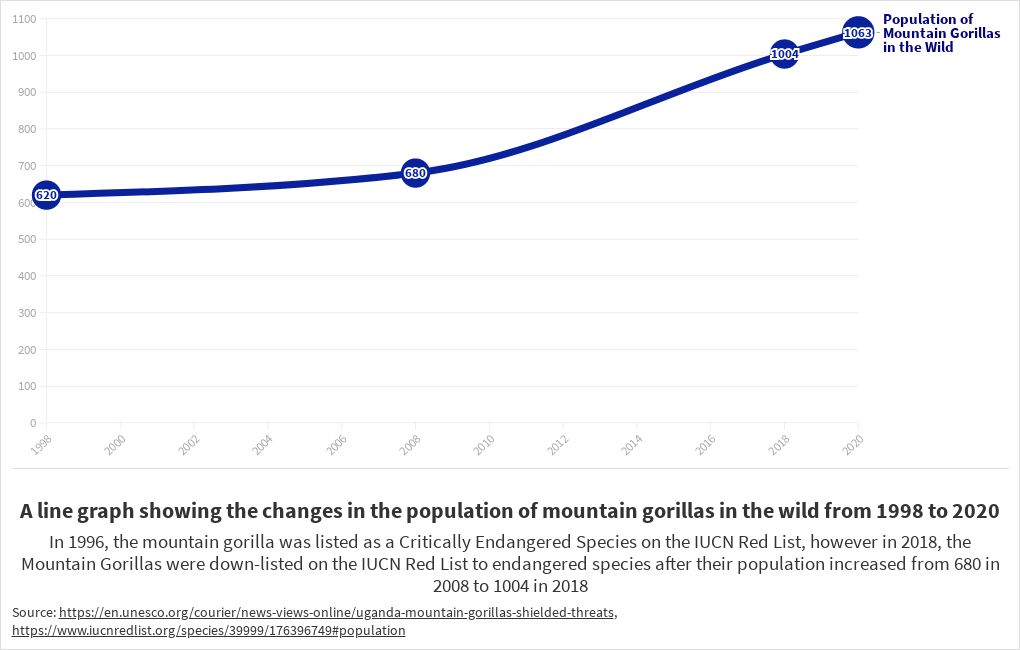
These charts illustrate the upward trend, though data beyond 2020 relies on projections and interim surveys confirming continued stability into 2025.
Regional Breakdowns
The mountain gorilla population splits between two isolated areas: the Virunga Massif (spanning Rwanda, Uganda, and DRC) and Bwindi Impenetrable National Park (Uganda).
Virunga’s population stands at 604 individuals in 2025, stable but vulnerable to volcanic activity and cross-border conflicts that disrupt monitoring.
Bwindi’s group, around 459–460 gorillas, shows growth, benefiting from robust tourism and community programs that reduce encroachment.
This regional disparity emphasizes tailored strategies: Virunga needs enhanced security, while Bwindi focuses on sustainable expansion.
FAQ: Are Silverback Gorillas Going Extinct?
No, silverback gorillas—mature mountain gorilla males—are not on the immediate path to extinction, thanks to population growth from under 400 in the 1980s to 1,063 today.
However, with the subspecies endangered and threats like climate change persisting, ongoing vigilance is essential to prevent.

Major Threats Facing Silverback Gorillas
Despite conservation gains, silverback gorillas—mature male mountain gorillas leading family troops—confront escalating dangers that could undo decades of progress.
Their endangered status stems from intertwined human-induced pressures, with populations confined to shrinking forest pockets in Rwanda, Uganda, and the Democratic Republic of Congo (DRC).
Habitat destruction, poaching, disease, armed conflicts, and climate change form a lethal web, threatening the ~1,063 individuals alive in 2025.
These threats not only endanger biodiversity but also undermine local economies reliant on gorilla tourism, which generates millions annually.
Human Encroachment
Human expansion remains the paramount threat, eroding gorilla habitats through deforestation, agriculture, and infrastructure.
Since the 1990s, Virunga National Park has lost approximately 15–20% of its forest cover due to illegal logging for timber and charcoal, agricultural conversion, and settlement by growing human populations.
This fragmentation isolates troops, limiting access to food and breeding grounds, while increasing encounters with humans—leading to crop-raiding conflicts where gorillas are sometimes killed in retaliation.
Armed conflicts exacerbate this, displacing park rangers and allowing unchecked encroachment.
In 2025, DRC unrest intensified with the M23 rebel group’s activities in eastern Congo.
In January, M23 seized Goma and expanded into Virunga areas, disrupting patrols and enabling habitat invasion.
By March, poaching surged in occupied zones, with a young gorilla named Fazili ensnared in a trap set by opportunists amid the chaos.
This case highlights how war creates lawless vacuums: Rangers fled, and militants exploited forests for resources, accelerating deforestation.
Similar patterns emerged in earlier conflicts, but 2025’s escalation—marked by increased illicit activities—has strained Virunga’s defenses, home to over half of mountain gorillas.
Climate change amplifies encroachment effects, with warmer temperatures altering vegetation patterns.
Rising heat pushes gorillas upslope for cooler climes and bamboo, but limited high-altitude habitats compress ranges, heightening competition with humans farming at forest edges.
Erratic rainfall disrupts fruiting cycles, forcing troops into human areas and escalating conflicts.
Map of Shrinking Mountain Gorilla Habitats in Virunga
Illegal Wildlife Trade
Poaching for bushmeat, trophies, and the pet trade decimates populations, often targeting silverbacks as protectors.
Snares, set for antelope or pigs, inadvertently trap gorillas, causing fatal injuries or infections.
The bushmeat trade thrives in poverty-stricken regions, where gorilla meat fetches high prices as a status symbol or protein source.
Historical peaks in the 20th century reduced numbers drastically, but 2025 saw resurgences amid DRC instability.
In M23-controlled Virunga sectors, poaching intensified, with reports of gorilla parts sold in black markets.
A poignant case: In June 2025, anti-poaching teams rescued multiple animals and removed snares, but losses mounted as rebels hindered access.
Globally, the illegal trade fuels demand, with infants orphaned after silverback killings smuggled for pets, perpetuating cycles of decline.
Emerging Diseases
Disease transmission poses an insidious threat, amplified by proximity to humans.
Mountain gorillas, lacking immunity to human pathogens, are vulnerable to respiratory illnesses like flu or COVID-19 variants, introduced via tourists or locals.
Ebola outbreaks in the 2000s ravaged eastern lowland gorillas, killing over 5,000, and while mountain populations dodged major hits, cross-subspecies risks loom.
In 2025, habitat squeeze from climate and conflict heightened exposure. Encroachment brings gorillas closer to villages, facilitating zoonotic jumps.
A September report noted human colds as a growing peril, with conservationists enforcing stricter visitor protocols amid land competition.
Internal gorilla conflicts, spurred by stress, also spread ailments within troops.
These threats demand action. To combat deforestation, support partners like WWF by buying eco-friendly products—such as sustainably sourced wood or coffee—that fund reforestation.
Conservation Efforts and Success Stories
While threats like habitat loss and poaching persist, the story of silverback gorillas is one of remarkable resilience, driven by dedicated conservation initiatives.
Through international collaboration, innovative technologies, and community-driven strategies, mountain gorilla populations have rebounded from a low of around 620 individuals in 2003 to over 1,063 by 2025—a testament to what targeted efforts can achieve.
Organizations, locals, and tourists have formed a united front, integrating anti-poaching patrols, drone monitoring, and reforestation to safeguard these majestic leaders and their habitats.
As Dr. Tara Stoinski, President of the Dian Fossey Gorilla Fund, notes, “Mountain gorillas are a conservation success story, but it requires ongoing vigilance and community partnership to sustain.”
Key Organizations
At the forefront is the International Gorilla Conservation Programme (IGCP), a coalition founded in 1991 by WWF, Fauna & Flora International, and the African Wildlife Foundation, focused on securing mountain gorillas’ future through transboundary collaboration across Rwanda, Uganda, and the DRC.
IGCP’s successes include facilitating anti-poaching patrols that have drastically reduced illegal hunting, with rangers removing thousands of snares annually and enabling population growth.
In Virunga National Park, these patrols protect over 300 gorillas, combining ground teams with aerial support.
Technology plays a pivotal role: Drones are deployed for non-invasive monitoring, reducing human disturbance while tracking gorilla movements and detecting poachers in real-time.
In Virunga, drone-assisted aerial surveys enhance ranger efficiency, covering vast terrains quickly.
Reforestation projects, such as IGCP’s bamboo plantations and the Bisate-Mango Gorilla Habitat initiative by Wilderness Safaris, expand habitats by planting thousands of trees annually, restoring degraded areas around Volcanoes National Park.
The Dian Fossey Gorilla Fund complements this with daily protection and research, emphasizing, as Fossey herself said, “When you realize the value of all life, you dwell less on what is past and concentrate more on the preservation of the future.”
Community Involvement
Conservation thrives when locals benefit directly.
IGCP and partners prioritize community involvement, channeling tourism revenues into socio-economic projects like schools, healthcare, and livelihoods.
In Rwanda, 10% of park revenues fund community initiatives, reducing poaching incentives by providing alternatives like beekeeping or farming.
“Gorilla Guardians” programs train locals as monitors, fostering ownership— as Praveen Moman of Volcanoes Safaris states, “We need to change the paradigm of gorilla tourism and conservation and make it central to the economic mainstream so communities have a stake.”
Reforestation engages communities in planting, creating jobs while expanding gorilla ranges.
These efforts have minimized human-gorilla conflicts, with experts like Nelson Guma noting, “Habituation is a process of getting gorillas accustomed to human presence without altering their natural behaviour.”
Tourism as a Tool
Ecotourism transforms gorillas from targets to treasures, generating substantial revenue—over $500 million in Rwanda’s total tourism in 2023, with gorilla trekking contributing significantly, projected to exceed $700 million in 2025.
Permits priced at $1,500 fund patrols and habitat protection, while low-impact visits (limited to 96 daily in Rwanda) ensure sustainability.
In Uganda’s Bwindi, tourism aids population growth to ~460, creating jobs and ripple effects for ecosystems.
As WWF highlights, “To protect the gorillas, you need to protect the entire forest ecosystem.”
These successes inspire hope, but experts warn of ongoing needs amid climate and conflict pressures.
The Future of Silverback Gorillas: Challenges and Hope
The future of silverback gorillas hinges on sustained human commitment amid evolving threats.
If current conservation trends—intensive anti-poaching, community ecotourism, and habitat protection—continue, experts project mountain gorilla populations could stabilize or modestly grow toward 2030, maintaining numbers above 1,000 and potentially securing further IUCN endangered status improvements.
This optimistic scenario builds on recent growth from ~400 in the 1980s to 1,063 in 2025, driven by transboundary efforts in the Virunga and Bwindi regions.
Yet, hope is tempered by significant risks.
Climate change disrupts food sources through altered rainfall and rising temperatures, forcing gorillas into human areas and heightening conflicts.
Pandemics remain a grave concern:
Human respiratory diseases, including potential future outbreaks akin to COVID-19, could devastate small, isolated populations lacking immunity.
Ongoing conflicts in the DRC, habitat fragmentation, and emerging issues like overcrowding in limited ranges could reverse gains.
Global action is imperative. Support organizations like WWF, IGCP, and the Dian Fossey Gorilla Fund through donations, ethical tourism, or advocacy.
By addressing climate resilience, strengthening ranger patrols, and fostering community benefits, we can ensure silverbacks continue leading their troops in thriving forests—a beacon of conservation success for generations ahead.

Why Choose Go Silverback Safaris Ltd.?
Discover East Africa’s Ultimate Gorilla Adventure Partner—Guaranteed Safe, Seamless, and Unforgettable.
Tired of generic tours?
Go Silverback Safaris Ltd. stands unrivaled as East Africa’s premier gorilla trekking specialist, delivering 5-star safety, personalized service, and insider access that solo travelers, couples, and nature enthusiasts rave about.
With zero incidents in 10+ years across 5,000+ treks in Rwanda’s Volcanoes NP and Uganda’s Bwindi, our certified expert guides (UGA/RDB licensed) ensure 100% compliance with 7m distancing, anti-poaching protocols, and health screenings—safer than ever in 2025.
Why we’re the best:
-
Permit Mastery: Secure limited $1,500 gorilla permits instantly (others wait months)—no sold-out disappointments.
-
Tailored Excellence: Small groups (max 6), luxury 4×4 vehicles, premium lodges like Mountain Gorilla’s Nest. Solo travelers get paired safely or private options.
-
Insider Edge: Witness viral silverbacks like Virika up close; exclusive Batwa cultural immersions and post-trek conservation briefings.
-
5-Star Service: 24/7 English/French support, all-inclusive (meals, fees, transfers), 95% repeat booking rate. Nature lovers: birdwatching, golden monkey add-ons included.
-
Impact Guaranteed: 10% profits fund patrols—your trek directly boosts gorilla numbers to 1,500 by 2030.
Tourists trust us: “Life-changing—safest, most magical experience!” (TripAdvisor 4.9⭐).
Solo adventurers: “Empowered and protected every step.”
Book now—limited 2025 slots! Contact GoSilverback Safaris Ltd. for your transformative East Africa escape. Safe. Elite. Gorilla Guaranteed.
Are silverback gorillas still endangered?
Yes, silverback gorillas (mountain subspecies) are classified as Endangered by IUCN since 2018 (upgraded from Critically Endangered).
With ~1,063 individuals rebounding 26% since 2018 via patrols and ecotourism, they’re stable but vulnerable to poaching, habitat loss, and disease.
Eastern gorillas overall remain Critically Endangered. Conservation success proves alive > extinct, but threats persist.
How many silverbacks are left?
~1,063-1,080 mountain silverbacks lead troops in 2025 across Bwindi/Virunga.
Exact counts vary as not all males mature to silverback status (13+ years), but habituated groups confirm ~20-30 dominant silverbacks monitored.
Global eastern gorilla males number thousands, though subspecies declines affect totals. Rebound from 1980s lows highlights hope.
Are there silverback gorillas in Uganda?
Yes, Uganda hosts ~400-500 mountain gorillas in Bwindi Impenetrable NP (~459 total, many silverback-led) and Mgahinga Gorilla NP.
Silverbacks dominate habituated families like Nkuringo, Mishaya.
Bwindi’s growth stems from $30M+ tourism funding patrols—prime trekking destination via Go Silverback Safaris.
Who owns Silverback Lodge Uganda?
Silverback Lodge Uganda is owned and operated by Nkuringo Gorilla Camps Ltd., a community-focused operator in Bwindi.
Perched on lodge-owned land, profits support local conservation via the Bwindi Mgahinga Conservation Trust.
Luxury tented camp offers gorilla views; book via certified partners like GoSilverback Safaris.
Frequently Asked Questions About Silverback Gorilla Endangered Status
What is a silverback gorilla?
A silverback is an adult male gorilla, typically over 12 years old, identified by the silver-gray fur on its back. It leads and protects family troops, often in mountain gorilla groups.
Are silverback gorillas endangered?
Yes. The mountain gorilla subspecies (Gorilla beringei beringei), which includes most silverbacks referenced in conservation, is classified as Endangered by the IUCN since 2018 (downgraded from Critically Endangered).
How many mountain gorillas (including silverbacks) are left in the wild as of 2025?
Approximately 1,063 individuals worldwide, split between the Virunga Massif (~604) and Bwindi Impenetrable National Park (~459). This is a stable but small population.
Why are silverback/mountain gorillas endangered?
Primary threats include habitat loss from deforestation and agriculture, poaching (snares and bushmeat), human-wildlife conflict, diseases transmitted from humans, and climate change impacts.
Are mountain gorillas going extinct?
No immediate risk of extinction due to population growth, but they remain vulnerable. Without ongoing conservation, threats could reverse progress.
Has the endangered status of mountain gorillas improved?
Yes—downgraded from Critically Endangered to Endangered in 2018 thanks to intensive protection, anti-poaching, and ecotourism efforts.
Where do endangered silverback gorillas live?
Exclusively in two isolated regions: the Virunga Volcanoes (Rwanda, Uganda, DRC) and Bwindi Impenetrable Forest (Uganda).
What are the biggest threats to silverback gorillas today?
Habitat encroachment, illegal snares, political instability in the DRC, and potential disease outbreaks (e.g., from human proximity or future pandemics).
How successful have conservation efforts been for silverback gorillas?
Highly successful—population has grown from ~620 in 2003 to over 1,000 today, making them the only great ape subspecies with increasing numbers.
How can I help protect endangered silverback gorillas?
Support organizations like WWF, Dian Fossey Gorilla Fund, or IGCP through donations; choose ethical gorilla trekking tours that fund conservation; and advocate for sustainable practices to reduce deforestation.
Conclusion: A Call to Protect the Gentle Giants
Silverback gorillas—majestic leaders of mountain gorilla troops—embody strength, intelligence, and family bonds, sharing 98% of our DNA.
From near-extinction in the 1980s (fewer than 300 individuals) to a hard-won recovery of ~b, their story highlights conservation triumphs through anti-poaching, ecotourism, and community partnerships.
Yet, habitat loss, poaching, disease, conflict, and climate change persist, keeping them endangered.
This fragility demands immediate action: without sustained efforts, progress could unravel, threatening ecosystems and African livelihoods tied to tourism.
The urgency is clear—every day counts for these irreplaceable primates.
You can make a difference today:
- Donate to frontline organizations: Support the for daily protection or symbolically to fund global efforts.
- Sign petitions advocating stricter anti-poaching laws and habitat protection via WWF or IGCP platforms.
- Book sustainable tours: Choose ethical gorilla trekking in Rwanda or Uganda—revenues directly fuel ranger patrols and community projects.
As Dian Fossey profoundly said: “When you realize the value of all life, you dwell less on what is past and concentrate more on the preservation of the future.”
Join the fight. Act now—the silverbacks are counting on us.