Silverback Gorilla Behaviour & Social Structure: Ultimate Guide 2026
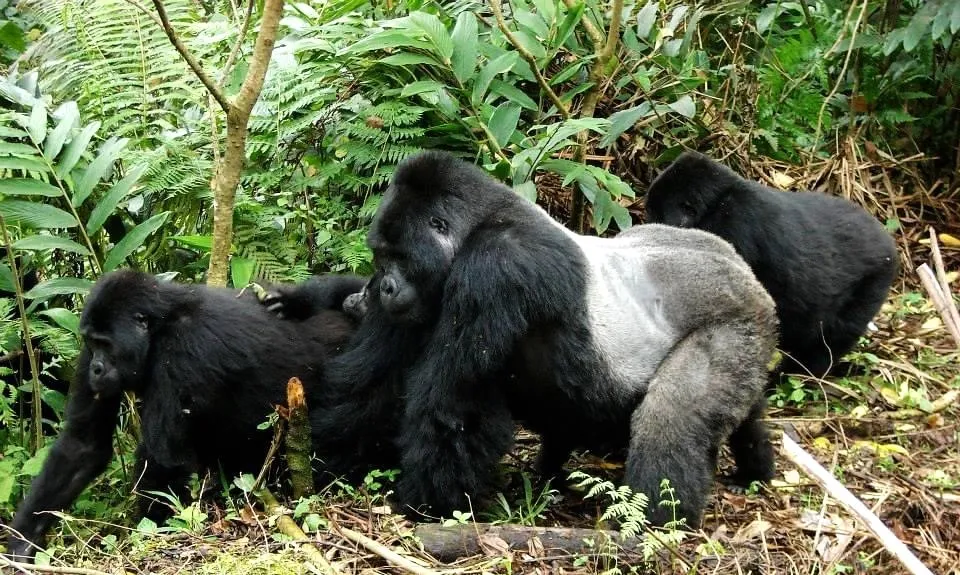
Silverback Gorilla Behaviour & Social Structure refers to the leadership system within a gorilla troop led by a dominant adult male called a silverback.
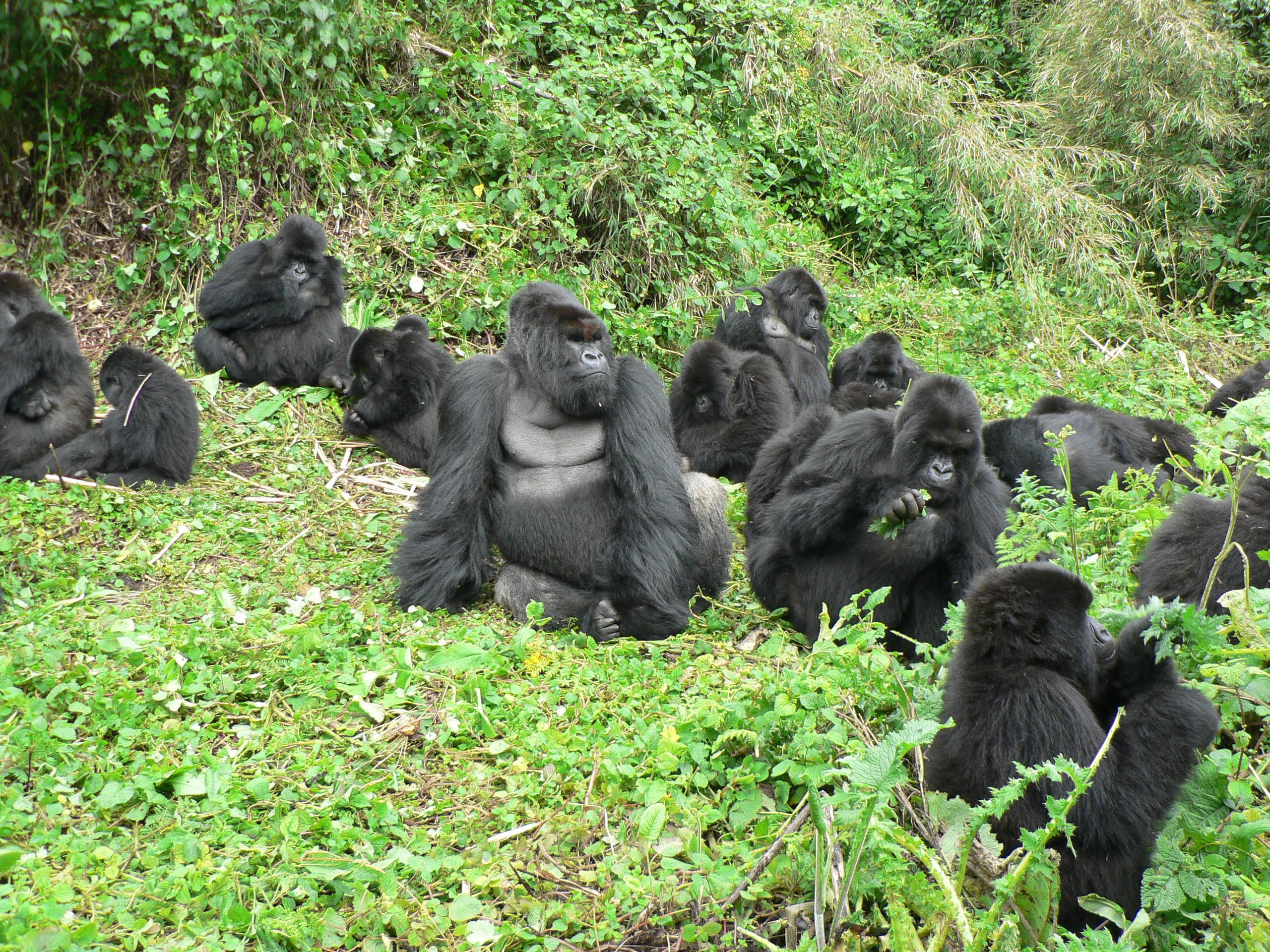
A silverback gorilla controls group movement, protects members, mediates conflicts, and maintains mating rights. Typical troops contain 5–30 individuals, including females, juveniles, and sometimes subordinate males (blackbacks).
The silverback decides feeding routes, nesting sites, and responds to threats with displays like chest beating. This structured hierarchy ensures stability, reproduction, and survival.
In protected habitats like Bwindi Impenetrable National Park, this social system is essential to mountain gorilla conservation and successful gorilla trekking experiences.
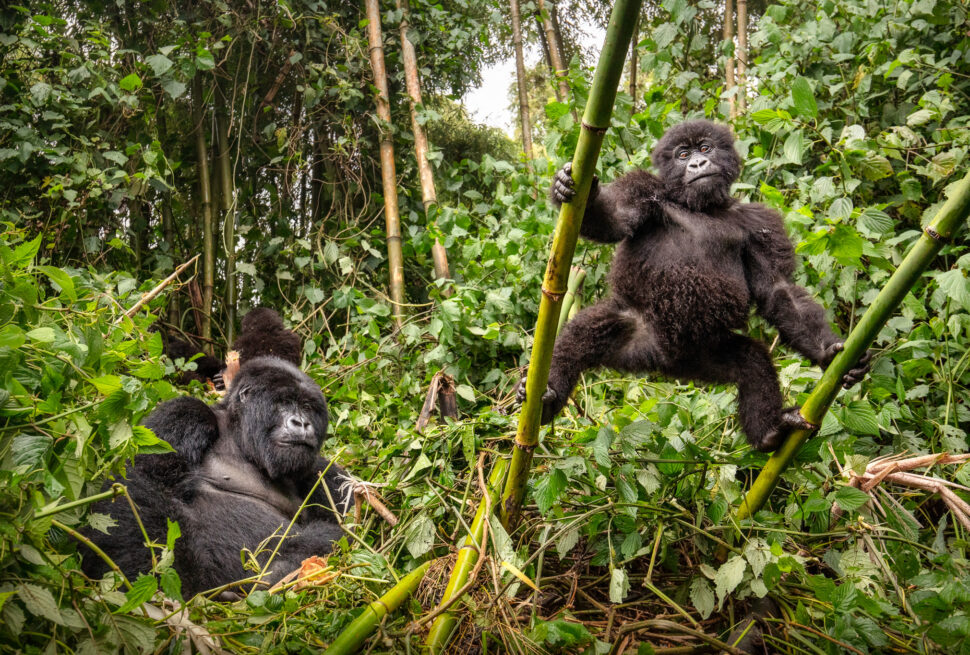
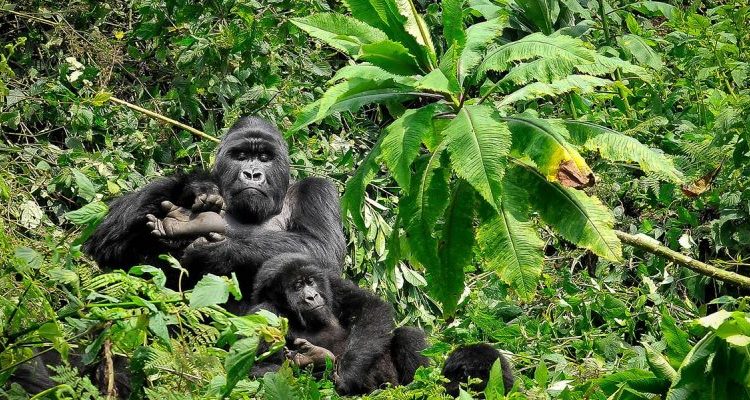
Standing just metres from a 200-kilogram silverback as he rests calmly amid his family, you realise these are not mere animals — they are complex societies with leaders, alliances, and daily dramas that mirror our own in surprising ways.
At GoSilverback Safaris, we have guided thousands of travellers from the USA, UK, Europe, Canada, Asia, and the Middle East into the mist-shrouded forests of Uganda’s Bwindi Impenetrable National Park and Mgahinga Gorilla National Park to witness this living masterpiece of nature.
This authoritative guide explores silverback gorilla behaviour & social structure in unprecedented depth.
Drawing on decades of field research from the Dian Fossey Gorilla Fund, Cambridge University studies, and our own observations alongside Uganda Wildlife Authority rangers, we reveal the intricate world that makes every gorilla trek one of the most profound wildlife experiences on Earth.
Whether you are planning your first safari or returning for a habituation experience, understanding these dynamics will transform your encounter from a sighting into a genuine connection.
What Makes a Silverback? Physical Maturation and Identification
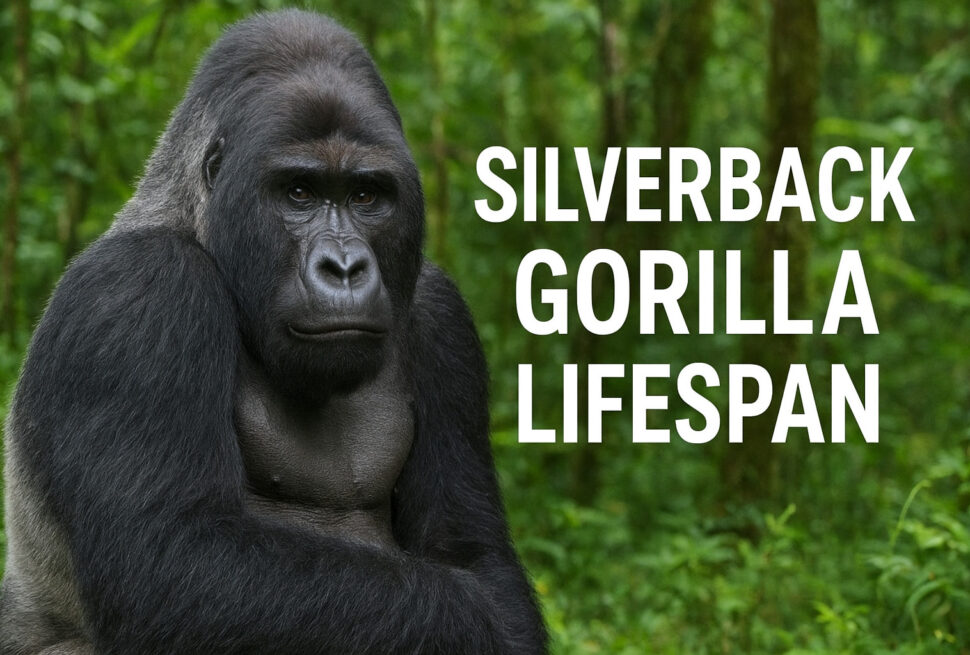
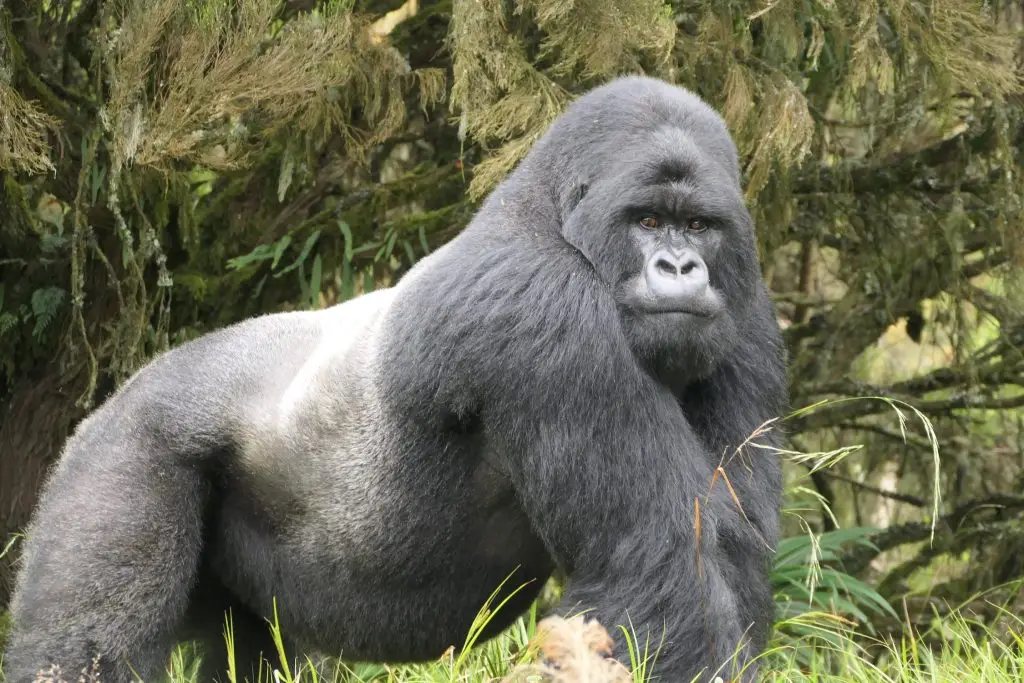
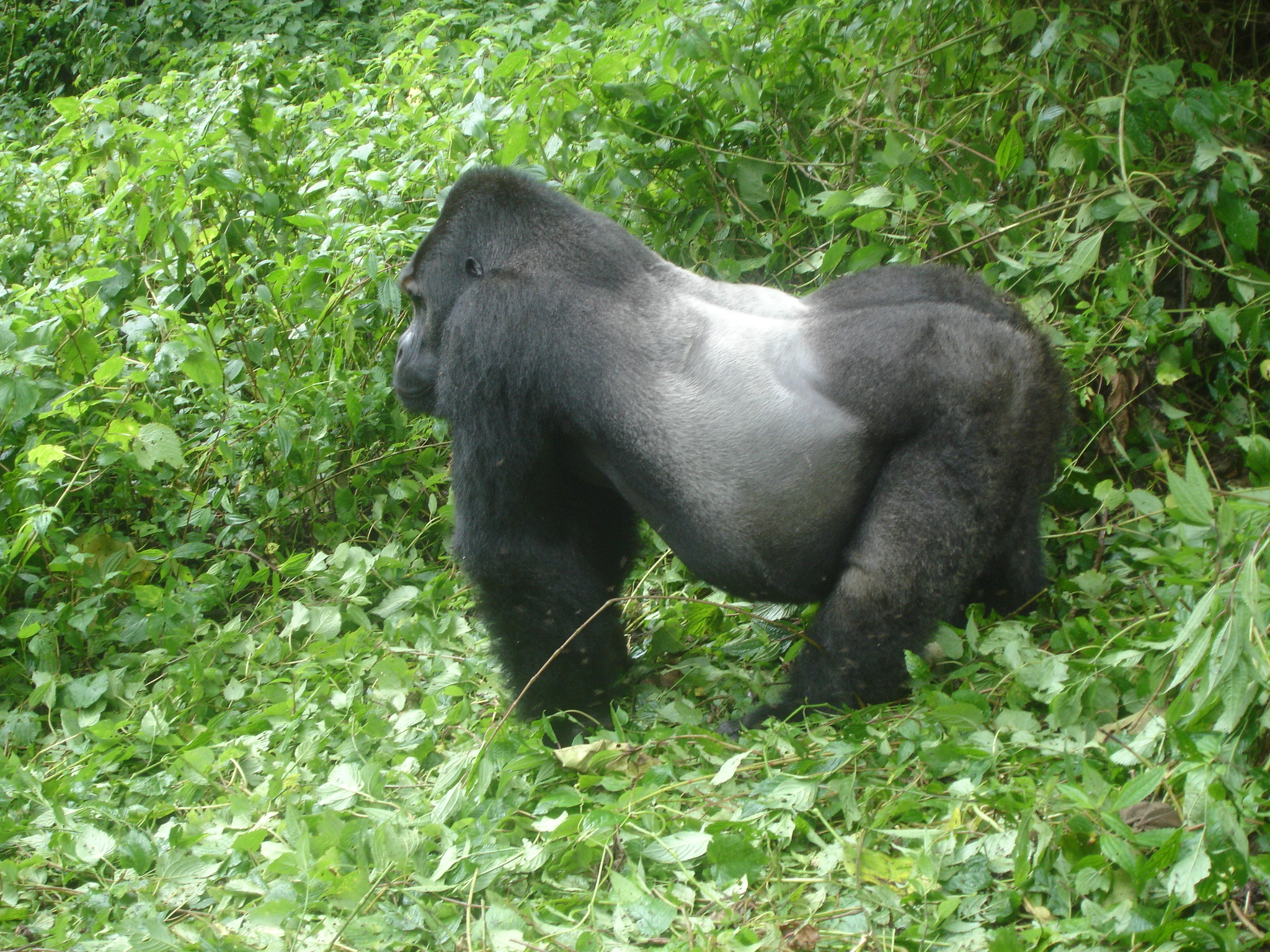
A silverback is not born — he is made through time, strength, and survival. Male mountain gorillas reach sexual maturity around 8–10 years but only earn the title “silverback” between 12 and 15 years when the distinctive silver-white saddle of hair appears across the back and hips. This silvering signals full physical and social maturity.
Bold fact: An adult silverback can weigh up to 227 kg (500 lb) and stand 1.8 m (5 ft 11 in) tall when upright — yet he moves with surprising grace through dense undergrowth on all fours using knuckle-walking. His arm span reaches 2.6 m, and his canine teeth, though rarely used in anger, can inflict serious wounds.
In Uganda’s mountain gorilla populations, silverbacks develop broader chests, pronounced sagittal crests (the bony ridge on the skull that anchors powerful jaw muscles), and a more robust build than their western lowland cousins.
Identification in the field relies on three markers our guides teach every guest: the shape and extent of the silver saddle, unique facial wrinkles and nostril shape, and distinctive scars or missing fingers from past territorial disputes.
The transition from blackback (juvenile male, 8–12 years) to silverback is dramatic. Testosterone surges drive rapid muscle growth, increased aggression in bachelor groups, and the confidence to challenge or attract females.
Travellers often ask why some males stay longer in their natal group — the answer lies in genetics and opportunity. In multi-male groups common in Bwindi, subordinate silverbacks (often sons of the dominant male) may remain for years, gaining experience before dispersing.
Gorilla Troop Social Structure: Beyond the Harem Myth
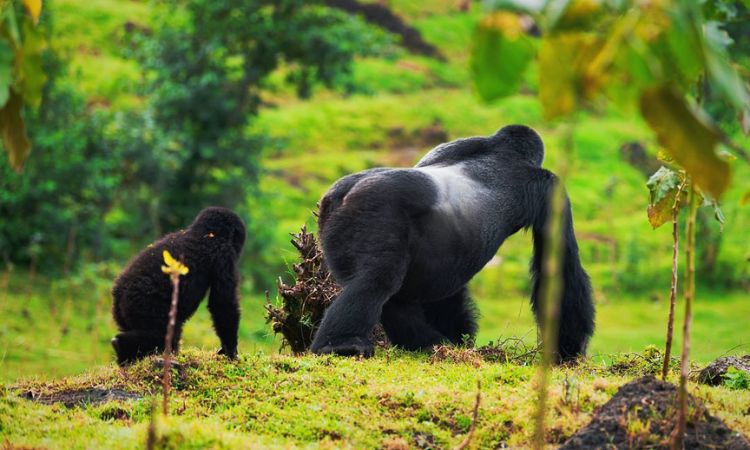
The classic image of a single silverback with “his” females is only part of the story. Gorilla troops are dynamic, fluid societies ranging from 5 to 30 individuals on average, with rare records reaching 65 members under exceptional leadership.
Unlike true harems in some ungulates, gorilla groups are female-defence polygynous systems where females choose to stay or transfer based on the silverback’s protective qualities rather than male ownership.
Most troops consist of one dominant silverback, 3–6 adult females, their offspring, and occasionally 1–2 subordinate silverbacks or blackbacks.
Multi-male groups are more common among mountain gorillas in Uganda and Rwanda (up to 40% of Bwindi groups) than in western lowland populations.
Here, related males — often father and sons or half-brothers — coexist peacefully under a clear dominance hierarchy. This structure provides better protection against external threats and allows younger males to learn leadership from within.
Bachelor groups form when young males leave their natal troop. These all-male units, sometimes numbering 5–10 individuals, serve as training grounds where future silverbacks practise displays, foraging, and conflict resolution.
Our guests in Mgahinga occasionally glimpse lone silverbacks or small bachelor parties crossing open ridges — a rare but thrilling sight that reminds us every silverback’s story begins with dispersal.
The Silverback’s Multifaceted Role: Leader, Protector, Mediator
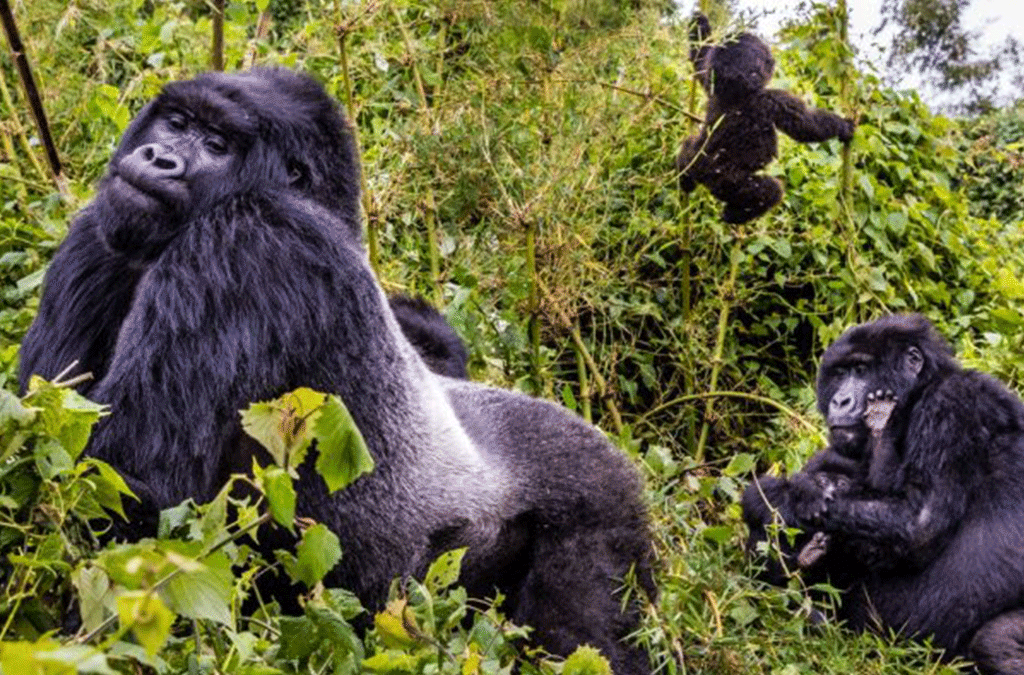
The silverback is the undisputed centre of troop life. He makes every major decision: when and where the group travels (typically 400–1,000 metres per day), where they nest at night, and how to respond to threats.
Protection is his primary duty. A silverback’s chest-beating display, ground-slapping, and bluff charges deter leopards, rival males, and, historically, poachers.
In over 99% of cases, these are bluffs — yet they are performed with such conviction that few predators press the issue. During inter-group encounters, the silverback positions himself between his family and intruders, using his body as a living shield.
As mediator, he resolves female disputes over food or proximity to himself with calm intervention — a grunt or gentle touch is often enough. His presence stabilises the group; studies show aggression between females drops dramatically when the silverback is nearby.
For travellers, this leadership role explains the calm you feel during a trek. When your experienced guide whispers “the silverback is relaxed,” you know the entire family will remain at ease.
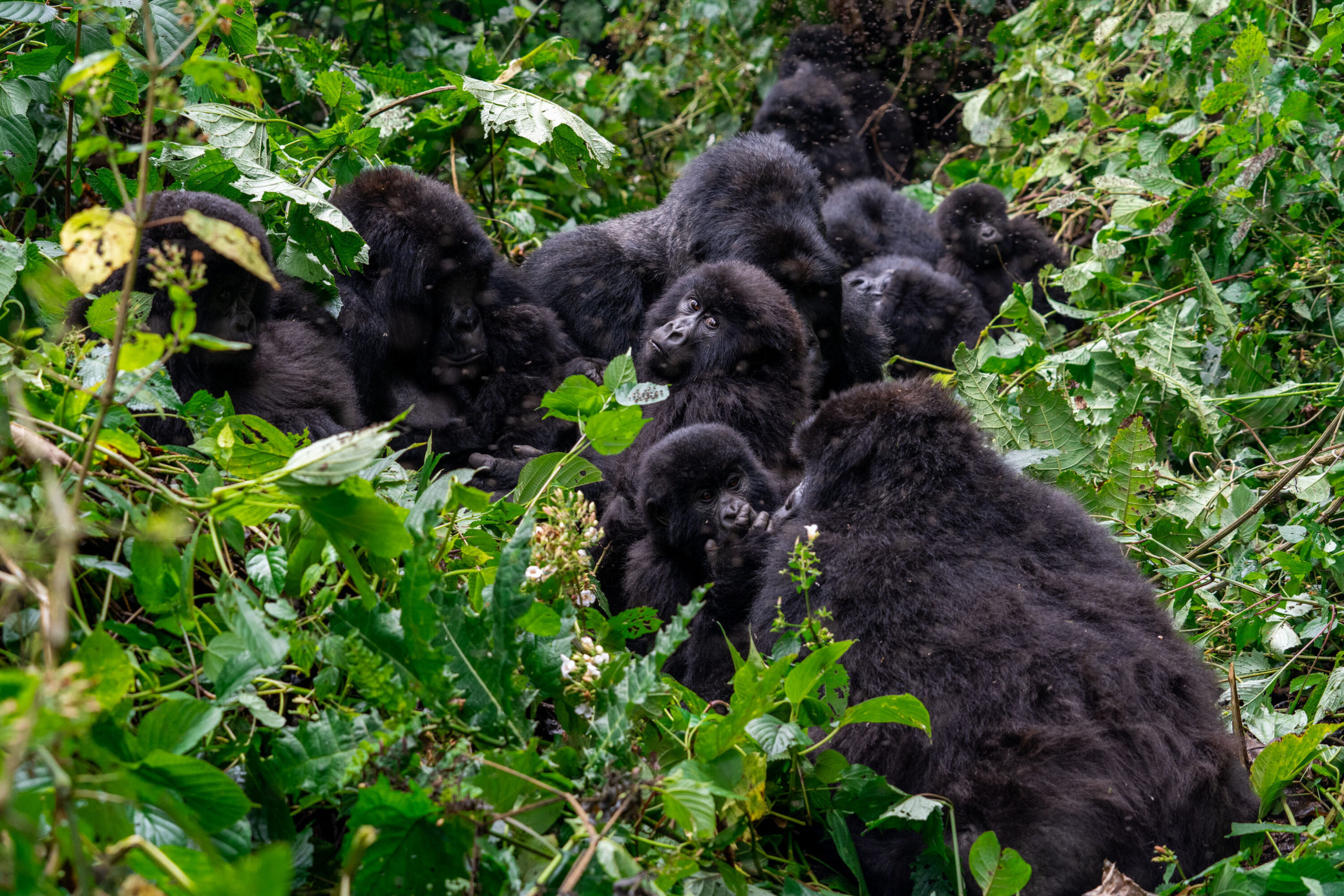
The bond between silverback and infants is especially touching — dominant males often play gently with youngsters, allowing them to climb over them during rest periods.
Hierarchies Inside the Troop: Males, Females & Young
Every gorilla troop maintains two parallel hierarchies. Among males, rank is determined primarily by age, size, and tenure, with the dominant silverback at the apex. Subordinate silverbacks defer in feeding and nesting choices but may mate opportunistically when the dominant male is distracted.
Female hierarchy is more fluid and fascinating. Rank depends on length of tenure in the group, age of her youngest offspring, and the silverback’s personal preference.
A female with a newborn receives priority protection and proximity to the silverback because infants are most vulnerable to infanticide by outsider males. New immigrant females start at the bottom and must earn status through grooming and proximity-seeking behaviour.
Young gorillas learn these social rules through play. Infants and juveniles engage in wrestling, chasing, and mock displays that prepare males for future leadership and females for motherhood.
As your GoSilverback Safaris guide will explain on trek, watching juveniles imitate the silverback’s chest beat is one of the most delightful behaviours you will witness.
Daily Behaviors and Activity Patterns
Gorillas follow a predictable yet flexible daily rhythm shaped by food availability and weather. They rise with first light, feed intensively for 2–3 hours in the morning, rest mid-day (when the silverback often naps on his back with arms folded), then feed again in late afternoon before constructing fresh night nests.
Feeding occupies up to 14 hours daily. Mountain gorillas in Uganda consume over 200 plant species, focusing on protein-rich leaves, stems, and pith of giant celery and nettles.
Fruit makes up less than 10% of their diet in high-altitude Bwindi, unlike western lowland gorillas who travel farther for seasonal figs.
Nesting is an engineering feat. Each gorilla (except infants who sleep with mothers) builds a new platform of bent branches and foliage every evening.
Silverbacks construct the largest and sturdiest nests, often at the centre of the group for maximum protection. Researchers can identify group composition the next morning simply by counting and measuring nests.
During your one-hour permitted visit, you will most likely observe the mid-morning rest period — the perfect time to appreciate the peaceful family dynamic that has survived for millennia.
Communication: Vocalizations, Displays & Body Language
Gorillas possess a sophisticated communication repertoire of at least 20 distinct vocalisations and numerous gestures. The silverback’s deep “belch” vocalisation signals contentment and keeps the group cohesive during foraging. Alarm barks warn of danger, while soft grunts maintain contact in thick vegetation.
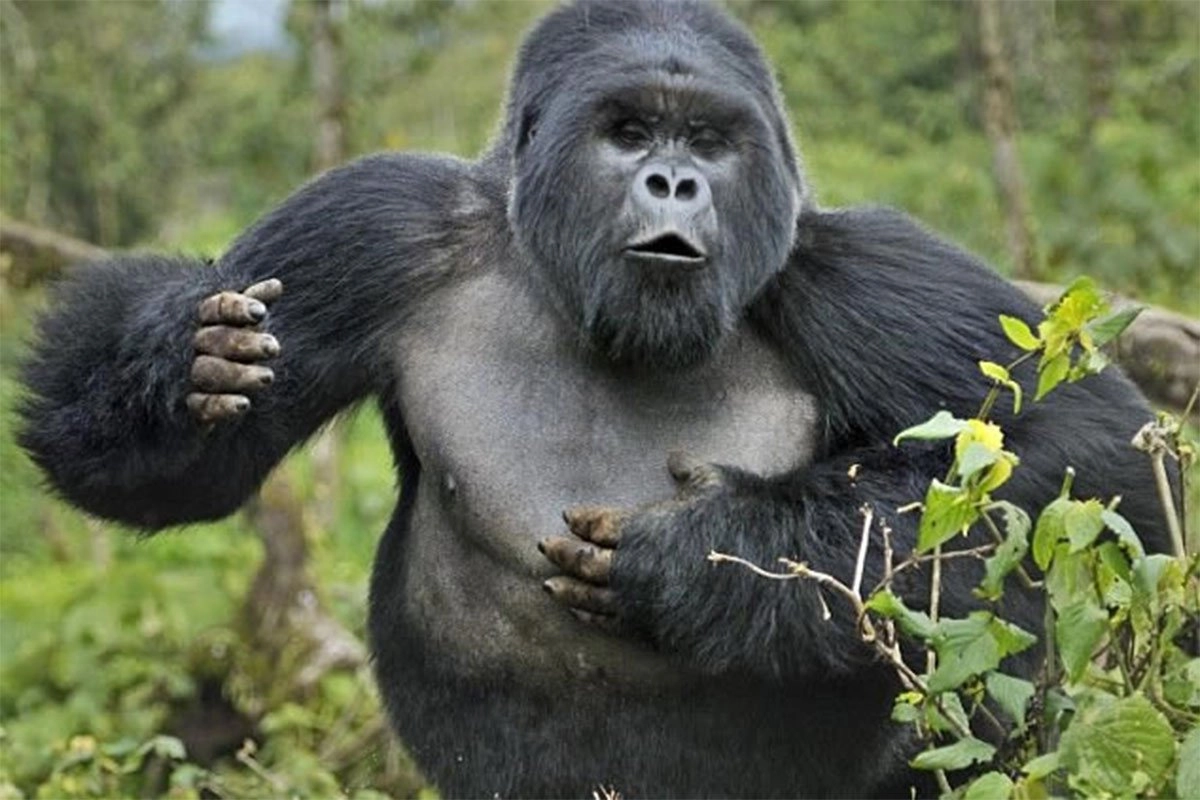
Chest beating remains the most iconic display — a rapid series of open-handed strikes on the pectoral muscles that can be heard over a kilometre.
Contrary to popular myth, it is not purely aggressive; silverbacks use it to announce presence, express excitement, or during play with infants.
Body language is equally eloquent: direct eye contact from a silverback is a sign of trust (guides advise guests to look slightly aside), while “strut” walking with stiff legs signals dominance.
Grooming — primarily mothers with offspring and females with the silverback — reinforces social bonds and removes parasites.
Our rangers interpret these signals in real time during treks, allowing guests to understand the unfolding “conversation” within the group.
Reproduction, Mating, Infant Care & Dispersal
Females reach sexual maturity at 7–8 years and give birth to their first infant around age 10.
The interbirth interval averages 4 years, resulting in only 3–6 offspring per female lifetime — one reason gorilla populations recover slowly.
Gestation lasts 8.5 months; infants weigh just 2 kg at birth and cling to their mother’s fur for the first months.
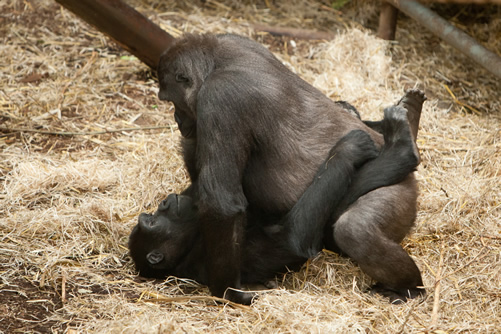
Silverbacks have exclusive breeding rights in one-male groups, though subordinate males may mate surreptitiously in multi-male troops. Courtship is subtle: prolonged eye contact and proximity rather than dramatic displays.
Infant care is communal. Mothers provide primary nursing and transport, but the silverback protects and occasionally carries older juveniles. Weaning occurs gradually between 3–4 years.
Dispersal prevents inbreeding. Most females transfer to new groups at maturity, sometimes multiple times.
Males usually leave between 11–15 years, spending years as solitary silverbacks or in bachelor groups before attracting females to form their own troop.
The risky solitary phase explains why only the strongest, most strategic males become successful breeders.

Aggression, Inter-Group Encounters & Group Stability
While gorillas are famously gentle, aggression serves essential functions. Most intra-group conflict involves mild displays rather than contact fighting. Inter-group encounters occur more frequently than once thought — western lowland studies show peaceful mingling when fruit is abundant.
In Uganda’s mountain gorillas, encounters can be tense. Silverbacks charge, chest-beat, and occasionally inflict wounds. Yet fatal fights are rare; the goal is usually to intimidate and poach females rather than destroy rivals. Group stability depends on the silverback’s health and charisma.
When a dominant silverback dies, the group may fragment unless a subordinate son quickly assumes leadership. Infanticide risk is real — females with dependent infants often transfer immediately to a new protector.
Subspecies Variations: Mountain Gorillas in Uganda vs Western Lowland
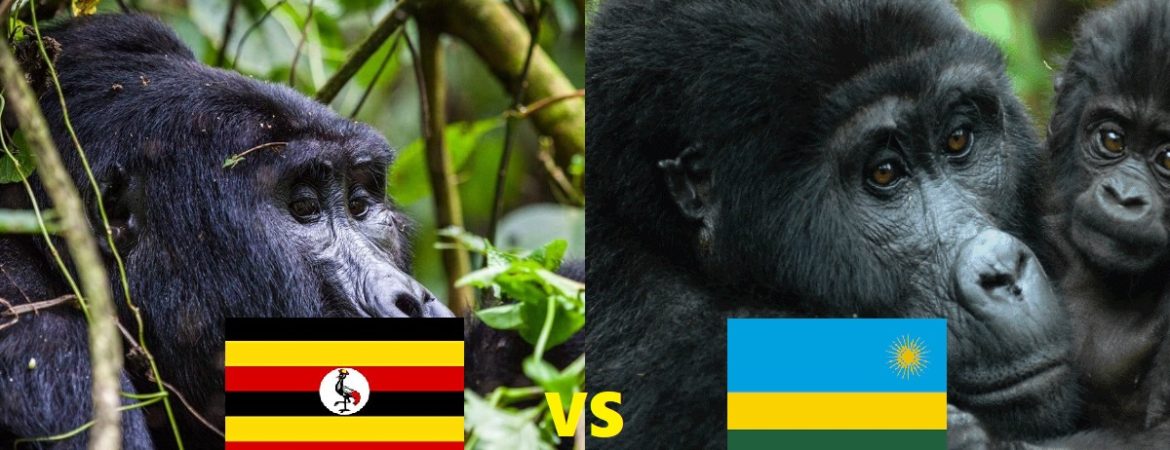
Mountain gorillas (Gorilla beringei beringei) — the stars of Bwindi and Mgahinga — live at altitudes up to 3,500 m in cooler, wetter forests with abundant herbaceous vegetation. Groups tend to be larger and more often multi-male. Their fur is longer and shaggier for insulation.
Western lowland gorillas (Gorilla gorilla gorilla) inhabit the vast Congo Basin at lower elevations. Their diet includes more fruit, requiring larger day ranges and smaller average group sizes (5–10).
They are shyer and harder to habituate, which is why Uganda offers the world’s most reliable gorilla trekking experiences.
The differences stem from ecology: abundant year-round herbs in the Virunga and Bwindi highlands support larger, more stable groups, while patchy fruiting in the lowlands promotes more fluid associations.
Latest Scientific Insights: Complex Societies & Personalities
Recent research has overturned old assumptions. A landmark 2019 Cambridge University study led by Dr Robin Morrison revealed that western lowland gorillas live in multi-tiered societies with “family” units nested within larger “tribes” of up to 39 individuals — social complexity once thought unique to humans, elephants, and some cetaceans.
In 2025, the Dian Fossey Gorilla Fund published groundbreaking work on mountain gorilla personalities, identifying traits of dominance, openness, sociability, and proto-agreeableness.
Some silverbacks are naturally calm leaders; others more assertive. These individual differences influence group success and female choice.
Such findings underscore why protecting entire populations — not single groups — is vital for maintaining genetic and social diversity.
Conservation, Threats & Human-Gorilla Interactions in Uganda
Mountain gorillas remain endangered, with roughly 1,000 individuals remaining in the wild — half in Uganda. Success stories abound: populations have grown 2–3% annually thanks to rigorous protection and community revenue from tourism.
Primary threats include habitat fragmentation, disease transmission from humans, and snares set for other wildlife. Every gorilla permit you purchase directly funds ranger patrols, veterinary care, and community projects.
Responsible tourism is the cornerstone of their survival. Strict rules — 7-metre distance, no flash photography, masks during close encounters — minimise disturbance.
At GoSilverback Safaris, we train every client in these protocols so your visit strengthens rather than endangers these families.
Frequently Asked Questions
How many silverbacks are usually in one gorilla group?
Most groups have one dominant silverback, but mountain gorilla troops in Uganda can contain up to eight adult males with a clear hierarchy.
What should I expect during my one-hour gorilla visit?
You will observe natural behaviours — feeding, resting, playing, and grooming — from a safe 7-metre distance while your guide interprets every action.
Is gorilla trekking physically demanding?
Treks range from easy (1–2 hours) to strenuous (6+ hours) depending on the group’s location. Good fitness and rain gear are essential; porters are available.
How close can I get to the silverback?
Regulations maintain a minimum 7-metre distance to protect both gorillas and humans from disease transmission.
What is the difference between a standard trek and habituation experience?
Standard permits allow one hour; habituation permits ($1,500) grant four hours with a semi-habituated group, ideal for photographers and researchers.
Can children trek gorillas in Uganda?
Minimum age is 15 years for standard trekking; younger children may join certain community walks but not enter gorilla zones.
How does my visit help conservation?
100% of permit revenue supports Uganda Wildlife Authority operations, community development, and anti-poaching. Each trek directly funds gorilla protection.
When is the best time to see silverbacks in Bwindi?
December–February and June–September offer drier trails, but gorillas are visible year-round. Book 6–12 months ahead for peak seasons.
Are gorilla groups territorial?
No. Home ranges overlap extensively; encounters are common and usually peaceful when food is plentiful.
What happens if the silverback dies?
The group may stay together if a subordinate male assumes leadership, or females may transfer to new protectors to avoid infanticide risk.
Conclusion
The silverback gorilla’s behaviour and social structure reveal a society built on leadership, protection, learning, and resilience — values we recognise and admire.
From the misty slopes of Bwindi to the volcanic ridges of Mgahinga, these gentle giants continue to teach us about family, hierarchy, and coexistence.
By choosing to visit, you become part of their conservation story. The silverback who meets your gaze during your trek may one day owe his family’s survival to the revenue your permit generates.
Ready to experience this wonder for yourself?
Secure your $800 gorilla trekking permit for 2026 through GoSilverback Safaris today. Our expert team handles every detail — from permit booking and private transfers to luxury lodges overlooking Bwindi and personalised ranger briefings.
Whether you seek a classic 3-day Bwindi trek, a 4-hour habituation experience, or a multi-country Uganda-Rwanda gorilla safari, we craft journeys that respect the gorillas and create lifelong memories.
Contact GoSilverback Safaris now at info@gosilverbacksafaris.com or visit www.gosilverbacksafaris.com to reserve your dates before they sell out. The silverbacks are waiting — let us take you to them.