Rwenzori Mountains Uganda – The Ultimate Guide to the Mountains of the Moon
Rwenzori Mountains Uganda guide: hiking routes, Margherita Peak climb, best time to visit, wildlife, trekking costs, and tours in Rwenzori Mountains National Park.
As expert African safari tour operators and conservation writers at GoSilverback Safaris, we have guided hundreds of international travelers from the USA, UK, Europe, Canada, Asia, and the Middle East through Uganda’s most extraordinary landscapes.
Few destinations rival the Rwenzori Mountains Uganda for raw adventure, equatorial glaciers, and otherworldly biodiversity. Often called the Mountains of the Moon, this UNESCO World Heritage Site delivers a trekking experience unlike any other in Africa—less crowded than Kilimanjaro yet infinitely more diverse.
This definitive 2026 guide covers everything you need to plan a safe, unforgettable Rwenzori Mountains trekking adventure.
Whether you dream of summiting Margherita Peak or simply soaking in the giant lobelias and mist-shrouded peaks, we provide authoritative, up-to-date details optimized for serious travelers seeking authentic East African experiences.
Where Are the Rwenzori Mountains Located?
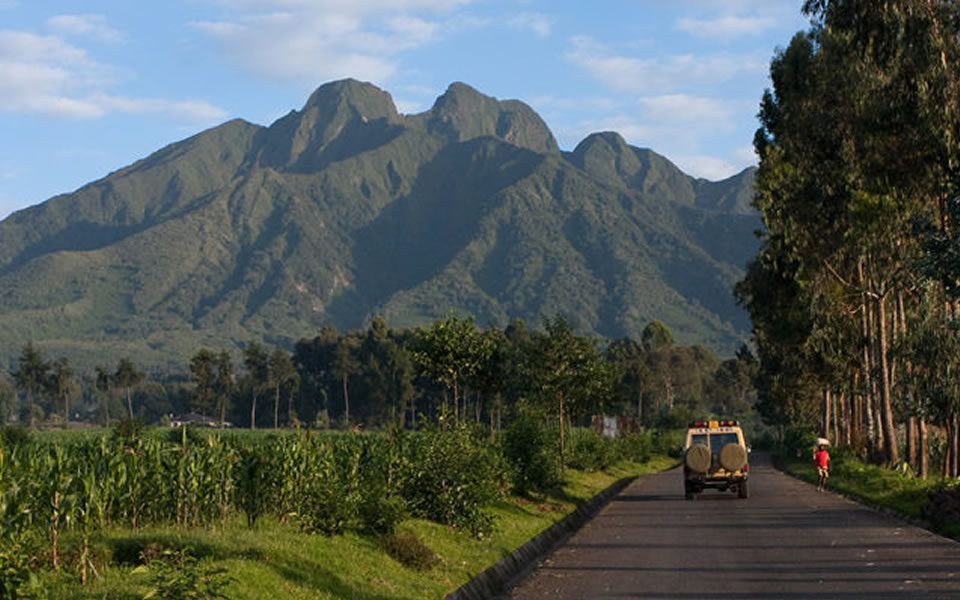
The Rwenzori Mountains Uganda rise dramatically along the western border with the Democratic Republic of Congo, spanning roughly 120 km in length. They lie within Rwenzori Mountains National Park, which covers 996 km² across the districts of Kasese, Kabarole, Ntoroko, and Bundibugyo.
Geographically, the range forms part of the Albertine Rift Valley, towering almost 4,000 m above the surrounding plains. The park headquarters sits at Nyakalengija (near Kasese town), the primary gateway for the Central Circuit Trail.
From Kampala, the mountains sit approximately 300–350 km west—about a 4–6 hour scenic drive or a quick 90-minute domestic flight to Kasese Airstrip.
This strategic location places the Rwenzori Mountains within easy reach of other premier Ugandan destinations. Queen Elizabeth National Park lies just 1–2 hours south, making seamless multi-activity safaris possible.
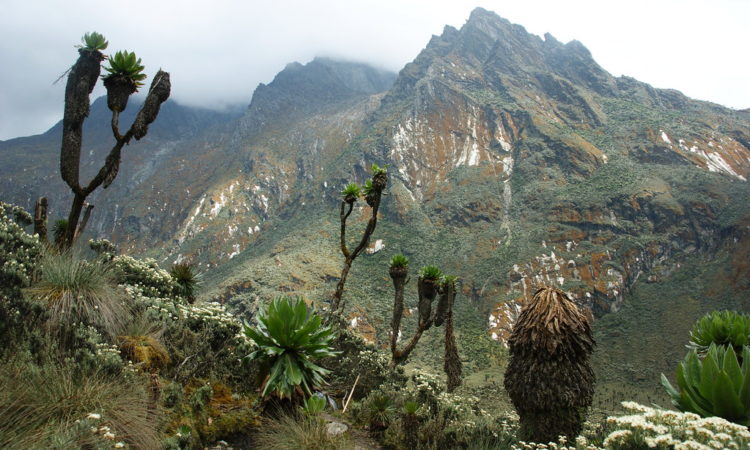
The equatorial position (just 0°11’N) creates the magical contrast of snow-capped peaks rising from dense tropical rainforest—one of the planet’s rarest sights.
History of the Rwenzori Mountains
Ancient geographers first documented the Rwenzori Mountains around AD 150. Greek scholar Claudius Ptolemy described a snow-covered range feeding the Nile’s source and named it the legendary Mountains of the Moon (Lunae Montes). For over 1,700 years, explorers searched for this mythical range.
European “discovery” came in 1888 when Henry Morton Stanley spotted the glistening peaks while crossing Lake Albert. He recorded the local Bakonzo name “Ruwenzori,” meaning “rain-maker” or “cloud-king.” Subsequent expeditions by the Duke of Abruzzi in 1906 mapped the major peaks and glaciers.
The area remained largely inaccessible during Uganda’s turbulent 1970s–1990s. The park was gazetted in 1991 and declared a UNESCO World Heritage Site in 1994 for its outstanding natural beauty and unique alpine flora.
Today, Rwenzori Mountains National Park is managed by the Uganda Wildlife Authority (UWA), with strict conservation protocols ensuring sustainable tourism.
Why the Rwenzori Mountains Are Called the “Mountains of the Moon”
The name Mountains of the Moon originates from Ptolemy’s ancient writings. He described immense, snow-capped peaks near the equator whose meltwaters fed two great lakes and ultimately the Nile River. Early explorers imagined these peaks glowing silver under moonlight—hence Lunae Montes.
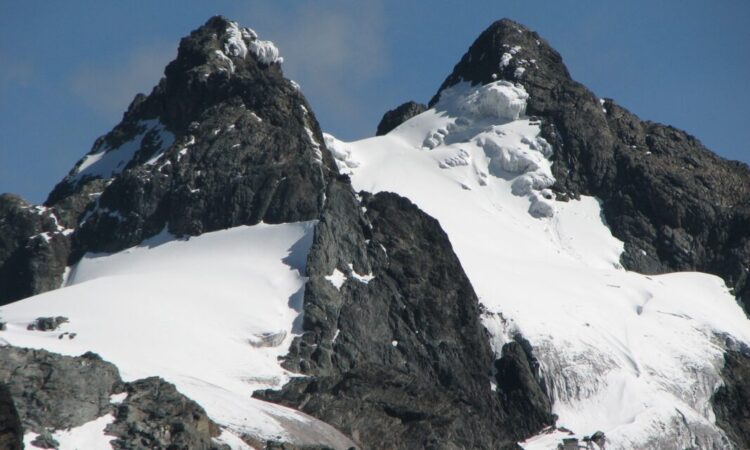
The Rwenzori Mountains perfectly match this description. Their permanent glaciers and snowfields shimmer against the equatorial sky, visible from great distances when clouds part.
Even today, the highest peaks (Margherita at 5,109 m) retain ice caps despite global warming, creating a surreal lunar-like landscape amid lush vegetation.
Stanley’s 1888 confirmation linked the real mountains to Ptolemy’s legend. The name endures because no other African range combines equatorial snow, dramatic rift-valley uplift, and such profound cultural mystique.
Rwenzori Mountains National Park Overview
Rwenzori Mountains National Park protects the central massif and six glaciated peaks. Established in 1991 and covering nearly 100,000 hectares, it ranks among Africa’s most scenic highland areas. 70% of the park lies above 2,500 m, creating one of the continent’s largest alpine zones outside the Ethiopian highlands.
The park holds UNESCO status for Criterion (vii)—its “superlative natural phenomenon”—and supports exceptional biodiversity. Five distinct vegetation zones transition from tropical forest to glacial ice within just a few kilometers. Glaciers, waterfalls, and crystal-clear lakes punctuate the landscape.
UWA strictly limits daily trekkers to preserve the fragile ecosystem. This controlled access ensures high-quality experiences with minimal crowding, unlike more commercialized peaks elsewhere in Africa.
Major Peaks in the Rwenzori Mountains
The Rwenzori Mountains feature six main massifs, each with multiple summits:
- Mount Stanley – Highest at 5,109 m (Margherita Peak) and 5,091 m (Alexandra Peak). Third-highest mountain in Africa.
- Mount Speke – 4,890 m.
- Mount Baker – 4,843 m.
- Mount Emin – 4,798 m.
- Mount Gessi – 4,715 m.
- Mount Luigi di Savoia – 4,627 m.
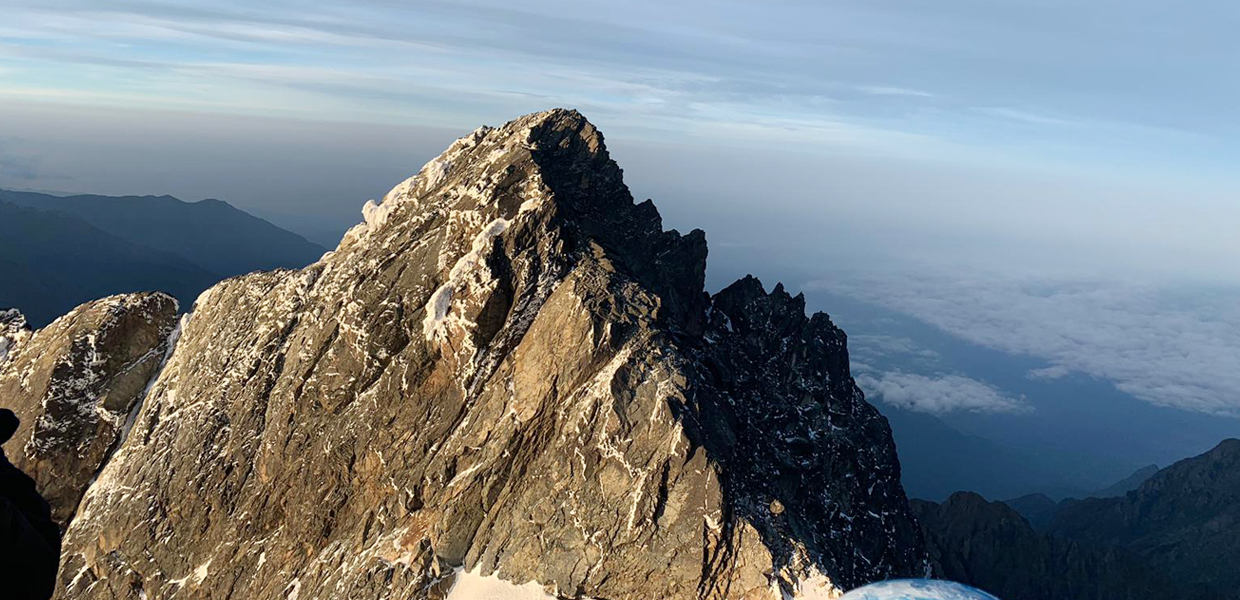
Margherita Peak crowns Mount Stanley and remains the ultimate goal for serious trekkers. All peaks require technical skills above 4,500 m, including crampons and ice axes on glaciers.
Hiking and Trekking in the Rwenzori Mountains
Rwenzori Mountains trekking offers three main routes, each delivering distinct experiences.
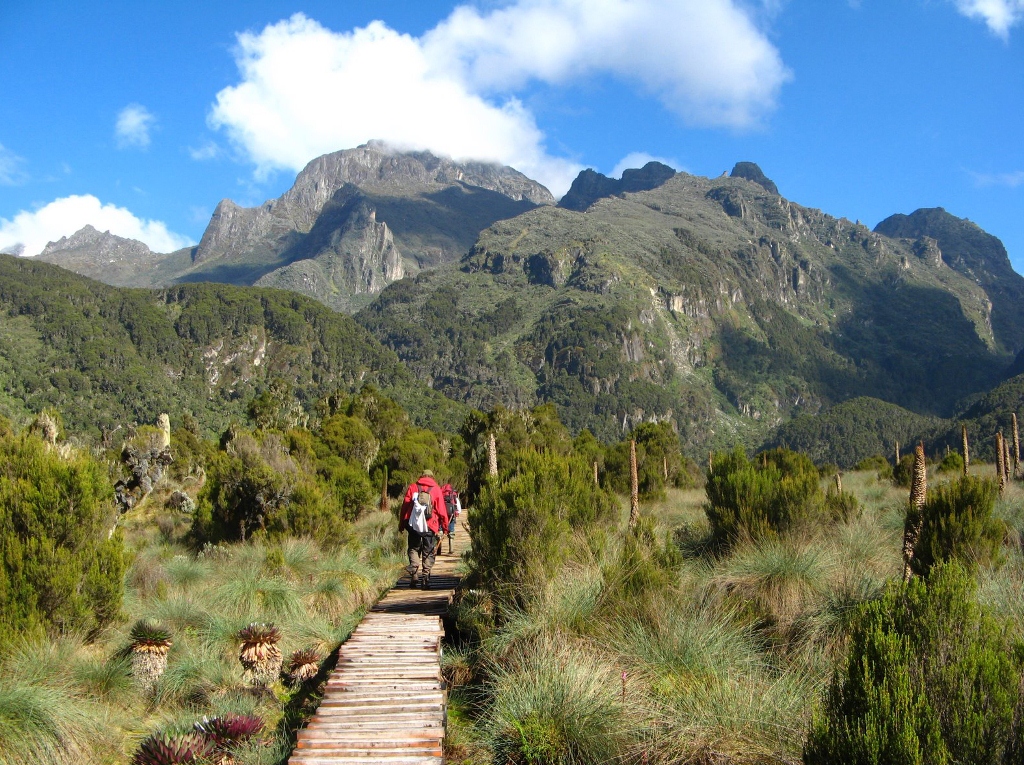
The classic Central Circuit Trail (7–9 days) circles the main peaks from Nyakalengija trailhead. You cross five vegetation zones, visit Bujuku and Elena Huts, and enjoy optional summit attempts. Daily distances average 5–8 km with significant elevation gain.
The Kilembe Trail (western approach) provides more dramatic scenery but steeper terrain. It starts near Kilembe and joins the Central Circuit.
The newer Bukurungu Trail suits expert climbers seeking wilderness camping.
All treks are fully guided with mandatory UWA rangers and porters. Expect muddy sections, steep ridges, and rope-assisted sections in higher zones. The slow pace allows proper acclimatization and deep immersion in the landscape.
Climbing Margherita Peak
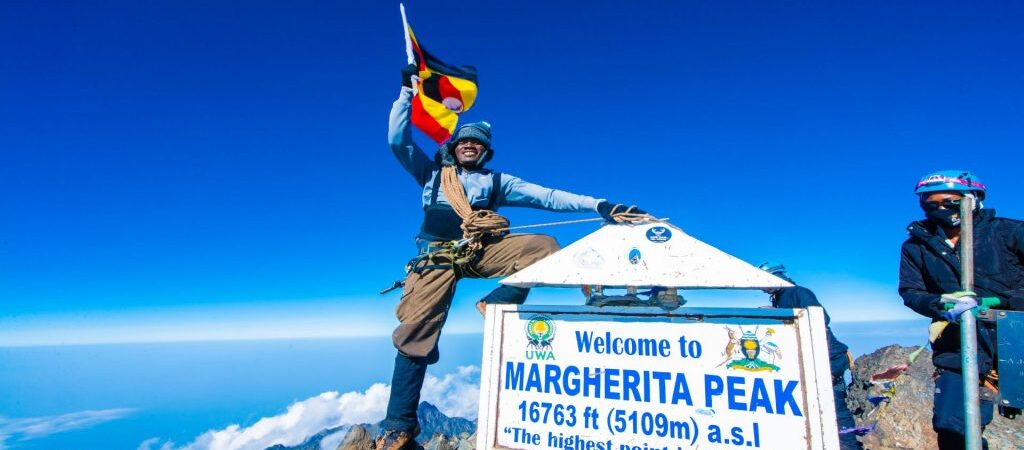
Climbing Margherita Peak (5,109 m) represents the pinnacle of Rwenzori Mountains Uganda adventures. From Elena Hut (4,541 m), summit day begins at 2–3 a.m. with a 4–5 hour ascent involving:
- Rocky scrambling and fixed ropes.
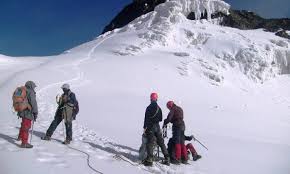
- Glacier travel with crampons and ice axe.
- Final exposed ridge to the summit cross.
The route is Grade PD (Peu Difficile) mountaineering—technical but achievable with good fitness and prior high-altitude experience. Success rate hovers around 70–80% depending on weather and acclimatization.
Expect biting cold, strong winds, and possible snow. The reward? Panoramic views across the Congo and Uganda, with glacial lakes sparkling below. Descent returns to Elena Hut the same day.
Wildlife in the Rwenzori Mountains
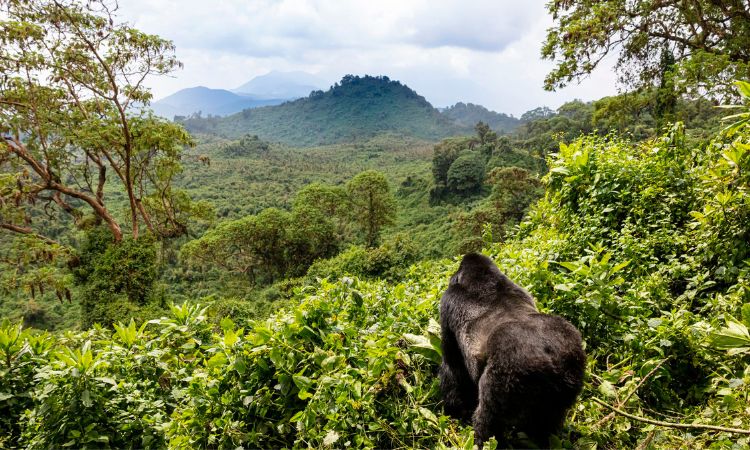
While not a classic big-game destination, Rwenzori Mountains wildlife surprises with Albertine Rift endemics. The park hosts 70 mammal species and 177 bird species.
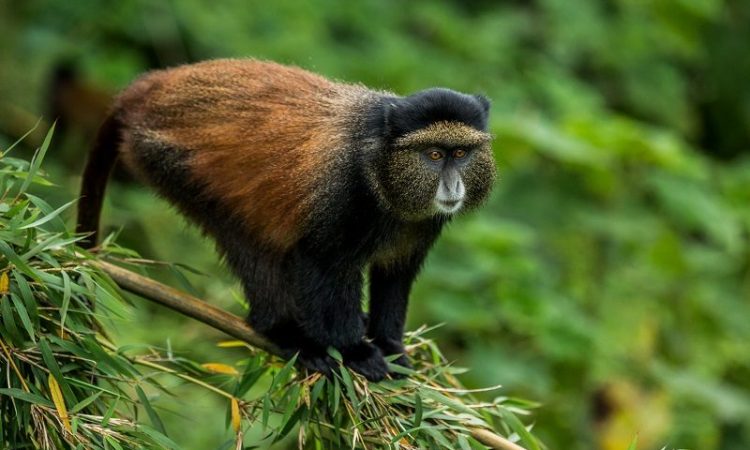
Lower forests shelter chimpanzees, black-and-white colobus monkeys, blue monkeys, elephants, leopards, and Rwenzori otters. Bushbucks and duikers appear more frequently. The rare three-horned chameleon thrives in bamboo zones.
Birdwatchers delight in endemics such as the Rwenzori Turaco, Handsome Francolin, and Blue-headed Sunbird. Over 20 Albertine Rift endemics make this an Important Bird Area.
Larger mammals remain elusive due to dense vegetation, but the sheer biodiversity and pristine habitat deliver a unique wilderness feel.
Unique Vegetation Zones
The Rwenzori Mountains boast five spectacular vegetation zones:
- Montane Forest (1,800–2,500 m): Lush rainforest with towering trees draped in moss.
- Bamboo Zone (2,500–3,000 m): Dense stands of giant bamboo.
- Heather/Rupicolous Zone (3,000–3,500 m): Giant heather forests up to 20 m tall.
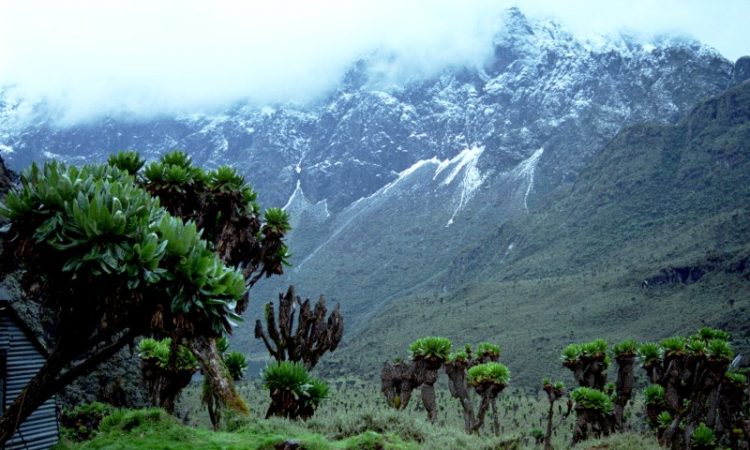
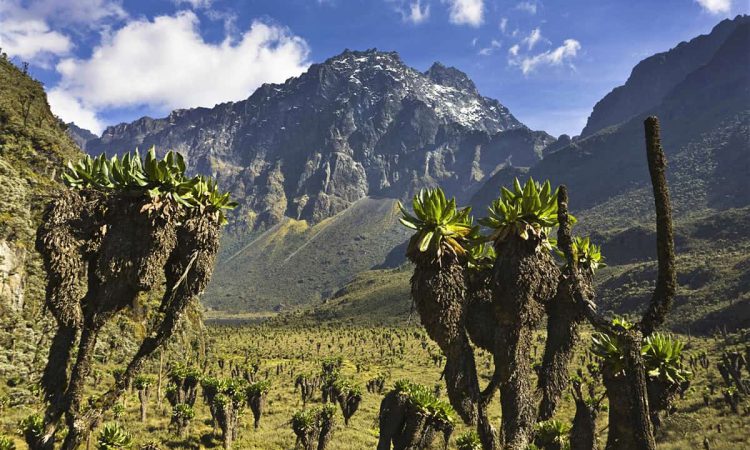
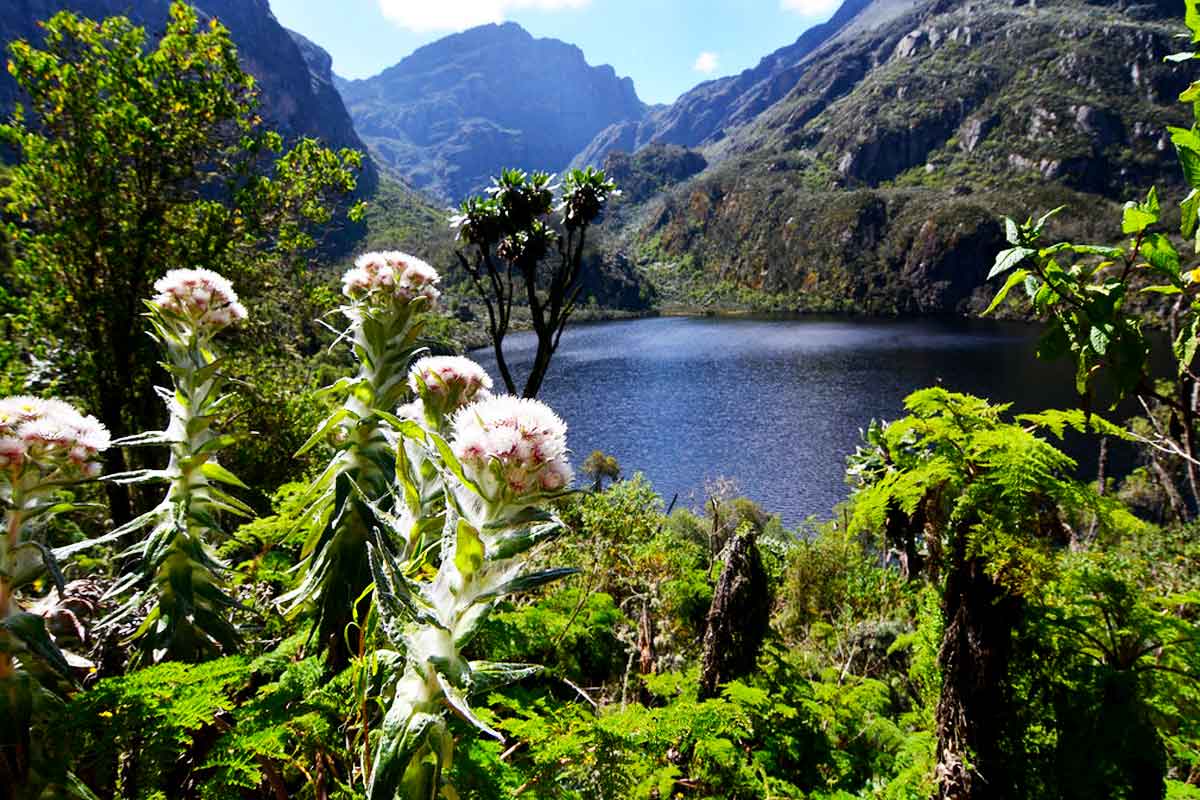
- Afro-Alpine Moorland (3,500–4,400 m): Iconic giant lobelias, groundsels (Senecio), and everlasting flowers—some of the world’s tallest herbaceous plants.
- Glacial/Nival Zone (above 4,400 m): Permanent ice, rock, and sparse lichens.
These zones support the richest montane flora in tropical Africa, with many species found nowhere else on Earth. The giant lobelias and senecios create a prehistoric, almost alien landscape.
Best Time to Visit the Rwenzori Mountains
The best time to visit the Rwenzori Mountains falls in the two dry seasons: June to August and December to February. Skies clear, trails dry, and summit views improve dramatically.
Rainy seasons (March–May and September–November) bring heavy mud and slippery rocks but fewer crowds and lower lodge rates. Serious climbers still succeed with proper gear, but expect more cloud cover.
Average temperatures drop with altitude: 20–25°C at trailheads, freezing at summits. Pack layers for rapid weather changes.
How to Get to the Rwenzori Mountains
International travelers fly into Entebbe International Airport (EBB). From there:
- Domestic flight (recommended): 90-minute service to Kasese Airstrip via Aerolink or similar, followed by 45-minute transfer.
- Road transfer: 4–6 hours from Kampala via comfortable 4×4 vehicles. The Mubende–Fort Portal route is fastest.
GoSilverback Safaris arranges seamless airport pickups and private transfers for all clients.
Rwenzori Mountains Trekking Costs
Rwenzori Mountains trekking costs in 2026 range from USD 1,280–2,500 per person for a 7-day Margherita Peak package. This typically includes:
- Professional guides and porters
- Mountain hut accommodation
- All meals during the trek
- Park fees and rescue insurance
Additional expenses: international flights, gorilla permits (if combining), tips, and pre/post-trek lodging in Kasese (USD 80–200/night). Group discounts apply for 3+ travelers.
Compared with Kilimanjaro, Rwenzori offers superior value with far fewer crowds and richer biodiversity.
Accommodation Around Rwenzori Mountains
Base yourself in Kasese or at trailhead lodges. Options include:
- Hotel Margherita (Kasese): Historic colonial-style comfort with pool.
- Ruboni Community Camp: Eco-lodges supporting local Bakonzo families.
- Mountain huts inside the park (Nyabitaba, John Matte, Bujuku, Elena): Basic but clean, with bunk beds and cooking facilities.
GoSilverback Safaris books premium private huts and community stays for an authentic, low-impact experience.
Safety Tips for Rwenzori Trekkers
Rwenzori Mountains trekking is safe with proper preparation. Key tips:
- Acclimatize gradually—never rush above 3,000 m.
- Use Diamox (acetazolamide) if recommended by your doctor.
- Trek only with certified UWA guides and porters.
- Carry a comprehensive first-aid kit, headlamp, and rain gear.
- Monitor weather daily; turn back in storms.
- Respect the border with DRC—stay within park boundaries.
Altitude sickness remains the primary risk. Symptoms include headache and nausea; descend immediately if severe.
Conservation and Community Tourism
UWA and local communities work together to protect this fragile ecosystem. Revenue from trekking funds anti-poaching, habitat restoration, and community projects. The Ruboni and Bujuku communities directly benefit through employment and cultural tourism.
Travelers contribute by choosing responsible operators like GoSilverback Safaris, which prioritize carbon-neutral practices and fair porter wages.
Other Attractions Near the Rwenzori Mountains
Combine your trek with:
- Queen Elizabeth National Park (1 hour away): Classic game drives, Kazinga Channel boat safaris, and tree-climbing lions.
- Semuliki National Park: Hot springs and primate-rich forest.
- Fort Portal crater lakes: Stunning viewpoints and cultural experiences.
- Chimpanzee tracking in nearby Kibale or Budongo forests.
Rwenzori Mountains Safari Itinerary Ideas
7-Day Rwenzori Central Circuit (Margherita Peak focus) 10-Day Rwenzori + Queen Elizabeth (trek + big game) 14-Day Ultimate Uganda (Rwenzori + gorilla trekking in Bwindi + Queen Elizabeth)
We customize every itinerary for fitness level, group size, and interests.
Why Visit the Rwenzori Mountains?
The Rwenzori Mountains Uganda deliver an unmatched blend of challenge, beauty, and exclusivity. You experience equatorial glaciers, prehistoric vegetation, and profound silence—without the queues of Kilimanjaro or Everest Base Camp.
The cultural immersion with the Bakonzo people adds depth. For travelers seeking authentic adventure beyond standard safari checklists, this is Uganda’s crown jewel.
Frequently Asked Questions
What is the highest point in the Rwenzori Mountains?
Margherita Peak on Mount Stanley stands at 5,109 m, making it Uganda’s tallest mountain and Africa’s third-highest after Kilimanjaro and Mount Kenya. The summit requires technical glacier travel.
How difficult is trekking the Rwenzori Mountains?
The Central Circuit is strenuous but non-technical until the final Margherita ascent. Expect 5–8 hours of daily hiking on muddy trails with steep sections. Good fitness and prior hiking experience are essential.
What is the best time to trek the Rwenzori Mountains?
June–August and December–February offer the driest conditions and clearest summit views. Rainy seasons remain possible but bring mud and cloud.
How much does a Rwenzori Mountains trek cost in 2026?
Full 7-day packages start at USD 1,280–1,500 per person, covering guides, porters, huts, meals, and park fees. Additional costs include transfers and tips.
Do I need a permit for Rwenzori Mountains trekking?
Yes. All trekkers must book through authorized operators. UWA ranger guides accompany every group for safety and conservation.
How do I prepare for altitude sickness on Margherita Peak?
Ascend slowly, hydrate well, and consider Diamox prophylaxis. Acclimatization days built into standard itineraries greatly reduce risk.
What wildlife can I expect in the Rwenzori Mountains?
Chimpanzees, colobus monkeys, and forest elephants inhabit lower zones. Birdlife is exceptional with many Albertine Rift endemics. Giant lobelias dominate higher altitudes.
Are there comfortable huts or camps in the mountains?
Yes. Well-maintained UWA huts provide bunk beds, toilets, and cooking areas. Private operators offer upgraded tents or community lodges at trailheads.
Can I combine Rwenzori trekking with gorilla trekking?
Absolutely. Many clients add Bwindi Impenetrable National Park for mountain gorilla encounters. GoSilverback Safaris specializes in seamless 12–18 day combinations.
What vaccinations and visas do I need?
Yellow fever vaccination is required for entry into Uganda. Most nationalities receive a 90-day tourist visa on arrival or e-visa. Check current health requirements.
What should I pack for Rwenzori Mountains trekking?
Waterproof hiking boots, layered clothing, down jacket, trekking poles, headlamp, and a 4-season sleeping bag. Rent heavy gear locally if needed.
Is the Rwenzori Mountains area safe for international travelers?
Yes. The park is well-patrolled and far from conflict zones. Follow guide instructions and travel with reputable operators for complete peace of mind.
Conclusion
The Rwenzori Mountains Uganda—the legendary Mountains of the Moon—offer one of Africa’s most profound and rewarding adventures. From the mist-veiled giant lobelias to the icy summit of Margherita Peak, every step reveals why this range has captivated explorers for two millennia.
At GoSilverback Safaris, we transform your Rwenzori dream into a perfectly orchestrated journey. Our expert guides, conservation-focused itineraries, and seamless logistics ensure you experience the mountains safely and responsibly.
Ready to stand on the roof of Uganda and gaze across the Albertine Rift? Combine your Rwenzori Mountains trekking adventure with a mountain gorilla permit in Bwindi for the ultimate Uganda experience.
Limited gorilla permits sell out months in advance—secure yours today through GoSilverback Safaris and let us craft your private safari of a lifetime.
Contact our team now at GoSilverback Safaris to book your Rwenzori Mountains Uganda trek and gorilla permit. The Mountains of the Moon are calling—answer with confidence.