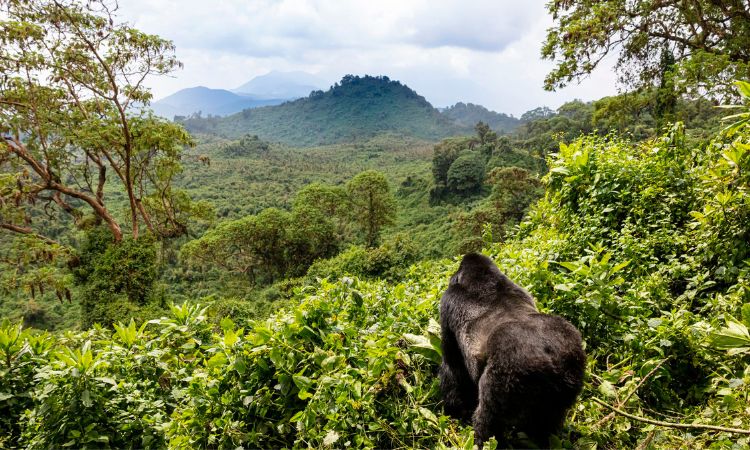
Rwanda Gorilla Trekking Prices 2026: Complete Guide to Permits, Costs, Savings & Booking
Rwanda gorilla trekking prices remain one of the most searched topics for adventure travelers planning an unforgettable wildlife experience in 2026.
As one of only three countries in the world where you can trek to see endangered mountain gorillas in their natural habitat, Rwanda offers a premium, exclusive encounter that justifies its cost through unparalleled access, conservation impact, and luxury infrastructure.
In this comprehensive 2026 guide, we break down every aspect of Rwanda gorilla trekking costs—from the official gorilla permit price of $1,500 for foreign non-residents to full trip breakdowns, budget vs. luxury options, seasonal impacts, and comparisons with Uganda.
Check this guide to learn about Uganda Gorilla trekking Prices 2026.
Whether you’re budgeting for a once-in-a-lifetime adventure or seeking ways to save without compromising quality, this in-depth resource provides transparent, up-to-date pricing and expert tips to help you plan confidently.
The allure of gorilla trekking in Rwanda lies in its accessibility and reliability.
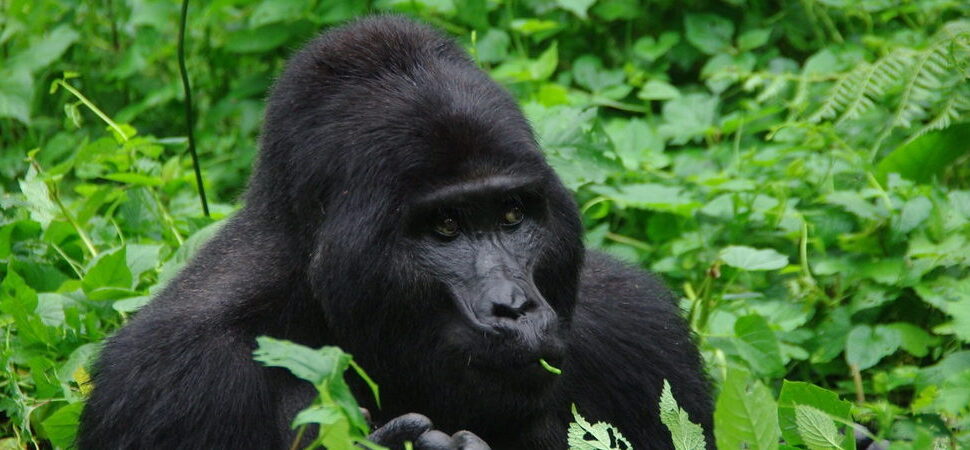
Volcanoes National Park protects approximately one-third of the world’s remaining mountain gorillas (around 1,000 individuals), and strict conservation protocols ensure intimate, one-hour encounters with habituated families.
Unlike more rugged alternatives, Rwanda’s treks are often shorter and more predictable, making it ideal for families, photographers, and first-time trekkers.
Rwanda gorilla trekking prices reflect this premium experience, with the gorilla permit directly funding anti-poaching, community projects, and habitat protection—contributing to the species’ remarkable recovery from near-extinction.
In 2026, the official gorilla permit stands at $1,500 USD for most international visitors, with promotional discounts available for Rwandans, East Africans, and African residents.
This guide covers everything you need: real cost estimates for 3-7 day trips, insider savings strategies, booking steps, and why Rwanda’s higher permit fee often delivers superior value.
By the end, you’ll have a clear picture of how much gorilla trekking in Rwanda costs and how to maximize your investment in this bucket-list adventure.
Check this guide to learn about Uganda Gorilla trekking Permite Guide.
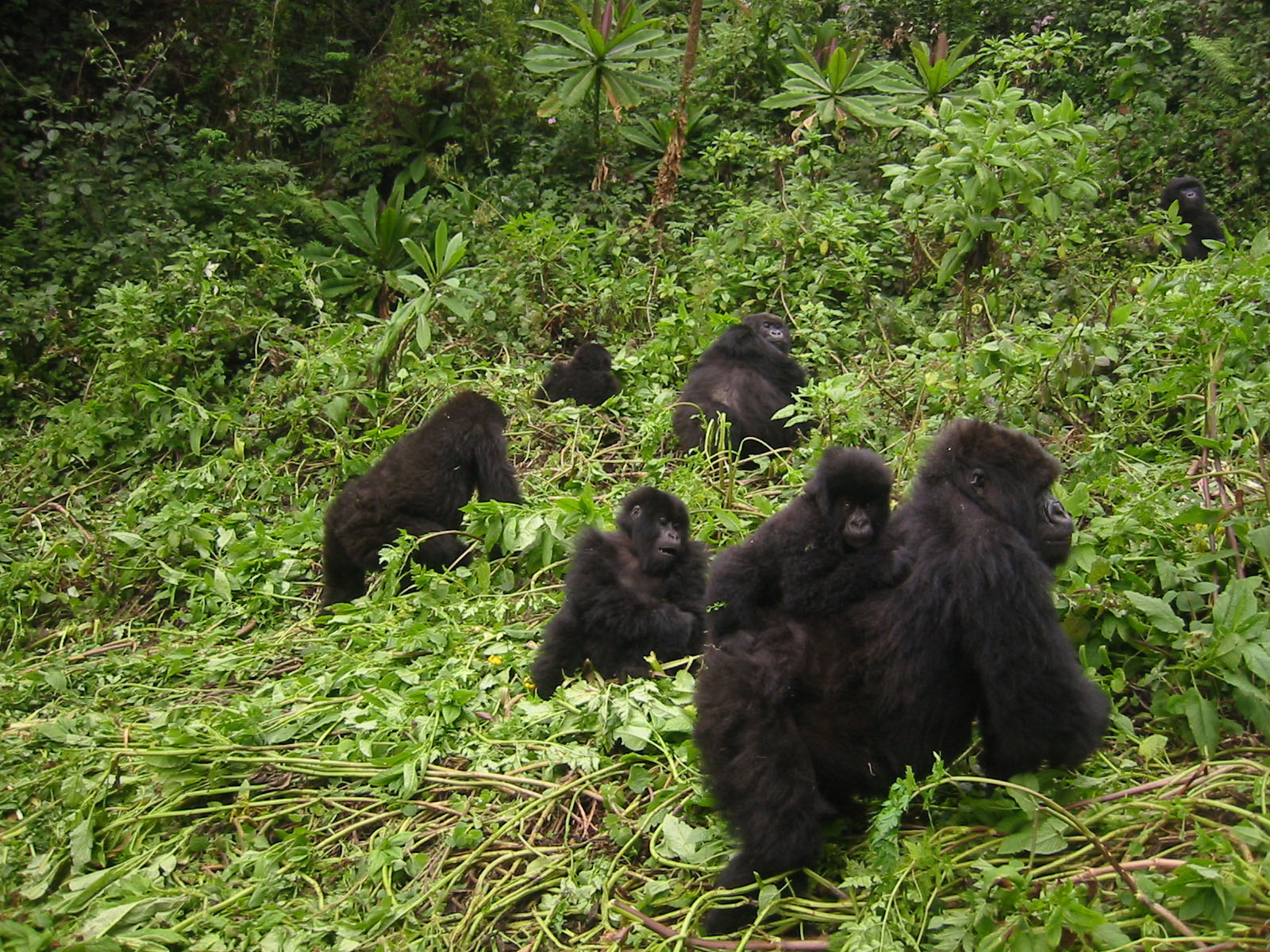
Why Choose Gorilla Trekking in Rwanda?
Volcanoes National Park in northwestern Rwanda is the premier destination for mountain gorilla trekking, offering one of the most reliable and rewarding wildlife experiences on Earth.
Home to roughly one-third of the world’s remaining mountain gorillas, the park spans 160 square kilometers of lush bamboo forests, alpine meadows, and volcanic slopes—creating diverse habitats that support thriving gorilla families.
Rwanda’s conservation success story is unmatched: since the 1980s, mountain gorilla numbers have doubled thanks to revenue from gorilla permits funding patrols, veterinary care, and community benefits.
What sets Rwanda apart is the premium, controlled nature of the experience.
Only eight trekkers per gorilla group ensure minimal disturbance and maximum intimacy—you’re often within meters of playful juveniles, protective silverbacks, and foraging mothers.
Treks are generally shorter and more predictable than in neighboring countries, averaging 2-4 hours round-trip, with well-maintained trails and experienced guides.
This makes gorilla trekking in Rwanda accessible to a wider range of fitness levels while maintaining strict ethical standards.
The exclusivity extends beyond the trek itself. Rwanda’s tourism infrastructure emphasizes luxury and sustainability, with high-end lodges in the Musanze area offering spa treatments, gourmet dining, and stunning views of the Virunga volcanoes.
Community involvement is woven into the experience—many lodges employ local staff, and permit fees support education and health programs in surrounding villages.
For travelers seeking a blend of adventure, conservation impact, and comfort, Rwanda gorilla trekking delivers a polished, meaningful journey that justifies its position as the premium choice among gorilla destinations.
Official Gorilla Permit Prices in 2026
The cornerstone of any Rwanda gorilla trekking itinerary is the gorilla permit, officially issued and regulated by the Rwanda Development Board (RDB).
In 2026, the official gorilla permit price for most international visitors—foreign non-residents—remains firmly at $1,500 USD per person per trek.
This standard rate applies to travelers from outside Africa or those without qualifying residency status in Rwanda or the broader continent, positioning Rwanda’s permit as the premium option among gorilla destinations worldwide.
The RDB maintains a tiered pricing structure in 2026 to promote regional tourism, domestic access, and inclusivity while prioritizing conservation revenue from global visitors.
Promotional discounted rates, extended through December 31, 2026, include:
- Foreign residents in Rwanda or African citizens/residents (non-East African Community): $500 USD per person. This category requires proof such as a valid passport, residency permit, diplomatic ID, or a visa/residency document covering at least four consecutive months in Africa.
- Rwandan citizens and East African Community (EAC) citizens (including those from Uganda, Kenya, Tanzania, Burundi, South Sudan, and DRC): $200 USD per person. Proof of citizenship via national ID, passport, or birth certificate is mandatory for these highly subsidized rates.
These promotional prices do not apply during the peak dry season blackout period (typically June to October), when the full standard rate of $1,500 applies across all categories to manage demand and maximize conservation funding during high-visitation months.
What the gorilla permit includes is straightforward and valuable: full access to Volcanoes National Park, escorted trekking by experienced RDB guides and trackers, park entrance fees, and a strictly limited one-hour observation period with a habituated mountain gorilla family.
This intimate, low-impact encounter—capped at just eight trekkers per group—ensures ethical wildlife viewing while protecting the gorillas from stress or disease transmission.
Additional perks may include briefing sessions at park headquarters and contributions toward anti-poaching and habitat efforts.
For multi-park travelers, RDB offers combo incentives.
A notable option is the low-season discount (available November–May), where combining a gorilla permit with visits to Akagera National Park or Nyungwe National Park (minimum 3 days/2 nights) can reduce the gorilla permit to $1,050 USD—a $450 savings (30% off the standard $1,500).
Other targeted discounts exist for MICE (Meetings, Incentives, Conferences, Exhibitions) delegates at around 15% off.
Booking rules are strict to preserve sustainability:
- Minimum age: 15 years (due to physical demands and health risks to gorillas).
- Maximum group size: 8 trekkers per gorilla family.
- Advance booking: Highly recommended 3–6 months (or more) ahead, as only about 96 permits are issued daily across 12 habituated groups—demand often exceeds supply, especially in peak seasons.
- Permits are non-refundable once issued but may be transferable or reschedulable under RDB guidelines.
The $1,500 permit price (and discounted equivalents) directly fuels Rwanda’s remarkable conservation success.
Revenue supports anti-poaching patrols, veterinary care for gorillas, habitat restoration in the Virunga Massif, community development projects (including revenue sharing with local villages), education initiatives, and ranger training.
Since the 2017 price increase from $750, mountain gorilla populations have continued to grow—now numbering around 1,000 individuals—demonstrating how tourism fees create a sustainable funding model that has turned a critically endangered species into a symbol of recovery.
Ultimately, choose Uganda for value and variety, or Rwanda for exclusivity and ease—both support the same endangered mountain gorillas.
Check this guide to learn about Uganda Gorilla trekking Prices in 2026.
| Category | Price (USD) | Notes |
|---|---|---|
| Foreign Non-Resident | $1,500 | Standard rate for international tourists |
| Foreign Resident in Rwanda / African Citizens & Residents | $500 | Promotional rate; requires proof of residency/visa; blackout Jun-Oct |
| East African / Rwandan Citizen | $200 | Highly subsidized; proof of citizenship/ID required; blackout Jun-Oct |
Always verify the latest details directly via the official RDB booking portal (visitrwandabookings.rdb.rw) or a trusted operator, as policies can evolve.
Securing your permit early is the key step to experiencing this once-in-a-lifetime adventure.
Check this guide to learn about Uganda Gorilla trekking Permit Guide.
.jpg)
Full Cost Breakdown: What You’ll Actually Pay
While the headline Rwanda gorilla trekking expense is the mandatory gorilla permit at $1,500 USD per person for foreign non-residents in 2026 (confirmed by the Rwanda Development Board), the true cost of a complete trip extends far beyond that.
A realistic 3–5 day itinerary based in Musanze (the main gateway to Volcanoes National Park) includes accommodation, transport from Kigali, porters, tips, meals, visa/insurance, and miscellaneous items.
Prices below are per person, in USD, and reflect 2026 averages from operator quotes, lodge sites, and traveler reports—expect slight fluctuations based on season, group size, and booking timing.
Permit: $1,500 (foreign non-residents/standard international rate). This non-negotiable fee covers park entry, guided trek, and one hour with a habituated mountain gorilla family.
Promotional discounts apply: $500 for foreign residents in Rwanda or African citizens (non-East African), and $200 for East African/Rwandan citizens (proof required; some exclusions in peak June–October).
Combo discounts with other parks (e.g., Nyungwe chimpanzees) can save up to $450–$1,050.
Accommodation (Musanze/Kinigi area, typically 2–3 nights for a standard trek):
- Budget: $50–$120 per night (basic guesthouses/hotels like Muhabura or local options in Musanze town).
- Mid-range: $150–$400 per night (comfortable lodges with views, e.g., Mountain Gorilla View Lodge or Five Volcanoes Boutique Hotel).
- Luxury: $800–$2,800+ per night (premium eco-lodges like Bisate Lodge, Singita Kwitonda, Sabyinyo Silverback Lodge, or One&Only Gorillas’ Nest—often all-inclusive with meals and transfers).
Transportation (Kigali International Airport to Musanze round-trip, ~2-hour drive):
- Private 4×4 transfer: $100–$300 (comfortable, recommended for groups; shared shuttles cheaper at $50–$100/person).
Porter hire (strongly advised for carrying daypacks, water, and rain gear; supports local communities): $10–$20 per day.
Tips (customary for guides, trackers, and porters—appreciated for excellent service): $15–$30 total per trek (e.g., $10 guide, $10 tracker, $10 porter split).
Food/meals (lodges often include breakfast; lunches/dinners vary):
- $20–$100 per day (budget street food/cafes: $20–$40; mid-range lodge dining: $40–$70; luxury gourmet/all-inclusive: $70–$100+).
Visa, travel insurance, miscellaneous (airport transfers, souvenirs, drinks, yellow fever proof if needed):
- $50–$200 total (Rwanda visa on arrival ~$50 for many nationalities; comprehensive travel insurance with evacuation coverage highly recommended at $50–$150).
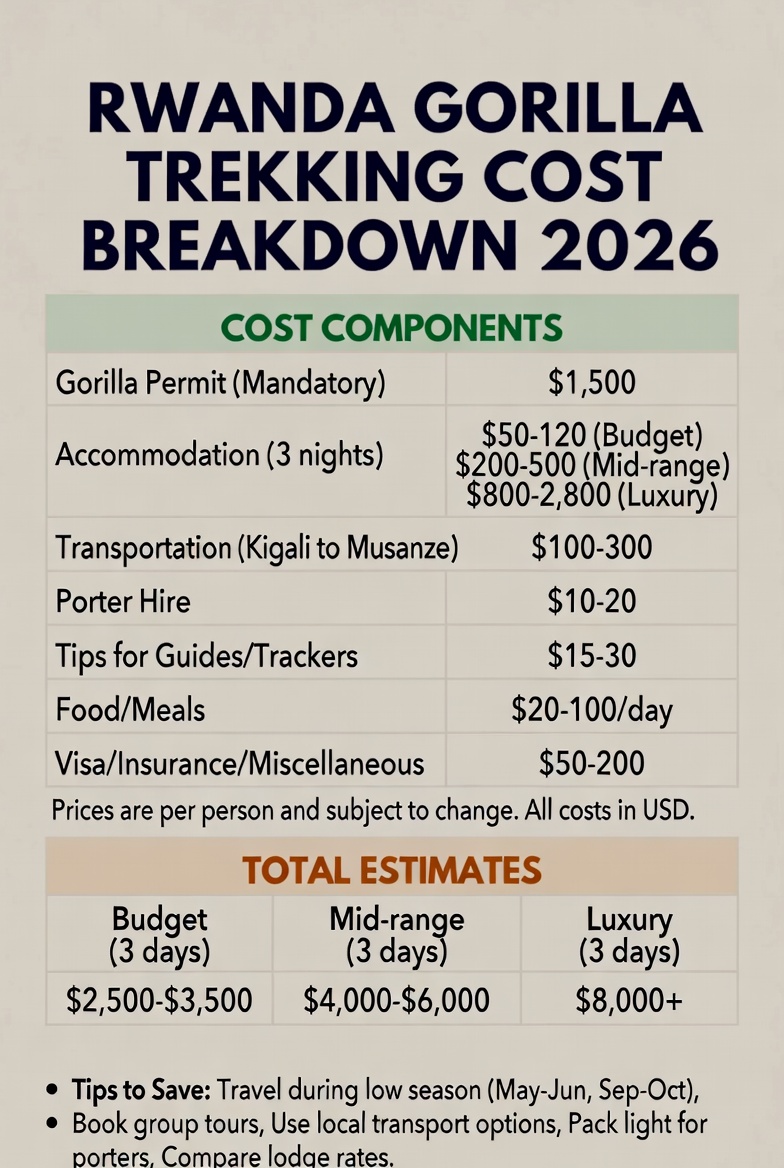
To visualize the full picture, here’s a clear 2026 cost breakdown table:
| Cost Component | Budget Range (per person) | Mid-Range Range | Luxury Range | Notes |
|---|---|---|---|---|
| Gorilla Permit | $1,500 | $1,500 | $1,500 | Fixed for non-residents; discounts possible |
| Accommodation (2–3 nights) | $100–$360 | $300–$1,200 | $1,600–$8,400+ | Per night rates x nights |
| Transportation (round-trip) | $50–$150 | $150–$300 | $200–$500+ | Private vs. shared |
| Porter Hire (1–2 days) | $10–$40 | $20–$40 | $20–$40 | Per day |
| Tips (guides/trackers/porters) | $15–$30 | $20–$50 | $30–$100+ | Customary |
| Meals (per day, excluding incl.) | $20–$50/day | $40–$80/day | $70–$150+/day | Lodge inclusions vary |
| Visa/Insurance/Misc | $50–$150 | $100–$200 | $100–$300 | Essential extras |
Total estimated costs for a 3-day trip (permit + 2 nights accommodation + basics):
- Budget: ~$2,500–$3,500 per person (shared transport, basic lodging, minimal extras—great for value-focused travelers).
- Mid-range: ~$4,000–$6,000 per person (private transfers, comfortable lodges, most meals included—popular sweet spot).
- Luxury: ~$8,000+ per person (premium lodges, all-inclusive perks, extended guiding—unparalleled comfort).
These totals assume solo or small-group travel; sharing reduces per-person costs significantly. For a longer 5–7 day trip adding activities (e.g., golden monkey tracking or cultural visits), add $500–$2,000+.
Tips to save on Rwanda gorilla trekking costs:
- Travel in shoulder seasons (March–May, October–November) for 20–40% lower accommodation rates (permit fixed year-round).
- Join small group tours to share private transfers and porters.
- Book through operators like GoSilverback Safaris for bundled packages with guaranteed permits and no hidden fees.
- Opt for Musanze town hotels over luxury lodges near the park gates.
- Pack your own snacks/water to cut meal costs; hire porters to ease physical demands without extra strain.
This transparent breakdown eliminates surprises—your Rwanda gorilla trekking investment directly supports conservation while delivering an extraordinary wildlife experience.
Plan accordingly, and the memories will far outweigh the price tag.
Budget, Mid-Range & Luxury Trekking Options
Rwanda gorilla trekking packages cater to every traveler, from cost-conscious adventurers to those seeking ultimate indulgence.
The fixed $1,500 gorilla permit forms the core expense, but accommodation, transfers, meals, and add-ons create wide variations. Here’s a comparison of typical 2026 options, based on popular itineraries in Volcanoes National Park.
Budget options (~$2,500–$3,500 per person for 3 days/2 nights):
Ideal for backpackers or value seekers.
Focus on essentials—$1,500 permit, basic guesthouses or mid-range hotels in Musanze ($50–$120/night), shared group transfers from Kigali (~$50–$100/person), porter hire ($10–$20), and simple meals.
Example: A 3-day budget gorilla trekking package includes one trek day, basic lodging, breakfasts, and park briefing—totaling around $2,800–$3,200.
Inclusions matter: Ensure permit allocation is guaranteed and transfers are reliable to avoid delays.
These suit fit travelers prioritizing the gorillas over comfort.
Mid-range options (~$4,000–$6,000 per person for 4–5 days):
The sweet spot for most visitors, balancing comfort and value.
Expect comfortable 3–4 star lodges ($150–$400/night) with volcano views, private 4×4 transfers ($200–$300 round-trip), most meals included, porter/guide tips covered, and extras like cultural village visits.
Example: A 4-day mid-range package might add golden monkey tracking or relaxation time, totaling $4,500–$5,500.
Key inclusions: Private guiding for personalized insights, airport meet-and-greet, and contingency for weather—enhancing the experience without excess.
Luxury options (~$8,000–$15,000+ per person for 7+ days):
Premium indulgence with eco-luxury lodges like Bisate Lodge, Singita Kwitonda, Sabyinyo Silverback Lodge, or One&Only Gorilla’s Nest ($800–$2,800+/night).
Packages include private transfers (sometimes helicopter charters), gourmet all-inclusive meals, spa treatments, exclusive guiding, and extended activities (e.g., multi-trek days, chimpanzee tracking in Nyungwe, or Akagera safaris).
Example: A 7-day luxury gorilla trekking itinerary combines multiple gorilla encounters, cultural immersions, and high-end relaxation, often exceeding $10,000–$12,000.
Inclusions that matter: Seamless logistics, sustainability focus, personalized conservation talks, and VIP access—delivering unmatched exclusivity.
Recommended operator: GoSilverback Safaris excels across budgets, securing permits early, providing expert English-speaking guides, and customizing packages with strong conservation ties.
We offer transparent pricing, flexible options, and excellent reviews for reliability.
Choose based on priorities: budget for affordability, mid-range for comfort-value balance, or luxury for unparalleled pampering. Contact GoSilverback Safaris to tailor your perfect Rwanda gorilla trekking adventure in 2026.
Check this guide to learn about Uganda Gorilla trekking Prices breakdown 2026.
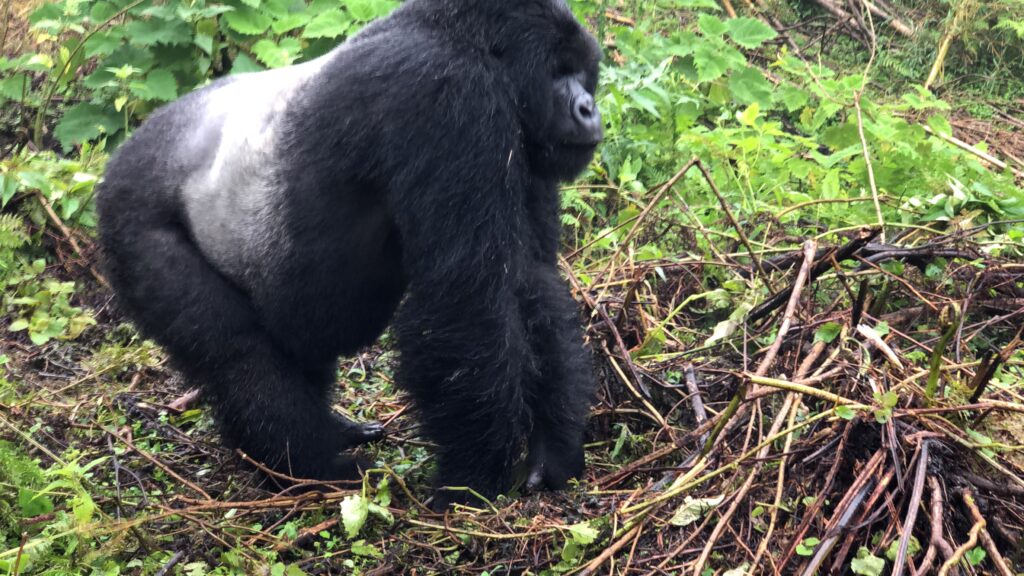
How to Book Your Gorilla Trek in Rwanda
Securing your spot for gorilla trekking in Rwanda is straightforward but requires early planning due to limited availability—only 96 permits are issued daily across Volcanoes National Park‘s habituated gorilla families.
You have two main options: book directly via the official Rwanda Development Board (RDB) portal or through a trusted tour operator like GoSilverback Safaris (highly recommended for most travelers).
Step-by-step booking process:
1. Decide your dates and check availability:
Review your preferred trekking dates, ideally during dry seasons (June–September or December–February) for optimal conditions. Visit the official RDB portal at visitrwandabookings.rdb.rw (or specifically the mountain gorilla tracking section) to view real-time availability.
2. Choose your booking method:
Direct via RDB: Create an account on the portal, select “Mountain Gorilla Tracking,” pick an available date and slot, fill in personal details (full name, passport number, email, phone), upload required documents, and pay the $1,500 gorilla permit price (for foreign non-residents) via credit card.
Permits are issued automatically upon successful payment on a first-come, first-served basis.
3. Through a trusted operator (recommended):
Contact GoSilverback Safaris with your dates and preferences. We check live RDB availability, secure your permit (often faster due to local connections), and bundle it with accommodation, transfers, porters, and guiding for a seamless experience.
4. Complete payment and receive confirmation:
Pay in full (non-refundable once issued, but transferable under RDB rules). You’ll get an e-permit via email—print it or save digitally.
Tips for securing permits:
- Book 3–6 months in advance for shoulder seasons; 6–12+ months (or as early as possible in 2025 for 2026 dry season) to avoid sell-outs.
- Be flexible with dates for better chances.
- Operators like GoSilverback Safaris Ltd handle last-minute checks and alternatives if needed.
Documents needed:
- Valid passport copy (minimum 6 months validity).
- Proof of payment.
- For discounted rates: Residency proof (foreign residents), East African/Rwandan ID/citizenship evidence.
- Travel insurance (recommended, not mandatory).
This process ensures your Rwanda gorilla trekking adventure is confirmed stress-free—start today for 2026!
Best Time to Visit & Seasonal Price Impacts
The best time for gorilla trekking in Rwanda aligns with the country’s two distinct dry seasons, when weather conditions make hiking in Volcanoes National Park easiest, safest, and most enjoyable.
Rwanda’s equatorial climate features predictable patterns: long dry season (June–September) and short dry season (December–February), with shoulder/wet periods in between.
- June to September (long dry season): Widely regarded as the peak period for gorilla trekking in Rwanda. Trails are drier and less slippery, undergrowth is thinner (improving visibility and navigation), and rainfall is minimal—often just light afternoon showers. Temperatures hover comfortably at 16–27°C (61–80°F), with sunny mornings ideal for early starts. Gorilla sightings remain reliable (95%+ success), and this is prime for combining with other activities like golden monkey tracking or cultural visits. However, demand surges, so permits and luxury lodges book out months ahead—book by January–February for June–September 2026 slots.
- December to February (short dry season): A strong secondary window with warm, sunny weather and accessible trails. February often brings particularly clear conditions for photography. Crowds are lighter than June–September, but accommodation prices remain elevated due to holiday travel.
Shoulder seasons (March–May and October–November, the wet/rainy periods) offer significant savings opportunities.
The gorilla permit stays fixed at $1,500 for foreign non-residents year-round—no seasonal changes from RDB—but accommodation in Musanze drops 20–40% (luxury lodges often have promotions), transfers and packages cost less, and fewer crowds mean more personalized experiences.
Trails can be muddier and steeper with heavier rain, potentially extending treks, but gorillas are still trackable (they move lower in wetter months), and lush greenery enhances the scenery.
For budget-conscious travelers or those prioritizing value over perfect weather, shoulder months deliver the same unforgettable mountain gorilla encounters at reduced overall Rwanda gorilla trekking costs. Regardless of season, book permits 3–6 months early—dry season slots fill fastest.
Rwanda vs Uganda Gorilla Trekking: Cost Comparison
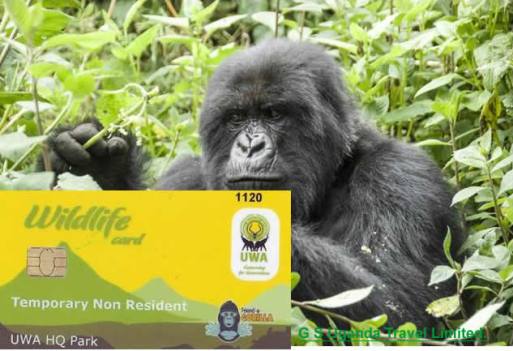
When deciding between gorilla trekking in Rwanda and Uganda gorilla trekking, the most striking difference is cost—particularly the gorilla permit price.
In 2026, Rwanda’s official permit from the Rwanda Development Board (RDB) stands at $1,500 USD for foreign non-residents (with promotional discounts to $500 for African residents and $200 for East Africans/Rwandans, though peak seasons June-October often exclude discounts).
In contrast, Uganda’s Uganda Wildlife Authority (UWA) charges $800 USD for a standard gorilla trekking permit in Bwindi Impenetrable National Park or Mgahinga Gorilla National Park (with lower rates like $700 for foreign residents and ~$135 equivalent for East Africans).
This $700 difference in the core permit makes Uganda gorilla trekking significantly more budget-friendly overall.
A full 3-5 day trip in Uganda often totals $2,000–$5,000 per person (including mid-range lodging, transfers from Kampala/Entebbe, and extras), while Rwanda’s equivalent ranges from $4,000–$8,000+ due to higher accommodation and logistics.
For travelers based in Uganda—like those in Kampala—the shorter drive to Bwindi (about 8-10 hours) versus flying or driving to Rwanda’s Volcanoes National Park (via border crossings or Kigali flights) can further reduce costs and hassle.
However, Rwanda justifies its premium gorilla permit price with distinct advantages that deliver superior value for many:
- Shorter and more predictable hikes: Treks in Volcanoes National Park average 2-4 hours round-trip on better-maintained trails, compared to Uganda’s often longer, steeper, and muddier 4-8+ hour journeys in dense rainforest.
- Luxury lodges and exclusivity: Rwanda emphasizes high-end, sustainable properties (e.g., Bisate Lodge, Singita) with spa amenities and gourmet experiences—ideal for comfort-focused travelers—while Uganda offers a wider range from budget to luxury but leans more rustic.
- Easier access from Kigali: Just a 2-hour smooth drive from the international airport, versus Uganda’s longer transfers from Entebbe or Kampala.
- Higher conservation impact: Rwanda’s higher fees directly bolster intensive protection for the shared Virunga massif gorilla population.
For Ugandan residents or East Africans, Uganda’s lower $800 permit (or regional discounts) plus proximity makes it the practical, affordable choice for multiple visits or habituation experiences ($1,500 for 4 hours with gorillas).
Yet if you prioritize a polished, less strenuous, and more exclusive encounter with mountain gorillas, Rwanda gorilla trekking often proves worth the extra investment—especially for first-timers seeking reliability and luxury.
| Factor | Rwanda (Volcanoes NP) | Uganda (Bwindi/Mgahinga) |
|---|---|---|
| Permit Price (Foreign Non-Resident) | $1,500 | $800 |
| Typical Trek Duration | 2-4 hours | 4-8+ hours |
| Access from Kampala | 6-8 hours drive + border / flight to Kigali | 8-10 hours drive |
| Lodging Style | Luxury-focused | Budget to luxury variety |
| Best For | Premium, easier experience | Affordable, adventurous trek |
Check this guide to learn about Uganda Gorilla trekking Permit Guide.
What to Expect on the Day & Preparation Tips
A typical gorilla trekking day in Rwanda begins early to maximize your chances in Volcanoes National Park. Most trekkers wake up around 5-6 AM for breakfast at their Musanze lodge, then head to the park headquarters in Kinigi by 7 AM.
Here, you’ll register, join a briefing from expert RDB guides, and learn essential rules: maintain a 7-10 meter distance from the gorillas, no flash photography, speak quietly, and move slowly.
Groups are limited to 8 people per habituated family, assigned based on fitness levels and gorilla locations tracked overnight by rangers.
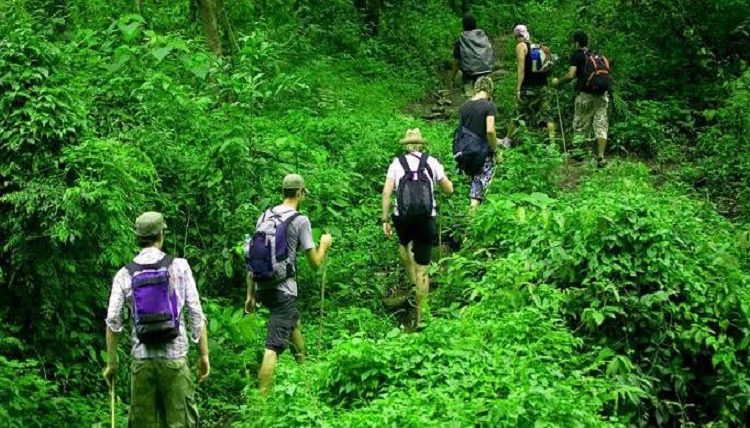
The trek itself varies dramatically—hikes range from 30 minutes to 4+ hours (sometimes up to 6 hours in rare cases), covering steep, muddy trails through bamboo forests, nettles, and volcanic terrain at altitudes of 2,500-4,000 meters.
Physical demands are moderate to challenging: expect uneven ground, potential rain, and elevation that can cause shortness of breath.
Rwanda’s treks are often shorter and more predictable than Uganda’s, but prepare for slippery descents (often tougher than ascents) and thick vegetation.
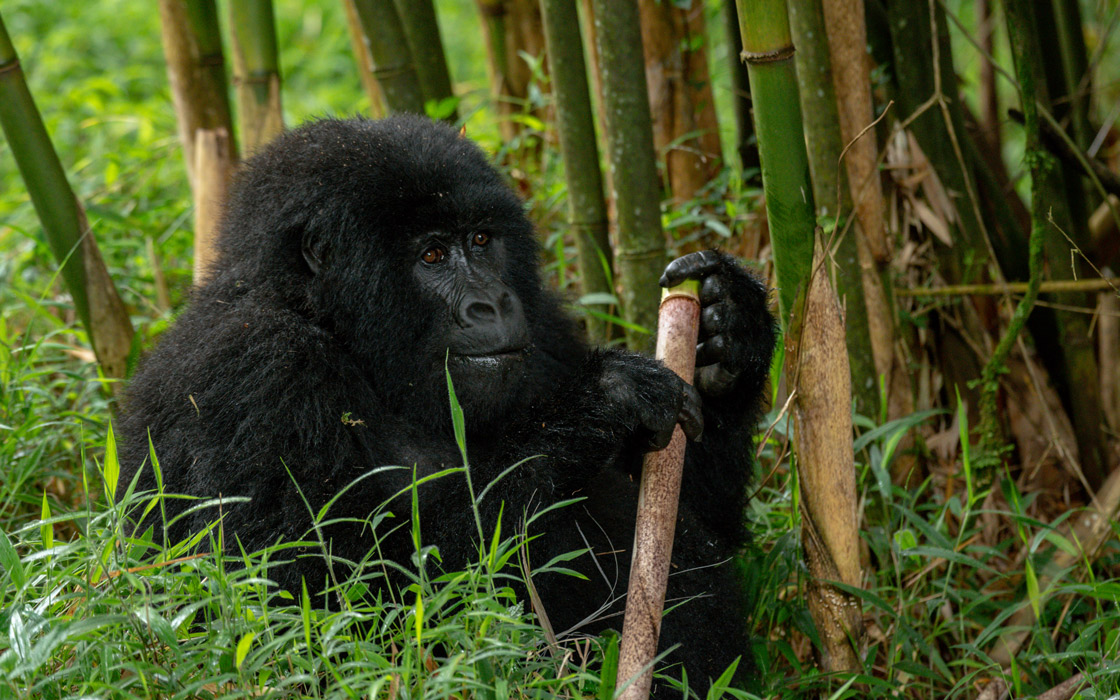
Once trackers locate the mountain gorillas, you’ll spend exactly one magical hour observing them—watching silverbacks chest-beat, mothers nurse infants, and juveniles play—often incredibly close.
Health rules are strict for conservation: you cannot trek if showing any signs of illness (cold, flu, cough, fever, or diarrhea), as gorillas share 98% of human DNA and are highly vulnerable to human respiratory infections.
RDB enforces this—no exceptions.
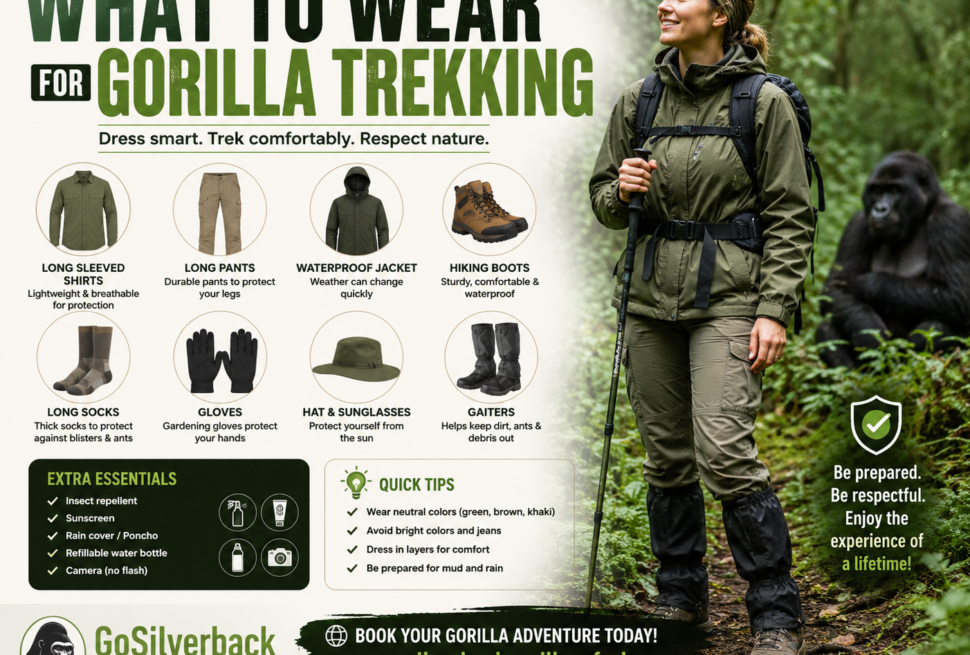
Preparation tips and packing list ensure comfort and safety:
- Waterproof hiking boots with good grip (essential for mud and slopes)
- Rain gear (poncho or lightweight jacket) and long-sleeved shirt/trousers in neutral colors (khaki/green) to avoid nettles and blend in
- Gloves (gardening-style) to protect hands from stinging plants
- Hat, sunscreen, insect repellent, and reusable water bottle
- Snacks, camera (no flash), small daypack (hire a porter for $10-20 to carry it and support locals)
- Layers for chilly mornings and variable weather
Moderate fitness (regular walking/hiking) suffices for most; practice stairs or uneven terrain beforehand.
With proper prep, your Rwanda gorilla trekking day becomes an unforgettable, low-impact adventure focused on awe rather than strain.
Frequently Asked Questions
Is the $1,500 gorilla permit worth it in 2026?
Absolutely— the official gorilla permit price of $1,500 for foreign non-residents in Rwanda funds critical conservation efforts, including anti-poaching patrols, habitat protection, and community programs that have helped mountain gorilla populations recover to around 1,000 individuals. Compared to alternatives, Rwanda delivers shorter, more predictable treks (often 2-4 hours), exclusive group sizes of just 8 people, and superior infrastructure in Volcanoes National Park, making the premium experience highly worthwhile for most travelers seeking an intimate, ethical encounter.
Can I trek gorillas in Rwanda without a tour operator?
Yes, it’s possible to book directly through the Rwanda Development Board (RDB) portal, but using a reputable operator like GoSilverback Safaris is strongly recommended. Operators secure permits early (they sell out 3-6 months in advance), handle logistics (transfers, accommodation, porters), and provide expert guides for a smoother experience—especially valuable for first-timers or those combining with other Rwanda safaris.
How fit do I need to be for gorilla trekking in Rwanda?
Moderate fitness is sufficient for most treks, as trails vary from gentle slopes to steeper, muddy paths depending on the gorilla family’s location. Porters ($10-20) carry your daypack, and treks average 2-4 hours round-trip. If you can handle a brisk 2-3 hour hike with elevation, you’ll manage fine—consult a doctor if you have mobility concerns.
What is the minimum age for gorilla trekking in Rwanda?
The minimum age is 15 years old, as set by RDB rules to ensure participants can handle the physical demands and follow strict health protocols (no contagious illnesses allowed due to gorillas’ vulnerability).
Are gorilla sightings guaranteed in Rwanda?
While not 100% guaranteed (nature is unpredictable), Rwanda’s habituated families and expert trackers deliver near-certain success rates—over 95% of trekkers see gorillas. If a group moves out of range, rangers locate them reliably.
What happens if it rains during my gorilla trek?
Treks proceed in rain—gorillas stay active, and trails can get muddy. Bring waterproof gear, boots, and a poncho; the one-hour observation remains magical regardless of weather.
How many gorillas can I see, and how long do I spend with them?
You’ll observe one habituated family (typically 8-20 gorillas, including silverbacks, mothers, and playful juveniles) for exactly one hour once located, following strict distance and behavior guidelines for conservation.
Do permits sell out quickly in 2026?
Yes—only about 96 permits are issued daily. Book 3-6 months ahead, especially for dry seasons (June-September, December-February), to avoid disappointment.
Is travel insurance required for gorilla trekking?
It’s not mandatory but highly recommended—choose coverage including medical evacuation, trip cancellation, and adventure activities, as treks involve remote areas and physical effort.
Can I combine gorilla trekking with other Rwanda parks for discounts?
Yes—RDB offers combo deals (e.g., gorilla + Nyungwe chimpanzees or Akagera safaris) with discounts up to $450 (low-season $1,050 permit), ideal for multi-park itineraries.
What’s the best month for gorilla trekking in Rwanda in 2026?
June to September (peak dry season) for easiest trails and reliable weather, though December-February is excellent too. Shoulder months offer lower accommodation costs with the fixed $1,500 permit.
Conclusion &
Rwanda gorilla trekking prices in 2026 deliver exceptional value through exclusive access, conservation support, and world-class experiences. The $1,500 permit funds the survival of these magnificent animals while providing memories that last a lifetime.
Ready to book? Contact GoSilverback Safaris for 2026 availability, personalized packages, and guaranteed permits.
Start planning your adventure today—your encounter with mountain gorillas awaits.