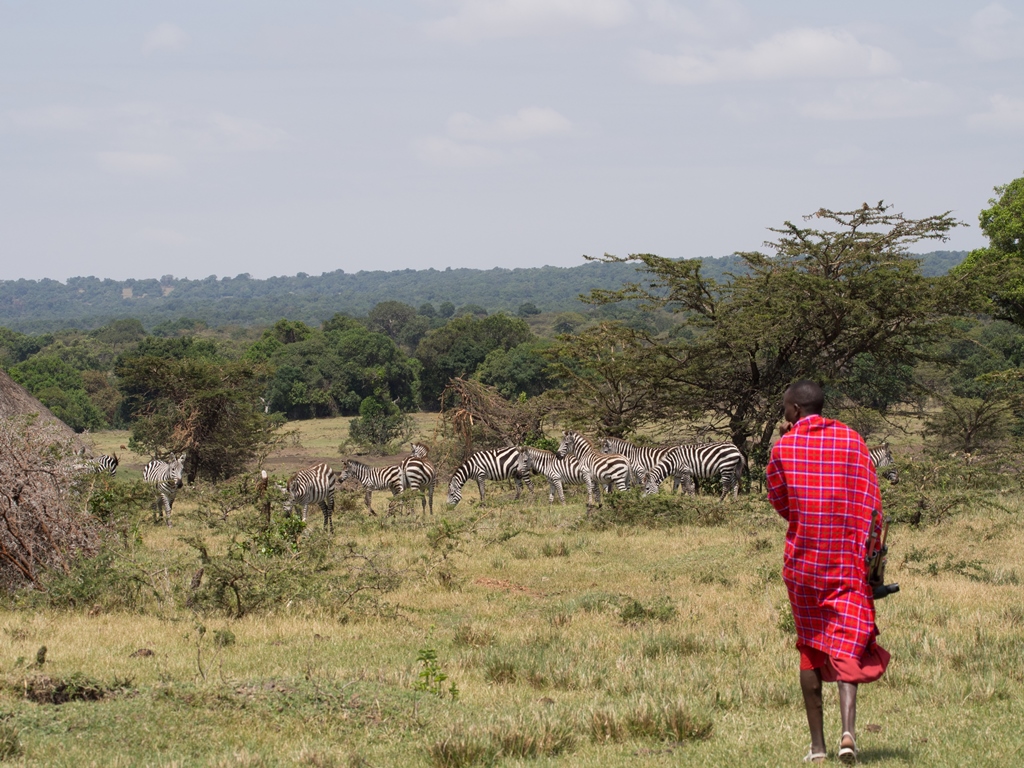
Over 80% of Africa’s wildlife habitats lie outside national parks, directly overlapping with the lands where local communities live and farm. This powerful fact highlights a simple truth — wildlife conservation cannot succeed without the active participation of the people who share their environment with these animals every day.
For decades, traditional conservation models focused on protecting animals within park boundaries, often overlooking the voices and livelihoods of nearby residents. However, a new era of conservation has emerged — one that recognizes that empowering communities is not just ethical, but essential for sustainable results.
The role of local communities in wildlife preservation is the foundation of long-term, sustainable conservation. From anti-poaching patrols to eco-tourism ventures and habitat restoration, community members are increasingly becoming the guardians of the natural world.
Their deep-rooted connection to the land, combined with indigenous knowledge, offers practical and culturally grounded solutions to modern conservation challenges.
This article explores how communities across Africa and beyond are shaping the future of wildlife preservation through empowerment, inclusive tourism, and sound environmental policies.
We will dive into success stories, challenges, and future opportunities that show how when people and wildlife thrive together, everyone benefits — ecologically, economically, and socially.
Understanding the Link Between Local Communities and Wildlife
Across Africa and other biodiversity-rich regions, local communities and wildlife share the same landscapes. Over 70% of wildlife habitats lie outside protected areas, meaning that animals such as elephants, lions, and gorillas live alongside farmers, herders, and rural families.
This close interaction has made local communities the first line of defense in conservation — their actions, traditions, and land-use decisions directly influence the survival of wildlife species. Yet, this coexistence also creates challenges: crop raiding by elephants, livestock predation by lions, and competition for natural resources often lead to human-wildlife conflicts that strain both ecosystems and livelihoods.
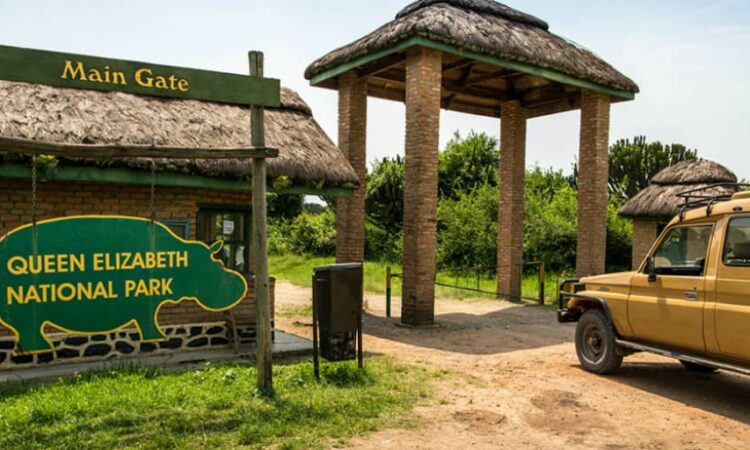
Historically, conservation efforts often excluded the very people living closest to wildlife. During the colonial and post-colonial eras, national parks like the Serengeti in Tanzania and Queen Elizabeth National Park in Uganda were established under strict protection policies that displaced local populations.
The Maasai communities in Kenya and Tanzania, for example, were forced to abandon ancestral grazing lands, while the Batwa people in southwestern Uganda were evicted from forest areas to create gorilla reserves. These top-down approaches alienated indigenous groups, eroding trust and removing traditional conservation systems that had sustainably managed wildlife for centuries.
Today, this outdated model is being replaced by a more inclusive and equitable approach known as community-based conservation (CBC). This global shift recognizes that local ownership and participation are vital to preserving biodiversity.
Under CBC, communities share management rights, receive revenue from eco-tourism, and integrate indigenous knowledge into modern conservation strategies. From wildlife conservancies in Kenya to community forest programs in Uganda, CBC empowers local people to protect wildlife while improving their own well-being.
This new balance — where conservation and livelihoods coexist — is transforming how the world approaches sustainable wildlife preservation.
Why Community Involvement Matters in Wildlife Preservation
Community involvement is the cornerstone of effective and lasting wildlife conservation. Without the participation of people living closest to wildlife, even the most well-funded conservation initiatives often fail.
Local communities are not just passive observers — they are active guardians, educators, and partners in protecting biodiversity. Their role is vital for three key reasons: ecological, economic, and social.
1. Ecological reasons
Local communities serve as the first line of defense against poaching, illegal logging, and habitat destruction. Their proximity to wildlife habitats enables them to detect threats faster than external enforcement teams.
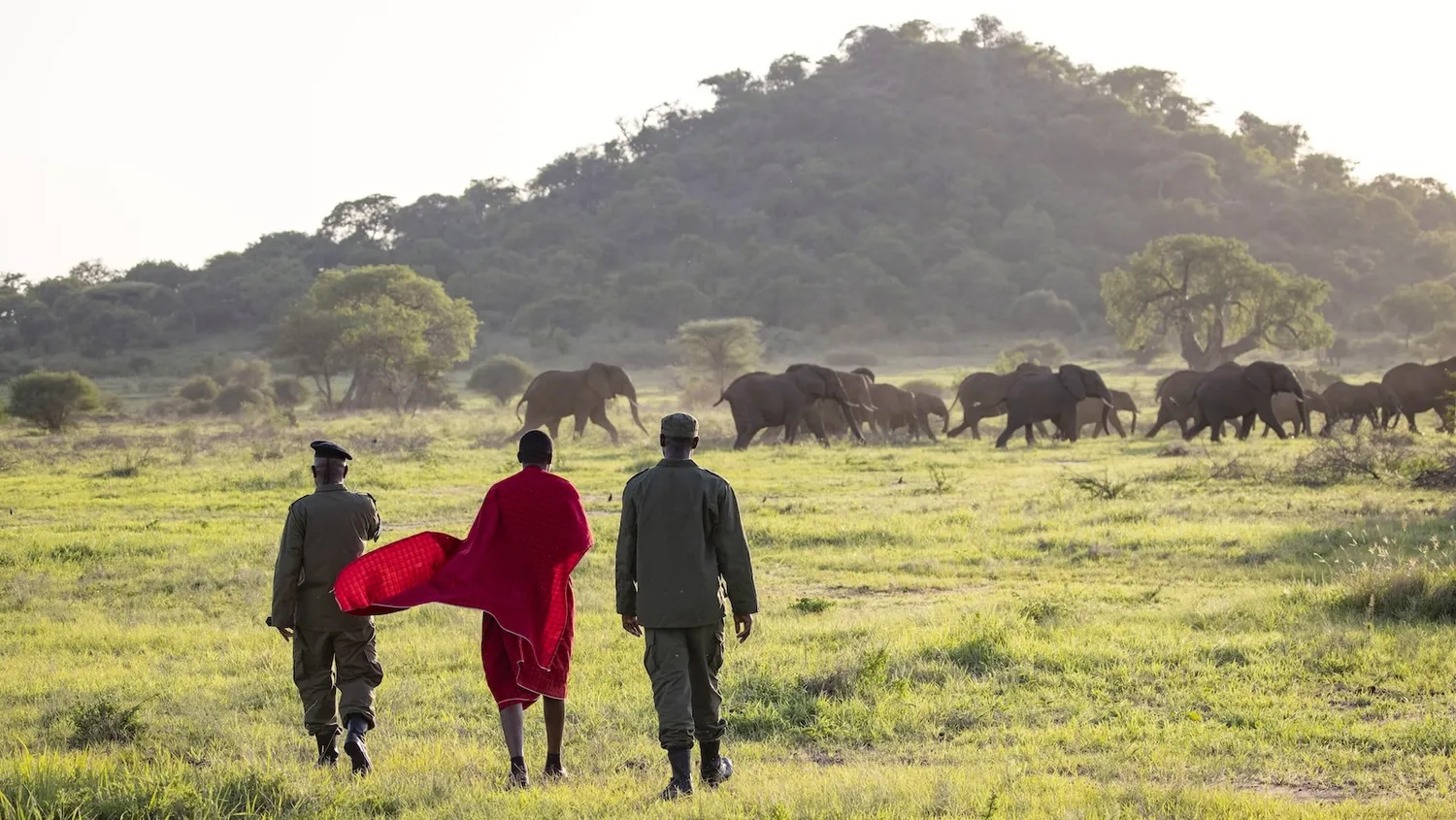
In many areas, community rangers have become the backbone of anti-poaching patrols, protecting endangered species such as elephants, rhinos, and mountain gorillas.
For instance, in northern Kenya’s community conservancies, residents have helped reduce poaching incidents by over 60% through coordinated patrols and early warning systems. When people feel a sense of ownership over wildlife, they are more likely to protect it for future generations.
2. Economic reasons
Involving communities in conservation also drives local economic growth. Through eco-tourism, sustainable hunting quotas, and craft markets, local people can earn an income while preserving nature.
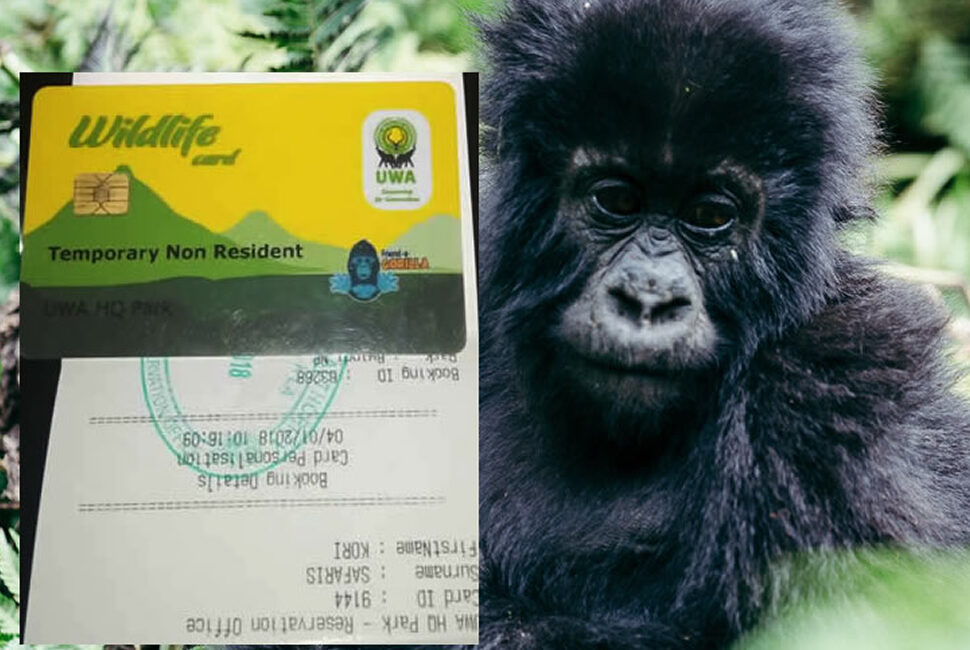
For example, Uganda’s Bwindi Impenetrable National Park shares a percentage of gorilla permit revenue with neighboring villages, funding schools, clinics, and clean water projects.
This economic incentive transforms wildlife from a threat into a valuable community asset. As tourism grows, so does local prosperity, creating a self-reinforcing cycle of protection and profit.
3. Social reasons
When communities benefit directly from conservation, social cohesion and stewardship increase. Locals begin to view wildlife not as an outsider’s resource, but as a shared heritage worth safeguarding. This sense of pride builds stronger community networks, cultural preservation, and intergenerational knowledge transfer.
As Elder Mzee Lemburis, a Maasai community leader in Amboseli, once said, “When the people benefit from the land, the lions, elephants, and grass benefit too.
We all survive together.” His words reflect the essence of successful conservation — that protecting wildlife is inseparable from empowering people.


“Explore how Cultural & Community Tours in East Africa empower local people while actively contributing to wildlife conservation, highlighting the vital role of communities in protecting biodiversity.”
Models of Community-Based Conservation
Across Africa, community-based conservation has evolved into one of the most effective strategies for balancing wildlife protection with human development.
These models empower local people to manage natural resources, share in tourism revenue, and participate directly in decision-making.
By shifting from centralized, “top-down” conservation policies to participatory “bottom-up” systems, communities now play a central role in protecting biodiversity while improving their livelihoods.
1. Community Conservancies (Kenya Example – Namunyak Conservancy):
Kenya’s community conservancies are among the most successful examples of this model. The Namunyak Conservancy, located in northern Kenya, is managed by the Samburu people, who co-own and co-govern the land with conservation partners.
Once plagued by poaching and conflict, Namunyak has become a thriving haven for elephants, giraffes, and leopards. The community operates eco-lodges like Sarara Camp, where revenue is reinvested into education, healthcare, and security.
This structure ensures that local residents gain tangible benefits from tourism, creating a powerful incentive to protect wildlife. Today, Kenya has more than 160 registered conservancies, covering over 11% of the country’s land area — a clear testament to the model’s success.
2. Collaborative Forest Management (Uganda and Tanzania):
In Uganda and Tanzania, Collaborative Forest Management (CFM) has enabled communities living near protected forests to co-manage resources with government authorities.
Under this system, locals participate in forest restoration, sustainable harvesting, and eco-tourism ventures. For example, communities around Budongo Forest in Uganda are permitted to collect non-timber forest products while taking responsibility for protecting endangered chimpanzees and maintaining forest integrity.
Similarly, in Tanzania, local groups receive forest-use rights in exchange for implementing conservation plans. CFM promotes accountability, reduces illegal logging, and improves livelihoods — proving that when communities have ownership, conservation outcomes improve.
3. Wildlife Management Areas (WMAs) and Revenue Sharing Models:
Tanzania’s Wildlife Management Areas (WMAs) are another successful model. These are community-designated zones that allow residents to manage and benefit from wildlife resources.
Revenue from photographic safaris and licensed hunting is shared between local villages and conservation funds. This ensures communities gain direct financial incentives from wildlife conservation, turning potential conflict into cooperation.
Top-Down vs. Bottom-Up Approaches:
Traditional top-down models often excluded local voices, resulting in mistrust and poor compliance. In contrast, bottom-up conservation builds trust, integrates indigenous knowledge, and aligns local welfare with ecological goals.
The success of community-based models like conservancies, CFM, and WMAs demonstrates that when people are empowered, wildlife thrives — and conservation becomes truly sustainable.
Indigenous Knowledge and Traditional Practices in Conservation
For centuries, indigenous communities have served as custodians of nature, guided by ancestral wisdom that promotes balance between people and the environment.
Unlike modern conservation systems that often rely on enforcement, traditional methods emphasize respect, spirituality, and sustainability. These deep-rooted cultural practices have preserved biodiversity long before the concept of “conservation” existed.
Indigenous knowledge contributes to sustainable resource use by setting natural boundaries on hunting, fishing, and farming — ensuring that ecosystems regenerate for future generations.
Many African societies, for instance, uphold taboo systems that protect certain landscapes and species. In Ghana, Nigeria, and Uganda, sacred forests are strictly protected because they are believed to be inhabited by ancestral spirits.
Cutting trees, hunting animals, or farming in these forests is prohibited, effectively creating informal conservation zones. These sacred groves have become vital refuges for endangered plants, birds, and primates.
Similarly, totem and clan-based traditions play a major role in wildlife protection. Among the Baganda people of Uganda, each clan identifies with a specific animal, such as the leopard, crane, or pangolin, which members are forbidden to harm or eat.
This cultural system naturally spreads conservation responsibilities across the entire community, helping maintain species diversity without the need for external intervention.
Blending Tradition with Modern Science
Today’s conservationists increasingly recognize the value of integrating indigenous wisdom with scientific research. Traditional ecological knowledge offers insights into animal behavior, seasonal cycles, and sustainable harvesting, while modern conservation brings tools like GIS mapping, drones, and genetic studies.
When these two approaches are combined, conservation becomes more inclusive and context-driven. Across Africa, organizations now partner with elders, healers, and local leaders to design policies that honor culture while protecting nature.
This synergy between heritage and innovation ensures that conservation is not just about protecting wildlife — it’s about preserving the living relationship between people and their environment.
Economic Empowerment Through Ecotourism and Community Safaris
Across Africa, ecotourism has emerged as one of the strongest pillars of community empowerment and wildlife preservation, bridging the gap between economic development and environmental protection.
Unlike conventional tourism, ecotourism ensures that a significant portion of tourism revenue remains within local communities, creating incentives for conservation and sustainable living.
According to recent data, ecotourism contributes over $30 billion annually to African economies, generating thousands of jobs, funding education, and improving healthcare facilities.
This model proves that when communities earn directly from protecting wildlife, they become powerful advocates for conservation rather than adversaries.
1. Bigodi Wetland Sanctuary
Uganda’s Model of Community-Led Conservation: Located near Kibale National Park, the Bigodi Wetland Sanctuary stands as a global success story of community-driven ecotourism.
Managed by the Kibale Association for Rural and Environmental Development (KAFRED), this project employs local guides, supports women’s cooperatives, and funds community initiatives like schools and clinics.
Revenue from visitor fees is reinvested in environmental education and social welfare. Bigodi demonstrates that conservation can coexist with economic growth when communities lead the process. Wildlife such as monkeys, birds, and sitatungas thrive because locals see them as valuable assets that attract global tourists.
2. Maasai Mara Community Camps
Kenya’s Partnership for Prosperity: In Kenya, Maasai Mara community conservancies have transformed traditional land-use practices into sustainable tourism enterprises. The Maasai people lease portions of their ancestral lands to eco-lodges and safari operators, ensuring wildlife corridors remain open.
In return, they receive steady income, which funds education, healthcare, and infrastructure. This approach has created more than 40 community-owned camps that generate collective benefits. It has also significantly reduced poaching and land conflicts, as wildlife is now seen as a source of pride and prosperity.
3. Bwindi Local Guides –
Uganda’s Gorilla Tourism Success Story: In southwestern Uganda, communities surrounding Bwindi Impenetrable National Park actively participate in mountain gorilla tracking, one of the country’s top tourism activities.
Local guides and porters earn direct income, while 20% of gorilla permit fees are allocated to community projects. This economic link motivates residents to safeguard gorillas, whose population has rebounded by more than 25% in the past decade due to local stewardship.
In summary, community-based ecotourism transforms conservation into a shared economic opportunity. When people benefit financially, they are more likely to invest emotionally and culturally in preserving wildlife.
Book your next cultural and wildlife safari with Gosilverback Safaris to support local communities — a journey that empowers people while protecting the wild heart of Africa.
“Explore how Cultural & Community Tours in East Africa empower local people while actively contributing to wildlife conservation, highlighting the vital role of communities in protecting biodiversity.”
Challenges Facing Local Communities in Wildlife Preservation
While local communities are central to successful wildlife conservation, they also face numerous challenges that hinder their ability to protect natural ecosystems effectively.
From direct conflicts with animals to structural and financial limitations, these issues require practical and inclusive solutions. Understanding these challenges is essential for designing sustainable conservation programs that balance human welfare with ecological stability.
1. Conflict with Wildlife
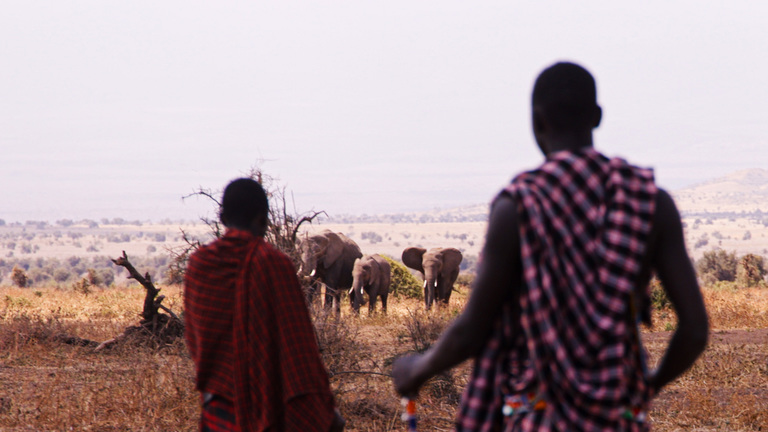
One of the most persistent challenges is the direct human-wildlife conflict. In rural Africa, elephants destroy crops, lions and leopards attack livestock, and hippos or buffalos sometimes endanger human lives.
For instance, in Uganda and Tanzania, farmers near protected areas lose up to 30% of their annual yield to wildlife raids. Such losses create resentment toward conservation initiatives and may lead to retaliatory killings of animals.
Without effective mitigation strategies, communities perceive wildlife as a liability rather than an asset. Implementing buffer zones, early-warning systems, and compensation schemes can help reduce these tensions and foster coexistence.
2. Limited Resources and Incentives
Many community-based conservation programs operate under financial constraints. Lack of funding, training, and equipment weakens local capacity for anti-poaching patrols, habitat monitoring, and eco-tourism development.
In some areas, community rangers lack basic tools such as radios, uniforms, or transport, limiting their effectiveness. Moreover, when benefits from tourism are minimal or delayed, community motivation declines.
To sustain engagement, governments and conservation partners must increase funding, profit-sharing transparency, and incentive-based programs that reward active participation.
3. Climate Change and Habitat Degradation
Rapid climate shifts are altering animal migration patterns, water availability, and vegetation growth. Communities dependent on agriculture or pastoralism are hit hardest, as unpredictable weather worsens food insecurity.
Drying waterholes and reduced pastureland intensify competition between people and wildlife. Adapting through climate-smart agriculture, reforestation, and ecosystem restoration can help maintain both livelihoods and biodiversity.
4. Governance and Corruption Issues:
In some regions, poor governance and mismanagement of tourism revenue undermine community trust. Funds intended for local development are sometimes diverted, leaving residents disillusioned.
Strengthening accountability, local leadership, and co-management policies is key to restoring confidence and ensuring fair distribution of benefits.
Ultimately, empowering communities through education, transparent governance, and fair compensation mechanisms can transform these challenges into opportunities for lasting conservation success. When people see tangible rewards for protecting wildlife, preservation becomes a shared mission rather than an imposed responsibility.
Successful Case Studies of Community-Led Wildlife Preservation
Community-led conservation has proven that when local people are empowered, wildlife and ecosystems can thrive alongside sustainable livelihoods.
Several examples across Africa illustrate how communities actively contribute to preserving biodiversity while benefiting economically and socially.
Case 1: Namunyak Conservancy, Kenya
-
Elephant Protection and Habitat Restoration: Established in northern Kenya, Namunyak Conservancy has successfully reduced elephant poaching through the deployment of community-led patrols. Local Maasai scouts monitor wildlife movements and human-wildlife conflict, ensuring elephants safely roam migratory corridors.
-
Revenue Sharing: The conservancy distributes income from eco-tourism and safari activities directly to local families, incentivizing conservation efforts.
-
Community Empowerment: Local youth receive training in wildlife management, eco-tourism, and leadership, creating long-term employment opportunities while protecting endangered species.
Case 2: Bigodi Wetland Sanctuary, Uganda
-
Revenue Allocation: Over 90% of the sanctuary’s revenue is reinvested into the community. Funds support local schools, health centers, and infrastructure, ensuring conservation benefits are tangible.
-
Sustainable Ecotourism: Community guides lead birdwatching, cultural, and wetland tours, connecting visitors to local culture and ecology.
-
Biodiversity Preservation: By involving locals in wetland protection, Bigodi has successfully maintained a habitat for endemic primates, over 200 bird species, and rare wetland plants.
Case 3: CAMPFIRE, Zimbabwe
-
Integrated Wildlife Management: The Communal Areas Management Programme for Indigenous Resources (CAMPFIRE) allows communities to manage wildlife resources sustainably while generating income.
-
Education and Health Benefits: Revenue from safari hunting and wildlife tourism directly funds local schools, clinics, and community projects.
-
Conflict Mitigation: CAMPFIRE programs provide incentives for communities to tolerate and coexist with potentially harmful wildlife, reducing poaching and habitat destruction.
Comparison Table: Community-Led Wildlife Preservation Models
| Conservancy / Program | Country | Community Benefits | Wildlife Outcomes | Key Success Factors |
|---|---|---|---|---|
| Namunyak Conservancy | Kenya | Employment, training, revenue sharing | Elephant population recovery | Local patrols, eco-tourism revenue |
| Bigodi Wetland Sanctuary | Uganda | Schools, health services, cultural promotion | Bird, primate, and wetland preservation | 90% revenue reinvested locally |
| CAMPFIRE | Zimbabwe | Education, clinics, community projects | Reduced poaching, sustainable wildlife use | Integrated wildlife management, incentives |
These case studies demonstrate that community-led conservation is not only environmentally effective but also socially and economically transformative.
By aligning incentives between local populations and wildlife preservation, these models provide a blueprint for sustainable development.
Governments, NGOs, and tourism operators can replicate these strategies to foster coexistence between humans and nature, ensuring long-term ecosystem stability.
The Future of Community-Based Conservation
The future of community-based wildlife preservation is increasingly shaped by innovation, inclusivity, and global collaboration. As threats to biodiversity intensify, local communities are leveraging new tools and knowledge to protect ecosystems effectively while improving livelihoods.
-
Technology and Digital Tools: Modern conservation relies heavily on digital solutions. Drones are being deployed to monitor wildlife movements, detect poaching activities, and map critical habitats. Mobile apps allow locals to report wildlife sightings, human-wildlife conflicts, and illegal activities in real time. Geographic Information Systems (GIS) help communities plan land use sustainably, ensuring that agriculture, settlements, and wildlife corridors coexist.
-
Education and Capacity Building: Education is a cornerstone of sustainable conservation. Programs focused on wildlife management, eco-tourism, and environmental stewardship equip local communities with practical skills. Workshops and field training empower residents to take leadership roles in preserving forests, wetlands, and savannahs. Schools integrating conservation curricula inspire the next generation to value biodiversity and practice sustainable living.
-
Youth and Women Leadership: The inclusion of youth and women in conservation decision-making is transforming community projects. Women often lead eco-tourism initiatives, craft cooperatives, and community awareness campaigns, while young people introduce innovative ideas, digital literacy, and volunteer energy. Their participation strengthens governance, accountability, and long-term sustainability of conservation efforts.
-
Global Partnerships and Funding: International collaborations with NGOs, research institutions, and government agencies provide technical expertise, grants, and capacity-building support. Such partnerships amplify local impact, attract eco-tourism, and ensure community programs remain resilient against economic or environmental shocks.
-
Alignment with Global Goals: Community-led conservation contributes directly to the United Nations’ SDG 15: Life on Land, which emphasizes protecting, restoring, and promoting sustainable use of terrestrial ecosystems. By integrating local knowledge, technology, and global support, communities play a pivotal role in safeguarding biodiversity for future generations.
The combination of technology, inclusive leadership, education, and international collaboration signals a promising future for community-based conservation. With these tools, local communities can continue to protect wildlife while fostering sustainable economic growth and global ecological stability.
How Travelers and Organizations Can Support Local Conservation
Travelers and organizations play a crucial role in empowering communities to preserve wildlife while promoting sustainable economic growth. By making conscious choices, visitors can contribute directly to conservation efforts and ensure that tourism benefits both people and ecosystems.
-
Support Responsible Tour Operators: Choosing tour operators that prioritize community engagement, such as Gosilverback Safaris, ensures that tourism revenue is reinvested locally. These operators employ community guides, fund local initiatives, and maintain eco-friendly practices, making every safari both memorable and impactful.
-
Buy Local Crafts and Book Eco-Lodges: Purchasing handmade crafts, supporting community-run lodges, and staying at eco-friendly accommodations help generate income for local families while reducing the environmental footprint of tourism. Visitors gain authentic cultural experiences while fostering sustainable livelihoods.
-
Volunteer Responsibly: Participating in conservation volunteering programs, whether in wildlife monitoring, habitat restoration, or community education, empowers locals with additional resources and skills. Responsible volunteering emphasizes collaboration, respect for local culture, and long-term impact rather than short-term gains.
-
Donate or Sponsor Community Programs: Direct contributions to community wildlife projects, such as ranger training, school programs, or wildlife protection initiatives, provide critical support for local conservation. Even small donations can enhance anti-poaching patrols, environmental education, and habitat restoration.
Call to Action: Travel responsibly. Every booking with community-led safaris helps protect wildlife, supports local economies, and ensures that future generations can enjoy the beauty of Africa’s remarkable ecosystems.
By making mindful travel and organizational decisions, visitors become active partners in wildlife preservation, demonstrating that tourism can be a force for both ecological and social good.
Wrapping Up with Key Insights
-
Community Empowerment is Critical: Wildlife preservation succeeds when local communities are actively involved. Empowered residents act as guardians of ecosystems, reducing poaching and promoting biodiversity.
-
Economic Incentives Drive Conservation: Programs that share eco-tourism revenue, like those in Bigodi Wetland Sanctuary and Namunyak Conservancy, align conservation goals with community well-being, creating sustainable livelihoods.
-
Education and Technology Strengthen Impact: Digital tools, drones, and GIS mapping, combined with environmental education, enhance local capacity to monitor wildlife and manage habitats effectively.
-
Inclusive Leadership Ensures Sustainability: Involving youth and women in decision-making promotes innovation, accountability, and long-term program success.
-
Global Collaboration Amplifies Local Efforts: Partnerships with NGOs, government agencies, and international funders provide essential resources, technical expertise, and long-term support for community-led conservation.
-
Tourism and Volunteering as Conservation Tools: Responsible travel, eco-lodges, and volunteer programs offer practical ways for outsiders to contribute while boosting local economies.
-
Alignment with Global Goals: Community-based conservation supports SDG 15: Life on Land, reinforcing the global commitment to protecting, restoring, and sustainably managing terrestrial ecosystems.
Key Takeaway: When people, wildlife, and sustainability are harmonized, conservation becomes not only effective but transformative. By supporting community-led initiatives, travelers, organizations, and governments can ensure that wildlife thrives alongside thriving human communities.
“Explore how Cultural & Community Tours in East Africa empower local people while actively contributing to wildlife conservation, highlighting the vital role of communities in protecting biodiversity.”
Frequently Asked Questions on the Role of Local Communities in Wildlife Preservation
Q1: Why is local participation vital in wildlife conservation?
Local participation ensures that conservation strategies align with community needs, reduces human-wildlife conflict, and empowers residents to protect ecosystems directly. Engaged communities act as the first line of defense against poaching and habitat destruction.
Q2: What are examples of successful community wildlife projects?
Notable examples include Namunyak Conservancy (Kenya), where local patrols protect elephants; Bigodi Wetland Sanctuary (Uganda), with 90% of revenue reinvested into the community; and CAMPFIRE (Zimbabwe), which uses wildlife revenues to fund schools and clinics.
Q3: How can tourists contribute to conservation?
Tourists can support conservation by booking eco-friendly tours, staying in community-run lodges, purchasing local crafts, volunteering responsibly, and donating to community wildlife projects. Every responsible choice directly benefits local communities and wildlife.
Q4: What challenges do communities face in conservation?
Common challenges include human-wildlife conflict, limited funding, insufficient training, governance issues, and climate-related threats. Addressing these requires education, sustainable incentives, and global support.
Q5: How do communities benefit from ecotourism?
Ecotourism generates income, employment, and infrastructure improvements. It encourages stewardship of natural resources and provides incentives for communities to maintain wildlife habitats for future generations.
Conclusion
Wildlife preservation thrives when communities are empowered to actively protect and manage their natural resources. Across Africa, examples from Namunyak Conservancy in Kenya, Bigodi Wetland Sanctuary in Uganda, and CAMPFIRE in Zimbabwe demonstrate that sustainable conservation is most effective when local people are engaged, educated, and economically incentivized.
These initiatives show that when communities benefit directly from protecting wildlife, poaching declines, ecosystems flourish, and biodiversity is maintained for future generations.
Equally important is the harmony between people, wildlife, and sustainability. Community-led conservation ensures that human livelihoods coexist with nature rather than compete against it.
Through eco-tourism, cultural programs, and responsible resource management, local populations gain the means to thrive while wildlife habitats are preserved. Education, technology, and inclusive leadership—especially involving youth and women—further strengthen the resilience of these programs, creating long-term, scalable models for conservation worldwide.
Call to Action: Join hands with local communities and tour operators like Gosilverback Safaris to experience conservation that truly makes a difference.
Every responsible booking, eco-tour, or volunteer effort directly contributes to protecting wildlife, supporting local economies, and ensuring sustainable ecosystems.
By participating consciously, travelers and organizations become active partners in shaping a future where humans and wildlife coexist in balance, leaving a lasting positive impact on both communities and the natural world.