
Ultimate Guide to Murchison Falls National Park Uganda: Safaris, Waterfalls, and Wildlife Adventures 2026
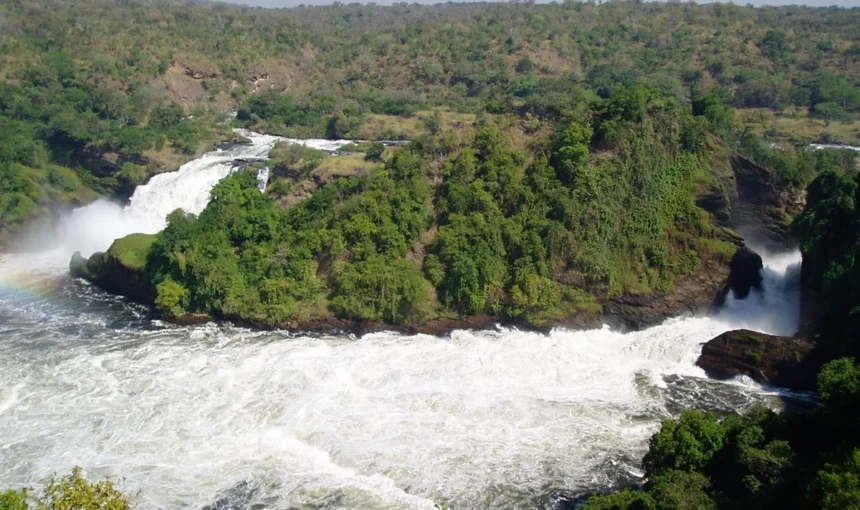
Imagine the thunderous roar of the Nile River squeezing through a narrow 7-meter gorge, exploding into a frothy cascade that’s often hailed as the world’s most powerful waterfall—this is the captivating allure of Murchison Falls National Park Uganda.
Spanning an impressive 3,840 square kilometers, this protected haven stands as the largest national park in Uganda, nestled in the northwest region near Masindi town.
Its strategic location at the northern tip of the Albertine Rift Valley makes it a biodiversity hotspot, teeming with diverse wildlife, dramatic landscapes, and thrilling safari experiences that draw adventurers from around the globe.
Whether you’re seeking heart-pounding Murchison Falls safaris, serene boat cruises along the Victoria Nile, or up-close encounters with the Big Four (lions, elephants, leopards, and buffaloes), this park promises an unforgettable journey into East Africa’s wild heart.
For residents or visitors starting from Kampala, the park’s accessibility via a scenic 5-hour drive adds to its appeal, making it an ideal weekend getaway or extended exploration.
In this comprehensive guide, we’ll delve into the park’s rich history, stunning geography, abundant wildlife, top attractions, accommodations, best visiting times, travel logistics, practical tips, and ongoing conservation efforts.
By the end, you’ll be equipped to plan your own Murchison Falls National Park adventure—ready to book that safari and create lasting memories?
History and Establishment of Murchison Falls National Park
The story of Murchison Falls National Park Uganda is a tapestry woven from colonial exploration, indigenous heritage, and modern conservation triumphs, reflecting Uganda’s evolving relationship with its natural treasures.
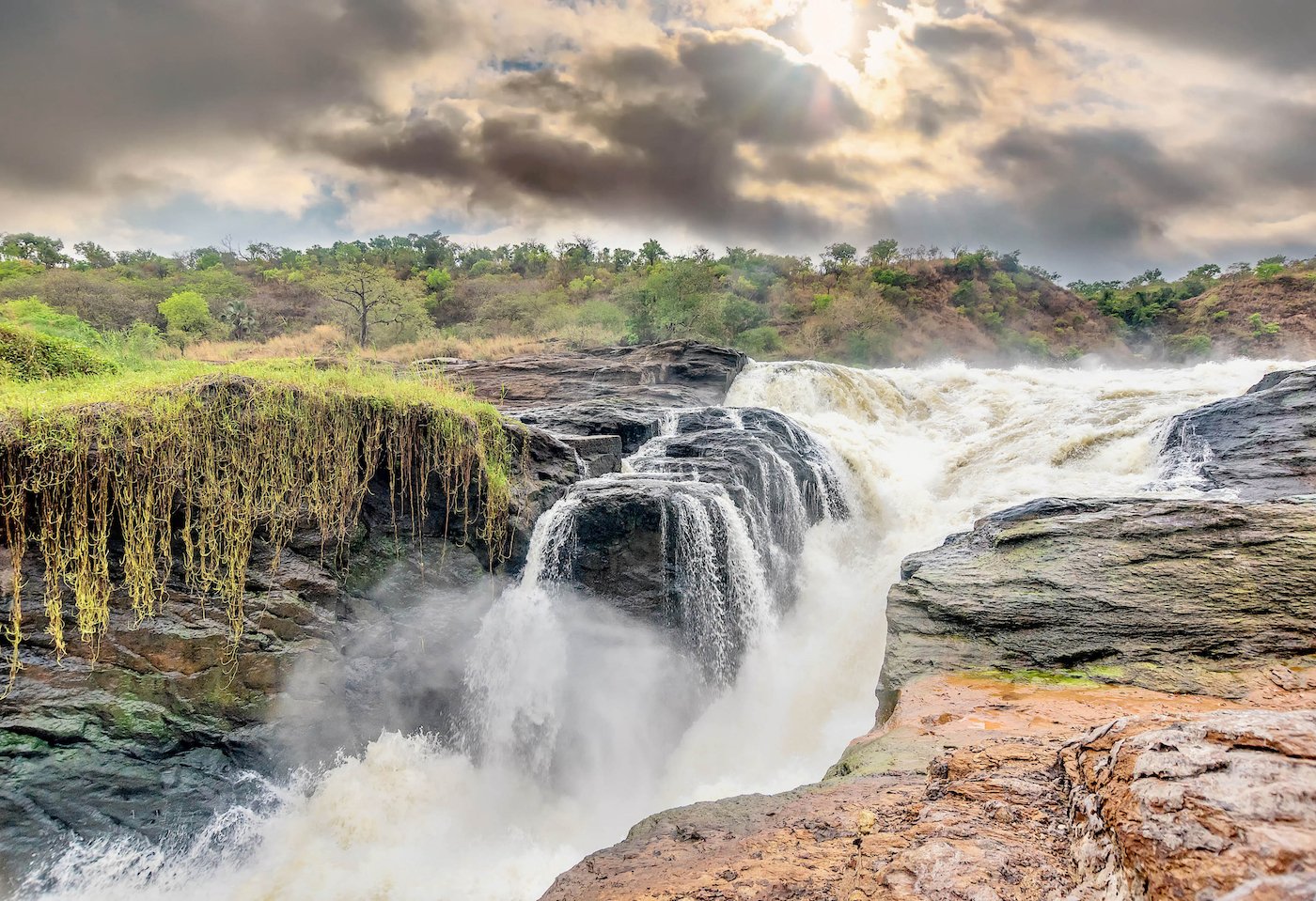
Originally known as Kabalega Falls in honor of the Bunyoro Kingdom’s King Kabalega, who resisted British colonial rule in the late 19th century, the park’s name was changed to Murchison Falls after Sir Roderick Murchison, a prominent British geologist and president of the Royal Geographical Society.
This renaming occurred during the colonial era, symbolizing the era’s European influence on African landmarks.
The area’s significance dates back even further, with early European explorers like Samuel and Florence Baker documenting the falls in the 1860s, marveling at the Nile’s dramatic plunge that creates a perpetual rainbow in the mist.
By the early 20th century, the region’s abundant wildlife attracted big-game hunters, but growing awareness of conservation needs led to protective measures.
In 1926, the area was gazetted as a game reserve to curb unregulated hunting and preserve the thriving populations of elephants, lions, and other species that had drawn international attention.
This marked the beginning of formal protection efforts in what would become one of Uganda’s premier wildlife destinations.
The transition to full national park status came in 1952, under British colonial administration, establishing Murchison Falls National Park as a cornerstone of Uganda’s protected areas system.
Post-independence, the park faced severe challenges during the turbulent 1970s and 1980s under regimes like Idi Amin’s, where rampant poaching decimated wildlife populations—elephant numbers plummeted from tens of thousands to just around 150 by the mid-1980s, and other species suffered similarly due to civil unrest and lack of enforcement.
The modern era of conservation began in earnest with the establishment of the Uganda Wildlife Authority (UWA) in 1996, which took over management and initiated robust recovery programs.
UWA’s role has been pivotal, implementing anti-poaching patrols, community engagement initiatives, and habitat restoration projects that have led to remarkable rebounds.
For instance, elephant populations have surged to over 1,200 individuals, thanks to stringent protection and international partnerships.
Cultural significance remains deeply embedded, with ties to local communities such as the Acholi and Banyoro peoples, who view the park’s landscapes as ancestral lands.
Their involvement in conservation has fostered sustainable practices, blending traditional knowledge with modern strategies to combat threats like human-wildlife conflict.
To visualize the park’s evolution, here’s a timeline of key events:
| Year | Event |
|---|---|
| 1860s | European explorers Samuel and Florence Baker document the falls. |
| 1926 | Gazetted as a game reserve to protect wildlife from overhunting. |
| 1952 | Officially established as Murchison Falls National Park. |
| 1970s-1980s | Severe poaching during political instability reduces animal numbers drastically. |
| 1996 | Uganda Wildlife Authority (UWA) formed to manage and restore the park. |
| 2010s-2020s | Wildlife recovery: Elephants rebound to over 1,200; ongoing anti-poaching efforts. |
| 2025 | Recent visits by dignitaries like Kabaka Ronald Muwenda Mutebi II highlight cultural ties. |
| 2026 | Planned expansions and UWA’s 2026/27 financial year focus on enhanced protection. |
Geography and Landscape: From Savannas to the Mighty Nile
Murchison Falls National Park Uganda boasts a mesmerizing mosaic of landscapes that captivate visitors with their diversity and raw beauty, making it a prime destination for nature lovers and adventure seekers alike.
Situated in northwest Uganda, the park spans across the districts of Masindi, Kiryandongo, Buliisa, and Nwoya, bordering Lake Albert to the west and the Victoria Nile River that bisects the park into northern and southern sections.
Covering 3,840 square kilometers, it forms part of the larger Murchison Falls Conservation Area, which includes adjacent reserves like Bugungu and Karuma, expanding the protected wilderness to over 5,000 square kilometers.
This vast expanse positions the park as a critical ecological corridor in the Albertine Rift, a region renowned for its biodiversity and endemic species.
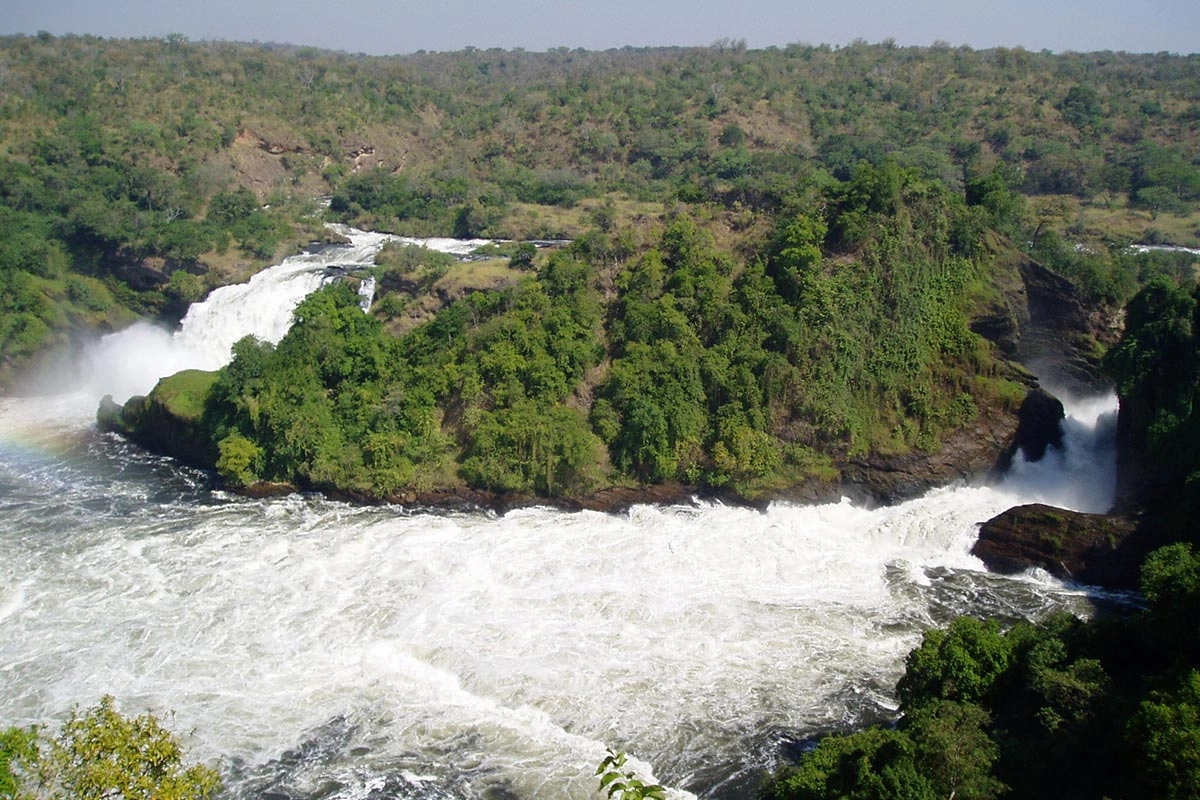
At the heart of the park’s geography lies the iconic Murchison Falls waterfall, where the Victoria Nile compresses through a 7-meter-wide gorge, plummeting 43 meters with a force of 300 cubic meters per second, creating a perpetual mist and rainbow that symbolizes the park’s untamed power.
The river’s course splits the landscape, with the northern bank dominated by open savannas and grasslands ideal for game viewing, while the southern side features denser woodlands and riverine forests.
Diverse terrains abound: rolling savannas stretch endlessly, interspersed with acacia trees and borassus palms; lush wetlands along the Nile support thriving ecosystems; and pockets of tropical rainforest, like the adjacent Budongo Forest, add layers of verdant complexity.
These varied habitats not only enhance the scenic appeal but also sustain a rich array of flora and fauna, from towering fig trees to vibrant orchids.
The park’s climate is tropical, with average temperatures ranging from 25-30°C year-round, influenced by its equatorial position.
Rainfall patterns define two wet seasons (March-May and October-November) and two dry seasons (December-February and June-July), the latter being optimal for Murchison Falls safaris due to clearer trails and concentrated wildlife at water sources.
Annual precipitation averages 1,000-1,200 mm, fostering the lush vegetation that supports the park’s herbivores. Environmentally, the park’s location in the Albertine Rift makes it a biodiversity hotspot, protecting vital watersheds that feed into the Nile and Lake Albert, crucial for regional water security and fisheries.
For navigation, an interactive Google Map would pinpoint key sites: the falls at coordinates 2.2789° N, 31.6858° E; Paraa ferry crossing for river access; Pakuba Airstrip for fly-ins; and popular lodges like Paraa Safari Lodge.
This geographical richness not only amplifies the park’s allure for Murchison Falls National Park tours but also highlights its role in global conservation, safeguarding ecosystems that mitigate climate change through carbon sequestration and habitat preservation.
Wildlife in Murchison Falls: Spot the Big Five and More
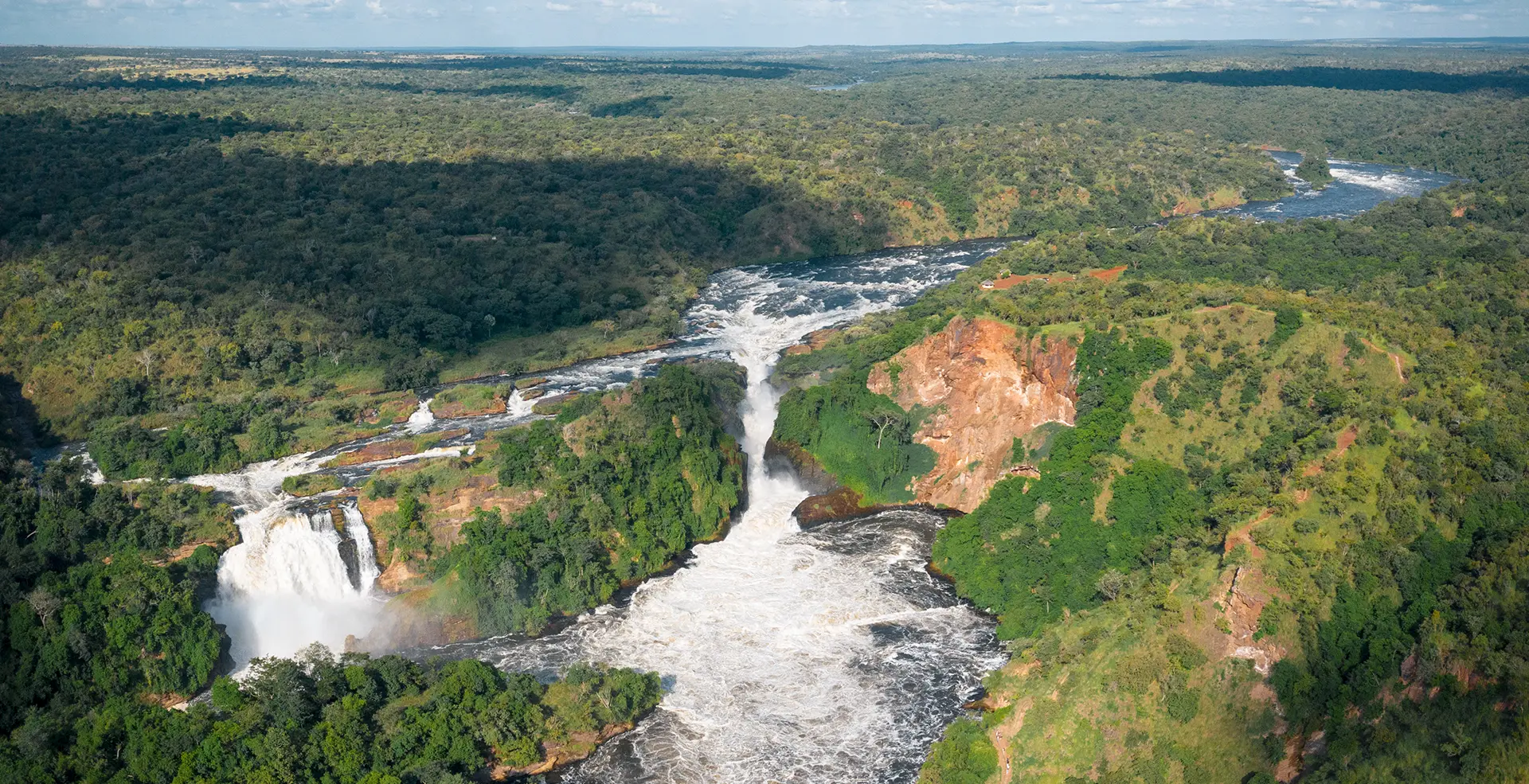
Diving into the wildlife of Murchison Falls National Park Uganda reveals a thriving ecosystem brimming with over 76 mammal species, making it a must-visit for safari enthusiasts chasing authentic Murchison Falls wildlife experiences.
While the park hosts the Big Four—lions, elephants, leopards, and buffaloes (rhinos are absent but can be seen at nearby Ziwa Rhino Sanctuary)—its diversity extends far beyond, with populations rebounding dramatically due to dedicated conservation.
Elephants, the gentle giants of the savanna, number over 1,200, often seen in large herds bathing in the Nile or grazing on acacia woodlands; their recovery from 1980s poaching lows exemplifies the park’s success story.
Lions, with an estimated 240 individuals, prowl the northern grasslands, boasting one of Africa’s highest densities at about seven per 100 square kilometers, frequently spotted during game drives lounging in prides or hunting Uganda kobs.
Leopards, elusive and adaptable, thrive in the denser southern forests, with densities up to 14 per 100 square kilometers, offering thrilling night safari sightings.
Buffaloes roam in massive herds, sometimes exceeding 1,000, providing a spectacle of power and social dynamics across the plains.
Beyond the Big Four, the park shines with unique herbivores like Rothschild’s giraffes, whose population surpasses 600, elegantly browsing treetops in the southern sector.
Hippos, numbering over 2,000, dominate the Nile’s waters, their grunts echoing during boat safaris, while Nile crocodiles lurk nearby, adding a prehistoric edge.
Other mammals include spotted hyenas, warthogs, bushbucks, and the endemic Uganda kob, whose lekking behaviors fascinate observers.
Primates add intrigue, with chimpanzees in the adjacent Budongo Forest (over 600 individuals) available for tracking, alongside olive baboons and patas monkeys scampering through the undergrowth.
Avian enthusiasts will revel in the park’s 451+ bird species, from the rare shoebill stork wading in wetlands to vibrant kingfishers along the riverbanks.
Endemic Albertine Rift species like the grey-crowned crane and Abyssinian ground hornbill enhance birding tours, with hotspots like the Nile Delta offering peak viewing.
Reptiles, including monitor lizards and pythons, round out the fauna, while conservation efforts protect endangered species through anti-poaching and habitat management.
Here’s a table of the Top 10 Animals to Spot in Murchison Falls National Park:
| Animal | Description | Best Viewing Time | Tips |
|---|---|---|---|
| 1. African Elephant | Massive herds, intelligent social structures. | Dry season (Jun-Jul) at waterholes. | Join boat safaris for river crossings. |
| 2. Lion | Prides hunting in grasslands. | Early morning game drives. | Northern bank tracks for optimal sightings. |
| 3. Rothschild’s Giraffe | Tall, endangered subspecies. | Southern savannas year-round. | Use binoculars for distant views. |
| 4. Hippopotamus | Pods in the Nile, semi-aquatic. | Afternoon boat cruises. | Stay quiet to avoid startling them. |
| 5. Leopard | Nocturnal, tree-climbing predators. | Night safaris. | Look for spots in acacia trees. |
| 6. Buffalo | Large, unpredictable herds. | Grasslands during migrations. | Maintain safe distance in vehicles. |
| 7. Nile Crocodile | Ancient reptiles along riverbanks. | Boat trips to the falls base. | Observe from a distance for safety. |
| 8. Uganda Kob | Endemic antelope with lekking displays. | Open plains in wet season. | Patience during mating rituals. |
| 9. Chimpanzee | Intelligent primates in Budongo. | Morning tracking tours. | Book permits in advance. |
| 10. Shoebill Stork | Rare, prehistoric-looking bird. | Wetlands in dry season. | Guided birding walks essential. |


Top Attractions and Things to Do in Murchison Falls National Park
Exploring the top attractions and activities in Murchison Falls National Park Uganda transforms a simple visit into an epic adventure, blending adrenaline-pumping experiences with serene natural wonders that cater to every type of traveler.
The undisputed star is the Murchison Falls waterfall itself, where the Victoria Nile thunders through a narrow gorge—hike to the top via well-marked trails for panoramic views of the mist-shrouded cascade, or embark on a boat cruise to the base for an up-close encounter with the spray and roar, often spotting hippos and crocodiles en route.
These hikes, lasting 45-60 minutes, offer Instagram-worthy moments and a sense of the river’s raw power.
Game drives rank among the most popular Murchison Falls safaris, with the northern bank prime for lions and elephants roaming vast savannas, while the southern side yields giraffes and leopards in wooded areas—opt for early morning or late afternoon sessions when animals are most active.
Boat safaris along the Nile provide a unique perspective, gliding past pods of hippos (up to 50 in a group), basking crocodiles, and diverse birdlife, culminating at the falls; fishing enthusiasts can cast for Nile perch, adding an angling twist.
For primate lovers, chimpanzee trekking in the nearby Kaniyo Pabidi or Budongo Forest immerses you in rainforest trails, tracking habituated troops for insightful observations of their behaviors—permits are essential, and treks last 2-4 hours.
Hiking and nature walks, such as the Rabongo Forest trail, reveal hidden gems like ancient fig trees and smaller mammals, guided by rangers for safety and education.
If available in 2026, hot air balloon rides offer aerial vistas of the landscape at dawn, spotting herds from above for a surreal experience.
Cultural experiences enrich the itinerary, with visits to the Boomu Women’s Group or local villages showcasing traditional crafts, dances, and sustainable farming—learn about community conservation roles in anti-poaching.
Night safaris unveil nocturnal creatures like hyenas and leopards under spotlights, extending the day’s thrills.
Here’s a bullet list of key activities with approximate costs (based on 2026 UWA tariffs):
- Game Drive: USD 20-30 per person (vehicle hire extra); spot Big Four in open savannas.
- Boat Safari to Falls Base: USD 30-40; 3-hour cruise with wildlife viewing.
- Chimpanzee Trekking: USD 50 permit; guided forest walks.
- Top of the Falls Hike: Free with park entry; scenic trails.
- Fishing on the Nile: USD 50-100 (permit and gear); target trophy fish.
- Hot Air Balloon Ride: USD 300-400 (if operational); sunrise panoramas.
- Cultural Village Visit: USD 10-20; interactive community tours.
- Night Safari: USD 30; nocturnal animal encounters.
- Park Entry: USD 45 for foreign non-residents (24 hours).
These attractions not only highlight the park’s natural splendor but also support conservation through fees, making every Murchison Falls National Park activity a step toward preservation.

Best Accommodations in and Around Murchison Falls
Selecting the right accommodation in Murchison Falls National Park Uganda elevates your safari from memorable to extraordinary, with options spanning luxury retreats to budget-friendly camps that immerse you in the wilderness while providing comfort and convenience.
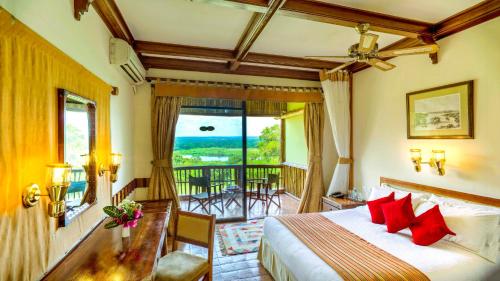
Luxury lodges like Paraa Safari Lodge offer unparalleled elegance on the Nile’s northern bank, with spacious suites featuring private verandas overlooking the river, infinity pools, and gourmet dining—perfect for unwinding after a day of game drives, with rates starting at USD 400 per night full board.
Similarly, Nile Safari Lodge on the southern side delivers eco-luxury with wooden bandas elevated on stilts, offering stunning river views, spa services, and personalized butler attention, ideal for couples seeking romance amid nature.
Mid-range choices balance affordability and amenities, such as Pakuba Safari Lodge, nestled in the northern sector with comfortable en-suite rooms, a swimming pool, and communal firepits for evening stories—expect rates around USD 150-250, including meals and proximity to prime wildlife areas.
Red Chilli Rest Camp provides a social vibe with bandas and tents, shared facilities, and budget-friendly barbecues, appealing to groups or solo travelers at USD 50-100 per night.
For budget adventurers, Boomu Women’s Campsite offers authentic community-run bandas and camping spots, supporting local women through eco-tourism, with basic amenities like hot showers and home-cooked meals for USD 20-40.
Hostels in nearby Pakwach, like Heritage Safari Lodge, extend options with dorms and simple rooms under USD 30.
Here’s a table comparing options:
| Category | Lodge | Price (USD/night) | Amenities | Location |
|---|---|---|---|---|
| Luxury | Paraa Safari Lodge | 400+ | Pools, spa, river views | Northern bank |
| Luxury | Nile Safari Lodge | 350+ | Bandas, fine dining | Southern bank |
| Mid-Range | Pakuba Safari Lodge | 150-250 | En-suite, pool | Northern sector |
| Mid-Range | Murchison River Lodge | 100-200 | Tents, bar | Southern Nile |
| Budget | Boomu Women’s Campsite | 20-40 | Camping, community meals | Near park gate |
| Budget | Red Chilli Rest Camp | 50-100 | Bandas, shared facilities | Central park |
Best Time to Visit Murchison Falls National Park
Timing your trip to Murchison Falls National Park Uganda can significantly enhance your experience, with the dry seasons of December to March and June to September standing out as the optimal periods for clear trails, concentrated wildlife, and comfortable weather.
During these months, rainfall is minimal (under 50mm monthly), allowing for dust-free game drives where animals gather at the Nile and waterholes, boosting sightings of elephants, lions, and giraffes.
Temperatures hover around 28-30°C daytime, with cooler evenings perfect for night safaris or campfire relaxation.
Bird migration peaks in December-February, attracting species like the shoebill, making it ideal for birders.
Wet seasons (March-May, October-November) bring lush greenery and fewer crowds, but heavy rains (up to 200mm) can make roads muddy and impassable, limiting access—yet, this time offers vibrant landscapes and lower rates.
Avoid peak holidays like Christmas for better availability.
Here’s a monthly weather chart:
| Month | Avg. Temp (°C) | Rainfall (mm) | Best For |
|---|---|---|---|
| Jan | 29 | 20 | Wildlife viewing |
| Feb | 30 | 30 | Bird migration |
| Mar | 29 | 100 | Fewer crowds |
| Apr | 28 | 150 | Lush scenery |
| May | 27 | 120 | Budget travel |
| Jun | 28 | 50 | Dry trails |
| Jul | 28 | 40 | Peak safaris |
| Aug | 28 | 60 | Game drives |
| Sep | 28 | 80 | Transition season |
| Oct | 28 | 120 | Birding start |
| Nov | 28 | 100 | Green landscapes |
| Dec | 29 | 30 | Holidays, wildlife |
Events like bird peaks align with dry times; plan around your interests for the ultimate Murchison Falls visit.
How to Get to Murchison Falls from Kampala and Beyond
Reaching Murchison Falls National Park Uganda from Kampala is straightforward and scenic, with a 5-6 hour drive covering about 305 kilometers via the Masindi route, passing through rolling hills and rural villages—opt for a 4×4 vehicle due to occasional rough roads, especially in wet seasons.
Start early from Kampala, stopping at roadside cafes for local snacks like Rolex (chapati-egg roll); entry gates like Bugungu or Paraa welcome you with UWA checkpoints.
For quicker access, charter flights land at Pakuba Airstrip (1-hour from Entebbe), with transfers to lodges arranged—ideal for time-conscious travelers at USD 200-300 one-way.
Public transport involves buses from Kampala to Masindi (UGX 20,000, 4 hours), then taxis or bodabodas to the park (UGX 50,000+), though less reliable for safaris.
Tour packages from operators like GoSilverback Safaris include guided drives, starting at USD 500 for 3 days.
Safety tips: Take malaria prophylaxis, use 4x4s, and follow park rules.
This accessibility makes Murchison Falls tours from Kampala seamless.
Practical Tips, Costs, and Sustainable Tourism
Navigating Murchison Falls National Park Uganda requires practical know-how to ensure a safe, enjoyable trip while supporting sustainability.
Entry fees per UWA 2024-2026 tariff: USD 45 for foreign non-residents, USD 35 foreign residents, USD 30 rest of Africa, UGX 25,000 East Africans—valid 24 hours, children half-price.
- Packing essentials: Binoculars for wildlife, insect repellent (DEET-based), sturdy shoes for hikes, lightweight clothing, and a reusable water bottle.
- Safety: Adhere to wildlife etiquette—stay in vehicles during drives; guided tours mandatory for treks.
- Sustainability: Choose ethical operators, offset carbon via UWA programs, and avoid single-use plastics.
- Budget for a 3-day itinerary: USD 500-800 including fees, mid-range lodge, and activities.
Conservation Efforts and Future of Murchison Falls
Murchison Falls National Park Uganda‘s conservation narrative is one of triumph over adversity, with UWA and partners like Uganda Conservation Foundation deploying anti-poaching tech and community programs to combat poaching and oil threats.
Successes include wildlife rebounds and new conservancies; visitors’ fees fund protection. Future: 2026 expansions address human-wildlife conflict.
Conclusion: Why Murchison Falls Should Be Your Next Adventure
Murchison Falls National Park Uganda delivers an unmatched blend of raw power, abundant wildlife, and unforgettable safari moments that few destinations can rival.
Picture yourself standing at the edge of the world’s most powerful waterfall as the Nile roars through a narrow gorge, witnessing massive elephant herds crossing the river, tracking elusive leopards in the golden savanna, gliding past hippo pods and Nile crocodiles on a boat safari, and spotting Rothschild’s giraffes stretching toward the treetops—all within one of Africa’s largest and most biodiverse national parks.
Just a scenic 5-hour drive from Kampala, this accessible wilderness offers game drives, chimpanzee trekking in Budongo Forest, cultural village visits, and serene Nile sunsets, all while your visit directly supports vital conservation efforts through Uganda Wildlife Authority fees.
Whether you crave adrenaline-pumping adventures, peaceful birdwatching, or meaningful community encounters, Murchison Falls checks every box for an authentic East African safari experience.
Don’t wait for the perfect moment—create it.
Book your Murchison Falls safari today with GoSilverback Safaris—contact us for personalized, expertly guided trips tailored to your budget, interests, and travel dates.
Your African adventure of a lifetime is closer than you think.
Let’s make it happen—reach out now and start planning the journey of your dreams!