How to Travel from Kigali to Volcanoes National Park Guide: Distance, Cost & Travel Tips 2026
Kigali To Volcanoes National Park Travel: Traveling from Kigali to Volcanoes National Park is fast, scenic, and straightforward.
The park is located about 105 kilometers (65 miles) north of Kigali, with a smooth, fully paved drive taking 2 to 2.5 hours. Most travelers use a private 4×4 safari vehicle, which offers comfort and flexibility for gorilla trekking schedules.
Budget travelers can take a public bus to Musanze, then a short taxi ride to Kinigi park headquarters. The route passes rolling hills, tea plantations, and rural villages, offering beautiful countryside views.
Because of the short distance, many visitors choose a 1-day gorilla trek from Kigali. For the best experience, depart early (around 4:30–5:00 AM) to arrive on time for the 7:00 AM trekking briefing.
Volcanoes National Park stands as one of Africa’s premier wildlife treasures, home to over a third of the world’s remaining mountain gorillas.
What makes Rwanda—and specifically this park—the most accessible gorilla trekking destination on the continent is its remarkable convenience: from the modern capital of Kigali, the journey to the park’s headquarters in Kinigi takes just 2–2.5 hours by road on well-maintained, scenic highways.
Rwanda has positioned itself as the premier choice for travelers seeking an intimate encounter with these endangered primates.
Unlike longer, more rugged drives in neighbouring countries, Rwanda offers quick access from Kigali International Airport, allowing many visitors to arrive and head straight to the mountains the same day.
This short travel time combines perfectly with the country’s reputation for exceptional safety, world-class infrastructure, and a range of luxury lodges—from eco-chic retreats like Bisate Lodge and Singita Kwitonda to iconic spots like Sabyinyo Silverback Lodge and One&Only Gorilla’s Nest—that provide unparalleled comfort amid breathtaking volcanic vistas.
Whether you’re chasing a once-in-a-lifetime gorilla trek, golden monkey sightings, or volcano hikes, Volcanoes National Park delivers an unforgettable, hassle-free adventure in one of Africa’s safest and most beautifully preserved natural settings.
This 2026 edition guide covers everything you need to plan your trip from Kigali, including transport options, what to expect en route, and tips for making the most of your journey to this gorilla haven.
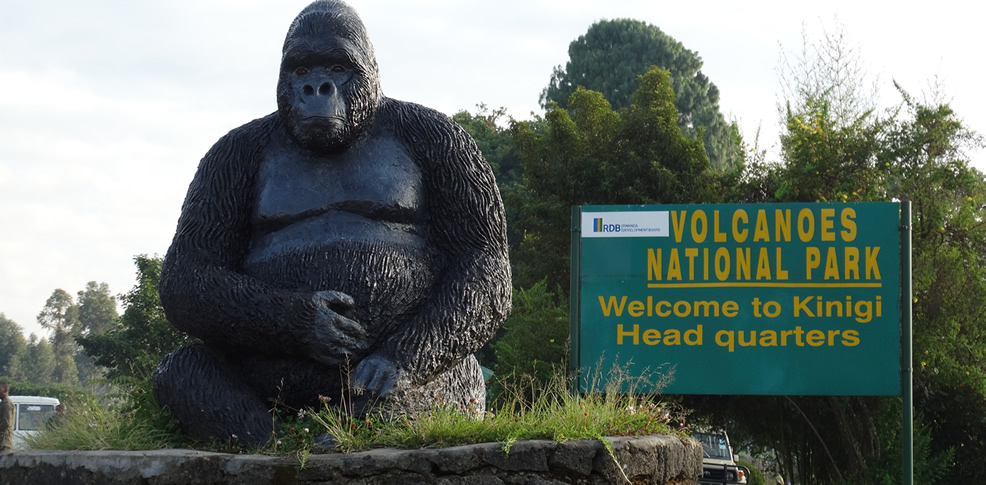
Where Is Volcanoes National Park Located?
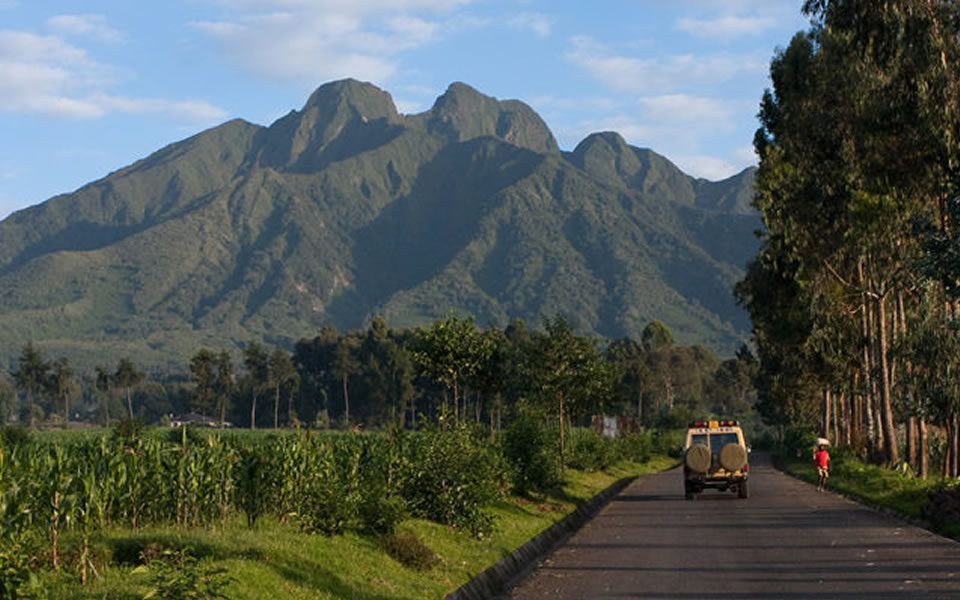
Volcanoes National Park lies in the dramatic highlands of northern Rwanda, protecting a stunning portion of the Virunga Mountains—a chain of majestic volcanoes straddling three countries.
- Northern Rwanda — Situated in the northwestern region of the country, in the Musanze District (formerly known as Ruhengeri).
- Part of the Virunga Mountains — The park encompasses five of the eight major volcanoes in the Virunga range, including iconic peaks like Mount Karisimbi (the highest at 4,507 m), Mount Bisoke, Mount Sabyinyo, Mount Gahinga, and Mount Muhabura.
- Borders Uganda & DR Congo — This transboundary protected area shares its volcanic landscape with Uganda (Mgahinga Gorilla National Park) to the north and the Democratic Republic of Congo (Virunga National Park) to the west, forming one of Africa’s most important cross-border conservation zones for mountain gorillas.
- Gateway town: Musanze (Ruhengeri) — The lively town of Musanze serves as the main base for visitors, with the park headquarters located nearby in Kinigi, where gorilla trekking briefings and permits are processed.
Key travel details:
- Distance from Kigali: Approximately 105 km (about 65 miles) by road.
- The drive covers well-paved highways through scenic countryside, typically taking 2–2.5 hours (sometimes up to 3 hours depending on traffic).
Elevation & climate overview The park spans a dramatic altitudinal range from around 2,400 meters (7,874 feet) at its lower bamboo forest zones to 4,507 meters (14,787 feet) at the summit of Mount Karisimbi.
This high-elevation setting creates a cool, temperate highland climate—mornings and evenings can be chilly (often 10–15°C / 50–59°F), while daytime temperatures hover between 15–22°C (59–72°F).
Expect misty conditions, frequent light rain (especially in the wetter seasons), and cooler mountain air that demands layers, even in “dry” periods.
The altitude also means visitors should prepare for potential mild symptoms of adjustment, particularly during strenuous activities like gorilla trekking or volcano hikes.
This prime location—combined with Rwanda’s excellent roads and short transfer times—makes Volcanoes National Park one of the most convenient and rewarding gorilla destinations in Africa.
Distance from Kigali to Volcanoes National Park
The journey from Kigali to Volcanoes National Park is one of the most convenient and enjoyable transfers in African safari travel—short, straightforward, and visually spectacular.
- Distance: 105–120 km (approximately 65–75 miles), depending on your exact starting point in Kigali and the precise route taken to the park headquarters in Kinigi.
- Drive time: 2–2.5 hours (can extend to 3 hours with traffic, stops, or slower conditions).
- Road condition: Fully paved and well-maintained on the main highway (RN4/Kigali-Musanze road), offering smooth, high-quality tarmac suitable for standard 2WD vehicles—no 4×4 required for the primary route.
- Route: Kigali → Musanze (Ruhengeri) → Kinigi (park headquarters). The drive heads northwest from the capital through rolling hills before climbing into the more mountainous northern region.
Road safety insights Rwanda boasts some of Africa’s best road infrastructure and driver discipline. The Kigali-Musanze highway is generally safe, with clear signage, speed limits (typically 60 km/h enforced), and relatively courteous drivers compared to neighbouring countries.
Police presence and checkpoints ensure order. However, exercise caution for occasional heavy trucks, buses, pedestrians, or cyclists sharing the road—especially on narrower sections or winding curves in the final approach to Musanze.
Daytime travel is recommended, and hiring a professional driver or joining a guided transfer adds peace of mind.
Scenic landscapes description This drive is a highlight in itself, showcasing Rwanda’s nickname, “Land of a Thousand Hills.” You’ll pass lush green terraced farmlands cascading down hillsides, vibrant rural villages with colorful markets, banana plantations, and eucalyptus groves.
As you near Musanze, the terrain rises dramatically—the iconic Virunga volcanoes begin to appear on the horizon, often shrouded in mist, creating breathtaking panoramic views.
Stops like Nyirangarama (a popular roadside spot for snacks and photos) offer chances to soak in the scenery and local life along the way.
This quick, scenic, and safe transfer makes it easy to combine city exploration in Kigali with gorilla trekking in Volcanoes National Park—all in the same day if desired.
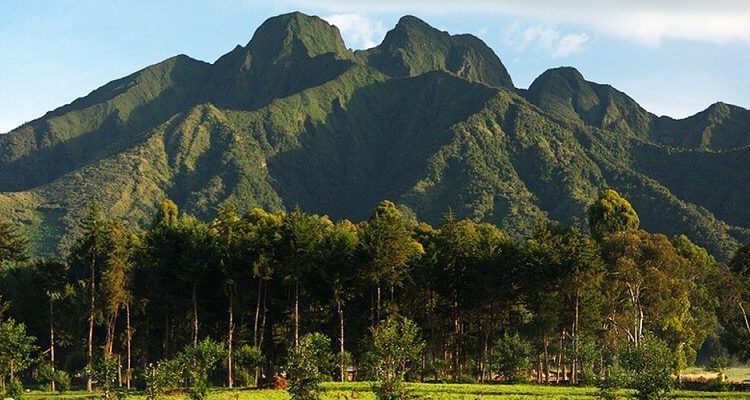
Best Ways to Travel from Kigali to Volcanoes National Park
Getting from Kigali to Volcanoes National Park is straightforward and scenic, with options catering to every budget and preference. The ~105–120 km journey takes 2–2.5 hours by road on excellent paved highways.
Here are the top methods in 2026.
Private Safari Vehicle (Most Recommended)
This remains the go-to choice for most visitors, especially those heading straight to gorilla trekking.
- Cost range: US$150–$350 one-way (or round-trip often $250–$400+), depending on vehicle type (e.g., sedan/SUV for smaller groups ~$150–$250; larger safari van or 4×4 Land Cruiser ~$250–$350+), group size, and inclusions like fuel, English-speaking driver-guide, and possible stops.
- Comfort level: High—air-conditioned 4×4 vehicles with ample space for luggage, bottled water, and knowledgeable drivers who can share insights on Rwanda’s landscapes and culture. Stops for photos, snacks, or local markets are easy to arrange.
- Ideal for gorilla trekkers: Perfect timing for early morning treks (depart Kigali pre-dawn if needed), reliable arrival at park headquarters in Kinigi, and seamless coordination with permits and lodges.
- Best for international travelers: Hassle-free, safe, and stress-free—drivers handle navigation, checkpoints, and any weather-related adjustments. Many luxury lodges include or recommend this as part of packages.
1. Self-Drive Option
For independent adventurers comfortable with international driving.
- Rental cost: US$50–$200+ per day (budget 4×4/SUV ~$50–$100; premium models like Toyota Land Cruiser ~$120–$200), plus fuel and insurance. One-way fees may apply if dropping off in Musanze.
- Road quality: Excellent—fully paved highway (RN4) with minimal off-road sections until final lodge approaches (most lodges accessible via tarmac).
- GPS advice: Use Google Maps or offline apps like Maps.me; the route is well-signed (Kigali → Musanze → Kinigi). International driving permit recommended alongside your license. Drive cautiously on hilly curves, watch for pedestrians/cyclists, and avoid night driving.
2. Public Transport
The most budget-friendly but least convenient, especially with trekking gear or tight schedules.
- Bus to Musanze: Frequent services (e.g., Virunga Express, RITCO) from Nyabugogo Bus Park in Kigali depart regularly; fare ~US$2–$15 (2,500–3,000 RWF one-way), taking 2–3 hours.
- Moto-taxi to Kinigi: From Musanze town (~30–45 min to park headquarters or lodges), motorcycle taxis cost a few dollars but can be bumpy and weather-dependent.
- Not ideal for luxury travelers: Crowded buses lack comfort/AC; timing is unpredictable; not recommended if carrying valuable gear or prioritizing relaxation post-flight. Better for backpackers or short local trips.
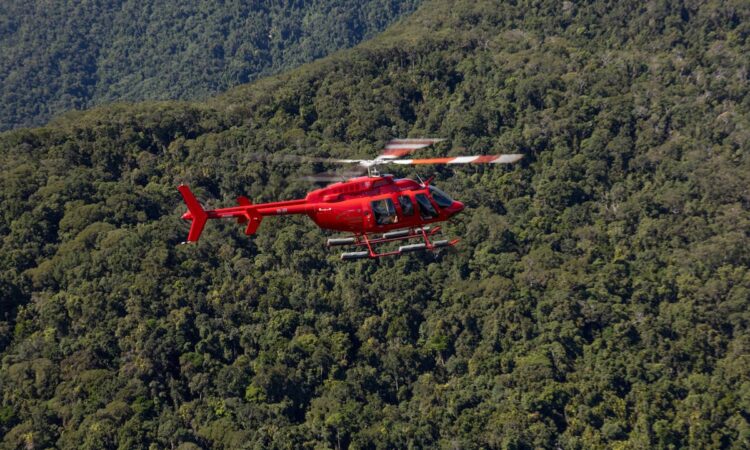
3. Helicopter Transfer (Luxury Option)
For those seeking speed, exclusivity, and stunning aerial views of Rwanda’s hills and volcanoes.
- Time: Just 30 minutes (sometimes 25–35 min) from Kigali International Airport to Musanze Airstrip.
- Ultra-premium experience: Operated by Akagera Aviation with various helicopter models; offers breathtaking panoramas over terraced fields, lakes, and Virunga peaks. Often includes ground transfer to your lodge. Cost typically US$400–$800+ per person one-way (or higher for private charters up to thousands), making it a splurge for time-poor luxury seekers or those combining multiple parks.
Private safari vehicle strikes the ideal balance of convenience, comfort, and value for most gorilla-focused trips—book ahead through your lodge, tour operator, or reputable provider for the smoothest experience in Rwanda’s welcoming “Land of a Thousand Hills.”
1-Day Gorilla Trek from Kigali – Is It Possible?
Yes—a full-day gorilla trek from Kigali to Volcanoes National Park is absolutely possible and remains a popular, time-efficient option for many visitors in 2026.
Thanks to Rwanda’s excellent roads, short ~2–2.5-hour drive, and efficient scheduling, you can fly in, trek the gorillas, and return to Kigali the same day.
Numerous tour operators offer dedicated 1-day gorilla trekking packages from Kigali, often with early pickups and private vehicles.
How the day typically unfolds:
- Early 4:30 am departure — Most tours start with a pre-dawn pickup from your Kigali hotel or airport (around 4:00–5:00 am, depending on location). This ensures you arrive at the park headquarters in Kinigi with time to spare, accounting for the 2–2.5-hour scenic drive northwest through Rwanda’s rolling hills.
- Trekking briefing at 7:00 am — Arrive at Volcanoes National Park headquarters in Kinigi by ~7:00 am for registration, permit checks, and the mandatory pre-trek briefing. Rangers explain gorilla etiquette, safety rules, and assign you to one of the habituated families based on fitness levels and preferences.
- Gorilla trek duration — The actual tracking varies widely (typically 2–6 hours round-trip hiking through bamboo forest, steep slopes, and volcanic terrain), depending on where your assigned gorilla family is located that day. Some groups reach the gorillas in under an hour; others take 4–8 hours. Once located, you spend exactly 1 hour observing the mountain gorillas up close (from a safe 7-meter distance).
- Return to Kigali same day — After the trek (and a short drive back from the trailhead), most visitors head back toward Kigali in the afternoon/early evening. Expect to arrive back in the capital by late afternoon or evening (around 5:00–8:00 pm), depending on trek length and any stops for lunch/photos.
Who it’s ideal for:
- Business travelers with limited time who want to squeeze in this bucket-list experience during a short trip.
- Visitors on short stays (e.g., 2–4 days in Rwanda) who prioritize gorilla trekking above multi-day safaris or relaxed pacing.
- Fit, adventurous solo travelers or couples comfortable with an intense, long day (early start, physical exertion, late return).
Who should avoid it:
- Families with children — The very early start, long drive, demanding hike (often steep/muddy), high altitude, and full-day commitment can be exhausting or unsuitable for young kids (minimum age is usually 15 for gorilla trekking).
- Anyone with mobility issues, low fitness levels, or health concerns (e.g., heart/respiratory conditions at altitude).
- Travelers seeking a more relaxed pace — staying overnight in Musanze or near the park allows for a gentler experience, better rest, and optional add-ons like golden monkey tracking or community visits.
Pro tip: Secure your gorilla permit ($1,500 per person in 2026) well in advance through the Rwanda Development Board or a reputable operator—daily slots are limited to 96.
A private vehicle with an experienced driver-guide is highly recommended for this itinerary to handle timing, comfort, and any weather surprises.
This whirlwind day delivers one of Africa’s most profound wildlife encounters without requiring an overnight stay—making Rwanda’s gorilla trekking uniquely accessible for time-conscious adventurers.
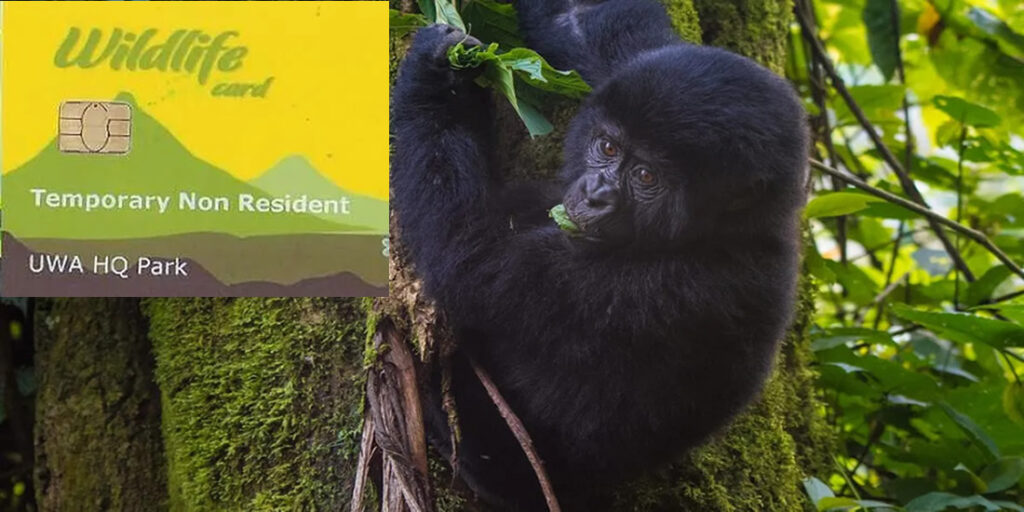
Gorilla Permits in Rwanda – Cost & Booking Guide
Securing a gorilla permit is the essential first step for any mountain gorilla trekking experience in Volcanoes National Park—and one of the most critical elements of your trip planning in 2026.
With only 96 permits issued daily (8 per habituated gorilla family across the 12+ groups), demand far outstrips supply, especially in peak seasons.
1. Gorilla permit cost: USD 1,500 per person
(for foreign non-residents/international visitors). This standard rate, set by the Rwanda Development Board (RDB), applies to most international travelers and has remained consistent in recent years.
Note: Promotional/discounted rates exist for East African citizens (~USD 200), other African citizens/residents (~USD 500), and foreign residents in Rwanda (~USD 500), but these do not typically apply to overseas visitors.
Occasional low-season discounts (e.g., 30% off or combo packages with other parks reducing to ~USD 1,050) may be available—check the official RDB site for current promotions.
2. What it includes:
Park entrance fees, a guided trek with experienced rangers, exactly 1 hour of close observation with your assigned gorilla family (from a safe 7-meter distance), conservation contributions that support anti-poaching, habitat protection, and community projects.
3. Age limit:
15 years and older (strictly enforced—no exceptions for younger children due to the physical demands, altitude, and proximity to wild animals).
4. 8 visitors per gorilla family:
This strict limit ensures low-impact, intimate encounters—your group of up to 8 trekkers will be the only ones with that specific family on that day.
5. 60-minute viewing limit:
Once the gorillas are located, you get precisely one hour to observe, photograph (no flash), and enjoy their behavior in their natural habitat—no extensions allowed.
When permits sell out (high season) Permits frequently sell out months in advance during peak/high season (June–September and December–February), when dry weather makes trekking easier and visitor numbers surge.
Even in shoulder/low seasons, popular dates can book up quickly—last-minute availability is rare and unreliable.
How far in advance to book (3–6 months) Experts and the RDB strongly recommend booking 3–6 months ahead for most dates, and ideally 6–12 months (or more) for high-season travel or specific preferred dates.
Some travelers secure spots a full year or longer in advance to guarantee availability, especially when combining with other activities or luxury lodges.
Why booking via a licensed operator matters While you can apply directly through the official RDB online portal (visitrwandabookings.rdb.rw), using a reputable, licensed tour operator or lodge is highly recommended for several reasons:
- They handle the full process, including payments, confirmations, and any rescheduling/transfers.
- Operators often secure permits early (sometimes holding allocations) and coordinate seamlessly with your transport, accommodation, and trek logistics.
- They provide expert advice on fitness grouping, weather prep, and backup options if your preferred date/family isn’t available.
- Direct bookings can involve payment issues, limited customer support, or delays—operators add a layer of reliability and peace of mind for international visitors.
Pro tip for 2026: Start your planning early—contact us today or check the RDB site as soon as your travel dates are firm. Pairing your permit with a private transfer from Kigali and overnight stay near the park maximizes comfort and flexibility.
This exclusive, conservation-funded experience is worth the advance effort—once secured, your gorilla encounter becomes one of life’s most profound wildlife moments.
Best Time to Travel from Kigali to Volcanoes National Park
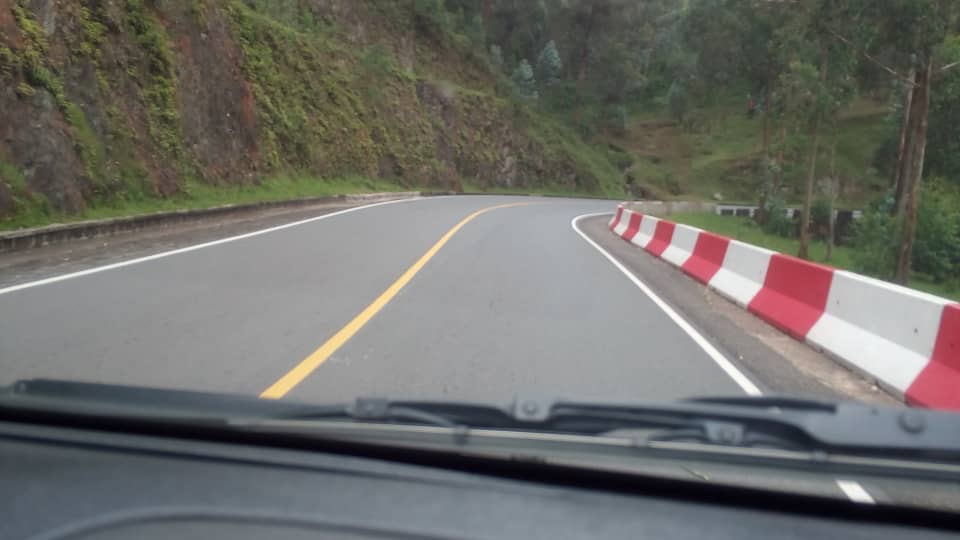
The journey from Kigali to Volcanoes National Park is year-round accessible thanks to Rwanda’s excellent paved roads, but the best time aligns with the country’s two dry seasons for easier trekking, better visibility, and more enjoyable conditions overall.
Gorilla trekking operates 365 days a year, but weather dramatically impacts trail conditions and the overall experience.
Dry Season (Best) These periods offer the most favorable conditions for gorilla trekking and the drive itself—firmer trails, less rain, and clearer skies.
- June–September (long dry season) — Widely regarded as the prime time for visiting Volcanoes National Park. Trails are drier and less muddy, making steep ascents and forest paths easier to navigate. Photography shines with better light, fewer clouds obscuring the Virunga volcanoes, and gorillas often more active in open views. Crowds peak here (highest visitor numbers), so permits sell out fastest—book 6–12 months ahead. Expect full groups and higher lodge rates.
- December–February (short dry season) — Another excellent window with relatively dry conditions, milder crowds than mid-year (especially January–February post-holidays), and good permit availability compared to June–September. Trails remain accessible, photography is strong with crisp highland air, and temperatures stay comfortable (10–22°C / 50–72°F).
Rainy Season Rainfall increases, but trekking continues—gorillas may stay at lower elevations (shorter treks possible), and the forest turns lush green.
- March–May (long rainy season) — Heavier, more frequent showers make trails muddy and slippery, increasing physical demands (bring good rain gear, gaiters, and trekking poles). Photography benefits from vibrant greenery and misty atmospheres for dramatic shots, though clouds can obscure views. Crowds are lower, permits easier to secure (often last-minute spots), and some low-season discounts apply (e.g., 30% off permits in certain periods).
- October–November (short rainy season) — Similar to March–May but often slightly less intense. Muddy trails challenge hikers, but fewer visitors mean quieter experiences and better chances for smaller trekking groups. Permit availability improves, making it a budget-friendly shoulder option.
Quick comparison of key factors:
- Trail conditions — Dry seasons: Firm, less muddy, easier hiking. Rainy seasons: Slippery, more challenging—prepare for exertion at altitude.
- Photography advantages — Dry: Clearer skies, better volcano views, natural light. Rainy: Lush, emerald forests, atmospheric mist, closer gorilla sightings at lower elevations.
- Crowd levels — Highest in June–September and December holidays; lowest in rainy months for a more intimate feel.
- Permit availability — Sells out quickest in dry high season (especially June–September); better odds and flexibility in rainy/low seasons.
For most travelers prioritizing comfort and ease from Kigali, aim for the dry seasons—book early via a licensed operator to lock in your USD 1,500 permit and private transfer.
Even in rainier months, Rwanda’s safety, infrastructure, and stunning scenery make any time rewarding—just pack accordingly for the highlands’ cool, variable weather.
What to Pack for Gorilla Trekking
Gorilla trekking in Volcanoes National Park involves navigating steep, muddy, high-altitude trails through dense bamboo and rainforest—often with sudden rain, stinging nettles, thorny vines, and variable cool-to-chilly temperatures (10–22°C / 50–72°F).
Packing smartly ensures comfort, safety, and respect for the gorillas and environment.
Focus on lightweight, protective, quick-drying gear for the trek itself (carried in a small daypack).
Essential items to pack:
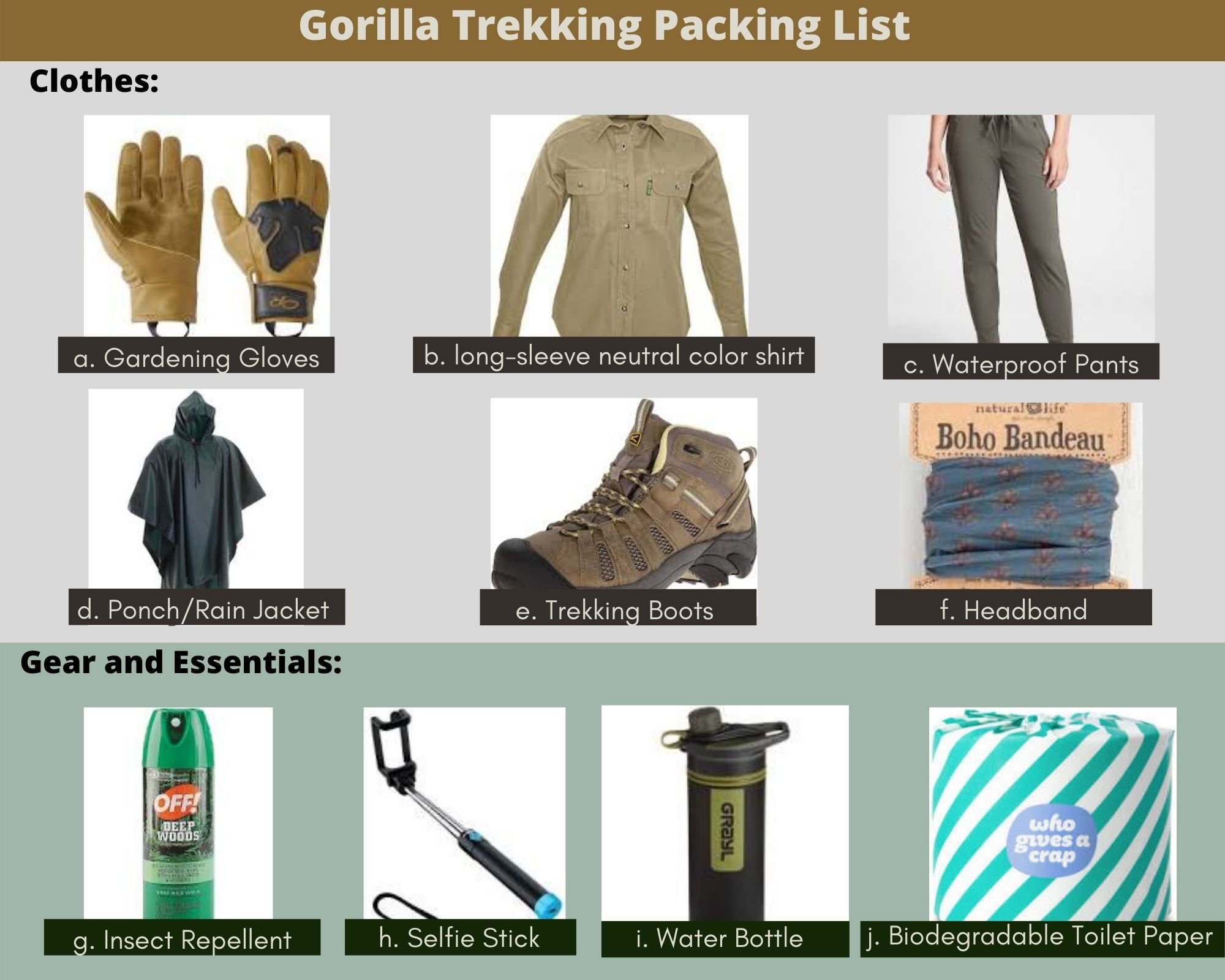
- Waterproof hiking boots — Sturdy, ankle-supporting boots with good grip and waterproofing are non-negotiable for muddy, slippery, uneven terrain. Break them in before your trip; avoid sneakers or low-cut shoes.
- Long sleeves and long trousers — Wear breathable, neutral-colored (greens, browns, greys—no brights or animal prints) long-sleeved shirts and pants to protect against nettles, thorns, insects, and sun. Tuck trousers into socks for extra bug protection.
- Gardening gloves (or thick walking gloves) — Essential for gripping vines, branches, and vegetation without cuts or stings from nettles and thorns.
- Rain jacket (or poncho) — Waterproof and breathable—rain can start suddenly, even in dry season. Many lodges provide ponchos, but bring your own reliable one.
- Camera (no flash) — A good camera or phone with zoom for photos; flash is strictly prohibited to avoid startling gorillas. Pack extra batteries/charger and a waterproof bag/cover.
- Small backpack (daypack) — Lightweight, waterproof or with rain cover (20–30L) to carry essentials like water, snacks, rain gear, camera, and layers. Avoid large bags—porters are available if needed.
- Energy snacks — High-energy bars, nuts, dried fruit, or chocolate for sustained energy during variable trek lengths (2–8+ hours round-trip).
Additional recommended items:
- Long socks (to tuck trousers into)
- Hat or cap for sun/rain
- Insect repellent (DEET-based)
- Sunscreen
- Reusable water bottle
- Small first-aid basics (blister plasters, painkillers)
- Layers (fleece or light sweater for cooler mornings/evenings)
- Gaiters (optional but great for mud; often rentable at lodges)
What NOT to bring:
- No flash photography or noisy equipment—keep devices silent.
- No bright colors, animal prints, or white clothing—these can agitate gorillas or show dirt easily.
- No strong perfumes, colognes, or scented products—gorillas have a keen sense of smell; avoid anything that could disturb them.
- No food/drink beyond personal snacks—do not feed gorillas or leave waste.
- No drones, large tripods, or excessive gear—keep it minimal and low-impact.
- No single-use plastics if possible—Rwanda has strict plastic bag bans; opt for reusables.
Luggage storage options: Most reputable tour operators, private transfers, and luxury lodges (e.g., Bisate, Singita, One&Only Gorilla’s Nest) offer secure luggage storage at no extra cost.
Leave your main suitcase at your Kigali hotel (if doing a 1-day trek) or lodge in Musanze/Kinigi—only bring your daypack for the trek.
At park headquarters in Kinigi, you can store extra items before heading to the trailhead. If using porters (highly recommended for comfort, ~USD 10–20/day), they carry your daypack while you hike hands-free.
Pro tip: Dress in layers, test your boots on hikes beforehand, and pack light—your focus should be on the once-in-a-lifetime gorilla encounter, not heavy gear.
Many lodges rent gaiters, ponchos, or boots if you forget something. With this packing list, you’ll stay protected, comfortable, and ready for Rwanda’s magical highlands.
Accommodation Options Near Volcanoes National Park
Staying overnight near Volcanoes National Park (in the Musanze/Kinigi area) enhances your gorilla trekking experience with easier access to park headquarters, stunning volcanic views, and time to relax after hikes.
Options range from ultra-exclusive luxury retreats to simple, affordable stays.
Prices are approximate for 2026 (per person per night sharing, based on double occupancy, often full-board or all-inclusive; rates vary by season, inclusions like meals/drinks, and exact dates—high season peaks higher).
Always confirm directly or via your operator.
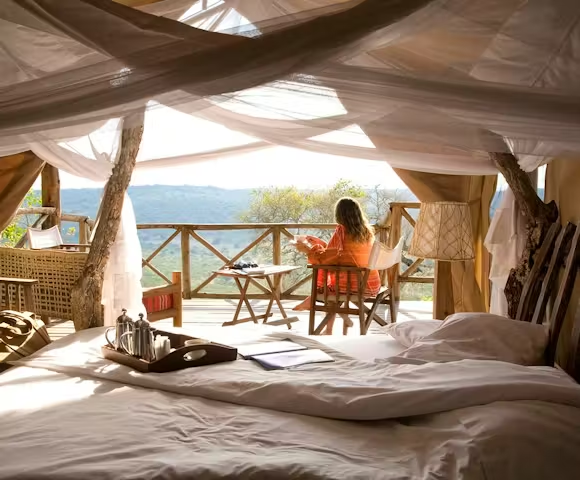
Luxury Lodges These top-tier properties offer exceptional design, privacy, personalized service, spa facilities, gourmet dining, and prime locations with volcano vistas—ideal for an immersive, high-end escape.
- Bisate Lodge (Wilderness Safaris) — Iconic eco-luxury with spherical, thatched villas inspired by Rwandan royal architecture, set in a reforested amphitheater. Features include conservation focus, private plunge pools in some, and intimate gorilla views.
- Price range: Starting from USD 1,600–3,800+ per person per night (seasonal; higher in peak dry months like June–October). Best for: Honeymooners and couples seeking romantic, design-forward seclusion and meaningful conservation impact.
- Singita Kwitonda Lodge — Ultra-exclusive boutique with spacious suites, heated plunge pools, fireplaces, and panoramic views of multiple volcanoes; includes a private villa option for groups. Renowned for top-tier service and privacy. Price range: Starting from USD 1,800–3,600+ per person per night (often all-inclusive). Best for: Honeymooners or VIP travelers wanting the pinnacle of luxury, exclusivity, and serene indulgence.
- One&Only Gorilla’s Nest — Elegant, high-touch retreat nestled in eucalyptus forest with refined rooms, wellness facilities, and volcano backdrops; emphasizes comfort and seamless gorilla experiences.
- Price range: Starting from USD 2,100+ per person per night (premium inclusions). Best for: Honeymooners and first-time luxury seekers prioritizing refined service, romance, and effortless elegance.
Mid-Range Lodges Comfortable, well-equipped options with good facilities, scenic settings, and reliable access to the park—great value without ultra-luxury pricing.
- Le Bambou Gorilla Lodge — Eco-friendly lodge in Kinigi with cozy rooms, beautiful hill views, and a relaxed atmosphere; popular for its proximity and charm.
- Price range: Around USD 250–400 per person per night (often including meals).
- Best for: Couples or small groups wanting comfort and convenience on a moderate budget.
- Mountain Gorilla View Lodge — Hilltop setting with panoramic views, comfortable cottages, and solid amenities like dining and relaxation areas.
- Price range: Typically USD 200–350 per person per night.
- Best for: Travelers seeking reliable mid-range quality with scenic appeal and easy park access.
Budget Lodges Affordable, no-frills options in Musanze/Kinigi—clean, basic, and conveniently located for early treks; perfect for backpackers or cost-conscious adventurers.
- Kinigi Guesthouse — Simple, friendly guesthouse near park headquarters with basic rooms and a welcoming vibe; great for short stays.
- Price range: Around USD 60–100 per room/night (often per person lower in shared setups).
- Best for: Budget travelers, solo adventurers, or those prioritizing savings over amenities.
- Muhabura Hotel (in Musanze town) — Town-based hotel with straightforward rooms, restaurant, and easy access to transport/lodges.
- Price range: Around USD 50–120 per room/night.
- Best for: Budget travelers needing a central base with basic comforts before/after trekking.
Quick tips for choosing:
- Honeymooners/couples — Opt for luxury lodges like Bisate, Singita, or One&Only for romance, privacy, and wow-factor (many offer special packages).
- Budget travelers — Mid-range or budget options provide excellent value, especially if focusing on the gorilla permit and trek itself. Book early (3–6+ months ahead for luxury in high season), and many properties include transfers, meals, or gorilla coordination—pair with your permit for the ultimate hassle-free adventure in Rwanda’s highlands.
Safety & Travel Advice for International Visitors
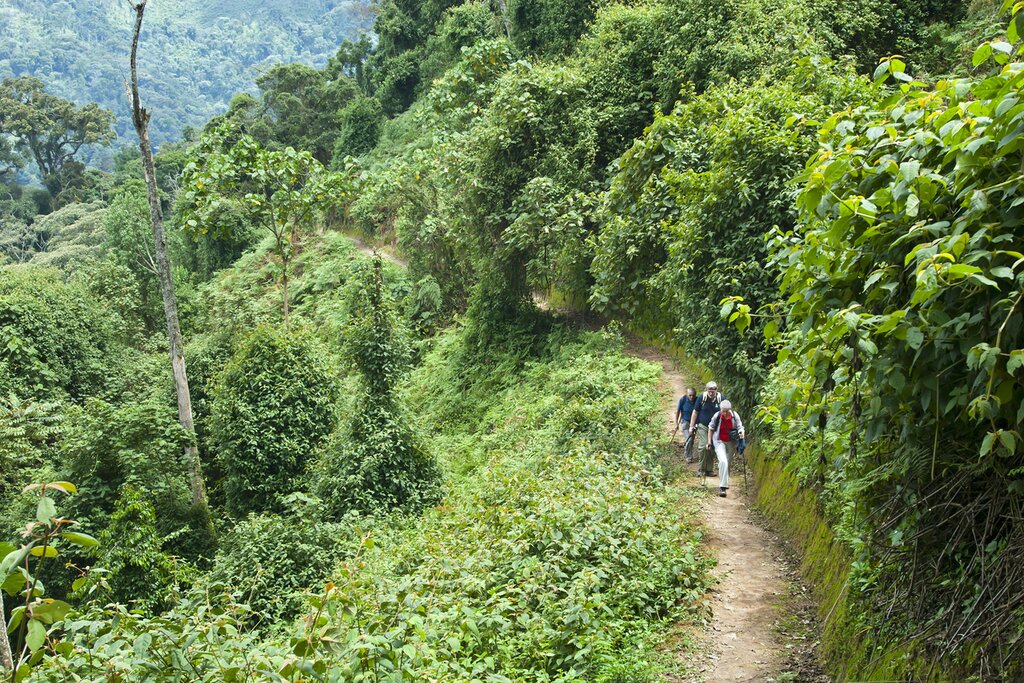
Rwanda has earned a strong reputation as one of Africa’s safest and most welcoming destinations for tourists, particularly those visiting for gorilla trekking in Volcanoes National Park.
The country consistently ranks highly for low crime rates, political stability, cleanliness, and hospitality toward visitors—often described as friendly, organized, and secure compared to many regional neighbors.
Violent crime against tourists is rare, and petty theft (like pickpocketing in crowded areas) is uncommon but possible—standard vigilance applies.
Government travel advisories (e.g., from the U.S., Canada, Australia, and UK) generally recommend normal or increased precautions overall, with restrictions limited to specific border zones near the DRC (e.g., parts of Rusizi and Rubavu districts within ~10 km of the border)—these areas are far from Volcanoes National Park and Kigali-Musanze routes, so they do not affect typical gorilla trekking itineraries.
Road security The drive from Kigali to Volcanoes National Park (via the well-maintained RN4 highway to Musanze/Kinigi) is considered safe and straightforward.
Roads are paved, smooth, and among the best in the region, with police presence, speed enforcement (cameras common), and disciplined traffic compared to neighboring countries.
Daytime travel is ideal; avoid night driving due to reduced visibility, occasional heavy vehicles, pedestrians, or cyclists on curves.
Hiring a professional driver or private transfer (highly recommended for trekkers) eliminates stress—drivers are experienced with checkpoints, weather, and local conditions.
Rwanda’s overall road safety is strong for tourists, especially on main tourist corridors.
Health precautions Rwanda poses standard tropical health risks, but with preparation, most visitors enjoy trouble-free trips.
- Malaria is present nationwide (including Kigali and the highlands)—consult a doctor for antimalarial prophylaxis (e.g., atovaquone-proguanil, doxycycline, or mefloquine). Use DEET-based insect repellent, wear long sleeves/pants in evenings, and sleep under treated nets if needed.
- Drink bottled or treated water; avoid ice in drinks unless from reliable sources.
- Practice good hygiene to prevent foodborne issues—eat at reputable places and peel fruits.
- Altitude in Volcanoes National Park (~2,400–4,500 m) can cause mild symptoms (headaches, fatigue)—acclimatize gradually, stay hydrated, and inform guides of any health concerns.
- Routine vaccinations (e.g., hepatitis A/B, typhoid, tetanus) are advised; check for updates via CDC or your travel clinic.
Yellow fever requirement Rwanda is classified as low-risk for yellow fever exposure, and the vaccine is generally not recommended for direct travel from non-endemic areas (e.g., Europe, North America).
However, proof of vaccination is required if arriving from (or transiting >12 hours in) a country with risk of yellow fever transmission (e.g., Uganda, Kenya, parts of DRC).
Many travelers carry their certificate as a precaution, as immigration may request it or administer the vaccine on arrival if needed. Consult official sources (CDC, WHO, or Rwanda Immigration) before your trip.
Travel insurance importance Comprehensive travel insurance is essential for Rwanda visits—especially for gorilla trekking. Policies should cover:
- Emergency medical evacuation (critical for remote highlands or altitude issues).
- Trip cancellation/interruption (permits are non-refundable; weather or health can disrupt plans).
- Medical expenses (including repatriation).
- Adventure activities (trekking/hiking).
Look for policies that explicitly include high-altitude activities and wildlife encounters. Rwanda’s excellent healthcare in Kigali contrasts with limited facilities in rural areas—insurance ensures quick access to air evacuation if required.
Overall pro tip: Rwanda’s safety record, combined with strict conservation laws and welcoming culture, makes it an ideal, low-stress destination for international visitors.
Stick to tourist areas, use reputable operators for transfers and treks, and follow basic precautions—you’ll experience one of Africa’s most rewarding and secure adventures with peace of mind.
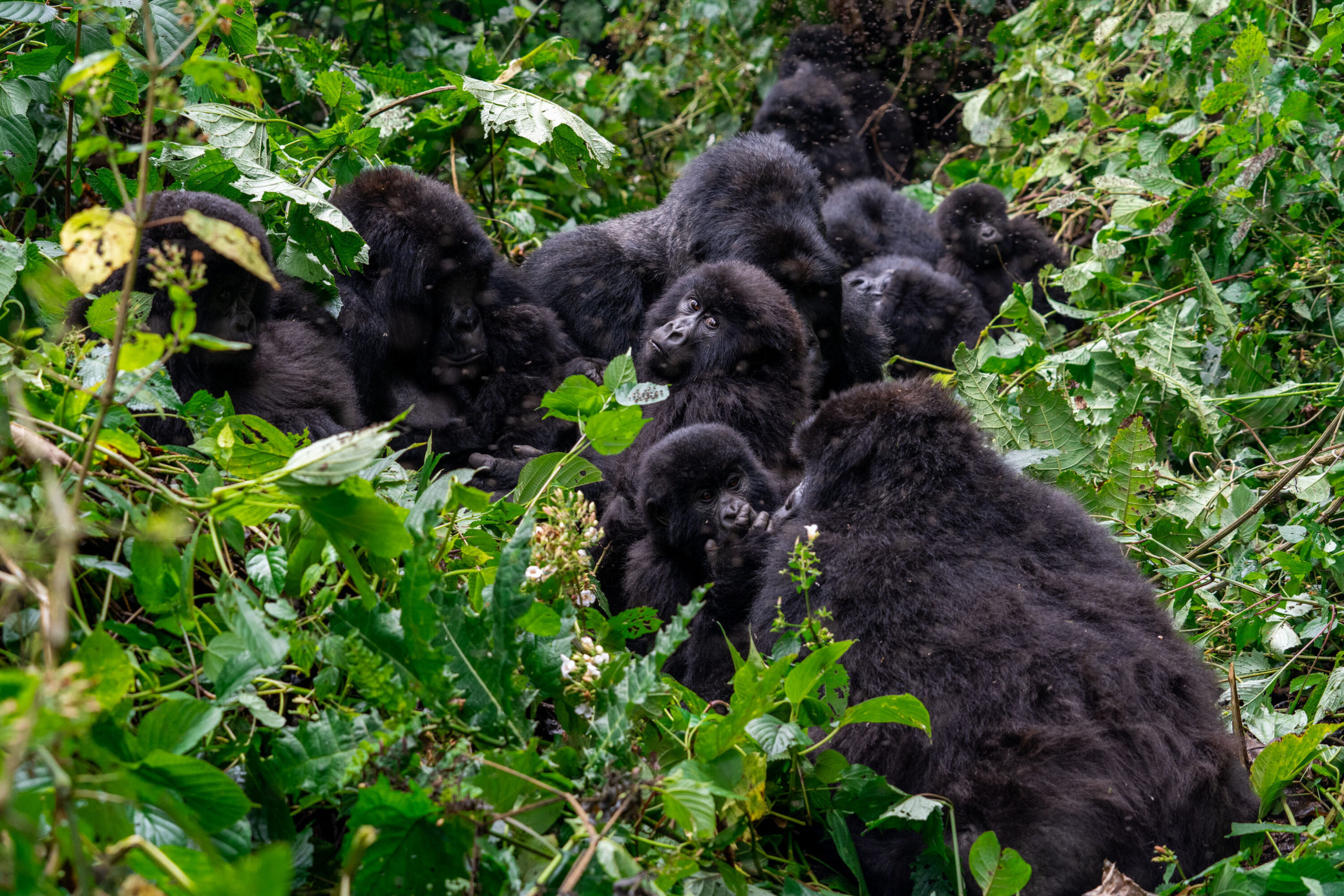
Conservation Impact of Your Visit
Your gorilla trekking permit in Volcanoes National Park is more than just access to an unforgettable wildlife encounter—it’s a direct investment in one of Africa’s most successful conservation stories.
Rwanda’s model turns tourism revenue into tangible protection for mountain gorillas and benefits for surrounding communities, making every visitor a contributor to species recovery.
How permit fees fund ranger salaries The USD 1,500 gorilla permit fee (for international visitors) is a key funding source for conservation.
A significant portion supports the Rwanda Development Board (RDB) and park operations, directly paying for ranger salaries, anti-poaching patrols, veterinary care for injured or sick gorillas, habitat monitoring, and daily protection of habituated groups.
Rangers patrol 24/7 to deter poaching, snares, and illegal activities—efforts that have been crucial in keeping gorilla populations safe and growing.
Revenue-sharing with local communities Rwanda pioneered a generous tourism revenue-sharing policy (introduced in 2005 and enhanced over time).
Currently, 10% of national park revenues—including gorilla permit income—is redistributed to communities bordering protected areas like Volcanoes National Park.
This funding supports local projects such as schools, health clinics, clean water initiatives, electrification, and income-generating activities (e.g., beekeeping, handicrafts, or community lodges).
By providing economic alternatives to activities like poaching or encroachment, revenue-sharing builds local buy-in and reduces human-wildlife conflict—turning former threats into conservation allies.
Mountain gorilla population recovery Thanks to intensive protection, community involvement, and sustainable tourism, mountain gorillas are the only great ape species with a known increasing population.
From a low of around 254 in the early 1980s (and fewer than 400 by the late 1980s), numbers have rebounded dramatically.
The global population now exceeds 1,000—with the most recent estimates around 1,063 individuals (based on the 2018 census and ongoing growth trends, including births and minimal losses).
This marks a remarkable turnaround from near-extinction, with the species downgraded from Critically Endangered to Endangered by the IUCN in 2018.
Volcanoes National Park’s role in gorilla recovery As part of the transboundary Virunga Massif (shared with Uganda’s Mgahinga and DRC’s Virunga National Parks), Volcanoes National Park protects a vital portion of the population—historically around 300+ gorillas, with many habituated groups for trekking.
The park’s strict management, combined with cross-border cooperation, has driven much of the overall recovery.
Tourism here funds the very patrols and programs that enable this growth, creating a virtuous cycle: visitors experience gorillas up close, revenue sustains protection, and populations thrive—ensuring future generations can witness these gentle giants.
By choosing to trek in Rwanda, you’re not just observing wildlife—you’re actively supporting a proven, community-inclusive model that has turned the tide for an endangered species.
Your visit helps keep this success story going strong in 2026 and beyond.
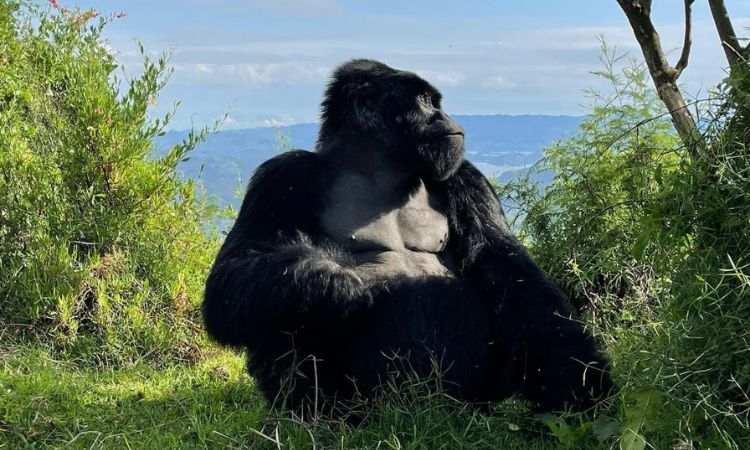
Combining Kigali & Volcanoes National Park with Other Destinations
Rwanda’s compact size, excellent roads, and diverse ecosystems make it easy to extend your Kigali city stay and Volcanoes National Park gorilla trek into a fuller, multi-destination adventure.
Many visitors upgrade from a short gorilla-focused trip to a 7–14 day itinerary blending primates, classic safaris, rainforests, and lakeside relaxation—boosting the richness of your experience while keeping travel times manageable (most drives 3–6 hours).
Popular add-ons include:
1. Akagera National Park safari Rwanda’s premier Big Five destination in the east offers open savannas, wetlands, and lakes teeming with lions, elephants, rhinos, leopards, buffaloes, giraffes, zebras, hippos, and abundant birds. Enjoy game drives, boat safaris on Lake Ihema, and sunset views.
How to combine: From Kigali (3-hour drive), add 2–3 nights post- or pre-Volcanoes for a classic wildlife contrast to gorilla trekking. Ideal for animal lovers wanting the full East African safari spectrum.
Best for: Wildlife enthusiasts seeking variety beyond primates; dry seasons (June–September, December–February) for optimal game viewing.
- Nyungwe chimpanzee trekking In the southwest, Nyungwe Forest National Park (Africa’s oldest rainforest and a UNESCO site) delivers thrilling chimpanzee tracking, monkey encounters, the famous canopy walkway, birdwatching (over 300 species), and hikes through misty montane forest.
- How to combine: A 5–6 hour scenic drive from Volcanoes via Lake Kivu, or loop from Kigali. Add 2–4 nights for chimp trekking (permits ~USD 100–150) and canopy adventures.
- Best for: Primate fans wanting a different ape experience; shoulder/low seasons for fewer crowds and lush scenery.
- Lake Kivu relaxation This vast, serene freshwater lake on the western border offers peaceful beaches, boat rides, swimming (safe in designated areas), coffee plantation visits, and sunset views against distant hills. Towns like Gisenyi (north) or Kibuye (south) provide charming spots to unwind.
- How to combine: En route between Volcanoes and Nyungwe (2–4 hours from Musanze to Gisenyi/Kibuye), or as a relaxing finale after trekking. Add 1–3 nights for downtime.
- Best for: Couples, honeymooners, or anyone needing recovery after hikes—perfect post-gorilla unwind with fresh fish meals and lakeside vibes.
- Uganda Bwindi extension Cross into neighboring Uganda for gorilla trekking in Bwindi Impenetrable National Park—home to more habituated groups (~27 families vs. Rwanda’s 12), often more affordable permits (~USD 800 vs. Rwanda’s USD 1,500), and varied terrain. The Virunga volcanoes straddle the border, so it’s a natural extension.
- How to combine: From Volcanoes/Musanze, drive 3–5 hours to southern Bwindi sectors (e.g., Rushaga or Nkuringo) via the Cyanika border—easy with the East African Tourist Visa (covers Rwanda, Uganda, Kenya). Add 3–5 days for another gorilla trek or cultural visits.
- Best for: Avid primate enthusiasts wanting multiple gorilla encounters or a budget-friendly second trek; year-round, but dry seasons ease border travel.
Sample multi-destination extensions (from a Volcanoes base):
- 7–10 days: Kigali → Volcanoes (gorilla trek) → Lake Kivu (relax) → Nyungwe (chimps/canopy) → back to Kigali.
- 10–14 days: Add Akagera for Big Five safaris, or extend to Bwindi for dual-country gorilla magic.
These combinations showcase Rwanda’s “Land of a Thousand Hills” diversity—from misty mountains to savannas and lakes—while leveraging short drives and seamless logistics.
Work with a licensed operator to customize permits, transfers, and timings for a seamless, high-value trip that maximizes your time in this remarkable country.
Whether adding one extension or several, you’ll leave with deeper memories and greater appreciation for Rwanda’s conservation success. Ready to upgrade your itinerary?
Sample 2-Day Kigali to Volcanoes National Park Itinerary
This compact 2-day itinerary is perfect for time-constrained travelers who want to experience Rwanda’s capital highlights and the thrill of mountain gorilla trekking in Volcanoes National Park without committing to a longer trip.
It balances city exploration, scenic transfer, cultural immersion, and the main event—gorilla trekking—while leveraging Rwanda’s short drive times (~2–2.5 hours from Kigali to the park). Ideal for short stays, business travelers, or those adding this as a quick extension.
Assume your gorilla permit (USD 1,500) is pre-booked well in advance, as slots are limited. Use a private safari vehicle with an experienced driver-guide for seamless logistics, comfort, and flexibility. Overnight in the Musanze/Kinigi area for rest after arrival.
Day 1: Kigali City Tour → Transfer to Volcanoes National Park → Cultural Visit
- Morning: Kigali City Tour (start after breakfast, around 8:00–9:00 am) Begin with a half-day exploration of Rwanda’s vibrant, clean capital. Key highlights include:
- Kigali Genocide Memorial — A poignant, educational visit to understand Rwanda’s history and remarkable reconciliation journey (allow 1.5–2 hours; deeply moving but essential for context).
- Local craft markets or artisan shops (e.g., in Kimironko or Nyamirambo) for handmade baskets, textiles, and souvenirs supporting local women cooperatives.
- Scenic viewpoints like Mount Kigali or a quick stop at a coffee shop for Rwanda’s famous brew. Enjoy a light lunch featuring local flavors (e.g., brochettes, ugali, or fresh produce).
- Afternoon: Scenic Transfer to Volcanoes National Park (depart ~1:00–2:00 pm) Head northwest on the smooth RN4 highway (~105–120 km, 2–2.5 hours). Enjoy Rwanda’s “Land of a Thousand Hills” with terraced farmlands, rolling green landscapes, and distant Virunga volcano glimpses. Stop for photos or snacks at a roadside viewpoint like Nyirangarama.
- Late Afternoon/Evening: Cultural Visit near Musanze/Kinigi Arrive at your lodge (mid-range like Le Bambou Gorilla Lodge or luxury like Bisate/Singita) to check in and relax. Then, visit the Iby’Iwacu Cultural Village (Gorilla Guardians Village) — a community-led initiative run by former poachers turned conservationists. Participate in traditional Rwandan activities:
- Intore dance and drumming performances.
- Mock traditional ceremonies.
- Herbal medicine demos or banana beer tasting. This uplifting experience supports local livelihoods and reinforces conservation impact. Return to your lodge for dinner (often fresh, organic Rwandan cuisine) and an early night to prepare for tomorrow’s trek.
Day 2: Gorilla Trekking → Return to Kigali
- Early Morning: Gorilla Trekking in Volcanoes National Park Wake early (around 5:00–6:00 am) for breakfast, then transfer to park headquarters in Kinigi (~15–30 min from most lodges). Arrive by 7:00 am for registration, briefing, and group assignment (based on fitness and preferences; max 8 people per gorilla family). Trek begins ~8:00 am — hike through bamboo forest, steep trails, and misty terrain (2–8 hours round-trip, depending on gorilla location). Once located, enjoy 1 hour of magical close observation (safe 7-meter distance) — photographing, watching behaviors, and soaking in the moment. Return to headquarters for lunch and certificates.
- Afternoon: Return to Kigali Depart post-trek (~1:00–3:00 pm, depending on trek length) for the scenic 2–2.5-hour drive back to Kigali. Arrive late afternoon/evening (~4:00–7:00 pm), with time to relax, shop, or enjoy dinner in the city. If your flight departs the next day, this timing works perfectly.
Quick notes & tips for this itinerary:
- Total drive time: ~5 hours round-trip — comfortable with a private vehicle.
- Physical demands: Day 2 trek requires good fitness (steep, muddy trails at altitude); pack accordingly (waterproof boots, rain gear, gloves).
- Best seasons: Dry months (June–September, December–February) for easier trails and clearer views.
- Customizations: Add golden monkey tracking or Twin Lakes visit if energy allows; extend to Lake Kivu for relaxation.
This efficient 2-day plan delivers Rwanda’s top highlights—history, culture, and wildlife—in a short, impactful window. Book through a licensed operator for permit coordination, transfers, and lodge recommendations to make it effortless. Ready to experience the magic of mountain gorillas up close?
Frequently Asked Questions
Here are the most common questions travelers ask about traveling from Kigali to Volcanoes National Park and gorilla trekking in Rwanda (2026 edition).
How far is Volcanoes National Park from Kigali?
Volcanoes National Park is approximately 105–120 km (65–75 miles) northwest of Kigali. The drive on the well-paved RN4 highway typically takes 2–2.5 hours, sometimes up to 3 hours with traffic or stops. It’s one of Africa’s shortest and most scenic transfers to a major gorilla destination.
Can I do gorilla trekking in one day from Kigali?
Yes, a full-day gorilla trek from Kigali is possible and popular. Depart around 4:30–5:00 am, arrive at park headquarters by 7:00 am for briefing, trek (2–8 hours hiking + 1 hour with gorillas), and return to Kigali by evening. Ideal for short stays; private vehicle recommended.
Is it safe to travel to Volcanoes National Park? Rwanda is one of Africa’s safest countries for tourists, with low crime rates and excellent road infrastructure. The Kigali–Musanze–Kinigi route is secure, well-policed, and daytime travel is highly recommended. Standard precautions apply; border areas near DRC are avoided on typical itineraries.
What is the cheapest way to get from Kigali to Volcanoes National Park?
The most budget-friendly option is public bus from Kigali’s Nyabugogo station to Musanze (~USD 2–15, 2–3 hours), then a moto-taxi or shared taxi to Kinigi or lodges (~USD 5–10). It’s affordable but less comfortable and reliable than private transfers—best for backpackers.
How difficult is the gorilla trek in Volcanoes National Park?
The trek varies from moderate to challenging (2–8 hours round-trip hiking). Expect steep, muddy slopes, bamboo thickets, and high altitude (2,400–4,000+ m). Fitness level matters—good boots, gloves, and stamina help. Rangers assign groups by fitness; porters are available for daypacks.
What happens if I don’t see gorillas during the trek?
It’s extremely rare not to see gorillas—rangers track habituated families daily using radio and scouts. If your assigned group moves far or is unreachable, you still get the full 1-hour viewing with another family if possible. No refunds, but the experience remains rewarding with forest immersion.
Do I need a yellow fever vaccine to visit Rwanda?
Proof of yellow fever vaccination is required only if arriving from or transiting (>12 hours) in a risk country (e.g., Uganda, Kenya). For direct flights from non-endemic areas (Europe, North America), it’s generally not needed but check current rules with Rwanda Immigration or your airline.
How far in advance should I book my gorilla permit? Book 3–6 months ahead for most dates; 6–12+ months for high season (June–September, December–February) when permits sell out quickly. Only 96 daily slots exist, so early booking via the Rwanda Development Board or a licensed operator ensures your preferred date and family.
Common Mistakes to Avoid
Planning a trip from Kigali to Volcanoes National Park for gorilla trekking is straightforward, but first-time visitors often make avoidable errors that can impact comfort, success, or enjoyment.
Here are the top mistakes to steer clear of in 2026, based on common traveler experiences.
- Booking permits too late Gorilla permits (USD 1,500) are limited to just 96 per day, and high-season slots (June–September, December–February) sell out 6–12 months in advance—or even longer for popular dates. Waiting until a few weeks or months before travel often results in no availability, forcing date changes or skipping the trek entirely. Book early through the Rwanda Development Board or a licensed operator to secure your spot.
- Wearing wrong shoes Many underestimate the terrain—steep, muddy, rocky, and root-filled trails at high altitude. Sneakers, sandals, or low-cut shoes lead to slips, blisters, or turned ankles. Always choose sturdy, waterproof hiking boots with good ankle support and grip; break them in beforehand for blister-free trekking.
- Underestimating altitude The park ranges from ~2,400 m to over 4,000 m, and even moderate hikes can cause altitude-related issues like headaches, shortness of breath, dizziness, or fatigue—especially if you’re not acclimatized. Don’t assume lowland fitness transfers directly; hydrate well, ascend gradually, inform guides of any health concerns, and consider consulting a doctor if you have respiratory or heart conditions.
- Not carrying cash for porter tips Hiring a porter (~USD 10–20 to carry your daypack) is highly recommended for comfort and supporting local communities (many are former poachers turned conservationists). Tips are customary and appreciated—typically USD 10–25 per porter depending on service and group size. ATMs are scarce near the park, and cards aren’t accepted on trails, so bring small USD bills (clean, recent notes) in cash.
- Choosing unlicensed tour operators Unreliable or unlicensed operators may mishandle permit bookings (leading to rejections or overcharges), provide subpar vehicles/drivers, or cut corners on logistics and safety. Stick to reputable, licensed companies recommended by lodges or the RDB—they ensure seamless coordination, reliable transfers, and better support if issues arise. This protects your investment and enhances the overall experience.
Bonus tips to avoid other pitfalls: Follow gorilla etiquette strictly (no flash, stay 7 meters away, no loud noises/sudden moves), pack layers and rain gear even in dry season, and secure comprehensive travel insurance covering high-altitude activities and evacuation.
By dodging these common mistakes, you’ll maximize your chances of a smooth, memorable, and responsible gorilla encounter in Rwanda’s stunning highlands. Safe travels!
Final Travel Advice & Booking Recommendation
As you plan your journey from Kigali to Volcanoes National Park, remember that Rwanda delivers one of the world’s most accessible yet profoundly rewarding wildlife experiences.
With excellent roads, top-tier safety, world-class luxury lodges, and a short 2–2.5-hour drive, gorilla trekking here stands out as Africa’s premier choice for intimate, meaningful encounters with mountain gorillas.
Key reminders for a seamless trip in 2026:
- Secure your gorilla permit early — At USD 1,500 per person for international visitors (with occasional low-season promotions reducing it to ~USD 1,050 when combining with other parks), slots are strictly limited to just 96 per day. High-season dates (June–September, December–February) often book out 6–12 months (or more) in advance—don’t wait until the last minute.
- Prepare properly: Invest in good waterproof hiking boots, layers, rain gear, gloves, and a small daypack. Hire a porter for comfort and to support local communities.
- Opt for a private safari vehicle or licensed operator for stress-free transfers, expert guidance, and reliable logistics—avoid unlicensed providers to protect your investment.
- Consider extending your adventure: Add Akagera for Big Five safaris, Nyungwe for chimps, Lake Kivu for relaxation, or even a Bwindi extension in Uganda for multiple gorilla treks.
This isn’t just a trip—it’s a life-changing wildlife encounter that brings you eye-to-eye with gentle giants in their misty mountain home, while directly funding their conservation and uplifting surrounding communities.
Few experiences rival the quiet awe of spending an hour with a mountain gorilla family, watching them play, feed, and interact in the wild.
Secure your Volcanoes National Park gorilla permit today with a trusted Rwanda safari specialist and experience Africa’s most extraordinary wildlife encounter.
Book now through the official Rwanda Development Board portal or a reputable operator to lock in your dates and create memories that last a lifetime.
Your adventure—and the gorillas’ future—starts with that first step. Safe travels to the Land of a Thousand Hills!