
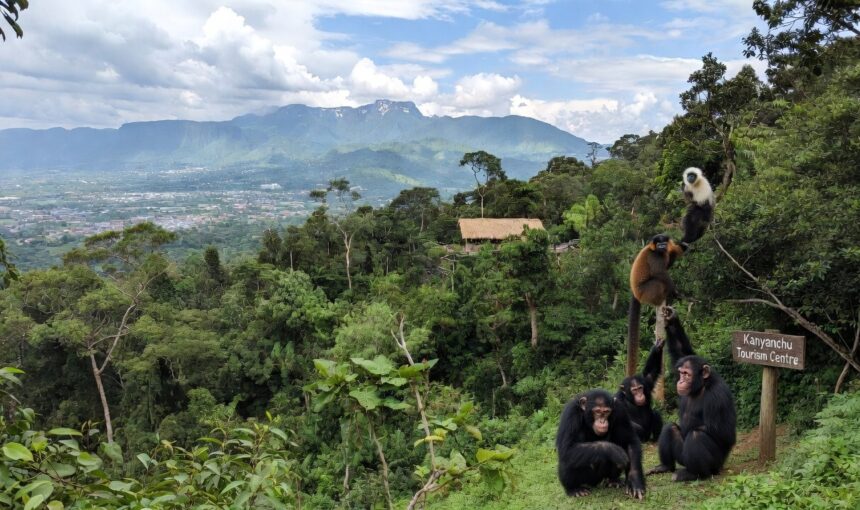
Kibale National Park Location: Map, Distance & Travel Guide, Where Is Kibale Forest in Uganda?
Discover Kibale National Park location in Uganda, distances, map, travel routes, nearby parks, and how to reach Africa’s best chimpanzee trekking destination.
Understanding the Kibale National Park location is essential for anyone planning a primate safari in East Africa. Nestled in the lush landscapes of western Uganda, Kibale National Park is internationally recognized as the “Primate Capital of the World.” The park protects one of the largest remaining tracts of tropical rainforest in the country and hosts the highest concentration of primates in Africa.
Kibale National Park stands as one of Africa’s premier primate destinations. Its strategic Kibale National Park location makes it the ideal gateway for travelers seeking immersive chimpanzee encounters amid ancient rainforests.
Whether you fly into Entebbe International Airport from the USA, UK, Europe, Canada, Asia, or the Middle East, this Kibale Forest Uganda gem offers unparalleled access to 13 primate species and over 300 bird species.
As expert African safari operators at GoSilverback Safaris, we specialize in crafting seamless journeys that highlight why the Kibale National Park location delivers unforgettable wildlife experiences without the crowds of more distant parks.
Spanning 795 km² of protected moist evergreen forest, Kibale forms a vital ecological bridge in the Albertine Rift Valley. Its position just 26 km southeast of Fort Portal town places it within easy reach of major transport hubs while preserving pristine habitats.
This Kibale National Park location combines accessibility with exceptional biodiversity, earning it the title “Primate Capital of Africa.” International visitors consistently rate it among Uganda’s top safari highlights for its habituated chimpanzee communities and diverse ecosystems.
Kibale National Park Location: Where Is Kibale Forest in Uganda?
Kibale Forest Uganda lies in the western region, primarily within Kabarole and Kamwenge districts. Centered at coordinates 0°30′N 30°24′E, the park occupies undulating terrain between 1,100 and 1,600 meters above sea level.
This elevation creates a unique microclimate that supports both lowland and montane forest types—one of the last such expanses in East Africa.
The park’s southern boundary connects directly to Queen Elizabeth National Park via a historic wildlife corridor, forming a continuous 180 km protected landscape.
To the north, it borders community lands and tea estates, while the Rwenzori Mountains rise dramatically in the distance. This Kibale National Park location positions it perfectly between Uganda’s capital and the country’s iconic western tourism circuit.
Travelers from North America or Europe often note how the park’s central-western placement minimizes fatigue after long-haul flights. From Entebbe, the journey covers just 367 km of mostly tarmacked roads, transforming what could be an arduous trek into a scenic 6-hour drive through rolling hills and tea plantations.
The Kibale Forest Uganda setting ensures you spend maximum time observing wildlife rather than traveling.
Where Is Kibale National Park Located?
Kibale National Park sits in Uganda’s western highlands, approximately 300–370 km west of Kampala and 26 km southeast of Fort Portal town. The main tourism hub, Kanyanchu Visitor Centre, serves as the departure point for chimpanzee trekking and lies just off the Fort Portal–Kamwenge road.
Geographically, the park occupies four administrative districts: Kabarole, Kyenjojo, Kamwenge, and parts of Kasese. Its position within the Albertine Rift—a global biodiversity hotspot—explains the extraordinary primate density.
Rivers such as the Mpanga and Dura drain southward into Lake George, creating swampy valleys and lush riverine forests that attract elephants, buffaloes, and countless bird species.
For international clients, this Kibale National Park location offers logistical advantages. Charter flights land at nearby Ndali or Fort Portal airstrips, reducing road time to under 45 minutes.
Road access via the fully tarmacked Kampala–Mubende–Fort Portal highway provides a smooth, safe journey suitable for all ages and fitness levels.
The park’s proximity to Fort Portal also allows easy day trips to nearby crater lakes and cultural sites, maximizing every moment of your Uganda safari.
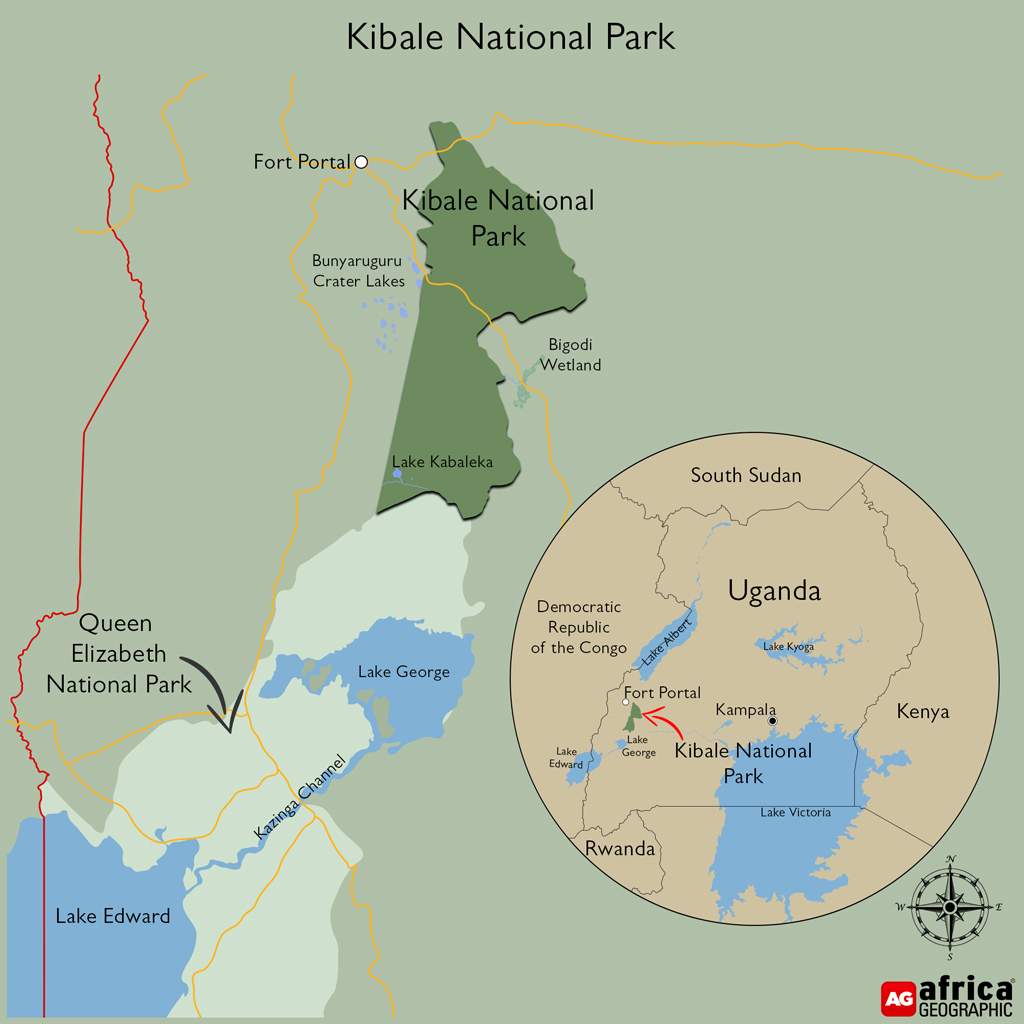
Kibale National Park Map and Geographic Position
Visualize Kibale National Park on a Uganda map: it anchors the northern end of the Queen Elizabeth–Kibale wildlife corridor in the western rift valley.
The park stretches roughly 30 km north-south and 25 km east-west, with Kanyanchu at its heart. Sebitoli sector marks the northern entry, while Mainaro and Kanyawara provide additional access points.
The geographic position places Kibale at the transition between Congo Basin rainforest influences and East African savanna systems.
This overlap generates exceptional habitat diversity—dense forest, woodland, grassland, and papyrus swamps—all within a compact area. Elevation gradients create distinct vegetation zones: tall evergreen canopy at lower altitudes giving way to montane forest higher up.
Major roads divide the park into northern, central, and southern sectors, yet most visitor activities concentrate around Kanyanchu for chimpanzee trekking.
The Kibale National Park map reveals its seamless connection to Queen Elizabeth National Park’s Ishasha sector just two hours south, enabling seamless multi-park itineraries. This strategic positioning makes Kibale the perfect pivot point for comprehensive western Uganda safaris.
Distance to Kibale National Park from Major Cities
Kibale National Park location offers remarkable accessibility for international travelers:
- From Kampala: 314 km via the northern route through Mubende and Fort Portal—5–6 hours drive on excellent tarmac.
- From Entebbe International Airport: 367 km road distance—6–8 hours, with many clients choosing overnight stops in Fort Portal.
- From Fort Portal town: Only 26 km—a quick 30–45 minute transfer to Kanyanchu Visitor Centre.
- From Kasese: 98 km—approximately 2 hours.
For clients arriving from Dubai, London, New York, or Toronto, Entebbe serves as the primary gateway. Domestic flights or charters to Fort Portal reduce total travel time dramatically.
These distances place Kibale far closer than many assume, allowing you to combine chimpanzee trekking with gorilla permits in Bwindi Impenetrable National Park on a single efficient itinerary.
How to Get to Kibale National Park
Reaching Kibale National Park is straightforward and scenic. Here are the proven routes we recommend at GoSilverback Safaris:
- By Road (Most Popular): Depart Entebbe or Kampala early morning via the Mubende–Fort Portal highway. Stop for lunch in Fort Portal, then continue 26 km to Kanyanchu. Private 4×4 transfers with English-speaking drivers ensure comfort and flexibility.
- By Air + Road: Charter a flight from Entebbe or Kajjansi to Ndali or Fort Portal airstrip (45–60 minutes). Our vehicles meet you for the short drive to your lodge. Ideal for time-conscious travelers from Europe or North America.
- Public Transport Option: Regular buses run from Kampala to Fort Portal (4 hours). From there, shared taxis or boda-bodas cover the final 26 km—though we strongly recommend private transfers for safety and convenience.
All routes feature well-maintained roads with minimal traffic outside peak hours. Our experienced drivers handle border formalities if combining with Rwanda or Kenya extensions.
Why Kibale National Park’s Location Is Unique
The Kibale National Park location stands out for three compelling reasons. First, it forms part of the Albertine Rift biodiversity hotspot—one of the world’s most species-rich regions.
Second, its position creates a continuous forest corridor linking Kibale directly to Queen Elizabeth National Park, facilitating wildlife movement across 180 km. Third, the park’s elevation and rainfall patterns produce a mosaic of habitats impossible to find elsewhere in Uganda.
Unlike more isolated parks, Kibale’s proximity to Fort Portal and major highways means you experience true wilderness without sacrificing comfort.
International travelers appreciate how this Kibale Forest Uganda location enables seamless combination with gorilla trekking in Bwindi (just 4–5 hours further south) or game drives in Queen Elizabeth. The result? A perfectly balanced primate and savanna safari that maximizes biodiversity exposure in minimal travel time.
Landscape and Ecosystems Around Kibale National Park
Kibale National Park features dramatic undulating terrain blanketed by moist evergreen rainforest. Tall trees form a continuous canopy reaching 30–40 meters, interspersed with grassy glades, river valleys, and papyrus swamps. The Mpanga and Dura rivers carve through the landscape, feeding Lake George and supporting rich aquatic life.
Annual rainfall of 1,100–1,700 mm creates two wet seasons (March–May and September–November) and two drier periods ideal for trekking.
Temperatures remain comfortable year-round: 14–15°C minimum and 26–27°C maximum. This stable climate nurtures an astonishing variety of flora, including over 350 tree species and countless epiphytes.
Surrounding ecosystems enhance the experience. Fort Portal’s crater lakes offer volcanic vistas, while tea estates provide cultural contrast.
The nearby Rwenzori Mountains add alpine drama visible on clear days. This diverse Kibale National Park location landscape delivers photographic opportunities at every turn.
Wildlife Found in Kibale National Park
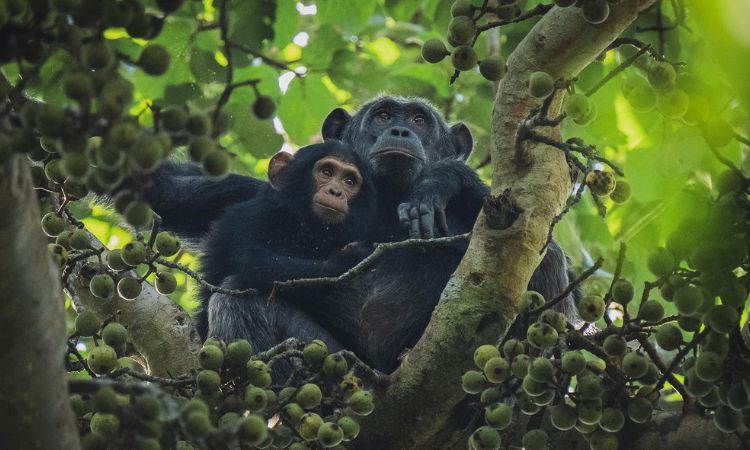
Kibale National Park boasts Africa’s highest primate density. Home to approximately 1,500 chimpanzees and 13 primate species total—including endangered Uganda red colobus, black-and-white colobus, blue monkeys, grey-cheeked mangabeys, and L’Hoest’s monkeys—the park truly earns its primate capital status.
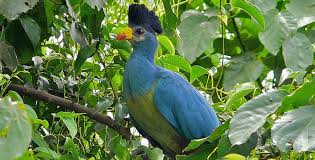
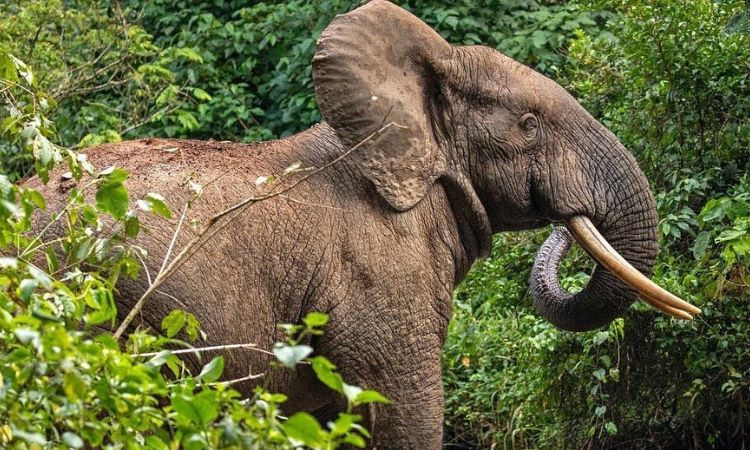
Large mammals include forest elephants, buffalo, bushpigs, and duikers. Over 300 bird species delight ornithologists, with specials like the green-breasted pitta and African grey parrot. The forest floor hides small carnivores and rodents, while the canopy teems with monkeys and chimps.
This extraordinary density stems directly from the park’s protected Kibale National Park location and long-term conservation management.
Chimpanzee Trekking in Kibale National Park
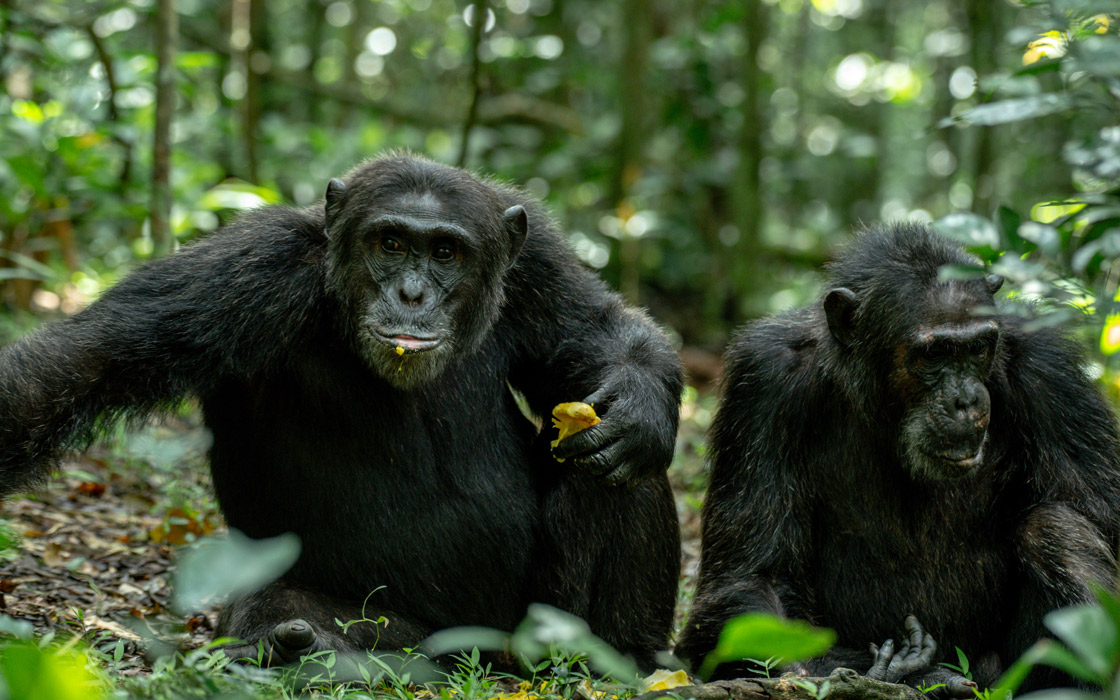
Chimpanzee trekking in Kibale National Park remains the signature experience. Groups of up to eight visitors depart Kanyanchu twice daily (morning and afternoon) with UWA-trained guides. After a briefing, you follow habituated communities through the forest for up to 4–6 hours.
The USD 250 chimpanzee trekking permit (foreign non-residents, 2024–2026 rates) includes park entry and guided nature walk. Habituation experiences cost USD 300 for deeper interaction. Success rates exceed 95% year-round thanks to excellent habituation.
Our GoSilverback Safaris clients often combine trekking with Bigodi Wetland walks for maximum primate sightings in one day.
Best Time to Visit Kibale National Park
Dry seasons—June to August and December to February—offer the optimal Kibale National Park location experience. Trails remain firm, chimp sightings improve, and photography benefits from clearer light. Peak visitor numbers occur then, yet the park never feels crowded.
Wet seasons bring lush greenery and fewer tourists but muddier trails. Birdwatching peaks during rains. Year-round accessibility means flexible planning for clients from the Middle East or Asia seeking shoulder-season value.
Best Safari Attractions Near Kibale National Park
The Kibale National Park location unlocks exceptional nearby attractions:
- Bigodi Wetland Sanctuary: Community-managed boardwalk teeming with primates and birds (10-minute drive).
- Queen Elizabeth National Park: Tree-climbing lions in Ishasha sector (2-hour drive).
- Fort Portal Crater Lakes: Stunning volcanic landscapes and hiking.
- Semuliki National Park: Hot springs and Central African species extension.
These combine perfectly into 7–10 day primate and savanna safaris.
Accommodation Near Kibale National Park
Options cater to every budget and preference:
Luxury: Ndali Lodge (crater rim views), Kyaninga Lodge (private lake), Chimpundu Lodge (forest-edge elegance), Crater Safari Lodge.
Mid-range: Primate Lodge Kibale, Isunga Lodge, Chimpanzee Forest Guest House, Turaco Treetops.
Budget: Kibale Forest Camp, Lake Nyamirima Cottages, Ruwenzori View Guesthouse.
All lie within 30 minutes of Kanyanchu, with excellent service and wildlife views from your veranda.
Conservation Importance of Kibale National Park
Kibale National Park serves as a critical carbon sink, watershed, and primate refuge. Long-term research by Makerere University and international partners has shaped global understanding of chimpanzee behavior while supporting habitat restoration.
Threats include crop raiding and historical encroachment, addressed through innovative community programs: beehive fences, trenches, and revenue-sharing. UWA’s efforts plus research stations have increased primate populations and reduced illegal activities. Every visitor dollar directly funds these vital conservation initiatives.
Travel Tips for Visiting Kibale National Park
- Book chimpanzee permits 3–6 months ahead via GoSilverback Safaris.
- Pack rain gear, sturdy boots, binoculars, and insect repellent.
- Arrive at Kanyanchu 30 minutes before briefing.
- Maintain 8-meter distance from chimpanzees and follow strict health protocols.
- Combine with gorilla permits for a complete Uganda primate safari.
- Hire private transfers for comfort and flexibility.
These tips ensure safe, rewarding experiences for travelers from every continent.
Frequently Asked Questions
What is Kibale National Park famous for?
Kibale National Park is famous for chimpanzee trekking and its extraordinary primate diversity. The park hosts 13 primate species, the highest concentration in Africa. It is widely known as the “Primate Capital of the World”, attracting researchers, wildlife photographers, and safari travelers interested in observing chimpanzees in their natural rainforest habitat.
What animals are in Kibale National Park?
Wildlife in Kibale National Park includes chimpanzees, red colobus monkeys, L’Hoest’s monkeys, black-and-white colobus monkeys, olive baboons, forest elephants, bush pigs, and duikers. The park also supports over 375 bird species, making it one of Uganda’s richest ecosystems for primates, birds, and rainforest wildlife.
Where is the headquarters of Kibale National Park?
The main headquarters of Kibale National Park is located at Kanyanchu Visitor Centre. Situated about 35 kilometers south of Fort Portal, this center serves as the primary starting point for chimpanzee trekking briefings, park administration, visitor registration, and guided forest activities.
What is the vegetation in Kibale National Park?
Vegetation in Kibale National Park consists mainly of tropical moist evergreen rainforest mixed with patches of swamp, grassland, and woodland. The forest contains tall hardwood trees, dense undergrowth, lianas, and wetland vegetation, creating ideal habitats that support diverse primates, birds, and other wildlife species.
What is the exact Kibale National Park location in Uganda?
Kibale National Park lies in western Uganda’s Kabarole and Kamwenge districts, 26 km southeast of Fort Portal town at coordinates 0°30′N 30°24′E. The 795 km² park connects directly to Queen Elizabeth National Park via a wildlife corridor, making it easily accessible from Kampala (314 km, 5–6 hours).
How far is Kibale National Park from Kampala or Entebbe?
The drive from Kampala covers 314 km on tarmacked roads (5–6 hours). From Entebbe International Airport, expect 367 km and 6–8 hours. Many international clients choose private transfers or short charter flights to Fort Portal for convenience.
What is the chimpanzee trekking permit cost in Kibale National Park?
Foreign non-residents pay USD 250 per person for chimpanzee trekking (2024–2026 rates). Foreign residents pay USD 200, and East African citizens UGX 180,000. Habituation experiences cost USD 300. Permits include guided walks and must be booked in advance.
Is Kibale National Park suitable for families or first-time safari travelers?
Yes. Gentle trails, high success rates for chimp sightings, and excellent lodges make it ideal for families and beginners. Children over 12 can trek; younger ones enjoy nature walks and Bigodi Wetland. Our family-friendly itineraries include comfortable transport.
How many primates live in Kibale National Park?
The park hosts approximately 1,500 chimpanzees and 13 primate species total, including red colobus, black-and-white colobus, and mangabeys. This makes it Africa’s primate capital with the continent’s highest density of these species. (49 words)
What is the best time to visit Kibale for chimpanzee trekking?
Dry seasons June–August and December–February provide firm trails and optimal visibility. Wet seasons offer lush scenery and fewer crowds but muddier paths. The park remains accessible year-round with excellent sighting rates.
Can I combine Kibale with gorilla trekking in Bwindi?
Absolutely. The Kibale National Park location sits just 4–5 hours from Bwindi, allowing seamless 7–10 day primate safaris. We arrange gorilla permits alongside chimp permits for complete Uganda experiences.
What wildlife besides chimpanzees can I see in Kibale?
Expect elephants, buffalo, duikers, and over 300 bird species. Thirteen primate species and numerous monkeys make forest walks rewarding. Bigodi Wetland adds extra primate and bird sightings nearby.
Are there luxury lodges near Kibale National Park?
Yes. Top options include Ndali Lodge, Kyaninga Lodge, and Crater Safari Lodge, all offering crater-lake views, fine dining, and forest-edge locations within 30 minutes of trekking trails.
Is chimpanzee trekking in Kibale physically demanding?
Moderate fitness suffices. Trails involve gentle hills and can be slippery when wet. Guides adjust pace; porters carry bags. Most international visitors aged 12+ complete treks comfortably.
How does Kibale’s location benefit conservation?
Its position in the Albertine Rift and corridor to Queen Elizabeth National Park protects vital habitat connectivity. Community programs around the park reduce conflict and support local livelihoods through tourism revenue.
What should I pack for a Kibale National Park safari?
Sturdy hiking boots, lightweight rain jacket, binoculars, long-sleeved clothing, insect repellent, and camera gear. Lodges provide most amenities; we supply detailed packing lists with every booking.
Conclusion: Why Kibale National Park’s Location Makes It Perfect for Safaris
The Kibale National Park location delivers everything discerning international travelers seek: effortless access, world-class primate viewing, diverse ecosystems, and seamless links to other iconic Ugandan destinations.
Its position in western Uganda transforms what could be a remote experience into a perfectly balanced safari that fits comfortably into 7–14 day itineraries from any continent.
Whether you arrive seeking chimpanzees, birds, or a complete primate adventure paired with gorilla permits, Kibale exceeds expectations every time. The combination of ancient forest, habituated wildlife, comfortable lodges, and genuine conservation impact creates memories that last a lifetime.
Ready to experience the wonders of Kibale Forest Uganda and secure your place among the chimpanzees? Contact GoSilverback Safaris today.
Our expert team will arrange your chimpanzee trekking permits, private transfers, and—when you extend your journey—your gorilla permit for the ultimate Uganda primate safari.
Let us craft your personalized African adventure starting in this extraordinary Kibale National Park location. Your forest adventure awaits.